Pallets, being the backbone of modern logistics and supply chain management, are now ubiquitous across industries. One might ask, what are these structures that are so crucial made of? It is very important to choose the right pallet type as it determines factors such as lifespan, weight, cost, and eco-friendliness. Besides this, the post discusses the materials used in the making of pallets, which are wood, metal, and plastic, along with their unique properties, benefits, and uses. Understanding the features and differences of each type of pallet is necessary if you want to implement changes in the warehouse or be more conscious of your impact on the environment.
Pallet Materials
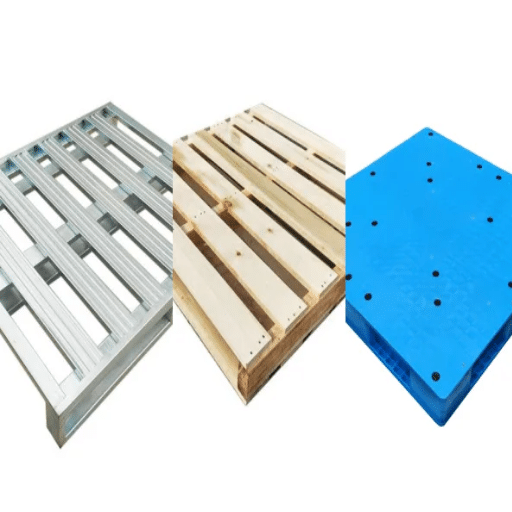
Wood Pallets: Wood is the most commonly used material for pallets, owing to its low cost, wide availability, and strength. Hardwoods like oak and maple are used for heavy-duty applications, while pine is a softwood that is light and inexpensive. On the downside, wood pallets can easily splinter and may need to be treated to ward off pests.
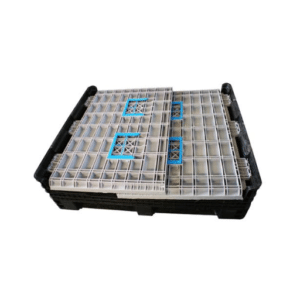
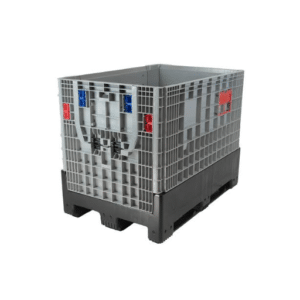
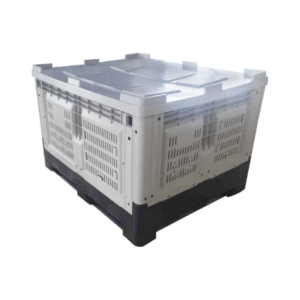
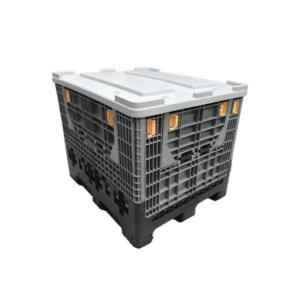
Plastic Pallets: The durability, moisture resistance, and easy cleaning of plastic pallets make them appropriate for industries that require strict hygiene, such as food and pharmaceuticals. They are quite light, can be reused, and are generally more costly than wood pallets. Moreover, a large portion of plastic pallets is recyclable, thus aiding in environmental protection or sustainability campaigns.
Metal Pallets: Metal pallets made of steel or aluminum are almost unbreakable and can bear big loads as well as endure very harsh conditions. They do not rust and can thus be tolerated for a long time or even in some special uses like chemical storage. But then again, if you compare them to wood and plastic, they are still the heaviest and most expensive options.
Wooden Pallet Overview
Wooden pallets are the most widely utilized pallet type primarily because they are the cheapest, are readily available, and are adaptable. Usually, they are made of either hardwood or softwood and have a standard design that can be adapted to suit the needs of different industries. Wooden pallets are very appropriate for one-time or short-term use but can also be reused, repaired, and recycled, thus prolonging their life cycle.
Wooden pallets can carry heavy loads and provide good friction from a functional point of view, which decreases the chance of slipping during transport. On the downside, though, they are prone to moisture, bug infestation, and possible splintering, which may compromise their strength and cleanliness. Unlike plastic or metal pallets, wooden pallets can be subjected to heat and chemical treatments, thus remaining within the limits of the international shipping regulations like ISPM-15.
Wooden pallets are the most environmentally-friendly option of all since they are recyclable and biodegradable, but only when disposed of properly. Though their lifespan may be shorter than that of plastic or metal alternatives, they still play an important role in global logistics due to their cost efficiency and practical applications in a wide range of industries.
Types of Pallet Wood
The main categories of wood utilized in the manufacturing of pallets are softwood, hardwood, and engineered wood. Softwood, like pine or spruce, is appreciated for its light weight and low price, which is why it is most often used for pallets that are intended for light to medium loads. Hardwood, by contrast, which may include oak or maple, provides very good strength and durability; thus, it is preferable for heavy-duty applications that require greater weight capacity. Engineered wood, such as plywood or oriented strand board (OSB), presents a uniform and flexible material option that is usually applied for custom-made pallets. The selection of wood type is influenced by considerations such as the required load-bearing capacity, intended use, and budget limitations.
Wood is Used in Pallet Manufacturing
Pallet manufacturing wood selection is mostly determined by the wood’s purpose, performance, and cost. Solid hardwoods like oak and maple are super strong and, therefore, can withstand heavy loads and resist getting deformed. Hence, they are mainly used for shipping and storage in industries that need sturdy and tough pallets.
In contrast, spruce or fir is nomenclature-wise softer, or more than one type of tree is required for production, since the cost, weight, and load capacity are all in favor of this type of wood for basic applications. This wood type’s faster growth rates also make it less expensive and greener for the large-scale production of pallets, which is especially attractive in industries with low load requirements.
The trend towards commonly used engineered wood products like plywood and OSB is increasing as they have the advantages of having uniformity, good quality, and being able to be supplied according to exact specifications. These are the types of materials that are involved in custom pallet designs, where consistent performance and adaptability are the main requirements.
Not just individuals, but also companies have needs, and one of the first steps towards meeting those needs is the correct wood selection, depending on the moisture content and treatment processes. Kiln-dried wood is usually the choice that gets rid of the problems of the case being warped, shrinkage, or pest infestation, and at the same time, it also helps the company to comply with the international shipping standards that ISPM-15 has set. The manufacturers’ ability to work with the quality of the material, the environment, and cost-effectiveness allows them to produce different types of pallets tailored to various industrial needs.
Plastic Pallets

Plastic pallets represent a long-lasting and lightweight choice of material over the usual wood pallets, which come with the advantage of being resistant to moisture, pests, and chemicals. They are very reusable that they can even be used for industries where cleanliness and performance are very crucial, such as food, pharma, and electronics. Plastic pallets come in different categories – stackable, rackable, and nestable being the different design types according to the specific needs of logistics. Though they usually have a higher price tag than wood pallets, they are still a good investment in the long run due to their durability and lower maintenance requirements.
Benefits of Using Plastic Pallets
Over the years, plastic pallets have steadily gained acceptance in many industries due to their numerous advantages over traditional wooden pallets. The longest durability and lifetime are among the key assets. Breaking, rot, and bugs have no effect on plastic pallets, ensuring their ever-reliable performance even after years of use. Besides, they are lightweight and thus contribute to the lowering of transportation costs, while still, however, keeping up with a high load-bearing capacity.
Another big plus is cleanliness, as plastic pallets, being non-porous and easy to clean, can be used even in industries with the most rigid sanitary requirements: food, pharmaceuticals, and medical supplies. Furthermore, they meet international shipping regulations like ISPM-15 and thus do not require the use of any chemical treatments that might be necessary for wooden pallets.
Plastic pallets are also one of the contributors to environmental conservation, since many of them are recyclable at the end of their life, and very often, they are made from recycled materials. Their various types—stackable, nestable, and rackable—take up less space, make the storage and transportation needs specific, and thus provide a versatile and cost-efficient solution. The initial costs might still look high, but the long-term savings due to less maintenance and prolonged usability would be worth the investment, especially in high-volume operations.
Types of Plastic Used in Manufacturing
In the production of plastic items, various types of plastics are generally used, with each one being selected for its specific characteristics and best use. Polyethylene (PE) is the most prevalent plastic as it can be turned into a wide variety of products in its two forms: high-density (HDPE) and low-density (LDPE). HDPE has the surprising strength and durability, and hence is very suitable for making containers and pallets, whereas LDPE is then more flexible and has the most common use in plastic bags and wrapping. Polypropylene (PP) is, however, another plastic that has higher resistance to chemicals, fatigue, and heat, and hence it is mostly used in making reusable containers, automotive parts, and industrial components. Polyvinyl chloride (PVC), being very strong and hence very good for making pipes, flooring, and medical equipment, is a plastic with excellent environmental resilience. These materials are chosen not only for their functional characteristics but also for their recyclability, and hence they are the main contributors to efficient and sustainable manufacturing processes.
Environmental Impact of Plastic Pallets
The environmental impact of plastic pallets is mixed, which means that it is difficult to determine whether their benefits or their challenges are bigger. The durability of plastic pallets is that they are very durable and reusable, so they have a longer lifespan compared to wood pallets. Their long life, in turn, means fewer working pallets, which ultimately lessens the waste generation over a longer period of time. What’s more, a lot of plastic pallets are produced from recycled materials, and at the end of their life cycle, they can be recycled too, which all goes towards the principles of a circular economy.
On the other hand, plastic pallets are made mainly from petroleum-based materials that emit carbon during the production process. One of the harmful effects of the non-recyclable pallets being improperly disposed of is that they can add to the plastic pollution in landfills and waterways. Unlike wooden pallets, they do not decompose, thus creating environmental concerns in the long run if not managed well. However, technological advancements in recycling, the usage of renewable polymers are the factors that are going hand in hand with the shift towards more sustainable pallet solutions.
Metal Pallets

Metal pallets possess remarkable durability and damage resistance characteristics that render them suitable for heavy-duty applications as well as stringent hygiene requirement environments like the food and pharmaceutical industries. They do not suffer the adverse effects of warping, cracking, or moisture absorption associated with wooden or plastic pallets, which guarantees prolonged usability. Their weight and higher upfront price are their main disadvantages, but these costs are often completely offset by the longevity of the pallets over time. In addition, metal pallets are entirely recyclable, thus aiding in the development of sustainable practices when their end-use is properly managed.
Advantages of Metal Pallets
Durability and Strength: Metal pallets are super strong, and they can take up a lot of weight and work in very rough conditions. Their strength makes it possible for them to carry heavier items or machinery than wooden or plastic pallets.
Hygienic and Easy to Clean: Metal pallets are non-porous, which means that they do not allow liquids to penetrate or bacteria to grow. Hence, their use in the food manufacturing or pharmaceutical industry, where cleanliness is crucial, is really good. They can be quickly disinfected so that they are always in line with hygiene regulations.
Longevity: Metal pallets, being moisture resistant, suffer less from warping, cracking, and rotting, which is why they last longer than any other pallet material. The long life, however, sometimes leads to a lower cost of ownership in the long run, despite the initial investment being higher.
Fire Resistance: On the contrary, the metal pallets here are non-combustible compared to the wooden ones and hence, provide fire resistance. Thus, they are especially beneficial in places where fire safety is the main concern.
Recyclable and Sustainable: When metal pallets reach the end of their life cycle, they can be completely recycled with no waste at all. This is not only good for the environment but also in line with the sustainable business practices and circular economy models.
High Load Capacity: Metal pallets are designed to have higher load capacities, and this makes them fit for application in warehouses where large machines or bulk goods in manufacturing and logistics are stored.
Metal pallets create a combination of durability, sustainability, and performance that makes them a reliable and cost-effective choice for industries that demand long-term efficiency and strict hygiene standards.
Material type of metal tray
Metal trays can be made from several different materials, but generally, stainless steel, aluminum, and carbon steel are the main materials, each having its pros and cons in terms of application. Stainless steel is the most resistant to corrosion and the most durable, thus it is the most suitable material in places where cleanliness and hygiene are very important, like food processing and medical applications. Aluminum is very light and is also very resistant to corrosion, so it is widely used in industries where the weight of the materials is very important, for example, the aerospace and catering industries. Carbon steel is not as resistant to corrosion as the others, but still, its strength and low price make it a good material for heavy-duty industrial applications that need high load capacities. The combination of these materials allows the manufacturers to be very flexible and to efficiently meet the different operational demands.
Durability and Longevity of Metal Pallets
Metal pallets are not only the best but also the longest-lasting among the traditional wood and plastic alternatives since they completely work out the gains and losses of the materials on their own. They are made of strong materials like aluminum, carbon steel, and stainless steel that can withstand damage from impacts, heavy loads, and extreme environmental conditions. Metal pallets are ten times more durable compared to wood ones, as they can just be placed in the lightest of conditions, which totally eliminates the prolongation caused by the above-mentioned problems. Among the different types of metal, stainless steel has the highest corrosion resistance and thus is the best place for use in a high-demand area like processing and pharmacy, where hygiene is critical, because it can stand harsh conditions along with the others, in the case of just being for cleanliness only.
On top of that, metal pallets just don’t need any special maintenance at all, and their usefulness is so high that they just keep on being used; therefore, the purchase of new ones would not be necessary. The ability of metal pallets to hold up to the highest weight without deforming sets them apart in the market in industries where heavy goods are dealt with. The initial cost of metal pallets is indeed higher than that of wood or plastic; however, their durability and lower lifecycle costs are the reasons that they are still the most cost-effective solution for those businesses that are looking for storage and transportation systems that are sustainable, high-performance, and cost-effective in the long run.
Different Types of Pallets

The classification of pallets is done according to their material and design. The most popular categories are:
Wooden Pallets: These are the most widely used pallets because of their low price and easy availability. They are also easy to repair and can be used for different applications, but may eventually break down when continuously exposed to moisture and heavy use.
Plastic Pallets: Plastic pallets are the lightest and most moisture-resistant among all the types of pallets. Besides, they are the most durable and come to the market in different industries that require clean handling, like food and pharmaceuticals. On the other hand, they have a comparatively higher initial cost than wooden pallets.
Metal pallets: Metal pallets are heavy-duty products that provide the greatest strength and durability. They are fire-, pest-, and rust-resistant, which gives them a long life even in tough conditions.
Cardboard pallets: These pallets are made from corrugated cardboard and are easily recyclable. They are very light and not suitable for more than a single use, and are very light loads at best.
All types come with different advantages, and one of the variables that would help in their selection is the specific need for them in terms of capacity, environmental conditions, and price.
Comparing Wooden, Plastic, and Metal Pallets
When it comes to choosing between wooden, plastic, and metal pallets, it is important to take into account durability, cost, application, and environmental impact, among others, for every material has its own unique advantages and disadvantages.
Durability and Strength: Wooden pallets have high load capacities and are incredibly strong, but they also have a downside of being easily splintered, warped, and exposed to moisture damage during their lifetime.
On the other hand, plastic pallets feature, performance-wise, a very big plus because they are the proper moisture, insect, and chemical-resistant materials; thus, their life expectancy in controlled environments is long. But metal options might outperform them in case the loads are not too heavy.
Among the various types of pallets, metal ones produced from steel or aluminum are the most expensive and the strongest; they dominate the market in the applications that are based on the use of heavy-duty and highly resilient conditions.
Cost Effectiveness: Wooden pallets, though, come at the cheapest price initially, and they are easily sourced, which also means they are the option for low-budget requirements or single-use shipping.
On the other hand, plastic pallets come with a bigger upfront cost, but they also provide the main long-term value through their sturdiness and being reused.
Metal pallets undoubtedly incur the highest production cost and only the most costly in terms of investment for the purchase, which situations that last for a longer period and where performance is a major factor of investment come into play.
Environmental Considerations: Wooden pallets are environmentally friendly as they decompose, can be mended, or can be processed; however, their production might lead to the depletion of forests.
Plastic pallets are not biodegradable, but they can be processed and turned back into the same product endlessly. And since natural resources are non-renewable, that makes them hard to sustain, and hence, the production of plastics causes the consumption of petroleum-based materials.
Metal pallets are 100% recyclable, and thus, they become less environmentally damaging as they lose this quality only along with the production, which, of course, requires a lot of energy.
Usage and Industry Applications: Pallet wood is the most common input for the agriculture, retail, and construction industries, to mention a few, where they are employed either for the short term or for the one-way aspect of logistics.
Pallets made of plastic are the most commonly used in the pharmaceutical and food processing industries, where hygiene is a major concern.
Pallets made of metal are a category that encompasses the automotive, military, and chemical industries, and they are the ones that are most demanding in terms of durability requirements.
It is always the case of specific operation requirements decision on the type of pallet to go with, as such a case might involve balancing factors like the type of load, the budget, and the environmental priorities.
Choosing the Right Pallet for Your Business
Choosing the right pallet for your business is not a straightforward matter. You have to take into account your industry regulations, your company’s operations, and the environmental situation. Wood pallets are usually the best choice for all-purpose and temporary shipping if you want light and low-cost solutions. On the other hand, plastic pallets are the best option in case of contamination and cleaning ease for industries like food and pharmacy that are very much concerned about cleanliness. In other cases, metal pallets should be the material of choice for heavy-duty applications in areas like the automotive, chemical, or military sectors that need extreme durability and safety etc.
When it comes to making this decision, you should consider the factors of load capacity, durability, price, maintenance, and sometimes even regulation compliance in your sector. Besides that, going for the reusable or recyclable pellet materials can help you achieve your sustainability objectives even more. In this way, by being aware of these factors, businesses will not only be able to increase their operational efficiency but also get the right pallet that is in line with their logistic and environmental goals.
Sustainable Pallet Options
Sustainable pallet options are mainly eco-friendly while being functional and durable at the same time. A few of the sustainable pallet materials are wood, plastic, metal, and corrugated paper, each of which has some pros and cons. Wooden pallets are still the first choice among users because of their renewability, repairability, and biodegradability; however, responsible practices like FSC (Forest Stewardship Council) have the potential to make the plight of sustainability easier. Plastic pallets are fully recyclable and contamination-proof, thus being the best for the hygiene-critical sectors such as pharma and food, while metal pallets have been the most infrequent example of the usage of metal, but they are the best where there is a heavy applicability because of their extremely durable and recyclable but pricey and heavy nature. Finally, the use of corrugated paper pallets, which are light, papery, and often one-time shipping in a packing way to reduce the carbon footprint of trucks, is increasing.
The main points in the selection of pallets are their life cycle analysis, cost simplicity, and adherence to the standards set by the industry and the government. Companies that want to enhance their environmental friendliness might consider such methods as the use of recycled or repaired pallets, the establishment of pallet pooling systems, and the practice of recycling after end-of-life. By aligning their operational needs with their environmental aims, companies can bring the use of sustainable pallets into their supply chain strategies very effectively.
Pallets in the Supply Chain

Pallets play a vital role in modern supply chains as they ease the whole process of moving, storing, and arranging the goods. Being a part of the same handling technique, pallets allow for quicker loading and unloading, hence less workforce needed and fewer chances of products getting damaged during traveling. Moreover, their application helps in better management of warehouse spaces by using efficient stacking and sorting of the stocks. It is very important to choose the right type of pallet—wooden, plastic, or metal—as it directly influences the durability, price, and how well the pallet can meet the logistics and safety standards. Going for the pallet pooling or reusable pallet system can also make your supply chain practices more efficient and, at the same time, eco-friendly.
How Pallets are Used in Transport
Pallets are essential in the transport process as they are the standard platform for goods that can be stored and moved mechanically. This allows for very quick loading and unloading of products, which in turn cuts down handling time and reduces labor costs. Pallets make it possible to use forklifts, pallet jacks, and automated systems, thus making the material handling processes quicker in all modes of transport, trucking, rail, and air freight. Moreover, pallets provide important support to the cargo during movement, thus protecting the products from damage that would be caused by the load being shifted. The type of pallet used—wood, plastic, or metal—has an impact on the specific transport conditions, such as weight limits, sanitary requirements, or restrictions for international shipping. To achieve the utmost transport safety and compliance with the industry standards, proper palletization, which involves correct stacking and securing by strapping or wrapping, is necessary.
The Role of Pallets in Logistics
From my view, pallets are of paramount importance in today’s logistics as they make the handling, storing, and transporting of goods much easier. They serve as a common platform and thus make it possible to use space in an efficient way and at the same time be compatible with different modes of transport. By providing stability to the cargo and making the loading a little simpler, pallets are the main factor in gaining operational efficiency while at the same time complying with the safety and regulatory requirements.
Innovations in Pallet Design and Manufacturing
Recent developments in pallet design and production are concentrating on the areas of durability, sustainability, and cost-effectiveness. One breakthrough is the creation of ultra-light plastic pallets that are made entirely from recycled materials. They offer better reusability, weather resistance, and hygiene than the conventional wood pallets, and at the same time, their reduced weight leads to both less transportation cost and lower overall cost. Another significant trend is adopting smart technology, including RFID tags and IoT-enabled sensors, which enable real-time tracking and monitoring of goods across the supply chain. Modular and collapsible pallet designs are being used to enhance storage and to effectively use space when not in use. These innovations point clearly to a change in the direction of solving logistical issues while satisfying the requirements of both environment and economy.
Reference Sources
On the Environmental Impacts of Pallet Management Operations
Design, Optimization, and Manufacturing of Wood–Plastic Composite Pallet
An Investigation of Pallet Design Using Alternative Materials for Cold Room Applications
Frequently Asked Questions (FAQs)
What materials are pallets composed of?
Wood, plastic, and metal are the major materials used for making pallets. Wooden pallets are the most common ones, and they can be made from different kinds of wood, both hard and soft, depending on the application. In some instances, pallets made from used materials like wood or presswood are called recycled pallets, while the high-quality plastic and metal pallets are gaining popularity in different industries.
Which wood is the most used for the production of wooden pallets?
Pine and oak are among the most common softwoods and hardwoods that are used for wooden pallets, respectively. The type of wood selected varies with the goods that would be carried on the pallet; commonly, hardwood pallets are used for heavy loads because of their strength.
How do I choose the correct pallet?
To some extent, the correct pallet for your enterprise is determined by the weight of your goods, the specific place of use, and your budget. The most popular options include block pallets for stability, stringer pallets for versatility, and plastic pallets for ease of transport and light weight.
Are the materials of plastic pallets of high quality?
Yes, plastic pallets are made of high-grade plastic materials that can endure different conditions. They are mostly lightweight compared to wood, and they can be applied in industries where cleanliness is a major concern. With their resistance against moisture and chemicals, plastic pallets become fit for various industrial applications.
How do metal pallets measure up to wooden pallets?
Aluminum pallets are an example of metal pallets that are very strong and can bear great weights and can be exposed to severe conditions. They, in contrast to wooden pallets, do not experience any drawbacks like splintering or rotting due to moisture. Nonetheless, they are still generally regarded as pricier and heavier than wooden pallets, which can have an impact on shipping charges.
What range of pallets do we have in the market?
A variety of palettes are available, such as block pallets, stringer pallets, presswood, and plastic pallets. Polypropylene and wood pallets, for instance, share the same basic purpose but can still vary significantly in price and performance due to differences in the construction material and design.
What role do pallets play in the supply chain?
Pallets make the movement of goods across the supply chain fast and easy. Because of stacking and quickness in handling, the loading and unloading become more efficient. When the correct size and type of pallets are used, it leads to spot-on shipping processes and a reduction in total costs.
Are pallets made from recycled materials?
Pallets are made from recycled materials such as wood and plastic that have been previously used. By doing so, not only is the waste reduced, but also the businesses that are conscious about their environmental footprint and are looking for an eco-friendly pallet option can take advantage of this cost-saving solution.