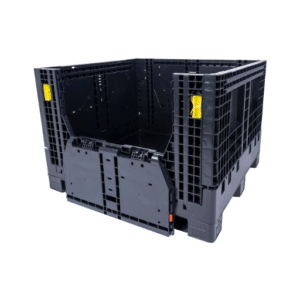
The industry is one with rigorous safety and hygiene standards, thus necessitating the choice of equipment and materials that will not compromise compliance and quality. Among these are pallets that are food grade, which are central to ensuring the safe and clean transport and storage of food products. So, in essence, what are food-grade pallets really, and why have they become imperative in today’s fast-paced supply chains? This article highlights the key features of food-grade pallets, their benefits to the food industry, and how they ensure product integrity for delivery to consumers. Whether a logistics manager or a food manufacturer, or just an inquisitive soul, this insightful guide sheds light on one of the important tools that help keep the global food supply safe and efficient.
Understanding Food Grade Pallets
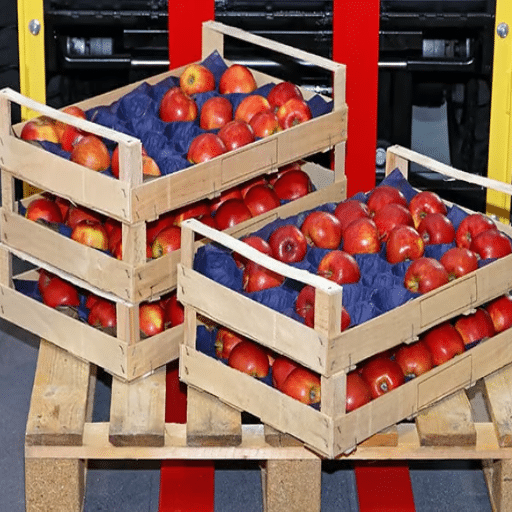
Food-grade pallets are tailor-made to meet the stringent requirements of hygiene and safety regulations that the food industry considers imperative. Made of materials that are impervious, like plastics or metals, they do not allow any liquid, bacteria, or contaminants to seep in. These pallets are sturdy and easily washable while meeting all specifications of food safety. They are a must for transporting and storing food products to ensure the items inside are kept contamination-free and fit to consume.
Definition and Importance
Pallets of food-grade nature are a vital component in supply chain operations, especially in industries dealing with perishable goods. These pallets are required to be constructed in accordance with strict criteria concerning food safety. They resist contamination, pests, and absorption of chemicals and thus may be employed for sensitive products. Some new technologies have now entered the material Sciences that allow for antimicrobial treatment and integration with RFID technology for cleanliness and traceability.
The food-grade pallets also played an important role in eliminating wastage and spoilage of food. Reports suggest a steady development of the global food-grade pallet market with increased demand for safe food transportation methods. Research shows that plastic pallets held a share of about 60% in the market due to their durability and reusability. As the notion of sustainability grows larger, manufacturers are increasingly tending towards recyclable and eco-friendly materials, alongside maintaining compliance with food safety standards. These changes further highlight the need for food-grade pallets for food quality, mitigation of risks, and supply chain support.
Types of Food Grade Pallets
Due to their material composition, design, and fitness for different uses in the food industry, food-grade pallets are classified as:
Plastic Pallets
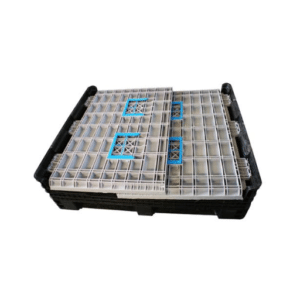
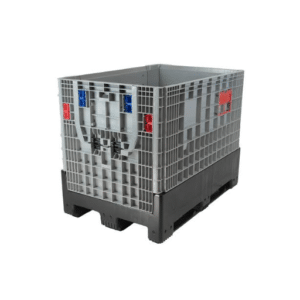
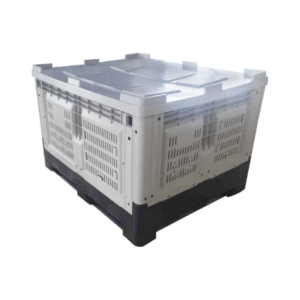
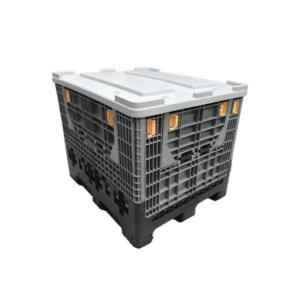
Plastic pallets are considered the most common type in the food industry. Due to their durability, light weight, and moisture, chemical, and contaminant resistance, they can be cleaned and sanitized quite easily. This makes them ideal for environments requiring strict hygienic measures. To work in concert with sustainability goals, many of the new-age plastic pallets are made from recyclable materials.
Wooden Pallets
Being a cheap option, wooden pallets are used mostly for dry goods or packaged goods. However, they need to be treated to meet food safety regulations because untreated wood can accommodate bacteria, fungi, or pests. Because dealing with heavy loads is their forte, they find some use in other specific applications but remain a rare option where severe cleanliness must be promulgated.
Metal Pallets
Being typically made of stainless steel or aluminum, metal pallets suit heavy industrial use, cold storage, harsh weather, and are highly durable. They cannot be eaten through by corrosion and have to be sanitized thoroughly to provide the utmost hygiene, thus making them a very suitable option for any hygienic environment. However, they generally have to be more expensive.
| Pallet Type | Advantages | Best Use Cases | Cost |
|---|---|---|---|
| Plastic | Durable, lightweight, easy to clean | High hygiene requirements | Medium |
| Wooden | Cost-effective, handles heavy loads | Dry goods, packaged items | Low |
| Metal | Extremely durable, corrosion-resistant | Cold storage, harsh environments | High |
Every food-grade pallet has its advantages, and selecting these varies suitably with respect to price, hygienic concerns, and the nature of the product being transported or stored.
Industry Standards and Regulations
Getting into food-grade pallets, compliant with the industry standards and regulations, is essential to safety and quality. The U. S. Food and Drug Administration (FDA) considers it imperative that food contact materials be set as non-toxic, non-absorbent, and free from harmful chemicals. Moreover, the FDA’s Current Good Manufacturing Practices (CGMPs) provide recommendations concerning the design and maintenance of equipment such that contamination of food may be prevented during handling and storage.
Key Regulatory Standards:
- FDA Requirements: Non-toxic, non-absorbent, chemical-free materials
- ISO 22000: International food safety management systems
- HACCP: Hazard Analysis and Critical Control Points
- European Regulation (EC) No 1935/2004: Materials in contact with food
One of the other vital global standards is ISO 22000, an international standard outlining requirements for food safety management systems. The pallets used in food industries have to conform to these standards, especially when they enter a supply chain of international trade. The HACCP system also stresses risk analysis and control measures vis-à-vis hazards that might contaminate food during transportation and storage.
For certain sectors, regulations such as European Regulation (EC) No 1935/2004 shall guarantee that materials are not transferred into food with harmful substances. The statistics proved that a contamination risk might be reduced by more than 30% while cargo is still in general packaging with pallets conforming to the regulation, and this protects the product from contamination with the ultimate goal, i.e., securing consumer trust. By strictly following these regulations and applying good standards of hygiene in their practices, companies ensure that safe products reach the customer while concomitantly building credibility for the long run in the very competitive food and beverage industry.
Benefits of Using Food Safe Pallets
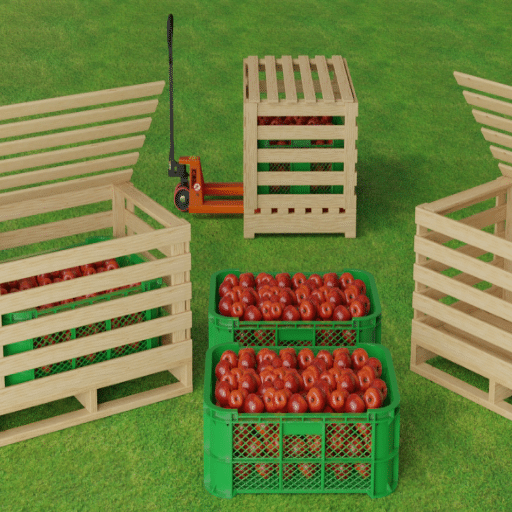
Key Benefits Overview
- Improved Hygiene: Food-safe pallets avoid any contamination threats during storage and transport so that products reach their consumers safely.
- Regulatory Compliance: These pallets conform to industry standards and guidelines to help businesses stay out of legal trouble and ensure consumer safety.
- Durability and Cleanliness: Food-safe pallets provide a high level of cleaning ability and resist moisture, pests, and bacteria, demanding less maintenance.
- Product Integrity: Respecting the use of compliant pallets allows the business to maintain the integrity of food products, which entails providing freshness and reliability to the entire supply chain.
Hygiene and Safety in the Food Supply Chain
The food supply pathway is of paramount importance in ensuring food safety to consumers at all stages, demanding stringent mitigation. About 9% of the foodborne diseases worldwide occur due to cases of unsafe handling and cross-contamination incidents during transportation and storage, very much a matter of recent data. Adhering to precise sanitation procedures and maintaining the hygiene level, including frequently cleaning storage facilities, observing the freezing temperatures, and the like, helps minimize contaminating incidents.
In the same vein, cold chain development and innovations remain a powerful piece. A continuous cold chain thus maintains food quality, preventing spoilage and unwanted microbial attack. To cite one example, research has demonstrated that temperature-controlled logistics can increase the shelf life of perishable items by almost 40%, thus representing a strong force against food wastage. Simultaneously, traceability has risen to new heights: from the quaint days of RFID tracking to the latest iterations of blockchain-enabled food marketing. This means that product-based solutions are being selected not just to maintain the security and integrity of food items within the supply chain, but also to ensure consumer trust by providing transparency about the sources and handling methods.
By putting markets and trade hygienic and safe environment, by modern means and strict dictates, the risk will be to cater to a more sustainable and viable food supply chain.
Cost-Effective Solutions for Grocery Manufacturers
Several inexpensive methods exist to increase efficiency and lower costs in the grocery manufacturing sector, while still maintaining the quality standards of its products. To begin with, higher levels of automation should be applied. Robotics and AI-based systems can all help to make production more streamlined and packaging more efficient, something that in turn also reduces labor costs and improves precision. Secondly, procurement should be kept local or at least regional to reduce shipping costs and cut down on the carbon footprint. Good relationships with suppliers can be an added advantage as they allow manufacturers to negotiate better prices for raw materials. Thirdly, systems that emphasize energy efficiency and sustainability practices, such as reducing waste and maximizing resource use, would help to keep operational costs down while still meeting environmental criteria. These guidelines enable grocery manufacturers to remain competitive in this harsh market.
Environmental Considerations of Plastic vs. Wooden Pallets
Environmental Impact Comparison
Wooden Pallets
- Renewable and biodegradable materials
- Can be repaired multiple times before disposal
- End-of-life composting options available
- Potential contribution to deforestation if not responsibly sourced
- Shorter lifespan under harsh conditions
Plastic Pallets
- Durable, lightweight, and contamination-resistant
- High reusability factor
- Recyclable and can be made from recycled materials
- Not biodegradable
- Higher energy consumption and emissions during production
When evaluating plastic and wooden pallets from an environmental viewpoint, several criteria are considered. Wooden pallets are often favored as they are renewable and biodegradable. The creation of these pallets involves genuine wood-and they can be repaired several times before eventual meet-up with composting at the end of their life cycle. That said, these pallets–when wood isn’t responsibly sourced–their making may contribute to deforestation. These wooden pallets are liable to damage and have a relatively shorter life span when subjected to harsh conditions.
In contrast, plastic pallets are sturdy, lightweight, and resistant to all types of contamination, making them very reusable. Not being biodegradable, they are preferably recyclable and can be made from already recycled plastics to reduce the dependency on raw materials. By way of construction, a plastic pallet is usually more energy-consuming and emits more in comparison to a wooden pallet.
Given how these pallets are sourced and disposed of with a certain degree of variability in those areas-along with the longevity and utility of the pallet-it leaves some room for the different possible impacts on the environment. Companies ought to take an earnest effort at scoping out their situation and sustainability objectives before opting for the responsible side.
Choosing the Right Pallet Supplier

Whether a supplier shall be chosen is to depend to an ultimate extent on the demonstration of reliability and quality on the supplier’s part. They should look for a supplier offering reclaimed or sustainably grown raw materials, or shows capacity for factoring environmental standards into the operation. Look for affordability, delivery speed, and insane customer support. You could go for a pallet supplier that can customize pallets to your requirements. Digging deeper through customer reviews, thus, only assures you make the smartest decision ever.
Evaluating GMA Pallet Suppliers
When choosing a supplier of GMA pallets, consider crucial criteria to ensure quality and reliability. First, check for the supplier’s certifications, for example, ISPM-15 for international shipping or any other standards of the industry to manufacture pallets. Next, ascertain the materials used; give preference to suppliers offering heat-treated or sustainably sourced wood. Consider whether the supplier’s production capacity can meet your volume needs, especially for custom sizes or consistent supply.
Also, look at the accuracy of delivery and lead time from the supplier by evaluating testimonials or asking for references. Analyze the transparency of their pricing model; are there any hidden costs? Have your comparisons ready to meet your budget. Any additional repair, recycling, or buyback program is a plus.
Finally, look at a few customer reviews found on trusted sources like Google or industry-specific directories. Watch out for ratings on customer service, pallet durability, and response to complaints. Drawing from the collective wisdom of these leading sources will bring you to a reliable supplier who will fulfill your operational requirements punctually.
Factors to Consider for International Shipping
- Customs and Regulations: Conduct extensive research into and be familiar with the customs of the foreign country about duties, taxes, documentation, and other regulations, such as those concerning prohibited items
- Shipping Method Selection: Choose between air freight (costly but fast) and ocean freight (comparatively cheap for bulk goods)
- Packaging Requirements: Strong packaging with proper labels is important for long transit times and extensive handling
- Reliable Partners: Select experienced freight forwarding or shipping companies for guidance in tracking, documentation, and communication
Top Suppliers of Food Grade Pallets
Only suppliers willing to maintain strict levels of hygiene and safety should be selected when sourcing food-grade pallets. Based on information obtained from top suppliers, here are three industry leaders renowned for quality and reliability:
iGPS Logistics
iGPS Logistics manufactures plastic food-grade pallets that provide hygienic and sustainable shipping solutions. The pallets are lightweight, extremely sturdy, and resistant to contamination, when keeping the pallets free from such contaminants is necessary for the food and beverage industries. They also have RFID tracking services to assist in the monitoring of the supply chain.
Cabka Group
Cabka Group supplies a relentless number of varieties of food-grade plastic pallets that satisfy the regulatory criteria of the food industry. These pallets are composed of recyclable material and have an easy-to-clean design to guarantee maximum hygiene while in transport or storage.
CHEP
CHEP offers quality food-grade pallets that comply with hygienic standards worldwide. Their wide network assures the availability of products, and their emphasis is on an environmentally friendly way of pallet pooling, while at the same time remaining efficient in the food chain logistics.
These are trusted names in the industry as well as suppliers providing innovative solutions in the direction of needs for food-grade transportation in compliance with required hygiene and safety norms.
Impact on the Food Supply Chain

Good-quality pallets greatly enhance the operational efficiency and safety of the food supply chain. These pallets transport and store food products under hygienic conditions to avoid contamination. Compatibility with worldwide safety standards and promotion of sustainable practices empower a company to fulfill local regulations while minimizing the environmental impact. The trustworthiness and compliance-oriented approach also lend to seamless functioning, reduction of waste, and increased trust in the entire supply chain.
Role of Pallets in the Food Supply Chain
Pallets play a critical role in the food supply chain by ensuring the safe, efficient, and hygienic transportation of products. They provide a standardized platform for handling goods, streamlining logistics, and reducing labor costs. By facilitating proper airflow, certain pallet designs can help maintain optimal storage conditions for perishable items. Additionally, pallets made from materials like plastic or treated wood are increasingly popular due to their durability and ease of sanitization, which reduces contamination risks. These features help meet stringent food safety regulations, cut waste, and enhance operational efficiency throughout the supply chain.
Advantages of Using Plastic Pallets
- Durability: Never degrade like wooden pallets, providing very long product life spans with reduced maintenance costs
- Lightweight yet Robust: Easy to carry while handling substantial weight loads
- Moisture and Chemical Resistance: Will not suffer contamination, corrosion, or decomposition
- Easy Cleaning and Sanitization: Qualify for strict hygiene standards in food, pharmaceutical, and medical industries
- Environmental Benefits: Many plastic pallets can be recycled, making them environmentally compatible
- Consistent Design: Minimizes variables in supply chain, encouraging better stackability and maximizing storage use
Challenges in International Shipping and Logistics
The continued disruption caused by supply chain bottlenecks is one of the major challenges faced by the international shipping and logistics industry. Global port congestion remains a major issue, with ports at times dealing with delays owing to increased cargo volumes and shortages in labor power. Industry analysts report a spike in container shipping costs in the last few years. For instance, cost levels to ship a 40-foot container from Asia into North America have shot up more than four times than those at pre-COVID times.
Another important bottleneck is the apparent lack of uniform customs rules and documentation requirements across countries. This results in frequent delays, high administrative costs, and difficulties in coping with complex import/export procedures. For a business entity, it means the investment of additional time and resources in compliance management.
Along with that, environmental concerns are also among the added layers of the international logistics chain. Stricter carbon emission and fuel standards are forcing shipping companies to adopt green technologies, alternative fuels, and vessels with energy efficiency. While such changes are aligned with the sustainability goals of the world, they come with heavy operational costs and long-term investment.
Besides that, geopolitical instability and trade policies fluctuating with tariff changes or sanctions create an uncertain environment in the global market, thereby forcing companies to adjust their supply chain strategies to minimize potential risk. Together with the technological curveballs thrown towards global logistics systems-including cyber threats-it is a landscape that demands constant agility and innovation from any international shipping and freight-forwarding business attempting to grapple with these changes.
Innovations in Pallet Technology

The need for efficiency, sustainability, and adaptability has driven pallet technology to develop in recent times. Smart pallets are equipped with RFID tags and IoT sensors that, through real-time tracking of goods, maintain supply chain visibility and keep losses to a minimum. The advent of lightweight, strong materials such as corrugated cardboard and recycled plastics has also helped to make these installations more environmentally friendly and cheaper to transport. Folding and modular pallet designs optimize storage and shipment, overcoming limitations in warehouse and vehicle spaces. Such innovations working together strengthen and make efficient the supply chains of the world.
Advancements in Plastic Pallet Design
With the intent of revisiting the technical side for better performance, sustainability, and cost efficiency, plastic pallet design has been advancing. Now, plastic pallets are made from some technically advanced material, viz., high-density polyethylene (HDPE) and recycled plastics, to stay durable and cause minimal adverse effects on the environment. Due to its very lightweight nature and ability to handle heavy loads, it finds tremendous application in most industries checked with these characteristics.
Nestable and stackable pallet designs provide excellent storage optimization while ensuring fewer transportation expenses, thus providing logistic efficiencies. Anti-slip features on the pallet surface and reinforced edges provide safe handling and durability in the harsh working environment. Most of these plastic pallets are designed to meet international hygiene and safety standards and are thus suitable for food and pharmaceutical industries, where maintaining cleanliness is the primary concern.
The plastic pallets allow for supply chain transparency and real-time tracking, and this makes for efficient global operations due to RFID tags and other tracking technologies. It is positioning plastic pallets as the backbone of contemporary and green logistics.
Heat-Treating for Compliance
Heat-treating is one of the critical processes for international regulatory compliance related especially with wood packaging for ISPM-15 standards. Materials are subjected to high temperatures for a particular duration to kill pests and contaminants, making them fit to be shipped anywhere in the world. This procedure is not only required to ensure safety but is also carried forth to uphold the integrity and reliability of our logistics solution.
Future Trends in the Food Supply Chain
Changes in technological innovations and demand shifts in consumers ensure that the food supply chain is in a state of constant metamorphosis. The adoption of blockchain technology for transparency and traceability has become one of the most prominent trends. Consumers and businesses alike can verify a product’s origin, quality, and condition on this platform, thereby reducing the usual chances of fraudulence and contamination. AI and automation constitute another huge trend in the industry. AI-based analytics provide some refinements to inventory management, require less pondering of consumer demand, and help reduce waste while improving efficiency. At the same time, the sustainability trend is “shifting” the landscape of the industry into another terrain, with a greater focus on lowering carbon footprints, restricting packaging waste, and procuring ingredients locally. These changes abide by increasing consumer expectations of ethical and green practices in the food sector environment. Bringing together all these new dimensions would enhance strength and efficiency in the supply chains.
Reference Sources
“Design of an intelligent weighing and picking system based on sensing technology”
Frequently Asked Questions (FAQs)
What are food-grade pallets, and why are they so important?
Food-grade pallets are those pallets (usually made of wood) that are manufactured specifically for storage and transportation in the food industry-from the individual product stage to the wholesale and retail markets. These pallets meet the food safety standards and regulations as laid down by the Food and Drug Administration and/or the Food Safety Modernization Act. These pallets safeguard from any form of contamination and can create an environment conducive to complete disinfection. This becomes critical for the entities in the food and beverage industry.
How do GMA pallets fit into the food supply chain?
The Grocery Manufacturers Association (GMA) has established certain standards to be maintained in pallets used in the food supply chain. Basically, these pallets are of wood or plastic material, manufactured with the food industry standards in mind. They permit food products to be transported while maintaining all hygiene and sanitation practices.
What materials are used to produce food-grade pallets?
Food-grade pallets can be constructed from just about any material, including wood, plastics, or recycled materials. Heat-treatment of wooden pallets must take place according to the ISPM 15, which serves as a disinfestation procedure. Plastic pallets are also very popular because they can easily be washed; they are non-porous and resistant to contaminants, hence making them suitable for direct contact with food.
How do the food safety regulations affect the manufacture of pallets?
Food safety laws influence manufacturing by requiring that pallets adhere to certain standards relating to hygiene and safety. The manufacturers have to ensure that their pallets comply with FDA guidelines and those of other regulatory bodies. This would mean that the materials must be safe for food contact, and the whole manufacturing process must maintain good sanitation standards.
What are the advantages of plastic pallets in the food industry?
Plastic pallets are preferred in the food industry as they are light in weight, tough, and easy to clean. These features would make them more profitable in the long run when taking into consideration their decay-resistance and resistance to pests. Furthermore, plastic pallets can be made to comply with food safety standards so that they can be used in situations where direct contact with food is involved.
Why is hygiene critical when selecting pallets for food storage?
Hygiene is critical when selecting pallets for food storage since mishandling or contaminated pallets give rise to foodborne illness and spoilage. The food-grade pallets should be easy to clean and should be kept in a satisfactory condition so that a potential contaminant cannot affect the quality of food products. Companies must therefore make sanitation a priority to ensure consumer safety.
How can pallet suppliers ensure compliance with food safety standards?
Pallet suppliers ensure compliance with food safety standards by sourcing materials that meet industry regulations and exercising strict control measures during production. Keeping abreast of all recent food safety regulations and directives is also in their interest, for thereby, they can guarantee that the pallets they offer to their customers are safe for food handling and storage.
What factors should businesses consider when choosing the type of pallet to use in food processing?
In selecting a pallet type for food processing, consideration should be given to factors such as the specific operational needs, the materials used, the possibility of direct food contact, and cost-effectiveness. It is equally important to consider whether the pallet will withstand the stresses of transportation and storage within the food supply chain while remaining clean and free from contamination.
How are heat-treated wooden pallets accepted as compliant under food safety standards?
Heat-treated wooden pallets are food-safety-compliant because the treatment kills pests and pathogens, rendering the pallets safe for the food industry. Such treatment is necessary to meet the requirements of ISPM 15, which mandates that wooden pallets used in international shipping must be treated to prevent the spread of invasive species. Heat treatment, thus, makes the pallets suitable to maintain their integrity and be safely used in food contact.