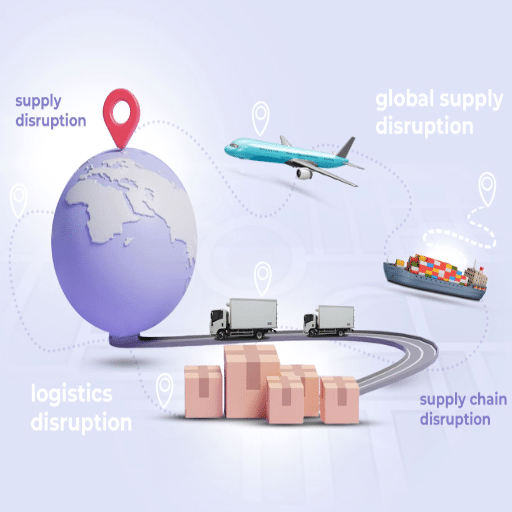
Global supply chains act as the bones of contemporary trading, allowing the smooth passage of goods across industrial sectors and borders. On the contrary note, the intricacies and inter-dependencies have given rise to ample opportunity for disruptions. Occurrences such as natural calamities, geopolitical tussles, wars, labor shortage, and technological failures bring disruptions into supply chains and, through a ripple effect, may bring about stoppage of production, delay in shipments, and challenge the sustenance of businesses in operational continuity. This article looks into the multifaceted nature of logistics disruptions, their root causes, alongside the implications that lie directly with industries and consumers alike. Understanding some root vulnerabilities within supply chains, hence, becomes an important step toward anticipating risks and formulating the strategy for resilience-building in an increasingly unpredictable market.
The Essence of Logistics Disruption

When supply chain-related operations are held up or inefficient due to the movement of goods from one location to another, logistics disruptions would take place. Such disruptions may occur because of all sorts of natural calamities, geopolitical instabilities, shortage of labor, or even technological failures. It may disrupt the whole schedule of production-oriented activities in alignment with delivery schedules, stopping all other business ventures from performing on time. So when we address logistics disturbances, it could mean identifying weak points, drawing up contingency plans, and fostering a capacity to adapt to encourage supply chain resilience.
Definition of Logistics Disruption
Disruption in logistics, therefore, may be defined as anything hampering, interrupting, or frustrating the smooth flow of goods and services from origin to destination within the supply chain. Several factors cause disruption in logistics systems. Some examples include natural calamities such as hurricanes or earthquakes, geopolitical tensions, depending on which trade restrictions are imposed or particular transport routes are officially closed for use, strikes restricting workforce availability, and technical failures or system outages, or cyberattacks. It is also possible that increased demand for consumer goods or a shortage in raw material availability forces the logistics network to its limits.
The disruptions are hazardous to shipments, thus delayed, diminished operational costs, stock shortages, loss of revenues, and customer disinterest. Such disruptions, depending on various factors, may force a business to react rapidly: alternative transportation means may be employed, rerouting may become imperative, or supplier diversification may occur. It is thus effective to identify risks beforehand, digitize the supply chain, and work alongside stakeholders to build agility and resilience to tackle unforeseen challenges.
Common Causes of Failure
Supply Chain Complexity
An increasingly complex global supply chain with several interdependent stages is vulnerable to disruptions. These include a lack of visibility across suppliers, manufacturers, and logistics providers, thereby creating delayed responses to issues.
Inadequate Risk Management
The lack of thorough risk assessment or planning for contingencies can render companies helpless against emergency situations such as natural disasters, geopolitical conflicts, or price crashes. With no mitigation strategies clearly outlined, the entity finds itself incapable of doing so for these risks.
Interdependence on Single Sources
An overly strong dependence on a single source supplier is fraught with risks. If the supplier faces disruption of any kind- whether it be an issue of production, delays in delivery, or liquidation procedures-shocks arising may prove to be disastrous for the entire supply chain.
Technology Failure
Standards and the integration, or the lack thereof, cause occurrences of data inaccuracies, gaps in communication, and inefficiencies in operations. This process hampers suitability in decision-making and dynamic responses to changes.
Demand Volatility
Sudden and rapid changes in consumer demand on account of seasonal trends or economic demise can thrust the supply chain with poor supply-chain coordination, resulting in overstocking, understocking, or erroneous allocations.
Types of Supply Chain Disruptions
Natural Disasters
The extreme weather conditions like hurricanes, floods, earthquakes, or wildfires, may interrupt supply chain activities by affecting infrastructure, stopping production, or delaying transportation.
Global Health Crises
Pandemics such as COVID-19 drastically highlight the weaknesses in supply chains. Such events may cause a reduction in labor force availability, disrupt manufacturing processes, and bring about shutdowns across industries worldwide.
Geopolitical Problems
Trade wars, political instability, and sanctions generate uncertainties in global trade networks. Such disturbances by choice can impose tariffs, restrict access to key markets, and delay cross-border shipments.
Cybersecurity Threats
Data breaches, ransomware attacks, and network failures might compromise sensitive supply chain data and disrupt operations. This is a significant disruption in an increasingly digitized supply chain.
Supplier Failures
Unexpected supplier disruptions, insolvency or quality issues can halt production and delay deliveries, more so in those systems requiring single sourcing.
Sudden Changes in Regulation
Unexpected amendments to trade regulations, compliance standards, or tariffs disrupt logistics, escalate costs, and require rapid reassessment and adjustments to supply chain strategies.
These disruptions make an agile and resilient supply chain strategy necessary to counter risks and ensure continuity of operations.
Impact of Logistics Disruptions

Logistical disruptions weigh heavily upon the supply chain in terms of performance, causing delays in shipments, increased costs, and a dissatisfied customer base. Through such interruptions, there may be inquiries into inventory shortages, production downtime, and lost revenue for businesses. Prolonged disruptions and failures may well jeopardize the relationship with the clientele to whom goods and services have been delivered, impairing long-term operational grounds for stability. To shield themselves against such hazards, companies today look for flexible supply chain strategies and establish contingency plans, so that the company will be prepared to tackle unforeseen problems, should they arise.
Impact on Enterprises
Supply chain disruptions substantially afflict enterprises in the course of their activities and hence are additional operating costs with reduced productivity leading to slashed operating margins. In case of delay in flights, the client loses sale opportunities or may possibly have overstock or understock of an inventory that turns directly to his or her cash flow. Other inefficiencies of the processes, such as production being held back and failure in logistics, exacerbate the situation.
From the customer’s vantage point, these delays hurt the brand’s good name and destroy consumer trust simply because the delivery expectations of the consumer remained unfulfilled, leading to an atmosphere of disappointment. Relationships may become strained between enterprises and their suppliers and partners, further risking increased dependencies. To counter such factors, companies are adapting by leveraging next-generation disruptive technologies, including AI and blockchain, to create better visibility into their supply chains and improve data-driven decision-making techniques; and by developing resilient and agile strategies that can quickly evolve in response to unforeseen market forces.
Impact on Consumers
Supply chain hiccups hit consumers right in the face with delayed product availability, lesser selection, and increased prices on account of high logistics costs and scarcity of materials. Customer satisfaction levels go down such disruptions, being there due in longer wait times and fewer product alternatives that do not suit consumer wants. Extended periods of supply chain disruptions can generate a burden on consumers, especially for essential goods, and could lessen brand loyalty as customers look for more dependable alternatives. Transparency and voice from the industry are key in managing these issues as they shape consumer perception and keep trust intact.
Long-term Impact on the Supply Chain
The long-term impacts of supply chain disruptions are multifaceted and demand a strategic response from organizations. One critical matter pertains to supplier diversification to reduce risks with geographic dependence or single-source suppliers. Companies are also resorting to advanced technological solutions such as AI and IoT for the creation of resilient and transparent supply chains, enabling real-time monitoring and predictive analytics. Another point of emphasis is sustainability, with businesses incorporating environmentally responsible approaches that align with regulations and consumer expectations. All these changes require heavy investment, yet it is a necessity for making the supply chain more adaptable and less vulnerable to an evolving, global, and unpredictable economy.
Strategies for Mitigating Disruptions
Diversify Suppliers
Build relations with multiple suppliers from different regions, thereby reducing dependence on one supplier and circumventing risks as a result of a localized disruption.
Invest in Technology
Put digital tools to use, such as supply chain management software, real-time tracking systems, or predictive analytics, to gaze into the potential issues and address them beforehand.
Maintain Buffer Inventories
Establish safety stock levels for critical materials and products to enable the ability to carry on production during unforeseen stoppages.
Strengthening Communication Channels
There should be established clear and consistent communication with suppliers, partners, and stakeholders alike to improve coordination and to quickly address problems.
Conducting Regular Risk Assessments
Perform periodic assessments to detect areas where the supply chain is vulnerable and pursue corrective measures to increase resiliency.
Focus on Workforce Training
Training employees in skills vital to respond to the disruption so that processes can run smoothly under pressure.
By following these strategies, an organization makes its supply chain more flexible and resilient to bear and bounce back from any disruptive occurrence.
Risk Assessment and Management
Risks must be considered and kept under control to maintain a supply chain’s smooth operation. This process starts with the identification of risk factors, such as nature-related disasters, political unrest, cyber-attacks, or the failure of suppliers. Useful techniques consist of risk assessment, which includes thorough mapping of the supply chain, if one is to understand the dependencies and vulnerabilities involved. Quantitative approaches, such as scenario analysis and probability modeling, will further ensure prioritization, in terms of risk, according to impact and likelihood.
By mitigating identified risks, organizations should develop comprehensive contingency plans, diversify their suppliers to avoid dependence on a single source, and set up monitoring systems. Technology provides additional support in the early detection of disruptions: from predictive analytics to AI to real-time data tracking. Additionally, developing long-term partnerships with suppliers and stakeholders can further promote speedy recovery and joint problem-solving during time-critical situations.
It is also important to periodically review and update risk management procedures to stay on top of changes in the arena. Adopting these measures ensures that businesses have a secure and adaptable supply chain and that they improve overall resilience and operational efficiency in the process.
| Risk Assessment Phase | Key Activities | Expected Outcomes |
|---|---|---|
| Risk Identification | Map supply chain dependencies, identify vulnerabilities | Comprehensive understanding of potential risk factors |
| Risk Analysis | Scenario analysis, probability modeling | Prioritization of risks by impact and likelihood |
| Risk Mitigation | Develop contingency plans, diversify suppliers | Reduced vulnerability to disruptions |
| Monitoring & Review | Real-time tracking, periodic assessment updates | Continuous improvement and adaptation |
Enhancing Supply Chain Resilience
Supply chain resilience can be improved by businesses by focusing on three fundamental areas. First, greater visibility of the supply chain through enabling technologies such as IoT, blockchain, or predictive analytics can help in real-time monitoring and swift identification of potential risk. Second, diversification of supplier networks is a mitigating factor in disruption by assigning risk to more suppliers and regions. Creating redundancies through alternative sourcing or strategic inventory buffering further stabilizes the operations of the supply chain. As a third, implementing agile supply chain processes allows a business to quickly adapt to changing market conditions, deciding on data-driven procedures that help streamline operations while enhancing responsiveness. Interwoven together, these strategies indeed establish an enduring and thriving framework against industry challenges.
Using Technology to Prevent Disruptions
Technology is crucial in reducing disruptions in supply chains, providing greater insights, more efficiency, and predictive powers. Advanced analytics platforms and AI-based systems enable companies to observe real-time data streams that flow along the entire supply chain, and identify bottlenecks or potential delays as they develop, thus limiting their evolution into full-blown disruptions. IoT devices are being deployed to provide detailed tracking information on shipments while keeping stakeholder bodies informed about issues like location and conditions, including temperature for sensitive goods.
The transportation and logistics industry, to some extent, meets the specific needs of the supply chain by maintaining warehouses to stock inventory. The technology is identified for the supply chain industry with blockchain characteristics, so that, in a partnership, distributed ledger technology can supply integrity of transaction-related data so as to be implemented very transparently and immutably, thus removing trust and traceability issues from the partnership perspective. The cloud-based supply chain management further improves communication, thereby allowing a seamless interface between vendors, suppliers, and logistics providers. There are also predictive analytics and machine-learning algorithms that can forecast demand fluctuations or disruptions based on numerous parameters, such as historical data and external factors like weather and geopolitical events. Once they are equipped with this information, organizations can then proactively mitigate risk and ensure continuity in their operations, thus attaining resilience in an ever-more complex global market.
| Technology | Application | Benefits |
|---|---|---|
| AI & Advanced Analytics | Real-time monitoring, bottleneck identification | Early detection and prevention of disruptions |
| IoT Devices | Detailed shipment tracking, condition monitoring | Enhanced visibility and stakeholder communication |
| Blockchain | Transaction data integrity, transparent records | Improved trust and traceability in partnerships |
| Cloud-based Management | Seamless communication between stakeholders | Improved coordination and responsiveness |
| Predictive Analytics & ML | Demand forecasting, disruption prediction | Proactive risk mitigation and operational continuity |
Case Studies of Logistical Disruptions
Case Study 1: COVID-19 Pandemic—Effect on Global Supply Chains
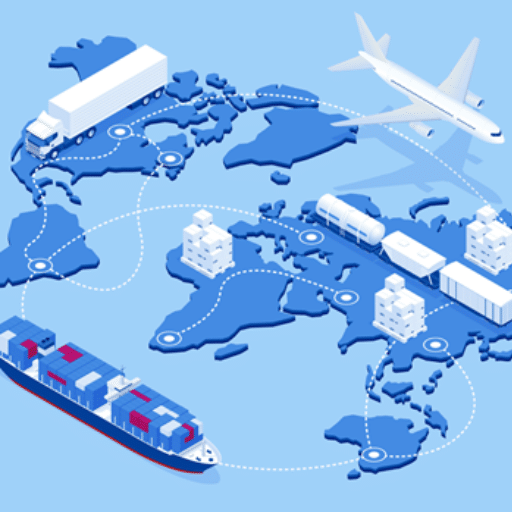
During the pandemic, the major logistical disruptions happened primarily through 2020 and even into 2021, with lockdowns imposed on almost a global scale, closure of borderways, and labor shortages putting heavy pressures on the arduous process of moving goods. During the peak pandemic period, delayed port operations were reported, as the workforce available was greatly reduced and container shipping costs touched record highs. Such major disturbances put into question inventory models operating on a just-in-time basis, and many companies were considering diversifying suppliers and keeping higher inventories.
Case Study 2: Suez Canal Blockage, 2021
Ever Given’s blocking of the Suez Canal for six days in March 2021 showed how a chokepoint would have ripple effects on global logistics. Over 400 vessels were delayed by the blockage; key supply routes were disrupted; and trade losses went into billions of dollars. The incident really raised the importance of backup planning and alternate routing options to reduce dependency on key transit routes.
Case Study 3: Semiconductor Shortage, 2020—Present
A sudden spike in demand for semiconductors, accompanied by pandemic-related shutdowns in production, constituted the global shortage for chips that arose in 2020. Production cuts and financial losses were some effects that the industries dependent on chips, such as the automobile and consumer electronics, underwent. The shortage distilled the need for resilience in supply chains by increasing transparency, diversifying manufacturing capability, and promoting domestic production capacity.
Recent Significant Disruptions
If anything could be called an incalculable disruption, the COVID-19 pandemic would be the prime example. It brought factory closures and logistical nightmares, especially across those areas involved in semiconductor manufacturing. The situation was further tipped when demand for electronics surged as a result of various transitions to working from home.
Geopolitical tensions, mostly export restrictions and trade disputes between major players such as the United States and China, began to worsen already weakened supply chains in the semiconductor industry. For instance, sanctions on Chinese tech companies curtailed their ability to obtain U.S.-designed chips. This has caused ripples in the global market.
Extreme weather events further interrupted semiconductor production significantly. For example, in early 2021, the occurrences of power outages in Texas due to winter storm halted the operations for some time in the semiconductor plants, while water scarcity issues in Taiwan, considered a lead hub for chip fabrication. These instances went on to reveal the dependence of the industry on stable environmental and geopolitical factors.
Lessons Learned from Past Events
The semiconductor sector has received critical insights into disruptions of the past. The first insight relates to supply chain diversification. Going to an extreme with heavy dependence on certain geographical regions or single suppliers introduces several vulnerabilities; hence, they must fret over alternative production locations and making key segments of the production process local. Secondly comes the ultimate need for strengthened contingency planning, including whitelisting buffer stocks; backup power sources, a cementing partnership, and so forth, through all environmental and geopolitical risks taken by surprise. Lastly, the disruption has taught the industry a great deal about sustainable manufacturing. Addressing water and energy efficiency through innovative technology could prevent disruptions and reduce the environmental footprint of semiconductor manufacturing.
Key Takeaways from Historical Disruptions:
- Supply chain diversification is essential to avoid geographic and single-supplier dependencies
- Strengthened contingency planning with buffer stocks and backup resources is crucial
- Sustainable manufacturing practices help prevent disruptions and reduce environmental impact
- Alternative production locations and localized production segments enhance resilience
- Environmental and geopolitical stability are critical factors for operational continuity
Successful Recovery Strategies
While successful business recovery in the semiconductor manufacturing industry depends on pre-planned strategies, resource optimization, and responsive management, some critical measures to incorporate and achieve such success are: well-adapted supply chain resilience frameworks, which focus on diversifying suppliers or allowing production to localize and thus lessen reliance on single-region supply chains. A rapid uptake of digital baseline tools empowers manufacturers to foresee risks and take preemptive action. Upskilling the workforce not only improves operational agility but also interlinks departments across various disciplines to better decision-making during times of crisis. Incorporation of such key elements provides semiconductor manufacturers with the capabilities to tackle immediate disruptions just as effectively as long-term issues.
| Recovery Strategy | Implementation Approach | Expected Results |
|---|---|---|
| Supply Chain Resilience Frameworks | Diversify suppliers, localize production | Reduced reliance on single-region supply chains |
| Digital Tool Adoption | Implement predictive analytics and monitoring systems | Proactive risk identification and preemptive action |
| Workforce Upskilling | Cross-departmental training and skill development | Improved operational agility and crisis decision-making |
| Resource Optimization | Efficient allocation and management of resources | Enhanced capability to handle immediate and long-term issues |
Future Trends of Logistical Disruption

Emerging logistics disruptions are highlighting the dominance of automation, digital transformation, and real-time data management. The supply chains are increasingly susceptible to global events that bring unpredictability across industries: climate change, geopolitical tensions, and pandemics. Another aspect transforming logistics is the shift toward sustainable practices, whereby companies go for greener processes or alternative fuel sources. Diversified supplier networks, enhanced resilience strategies, and technologies like blockchain for transparent tracking and security now rank high on the agenda of organizations to address disruptions. These trends will steer logistics toward a future defined by adaptability and innovation, responding to ever-changing challenges.
Emerging Trends Shaping Future Logistics:
- Automation and digital transformation for enhanced efficiency
- Real-time data management and monitoring capabilities
- Climate change adaptation and sustainable practices
- Diversified supplier networks to mitigate risks
- Blockchain technology for transparent tracking and security
- Alternative fuel sources and greener processes
- Enhanced resilience strategies for unpredictable global events
New Challenges Facing Supply Chain Management
Today, supply chain management faces a bevy of contemporary challenges in a rapidly changing global scenario. Rising concerns among the issues are increasing complexity due to globalization, accompanied by risks such as geopolitical instability, trade wars, and variable tariffs. Next comes the fast-tracking of the sustainability agenda, which hurts companies by piling up pressures with regard to environmentally sustainable practices, reduction of carbon footprint, and switching energy-wise to renewables, all while remaining cost-wise competitive. Next come e-commerce and changing consumer expectations for fast delivery times, with some options for personalization, creating greater logistical complexity.
Technological disruptions, too, are sources of challenges for supply chains. As supply chains become digital, cybersecurity threats grow: they become prime targets for ransomware attacks or data breaches. Companies are struggling with the inefficiencies of integrating advanced technologies such as AI-driven analytics, IoT, or blockchain into their legacy systems. These difficulties get even worse with workforce shortages, with industries struggling to fill the skilled positions required to operate and innovate supply chains.
Going forward, this will require a multifaceted approach, focusing on creating resilient frameworks, embracing emerging technologies, and building strong collaborative networks with suppliers and other stakeholders.
| Challenge Category | Specific Issues | Required Response |
|---|---|---|
| Globalization Complexity | Geopolitical instability, trade wars, variable tariffs | Enhanced risk management and flexible strategies |
| Sustainability Demands | Carbon footprint reduction, renewable energy adoption | Investment in green technologies and processes |
| E-commerce Evolution | Fast delivery expectations, personalization demands | Advanced logistics capabilities and infrastructure |
| Cybersecurity Threats | Ransomware attacks, data breaches | Robust security protocols and monitoring systems |
| Technology Integration | Legacy system compatibility, implementation challenges | Phased modernization and staff training |
| Workforce Shortages | Skilled position vacancies, talent acquisition | Training programs and competitive compensation |
The Role of Globalization
The supply chain dynamics get shaped in a major way by globalization integration of markets, ensuring the flow of goods, services, and information across borders. In my opinion, this process leads to greater efficiency in utilizing global resources, diversifying sourcing strategies, and generating economies of scale. Yet, globalization adds to the complexity and exposes supply chains to external risks like geopolitical tension and markets with different levels of regulatory standards. Hence, there must be set risk management mechanisms in place.
| Aspect of Globalization | Benefits | Challenges |
|---|---|---|
| Market Integration | Seamless flow of goods, services, and information | Increased complexity and interdependencies |
| Resource Utilization | Greater efficiency and diversification of sourcing | Exposure to geopolitical tensions |
| Economies of Scale | Cost reduction through large-scale operations | Varying regulatory standards across markets |
| Risk Management | Access to multiple markets and suppliers | Need for comprehensive risk mitigation strategies |
Upcoming Innovative Solutions
Incidentally, innovative technologies are increasingly being offered as solutions to global supply chain management problems impeded by their complexities and vulnerabilities. Therefore, AI and ML mainly help in inventory management optimization, disruption prediction, and other aids to the reproductive side of decision-making. On one hand, blockchain, as an emerging tech, seems to hold the key to remedying sensitivity and traceability across supply chain networks so that their records remain safe and tamper-proof. Moreover, keeping in mind IoT devices’ advances, real-time tracking of goods should be possible to improve visibility and responsiveness. Altogether, these technologies serve to reduce risks, build more resilient operations, and implement sustainable practices in an interconnected world.
Artificial Intelligence & Machine Learning
Applications: Inventory management optimization, disruption prediction, decision-making support
Impact: Enhanced efficiency and proactive risk management
Blockchain Technology
Applications: Secure and tamper-proof records, enhanced traceability
Impact: Improved transparency and trust across supply chain networks
Internet of Things (IoT)
Applications: Real-time tracking of goods, condition monitoring
Impact: Greater visibility and responsiveness throughout the supply chain
Key Strategies for Building Resilient Supply Chains
Essential Actions for Organizations:
- Develop comprehensive risk assessment and management frameworks
- Invest in advanced technologies (AI, IoT, blockchain) for real-time monitoring
- Diversify supplier networks across multiple regions and sources
- Maintain strategic buffer inventories for critical materials
- Establish clear communication channels with all stakeholders
- Implement agile supply chain processes for rapid adaptation
- Focus on workforce training and upskilling initiatives
- Adopt sustainable practices aligned with environmental regulations
- Create robust contingency plans for various disruption scenarios
- Foster long-term partnerships with suppliers and logistics providers
- Conduct regular reviews and updates of risk management procedures
- Embrace digital transformation for enhanced supply chain visibility
Comparative Analysis: Traditional vs. Resilient Supply Chains
| Characteristic | Traditional Supply Chain | Resilient Supply Chain |
|---|---|---|
| Supplier Strategy | Single-source or limited suppliers | Diversified suppliers across multiple regions |
| Inventory Management | Just-in-time, minimal buffer stock | Strategic buffer inventories for critical items |
| Technology Adoption | Limited digitalization, manual processes | Advanced AI, IoT, blockchain integration |
| Risk Management | Reactive, limited contingency planning | Proactive, comprehensive risk assessment |
| Visibility | Low transparency, delayed information | Real-time monitoring and tracking |
| Adaptability | Slow response to disruptions | Agile, rapid adaptation to changes |
| Communication | Fragmented, limited stakeholder engagement | Integrated, continuous stakeholder collaboration |
| Sustainability | Cost-focused, limited environmental consideration | Balanced approach with sustainability integration |
Implementation Roadmap for Supply Chain Resilience
Phase 1: Assessment and Planning (Months 1-3)
- Conduct comprehensive supply chain mapping
- Identify vulnerabilities and critical dependencies
- Perform risk assessment using scenario analysis
- Develop initial contingency plans
- Secure executive sponsorship and budget allocation
Phase 2: Technology Implementation (Months 4-9)
- Deploy real-time tracking and monitoring systems
- Integrate AI and predictive analytics platforms
- Implement cloud-based supply chain management tools
- Establish data governance and cybersecurity protocols
- Train workforce on new technologies
Phase 3: Supplier Diversification (Months 6-12)
- Identify and evaluate alternative suppliers
- Establish relationships with suppliers in different regions
- Negotiate contracts with backup suppliers
- Develop multi-sourcing strategies for critical materials
- Create supplier performance monitoring systems
Phase 4: Process Optimization (Months 10-15)
- Implement agile supply chain processes
- Establish strategic inventory buffers
- Optimize communication channels
- Develop rapid response protocols
- Create cross-functional crisis management teams
Phase 5: Continuous Improvement (Ongoing)
- Conduct regular risk assessments and updates
- Monitor and analyze supply chain performance metrics
- Refine contingency plans based on lessons learned
- Stay informed about emerging technologies and trends
- Foster continuous learning and adaptation culture
Conclusion
Understanding and addressing logistics disruptions in global supply chains is no longer optional—it is a fundamental requirement for business survival and success in today’s interconnected world. As we have explored throughout this comprehensive analysis, supply chain disruptions stem from a multitude of sources: natural disasters, global health crises, geopolitical tensions, cybersecurity threats, supplier failures, and regulatory changes. Each of these factors carries the potential to cascade through the entire supply network, affecting businesses and consumers alike.
The impacts of these disruptions are far-reaching and multifaceted. Enterprises face increased operational costs, production downtime, inventory imbalances, and strained relationships with customers and partners. Consumers experience delayed product availability, reduced selection, and increased prices. The long-term consequences demand strategic responses that go beyond reactive measures to encompass proactive resilience building.
The path forward requires a holistic approach that combines multiple strategies: diversifying supplier networks, investing in advanced technologies like AI, IoT, and blockchain, maintaining strategic buffer inventories, strengthening communication channels, conducting regular risk assessments, and focusing on workforce training. Organizations must embrace digital transformation while balancing efficiency with resilience, and cost-effectiveness with sustainability.
Case studies from recent years—the COVID-19 pandemic, the Suez Canal blockage, and the semiconductor shortage—have provided invaluable lessons about the vulnerabilities inherent in modern supply chains. These events have underscored the critical importance of supply chain diversification, robust contingency planning, and sustainable manufacturing practices. Successful recovery strategies emphasize the need for supply chain resilience frameworks, rapid adoption of digital tools, and workforce upskilling.
Looking ahead, future trends point toward increased automation, real-time data management, and sustainable practices. The role of globalization will continue to evolve, offering both opportunities for efficiency and challenges related to complexity and risk exposure. Innovative solutions leveraging cutting-edge technologies will be essential in navigating these challenges and building supply chains that are not just resilient but also adaptive and sustainable.
As we move forward in an increasingly unpredictable global environment shaped by climate change, geopolitical shifts, and rapid technological advancement, organizations that prioritize supply chain resilience will be best positioned to thrive. The journey toward resilience requires commitment, investment, and continuous improvement—but the alternative, remaining vulnerable to the next inevitable disruption, is simply not an option for businesses seeking long-term success.
Final Thought: Building resilient supply chains is not a destination but an ongoing journey of adaptation, innovation, and collaboration. By understanding the root causes of disruptions, implementing comprehensive mitigation strategies, and embracing emerging technologies, organizations can transform their supply chains from potential points of failure into sources of competitive advantage.
Reference Sources
1. Measuring Disruptions in Last-Mile Delivery Operations (2021)
3. Managing Risks in Logistics Using FMEA-DEA Approach (2020)
Frequently Asked Questions (FAQs)
What are the common causes of logistics disruption?
Logistics disruption can be brought about by many factors; natural disasters and political unrest are only two of them. These disruptions interfere with the logistics companies’ capability to deliver goods on schedule, affecting their normal course of business.
How do logistics companies respond to disruptions?
Logistics companies implement contingency plans in response to disruptions. Shipments may be rerouted, new contracts may be negotiated with other suppliers, or inventory levels may be increased as a buffer against unforeseen situations affecting service levels.
How do contracts minimize the effect of logistics disruptions?
Contracts are important in defining the responsibilities of all the parties involved in the logistics process. Making things clear from the outset helps the logistics companies to limit the effects of a disruption and what is to be expected from the others involved in those difficult times.
How do businesses prepare for potential logistical disruptions?
Logistics disruptions can be tackled by companies through risk assessments, forging effective relationships with logistics companies, and supply chain diversification. A bit of preparation will help keep day-to-day processes running even when a disruption occurs.
What comes under the effect of the disruption of logistics on daily business operations?
Logistical disruption severely impacts day-to-day business operations, especially with delays in product deliveries, hikes in operational costs, and other issues that lead to a drop in customer satisfaction. Hence, the company ought to have mechanisms in place that enable it to lessen or completely deal with these effects.
Are there any technological disruptions that help in managing logistics?
There are some technologies do help logistics companies stay on top of disruptions. For example, real-time tracking tools, predictive analytics, and supply chain management tools are within reach of those companies that wish to address any problems quickly and efficiently.
How can communication help in case of logistics disruption?
Communication is essential in a logistics disruption. Informing all parties affected about the delays, contract changes, or alternative arrangements can minimize adverse impacts and preserve trust between the logistics companies and their clients.
Other examples of logistics disruption lately?
During the recent past, instances of logistics disruptions were created by the COVID-19 pandemic, which caused delays in supply chain systems globally, and also by untoward weather events disturbing transportation routes. These incidents emphasize the importance of resilience in logistics planning.