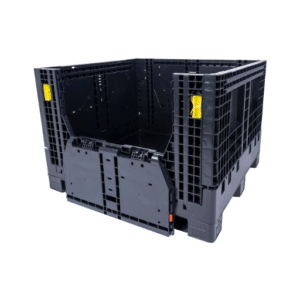
Understanding Farm Pallets
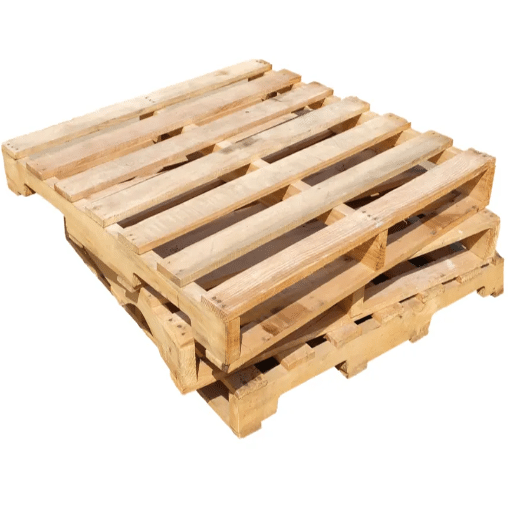
They serve an essential purpose in contemporary agricultural practices, ensuring that heavy loads can be managed practically and operations streamlined. Such pallets are chosen to transport fruits, seeds, feeds, and farm equipment efficiently without the risk of damage. The popular choices for farm pallets are: wood, considered cost-effective, and readily available; plastic, considered durable and resistant to moisture; metal useful for heavier loads because of its strength and durability.
Several factors have to be considered before the right pallet will be chosen, including the type of materials transported, the environmental conditions, and the particular requirements of a farm. Plastic pallets would be set out in wet or humid conditions due to their their resisitance to rot, whereas wooden ones are offered as a sustainable and recyclable option. At the same time, proper pallet maintenance and storage are increasingly important to avoid accidents and increase the life of the pallets. Simple or short distance movement of farm items across distances, picking pallet is the perfect way of storing them safely while enhancing agricultural efficiency.
What are Farm Pallets?
Farm pallets are platforms used for keeping, transporting, and organizing goods in agricultural settings. They are multipurpose tools meant to handle various farming products such as produce, feed, seed, and fertilizer. Made from wood, plastic, or metal, farm pallets are selected depending on their strength, environmental concerns, and price factor.
Actually, the industry reports that nearly 90% of the pallets made worldwide are wooden; they are cheap and easy to fix. Plastic pallets, however, are becoming more popular for uses where hygiene and moisture-resistance take priority: For example, the fresh produce and dairy industry. Metal pallets, being less common, are usually set aside for heavier agricultural chores because of their strength.
For farm pallets, the standard size in the United States is the most-austere and common 48 x 40-inch size. Also, forklift and pallet-jack-compatible. Using farm pallets correctly can enhance loading and unloading efficiency, reduce wastage, and optimize storage and space. Hence, farm pallets are a must for modern agricultural logistics.
Types of Agricultural Pallets
Plastic Pallets
Plastic pallets are preferred in agriculture mainly due to their durability, moisture resistance, and ease of cleaning. Unlike wooden pallets, plastic pallets do not get damaged with rot or pest attacks and are used primarily in handling perishable goods such as fruits and vegetables. Statistics show that plastic pallets can be used hundreds of times, cutting down long-term costs. Although they require a huge initial investment, the lifespan and hygienic properties favor their use in industries that require high-level sanitation.
Wooden Pallets
Wooden pallets being cheaper and available do continue to be used in agricultural applications. These pallets are preferred for carrying and storing bulkier items such as grains, animal feed, and bulk produce. It is said that about 90 percent of all pallets manufactured should probably be made of wood. This can be attributed to their adaptability in a way that they could be fixed or made into wood chips or mulch after use. However, their susceptibility to pests and moisture demands them to be carefully handled and treated.
Metal Pallets
Metal pallets: somewhat uncommon, yet necessary in the heavier agricultural operations. They are made up of metals such as steel or aluminum, which offer the advantages of strength, weight, and heavy-duty use. They are the most common items used for transporting bulk feed, fertilizer, or machine parts. The metal pallet comes with the advantage of withstanding weather conditions and maintaining suitability for an extremely wet/wet environment. The downside is their cost, which usually saves them for specific work when durability is the forefront demand.
Composite Pallets
Composite pallets consisting of a mixture of wood fiber and recycled plastics are making their way into agriculture. They provide the best features of wooden and plastic pallets into one-list strength, moisture resistance, and environmentally friendly. The pallets are light and durable enough for medium to heavy load applications, and many farms are investing in composite pallets as a greener alternative.
Each of these varieties of agricultural pallets serves its own function with respect to logistics optimization, cost reduction, and quality maintenance. Typically, a farmer will select the type of pallet based on storage, transportation, and environment needs.
| Pallet Type | Key Advantages | Best Use Cases | Cost |
|---|---|---|---|
| Wooden Pallets | Cost-effective, readily available, easy to repair, recyclable | Grains, animal feed, bulk produce | Low |
| Plastic Pallets | Durable, moisture-resistant, hygienic, reusable | Perishable goods, fruits, vegetables, dairy | Medium-High |
| Metal Pallets | Maximum strength, weather-resistant, long-lasting | Heavy-duty operations, bulk feed, fertilizer, machinery | High |
| Composite Pallets | Eco-friendly, moisture-resistant, lightweight, durable | Medium to heavy loads, sustainable farming | Medium |
Benefits of Using Pallets in Agriculture
In the agricultural sector, benefits are plenty, which operate toward efficiency in all aspects. The first being that pallets assure a standard procedure in storing and transporting items to keep fruits, vegetables, and grains properly processed-an arrangement which prevents damages and spoilage and thus maintains the quality of the products all through the supply chain.
Secondly, pallets further enable the faster transportation of goods; loading and unloading can be done easily with forklifts-or pallet jacks with less time and labor cost. Pallets are stackable and offer utilization of storage space at warehouses and while in transit-a plus while trying to place more in a small space.
These pallets should also be viewed in terms of how this savings in cost and sustainability is brought to bear. Many contemporary pallets, including composite and plastic types, are reusable with long-half lives, and hence a proper use of these pallet types should have been in a conserving capacity when it comes to waste and environmental degradation. If farmers choose between types of handling pallets best suited to their use, they can cut down operating costs and promote green practices. Thus, in general, pallets become an important tool in the enhancement of agricultural productivity and sustainable logistics.
Key Benefits at a Glance:
- Standardized Storage: Maintains product quality and prevents damage
- Faster Transportation: Easy loading/unloading with forklifts and pallet jacks
- Space Optimization: Stackable design maximizes warehouse efficiency
- Cost Savings: Reusable pallets reduce long-term expenses
- Sustainability: Promotes eco-friendly practices and waste reduction
Farmhouse Pallets: A Sustainable Choice

Farmhouse pallets make an excellent sustainable alternative in contemporary agriculture. Often, these are made of hard wood or plastic that can be recycled-meaning they can be reused many times without wasting any material. These are intended to reduce the loss of disposable packaging for the efficient storage and transportation of goods. By using farmhouse pallets, farmers can save their money, improve logistics, and continue to maintain an environmentally friendly approach. The checked versatility and environmental design make them a pragmatic consideration for sustainable farming.
Repurposing Farmhouse Pallets
Repurposing farmhouse pallets involves endless possibilities; hence, they are the preferred pallet for eco-conscious projects. One popular use would be furniture making comprising coffee tables, bookshelves, or outdoor seating. Pallets should undergo sanding and painting before assembling to create chic yet sturdy pieces that cost only a fraction of new furniture.
Another innovative use falls into vertical gardening. Pallets can be stacked or wall-mounted to provide an efficient and attractive planter for flowers, herbs, or vegetables. The method maximizes space for urban gardeners, creating a practical solution for small yards or balconies. Studies show that vertical gardening systems can increase crop yield to 10-30% per square foot, depending on the crop type.
They are also widely used in home improvement projects. For example, they may be converted to rustic wall paneling, headboards, or even outdoor fencing. Treated and sealed well, wooden pallets withstand the elements and are suitable for both indoor and outdoor work. Studies show that repurposing materials like pallets may result in approximately 50% reduction in household waste, thereby benefiting the environment in a major way.
With a little bit of creativity and some basic tools, farmhouse pallets can be used to create useful, beautiful items that keep away from the landfill and promote eco-friendly living. Given their strength and availability and versatility, they are a great choice for upcyclers.
Creative Uses for Farmhouse Pallets
Farmhouse pallets are best in practicality; however, they can really act within a lot of processes. Creative and functional ways for repurposing them are:
Unique Furniture Creations
Farmhouse pallets can be converted into exquisite furniture pieces like coffee tables, bookcases, or bed frames. For instance, a regular pallet can easily be changed into an elegant coffee table by adding caster wheels and a glass top. Reports have it that do-it-yourself furniture projects with pallets cost at least 50% less than buying furniture for new.
Gardening and Planters
Set up a vertical garden or planter boxes using pallets. This is greatly desired for small spaces like balconies or patios where maximizing space is vital. Research says vertical gardening increases planting area capacity in small places by 30%, making pallets an excellent choice for urban gardeners.
Home Decor Items
Revamped Into Some Rustic Wall Art, Shelving, or Photo Frames. With A Little Sanding And Painting, They Can Bring A Charming Farmhouse Style Interior Touch. Nearly 40 Percent Of Homeowners Are Taking Up DIY Bio Projects For Personalization And Bringing Life Into Their Spaces.
Storage
Pallets make for an excellent storage solution. They easily form more shelf units, drawers for under-the-bed storage, or even racks for bikes. They can take quite heavy loads, making them perfect for storing tools, books, or sporting equipments.
Outdoor Renderings
Farmhouse pallets can also make functional very well for the outdoors-patio seating, picnic table, or even a wooden swing. A synergy of strength can allow a single pallet to hold weight of 2500 pounds, supporting the conclusion on its high strength for outdoor furniture.
Environmental Impact: Farmhouse pallets used for a second time channel creative energies and foster sustainability by prohibiting waste. Upcycling being good for an environment-and over 500 million pallets are generally discarded sketching the line-the necessary step is to learn how to use them for innovative projects. These changes from indigent to magnificent basic designs give commonplace finishings to reflect anew on the contradictory wastage doling out strategy.
Advantages of Farmhouse Pallets in Farming
Farmhouse pallets have several benefits to farming operations, making them versatile and sustainable for various applications. To begin, they are cheap to obtain and are available in abundance; most of the time, one can get them free of charge from some local companies. Second, because of a sturdy design, farmhouse pallets are used more for building applications that involve hard use: compost bins, raised garden beds, or animal enclosuresmaking farming better. Farmhouse pallets strengthen sustainability by recycling materials that would otherwise have been discarded, thus following the tenets of green farming. They have the flexibility of being assembled, taken apart, and reassembled several times, thus granting a farmer an unending source of creative opportunities to harness in improving his/her operations at low cost.
Choosing the Right Pallet for Your Farm

Several important considerations should be accounted for when choosing a pallet for a farm operation. The list below presents some of the important considerations:
- Material of Construction – Wood pallets are economical and versatile; plastic ones give durability and resist moisture; whereas metal ones, while perhaps expensive, are heavy-load carrying.
- Size – I assure you it’s really important that whatever pallet you pick is of the right dimension for your tools, equipment, or anything to be stored in. For most purposes, standard sizes are sufficient; however, if it is for commercial use, then you may need a custom size.
- Condition – Check for any damage, especially if you are dealing with second-hand pallets, and also check if they are capable of bearing the intended load weight safely.
- Load Capacity – What weight would the pallet have to bear? Choose one accordingly.
- Purpose – Specialized pallets may be necessary, depending on the occasion, such as heat-treated pallets for international shipping or chemical-resistant ones for certain applications.
By concentrating on these factors, you are going to select pallets that better enhance efficiency and reliability on your farm.
Factors to Consider When Selecting Pallets
The following are a few aspects relevant to choosing pallets, factors for best usage:
Material
Normally, pallets are made from wood, plastic, or metal. Wooden pallets are a cheap option that can be adapted to anything, plastic ones are durable yet lightweight and resistant to bugs and moisture, whereas metal pallets are ideal for heavy-duty or hygienic situations.
Size
Choose pallets with a size suitable for your storage area, transportation equipment, or product packaging, maximizing efficiency and utilization of space. Since 48×40 inches is a standard size in the United States, it is widely used.
Load capacity
Guess how much weight in total the pallet has to bear so that it can be rated accordingly, determined by strength standards so that it will not fail structurally and compromise safety.
Intended Use
Determine how the pallets should be truly utilized: be it for shipping, storage, or warehousing. Consider special requirements such as heat-treated pallets for export purposes, hygienic pallets conforming to standards in food or pharmaceutical sectors, or specific designs compatible with automated systems.
Environmental Impact
From a sustainability perspective, the alternatives of recycled plastic pallets, wood pallets from certified forests, or pallets meant for reuse and repair could be evaluated.
Hence, taking these criteria into account, pallets should be chosen based on your operations’ individual needs while balancing cost, durability, and efficiency.
Comparing Wooden, Plastic, and Metal Pallets
When considering the kinds of pallets for your operations, it is imperative to understand the features that differ among wooden, plastic, and metal pallets and to decide which one will satisfy your requirements:
Wooden Pallets
They are more affordable, thus becoming the choice of many. Normally they are versatile, adaptable, and easy to repair. However, they can splinter, absorb moisture, and not be entirely resistant to very long or heavy applications. In the export zones, they have to be heat-treated for complying with international standards.
Plastic Pallets
Plastic pallets are very durable and do not absorb moisture. These are the pallets suitable for hygienic applications like food and pharmaceutical industries. These are lightweight, stackable in most cases, and hence easy to clean. Plastic pallets have higher upfront costs but are more durable, and if sourced from recycled plastics, a more sustainable option. His down times include that it does not support extremely heavy loads well.
Metal Pallets
Metal pallets offer the greatest strength and durability, making them suitable in heavy-duty situations such as very industrial or high-temperature application. During days of their long life, they possess corrosion, weather, and pest resistance. Being on the contrary, they cost more and are heavier than wooden or plastic pallets, which could hamper their practicality for some workflow.
Decision Guide: Determining the best selection of pallet means determining organized aspects such as weight cap, environmental impact, price, and utilization. Each of the variations shows different benefits that fit various industrial and operational demands.
How to Maintain and Care for Your Farm Pallets
Using farm pallets properly can mean successful agricultural operations, and for this, they need to be regularly maintained. Here are the must-have practices:
Regular Cleaning
Dirt, debris, and agricultural residues must be regularly washed off your pallets. For wood, and plastic ones, water with mild detergent will do; dry them well to ensure no mold grows or warping occurs.
Damage Checks
Schedule regular inspections to detect anything from cracks and splinters to a poor structural integrity of the pallet. Quickly replace or repair damaged pallets to avoid any compromise to safety from further damage.
Prevent Moisture
Keep them in dry covered areas to avoid exposure to rain, humidity, or any standing water. For wooden ones, a water-resistant coating will come in handy.
Safe Handling Practices
Avoid putting unnecessary stress or impact on the pallets through good forklift and pallet jack operation. Give proper handling training to personnel so they know their part in mitigating wear and tear.
Avoid Overloading
Always observe the suggested weight limits, which depend on the type of pallet material, to avoid any breakage or deformation while in use.
Result: This way, you would retain the maintenance, efficiency, and effectiveness of your farm pallets while cost reduction and productivity enhancement are realized on the farm.
Integrating Pallets into Agricultural Practices

Pallets constitute an integral part of present-day agriculture, where they add efficiency and organization. The loading and unloading of goods such as crops, seeds, and fertilizers are much easier with them, thus lessening manual labor and damage to the products. Pallets act as support in their respective workflows so materials are easy to move from trucks to warehouses or from warehouses to the field with ease-lifting fork trucks and pallet jacks-for faster harvesting and distribution processes. The use of pallets keeps the whole work area clean and prevents direct exposure of agricultural produce to land that might cause contamination. Incorporating such pallets in your agricultural activities promotes the use of other farm resources and makes the whole working environment efficient.
Using Pallets for Crop Storage
The very apt name of a pallet, as a “kit of parts,” contains the very mechanisms for stacking, storage, and movement of perishable goods. Good quality pallets, which are accurately fabricated and used correctly, allow the stacking of produce in an orderly manner that saves space. Proper stacking in pallets can increase the storage capacity by about 30 percent, considerably optimizing the space available in warehouses or storage facilities.
From another viewpoint, the pallets play the role of maintaining select environmental factors, such as airflow, around the stored produce. Pallets elevate and space produce in a manner that enhances ventilation, which is good for highly perishable fruits and vegetables. This method of ventilation in storage has been seriously considered a factor in reducing spoilage by 25%, thereby helping maintain freshness until said produce reaches distribution.
Another factor that enhances the usage of pallets in temperature-controlled environments. Most pallet woods or plastic materials are sturdy enough to be put through the rigors of refrigeration or cold storages, which is fundamental for certain crops that require stringent temperature control. It is how constant temperature management and control help in increasing the shelf life of some crops by about 2-3 weeks, thereby creating space for better marketing and less overall wastage.
Pallets have increased logistics effectiveness for transportation, thus making it safer and faster to load and unload. The use of standard-size pallets allows integration with automated storage and retrieval systems (AS/RS), thereby increasing productivity in large-scale operations.
Bottom Line: By incorporating pallets as part of your crop storage system, you ensure optimal utilization of space, optimal crop protection, and smooth onward handling, all contributing to profit and toward reducing crop losses.
Building Structures with Agricultural Pallets
Agricultural pallets serve as affordable and environmentally friendly options for farm construction. Being sturdy wooden or plastic platforms, they may be repurposed for storage sheds, fencing, animal enclosures, and greenhouse structures. Being lightweight and sturdy, they are easy to handle and put together.
Constructing with pallets begins with good-condition ones, preferably heat-treated against pests and chemicals. Disassemble or alter the pallets to realize the walls, frames, or floors. Secure pallets by nailing, screwing, or using brackets to ensure stability. Treat these with a weatherproof coating for outdoor exposure if desired. These pallet constructions are good for cutting costs and are environmentally friendly since they reuse materials.
Innovative Pallet Designs for Farms
This innovative pallet design would do wonders in facilitating traditional farming by exploiting space, improving efficiencies, and upholding sustainability. The vertical pallet planter can be one of the best solutions for a micro farm or if urban farming needs to be accomplished in an area with limited space-with the intention to grow herbs, small vegetables, or flowers. By attaching pots or making partitions on the pallet for soil, farmers can create a functional and space-saving garden.
Pallet Compost Bin is one thing that blend well in this eco-friendly application assisting in garbage disposal. These bins can be mounted quickly, and they offer perfect ventilation for composting, which turns soil into nutrient-rich among other features. For storages, pallet racks or crates are great maintainers of order for tools, farm implements, or produce, retaining their accessibility.
Likewise, pallets can be converted into animal shelters or feeding platforms for livestock. These low-cost, highly durable structures protect from the elements while ensuring waste reduction. With resourcefulness and creativity, designing pallets can change the landscape of farming operations toward sustainable and economical solutions.
Innovative Uses of Bins and Pallets in Agriculture

Bins and pallets serve their best in agriculture to improve storage, organization, and transportation. Bins are perfect for harvested crops as these are vulnerable to damages and contaminations. They help in keeping product quality intact while facilitating inventory management. Pallets ease the movement of goods, whether short-distance or long-distance, by providing a firm platform for stacking and transportation. Both are durable, pathological reusable once purchased, and hence, economical; thus, they are necessary for smoothening agricultural work processes and eliminating wastage. Their resilience further promotes sustainable agricultural practices and increased farm productivity.
Types of Bins for Farm Use
Storage Bins
These are popularly used to hold harvested crops, grains, or feedstuff. Made from tough materials like plastic or metal, they ensure that the seeds remain dry and free of insect infestation during storage. They come in multiple sizes to fit assorted needs of a farmer, yet often they can be stacked to save space.
Compost Bins
Compost bins serve as a very important feature of sustainable farming since they recycle organic wastes into nutrient-rich compost for enriching the soil. They are available in both open and closed options, sometimes with features to further aid airflow and decomposition, like ventilation holes and removable panels.
Feed Bins
Feed bins are useful for storage of animal feed and also resist moisture to keep the feed dry. Available as both stationary and mobile, they can serve as handy means to provide nutrition to livestock along with foiling feed from being spoiled.
All bin types serve important functions to increase efficiency, maintain product quality, and bear upon sustainable farming practices. Selection of the bin varies according to the needs of the farm.
Combining Bins with Pallets for Efficiency
The use of bins combined with pallets goes a long way to maximize the comfortable application in farm operations. I find pallets ease the movement and storage of bins, especially when handling heavy feed or heavy materials. This arrangement helps to minimize manual labor and maximize operational efficiency-by giving me time to attend to other pressing matters. In the case of heavy-duty bins with heavy-duty pallets, there is safe storage of materials, less spillage and better organization throughout the farm.
Best Practices for Storing Agricultural Products
Proper storage of agricultural produce maintains quality, keeps spoilage from taking place, and lessens wastage. Some key practices are:
Temperature and Humidity Control
Maintain appropriate conditions in the warehouse according to the product type. Grain or seed should be stored in a cool, dry place; otherwise, mold might set in, whereas for fresh produce such as fruits and vegetables, some cooling is required to maintain freshness.
Use Proper Containers
Keep the products stored in tightly sealed or appropriate food containers so that pests, moisture, contamination, or humidity do not impede quality. Containers should be well-labeled as well for ease in identification and inventory management.
Facilitate Air Circulation
Store goods in a manner so that air can flow around them. The buildup of moisture caused by obstruction could lead to spoilage and fungal growth.
Regular Monitoring
Inspection of storage areas should be done at frequent intervals to identify and solve various problems, including pest infestations, temperature fluctuations, or structural damage. These problems once identified in time ensure a good environment for storage.
Pest Control Measures
Best practice must be implemented, such as general sanitation of the storage area, sealing cracks, and entry points, and applying natural or chemical repellents when necessary. Hence, infestations that may cause damage to the goods under storage can be prevented.
Final Note: By following these best practices, shelf life of products will be increased, efficiency and reduced losses.
Reference Sources
“Evaluation of Crop Storage Structures Utilization in Lagos State, Nigeria”
Frequently Asked Questions (FAQs)
What are farm pallets and how are they used in agriculture?
Farm pallets are wooden or plastic platforms used for transporting, storing, and organizing items in the agricultural industry. They provide a suitable surface for loading and unloading fresh produce so that delicate products are handled with care during shipping and storage.
How can hammer and stain be applied to farm pallets?
Hammer and stain can beautify and maintain farm pallets. The stain can be applied to protect the wood from moisture and pests, whereas the hammer can be used to fix any loose boards or planks, ensuring that the pallet remains strong for repeated use.
What machinery will work with farm pallets?
Various types of machinery, such as forklifts and pallet jacks, are compatible with farm pallets. These machines facilitate efficient loading and movement of pallets with freshly harvested food and other products, thus providing easy transport for goods on farms and distribution points.
Are pallets and planks interchangeable in agricultural applications?
Pallets and planks are not entirely interchangeable because of the varied purpose associated with each. Pallets are for stacking and moving goods from one place to another. Planks will be used in construction or for a makeshift storage solution. Although, both may find their use in agriculture for different sorts of tasks.
How do farm pallets assist in transporting delicate products?
Farm pallets transport delicate produce by offering a stiff platform that reduces movement while in transit. This is important to maintain the quality of fresh food, as bruising can occur when the products move or fall during transportation.
What benefits do recycled farm pallets offer?
A recycled farm pallet offers many benefits, including lower costs and environmental conservation. By using recycled pallets, we cut down on waste and limit the harvesting of timber for the manufacture of new pallets. Thus, the use of recycled pallets becomes an eco-friendly solution for carrying agricultural products while still having enough strength for heavy loads.
Can farm pallets be made to order according to agricultural needs?
Yes, farm pallets can be customized for particular agricultural needs. Different dimensions, weight capacities, and materials can be used for the pallets depending on the fresh food to be transported or stored to facilitate optimal handling and protection of delicate items.
How to maintain farm pallets for long-term use?
The maintenance of farm pallets involves regular inspections for damage, keeping them clean from dirt and contaminants, and storing them properly so as not to cause warping and deterioration. Coating wooden pallets with protective materials can serve to extend their lifespan and improve their durability in various agricultural applications.