An excellent look and usable outside feature don’t have to entirely cost an arm and a leg. Wooden pallets are very versatile, so one can carry out any number of DIY projects that are cost-efficient and well-finished. Consider this article to be your key to unleashing the potential of outdoor pallets with creative ideas that range from in-style furniture pieces to useful garden items. Enhancing a patio is just one idea: other activities include setting up a vertical garden or completing a relaxing area. The possibilities remain endless with these pallet projects. Get ready to mix eco-friendliness with creativity and infuse some life back into your outdoor space.
Introduction to Outdoor Pallets

Outdoor pallets constitute versatile and inexpensive materials in use for making working or ornamental aspects of any exterior setting. Made out of durable wood or plastic, pallets can be repurposed into any number of projects, such as furniture, planter boxes, and storage units. Due to their versatility and availability, they remain a popular choice for sustainable DIY projects. With a few simple tools and little to no experience, homeowners can create functional designs using pallets that upgrade outdoor spaces without spending much. They serve as an ideal blend of a creative and sustainable way to decorate any exterior setting.
What are Outdoor Pallets?
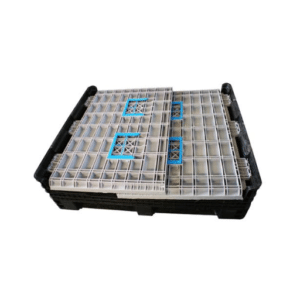
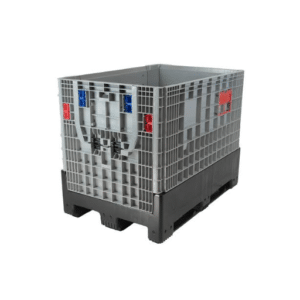
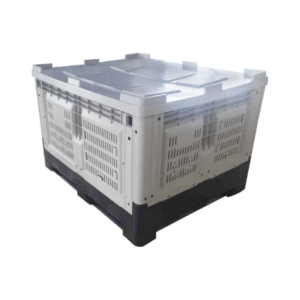
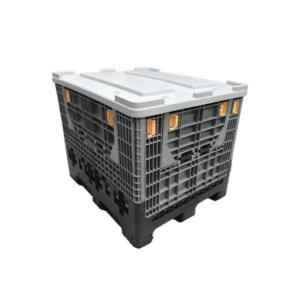
In the open environment, pallets are flat structures and are generally made using materials that can withstand environmental exposure, such as wood, plastic, or metal. They are usually weather-resistant to moisture, UV rays, and temperature fluctuations, making them sturdy for long-term external use. In logistics or storage, these outdoor pallets can find much use, but they can also be malleable materials for DIY furniture, decking, or planters. Their ready availability, affordability, and versatility have made them a staple in industrial applications and, also be creatively applied for sustainable solutions in residential applications.
Benefits of Using Pallets Outdoors
Durability and Weather Resistance
Outdoor pallets are often made from treated timber, plastic, or metal, with all these materials specifically engineered to withstand exposure to varying weather conditions. They act against moisture, UV rays, and temperature alterations, thereby ensuring a long life in external settings.
Economy and Reusability
Pallets are generally much cheaper than other forms of materials used for any outdoor work. With its rigid structure, it can be reused many times, therefore reducing both the waste and the cost. This makes it very practical and economical, whether for commercial or residential purposes.
Range of Uses
The wooden pallets are highly adaptable and can be repurposed for just about every conceivable application, from outdoor furniture and garden solutions to decking and storage frameworks. Standardized sizing combined with a modular design makes them easy to manipulate and incorporate into creative and sustainable designs.
Sustainability
This outdoor usage of pallets helps promote sustainability by ensuring the materials are reused and repurposed. Plastic or wood-made recycled pallets stand against waste and minimize the environmental nuisance caused by alternative disposables.
Accessibility and Standardization
The availability of pallets and their inherent standards make them easily accessible Worldwide, so they maintain compatibility across industries and applications to yield uniform performance and structural soundness.
Safety Considerations for Outdoor Pallet Projects
The very first thing one should think about when working on outdoor pallet projects is to consider safety so as to prevent accidents and have a lasting result. The following are some key points that genuinely come from reliable industry sources:
Material Selection and Inspection
Always inspect pallets for structural integrity before using them. Check for cracks, loose nails, sharp edges, or contamination by chemicals or spills. Use heat-treated pallets () rather than chemically treated ones so as not to expose oneself to toxic substances.
Protective Gear
Depending on the task, wear personal protective gear, including gloves, goggles, and a mask to avoid injury and inhaling any dust or harmful particles while resanding or cutting pallets.
Weather Resistance
Select pallets treated for outdoor conditions, or apply a weather-proof finish to protect from moisture, mold, and UV damage-Will extend your project life and maintain structural integrity.
Safe Construction Practices
Use the right tools for the job when breaking down a pallet or building your projects so that when clamping down workpieces or assembling workpieces, they do not move with the use of nails, perhaps screws have found a better alternative to mother nailing-two nails are guilty punishments against: “insist to use wood clamps while assembling the wood just to make sure nothing will drop or shifting” (if wood clamps are used during assembly, no one really wants the project to drop or shift).
Structural Load and Weight Distribution
Consider weight limits and load-bearing capability in your design. An overloaded structure is a recipe for disaster through material failure, which is really undesirable when the furniture or structures were designed for human use in their conception.
Important: Following these safety guidelines will ensure that the outdoor pallet project will stand for and function for security with time.
DIY Outdoor Pallet Furniture Ideas

Pallet Sofa
Stack and secure a couple of pallets to create a simple yet sturdy outdoor sofa. Placing weather-resistant cushions will make the sofa comfortable as well as durable.
Pallet Coffee Table
A single or double pallet can serve perfectly well as the base for the table. Add some caster wheels to make it mobile. Finish off with some paint or a glass top.
Pallet Garden Bench
Combine a few pallets to make a useful garden bench. Sand the surface and then treat it so the wood will stand up to weather conditions.
Pallet Planter Boxes
Turn slats from dismantled pallets into planter boxes. Line the inside with waterproof material to protect the wood and hold the soil.
Pallet Lounge Chair
Pallets get converted into an inclined lounge chair. There should be a stable design that provides a cushion for relaxed comfort.
Note: Save this page for later ideas, practical, cost-efficient, easily doable, and wonderfully designed for your outdoor space.
Building a Pallet Table
Building a pallet table is an easy and neat craft; it has some practical use and is attractive. Choose strong pallets that have not been damaged or rotted, and make sure they have been heat-treated and are deemed fit for furniture projects (look for the HT stamp). If the pallets have to be disassembled, do so, and then sand the wood well to get rid of any splinters and to finish smooth.
For the tabletop, lay out the planks of the pallets to the desired size and fasten them together with screws or nails. Support the whole with more wooden supports beneath. For the legs, you either continue with pallet wood or bring some premade legs into play to suit the look you want. Make sure they are firmly attached by either brackets or screws.
After the assembly, the wood needs to be primed to seal and protect it from the elements. Finish painting, staining, and varnishing to bring out the beauty of the table and to ensure its longevity. Polyurethane or one such finish will ultimately protect the surface from further wear and tear. Speaking of the actual method, this versatile project is a cheap yet green way to craft any customized pallet table for use indoors or outdoors.
Creating a Pallet Swing
Start by selecting a durable wooden pallet for the swing, ensuring it is sound and free from any sign of rot. Sand it thoroughly to remove splinters and provide a smooth surface. If deemed necessary, reinforce the pallet with additional wood planks or brackets for improved weight bearing and stability.
Drill holes near the corners of the pallet for suspension ropes or chains. The holes ought to be equally spaced apart and of appropriate size to prevent tilting or imbalance. Pass heavy-duty ropes or chains through the holes, securing them either by hard knots or using hardware such as carabiners or eye bolts.
Hang the swing setup from a strong load-bearing limb of a tree or a sturdy beam or frame. Secure the ropes or chains with strong knots or hardware, such as a swing hanger kit, to guarantee safety. Proceed to test it with a controlled weight before use.
Another nice addition would be cushions or seating pads-if it is to be an outdoor swing, the pallet must be properly varnished to protect it from weathering. Checking the swing attachment and structural integrity frequently ensures that several good years of safe enjoyment are met.
Designing a Compact Pallet Bench
Designing a neat pallet bench implies a balance of good functionality, aesthetic appeal, and space optimization. The choice is made by selecting good quality wooden pallets, preferably heat-treated and clean from damages or contaminants, once making sure of their durability and safety. The wood comprising the pallet must now be disassembled, sanding away any splinters from the surface and smoothing it thoroughly. Then cut the wood measuring, considering gifts the space may have, assembling them with wood screws or nails reinforced with brackets for stability.
Usually, the bench frame will be formed by a sturdy seat base and backrest constructed by joining pallet planks, while the armrests can be installed for extra relaxation. Always use accurate measurements, and keep them aligned during assembly so that the structure remains level. Stain or paint the wood to bring out comfort and design, especially if you intend the bench for outdoor use; make sure you follow up with a waterproof sealant. Add cushions or upholster the seat for increased appeal and usefulness.
To achieve greater practicality, storage could be added beneath the seat by building a hinged surface or an open compartment. Check to ensure that the bench is structurally sound during construction and after completion. Re-sealing, tightening of screws, etc., will keep your pallet bench alive for a longer time and will let it perform well consistently through time.
Using Pallets for Outdoor Structures

The versatility of pallets for building outdoor structures stems from their durability and per-unit economy. They are functional building blocks for garden planters, compost bins, or vertical gardening walls. Each pallet should now be treated with weatherproofing materials for long-term use. An initial inspection for damage or rot is desirable. Reuse with a clean conscience should be restricted to those pallets clearly stamped as such, while negating any pallet treated with possibly harmful chemicals. With appropriate treatment and maintenance, pallets become a fast track toward any outside project-inexpensive and aesthetically pleasing.
Constructing a Pallet Fence
Building a pallet fence is the cheapest and environmentally sound option available to secure and border an area. The first step is to choose hard, safe pallets that were heat-treated, marked with “HT,” and not made from chemical treatment, and ensure that they have no rot or damage. Measure the entire area at the start of construction and mark out the post positions. Set the wooden or metal posts firmly on the ground for structural stability.
Next, fasten each pallet to the posts with galvanized screws or nails to resist rusting and ensure durability. Depending on your preference, the pallets can be laid horizontally for the rustic appeal or vertically for a clean-cut look. Set the alignment and ensure that it remains level as you proceed.
To boost longevity, treat the pallet fence with a weatherproof sealant to keep water and UV rays at bay. While painting or staining the pallets to meet the color scheme of your property. Proper and solid, such as making an inspection for damages or replenishing sealing periodically, will prolong its life and keep it in perfect working condition.
Building a Wall-Mounted Pallet Garden
Creating a wall installation of pallet gardens is one efficient way to utilize vertical space for outdoor aesthetics and functional value. Start by selecting a good wooden pallet. Make sure it is heat-treated (marking bearing “HT”) for safety and is free from any harmful chemicals. Smooth out the rough edges to prevent any nasty splinters, and keep in mind to apply weatherproof sealants while you are in it so that it will stand the test of time outdoors.
Mount the pallet onto a wall by means of heavy-duty brackets or screws, keeping it leveled and stable. Line the inner areas inside the pallet slats with landscape fabric or plastic sheeting to keep soil inside and stop anything from seeping through. Fill each section with fine potting soil and insert the plants of your choice-commonly succulents, herbs, or flowers, for they virtually have the same size southwestern root system.
Set regular maintenance times by watering, pruning, and checking for structural stability to keep the garden flourishing. This method is a sustainable and versatile design, perfect for small gardens, patios, and urban setups.
Setting Up a Pallet Tool Storage Area
A pallet used as a tool-storage space is a suitable and cheap alternative for the organization of gardening equipment. Choose a clean one, plus one of sturdy construction and free from cracks or rot. Sand down any sharp corners with an abrasive paper to avoid causing injury, and if desired, the pallet can be sealed for weather proofing before use, especially if placed outdoors.
Following the slats of the pallet, attach hooks, nails, or brackets to provide areas for storing tools with holders for shovels, rakes, or hoses. Setting up metal buckets or wooden boxes in the lower sections of the pallet can provide additional storage for smaller tools. Fix the pallet up against a wall with heavy-duty brackets or stabilize it so that it remains standing on its own with stabilizing legs.
Safety is reinforced by this system in that it keeps tools at an accessible level instead of down on the ground; such safety entails efficiency. Due to the modular nature of pallets, they can equally be customized with ease depending on the size and type of the tools being stored, while also making this an adaptable solution for various gardening needs.
Innovative Outdoor Pallet Decor Ideas

Pallet Shelving Units
Use pallets converted into shelving for outdoor areas. Attaching several pallets or planks of wood can yield a sturdy, weather-resistant shelving system to hold pots of plants, garden ornaments, and outdoor lights. From there, the units can be mounted to a wall or left freestanding, depending on the purpose.
Hanging Gardens
Pallets make ideal bases for hanging gardens. Attach planters or fabric pouches filled with soil to the pallet slats with which to grow herbs, flowers, or small vegetables. This method saves space and showers a green aesthetic on patios or balconies.
Outdoor Furniture
Use the repurposed pallets as materials for custom outdoor furnishings such as benches, tables, or daybeds. Sand the wood down lightly and treat it with either weather-resistant paint or sealant. It is a practical and economical solution that allows you to have high utility and unique pieces.
Lighting Fixtures
Provide ambient outdoor lighting by hanging string lights or lanterns into the pallet structure. The slats can act as a support base, and the mellow glow can warm up that enchanting evening ambience.
Seasonal Displays
Dress up the pallets with seasonal adornments like wreaths, fairy lights, or painted motifs for a versatile backyard display. Using pallets in this lively manner allows for constant changes, aligning with one’s holidays or interior design choices.
Making a Pallet Tree Stand
To firmly and practically work with a pallet tree stand, first, a very healthy wooden pallet is to be picked, without cracks or wear-and-tear on it. Next, cut the pallet down to shape, suitably sized for the height and weight of the tree. Fasten short sections of pallet wood at the required angles using wood screws and a power drill to assemble a square or X-shaped base with good sturdiness. To increase weather resistance and durability further, sand it to avoid splinters and add a weather-sealant or paint. A centre rod or brackets could be fitted onto the stand to hold the tree extra steady. This makes a good and repurposed way to create a solid base for trees of various sizes that can be used either for some festive decorations or landscaping projects.
Creating a Decorative Pallet Wall
For creating a decorative pallet wall, start by selecting pallets that are structurally sound and free of contamination, such as heat-treated wooden pallets marked with the letters “HT.” A pallet can then be dismantled carefully with the use of a pry bar or reciprocating saw, to preserve the integrity of the wood planks. Thereafter, sand each wood plank to the point where there are no harmful splinters on the surface. This will also ensure a smooth surface when applying a finish. Measure the wall area and cut the wood to fit, allowing for any design patterns, such as staggered or herringbone.
The next step involves preparing the wall by mounting a plywood backing or wood furring strips to offer a sturdy base to attach the planks. Use a level to check for alignment and accuracy during installation. Attach planks to the wall by means of wood screws, construction adhesive, or a nail gun, depending on the weight and dimension of the boards.
Sealing the wood with some kind of clear finish, or painting or staining it to complement the aesthetics of the room, will supply the finishing touch needed for a very polished look. Since pallet walls are quite versatile, they may be installed as accent walls, headboards, or even for the outdoors is one of the environmentally conscious yet stylish ways of changing the living area.
Utilizing Pallets for Outdoor Lighting
Pallets provide a very practical and creative opportunity for having outdoor lighting. First, the pallets should be cleaned and sanded so that their surface is smooth and free of any debris. Once cleaned and prepared, the pallets could be used to mount any variety of lighting, including string lights, LED strips, or even lanterns. Attach the lighting fixtures to the pallet using hooks, zip ties, or adhesive strips, making sure they are weatherproof and suitable for outdoor use. In a more sophisticated installation, one could drill holes for recessed lighting or embed solar-powered lights directly into the pallet structure instead.
Location is always a virtue in regard to function and aesthetics. Pallets can be mounted on walls or even on fences, or they can be put to use as independent freestanding fixtures. Pallets can make pathways, bring light to dining areas, or be points where gardens hold attention. Never expose electrical components to moisture, for hazards may result! Thus, in these ways, the pallet-based systems permit you to provide inexpensive and sustainable lighting appropriate to your outdoor arena while giving it a rustic yet functional look.
Maintenance and Sustainability of Outdoor Pallet Projects
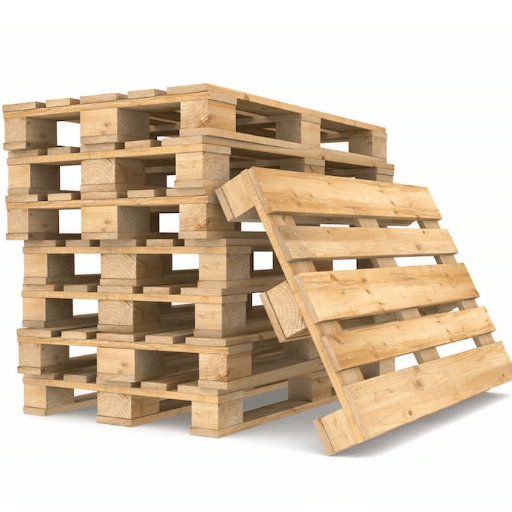
For outdoor projects, ensure that you inspect any wood being used for rotting, splintering, or mold formation. A good yearly sealant or weatherproof coating can be applied to keep them safe from moisture and UV rays. To clean, use mild soap and water to rinse away any dirt. Try to use reclaimed or sustainably harvested pallets for an eco-friendly approach. If chemical contamination is a concern, be sure pallets are heat-treated (HT). Reuse and recycle the older ones so as less harm to the environment. If these methods are followed, the lifespan of your pallet creations will be prolonged, along with their eco-benefits.
Best Practices for Outdoor Pallet Care
| Practice | Description | Benefits |
|---|---|---|
| Weatherproofing | A weatherproof sealant or paint suitable for wood surfaces has to be applied to pallets employed in outdoor settings. It prevents moisture from sinking into the pallet surface through rain or dew, swelling the wood surface, which eventually results in warping, cracking, or even rot. | Extends lifespan and prevents structural damage |
| Inspection and Maintenance | Need to be examined regularly for damage-not just splinters but also loose nails and decay. Repairing or replacing these on time will ensure safety and structural integrity over time. | Ensures safety and longevity |
| Proper Elevation | Pallets must be kept raised above the ground with bricks, cinder blocks, or some other device that allows air circulation and limits full exposure to soil moisture. Soil moisture accelerates wood deterioration, of course. These are considerations for coming up with a design expected to last over time. | Prevents moisture damage and rot |
| Avoid Direct Soil Contact | Direct contact with soil causes higher rates of degradation and possible pest infestations. Employ liners or barriers between the pallets and the natural ground to keep them away from these antagonists. | Reduces degradation and pest issues |
| Season Storage | The outdoor pallet under extreme weather or seasonal weather should be kept in a confined location. This definitely extends the use time and the longevity of these pallets. | Maximizes durability and lifespan |
Key Takeaway: Following these steps would go on to maximize the durability and utility of outdoor pallets and allow long-term usability while still being eco-friendly.
Choosing the Right Wood for Outdoor Use
My focus while selecting wood for outdoor use is on durability, resistance to decay, and environmental conditions. Hardwoods such as teak, cedar, and redwood resist moisture and pests by nature and are thus excellent choices for exterior applications. In case softer woods are used, I make sure they are treated under pressure or sealed appropriately to resist long-term exposure to the elements. In consideration of these aspects, I will select wood that will combine performance and life span with respect to the outdoors.
Recycling and Repurposing Old Pallets
Recycling, or rather repurposing, of old pallets is in full harmony with being environmentally sustainable and also extremely cost-efficient. Pallets made of wood can be dismantled and converted into a variety of useful items, such as furniture, garden planters, or even wall decorations. The first thing to look for is a stamp or mark on the pallet indicating it has been chemically treated, so you know which to use safely and which not to. Heat-treated (“HT”) pallets are generally safe, whereas chemically treated (“MB,” methyl bromide) ones are to be kept away from reuse within an indoor environment or in contact with food. Pallets should be cleaned, dried, and sanded well so as to remove dirt, splinters, or rough edges, well ahead of any repurposing.
Creative applications include constructing coffee tables, bookshelves, or compost bins. For outdoor projects, a protective sealant needs to be applied to grant weather resistance and longevity of use. Pallets can also be dismantled while working with the plank of wood, to benefit a project, thereby lessening waste and allowing the wood to have a longer life. Hence, the pallet transformation programs allow for some innovative designs, going along with the sustainable track, as less waste goes to landfill.
Quick Reference: Pallet Safety Markings
| Marking | Meaning | Safe for DIY? |
|---|---|---|
| HT | Heat-Treated – wood has been heated to kill pests | ✅ Yes – Safe for all projects |
| MB | Methyl Bromide – chemically treated | ❌ No – Avoid for DIY projects |
| KD | Kiln-Dried – dried in a kiln | ✅ Yes – Safe for projects |
| DB | Debarked – bark removed | ✅ Yes – Safe for projects |
Outdoor pallet projects offer an incredible opportunity to transform your exterior spaces while embracing sustainability and cost-effectiveness. Throughout this comprehensive guide, we’ve explored the vast potential of wooden pallets, from their fundamental characteristics to their countless applications in outdoor settings.
The benefits of using pallets outdoors are substantial: they provide durability and weather resistance, offer economic advantages through reusability, demonstrate remarkable versatility in applications, promote environmental sustainability, and maintain accessibility through standardized designs. These qualities make pallets an ideal material for DIY enthusiasts and homeowners looking to enhance their outdoor areas without breaking the bank.
Safety remains paramount when working with pallet projects. By carefully selecting heat-treated pallets, wearing appropriate protective gear, ensuring proper weather resistance, following safe construction practices, and considering structural load capacities, you can create projects that are both beautiful and secure. Regular inspection and maintenance of materials guarantee long-lasting results.
The creative possibilities are truly endless. From functional furniture pieces like sofas, coffee tables, benches, and lounge chairs to structural elements such as fences, vertical gardens, and tool storage areas, pallets can be transformed into virtually any outdoor feature you can imagine. Decorative applications including shelving units, hanging gardens, lighting fixtures, and seasonal displays add aesthetic value while maintaining practical functionality.
Proper maintenance ensures your pallet projects stand the test of time. Weatherproofing treatments, regular inspections, proper elevation above ground, avoiding direct soil contact, and seasonal storage all contribute to maximizing the durability and utility of your creations. Choosing the right wood type and understanding pallet markings (HT, MB, KD, DB) ensures both safety and longevity.
The environmental impact of recycling and repurposing old pallets cannot be overstated. By diverting these materials from landfills and giving them new life as functional outdoor features, you’re contributing to a more sustainable future while creating unique, personalized spaces that reflect your creativity and style.
Whether you’re building a simple pallet table, creating an elaborate vertical garden, or constructing a complete outdoor living space, the key lies in combining creativity with practical knowledge. With the right tools, safety precautions, and maintenance practices, your pallet projects will provide years of enjoyment while serving as a testament to sustainable, eco-friendly living.
Final Tips for Success
- Start Small: Begin with simpler projects like a coffee table or planter box to build confidence and skills before tackling more complex structures.
- Plan Thoroughly: Measure twice, cut once. Careful planning prevents material waste and ensures professional-looking results.
- Invest in Quality Tools: Having the right tools makes projects easier, safer, and more enjoyable. Essential tools include a saw, drill, sander, and safety equipment.
- Prioritize Safety: Always wear protective gear, work in well-ventilated areas, and never compromise on safety standards.
- Seal and Protect: Apply appropriate finishes to protect your projects from the elements and extend their lifespan significantly.
- Be Patient: Quality work takes time. Don’t rush through steps, especially sanding and finishing, as these determine the final appearance and durability.
- Source Responsibly: Look for free or low-cost pallets from local businesses, but always inspect them thoroughly for damage and chemical treatments.
- Embrace Imperfections: The rustic charm of pallet wood often lies in its character. Minor imperfections can add to the aesthetic appeal.
- Document Your Work: Take photos of your projects to track progress, share inspiration, and learn from each experience.
- Join Communities: Connect with other DIY enthusiasts online or locally to share ideas, tips, and inspiration for future projects.
Get Started Today!
Now that you’re equipped with comprehensive knowledge about outdoor pallet projects, it’s time to put these ideas into action. Remember that every expert was once a beginner, and every beautiful outdoor space started with a single project. Whether you’re creating a cozy seating area, organizing your garden tools, or building a vertical garden wall, the journey of transforming pallets into functional outdoor features is as rewarding as the final result.
Embrace the eco-friendly nature of pallet projects, enjoy the cost savings, and take pride in creating unique pieces that reflect your personal style. Your outdoor space is waiting to be transformed, and with pallets as your medium, the possibilities are limited only by your imagination. Start with one project, learn from the experience, and gradually expand your skills and ambitions.
Happy building, and may your outdoor pallet projects bring you years of satisfaction, functionality, and beauty!
Reference Sources
Autonomous Palletized Material Handling in Short-Term Outdoor Warehouses
Destructive Testing of Wood Plastic Composite (WPC)
Field Frequency and Pattern of Inheritance of the Herbivory-Defence Trait
Frequently Asked Questions (FAQs)
Some creative ideas for DIY outdoor pallet furniture?
Outdoor pallet furniture can be as chic as it can be useful. Make a pallet table or a seating area with cushions. Or perhaps transform smaller pallets into a wall-mounted garden for herbs or flowers. These are all great ways to keep costs down while customizing your own outdoor area.
How to use wood pallets to create a black wall-mounted garden?
For the black wall-mounted garden, select a sturdy pallet and paint it black for that modern look. Mount this on a wall anywhere inside your garden or patio. Fill the gaps with soil and plant some herbs and flowers to create a gorgeous vertical garden.
Are there safety concerns in using pallets for outdoor projects?
Pallets pose certain risks. Make sure the pallets are made of untreated wood to avoid exposure to chemicals. In the same line, examine the pallet for any sharp edges or broken parts that could injure someone. If the pallets are to be used for furniture, sanding may help achieve a smoother surface.
What kinds of outdoor pallet projects could I put together for my garden?
In your garden, you can build quite a variety of outdoor pallet projects, ranging from a pallet fence to a compost bin to even a raised garden bed. These projects augment the aesthetics of your garden while addressing gardening needs.
How do you make a simple pallet swing for the outdoor patio?
Find the sturdiest pallet available and sand it down for comfort. Heavy-duty ropes should be fastened to each corner of the pallet and then firmly secured to a strong branch of a tree or a sturdy frame. For safety, test the swing before use.
Pallets versus a gigantic outdoor table for parties.
That’s for sure! You can use numerous pallets to make a huge outdoor table for parties. Stack the pallets, secure them together, and place a smooth surface on top. Give it weatherproof paint or sealant to keep it safe against the elements.
What is the best practice in dealing with problems with outdoor pallets?
In the case of any problems with outdoor pallets: rot, insect damage, and so on-it is important first to assess the extent of the damage; if it has really compromised the pallet, then best to discard it. For small issues, though, reinforce it with extra wood or coat it with some kind of protective material.
How do pallets fit into a compact storage setup for the workshop?
Pallets that are stacked vertically can be utilized for compact storage of tools or materials. Pallets can also be used as wall shelves from which workshop essentials are easily accessed and kept neat.
What are some other unique pallet-taking ideas for outdoor decoration?
Perhaps they can build a pallet fruit display stand, a decorative wall for climbing plants, or even a rustic signpost for their garden paths. All of these projects add character to their outdoor area while remaining functional.