International shipping of goods brings with it various challenges, and one of the most important but rarely noticed is the compliance with regulations regarding wood packaging materials. ISPM 15 pallets are those that are heat-treated, stamped, and certified to be compliant with the global phytosanitary standard. But what does this really mean, and why is it so important for importers, exporters, and companies that are dealing with the global supply chain? This blog presents the basics of ISPM 15 pallets, their part in avoiding the spread of invasive insects, their conditions for international transportation, and the monetary gains that are reaped by companies that practice efficiency and compliance. No matter if you are a logistics professional or just starting to explore the field of international trade, this guide will give you an insight into the decisive part that heat-treated packaging plays in the preservation of the ecosystem and the uninterrupted flow of goods across borders.
What is ISPM 15?

ISPM 15, which stands for the International Standards for Phytosanitary Measures No. 15, is a rule set up to stop the movement of invasive pests and diseases caused by the transfer of wooden packaging materials like pallets and crates between countries. It is mandatory to treat the wood packaging either by heat or fumigation in order to kill any and all pests that may harm the environment. The wood that has been treated is then stamped with a logo that is recognized as approved by the authority. This regulation is very prominent and helps to keep the trade across the globe safe while also conserving the environment and countries from possible threats.
Definition and Importance of ISPM 15
ISPM 15, the International Standards for Phytosanitary Measures No. 15, is a universal standard introduced mainly by the IPPC to reduce the risk of disseminating non-native pests and diseases through the trade of goods internationally. Along with such measures, this regulation is of utmost importance in confirming that the wooden packaging materials (like pallets, crates, and dunnage) won’t carry any plant diseases or pests that may harm the environment and agriculture.
These wood packaging materials that are ISPM 15 compliant have to undergo certain treatments, including heat or methyl bromide fumigation, to kill all the insects, etc. After the process, the materials are given the ISPM 15 seal, which is recognizable around the world. The seal contains a symbol, a country code, a manufacturer/treatment provider code, and the type of treatment done. The entire marking system is very regimented, which has its advantages, like customs process being simplified and global phyto-sanitary regulations being strictly followed.
The significance of ISPM 15 is clear from the extent of its adoption; it is now more than 180 countries around the world that have made it a condition of entry for wood packaging that it complies with the ISPM 15 standard. Besides, the restrictions in scenarios, e.g., the U. S., Canada, E.U., and China, as to untreated wood imports are such that they try to conserve their respective ecosystems and industries. Not even one case of non-compliance (e.g., pest going un-noticed) could cause huge financial losses. The global bill for trade-related invasive species is projected to top a few billion dollars a year as crops get destroyed, ecosystems are damaged, and eradication actions are taken.
The volume of international trade is on the rise, and therefore, ISPM 15 is also changing. Government bodies have been having talks about sustainability lately and have advocated for less harmful methods than that of methyl bromide fumigation to be used, since the method has its own environmental and health risks. Compliance with ISPM 15 not only means doing trade quickly and efficiently but also shows one’s view of being eco-friendly and supporting the protection of the world’s living creatures by offsetting commerce ecological footprint.
History and Development of the ISPM 15 Standard
In 2002, the International Plant Protection Convention (IPPC) introduced the ISPM 15 standard to mitigate the risks of globally traded wood packing materials that might have cutting-edge pests inside. Consequently, it was like the green light for insect migrations, which had already happened historically in the case of the long-horned beetle, Asian, for instance, where ecosystems and agriculture of several regions were put at risk. The standard eventually set pest-free wood packaging requirements through treatment and marking; initially, heat treatment or methyl bromide fumigation was the means to do so.
The original ISPM 15 texts have definitely been updated and altered according to the environmental and commercial needs that developed around it. The history of ISPM 15 has two major turning points on its path, namely, the 2009 and 2018 amendments, which focused on marking and treatments, respectively, with improved clarity and effectiveness as the ultimate goal. While discussions on the matter continue, it is mainly about the substitution of methyl bromide with less harmful the environment alternatives therefore, the alignment of the standard with eco-friendly objectives is not only in the talks, but it has already been reflected in the ongoing revisions of the standard. The ISPM 15 currently serves as the gatekeeper of all the benefits and harms associated with the trade, effectively facilitating the former and at the same time taking care of the latter.
Key Objectives of the ISPM 15 Regulations
The ISPM 15 regulations serve to obstruct the international distribution of pests and invasive species via wood packaging materials like pallets, crates, and dunnage. The main goals of the regulations are as follows:
- Pest Risk Mitigation: The treatment of wood packaging materials must be such that no live pests will remain in these materials. This is mainly accomplished through approved methods such as heat treatment or fumigation.
- Standardization of Treatments and Markings: The treatment processes and markings will have global standards that are clear and recognizable, which will, in turn, enable countries to easily identify and comply with the standards.
- Facilitation of Safe Global Trade: The international trade will be less affected by the new regulations, while at the same time, the protection of ecosystems and biodiversity from non-native pest infestation would be a consideration.
By meeting these goals, ISPM 15 is on the side of both environmental protection and the uninterrupted flow of goods in the global market.
ISPM 15 Pallet Requirements

In order to meet the ISPM 15 requirements, wooden pallets that are used in international trade must undergo the following treatments:
- Heat Treatment (HT): The minimum core temperature of 56°C (132.8°F) is required to kill all kinds of insects, and the duration of heating is at least 30 minutes.
- Methyl Bromide Fumigation (MB): Invasive species can be destroyed through the treatment of wood with methyl bromide as an alternative to heat treatment.
- Marking: Pallet marking for treated wood involves an ISPM 15 mark that consists of:
- The IPPC logo.
- A two-letter code representing the country where treatment was done.
- A distinctive code for the producer or treatment provider.
- The applicable method of treatment, such as HT or MB.
- Bark and Raw Wood Prohibition: Pallets must have no bark or raw wood that has not been treated, as this is a major cause of pest contamination.
The implementation of these measures guarantees the safe and pest-free movement of goods and, at the same time, the protection of world ecosystems.
Types of Treated Pallets
The quarantine standards for international trade are the basic criterion for treated pallets; thus, they are rated in accordance with the treatments that eliminate or control pests and the spread of the same. The main types are as follows:
Heat-Treated (HT) Pallets
Pallets go through the process of heat treatment to kill all living beings and germs inside. The method is to heat wood to a core temperature of at least 56°C (132.8°F). It is a duration of at least 30 minutes. No chemicals are involved, hence it is an eco-friendly method too, and thus it is the primary method for the export of goods.
Methyl Bromide (MB) Fumigated Pallets
The process with gas methyl bromide, the fumigation of pallets, is one in which the gas is used for the destruction of pests and microorganisms. Nevertheless, it is banned in many cases due to its environmental and health risks–the reason is that it is a toxic substance.
Kiln-Dried (KD) Pallets
Even though the main aspect of this procedure is the reduction of moisture content in wood, kilning serves as a good insect control measure too. KD treatment is not solely an accepted procedure under ISPM 15; however, it can be a factor towards the longevity and rigidity of the wood when it is combined with heat treatment.
All these treatments, particularly heat treatment and fumigation with methyl bromide, are in compliance with ISPM 15 standards; thus, they make the flow of international trade safe.
Heat Treatment Process for Wooden Pallets
The treatment of the heat process consists of heating the pallets of wood until the core temperature of 56°C (132.8°F) is reached and maintaining it for at least 30 minutes. This is the process that enables products to be shipped internationally with little or no risk of pest infestation since it is the main area of compliance with the ISPM 15 standard. The whole heat treatment process has the advantages of placing the pallets in the special chambers or kilns where the heat and the humidity are adjusted and monitored very precisely so that the required temperature is reached all over the place.
The process of heat treatment contributes to the better quality of the pallets by reducing their moisture content, which in turn cuts some of the distortion and splitting that could occur over time. After treatment, the pallets are marked with the ISPM 15 sign, which is recognized worldwide, and thus they are considered by customs and companies as if they are meeting the international phytosanitary standards. This makes cross-border trade not only safe but also smooth and faster.
ISPM 15 Stamp: What It Represents
The ISPM 15 stamp which is a worldwide recognized symbol that indicates wooden packaging materials such as pallets and crates the like are in accordance with the rules of the International Standards for Phytosanitary Measures No. 15. The purpose of setting this standard was to stop invasive pests and diseases from spreading which sometimes travel from one country to another or even between whole continents through untreated wood. The stamp has very important identifiers like the country where it comes from, the particular code of the treatment facility that is assigned to it, and the treatment method applied, which is usually either the heat treatment method (HT) or methyl bromide fumigation (MB).
Compliance with ISPM 15 is very important for international trade. The Food and Agriculture Organization (FAO)’s data shows that the application of ISPM 15 has greatly lessened the chances of pest infestations caused by the use of untreated wood packaging. Moreover, some countries have very stringent measures regarding ISPM 15 conformance, and those shipments that do not conform are likely to experience delays, face fines, or even be turned back at the border. To stamp wood packaging with ISPM 15 is not only a means to ensure smooth cross-border transactions but also a way to participate in and promote eco-friendly trade practices while at the same time protecting the planet from the invasiveness of certain species.
Benefits of Using ISPM 15 Compliant Packaging

- Facilitates International Trade: Packaging compliant with ISPM 15 guarantees that shipments conform to the world’s phytosanitary standards, thus delaying, fining, or rejecting at customs is less likely.
- Protects Ecosystems: It not only preserves the planet’s biodiversity and the environments nearby but also hinders the spread of harmful pests and diseases.
- Promotes Sustainability: The use of treated and correctly marked packaging is a sign of eco-friendly trade practices.
- Enhances Business Reliability: The accomplishment of compliance is a testimony to the devotion to quality and standards, thus creating trust in customers and trading partners.
Ensuring Compliance in International Trade
In international trade, compliance involves following various laws and regulations that control the transfer of goods across borders. The main actions consist of:
- Understand and Follow Trade Laws: Investigate the import and export regulations for both the producing and ending countries, consisting of duties, licenses, and banned items. Bodies such as the World Trade Organization (WTO) and local customs agencies give the necessary guidance.
- Provide Accurate Documentation: Proper documentation, consisting of invoices, bills of lading, certificates of origin, and packing labels, is vital to preventing delays or fines. Make sure that all declarations are honest to fulfill customs requirements.
- Comply with Packaging Standards: Adhere to certain packaging regulations, such as ISPM 15 for wooden materials, that stop the spread of insects while making sure that the goods pass through customs.
- Stay Updated on Regulations: The rules of international commerce can undergo frequent changes. Rely on trustworthy sources, industry associations, or compliance consultants to keep you informed and thus avoid unintentional violations.
- Leverage Technology: Implementation of software solutions for trade compliance not only makes the processing of classification, documentation, and tracking more accurate and efficient but also speeds up the whole process.
Companies that are attentive to these factors will reap the rewards of lessened risk, quicker transit, and more dynamic global trade.
Reducing the Risk of Pest Infestation
Pest infestations can cause huge losses and even destruction of property, not just in homes but in businesses and through agriculture, too. To reduce such risks, the only way out is the adoption of a combined preventive measure, as well as prompt responses or reactions to the situations that arise. Cleanliness is still the best preventive measure, according to new studies. Scraping off and throwing away food regularly, closing bins tightly, and mopping and wiping up spills can help a great deal in making the place less inviting for not only rats but also insects.
Another important area to lessen pest chances is to stop their entry points by sealing. Wall cracks and gaps around windows and doors, as well as unventilated places, are the usual paths through which pests come in. Studies reveal that sealing a hole of 0.25 inches can complete the prevention of the entrance of mice, which are among the most common rodents. Also, together with the use of weather stripping, mesh screens may be helpful in the fight against the likes of ants and flies.
And proper storage of food and supplies goes along with this, as hay for pest prevention. Putting foodstuffs in tightly shut containers, humidifying the environment appropriately, and inspecting the storage area regularly are some of the measures to keep pests away from the infestations. For some businesses, like agriculture, the use of IPM (Integrated Pest Management) strategies, comprised of the biological, cultural, and chemical practices, has been demonstrated to not only cut down on pesticide usage but also keep pest populations under control.
Last but not least, inspections are critical in spotting the earliest signs of infestations. Inspections done every three months or even more often in the high-risk zones can be of help in finding and dealing with pest issues before they grow into a larger problem. Adopting these measures step by step, every person and organization can together or separately secure and promote a healthy space with little to no economic and structural effects from pest infestations.
Cost-Effectiveness of Heat-Treated Pallets
Heat-treated pallets are a smart way to go for any business that needs sturdy, clean, and eco-friendly materials for shipping and logistics without breaking the bank. Heavily treated wood is another source of heat-treated wood, which is not a choice as the latter goes through a process that gets rid of both insects and microbes without leaving any harmful chemicals behind, thus making it compliant with ISPM-15, the most stringent international plant health standards. This greatly cuts down the possibility of high costs due to fines or delays in border inspections, so businesses can save time and resources.
If we look at the initial costs, heat-treated pallets stand at around the same price as untreated ones, but their longer life and reusability make them a financially viable option in the long run. Research has indicated that companies using heat-treated pallets suffer less product damage during transportation, which translates to reduced financial losses and increased customer satisfaction.
Moreover, heat-treated pallets are a step closer to environmental sustainability and are expected to be part of the recycling system and reduction of chemical treatments, thus they are environmentally friendly. For businesses that want to go “green,” using these pallets will not only be a sign of their commitment to sustainability but also a factor that will greatly influence the decision of customers and stakeholders who are increasingly considering sustainability as a factor. The fact that heat-treated pallets are more cost-effective when compliance, reduced product loss, and reusability are factors in the choice of modern supply chain operations.
Alternatives to ISPM 15 Wooden Pallets

Plastic Pallets
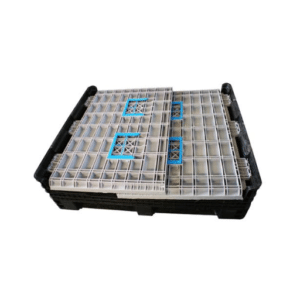
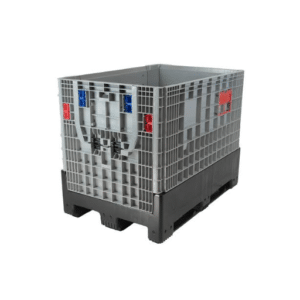
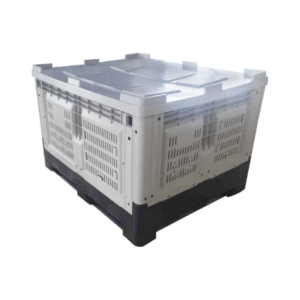
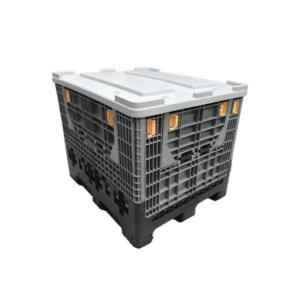
Plastic pallets are an attractive option compared to ISPM 15 wooden pallets because of their non-requirement for heat treatment or fumigation throughout the process of international shipping. They have a long life span, they are very easy to handle, they do not resist moisture, and they can be used several times, which is a great way to cut down on waste.
Metal Pallets
Metal pallets, which are generally made of aluminum or steel, are also an option. They are very tough indeed, insect-proof, and ideal for very demanding applications. But metal pallets generally have a higher price tag in comparison to other options and are also heavier.
Presswood Pallets
Presswood pallets consist of recycled wood fibers, which are molded into the desired shape. They are light in weight, can be stacked, and are naturally pest-free, thus making them compliant with international shipping regulations without extra treatment.
Corrugated Cardboard Pallets
Corrugated cardboard pallets are green, light, and entirely recyclable. Though their employment is limited to lighter loads, they still provide a cost-efficient and environmentally friendly solution for some industries.
All of these alternatives have their own unique benefits, which makes it possible for businesses to select the one that fits their specific shipping and operational requirements best.
Plastic Pallets: Pros and Cons
Plastic pallets have become more and more preferred in recent times, mainly because of their strength and versatility. One of the key benefits of plastic pallets is their long life, which means they can be used repeatedly without incurring much damage. Plastic pallets, unlike wooden ones, can resist water, decay, and insect attacks, so they are very suitable for the sanitary and hygienic applications of the food and medicine industries. Besides, they are very light, thus shipping costs can be minimized, and their standard form can guarantee compatibility with automated systems.
Nevertheless, upfront plastic pallets are generally more expensive than wood or corrugated cardboard options. However, the long life of plastic pallets usually compensates for the higher initial cost. Moreover, although plastic pallets can be reused and recycled, their manufacturing process depletes the earth’s non-renewable resources like petroleum, which raises the issue of sustainability. The gradual shift to recycled materials and closed-loop systems is one of the ways being taken to resolve this problem and to offer more environmentally friendly alternatives.
Research has shown that a plastic pallet can, on average, last up to 10 times longer than a wooden one, and the uniform weight and dimensions also help to minimize errors in automated warehouses. The introduction of designs like nestable and rackable plastic pallets, the versatility of plastic pallets evident in different industries, plus they deliver great efficiency. For manufacturers who see value in durability and long-term cost savings, plastic pallets are highly recommended even when their initial cost is quite high.
Environmental Impact of Wooden vs. Plastic Packaging
Considering the environmental impacts of wooden versus plastic packaging is the most important factor, since each has its unique advantages and difficulties. Wood packaging has a long way of being appreciated for its ecological and non-polluting aspects. It comes from forests that are sustainably managed, and at the end of its life cycle, it can be either reused or composted, thereby preventing landfills from getting more waste. The manufacture of wooden boxes also uses energy, and thus, the greenhouse gases (GHG) emissions are lower compared to the plastic manufacturing process.
Moreover, plastic packaging is a strong and durable material and has a long lifespan, which will eventually cut down on the need for its replacement quite frequently. But then again, its environmental footprint is quite huge because of the reliance on fossil fuels for its production. Plastic waste, in case it does not go through the recycling process, adds to pollution and might take hundreds of years to decompose, thus being a long-term threat to the surrounding wildlife. The recycling of plastics has improved over the past years, with high-density polyethylene (HDPE) and polypropylene materials being more widely recycled, yet there are still some obstacles to tackle.
It is estimated through global reports that around 91% of plastic waste has not been recycled at all. On the contrary, the recycling rate of wood packaging, such as pallets, would be as high as 95% in certain areas, where the discarded materials are frequently put into secondary uses or are transformed into products like wood chips and mulch. By looking at the lifecycle assessment (LCA) studies, the carbon sequestration potential of trees during wood growth is further offset by the emissions, making it a sustainable option in most cases. However, there are concerns about deforestation, which point to the need for certification from bodies like FSC (Forest Stewardship Council) to ensure that the wood used is coming from a sustainable source.
Selecting between wooden and plastic packaging depends on the particular use case, environmental factors, and the already established waste management practices. Companies and sectors must be very careful in choosing between the ecological advantages and drawbacks in order to reduce their ecological footprint while still being able to satisfy their logistics and operational requirements.
Choosing the Right Type of Pallet for Your Needs
For choosing the proper pallet type, factors like material, durability, cost, and environmental impact should be weighed up. Wooden pallets are sometimes picked mainly because of their cheap price and general availability; hence, they can be used for heavy loads or even one-time use only. They are easy to fix but sometimes break and also soak up water, which might not be good for some industries. On the contrary, plastic pallets have a very good life span, they are lightweight and water resistant, which makes them a perfect option for sanitary industries such as food and medicines. However, their initial cost is higher compared to wood, and they are not very eco-friendly if not properly recycled. Metal pallets, although costly, provide the best durability and high load capacity, which is perfect for heavy-duty or long-term applications.
Finally, the decision should reflect your particular logistics, budget, and sustainability goals. For instance, the industries that need export-compliant pallets might go for heat-treated wood pallets, while the sectors concerned with durability and hygiene might go for the plastic ones. A thorough examination of the operational needs, combined with considerations for recyclability and reusability, will guide you to the most informed decision.
Future of ISPM 15 and Wooden Packaging

The ISPM 15 and wooden packaging future is all about keeping the pest to be global trade safe while giving a hand to green practices. The ISPM 15 standard is very likely to it will keep changing to keep the pest risk in check and to be compatible with new treatment technology. Of late, there has been talk about the use of fewer chemicals to make treatments and reliance on heat treatment or others more and more. It is the businesses that change with the flow and take compliance as a priority that will have easy international trade and play a part in global biosecurity.
Trends in Wooden Pallet Manufacturing
The wooden pallet industry is at the forefront of adopting major trends prioritizing sustainability, technology, and supply chain needs. A major transition is the focus on sustainability getting stronger, which is leading to the manufacturers mixing the use of recycled wood, biodegradable materials, and circular economy principles to waste. Not only that, but the automation and robotics development are reducing the overall production cycle per pallet, thus raising lucrative and reducing costs. Apart from that, sensor-integrated pallets and Internet of Things (IoT) connectivity are also upcoming, which, in turn, will allow for more reliable logistics and real-time monitoring. On top of that, the soaring need for pallets that are both lightweight and durable in order to realize maximum efficiency in transportation and storage is influencing the design of products. Companies are tackling the global problems by making eco-friendly practices and high-tech solutions their main priorities, thus guaranteeing their market positions through resilience and adaptability in a competitive environment.
Innovations in Heat Treatment Processes
In my view, the innovations in heat treatment processes have been primarily directed toward efficiency, sustainability, and precision. The implementation of such methods as vacuum heat treatment and induction hardening provides excellent control over material properties while at the same time yielding energy savings. Moreover, progress in simulation technology makes it easier for the process to be planned and the quality assured. All these advancements contribute to the heat treatment process being an indispensable and constantly changing part of the modern manufacturing scenario.
Environmental Considerations and Sustainability
Environmental considerations for heat treatment processes point out the energy consumption that should be cut down, cleaner technologies to be adopted, and waste that should be minimized. The use of electric or hybrid furnaces, among others, is a modern advancement that gradually replaces fossil fuel-powered systems and naturally leads to a considerable decline in the emission of greenhouse gases. Moreover, renewable energy sources, along with better insulation technologies, are being incorporated to create an even more efficient system. The recycling and reuse of quenching oils, coolants, and other by-products are among the practices that contribute heavily to waste reduction. Moreover, compliance with international environmental regulations, like ISO 14001, supports the manufacturing industry in employing eco-friendly practices and makes heat treatment processes more sustainable while cooperating with global sustainability objectives.
Reference Sources
“Demonstrating the Benefits of Phytosanitary Regulations: The Case of ISPM 15”
- Key Findings: The study emphasizes the difficulties arising from the non-existence of data regarding pre-implementation interceptions in demonstrating the borders’ effectiveness of ISPM 15 regulations. Still, the findings stress the importance of ISPM 15 in reducing the risk of pests through the use of wooden packing materials.
- Key Findings: The study recognizes the supply chain of pallet products to be plagued with risks, among which the development of living insects or fungi is the major one. It suggests the adoption of various strategies for risk mitigation, putting emphasis on the compliance with ISPM 15 as the primary means of reducing phytosanitary risks.
Frequently Asked Questions (FAQs)
What is ISPM 15, and what is its connection to wooden pallets?
International Standards for Phytosanitary Measures No. 15 is the full name of ISPM 15, which sets forth the standards for wood packaging material in the context of international trade. The very essence of ISPM 15 is to halt the dissemination of wood-related pests and diseases. It extends to wood pallets, wooden crates, and other wood-based products that are used in the international trade of products.
In what way do heat-treated pallets conform to ISPM 15 rules?
To conform to ISPM 15 requirements, heat-treated pallets undergo a specific procedure where a core of wood is heated to a temperature of at least 56 degrees Celsius for a certain time duration. Through this processing, the insects are killed, and the wood meets the ISPM 15 requirements. Heat-treated wood that has been treated correctly is shown to be in compliance with the ISPM 15 stamp.
What are the pros of ISPM 15-compliant wooden pallets?
The use of ISPM 15-compliant wooden pallets provides a range of advantages, such as the elimination of pest infestation risk during transport, conformity with international trading regulations, and the safety of the products that are exported. Moreover, the pallets that satisfy ISPM 15 criteria are acknowledged throughout the world, making customs procedures a lot easier.
What are ISPM 15 pallets made of?
The main ingredients of ISPM 15 pallets are softwood and hardwood. These materials need to undergo either a heat treatment or fumigation with methyl bromide to make them pest-free. The treatment is an important part of the process to meet world standards and to protect the agricultural industry globally.
How can I check if my pallets are ISPM 15 compliant?
If your pallets comply with ISPM 15 standards, they must display the ISPM 15 label or mark of authentication. This label means the pallets have been properly treated according to the regulations and are suitable for international usage. It is vital to check for this marking if you are planning to export with wooden pallets.
What is the process of ISPM 15 for wooden packaging?
The ISPM 15 process comprises treating wood packaging materials like pallets and crates to get rid of insects. Heat treatment or chemical treatment can accomplish this. The wood has to be heated to a core temperature of a minimum of 56 degrees Celsius for it to be really effective. Afterwards, pallets are labeled as compliant.
Can one use plastic pallets instead of wooden ISPM 15 pallets?
Absolutely, plastic pallets are another option for products safe and sound shipped internationally and they do not fall under the same pest control rules as wood. Nevertheless, the majority of industries are still leaning towards the use of heat-treated wooden pallets because of their eco-friendliness and economical nature. However, it is important to consider the specific requirements of your shipping before deciding on whether to use plastic or wooden pallets.
What are the national phytosanitary authorities doing with regard to ISPM 15?
The national plant protection organizations are in charge of implementing ISPM 15 regulations in their countries. They supervise the treatment and marking of wood packaging materials that include pallets so that they match the requirements of international regulations. This action is beneficial since it limits the spread of insects and diseases that could harm crops and the environment.
How do I ensure my pallets are ready for global transport?
To make sure that your pallets are suitable for global transport, it is necessary to always use heat-treated wood that is compliant with ISPM 15 specifications. Furthermore, the stamp of ISPM 15 on the pallets should be checked, and the records of the treatment process should be duly kept. It is also very important to regularly inspect the pallets for any indications of wear or pest presence.