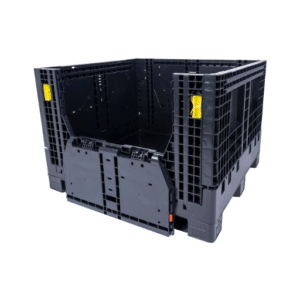
The Evolution of Pallet Design

Pallet Material Advancements
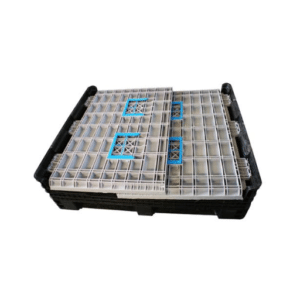
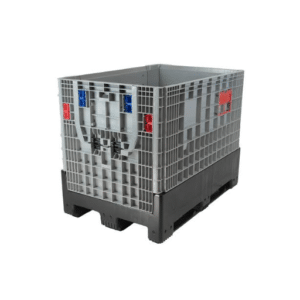
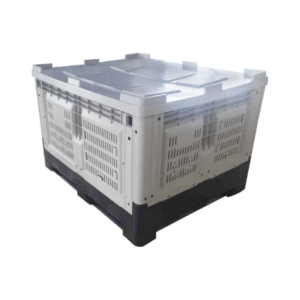
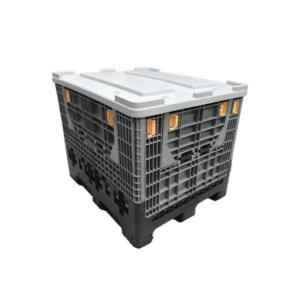
Transitioning into an evolution of pallet design, the movement towards more environmentally safe and durable materials is at hand. Conventional wooden pallets, though extensively used, are now being supplanted or supplemented by means of alternatives like recycled plastic, metal, or even biodegradable composites. Each of these materials lessens the environmental impact, provides extra durability, and increases the lifespan of the pallets when faced with harsh supply chain operations.
Integration of Smart Technology
Adding to smart technology, modern pallets are equipped with GPS trackers and sensors, providing tracking capabilities that include monitoring of the condition of in-transit goods. With the increased management of inventories by precise data gathering and analysis, it also minimizes loss or theft and optimizes logistics operations.
Lightweight and Modular Designs
These are lighter and modular pallets that are easier to carry around and require less energy in transportation. Improved designs lead to higher operational efficiency but cut down carbon emissions, thereby aligning with an ever-growing emphasis on sustainability in the logistics domain.
With enhanced materials, smart technologies, and carefully worked-out design, pallets are adapting to transform business and environmental needs alike.
Historical Overview of Pallet Use
Ever since their inception in the early 20th century, pallets have been of prime importance within logistics and supply chain management. Pallets found their way during World War I to enhance the efficiency of the storage and transport of varied goods. The importance of pallets grew to an immense degree during World War II, whereby they served to standardize handling procedures and therefore speed up the movement of materials through military and industrial supply chains.
Through the decades, the original designs of wooden pallets were updated and diversified through the inclusion of new materials like plastic and metal to serve across industries and applications. The mid-century saw the advent of a new use of the forklift for manipulating pallets, which unquestionably boosted productivity while reducing manual labor. Pallets have steadily become a yardstick in international logistics, with formats and size standards, such as the most common ISO pallet sizes, being introduced to the advantage of international trade. Today, though evolving, pallets are newly invented in sustainability, durability, and technology, upon changing world industrial concerns.
Current Trends in Pallet Design
Today, pallet design primarily rests on three requisites: sustainability, durability, and adaptability to the changing demands of the supply chain. One important trend is the increased use of green materials-opting for recycled plastics, wood alternatives, and biodegradable composites-many of which in one way or another lessen the burden on the environment. Some of the technologies that stand out for innovation include RFID technologies and sensors enabled by the Internet of Things (IoT), providing real-time tracking, monitoring, and data collection for execution purposes. There are also designs being developed that are lightweight yet durable to reduce freight costs, consistent with lower carbon emissions, and high cost-efficiency demand throughout global logistics. Thus, these trends point toward a greener and smarter supply-chain strategy.
The Role of Sustainability in Modern Pallet Production
Whatever may be the case, these days, suppliers are highly emphasizing sustainable pallet-making techniques because of environmental attitudes and evolving standards. There is now an increasing use of ecological materials like recycled wood, compressed fibre, and bioplastics to curb waste creation and the use of virgin materials. Recent designs allow pallets to be durable and reusable, which in turn carries an environmental impact. Furthermore, following the circular economy philosophy, several companies are setting up pallet pooling systems whereby pallets are shared across supply chains for maintenance and recycling. This minimizes the incidence of material waste and carbon emissions occurring due to pallet manufacturing and logistics. Thus, sustainability in pallet production fits into a global scale on resource efficiency and environmental stewardship in the supply chain.
Smart Pallets and Technology Integration

Smart pallets are a giant step in supply chain management by incorporating technologies like GPS tracking, RFID tags, and IoT sensors. These innovations help businesses in tracking the locations of the pallets, provide information on the pallet’s condition, and optimize inventory in real time. Considering the fact that the integration of smart technology cuts down inefficiencies and losses while increasing transparency in operations, these systems are remarkable. Smart pallets, with data insights provided, assist companies in making logistics simpler and decisions that are more environmentally friendly and cost-effective. The technology is transforming the mundane supply chain process into a smarter and connected process.
Introduction to Smart Pallets
Combining IoT technology with real-time tracking, monitoring, and analytics, smart pallets represent a quantum leap in supply chain management. These pallets are embedded with sensors and GPS devices, thereby allowing companies to oversee location, temperature, humidity, and even the degree of damage incurred during logistics. Increase in visibility through smart pallets aids in minimizing losses through inefficiencies, asset loss, or inventory mismanagement.
Apart from the operational visibility, data obtained from the smart pallets helps companies in foreseeing the disruptions and negotiating a better position in dealing with such disruptions, thereby enabling cost savings and customer satisfaction. Their usage is promoted for a more sustainable supply chain, in addition to waste reduction and disposable packaging requirements. The use of smart pallets increases operational efficiency; hence, it prepares companies to take on changing demands in a digital ecosystem.
RFID Technology in Pallet Tracking
RFID (Radio Frequency Identification) technology has given pallet tracking with real-time visibility of supply chain operations. An RFID tag with a unique identifier is attached to the pallet, enabling it to be scanned wirelessly without direct line of sight. This provides companies with the ability to track the location and movement of their goods more expediently, which in turn streamlines inventory control and minimizes possible errors.
In contrast to systems such as barcodes, RFID requires faster and more autonomous data collection, with the capability of reading multiple tags simultaneously. RFID systems avoid manual scanning efforts and enhance data accuracy, hence saving families time and money. The systems also assist in reducing theft and losses by providing up-to-date tracking information.
Such technology greatly serves businesses in sectors that thrive on efficiency and traceability, such as retail, manufacturing, and logistics. By RFID tagging of pallets, areas of supply chain transparency will exist, cost effectiveness on operations will be enhanced, and decisions shall be made from the data at hand. This automation and enhanced tracking build toward digital transformation, which is a widely sought goal in global logistics.
The Impact of IoT on Pallet Management
With real-time tracking, monitoring, and data gathering being the major transformative factors of pallet management, IoT seems to be the enabler. With IoT sensors attached to pallets, businesses can gather information about the pallet’s location, temperature, humidity, and the overall conditions for safely transporting goods. These sensors exchange signals over networks to help businesses figure out the best routes for minimizing delays and preventing damage to products. IoT, on the other hand, improves inventory accuracy and reduces human errors by automating tracking. When all these benefits are compounded with predictive analytics, IoT helps implement predictive maintenance and plan resource allocation for maximizing productivity and minimizing costs in a supply chain.
Sustainable Materials in Pallet Manufacturing

Pallet manufacturing with sustainable materials comprises those materials that include recycled wood, bamboo, and composites made from agricultural byproducts or recycled plastics. These alternatives are therefore recommended in processors’ decisions instead of virgin wood to conserve forests and reduce environmental impacts. The recycled wood pallet makes good use of wood waste, and bamboo grows fast and is highly renewable. Composite materials provide the basis for long life expectancy and often can be reused or recycled after their life span, thereby offering a perspective for an environmentally friendly pallet manufacturing process. The application of sustainable materials ensures environmental conservation and promotes environmentally conscious supply chain practices.
Types of Eco-Friendly Materials for Pallets
Some available pallet manufacturing materials now include certain environmentally friendly ones. Recycled plastic is the commonly chosen option, as it addresses plastic pollution and creates shipping crates that can be used repeatedly and do well under wet and dry conditions. Bamboo, being a rapidly renewable resource with a short growth cycle, confers strength and versatility while alleviating deforestation concerns. Corrugated cardboard pallets, alternatively, are lightweight and recyclable, the perfect option for cutting down shipping costs and environmental impact for one-time-use situations. Use of these materials in pallets would certainly help businesses reduce their ecological footprint and promote a sustainable supply chain.
Composite Pallets: Benefits and Challenges
Composite pallets made of materials such as plastic composites, wood-plastic blends, or resin-based composites have their benefits and face certain challenges.
The Benefits
- Durability and Longevity: Being mainly water-resistant, chemical-resistant, as well as pest-resistant, these composite pallets can be used for longer periods of time and are thus longer-lived than conventional wooden pallets.
- Eco-Friendly Options: A good number of composite pallets are generated from recycled materials, which reduces waste and adds to sustainability.
- Light Weight and Consistent Design: Composite pallets weigh less compared to wooden pallets, lessening the burden of carrying and transporting; meanwhile, their uniform design assures that there is reliability in application over a gamut of applications.
- Cost-Effective over Time: As compared to wooden pallets, the upfront cost of composite pallets is higher. But their longer life compensates for the costs of replacements that wooden pallets need, particularly in industries where sanitary and reusable pallets are called for.
Raises Further Issues
- The Higher Upfront Cost: The process of production, coupled with materials, makes composite pallets expensive upfront as compared to wooden ones.
- Repair Limitations: Unlike wooden pallets that can be repaired on-site with relative ease, composite ones usually have to be replaced when damaged.
- Disposal Concerns in Relation to Environment: Although many composite pallets are made with recycled material, end-of-life disposal or recycling of some composite pallets can be complicated and are less accessible.
- Market Adaptation: The industries used to the traditional wood pallet might encounter a learning curve or operational transition when moving to composites.
In spite of these issues, the usage of composite pallets is steadily increasing as industries look for alternatives that are strong, sustainable, and light enough to fulfill the present-day demand of supply chains.
Recycling and Reusing Pallet Materials
Repurposing versus recycling of pallet materials is a great way to sustain the supply chain. Besides this, more and more composite pallets are being manufactured with their recyclability in mind; i.e., to be broken down further into a compound that can become a new product. Some distributors provide what are called take-back programs so customers can return the used pallets for cleaning and complete manufacturing cycles. Composite materials can also be used as fillers or lightweight materials in the construction industry.
While conventional wood pallets are often reused, recycled into mulch, or turned into biofuel, the composite pallets pose special recycling challenges due to the usage of mixed materials. Luckily, advances in the recycling field are furnishing more efficient and easier-to-separate processing methods for them. Aided by a collection system and working with a specialized recycling facility, the business is really able to ensure the proper disposal of end-of-life pallets and limit further impact on the environment.
Automation in Pallet Production

Automation is a production tool that has greatly boosted efficiency and consistency over the last few years. The automated systems work on processes including cutting, assembling, and nailing various components of pallets; thereby reducing labor costs and saving time. They strictly follow the specifications, so each pallet comes out identical under a standardized quality level. Scalability is another major benefit of the use of automation, as it allows manufacturers to meet the demands with minimum wastage. With the advent of technology, the makers of pallets are going to utilize such work aids to make their operations smooth and to stay in competition.
Automation and Robotics in Pallet Manufacturing
Benefits of Automation and Robotics
Increased efficiency, consistency, and cost reduction are some benefits that might be realized through the adoption of automation and robotics in the pallet manufacturing domain. By automating various processes such as cutting, assembly, and quality checks, there will be a huge limitation in human error, which leads to uniformity in pallet production. Increasing scalability is also a great benefit of robots, as manufacturers can accept a higher demand without any compromise on quality. Since less material wastage happens, production time is optimized as well, thus contributing to sustainability in the industry.
Challenges and Considerations
There are challenges to implementation despite the advantages of automation and robotics. The huge initial equipment cost and the need for skilled operators to maintain and service the systems are always subjects of concern. Smaller companies may not find it justifiable for their scale of production. The manufacturers must perform a cost-benefit analysis and ensure that employees are sufficiently trained to get its full value from automation technologies.
Trends in Automation in the Future
The pallet industry is going through an evolution, with AI-assisted robotics, IoT-enabled systems, and predictive maintenance. All these advances have made automation so intelligent that it can observe and alter production processes on the fly. The infusion of these technology options into manufacturers will allow them to achieve ever-growing efficiency, diminishing downtime, and stay in the competition against an ever-evolving market.
Best Practices for Implementing Automation
Assess Current Processes
An in-depth analysis of existing workflows should be conducted to find out where automation can generate the most value. It helps identify inefficiencies and ensure that implementation is focused rather than generalized into a system overhaul.
Set Clear Objectives
Set clear objectives for your automation efforts, such as faster production, cost reduction, and better quality. Clear objectives would serve as a roadmap for choosing and deploying the appropriate technology.
Invest in Scalable Solutions
Invest in automation tools and systems that can be growability scaled and adapted according to changes in business structure. Scalable solutions provide long-term value and can be adapted to changes in production requirements.
Train Employees and Promote Collaboration
Train your people to work with the automated systems. When skilled human operators and automation systems work together, efficiency is increased, and errors are reduced.
Monitor and Optimize Systems
Use IoT and predictive analytics to continuously monitor automated processes. Best performance and minimum downtime are guaranteed through maintenance and optimization amendments implemented on the basis of gathered data.
Following these best practices allows businesses to successfully integrate automation into their operations, becoming efficient and staying competitive.
The Future of Logistics with Automated Pallet Systems
With automated pallet systems, logistics was being shaped for the future, offering great benefits. Think speed, precision, and cost reduction. The systems put to work automatically sorting, stacking, and transporting goods in a warehouse, relieving manual labor to a certain degree. With the Fed upgrade in AI, robotics, and IoT, automated pallet systems are even smarter now, tracking loads in real-time, optimizing loads, and carrying out predictive maintenance to avoid downtime.
The solution offered by an integration paves the way for the impediments caused by supply chain disruptions in an environment where flexibility and scalability are paramount. This enables businesses to work amid fluctuating demands. Further, it contributes to writing on sustainability goals because of optimized use of resources, operations with energy efficiency, and less waste.
By the adoption of these systems in industries, productivity is being improved along with accuracy, emphasizing consumer expectations. From here on, automated pallet systems stand tall to become the faster, intelligent, and sustainable means of operations. Such an evolution stresses being agile and innovative as a prerequisite to staying in the race for long anywhere.
The Circular Economy and Pallet Design

Minimizing waste and maximizing resource efficiency constitute two aspects of the circular economy. Pallets become the center of this framework in being reusable, repairable, and recyclable. Today, major pallet designs consider the longevity and sustainability of the product and thus deploy the materials that can be refurbished or repurposed. Standardization and lightweight designs also add to transport efficiency while lessening environmental impact. Thus, along with these processes, pallet design moves on with a circular economy toward supply chains that are kinder to the environment and utilize minimal resources.
Understanding the Circular Economy Concept
The circular economy is a sustainable economic model intended to reduce waste and promote the maximum use of resources. It’s the opposite of a linear economy that takes a “take, make, dispose” attitude. Instead, the circular economy tries to design waste out of the system, keep materials in use for as long as possible, and regenerate natural systems. This could be done by applying reuse, repair, refurbishment, and recycling of products and materials. By keeping resource efficiency and product life cycle extension higher priority than anything else, the circular economy aims to reduce environmental impact, instigate innovation, and allow sustainability to be considered along each step of the supply chain in any industry. This suggests the importance of circular economy implementation for solving international issues such as resource scarcity, pollution, and climate change.
How Pallet Design Fits into Circular Economy Practices
Being an essential part of the circular economy, pallet design focuses on durability, repairability, and reusability. I am always considering materials that can either be recycled or refurbished after one use while designing pallets. This further reduces waste, lengthens the life of these pallets so that they can enter the supply chain multiple times. Thus, with an application of these design concepts, I reduce the consumption of resources and contribute to a system that will be considered sustainable and efficient.
Examples of Circular Economy in Pallet Production
The principles of the circular economy are aptly showcased in pallet production, wherein the processes involve sustainable principles to reduce wastage and maximize the reuse of material. Some examples are the production of pallets from recycled wood, plastic, etc., which reduces the demand for virgin raw materials. Repairing and reusing damaged pallets several times increases their life cycle, as well as avoiding disposal by landfilling. Moreover, end-of-life pallets are either used as a byproduct, such as mulch or biofuel, or totally recycled to convert into new pallets and other products. Through these methods, one has built a closed-loop cycle where materials are kept in constant utilization, which tries to fulfill the principles of the circular economy in making a production model that is greener and more efficient.
Reference Sources
“Design and Deployment of Digital Twins for Programmable Logic Controllers in Existing Plants”
“Electric and Hybrid Electric Non-Road Mobile Machinery–Present Situation and Future Trends”
Frequently Asked Questions (FAQs)
What is the future of pallet design in logistics?
The future for pallet design in logistics sees a heavy thrust toward sustainability and efficiency. Manufacturers have been innovating with materials such as composite and biodegradable pallets to maintain an environmentally friendly approach. In business, developments like these give ever-increasing efficiency to areas in supply chain operations, by way of which they stay ahead in competition.
How are smart pallets changing and reshaping inventory management?
Unleashing their power of advanced sensors and IoT technology for real-time monitoring and asset tracking, smart pallets gift inventory managers five-finger discounts into their product lifecycle, preserving product integrity, and furnishing warehouse space optimally.
What advantages do sustainable pallets present?
Sustainable pallets comprising environmentally friendly materials or those intended to decompose in the natural realm are incorporated into sustainable business practices. These pallets go on to lessen the impact of logistics on the environment, presenting an alternative to common wooden pallets.
How can pallet manufacturers increase efficiency through automation?
Automation and robotics should be incorporated in the manufacturing of pallets to increase the efficiency of the manufacturers. Therefore, the manufacturing process is made smoother, and the pallets can be designed with custom dimensions and configurations required by the business.
What types of pallets resist moisture and pests?
Composite and some plastic pallets that resist moisture and pests are used in various pallet conditions. These pallets stand the test of time, which is a saving grace for businesses in maintaining them.
How do nestable pallets increase space utilization?
Nestable pallets stack good and are space-saving during storage and handling. This saves any amount of space in layouts and cuts the cost of logistics with warehouses.
What best practices are there for sustainable pallet solutions?
Best practices for sustainable pallet solutions are using recycled materials and environmentally friendly ones, providing real-time monitoring of data, and supporting the circular economy. While turning the capacity for waste to zero, these options promote eco-friendly initiatives.
How does RFID technology improve pallet tracking?
With RFID technology, pallets can be tracked even in real time – with locations and conditions. This would allow better inventory management with a quicker application of changes to the supply chain by any business.