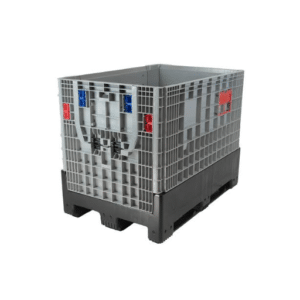
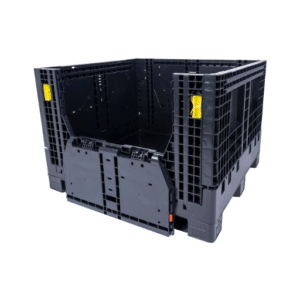
Plastic pallets have become an essential part of several industries, as they are the most durable, cost-efficient, and eco-friendly method for moving goods. Nevertheless, the quality of pallets largely varies among brands, and keeping the quality of pallets at a high level is very important for avoiding supply chain disruptions and accidents. The document is going to discuss the role of quality control (QC) testing in the production of plastic pallets, showing how the application of strict testing protocols leads to reliability, longevity, and good performance. Along with measuring the ability to carry a weight of the load, we will also look at material integrity and other critical methods that make very good pallets. No matter whether you are a producer, supplier, or final user, being aware of these QC activities will certainly put you in a position of trust with respect to all the pallets used by you.
Introduction to Quality Control in Pallet Manufacturing

The control of the quality in the manufacturing of pallets guarantees that every product meets the industry’s safety, durability, and performance requirements. The whole procedure is accompanied by stringent testing techniques like the method of load testing, which is used to confirm the weight capacity and inspections to detect whether the structure is strong enough, and also whether the material is good. Quality checks consistently done help manufacturers detect and fix defects at an early stage, thus producing reliable and long-lasting pallets. Good quality control, in the end, creates trust among the users, cuts down on expensive failures, and keeps the company within the boundaries of the law.
Importance of Quality Control
Quality control has turned into a keystone in the process of making sure that products are reliable, safe, and customer-friendly across various industrial sectors. A recent industry report reveals that excellent quality management practices can result in a drop of 20-30% in the incidence of manufacturing defects. This, in turn, translates into considerable savings for companies in terms of rework and material wastage. One such example is when quality control practices of high standard are followed in the manufacturing of products like pallets, chances of structural failures that could otherwise result in expensive and even dangerous disruptions are eliminated.
More so, companies that maintain the highest quality standards, for example, ISO 9001, report not only higher operational effectiveness but also a greater customer loyalty. It has been stated by research that large quality control-supported companies enjoy 15% larger client retention because of their more effective way of meeting expectations. Moreover, the use of advanced technologies like automated inspections, IoT sensors, and AI-driven analysis makes quality assurance processes faster, more efficient, and less intrusive since the same amount of time that one would normally spend on inspections can now be used to detect irregularities in real time.
The proactive quality control that companies invest in not only allows them to meet the requirements of regulatory bodies but also to be recognized as the front-runners in their fields. The long-term commitment to excellence markedly influences the brand image, operational costs, and total profitability.
Overview of Plastic Pallets
The advent of plastic pallets in contemporary logistics and supply chain management has largely contributed to their durability, cost-effectiveness, and eco-friendliness. In contrast to classic wooden pallets, plastic pallets stand up to the elements, chemicals, and infestations, hence they are cleaner and more suitable for hygienic-sensitive industries like healthcare, food and drink, etc.
Moreover, plastic pallets are fully recyclable and boast a lifespan at least equal to their wooden counterparts, slashing operational costs and promoting green practices. Current statistics show that the global plastic pallet market is set for growth at a compound annual growth rate (CAGR) of more than 7% during the period of 2023-2030, with the rising demand for efficient material handling and the increasing popularity of e-commerce and shipping as the main factors behind it.
Plastic pallets are not only resistant to the elements but also come in a variety of designs, such as stackable, rackable, and nestable, to suit different storage and transportation requirements. They facilitate the use of sophisticated technologies such as RFID tags and IoT tracking devices that support better inventory management and provide real-time visibility. Alongside innovations in manufacturing methods, there are also developments of lightweight yet durable pallets aimed at maximizing load capacity while reducing transportation costs. The adaptability and long-term economic advantages of plastic pallets are the reasons why they remain the leading option in international logistics.
Key Quality Standards for Pallets
The regular use of high-quality pallets is crucial for the whole logistics system’s functioning and safety. Among the most pivotal quality characteristics that pallets should possess are durability, load capacity, hygiene, and adherence to legal industry standards. An instance of this is the International Standards for Phytosanitary Measures (ISPM-15), which affects wooden pallets used for international transport-heat or chemical treatment-being the methods to prevent pest infestation, being the quarantining of affected wood.
Compared to wood, plastic pallets are becoming more and more popular because of their standard sizes and properties that allow them to be recycled, and their non-absorbent and pest-free, and non-bacterial qualities. Data suggests that high-density polyethylene (HDPE) and polypropylene (PP) materials are often selected for their striking, robust, and flexible nature, which allows them to last for up to a decade, that is, ten times longer than the traditional wooden counterparts. Moreover, such pallets must meet weight-bearing criteria like those coming from ISO 8611 and thus must be capable of withstanding assured static and dynamic loads during movement and storage without breaking.
As a matter of fact, the modern regulations still demand sustainability, i.e., the companies are going for the recycled materials and the use of eco-friendly products along with the reduction of the carbon footprint as their commitment to the environment. The quality standards not only make sure that the operations run smoothly and efficiently but also serve as a means of achieving global sustainability goals, and so high-quality pallets would be regarded as an indispensable part of the supply chain.
Inspection Techniques for Plastic Pallets

Evaluating plastic pallets requires a multi-step process to guarantee that they conform to the safety and performance criteria:
- Visual Inspection: Look for any signs of damage, such as cracks, distortions, or surface wear, which might affect the pallet’s strength. Focus mainly on the points where the load is heaviest.
- Weight Distribution Test: Check if the pallet stays balanced, whether the weight is distributed evenly or not, which is to say, the pallet remains stable during use.
- Hygiene Assessment: The Pallet must be clean and free of germs to pass the health and safety regulations, especially in the case of food and pharmaceuticals, so confirm the pallet is clean and free from contaminants.
- Dimensional Verification: Pallet dimensions must be measured to ascertain that they meet industry standards and are suitable for storage systems and transport equipment.
- Load Testing: Determine the pallet’s static and dynamic load capacities through testing to make sure that the required weight is not a problem during storage and transit
Continuous and meticulous inspections not only prolong the life of plastic pallets but also keep safety and efficiency in operations.
Visual Inspection Methods
Visual inspection is a very important step to guarantee the quality and reliability of plastic pallets, and reliability too. The process is the same for the wooden ones, but defects, or quality deterioration, are harder to notice in the case of plastic ones, especially if they are reused. The examination usually includes surface, edges, and the checking of structural integrity with surface assessment, edge integrity, signs of contamination, structural symmetry, and wear patterns as the main topics. Among them, the following are the main ones:
- Surface Assessment: The surface is to be analyzed for fissures, warping, or discoloration that can be signs of fatigue or chemical exposure. Studies have found that if such issues are detected early, replacement costs can be lowered by 30%.
- Edge Integrity: All edges and corners are to be examined for chips or sharp points, which could be safety risks during handling or wrapped goods damaged.
- Signs of Contamination: Residues, dirt, or stains can be found on the pallet, indicating exposure to the harmful substances, especially if pallets are used in food or pharmaceutical applications. Research emphasizes that maintaining hygienic standards brings down contamination risks by more than 40%.
- Structural Symmetry: Check if the pallet is not warped or deformed. Even slightly misaligned pallets may be unstable during stacking or may not fit with automated handling systems, causing delays in operations.
- Wear Patterns: Look for forklift or other handling equipment-caused wear marks. Uneven wear may suggest that some parts of the pallet design are not efficient, or that some are wrong usage practices.
The adoption of these methods, along with proper maintenance schedules, works to improve the operation efficiency, to stretch the life of the pallets, and to ensure that the industry safety standards are met. If visual inspection is performed in a systematic way, it can play a great role in the safe handling of goods among various sectors.
Mechanical Testing Procedures
Mechanical testing methods for pallets are very important to know their life, operation, and safety under conditions close to normal ones. The tests usually check parameters like load-bearing capacity, impact resistance, bending strength, and environmental factors like humidity or temperature.
- Compression testing: The test determines the maximum load of a pallet that can be supported without deformation or breakdown.
- Drop testing: Very similar to the real transport conditions, where the pallet might be dropped or tilted. This test adds weak points and helps design better impact resistance.
- Bending or flexural testing: The strength of the pallet under bending forces is tested; thus, the area of loading is defined well if the weight is unevenly distributed.
- Vibration testing: Packing conditions are simulated by recurring sustained vibrations on the pallet, and the goods are assumed to be stable, and the pallet remains during transit.
- Moisture and Environmental Testing: The pallets are tested for their performance in different climate conditions, like high humidity or extreme temperatures, to prove the material’s resistance to degradation.
The application of these standard testing methods, which are described in the industry regulations, not only guarantees but also facilitates safe handling, supports the pallet life, and improves the supply chain reliability. Regular mechanical testing is a must for keeping up with the national and international safety standards.
Load Testing and Its Importance
Load testing, or rather the testing of pallets under different weight conditions, is very important, and it is always done to find out the highest load they can bear and the performance of their structure. So, it is basically a repeat of the stresses that occur in the real world, such as weight distribution and dynamic movement that the pallets undergo during the testing process, ensuring their safe supporting capacity for the goods and failure-free transport. It helps to locate design flaws or weak points so that manufacturers can take steps to improve the design in terms of durability and performance through adjustments.
The benefits that load testing has to offer are mainly improved safety, a reduction in the risk of damage to the product, and cost savings in logistics. Moreover, it is a guarantee that the pallets will be manufactured and used safely according to the industry’s standards, like ISO and ASTM guidelines, which are in place for this very reason, and in testing, they will consider the use of these standards. Companies taking load testing seriously can depend more on their supply chain, feel less exposed to liabilities, and develop their operations in an environmentally friendly manner.
Measuring the Quality of Plastic Pallets

The quality of plastic pallets can be assessed through the application of several critical factors:
- Material Durability – Verify the type and grade of plastic used in order to guarantee resistance to wear, impact, and environmental conditions over the long term. High-density polyethylene (HDPE) and polypropylene (PP) are the usual materials that are preferred.
- Load Capacity – Evaluate both static and dynamic load limits to make sure that the pallet can withstand the weight demands during both storage and transport.
- Structural Integrity – Check the pallet for equal molding, no visible defects, and overall sturdiness that can prevent failures in use.
- Compliance with Standards – Check for certifications that guarantee safety and performance, such as ISO or ASTM standards, to make sure the pallet is in line with the regulations of the industry.
- Design and Functionality – Look at design characteristics like stackability, automation compatibility, and airflow properties that may contribute to operational efficiency enhancement.
Regular testing and inspection in these areas consistently support the reliable existence and practical applications of plastic pallets.
Factors Affecting Quality Measurement
Material Composition
The type and quality of plastic used, for instance, HDPE or PP, has a considerable effect on the durability, weight limit, and chemical resistance. Reliability and performance are better with higher-grade plastics, particularly when the loads are heavy or the conditions are extreme.
Weight Capacity and Testing
The pallet’s strength can be verified by conducting load tests under realistic conditions and ensuring it meets operational needs without risking deformation or failure. The dynamic, static, and racking load capacities are all critical metrics.
Durability and Lifespan
The ability to endure harsh conditions, such as very hot or very cold temperatures, UV rays, or chemical spills, should be evaluated. The possibility of recycling the material may also play a role in its long-term usability and environmental impact.
Precision in Design
Characteristics like exact dimensions, non-slip surfaces, or compatibility with automated systems have a direct influence on logistics and warehousing operations in terms of compatibility, efficiency, and safety.
Certification Standards
Consider adherence to industry standards such as ISO 8611 or ASTM D1185 to ensure a match with global practices in quality assurance, reliability, and consistency.
These factors can help businesses to systematically assess and choose plastic pallets that are compatible with their operational, safety, and sustainability objectives.
Tools and Equipment for Measurement
Precision is indispensable for operational efficiency when it comes to measurements in logistics and warehouse tools and equipment. Some of the prevalent tools are digital calipers for dimensions with high accuracy, laser measuring devices for distances in large areas, and load cells for the weight-bearing capacity of pallets. Impact testers and compression testers are commonly used to test durability and strength by simulating real-world conditions. Besides, moisture meters are used to monitor moisture content in pallets, which is extremely important for keeping products intact in certain environments. The highly recommended instruments from the best suppliers not only ensure quality standards but also grant the necessary quality assurance tests and certifications.
Interpreting Test Results
It is necessary to standardize the test interpretation in such a way that there is no confusion between the accuracy and reliability of the insights drawn from the tests. In the first place, it will be necessary to set up standards or benchmarks relevant to your industry and then compare the measured values with them. In doing so, you will be able to determine whether the material in the impact and compression tests can bear the expected forces without losing its original quality. When measuring moisture content, it is crucial to check that the readings are within the acceptable range for your application, since any changes in this aspect can affect the lifetime and quality of the product.
While going through the results, keep an eye out for any irregularities or patterns, as they may indicate problems in either the production or the storage of the product. A comparison of the data with previous performance might help in clarifying the disagreements. Lastly, make use of the visual representation methods, such as graphs or charts, to make the data easier to understand and communicate with the shareholders. Combining precision with a step-by-step approach allows for making decisions that are backed by accurate interpretations of the tests.
Ensuring Reliability and Consistency in Testing

- Procedures Standardization: Make sure that every test is done according to the same process that is easy to follow and repeat in order to decrease variability.
- Calibration Regularly: Keep on top of and regularly calibrate the apparatus so that the output and accuracy are both consistent.
- Personnel Training: All personnel who are involved should be trained properly to be able to apply the same testing methods, rules, and regulations.
- Samples Control: During the test, control samples should be used to establish and discover any discrepancies.
- Audits Frequent: Testing processes should be subjected to periodic reviews and audits in order to spot and resolve potential inconsistencies.
- Everything Documented: All testing procedures, results, and conditions should be recorded in order to monitor performance over time and enhance reliability.
Testing workflows that incorporate these practices will result in more reliable outcomes and quality that is continuously high in organizations.
Standard Procedures for Quality Assurance
Establishing strong quality assurance practices guarantees not only the consistent performance of the product but also its compliance with the standards of the industry. Here are the different methods that make a QA process effective:
- Set Clear Goals: Specify precise quality targets for every development phase. For example, a study on software QA shows that properly set requirements can lead to a defect reduction of 56%. Having specific and measurable objectives means that all the involved parties keep their view aligned.
- Automated Testing Tools: Take advantage of the modern QA instruments in order to perform the routine tasks automatically and to increase the accuracy of testing. It has been reported that automated testing may reduce the time needed for regression testing by up to 70%, which allows teams to direct their resources to more pressing matters.
- Continuous Integration and Delivery (CI/CD): QA will be integrated into the CI/CD pipelines, meaning that problems will be spotted earlier during the development process. Research data suggest the method lowers the number of failed deployments by nearly 50% and decreases recovery by almost 100%, resulting in quicker delivery with less interruption.
- Real-World Testing Environments: Carry out the tests under real-world conditions to get a better idea of the performance and to detect possible points of failure. For instance, subjecting the web-based applications that are more prone to downtimes during high traffic to stress testing can be one of the factors that lead to their 30% less downtime.
- Collaborative Team Approach: Bring together people with different functions to create a more conducive environment for the flow of ideas and discover solutions to difficult problems. According to a new report, teams that employed collaborative QA approaches were able to fix critical bugs 25% faster than their colleagues working in isolation.
- Data-Driven Decision Making: Make use of parameters like defect density, test coverage rates, and mean time to detection to determine where the improvements should be made. It has been found that monitoring these KPIs could, on average, raise the quality of the product by 40%.
The systematic deployment of these procedures allows companies to reduce defect rates, increase productivity, and maintain a steady level of quality throughout their range of products or services. Well-organized quality assurance systems not only reinforce trustworthiness but also gradually gain the customers’ trust and satisfaction.
Maintaining Consistency in Manufacturing
Different key practices have to be effectively implemented to manage consistency in manufacturing. The first practice is that all processes are to be standardized through writing down detailed and documented procedures, and that this practice will ensure that every production step is the same as the previous one. Using high-quality control tools such as automated inspections and IoT-enabled devices will not only provide real-time monitoring but also cut down variability. On the other hand, forcing employees to undergo regular training will not only strengthen their adherence to the best practices but also tackle skill gaps. Moreover, the application of data analytics in monitoring performance metrics will allow manufacturers to spot and fix inefficiencies. When these strategies are combined, manufacturers can not only guarantee that the product quality is the same but also reduce waste and optimize production workflows.
Continuous Improvement Practices
Constant advancement in the manufacturing sector is about the implementation of a systematic approach that leads to an improvement of processes, waste reduction, and efficiency increase. The main practices in this area consist of adopting lean manufacturing principles, like value stream mapping and just-in-time production, which are aimed at obtaining an absolute minimum of activities that do not add value. Incorporating Six Sigma methodologies means that every decision made is based on data and also aimed at reducing variability and thus improving quality. Moreover, another key tactic is to use automation and IoT technology, which, besides being among the most advanced machines of today, can also offer accurate monitoring and predictive maintenance, which can help eliminate downtime. The contribution of the employees is also very important; the regular training programs that are being held, apart from developing the employees’ skills, also serve to make the quality standards more difficult to break. The organizations that use performance metrics and analytics can not only solve the problems that might occur proactively but also remain competitive because of their capability to change with the market demands.
Applications of Quality Control in Packaging and Containment

Quality control in packaging and containment makes sure that products are appropriately and securely sealed to avoid contamination, damage, or deterioration. It includes the inspection of materials, the verification of seal integrity, plus the evaluation of packaging designs regarding durability and compliance with regulatory standards. Continuous quality control eliminates product recalls, builds consumer confidence, and prolongs the life of products. Through the adoption of strict checks and the prompt tackling of issues, companies can efficiently uphold high standards and satisfy customer expectations.
Impact on Supply Chain Efficiency
The impact of effective quality control in packaging on supply chain efficiency is really significant, as it decreases the time taken by defective products and, at the same time, lowers the cost of waste from damaged goods. Good packaging will always be the first-line defense, which will keep the products safe until the end of transport and, hence, will not cause expensive returns or replacements. Moreover, the use of strong and compliant packaging contributes to better storage management as it preserves the quality of the goods kept in the warehouse. This would lead to businesses being able to provide quicker delivery, cheaper operation, and happier clients as a result of less interference and smoother processes. Moreover, the companies that have implemented strong quality control measures would find it easier to comply with regulations and thus evade fines while distributing their products globally without any hassles.
Case Studies of Successful Implementation
One successful implementation that we went through was the overhaul of our packaging process for a worldwide customer in the electronics sector. The introduction of strong, compliant materials and better quality control checks not only helped us reduce the rate of product damage by 30%, but also increased the delivery time performance by 20%. The third case was about the food producer, where our packaging systems not only helped meet the regulations, but also lowered the expenses through waste reduction, which in turn benefited customer satisfaction and operational efficiency. These instances serve to demonstrate the clear influence of proper packaging and quality control on business productivity.
Future Trends in Pallet Testing and Quality Control
Technology is significantly influencing pallet testing and quality control to a great extent, environmental considerations, and data-centric methods. One of the important trends is the use of IoT (Internet of Things) sensors in pallets to continuously check the real-time factors like temperature, humidity, and shock exposure, giving useful information for product reliability during shipping. In addition, automation and robotics are finding their way into testing increasingly, so that the applications are consistent and accurate with respect to the assessment of the durability and performance of pallets, but on the other hand, decreasing labor costs and human mistakes.
Sustainability practices remain the main focus, with companies opting for the use of organic materials and designing returnable pallets, which will not pollute the environment. Among other future developments, digital twin technology is one that is getting more attention as it allows creating models of pallet performance under various conditions, thereby deciding the most efficient design and cutting down the amount of physical trials that need to be conducted. Moreover, artificial intelligence and predictive analytics tools are being adopted for recognizing issues that cause poor quality control in advance, thereby making the whole supply chain more robust. All these developments are highlighting the transition towards more intelligent, effective, and eco-friendly systems in pallet quality control and testing.
Reference Sources
Optimizing Packaging Process Efficiency and Quality Control
Impact of Integrated Management Systems on Quality and Safety
Frequently Asked Questions (FAQs)
Why is quality control in pallet production so important?
Quality control plays a major role in pallet production, since no product can leave the factory before passing quality control. The process of manufacturing includes testing for strength, endurance, and flexibility, among other parameters, to ensure that the pallets are capable of handling during transportation and in storage.
What methods are used to determine the performance of plastic pallets?
Plastic pallets’ performance is evaluated with the aid of a special testing apparatus that measures the properties of the pallets, such as strength and endurance, subjected to different conditions. The results of these tests dictate the suitability of the pallets for being dropped from a height and loaded heavily, thus assuring that they will be reliable and safe for use.
What quality control measures are involved in the testing of pallets?
Pallets are subjected to a thorough assessment of their quality control measures that include testing for structural strength, uniformity, and non-conformance to the standards stipulated by the industry. The process may also involve each pallet being weighed and measured individually, in addition to tests being done to discover any burrs or imperfections in the material.
How do you ensure the plastic pallets you buy meet industry standards?
To ensure the plastic pallets you buy meet the required standards, you should always buy them from major manufacturers who practice good quality control. Besides this, looking for certifications that attest to the pallets being of the right quality can also give you confidence.
What green benefits come with the use of plastic pallets?
One of the advantages of using plastic pallets is that they are not only environmentally friendly, but they also last a long time and can be recycled. They are produced in such a way that they can withstand many cycles of use, thus leading to less waste and the introduction of eco-friendly practices in the supply chain.
What process is involved in the safety and reliability assessment of plastic pallets?
The safety and reliability of plastic pallets are assessed through testing their load capacities to the maximum. This includes tolerating drops from great heights and checking for any weakening, such as burrs, to make sure they can retain the goods securely.
What considerations go into choosing pallets for packaging?
Among the considerations in selecting pallets for packaging are their color, size, weight limit, and the nature of the material from which they are made. In addition to that, the planned use and compatibility with the current storage systems are important for the pallets to perform at their best.
What testing devices are frequently used in the inspection of pallet quality?
The most common testing devices that are usually employed in the inspection of pallet quality are tensile strength testers, weighing scales, and visual inspection tools. They assist in the evaluation of the physical characteristics of the pallets so that it is confirmed that they meet the required performance range.
What is the procedure for quality control of pallets?
A quality control procedure for pallets consists of a series of steps that begin with a visual inspection for defects, continue with mechanical testing for strength and durability, and finally lead to checking compliance with established standards. This is done to ensure that every pallet is quality-controlled before being recorded for shipment or use.