Ensuring the safe and secure transportation of goods has always been paramount in business, but with the present COVID-19 scenario raising the issue of hygiene, sustainability, and longevity, the entire decision of how businesses approach a solution for their shipping problems is shifting. Here comes cleanable pallets-working as an innovative solution to contemporary logistics problems. Cleanable pallets stand in stark contrast to the usual wooden pallets, which are at risk of contamination, wear out, or are inefficient: they combine all the best attributes of cleanliness, resilience, and adaptability. This article takes a closer look at the distinctive benefits that cleanable pallets provide, outlining how they cater to the demands of supply chains of today, thereby ensuring cost savings, operational efficiency, and strict hygiene compliance. Whether your business belongs to the food, pharmaceutical, or industrial sector, grasping the potential of cleanable pallets will see you rethinking a major element of your shipping and storage.
Understanding Cleanable Pallets
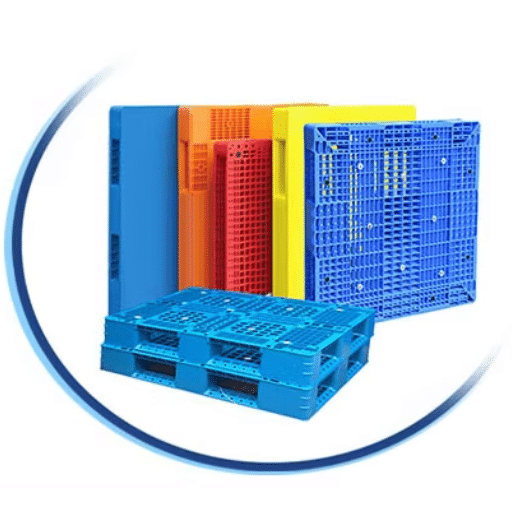
Cleanable pallets are unique shipping and storage platforms, keeping the highest sanitary standards through an easy cleaning procedure. They are made of non-porous material, like plastic or stainless steel, disallowing the entry of moisture while providing a surface that does not allow bacteria, mold, and all other contaminants to grow. Washable pallets are used in industries with high sanitation standards, such as food manufacturing, pharmaceutical, and healthcare sectors. These pallets have very smooth surfaces and can withstand constant washing and sanitizing without affecting their strength, therefore, ensuring safety and long-term durability.
What are Cleanable Pallets?
Cleanable pallets are specialized pallets intended to cater to strict hygiene requirements and control contamination in food, healthcare, and pharmaceutical industries. These pallets are usually made of non-porous materials such as high-density polyethylene (HDPE), polypropylene, or stainless steel, hard to absorb water, hence resisting bacterial growth and chemical damage. An advantage over wooden pallets is that cleanable pallets do not pose the problem of splintering, mold, and pest infestation; this renders them appropriate for critical applications.
As per some latest industry studies, HDPE cleanable pallets, in particular, enjoy a preference because of their strength-to-weight ratio and resistance against obnoxious temperatures that range from -22°F to 176°F (-30°C to 80°C), thereby covering cold storage and high-heat sterilization effects. Adding to that, these pallets have smooth, sans butts surfaces, sometimes with drain holes and reinforcement ribs, so that they can be cleaned and dried promptly to ensure contaminants are not deposited on them. Many designs are certified either under FDA compliance, by NSF, or ISO standards, so they can adapt anywhere and meet regulatory criteria.
There is growth in demand for cleanable pallets with growing emphasis on supply chain hygiene, so to speak. The demand for pallets had increased annually by a margin of around 5% in the food and beverage sector because of the changing safety protocols and stricter regulations. The demand accentuates the key importance of cleanable pallets in sanitary transport, thus minimizing recall instances and assuring end-to-end cleanliness in sensitive supply chain operations.
Benefits of Using Cleanable Pallets
Cleanable pallets align perfectly with modern industrial and regulatory demands, especially in sectors like food, pharmaceuticals, and healthcare. Due to stringent hygiene standards imposed on these pallets, contamination risks are lessened, eliminating any hindrance to global regulations such as those by the FDA or ISO 22000. The studies suggest that pallets made of plastic or similar non-porous materials usually inhibit bacterial growth better than wooden pallets. For example, certain plastic pallets may reduce microbial contamination levels by nearly 99%, thus ensuring even safer transportation of sensitive goods.
The cleaner pallets contribute to the efficiency of operations. Generally, they weigh less and are more durable, which therefore lowers transportation costs and lengthens the time between replacements. Cheaper versions may have little resistance to chemicals, moisture, and corrosion, hence posing a challenge to their cleaning and maintenance. However, there exist many advanced designs that can withstand these pollutants and are highly resistant to pressure washing, chemical disinfection, or exposure to similar disinfectants. This high durability further aids sustainability goals since certain cleanable pallet designs are even 100% recyclable. According to data, reusable plastic pallets can help reduce up to 30% of waste formation in supply chains, hence serving as a more environmentally sustainable option compared to single-use materials.
The next long-term advantage may be savings in cost, from a financial point of view. Although initial capital outlay in cleanable pallets is actually more than in ordinary pallets, in the long term their extended life span, coupled with maintenance needs being so little, confers a reduced total cost of ownership upon them. Some companies using these pallets for this reason have also reported fewer product recalls and a good brand reputation being established as consequences that have further justified their use in safety-critical industries. Cleanable pallets represent an efficient and sustainable solution capable of serving the requirements of the present supply chains.
Types of Cleanable Pallets Available
| Pallet Type | Material | Key Features | Best Applications |
|---|---|---|---|
| Plastic Pallets | High-density polyethylene (HDPE), Polypropylene | High resistance to weathering, lightweight, moisture-binding agents, smooth surfaces, sealed corners, can be cleaned and sanitized numerous times | Drug and food industries, hygienic applications |
| Stainless Steel Pallets | Stainless Steel | Corrosion-resistant, withstand moisture and chemical corrosives, resist sterilization setups, last over 10 years with minimal maintenance | Pharmaceutical industry, food processing, biotechnology, heavy-duty applications |
| Composite Pallets | Resin and reinforced thermoplastics | Enhanced strength, lightweight construction, anti-slip patterns, ergonomic designs, recyclable and eco-friendly | Logistics and warehousing requiring high strength and low weight |
| Aluminum Pallets | Aluminum | Lightweight yet strong, corrosion-resistant, easy to clean, reusable and sustainable | Liquid or perishable goods industries |
| Hybrid Pallets | Combination of plastic and steel | Combines hygienic benefits of plastic with load-bearing ability of steel, highly adaptable | Niche uses requiring top cleanliness standards and strength |
Plastic Pallets
Plastic pallets have high resistance to weathering, are light in weight, and have moisture-binding agents and contamination. This consideration being given, plastic pallets are highly used in the drug and food industries as they are easy to clean due to their sanitary properties. Many models have smooth surfaces and sealed corners that do not allow bacteria growth or detention of dirt. Some researches show that plastic pallets can slowly be cleaned and sanitized numerous times without losing their structure and strength, and, thereby, they become quite a viable and cheap alternative for hygienic applications.
Stainless Steel Pallets
Inherent steel pallets find wide usage in heavy-duty applications and highly hygienic environments within such sectors as the pharmaceutical industry, food processing, and biotechnology. They can resist corrosion in most cases where moisture or chemical corrosives come into play. Stainless steel pallets, in cases where immediate procurement and lead time are factors, come at a greater cost, but due to the resistance to sterilization setups, the price remains justified. Some manufacturers even go further and claim stainless steel pallets can last for more than 10 years with very little maintenance.
Composite Pallets
Composite cleanable pallets are manufactured by combining materials like resin or reinforced thermoplastics, offering enhanced strength and lightweight construction. Tablets are generally equipped with anti-slip patterns and ergonomic designs for the safe handling and easy cleaning of these tablets. They are particularly useful in industries where tradeoff performances of high robust strength and low tare weight are considered, such as logistics and warehousing. The recent statistics show increasing use of these pallets for recyclability and eco-correctness.
Aluminum Pallets
Lighter in weight yet strong, aluminum pallets offer one more alternative for cleaning. Because the liquid or perishable goods industries require resistance to corrosion and ease of cleaning, these are the very pallets used. Less commonly encountered than plastic or stainless steel pallets, aluminum pallets are now gaining a quick momentum for reuse and sustainability, which currently take front seats in environmental consciousness.
Hybrid Pallets
Hybrid pallets fuse the strengths of diverse materials, such as plastic and steel. The custom application of these pallets allows for the mixture of plastic materials’ hygienic goodness with the steel material’s ability to bear loads. Their adaptability accommodates niche uses and maintains top cleanliness standards. The recognition of hybrid pallets as an emerging approach to address operational and environmental demands in supply chains is gathering momentum.
In fact, each pallet type works towards a specific requirement, thus demonstrating that sanitary pallets may be fitted for different industries with relevance to health and sustainability.
Plastic Pallets: A Sustainable Choice

Plastic pallets present the sustainable choice as they are durable, reusable, and recyclable. Opposed to wooden pallet counterparts, plastic ones tend to last longer in use, resist damage from moisture or pests, and can be washed out to fulfill hygienic standards. At life cycle finish, the majority of plastic pallets are 100% recyclable, which lessens landfills and the requirement for virgin materials. The abovementioned benefits render plastic pallets a capable solution as industries strive toward environmental consciousness and operational efficiency.
Why Choose Plastic Pallets?
Plastic pallets are emerging as quite the option in contrast to traditional edifices, owing to the variability of durability and price structures, which also differ from industry to industry. The advantage is life span; plastic pallets last about 10 times longer than wooden ones, and hence are cheaper over time. Being lightweight and slim indeed cuts down the shipping charges, with clients estimating that it can lessen transportation costs by almost 30% due to the lesser weight when compared with wooden or metal ones.
From the standpoint of hygiene, plastic pallets excel in industries with stringent requirements of sanitation, such as food and pharmaceuticals. Since wood, being porous, can harbor bacteria, a plastic pallet is a smooth, hard surface that can be sterilized to meet stringent global regulations such as the FDA and HACCP standards. In addition, plastic pallets also contribute to global sustainability. Some studies claim a majority of these are made from recycled materials and that at the end of their lifecycle, they can recycle themselves into other products or new pallets, thus greatly reducing environmental impact.
The design flexibility of plastic pallets allows them to be customized with options such as RFID tracking and anti-slip surfaces, thus enhancing inventory management and safer operations. Being moisture-resistant, chemical-resistant, and pest-proof, they stand insurmountable while being used in extreme conditions, be it a cold storage or chemical handling environment. In a nutshell, plastic pallets are a modern, environmentally friendly, and cost-effective solution for current industry needs.
Durability and Reusability of Plastic Pallets
Plastic pallets have been developed to impart unparalleled durability, thus serving as a strong and lasting solution to the supply chain. They can withstand repeated application under heavy loads without any significant wear and deformation due to their structural strength. Predominantly, high-density polyethylene and polypropylene are considered materials that account for high resistance to impacts, cracking, and environmental stresses.
Researchers say plastic pallets may give around 10 years’ service in conventional working conditions, sturdily outclassing their wooden counterparts, which are often replaced in the shortest span of two to three years. Plastics shield these pallets from moisture, bacterial contamination, and even insect infestation, thus standing firm for applications in the pharmaceutical, food logistics, and chemical storage industries.
Their reuse further promotes environmental sustainability. The data indicate that plastic pallets may withstand hundreds of cycles without any degradation in quality; therefore, less frequent production and disposal are performed. In many cases, this degree of durability supports the circular economy concept because neoprene pallets are frequently produced from recycled materials and can be recycled once the pallets reach the end of their functional life. Therefore, plastic pallets are environmentally friendly and among the cheapest solutions available to the industry.
Cost-Effectiveness of Clean Plastic Pallets
Looking through the short-term operational standpoint and a long-term investment view, clean plastic pallets bear inordinate cost advantages. One major cost-saving feature is their extended life; studies have shown that a single plastic pallet can last at least 10 times longer than a wooden pallet and, hence, can significantly reduce the replacement cost over time. Hence, with the durability of these pallets, incidences of breakage during handling and transit are minimized, which then reduces repair and maintenance costs.
Moreover, plastic pallets are lighter than wooden counterparts, thus incurring fewer transportation costs due to fuel perfectly consumed during their shipment. For industries with strict standards of hygiene and cleanliness, such as food and pharmaceutical, the clean plastic pallet does not warrant extra sanitation protocols common with porous wood pallets, which sucker in moisture or contaminants. The cleanliness is indeed a huge contributor to labor and chemical usage, cleaning, as well as regulatory compliance penalties from being saved.
One recent analysis has outlined the recyclability of plastic pallets as a kind of economic benefit. Some manufacturers offer takeback or recycling programs so that companies may recuperate some costs while also supporting environmental sustainability. The consistent sizes and shapes of plastic pallets also contribute to better compatibility with automation systems, thereby reducing downtime and inefficiencies in warehouses’ operations. All these savings make clean plastic pallets a rational choice for those companies stressing economic efficiency and operational reliability.
Comparison with Wooden Pallets

Compared to wooden pallets, plastic pallets are known for their durability against splintering, moisture, and chemicals. Unlike wood, contamination through fungi or pests is virtually impossible with plastic pallets, thus setting that industry as an example with very rigorous hygiene requirements like food and pharmaceuticals. The weight of plastic pallets is less; hence, it reduces the shipping expenses in return. Uniformity also helps in the seamless working of automated systems. Thus, wooden pallets tend to be generally cheaper at the initial stage and can be repaired quite easily, which makes them a very cost-effective option for industries needing them mainly for short-term use or for any non-specialized applications. The final choice will hence reflect one’s particular operational needs, budget, and regulatory requirements.
| Feature | Plastic Pallets | Wooden Pallets |
|---|---|---|
| Durability | Resistant to splintering, moisture, and chemicals. Last 10 times longer (up to 10 years) | Prone to splintering, moisture absorption, and degradation. Last 2-3 years typically |
| Hygiene | Non-porous surface prevents bacterial growth. Can reduce microbial contamination by 99% | Porous structure harbors bacteria, fungi, and mold. Requires chemical treatment |
| Weight | Lightweight – reduces shipping costs by up to 30% | Heavier, especially when moisture-absorbed. Higher shipping costs |
| Initial Cost | Higher upfront investment | Lower initial cost ($9-$12 per pallet) |
| Maintenance | Easy to clean and sanitize. Minimal maintenance required | Requires regular inspection, treatment, and repairs. Can splinter and crack |
| Sustainability | 100% recyclable. Made from recycled materials. Reduces waste by 30% | Biodegradable. Can be recycled into mulch or biomass energy |
| Pest Resistance | Completely pest-proof. No chemical treatment needed | Requires ISPM-15 treatment for international shipping. Vulnerable to pests |
| Best Use Cases | Food, pharmaceutical, healthcare industries. Long-term use and hygienic applications | Single-use shipping, retail, bulk commodities, non-hygienic goods, short-term use |
Hygienic Concerns with Wooden Pallets
There are some hygienic hazards with wooden pallets, more so in industries that require stringent sanitary conditions, e.g., the food and pharmaceutical sectors. Their natural porous structure can absorb moisture, thereby allowing the growth of microorganisms like bacteria, fungi, and mold. The presence of fungal growth can increase the risk if it remains exposed to a wet or humid environment. Another danger is from wooden pallets that may splinter and crack and harbor organic residues, thereby adding to the contamination hazards. Methods such as heat-treatment or chemical fumigation are commonly employed to alleviate some of the hazards; however, these treatments may not conform to all regulatory standards or completely remove contaminants. In order to comply with hygienics in applications using wooden pallets for sensitive usage, regular inspection, maintenance, and industry guidelines need to be followed.
Limitations of Wooden Pallets
These wooden pallets are in heavy industrial use, but there remain several limitations associated with them. First, they tend to absorb moisture, becoming heavy; depending upon the plant environment, mold may grow there. This sets hygienic conditions adverse to the food and pharmaceutical industries. Second, any abuse, such as splintering or breaking, is enough to render them useless; hence, frequent replacement escalates operational costs. Third, wooden pallets are not pest-resistant and hence require chemical treatments to meet international shipping standards, ranging from ISPM-15, thereby providing more logistical considerations. Fourth, manufacturing with varied quality and inconsistent dimensions causes an inefficient handling system whenever automation is involved, which becomes another restraining factor against their usage in modern-day supply chains.
When to Choose Wooden Over Plastic Pallets
Wooden pallets are practical under some specific circumstances. From a low-end budget standpoint, wooden pallets are generally less expensive than their plastic counterparts, with average prices of about $9 to $12 per standard-size pallet. This price makes them very friendly for quick turnarounds or single-use shipping, such as in the retail industry or in the export bulk commodity industry.
Customizable in another respect, wooden pallets can be manufactured in non-standard sizes and designs with more ease than plastic pallets to satisfy some specific needs of special industries like machinery and construction. Wooden pallets, additionally, are biodegradable. Plus, they can be recycled or used for making mulch, particle board, or biomass energy, which aligns with the sustainability ethos of a company wishing to lessen its carbon footprint.
In addition, the presence of wooden pallets eases supply when proximity to the supplier is considered of equal importance. Wood-based materials also qualify for shipping non-hygienic goods, such as raw materials or hardware, where sanitation and cleanability are not as paramount as in food or pharmaceuticals.
Wooden pallets offer a better grip due to the higher friction coefficient between their surface and the product compared to plastic ones. This provides better stability for the pallets during the stacking of goods. This is particularly useful when considering modes of transport where rail freight could induce goods to shift, a very real concern. While plastic can, in some instances, outlast wooden ones, when you do weigh factors like cost-benefit ratio, environmental parameters, and wide accessibility, using wooden pallets may well serve certain operational setups.
Customizable Options for Cleanable Pallets
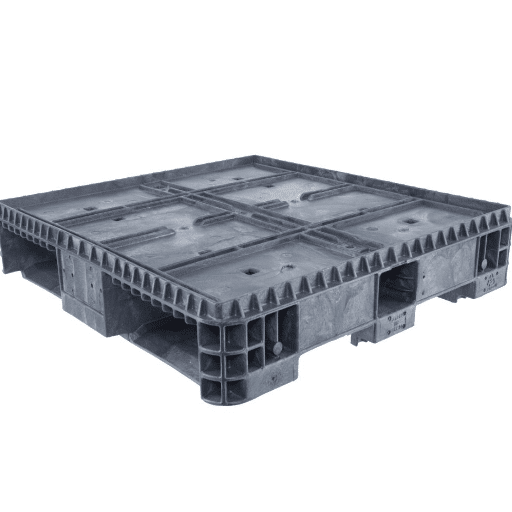
These cleanable pallets can be customized to fulfill different operational and hygiene requirements. Smooth surfaces, for example, can be added to minimize particle accumulation and ensure easy cleaning. Alternatively, antimicrobial coatings might be applied to prevent the growth of bacteria. For those with more particular requirements, such as food processing or pharmaceuticals, pallets can be fabricated using FDA-approved materials to meet stricter regulatory requirements. Other options include custom sizing, reinforced structures for heavier loads, and color-coding for inventory management to offer functionality to suit the needs and workflow of any setting. Hence, cleanable pallets may be adapted to overcome any industrial challenge.
Custom Designs for Specific Needs
Customizable, cleanable pallets can satisfy a great array of operational needs in different industries. For example, companies can choose HDPE (High-Density Polyethylene) or PP (Polypropylene) as raw materials to ensure resistance to chemicals, impact durability, and compliance with safety standards. Surface textures or coatings can be employed to reinforce maximum load stability upon transportation. Also, ventilation slots or drainage holes can be implemented to enhance cleaning or moisture dispensation. For an increased level of traceability, features such as RFID tags or QR codes can be embedded into the pallet design, enabling inventories to tie in without problems within their tracking systems. Such tailor-made pallet designs can improve operational efficiency and sustain compliance within industry regulations, thus becoming paramount in situations where logistic requirements of an industry demand some special treatment.
Enhancing Functionality with Custom Features
Customizable pallet solutions, through which businesses can address specific needs in their operations, bring about an uplift in operational efficiency. Major features such as reinforced structural components, increase load capacity, a must-have for heavy-duty usage. Other features can include anti-slip surfaces to provide safety against product movement during transit. The pallet system can go beyond such physical enhancing features and allow the integration of IoT sensors; such pallets can give data in real-time about temperature, humidity, and impact while in transit, thereby providing optimal conditions for sensitive goods. These are highly functional designs that also possess sustainability features, with the majority of custom pallets being made of recyclable or durable materials that mitigate environmental impact. Hence, a supply chain today greatly benefits from tailor-made features on pallet systems designed for practical and strategic use.
Market Trends in Customizable Pallet Solutions
The market for customizable pallets is going through a massive boom, induced by the fathomable absorption of sustainable and modern logistics practices. The jumbo valuation of $110 billion plus is foreseen for the global pallet market in 2030, with a CAGR of nearly 5.4% throughout 2023-2030. The significant growth factor influencing this is the increase in demand for green pallet materials like recycled plastics and compressed wood, supporting worldwide sustainability goals.
From RFID tags to GPS pallets, these are advanced technologies that are included in a whole array of logistics operations, providing benefits related to real-time location tracking, inventory accuracy, and security. These innovations become very important in cases related to machines-for-pharmaceuticals and food logistics, wherein temperature-sensitive goods have to be very closely monitored in transit. A modular design with lighter weight is another emerging trend, which can bring down shipping costs and facilitate handling without losing out on durability.
Regional statistics further confirm the marked growth of the North American and Asia-Pacific markets, driven by fast e-commerce expansion and subsequent infrastructural development. Businesses prefer custom pallets which suit specific operational needs; stackable ones, for example, optimize warehouse space, while heat-treated ones meet international shipping requirements. These trends underscore a strong move toward highly adaptable, sustainable, and technology-based pallet solutions in the industries across the globe.
Pallet Services and Maintenance

Proper pallet servicing and maintenance are essential to ensure pallet durability, safety, and economic operations. Such key practices are:
- Regular Inspections: Pallets are to be inspected for any damage, such as cracking, splitting, or weakening of any lumber that could render the pallet load unstable.
- Repair in Time: Damage to boards must be repaired or the fasteners replaced in order to extend the lifespan of the pallet and retain its structural integrity.
- Cleaning and Sanitization: It is essential to clean their pallets routinely to remove dirt, debris, and other contaminants, particularly when dealing with food or pharmaceutical-grade applications where hygiene cannot be compromised.
- Materials Rotation: This is to allow for inventory rotation so that certain pallets are not being overused and wear and tear are distributed evenly.
All in all, these are useful to retain the efficiency of pallets, thereby lowering worksheet replacement costs and downtime.
Sanitizing and Washing Procedures
Proper sanitizing and washing of pallets are required for hygienic purposes and comply, more so in industries with a standard for greater cleanliness. The steps that are normally followed include:
| Step | Procedure | Purpose |
|---|---|---|
| 1. Initial Inspection | Inspect pallets for visible dirt, debris, and damage. Set broken pallets aside for proper repair or replacement. | Maintain safety and structural integrity |
| 2. Pre-Wash Rinse | Rinse off loose dirt and contaminants using a high-pressure hose or washer. | Prevent interference of debris with cleaning solution |
| 3. Cleanse with Solution | Treat pallets with cleaning solution, preferably biodegradable or food-grade approved. Ensure solution works on bacteria, grease, or industrial contaminants. | Remove bacteria, grease, and contaminants |
| 4. Agitation or Scrubbing | Scrub surface manually or mechanically with automated washing system. Focus on joints and crevices where dirt accumulates. | Complete cleaning of difficult areas |
| 5. Rinse-Off | Completely rinse with high-pressure water to remove cleaning solution. Apply sanitizers compatible with pallet material. | Shield from bacterial contamination |
| 6. Drying | Let air dry or use industrial dryers. Ensure pallets become completely dry before stacking or returning to inventory. | Prevent mold or mildew growth on wet pallets |
When all of these steps are incorporated, an improvement is seen in cleanliness, safety, and pallet service life in various applications.
Finding Reliable Pallet Services
When I am on the lookout for trustworthy pallet services, I generally go by the overall image of quality and professionalism maintained by the company. The pallet suppliers need to render a range of services, including repairs, recycling, and custom solutions to fit working demands. They must also uphold industry standards regarding safety and hygiene, which is evidence of the technical ability in handling the sanitary and optimised pallets. Transparent price lists, glowing customer feedback, and speedy responses from customer support teams further signal reliability and suitability.
Cost of Maintenance for Cleanable Pallets
There are several crucial elements in keeping cleanable pallets in good condition, such as their material composition, cleaning frequency, and operational use. Pallets made of high-density polyethylene or some similar hardened plastic material are less prone to maintenance than wood counterparts since they resist absorption of moisture, pests, or splintering. Cleaning costs vary, usually from 0.05 to 0.25 US dollars, from various cleaning methods like pressure washing, going through an automatic pallet washer, or manual ones. Regular inspection and upkeep are necessary to assess wear or damage, but their costs remain low as long as they are combined with day-to-day activities.
Another area where cost savings can be realized is using cleanable pallets, which are usually designed with smooth surfaces and drainage holes so as to reduce cleaning and drying cycles. From a long-term perspective, lower levels of breakage and longer lifespans add value to cleanable pallets, making them more cost-effective in industries that require extensive cleaning, such as food and pharma. Careful management and compliance with cleaning schedules will eventually sustain the cost efficiency of cleanable pallets in businesses.
Reference Sources
Frequently Asked Questions (FAQs)
What are the advantages of using clean plastic pallets?
Clean plastic pallets have many advantages, from durability and resistance to moisture to providing ease of cleaning. Industries like food processing might often use them where hygiene is paramount. Further, they harbor no pathogens and hence are a perfect choice for maintaining a clean and safe environment.
How to clean reusable plastic pallets?
A set of dirt-free, clean pallets should be kept to ensure hygiene on them. Pressure washing or scrubbing with hot water and detergent can be used for removing contaminants. Regular maintenance keeps the pallets dry and clean, providing long-term use and better performance.
What are the types of plastic pallets for sale?
Rackable, nestable, and fully automated plastic pallets are part of the wide variety of plastic pallets for sale. Both standard and custom sizes are available to meet varying material handling requirements, thus enabling companies to find the right options suited to their operations.
Are high-quality plastic pallets a bargain?
The answer is: if in the long run. With durability and resistance to wear and tear, high-quality plastic pallets make a bargain indeed! The initial cost-bearing wooden pallets are cheap, but after some time, they may not prove to be the bargain as expected because of having to keep them maintained every now and then.
Can recycled materials be used in the manufacture of plastic pallets?
Yes! Pallets manufactured from recycled plastics comprise an environmentally friendly method. The recycled pallets reduce waste and retain the capability and durability that are maintained by high-quality plastic pallets.
How do plastic pallets stand against wooden pallets?
A common hygienic and durable option is plastic pallets. Unlike wooden pallets, plastic pallets do not give splinters or sharp edges, thus keeping the users safe. They resist moisture and pathogens, making them ideal for sensitive applications.
What are the issues posed by wooden pallets from a safety perspective?
A wooden pallet poses a safety hazard due, on the one hand, to splintering and, on the other hand, to the growth of bacteria. While their sharp edges pose physical risks in handling, moisture absorption further endangers the hazards of mold or pests. Therefore, with proper cleaning, plastic pallets offer the utmost level of safety and hygiene.