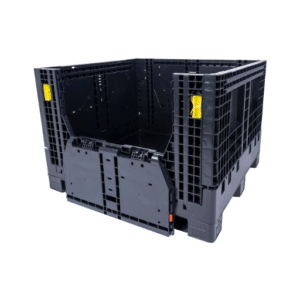
Eco-friendly pallet options are changing the way it gets into waste management and logistics are approached, granting sustainable, durable, and innovative solutions to meet the environmental demands of the modern world. Landfills are approaching their capacity, and governments are implementing stricter rules; therefore, businesses are finding extreme pressure to operate ecologically throughout the supply chain. The blog goes into an extensive comparison of the various options available in the market using former eco pallet consideration, including an in-depth analysis of their environmental impact, price orientation, and working. Following this are some insights as to which options are best suited to reduce environmental footprints while improving operational efficiency. Whether you intend to fight for sustainability or you are in logistics, this guide is going to furnish you with the know-how to make wise choices in tackling landfill challenges.
Understanding Eco-Friendly Pallets
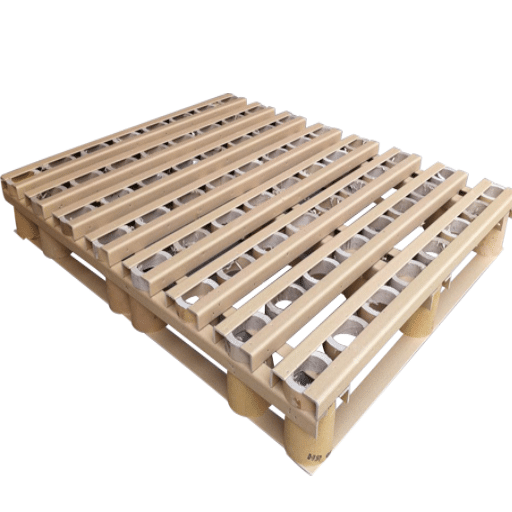
Such pallet options lessen their environmental impact while arriving at full functionality in transporting and storing goods. They are often made of recycled materials, whether wood, plastic, or composite fiber, thus foregoing virgin materials. They are typically lighter and more durable, which lessens air pollution from transport and lengthens the product lifespan. Many so-called green pallets are also recyclable or biodegradable in their lifecycle, thereby reducing landfill space. Using green pallets allows the firm to create a more sustainable supply chain without compromise in performance or efficiency.
What Are Eco-Friendly Pallets?
Eco-friendly pallets, or sustainable pallets, are designed with the goal of environmental conservation during their lifecycle with a view toward their usage in supply chain operations. Generally, from the perspective of materials, these pallets will either be made with renewable, recycled, or biodegradable materials: wood, molded pulp, bamboo, or recycled plastics. This, for instance, takes recycled plastic pallets, as their first stage production can be fairly energy-intensive, which, however, can often able to be reused up to 10 times longer than the regular wooden pallets. Thus, the greater the time used, the greater the savings in costs and waste reduction accrued.
Global industry reports indicate that the market of sustainable pallets will have a CAGR of roughly 5-7% between 2023 and 2030, with the increasing demand for eco-conscious logistics solutions. Wooden pallets, provided that the wood is responsibly sourced and unless the certification of the Forest Stewardship Council (FSC) is present, are one of the most popular eco-friendly choices. These wooden pallets are biodegradable and can be repaired several times, after which they are downcycled into products such as particleboard or mulch.
Furthermore, environmentally-friendly pallets help decrease the release of greenhouse gases that are related to the logistics sector. For instance, being lightweight, recycled plastic pallets tend to consume less fuel in transit than common hardwood ones. Some novel designs incorporate tracking technologies that improve supply-chain visibility while guaranteeing that pallets are correctly reused or recycled. This practice permits companies to actively chart their environmental impact toward broader sustainability goals.
Types of Eco-Friendly Pallets
Recycled Plastic Shelving
Being manufactured with SCOM and industrial-grade plastics, recycled plastic pallets are very well—perhaps even better than wood—into a durable yet lightweight intensified pallet. When it comes to being resistant to moisture, pests, and chemicals, long life, hence, resale is less necessary. These variants would also recycle and, therefore, would be able to have a circular economy.
From Sustainable Sources: Wooden Pallets
The wood pallet is one of the most prevalent varieties of pallet when sourced responsibly. Consumer-use pallets manufactured from FSC-certified wood or reclaimed lumber guarantee that production does not contribute to deforestation. This type of pallet- being biodegradable and is one that is sometimes willing to be repaired or recycled- if damages to its components are found.
Corrugated Cardboard Pallets
Lightweight and cheap, corrugated cardboard pallets are made from recycled paper materials and provide the option for sustainability, for light to moderate loads. The pallets are fully recyclable and biodegradable and are best for single use, such as for international shipping when ISPM-15 compliance is required.
Presswood Pallets
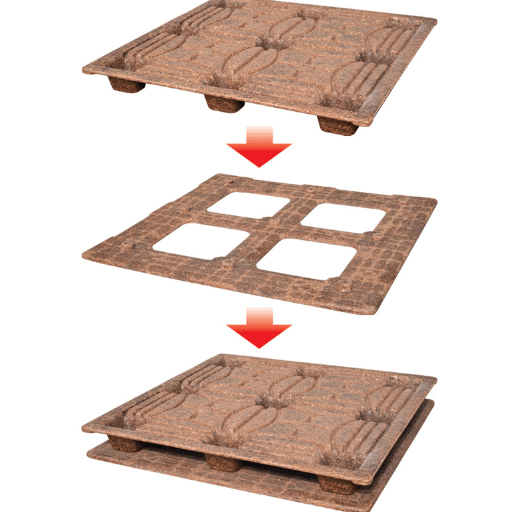
Presswood pallets are the products of residual wood, i.e., sawdust and wood chips, molded under high heat and pressure. They are lightweight, stackable, and the majority do not require treatment to conform to export regulations. It remains a very sustainable choice as it uses wood waste.
Metal Pallets
They are certainly not generally considered eco-friendly. If made of recycled aluminum or steel, such metal pallets can be far less harmful to the environment throughout their lifecycle. They are very durable with very little waste, and are also fully recyclable when their use ends.
Materials Used in Eco-Friendly Pallet Design
An eco-friendly design incorporates various materials, each chosen to lessen environmental impact without compromising strength or functionality. These include sustainably sourced wood, recycled plastics, and metals such as steel or aluminum, mostly derived from post-consumer or industrial recycling channels.
Sustainably Sourced Wood
Wooden pallets are often chosen also for their natural biodegradability. Certified by the likes of the Forest Stewardship Council, it is assured that the wood is harvested following reforestation practices, which ensures sustainability for the environment. Furthermore, wooden pallets may be patched up and used time and again, as their lifespan can range up to 8 to 10 trips, depending on how they’re treated and the conditions under which they are used. An improvement to wood treatment includes heat treatment rather than chemical fumigation, thus ensuring durability without polluting the environment with chemicals.
Recycled Plastics
Plastic pallets manufactured using post-consumer recycled plastics contribute to reducing landfill waste and the demand for virgin plastic materials. They can sustain long-term use for more than 10 years within a closed-loop supply chain. HDPE and PP are the most common owing to their strength, recyclability, resistance to moisture, resistance to insect damage, and resistance to contamination. Research states recycled plastic pallets reduce about 40% of greenhouse gas emissions compared to virgin plastic pallets.
Recycled Metals
Aluminum and steel are viewed as the most durable and recyclable types of metals. Aluminum pallets, for instance, can ideally be recycled over and over without any degradation in quality, thus suggesting that they enjoy a near-perfect circularity in their life cycle. In an LCA (Life Cycle Assessment), it was demonstrated that energy consumption can be cut down to 95% by merely using aluminium pallets that are made from recycled aluminum particles, as against the manufacturing of brand-new aluminum. Metal pallets do require an energetic amount of energy during production, but they have a life cycle lasting up to a hundred times longer than wood or plastic pallets. Therein lies the argument for sustainable investments in metal pallet alternatives.
Composite Materials
Material science innovations have promoted the creation of composite pallets, which are made from reclaimed materials such as plastic and wood fibers. These hybrids form a combination of the benefits of both materials for better load capacity, resistance to environmental factors, and a smaller carbon footprint. One step ahead is the application of a reclaimed type of industrial fiber as opposed to using virgin wood types, thereby reducing dependency on resources.
Sustainability Impact: By judicious choices in types of material and their combinations, industries will significantly lessen their environmental impact, acting toward bringing logistics practice in line with global sustainability goals. Advanced methods of reclaiming and recycling materials have made it possible for eco-friendly pallet design to remain viable and turn environmentally sustainable.
Benefits of Using Eco-Friendly Pallets
Reduced Environmental Impact
Eco-friendly pallets are made with recycled and sustainable materials to help in preventing deforestation, landfill problems, and greenhouse gas emissions.
Cost Efficiency
Reusable and recyclable pallet systems are also able to bring in decreased costs in the long term, as there will be less need to be replaced and disposed of.
Compliance with Sustainability Standards
Utilizing green pallets in operations aids in meeting worldwide sustainable development agendas and boosting one’s reputation and regulatory compliance in their work.
Durability and Longevity
Quite a few were designed to be lightweight and sturdy to be used for extended cycles when compared with conventional ones.
Better Waste Management
Pallets made from recyclable materials help ease recycling and, in doing so, alleviate material waste.
Environmental Benefits of Eco-Friendly Pallets
Lessening Carbon Footprint
Usually, eco-friendly pallets are manufactured from recycled or renewable resources, so there is less demand for virgin resources. This gets in lower emissions of greenhouse gases during the entire process of production and transportation.
Reduction of Waste Going into Landfills
Compared to conventional wooden pallets, eco-friendly ones are designed with recycling in mind. Many are made up of materials that may be recycled into other forms of pallets or are biodegradable to some extent, therefore lowering the amount of waste going into landfills.
Conservation of Natural Resources
Ecological pallets help in reducing deforestation and dependence on non-renewable resources by utilizing materials procured from recycled plastics, compressed woods, or cardboard; thus, in turn, assisting in global resource conservation.
Many green pallets typically observe circular economy principles, emphasizing reuse, repair, or recycling so that materials regain their lifetime in circulation and lessen the environmental strain caused by constant production.
Lower Energy Consumption
Henceforth, on average, the manufacturing of eco-friendly pallets can consume less energy than their traditional counterparts; particularly when recycled materials are put into use, there is really higher importance placed on energy conservation and a greater weight upon reduction of ecological impact.
Bottom Line: In logistics, the integration of green pallets can definitely increase a company’s overall commitment to environmental stewardship while following the sustainable track.
Cost-Effectiveness in Logistics
Regarding material sourcing and durability, since eco-friendly pallets can last longer, costs are cut. With recycled plastic and pressed wood options, these kinds of pallets often have a longer lifespan than the typical wooden pallet. To illustrate, a recycled plastic pallet can last up to ten times longer than a wooden one, hence less replacement cost over time.
Lastly, light-weight pallets also lower transportation charges by reducing fuel consumption during shipment. For example, lightweight pallets could substantially lessen emissions and fuel costs compared with heavier ones, and they do so without lessening load capacity. Researchers have found that even a very slight reduction in pallet weight can accrue significant transport savings over a year for large-scale logistics.
With more environmental choices, upkeep and repair fees are even lower. While wood pallets tend to splinter and require repairs often, stronger alternatives, such as plastics or composites, can retain their structural integrity for many years; hence, less maintenance cost is needed.
Moreover, in many cases, green pallet practices focus on modularity and recyclability. This offers incentives for companies to integrate buy-back programs or recycle items so they may obtain some compensation to offset the initial cost, constructive in creating a circular economy. Studies have indicated that businesses that converted to reusable, recyclable pallets have been able to reduce their overall lifecycle costs by up to 30%.
Recyclability and End-of-Life Options
Eco-friendly pallets are made to ensure their materials are recycled, at least partly, for final recycling. Almost all modern pallets can be recycled fully from new plastics or metals into new pallets or industrial products, thereby contributing significantly to waste reduction. Wooden pallets, in contrast, might be repaired, converted into secondary materials like mulch, or used for biofuel. Therefore, efficient waste-management-oriented organizations organize the sampling of pallet waste, secondary sorting, and processing. Using pallets set for recyclability with solid end-of-life plans helps businesses achieve their sustainability goals, thus reducing landfill diversion. It allows them to make optimum use of the resources at hand, thus conforming to the tenets of a circular economy.
Eco Pallet Comparison Criteria
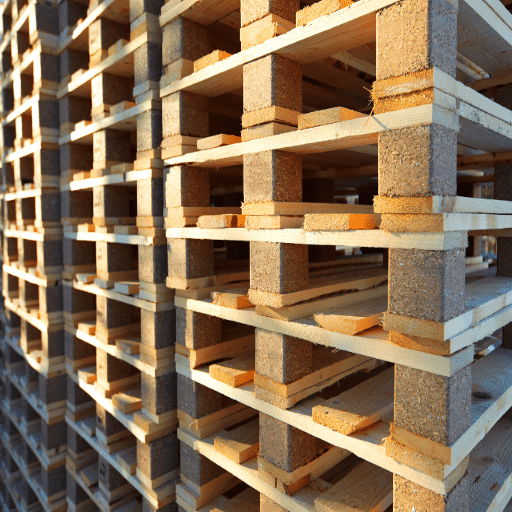
Things you may want to consider while comparing eco-friendly pallets:
- Material Composition: Check if these pallets are made from renewable, recycled, or biodegradable materials, such as wood from a sustainable source, various kinds of recycled plastic, or something new and interesting in biocomposites.
- Durability and Lifespan: Check whether the pallets are structurally sound under the regular operational load and will last for repeated use, especially if the pallets will be subject to heavy handling that causes damage and frequent replacement.
- Recyclability and End-of-Life Disposal and Management: Check if they can be easily recycled, repurposed, or disposed of without harming the environment, and if there are recycling programs available for them.
- Load Capacity: Check if these pallets will withstand the loads from your operations (be it static, dynamic, or racking).
- Carbon Footprint: Study the emissions accounting for carbon dioxide across all processes-laying, transport, and disposal-at-end of life.
- Compliance and Certification: Check to see if it conforms to environmental standards and certifications relevant to it, such as ISO standards, FSC certification, or other sustainability accreditations.
- Cost Effectiveness: Priced against environmental benefits so that the pallets fit into the operational budgets without compromising their sustainability goals.
Decision Framework: By applying these criteria, the companies will be able to make decisions regarding the eco-friendly pallets in line with their inherent environmental and operational priorities.
Durability and Strength
The strength and sturdiness of a given batch of pallets mark a peculiar aspect in deciding their application in terms of operations and various demands. Good-quality pallets have been manufactured to facilitate heavy-weight loads, excessive handling, and environmental conditions such as moisture and high temperatures. These days, pallets may be made from wood, plastic, or metal, each material offering distinct benefits. Wood pallets are basically high on loading capacity and quite economical, but with time, they deteriorate under heavy use or moisture. Plastic pallets resist strongly against chemicals, weathering for long life, while the initial cost is relatively high. Metal pallets, under heavy-duty requirements, display the ultimate level of durability and toughness, but cannot be considered economical against standard uses due to their heavyweight.
Generally, to assess a pallet’s strength, load tests are standardized to evaluate static load capacity, dynamic load capacity, and racking capacity. Periodic inspections and maintenance also increase the longevity of pallets and provide safe work conditions at an economic cost. Depending on the particular needs of the supply chain, the selection of pallet material and design is supposed to provide a good trade-off between durability and operational efficiency.
Weight and Handling Efficiency
Depending on weight and handling, pallets will be selected based on factors such as transportation cost, operational ease, and operational efficiency. Among the light pallets available, those of plastic or composite materials would lower the shipping costs due to their lower tare weight, with enough durability to withstand repeated handling. Wooden pallets provide higher load capacities in comparison to plastic or composite pallets and can handle heavy-duty loading for such applications.
Ease of handling is determined by elements in pallet design such as entry points for forklifts or pallet jacks, sets of friction parameters, and pallet dimensions. If well-designed, they minimize workplace injuries while improving loading and unloading efficiency. The right balance of a pallet that is light yet strong in load-bearing capabilities is then the most cost-effective and utilitarian alternative available to supply chain operators.
Cost Analysis of Eco-Friendly Pallets
Eco-friendly pallets, while frequently more costly in their immediate purchase than the conventional wooden ones, offer the long-term value of durability, reusability, and a less conspicuous use of the environment. The net outflow required to be paid for plastic or composite eco-friendly pallets is in the higher range of $20 to $50 per unit, while wooden pallets are a cheaper alternative at $10 to $15 each. The replacements here cost less down the line, however, as these things may last about ten times longer. Further, being just a little lightweight has helped these environmentally friendly pallets cut down on transportation costs in high logistical-demand industries.
Another factor to consider is one for repair and maintenance. While wooden pallets require frequent repairs and are prone to damage, eco-friendly pallets, especially those made out of recycled or durable materials such as HDPE, require much less maintenance. Lifecycle assessments also show that eco-friendly pallets maintain a reduction in carbon footprint primarily by extending usability, limiting waste, and are often recyclable at the end of their life.
Again, the cost-effectiveness of these eco-friendly pallets depends largely on specific requirements related to the supply chain, such as how often they are used, loading conditions, and transportation patterns. If companies pursue sustainable practices with a focus on cutting down long-term expenses, the pallets are highly likely to be considered an excellent investment despite the initial cost.
How Do Eco-Friendly Pallets Compare to Traditional Pallets?

Eco-friendly pallets are different from conventional pallets primarily in terms of material composition, environmental impact, and lifecycle. Traditional pallets are usually made from wood or plastic; eco-friendly pallets, on the other hand, contain sustainable materials made from recycled plastics, pressed wood fibers, or other biodegradable substances. Such materials reduce resource depletion and often have a lower carbon intensity in production. In contrast with traditional pallets that may require constant replacement, eco-friendly pallets are made with a focus on durability and reuse, thereby increasing the lifecycle. While eco-friendly pallets are usually more costly, they afford savings due to waste reduction, cheaper disposal, and meeting sustainability targets. Eco-friendly pallets thus give businesses wishing to market themselves as environmentally responsible an option that stands in competitive equality with more traditional ones.
What Are the Most Common Uses for Eco-Friendly Pallets?
Being eco-friendly, these pallets are mostly used by a plethora of businesses for various purposes. One of the most common uses in the transportation and logistics sectors is to offer safe platforms for earthy harsh movements of goods. The global pallet market, which stood around $75 billion in 2022, has experienced a growing demand for greener alternatives, with eco-friendly pallets carving a niche for themselves in industries such as retail, agricultural, and pharmaceutical.
Eco-friendly pallets find utility by retailers for storage and display purposes, mainly on account of their durability and aesthetics in an eco-conscious brand environment. In contrast, the agricultural sector prefers them for shipping freshly grown produce since they offer fewer contamination hazards if these pallets are made from recyclable or biodegradable materials. The pharmaceutical and food industry further benefits in terms of hygiene considerations, as some pallets are safeguarded against bacteria and mildew, thus fulfilling stringent sanitary and health standards.
In addition, green pallets serve as an increasing prescription for closed-loop supply chains. If companies make use of pallets that are reusable and recyclable, waste reduction will ensue, sustainability will be achieved, and the circular economy will be advanced. Recent industry analyses show that, by switching to eco-pallets, companies stand to reduce their carbon footprint by an average of 30% vis-à-vis traditional wooden pallets, indicating that such pallets are increasingly finding use in supply chains seeking environmental consciousness.
Are Eco-Friendly Pallets More Expensive?
Costs of green pallets differ with respect to the material, design, and life-cycle benefits. While the upfront costs might sometimes be higher than those of regular wooden pallets, environmentally friendly pallets do tend to offer a lot of cost savings over the long haul. These are made of durable wooden pallets meant for reuse, hence minimizing the frequent need for replacement. Hence, some companies even benefit through countries that offer tax benefits for putting waste in landfills, by way of reduced carbon emissions costs and other sustainability regulations. So, basically, higher costs are offset by the economic and environmental benefits over time, which make them really feasible first options for companies with sustainability concerns.
Choosing the Right Eco-Friendly Pallet

Choosing the right eco-friendly pallet depends on three factors worthy of consideration:
- Material: Select pallets are manufactured from sustainable resources, which may include recycled plastic, biodegradable composite materials, or wood that is certified from managed forests.
- Durability: The pallet should be sturdy enough to do the job while causing as little waste as possible and promoting reuse.
- End-of-life: The best pallet for you will be one that can be disposed of by recycling, composting, or repurposing.
With these three elements in mind, you should be able to identify the one that will truly embrace environmental stewardship, along with serving whatever function is required of it.
Evaluating Your Needs
On determining pallet needs, both logistics and sustainability must be considered. First comes the size and weight of the goods to be carried. Pallets, for instance, are usually 48 inches by 40 inches, which will house the larger part of shipments; however, give considerations to custom sizes if unique loads will be involved. Next, consider the weight of the pallet: goods of lower weight can do with light-duty pallets or so-called light-weight pallets; conversely, heavier loads may demand heavier-duty ones.
Another crucial aspect to consider is the mode of transport. Pallets destined for international shipments often require ISPM-15 certification to prove their freedom from pests. For the sustainability potentials, the data shows that usage of recycled or upcycled materials for the pallets can lead to a reduction in carbon emissions of as much as 40% over those made with traditional options. For companies leaning towards greener alternatives, choosing pallets that are reusable and recyclable will go a long way towards helping them achieve their environmental objectives.
Finally, optimize stacking to promote efficient storage. Nestable or stackable pallets would be able to conserve warehouse space; also, reducing the transport charges would be crucial for warehouses where all space utilization is under scrutiny. Discussing all of the above factors will ensure that your pallet selection meets operational needs and supports wider economic and environmental goals.
Making Informed Decisions
In the process of making informed decisions about pallet selection, I usually center my thoughts on their durability, recyclability, and stackability. In supporting sustainability goals, a reusable and environmentally friendly pallet is far the best type to pick while making sure that operations run smoothly. Furthermore, by choosing stacks, I also consider the available space on the pallet to maximize storage and keep transportation costs low.
Future Trends in Eco-Friendly Pallet Development
The green pallet development is gradually evolving due to mounting environmental and economic pressures. Rising are biodegradable and compostable pallets manufactured from natural fibers or agri-waste that reduce landfill contribution. Also considerable is the innovation of using recycled plastics to fabricate durable and reusable pallets so that they draw less virgin material. Smart technologies are being integrated into pallets as well, including RFID tracking, IoT integrations, enabling visibility and efficiency in the supply chain. These innovations come together as sustainable solutions while enhancing lifecycle management and flexibility in logistics operations.
Reference Sources
1. Environmental Impact Analysis of Alternative Pallet Management Systems
2. Particleboards from Recycled Pallets
Frequently Asked Questions (FAQs)
What advantages do eco-friendly pallets bring?
Eco-friendly pallets come with a range of benefits, including lower environmental impact, cheaper prices, and superior logistics. They are recyclable and repairable, or rather, they are the kind of pallet a company could buy if it wanted to minimize waste.
How does the manufacturing process of eco pallets differ from that of plain wooden pallets?
The manufacturing of an eco pallet uses systems we consider to be “green,” releasing no CO2 during production. In contrast to plain wooden pallets, eco pallets have a size of perhaps an inch thin and can use a patent-pending spray technology for increased durability and a lesser environmental impact.
What does bacteria-resistant material do for eco pallets?
Being antibacterial, these materials help in ensuring eco pallets do not allow the formation of harmful bacteria that may jeopardize the conveyance of goods and particularly food items. This same feature ensures greater hygiene and the life of the pallet.
What are the two principal methods of recycling and repairing eco pallets?
The two primary methods for recycling and repairing eco pallets include the repair of damaged pallets to extend their service life and the breaking down of pallets into raw materials for new products. It doubtfully affects all sustainability and waste reduction aspects.
How do eco pallets compare with traditional pallets in terms of environmental impact?
Eco pallets usually have less environmental impact as compared to conventional pallets. They are mostly fabricated from recycled materials and are designed to stand reuse and repair, thereby minimizing wastage. Besides, most eco pallets are made using processes that do not emit CO2 into the atmosphere, thus further reducing their carbon footprint.
Can customers have eco pallets customized according to special logistics specifications?
Yes, frequently, an eco pallet can be customized to accommodate a customer’s particular logistic requirements. It could be size, weight capacity, or design features, so the businesses may ensure that their pallets fit their operational needs.
Does the use of eco-friendly pallets come with any restrictions?
One of the benefits of eco-friendly pallets is that they come with some restrictions, such as initial costs and availability. Some companies may consider eco pallets to be more expensive upfront; however, the savings realized through recycling and waste reduction greatly outweigh these costs in the long term.
How will businesses know whether they are choosing the best design of an eco pallet?
Businesses can choose an eco pallet according to the design by considering the load carrying capacity, the composition of the material, and the specific use. The way it is manufactured should also be analyzed as another sustainability aspect, since an antibacterial material and recyclable components could be used for this purpose.