Recent years have seen rapid growth in the plastic pallet market, driven by a demand for durable yet economical, yet rather cost-effective solutions for diverse industries. Plastic pallets nowadays serve the purpose of streamlining operations and secure products during transportation and warehousing from logistics, warehousing, retail to pharmaceutical industries. This article digs into current market size, key growth drivers, and trends which affect direction for the plastic pallet market. Be it an entrepreneur, industry professional, or just supply chain enthusiast-the forecast will shed light on factors driving the market and what to keep an eye on in the coming years.
Plastic Pallet Market Overview
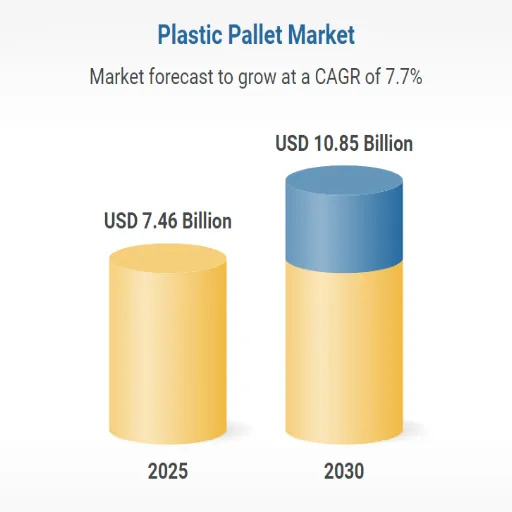
The plastic pallet market has seen huge growth in recent years because of its durability, reusability, and cost-effectiveness vis-à-vis wooden pallets. Important growth factors include demand for efficient supply chain management, increased usage of sustainable materials, and the booming e-commerce sector. Thanks to being resistant to moisture, chemicals, and insects, plastic frameworks find considerable usage in food and beverage, pharma, and logistics industries. Manufacturing upgrades and recycling efforts lend a further boost to their status as an environmentally friendly choice.
Definition and Types of Plastic Pallets
Plastic pallets are sturdy platforms, designed for handling, storing, and transporting goods, serving as alternatives to traditional wooden pallets. They are usually manufactured from high-density polyethylene (HDPE) or polypropylene (PP) to offer strength, protection from environmental factors, and durability.
Stackable Pallets
Space-optimized storage solutions that can be safely stacked when not in use
Rackable Pallets
Heavy-duty pallets designed for supporting heavy loads in warehouse racking systems
Nestable Pallets
Space-saving design that conserves space during return transport
Hygiene Pallets
Specialized pallets for industries with strict sanitation requirements
In addition to these, hygiene pallets are specifically designed for industries with strict sanitation needs, food and pharmaceutical industries being prime examples. Thus, while each type caters to specific needs, they have applications across diverse industries.
Importance of Plastic Pallets in Supply Chain
Plastic pallets are crucial to liquidations in supply chains. They are light yet sturdy, so a worker can more easily maneuver a heavy load onto or off of it while it is moving or while it is being transported; thus, the fuel consumption and cost of the logistics are reduced. Plastic pallets contrast to wooden ones in that they do not absorb moisture and are resistant to pest attacks and splintering; hence, they offer better hygiene and product protection, especially in the food, pharmaceuticals, and electronics industries. Due to their stublasting nature, they have value enhancement and lean toward environmental conservation. Multiple kinds, dependent on the specifications and applications needed for storage, transport, or hygiene, grant plastic pallets their versatility stay-rays-well, assisting the modern supply chains.
Market Size and Share of Plastic Pallets
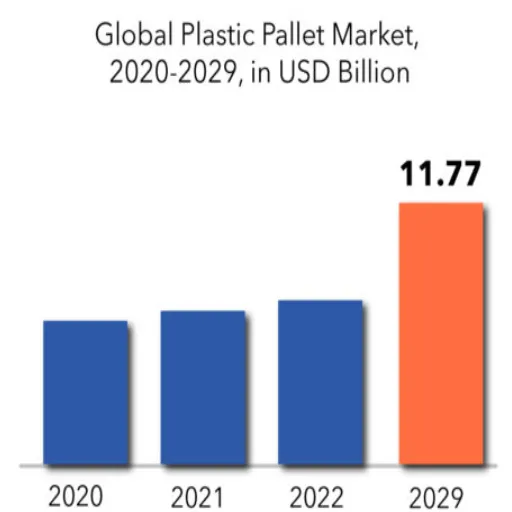
The size of and share in the markets relating to plastic pallets have been witnessing steady growth over the years, with rising demands from such industries: pharmaceutical, food and beverages, and logistics. The plastic pallet market stands at several billions of dollars worldwide but is expected to surge forefront because of its qualities like durability, reusability, and following international hygiene standards.
Regional Market Distribution
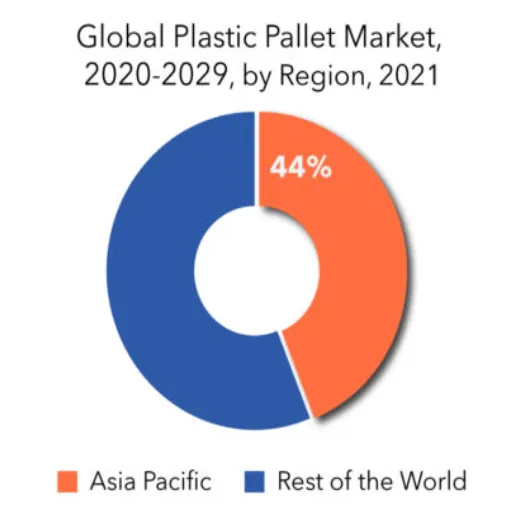
The key regions promoting this growth are North America, Europe, and Asia-Pacific. Out of the three, Asia-Pacific is growing fastest owing to industrialization taking place fast and elevated investments in supply chain infrastructure. The market is fragmented and competitive and offers a variety of solutions that are tailored to requirements of diverse industries where major players accompany local manufacturers.
Market Dynamics and Current Trends
Although the prospect of growth is bright for the reusable packaging market, several issues may limit its development. Substantial hurdles comprise high initial investment value, limited consumer awareness regarding the environmental benefits offered by reusable solutions, and logistical issues in creating an efficient return system for packaging. In addition, harsh government regulations in some regions and the dominance of single-use packaging substitutes raise further concerns. To solve these problems, stakeholders need to work collaboratively, implement need-specific consumer education campaigns, and an inventory of innovations that support cost-effective and easy-to-use reusable packaging solutions.
Current Market Trends
The plastic pallet market currently observes a number of significant trends that are transforming the industry. Growing demand for environmentally friendly and recyclable substances pushes innovation in the field of pallet manufacture, as industries try to lessen their environmental impact.
- Sustainability Focus: Increasing demand for eco-friendly and recyclable plastic pallets
- Automation Integration: Growing need for standardized pallets compatible with automated systems
- E-commerce Growth: Increased demand for durable and reusable pallets for warehousing and distribution
- Lightweight Design: Focus on lighter yet stronger plastic pallets for cost-effective logistics
These trends indicate changes in the plastic pallet markets from efficiency, sustainability, and technological integration.
Market Growth Factors and Drivers
One of the sights to rank with a growing interest in sustainability and environmental regulations is the increasing demand for eco-friendly and recyclable plastic pallets. These plastic pallets not only fulfill the need for durability and reusability but also fall within a cost to be borne under umbrella of environmentally conscious economic alternatives vis-à-vis traditional wooden pallets.
Manufacturing Advancements
Advanced manufacturing processes enable production of lighter yet stronger plastic pallets
E-commerce Boom
Rapid growth in e-commerce and automated logistics systems drives demand
Standardization
Need for standardized and hygienic features for integrated warehousing systems
Environmental Regulations
Growing interest in sustainability and environmental compliance
The advancement in manufacturing processes has also made production of lighter yet stronger plastic pallets possible, thus further cementing their name within industries. The blistering growth of e-commerce and automated logistics systems defy any being seasoned yet to remain a growth engine in plastic pallets since these pallets provide standardization and hygienic features while being apt for integrated warehousing systems. Hence, these combined factors would definitely see the plastic pallet industry flourish.
Problems Facing Plastic Pallet Industry
Despite the numerous advantages presented, the plastic pallet industry faces several challenges. A prime example is that high initial costs, in comparison to traditional wooden pallets, act as a hindrance for small and medium-sized enterprises. These days, the major hurdles are sustainability issues concerning the disposal and recycling options that go for plastic pallets. Furthermore, price fluctuations of raw materials, mainly petroleum-based plastics, tend to affect production costing and supply-chain stability. The competition from alternative pallet materials, mainly the newer, environmentally conscious options, exerts further pressure on the industry to innovate and shape itself against changing market demands. These are the challenges that constitute a firm need in solutions for the continued growth and adoption of plastic pallets.
Market Segmentation Analysis
Depending on material, type, and end-use industries, the plastic pallet market is segmented. On a material basis, the market is mainly bifurcated into high-density polyethylene and polypropylene. HDPE is the more common variety due to its presence in the market from a perspective of durability and cost-effectiveness.
Material Segmentation
High-Density Polyethylene (HDPE)
Most common material choice due to superior durability and cost-effectiveness
Polypropylene (PP)
Alternative material offering specific benefits for certain applications
Type Comparison: Rackable vs. Stackable Pallets
The types include nestable, stackable, and rackable, along with any others that will meet different logistical needs and demands. For end-use industries, food and beverages, pharmaceuticals, chemicals, and retail are the major contributors, with food and beverages leading mainly because of stringent hygiene standards and growing preference to safe, reusable transport materials. These segments truly portray the huge varieties of plastic pallets available for any kind of application and industry.
Regional Analysis of the Plastic Pallets Market
The regional analysis of the global plastic pallets market highlights the demand and development of these markets in key regions. North America is at the forefront because of an advanced logistics infrastructure and greater use of durable yet light pallets. Europe comes second due to the rise of automated warehouses and increased focus on sustainable packaging solutions. The Asia-Pacific, on the other hand, is witnessing rapid growth, given extensive industrialization, burgeoning e-commerce sectors, and increasing demand for cheaper logistic solutions. Regions such as Latin America and Middle East & Africa show steady growth in their markets, supported by the development of their economies and increased trade activities. This defines how regional trends emphasizing industrial demand and logistical needs shape the global plastic pallet market.
Industry Applications: Emphasis on Food and Beverages
Demand generation in the food and beverage industry in the global plastic pallets market is strong, given the sector’s need for storage and transportation systems that are durable, hygienic, and cost-efficient. Plastic pallets are popular in the industry for their compliance with strict hygiene protocols, moisture resistance, and ease of cleaning to ensure the safe handling of perishable goods. Logistics are made easier by their lightweight characteristics, while durability enhances savings from frequent replacement costs. These advantages are the reason food and beverage industries consider plastic pallets best for handling their very complex supply chain.
Future Outlook and Projections
Market Growth Forecast
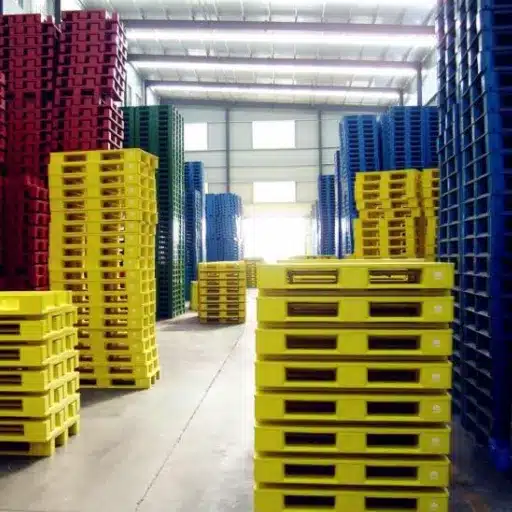
The future of plastic pallets in the food and beverage industry appears bright. With the increased demand for sustainable and efficient supply chain solutions, the use of recyclable and reusable plastic pallets is expected to witness growth. Better designs and materials might, therefore, serve the purpose of creating a more durable and environmentally friendly pallet. Also, the increasing growth of international trade and more stringent hygiene regulations will only perpetuate their attractiveness, thereby establishing plastic pallets as the go-to choice for meeting the burgeoning requirements of the industry.
The plastic pallet market is expected to grow a lot with its use across several industries, including food and beverage, pharmaceuticals, and logistics. Rising awareness concerning sustainability and cost-efficiency has seen the alternatives garnering more respect for being rated as reusable and recyclable. Material technologies are evolving every day, while stringent world standards for hygiene and safety are stepping up the pace of adoption. Emerging markets and an increase in e-commerce activities are also expected to keep the industry growing, positioning plastic pallets as an important solution in the modern supply chain.
Future Trends in Plastic Pallet Manufacturing
Following are major trends shaping the future of plastic pallet manufacturing. From an environmental perspective, these new materials–bio-based and fully recyclable plastics–should prove to be equally durable and performant. Automation and smart technologies having embedded sensors for tracking and monitoring will streamline even further supply-chain activities. Occasions stand without the strengthening of their lightweight design to save on transportation cost and footprint. These evolution factors, along with the growing global trade and E-commerce, shall keep advancing and implementing the industry to keep pace with plastic pallets as an essential asset for contemporary logistics.
Impact on Plastic Pallet Demand by E-commerce
Due to their versatility, durability, and suitability for automated handling systems, plastic pallets have experienced greater demand due to the boom in e-commerce marketing a bit. Online retailer distribution centers demand efficient, standardized logistics solutions, which plastic pallets offer by providing consistent dimensions and interfacing with conveyor and robotic handling systems. Being lightweight and reusable, they fit in great with cost-efficiency and sustainability orientations that have entered the e-commerce realm. This trend, propelled by greater consumer demands for fast and reliable deliveries, continues aggrandizing the standing of plastic pallets in the evolving e-commerce supply chain.
Market Research Insights
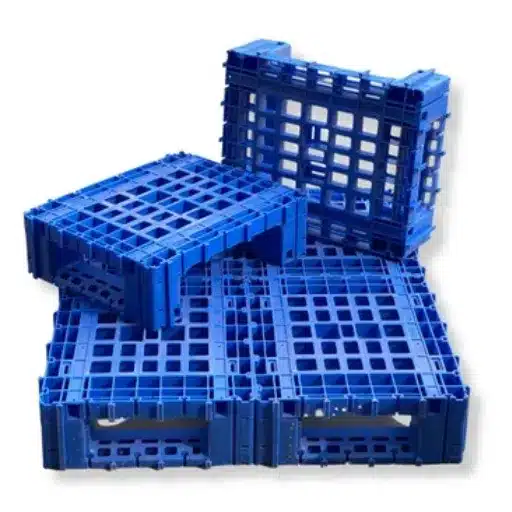
Recent market research highlights a prominent bent toward automation and greener solutions in supply chain logistics. The use of plastic pallets is set to grow slowly but steadily, with durability, cost-effectiveness, and eco-friendliness marking advantages over wood. Analysts project an annual growth rate of 5% over the coming 10 years as increasing demands from e-commerce, food and beverage, and pharmaceuticals industries support the growth.
Furthermore, the consumer inclination toward eco-friendly materials is giving industry impetus for the creation of recyclable and reusable pallet solutions. These findings really cement the position of advanced pallet solutions as the way to go in answering changing industry requirements.
Key Players in the Plastic Pallet Industry
Several globally renowned companies are at the forefront of the plastic pallet business, where innovation and strategic collaboration are combined to meet global demand. These companies manufacture high-quality and durable pallets with sustainability considerations to various industries, including logistics, pharmaceuticals, and retail. Taking into account eco-friendly practices, many manufacturers are moving into recyclable materials and new manufacturing technologies to provide sustainable solutions for supply chains.
Schoeller Allibert
Cabka Group
Brambles Limited (CHEP)
ORBIS Corporation
Rehrig Pacific Company
Recent Market Analysis Reports Highlighted Some Insights
Based on the reports from market analysis, it appears that the demand for sustainable pallets is far-reaching in response to the global environmental push behind supply chain operations. The reports further stated that industries concerned about the environmental degradation caused by retail, pharmaceutical, and logistics chose durable and recyclable pallet solutions. Technological advancements in modern manufacturing processes, including high-performance materials and ingenious designs, have, however, sustained the companies in meeting these demands most efficiently. Concomitantly, regional market trends have exhibited a heightened acceptance of plastic and composite pallets, owing to their longevity and reusability-the very characteristics that make them favorable alternatives for wooden ones.
Stakeholder Conclusion and Recommendations
Stakeholders must consider sustainable pallet solutions based on plastic and composite materials, depending on fast-moving industrial demands and environmental priorities, to ensure their durability and reuse. Manufacturers must make full use of technology innovations to improve production performance efficiency. Companies should observe the national market trends for choosing opportunities to attempt the green alternative. Everybody in the supply chain should work together to design a solution that supports operational expenses while scaling good intentions.
Reference Sources
-
Grand View Research: Their report highlights the global plastic pallets market, estimated at USD 7.3 billion in 2022, with a projected growth to USD 11.2 billion by 2030 at a CAGR of 5.6%. Read more here.
-
Allied Market Research: This source values the market at $8.5 billion in 2023, forecasting growth to $14.6 billion by 2033 with a CAGR of 5.7%. Explore the report.
-
Mordor Intelligence: Their analysis predicts the market will grow from USD 8.65 billion in 2025 to USD 14.28 billion by 2030, with a CAGR of 10.54%. Check the details.
Frequently Asked Questions (FAQs)
How do the market dynamics affect the plastic pallet market size?
Market dynamics are an essential factor in determining plastic pallet market size and growth. They include rising and falling raw material prices, improvements in technology, and changing consumer preferences. Stackable pallets continue to witness rising demand for their efficient use of space inside warehouses and during transport. Apart from this, plastic pallets need to be increasingly used in supply chain management, especially in the food and beverage industries, thereby aiding the growth of the market. The plastic pallets market report discusses the aforementioned trends and the competitive scenario between prominent market players. Market segmentation further characterizes the various types of pallets and their respective share in the overall market.
What Are the Advantages of Plastic Pallets Over Wood Pallets?
Plastic pallets have properties and attributes that set them ahead of not so durable wood pallets. One of the major advantages is that plastic pallets are highly durable; they resist moisture, chemicals, and insect attacks-with an extended life. Also, when cleanliness matters, such as in the food and pharmaceutical sectors, hygienic plastic pallets come into the picture. Being lightweight translates to lower shipping costs and easier handling with pallet jacks for the plastic pallet. Moreover, these pallets can be nested or stacked, providing for better storage solutions and therefore preserving precious warehouse space. Hence, plastic pallets are acquiring increasing market share with all the advantages that they hold.
What Are Some Significant Trends in the Worldwide Platinum Bar Market?
The global plastic pallets market is witnessing a number of significant trends that formula the future. One important trend is the unfolding of sustainable packaging solutions to augment demand for recyclable plastic pallets. Further, increased acceptance of pallet pooling systems to improve supply chain efficiency enables companies to rent pallets rather than buy. Trends analyses report a surge in demand for returnable pallets, which lower cost and curb environmental impact. Alongside, on the manufacturing processes of plastic pallets, new techniques are invented to produce more technically advanced, highly durable plastic pallets. These recent trends highlight the ever-changing nature of the plastic pallets industry, continuing to evolve with market demands.
How is Market Segmentation Defined in the Plastic Pallet Market Analysis?
With plastic pallets as their market, the analysis regards the analysis of segmentation in terms of criteria such as pallet type, material used, and end-user industry. By labeling the market by means of these parameters, stakeholders will be able to appreciate consumer preferences for meeting demands for a particular order in pallet types. For example, within the pallet segment, nestable versus rackable permits firms to develop product lines compatible with varied operational circumstances. The segmentation, which includes industries such as food and beverage, pharmaceuticals, and retail, leads to the identification of important market players and the strategies they employ. In essence, such a complete approach to market segmentation propels the characterization of plastic pallets into market size and market share, whereby makers and distributors will decide.