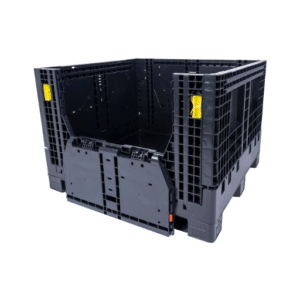
The Importance of Plastic Pallets in the Supply Chain

Due to their credence of being sturdy, lightweight, and cheap, plastic pallets have faced the supply chain. Plastic pallets are damage-proof; therefore, they offer a long service life compared to wooden pallets. Besides being uniform in dimensions, they also stand for better handling and storage systems, which, if not achieved, can create damage to products being shipped. They are also easy to clean and disinfect, which is needed by food and pharmaceutical industries. While others can be recycled, plastic pallets support sustainability goals and disposal of waste from logistics operations. All these factors have come to make plastic pallets the best option for supply chain management in the modern era.
Benefits of Using Plastic Pallets
Plastic pallets are pretty much known for withstand and lightweight properties that make their cost-efficient shipping. On an average, plastic pallets weigh about 30 percent less than regular wooden ones, so air freight charges are significantly discounted because weight is a major point of consideration. Plastics repel water, pests, and chemicals better, so these pallets last longer, maybe until ten years properly used, whereas wooden pallets last perhaps three to five years.
Pallets offer another interesting benefit when it comes to size consistency. Wooden pallets sometimes warp or deform, and over time, they may never be able to maintain their supposed size and shape; plastic pallets, therefore, maintain dimensional accuracy and can be seamlessly integrated in automated handling systems, hence proving highly suitable for industries investing in automation technologies. Also, it is reported that businesses using plastic pallets experience 25% less equipment jams within automated warehouses.
Depending on the environment it stands to be recycled, an environmental feature of plastic pallets would be that of recyclability. Quite a few of these pallets are made out of either high-density polyethylene (HDPE) or polypropylene (PP) that can be sent to recycling once they are at the end of their cycle life. Recycling programs have led to lowering the consumption of virgin materials so in effect contributing to sustainability movements. Some manufacturers even facilitate programs for closed-loop recycling, whereby used pallets are collected and returned to be processed back into new pallets, thus aligned with circular economy principles.
Key Advantage: These characteristics, further compounded with advances in pallet design and manufacturing, carving for plastic pallets a niche as a cutting-edge solution for industries that are channeling capital into cheap, strong, and green logistics tools, a good fit for integrated delivery and sustainability functions.
Role of Plastic Pallets in Modern Logistics
Plastic pallets are significant for the supply chain in diverse industries. They are held in high esteem for their longevity, standard dimensions, and, perhaps more importantly, compatibility with automation techniques such as conveyor belts, robots for material handling, and high-rack storage. From a market perspective, the global plastic pallet market is steadily growing with a CAGR of around 5 to 6 percent from 2023 to 2030; this growth is fueled by increasing adoption in sectors such as pharmaceuticals, food and beverage, and retail.
Their lighter weight compared to their wooden competitors reduces shipping expenses, and they are waterproof, chemical-resistant, and insect-resistant, making them the best choice for export and stringent hygiene requirements. For example, many food distribution networks must rely on plastic pallets for their FDA and HACCP compliance requirements. In addition, the long lifespan of plastic pallets generally exceeds 10 years when maintained properly, thus lowering the overall cost of ownership and making them one of the most economical choices on the market for use in the long term.
Besides being cost-efficient, plastic pallets facilitate the latest developments in track-and-trace technologies. Typical modern pallets are embedded with RFID tags and IoT-based sensors, providing real-time inventory visibility, temperature monitoring for perishable items, and enhanced supply-chain-level analytics. By employing these features, companies can further smooth operations and reduce losses, thus deepening the dependence on plastic pallets within the contemporary logistics sphere.
Comparison to Wooden Pallets
Comparing plastic pallets with wooden pallets brings up issues such as durability, hygienic considerations, eco-friendliness, and pricing. Usually, plastic pallets are more durable because they can withstand harsh environmental conditions and repeated use without breaking up or degrading. Wooden pallets mostly splinter and soak up water that might cause issues with mold or rot as it stands.
Hygiene-wise, plastic pallets do have a great finish. Because they are non-porous, they are easy to clean and resistant to contamination and compliant with the health and safety requirements of industries concerned with food, pharmaceuticals, and other sensitive goods. Wooden ones are known to hold bacteria, pests, and fungi, hence unsuitable for sanitary environments.
Environmental concerns set the two apart. Wooden pallets are considered biodegradable and are produced from renewable resources; however, this shorter life cycle ironically means the extended evolving of resource consumption. Plastic pallets, made from non-renewable resources but fully recyclable, outlast wooden counterparts, making for lower waste generation in the long run. For example, it has been shown how quality plastic pallets may last up to 250 trips under a closed-loop system versus fewer for wooden pallets.
Cost is also one determining factor. They are cheaper, making them a good option for one-time use or instances when they will not be returned. In other words, plastic pallets might be cheaper per use, depending on use and reuse over time, whereas the price of plastic ones goes down with every single-year plus still narrows the gap a little further with continuous developments in materials and production techniques.
Conclusion: Overall, plastic pallets are increasingly favored for applications requiring durability, hygiene, and operational efficiency, while wooden pallets remain practical for industries focused on cost-sensitive, short-term needs. The choice in between the two is usually dictated by industry requirements, environmental policies, and case-specific considerations.
| Feature | Plastic Pallets | Wooden Pallets |
|---|---|---|
| Durability | High – withstands harsh conditions, 10+ years lifespan | Moderate – prone to splintering, 3-5 years lifespan |
| Weight | 30% lighter than wooden pallets | Heavier, increases shipping costs |
| Hygiene | Non-porous, easy to clean, FDA/HACCP compliant | Harbors bacteria, pests, and fungi |
| Moisture Resistance | Waterproof and chemical-resistant | Absorbs water, prone to mold and rot |
| Recyclability | Fully recyclable (HDPE, PP materials) | Biodegradable but requires treatment for export |
| Initial Cost | Higher upfront investment | Lower initial cost |
| Long-term Value | Lower cost per use over time, up to 250 trips | Higher replacement frequency |
| Automation Compatibility | Excellent – maintains dimensional accuracy | Variable – can warp or deform |
The Recycling Process of Plastic Pallets

The simple process is the recycling of plastic pallets for proper reutilization. This starts with the collection of pallets considered damaged or useless from warehouses, distribution centers, or other such facilities. The pallets are cleaned and then reduced to smaller parts in shredders/grinders. In the next stage, the plastic pieces are melted and re-ground into raw material that is then ready to be used for making pallets or any other plastic items. Thus recycling reduces wastage and conserves resources and, in that way, is perfect treatment of plastic pallets for the environment.
Steps Involved in Recycling Plastic Pallets
- Collection
Used or damaged plastic pallets are picked up from a warehouse, distribution center, or industrial facility and transported to a recycling plant for processing. - Cleaning and Sorting
The collected pallets get cleaned or washed to remove dirt, labels, contaminants, and the like. Then, they get sorted into their types to maintain compatibility during the recycling operation. - Shredding or Grinding
Sorted pallets are then fed into industrial shredders or grinders, reducing the plastic to smaller pieces or flakes for easier further processing. - Melting and Reprocessing
The plastic produced by shredding is immediately melted in a high temperature under a molten state. The molten material is then reprocessed into reusable raw plastic, such as pellets, which serve as a base material for many output processes in the manufacturing industry. - Manufacturing New Products
The recycled raw plastic serves as raw material in the fabrication of new plastic pallets, containers, or other products, accomplishing the second stage of recycling and ultimately diminishing environmental impact.
Process Summary: This organized way of recycling plastic pallets helps reduce waste, conserve resources, and sustain a manufacturing cycle.
Technologies Used in Plastic Recycling
The plastic recycling process involves numerous innovative technologies to provide for the efficient treatment and reuse of waste materials. They are:
Mechanical Recycling
This traditional process physically manipulates plastic waste by means of sorting, shredding, washing, and heating to generate raw materials such as pellets or flakes for manufacturing into new products.
Chemical Recycling
Going beyond mechanical techniques, these technologies employ chemical reactions to break down plastics into their monomers or even more basic substances, thus creating recycling possibilities for materials that cannot be recycled mechanically.
Pyrolysis
It involves heating plastic wastes without oxygen to produce liquid fuel, gas, or other forms of reusable materials, thus providing an inventory in the way of processing those plastics that are mixed or non-recyclable.
Sorting by AI and Robotics
Sorting plastic waste with AI and robotics is increasingly being used to improve the sorting plastic waste with precision and speeds. The systems used in these processes identify different plastic types and enable efficient separation towards downstream recycling.
Solvent-Based Recycling
This new technology is designed to dissolve plastic wastes in environment-friendly solvents so contaminants can be separated and reusable polymers recovered.
Impact: Through the use of these technologies, the industry is changing to better recycle plastics and reduce waste while supporting sustainability, even for materials that have usually been hard to recycle.
Challenges in the Recycling Process
Several challenges persist, impeding the efficiency and scalability of recycling despite the advancements brought about in the field. One of such prominent ones is contamination for instance, food particles extraneous materials or a mixture of different kinds of plastic can compromise the value of recyclables. Also, some recycled materials being given low-value status create an atmosphere that does not encourage the laying down of new investments into recycling facilities, since the manufacturing of virgin plastics is often cheaper than that of recycled ones.
Further challenges are brought about by the sorting and segregating complexity of waste. Many recycling systems are not able to treat multilayered or composite materials, which are common product packaging. Furthering the problem is the already limited level of consumer awareness regarding correct recycling procedures, which encourages improper disposal of waste.
Critical Issues: Finally, those infrastructure issues and discrepancies between policy frameworks greatly diminish recycling efficacy on the whole. Many regions are left without the presence of modern recycling plants or robust waste management systems, thereby impeding a further step toward worldwide sustainability goals. The resolving factors, therefore, about this concern, include technological innovation augmented by collective will from governments, industries, and individuals.
Benefits of Recycled Plastic in the Supply Chain

Recycled plastics provide a set of advantages across the supply chain, thus making them a valuable tool for companies and the environment:
- Cost Reduction: Because it is cheaper to recycle plastics rather than to produce new ones from virgin materials, recycled plastics tend to reduce the cost of raw materials.
- Environmental Impact: In other words, reprocessed plastic reduces landfill waste and fossil fuel demand in the manufacture of new plastics; under such conditions, it has a lesser carbon footprint.
- Consumer Appeal: Using recycled materials is supportive of any sustainability-related goals and would attract environmentalist consumers who would highly value such a brand.
- Resource Conservation: Recycling of plastic reduces the extraction and processing of raw materials into usable plastics, thus safeguarding mother earth and its resources for future generations.
These measures synergistically make recycled plastic both feasible and ecological industrially-wise.
Environmental Impact of Recycled Plastic
Anything recycled will let less damage be done to our environment by lowering greenhouse gas emissions and taking less waste away to a landfill. We are fighting climate change because the recycled plastic uses less energy and releases fewer pollutants into the atmosphere than virgin plastic. And on top of that, recycling plastic helps reduce the amount of plastic entering the oceans and ecosystems, further benefitting life forms. Although not the best solution, recycling contributes immensely in others toward banning or reducing single-use plastics and towards building a more circular economy that exits to encourage sustainable resource use and thereby waste management practices.
Cost-Effectiveness of Using Recycled Materials
In essence, therefore, resources from recycled materials can greatly reduce production costs for manufacturers, thus minimizing harm to the environment. According to some, recycled materials require less energy for processing than do new virgin materials, such as energy levels used for utilities and transportation. For example, the production of goods made from recycled aluminum can save up to 95% of energy compared with new manufacture aluminum, but much more energy is wasted in that new manufacturing. Also, in some cases, industries using recycled materials may be eligible for tax credits or subsidy programs offered by governments to encourage sustainable practices. After all, while one might have to initially invest money in setting up recycling processes, such costs are offset by greater savings over time, along with less reliance on limited resources, making it cheaper for the company. With recycled products in many cases attracting the attention of environmentally conscious consumers, market competition and product sales are often enhanced. In short, not only is it environmentally prudent to produce using recycled materials, but that option carries important economic benefits in its path.
Enhancing Sustainability through Recycled Plastic
Recycled plastic plays a key role in sustainability by lowering waste, saving resources, and reducing carbon emissions. The reuse of plastics achieve this reduction in demand for virgin plastics, which would undergo an energy-heavy production process involving fossil fuel extraction. Furthermore, the recycled plastic serves to diminish landfill waste and protect ocean environments from pollution, with the ultimate effect of conserving ecosystem and biodiversity.
Also, new recycling technologies can produce recycled plastics with better performance and higher quality for a variety of products, from packaging to textiles and construction materials. As a consequence, more and more governments and organizations emphasize favoring policies and programs for the acceptance of recycled plastics, even providing incentives for businesses and promoting consumer-awareness programs.
Global Impact: Thus, when talk revolves about waste management, the incorporation of recycled plastic in sector manufacturing not only meets the environmental issues in the processes of waste management but also involves the presentation of global sustainable goals for the realization of a circular economy and a green environment.
How to Dispose of Plastic Pallets Responsibly

Some ways for responsible disposal of plastic pallets are as follows:
- Recycle: Check with the local recycling center or pallet recycling companies in your area to find out if they accept plastic pallets. Many centers specialize in recycling plastic materials and will process the pallets for reuse.
- Repurpose: If recycling is not an option, use the pallets for some other purpose; for instance, as storage, furniture, or for a construction project.
- Return to Manufacturer: Some manufacturers keep take-back programs in which they accept from the customers old pallets for recycling or refurbishing.
- No Landfill: Do not just discard plastic pallets into general waste because it spoils the environment.
Keeping these steps in mind ensures you waste far less and nurture eco-friendly disposal practices.
Best Practices for Disposal
If plastic pallets are to be disposed of, they must be fed into eco-friendly methods to reduce the waste and pollution. Some wise methods at a glance are:
Approaching a Recycling Center
Many local recycling centers accept plastic pallets. Contact the nearby centers to see if they take the type of pallet material you have. Generally speaking, HDPE and PP are recyclable.
Making Use of Manufacturer Reclamation Programs
See if the pallet manufacturer has a take-back or buy-back program. Many companies work with old pallets to refurbish them, recycle them, or acceptably dispose of them.
Get Creative
Re-used pallets can be used to make storage, furniture, or construction materials. This increases the potential of their life and decreases waste.
Work with Specialized Services
Disposal firms are very much into recycling pallets. Such companies collect pallets in bulk to ensure that they are redone or recycled in some manner.
Avoid Dumping in Landfills
Plastic pallets should never be dumped like general waste. They actually consume more space in the landfills; thereby, harming the environment for a very long time.
Important: When more of these methods are put in place, companies and the general public will be playing a role in sustainable waste management and reducing their environmental footprint.
Finding Recycling Facilities
The process of finding a plastic pallet recycling facility is not as daunting as you might think. Perform an online search in directories or in websites dedicated to recycling, as Earth911 and RecycleNation; these can provide information on the closest accepted facilities and materials. Waste management facilities might also offer plastic recycling services, and they will be able to point you to the nearest drop-off facility or arrange a pickup. Some manufacturers and distributors of plastic pallets offer a take-back program so that the pallets can be recycled responsibly. Be sure to always double-check the accepted materials and methods of the facility to make sure that it meets local standards for recycling.
Creating a Disposal Strategy for Businesses
Drafting an efficient disposal scheme involves having a proactive approach to ensuring minimum waste generation and to make sure environmental rules are followed. Suitable waste audit must be conducted to assess both the type and quantity of materials generated as wastes. This results in the segregation into different materials, such as plastics, metals, organic materials, or hazards, for proper recycling or disposal. Second, they should, wherever possible, contract with recycling or waste disposal firms that accept specific materials and follow local laws.kidThe next step is to develop a waste reduction program with reuse in mind and one that encourages employees to think sustainably and to be green where they can. As a final step of the mechanism, consider the periodical assessment and updating of relevant legislation and the ability to apply this to the improvement of the business in sustainability evaluation.
Future Trends in Plastic Pallet Recycling
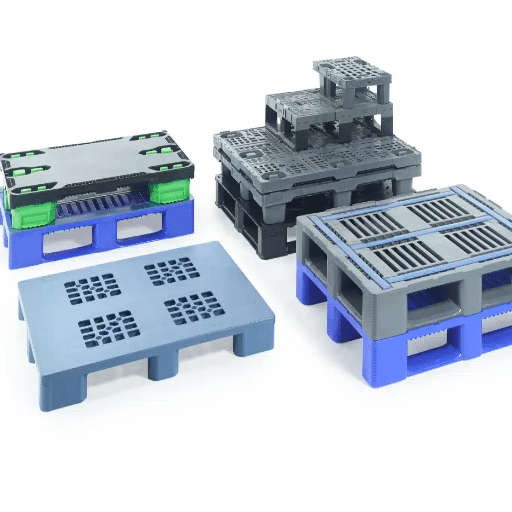
Developments in recycling technologies
The future of plastic pallet recycling will be under the influence of innovations that dwell in material recovery and processing technologies. Emerging methods like advanced chemical recycling and AI-enhanced sorting systems allow mixed plastic materials to be effectively separated and reused. In the end, these developments aim toward the best possible rates of recovery and then the least impact on the environment.
Circular economy integrations
Closed loops for recycled plastics will largely reduce waste. Lately, companies have taken on models whereby used-from-service plastic pallets are brought back, recycled, and remanufactured into new pallets, thus promoting sustainability and resource efficiency.
Government regulations and incentives
Growth in the recycling sector is being driven by increasingly stringent government regulations paired with incentives meant to encourage the adoption of green practices. Policies that promote sustainable manufacturing and mandating high recycling quotas are expected to further push the adoption of recycling-based methods by industries.
Manufacturing More Materials That Are Recyclable
Manufacturers are being drawn into more recyclable and durable polymer types for new pallets. These are meant to ensure that they can be recycled and repurposed more easily at the end of their useful life, making their way toward a long-term sustainability goal.
Innovations in Recycling Technologies
Recycling has immensely evolved due to improvements in automation, material recovery, and chemical processes. AI, robotics, and other related innovative technologies are being incorporated into sorting facilities to classify and separate materials more accurately and efficient than ever before, hence lowering contamination rates. Chemical recycling techniques like depolymerization break down complex polymers to their monomer forms, allowing the materials to be able to be obtained in high quality, by any measure, even exceeding the qualities of virgin materials. Further, enzymatic recycling mechanisms are at a stage of development where they may potentially be able to biodegrade plastics, thereby offering a promising sustainable alternative for materials that are hard to recycle by mechanical means. These developments improve not only the material circulation loop but also the environmental and energy footprints of industries.
Legislative Changes Affecting Plastic Recycling
Some recent legislative approaches have changed the way plastic recycling is practiced. From my point of view, policies such as EPR laws are absolutely vital as they put the manufacturer into the position of being liable for their products throughout the entire production and usage cycle, thus motivating them to opt for recyclable and sustainable materials. The laws do away with single-use plastics on one hand and require higher recycled content in new products on the other. Encouraged to seek innovations for recycling technologies and System-level changes on plastic waste management and circular economies are what these regulations really push.
Moving Towards a Circular Economy
Circular economy is a systemic shift from the traditional “take-make-dispose” feedstock idea toward one that seeks to minimize waste and resource depletion through reuse, repair, and recycling of materials. The concept strives to maximize the use of products, components, and materials for as much time as possible while extracting maximum value from them and returning them safely to nature. The key principles are preventing waste and pollution as a design objective, keeping materials in closed loops, and regenerating natural systems.
Fundamental circular-economy transition strategies include rigid approaches to product design where particular importance is placed on material efficiency and recyclability, as well as industrial symbiosis in which wastes from one process constitute inputs for another. Other strategies comprise development of infrastructure for technologies amenable to scaling recycling, applying digital technologies for product traceability, and motivating companies to pursue remanufacturing. Only through the collaboration of governments, industries, and consumers will a workable policy framework be laid out, consumption behaviors realigned, and innovations borne toward circularity considerations.
Reference Sources
“A Comparative Bibliometric Analysis on Plastic Waste Recycling”
Frequently Asked Questions (FAQs)
How are plastic pallets sorted during recycling?
Plastic pallets are sorted during recycling according to their type and condition. Pallets that are still in good condition may be cleaned to remove any contaminant and industries may take them as-is for reuse; damaged or worn pallets have to be processed to a finer end. This sorting process assures that the recycled materials that are higher in quality are received so that the making of new plastic products can be undertaken.
Can plastic pallets reduce new plastic production?
Definitely, the use of recycled plastic pallets greatly reduces the demand for new production of plastic. By the reconditioning as well as recycling of plastic pallets, the demand for virgin plastics can be decreased, which is conserving natural resources. This works to help the environment as well as decrease the cost for businesses in the supply chain.
What kind of new plastic products can be made from recycled plastic pallets?
The recycled plastic pallets modulate the creation of a large array of new plastic products, such as new pallets, containers, and other industrial materials. The high-quality recycled plastic generated by the recycling process can be adapted with engineering to meet specific industrial specifications.
How can companies benefit from plastic pallet recycling rebates?
Many recycling programs feature particular rebates set forth for companies that actually engage in plastic pallet recycling. These types of incentives work either to mitigate some of the related disposal costs or they actually provide companies with a direct financial incentive to be involved in more sustainable practices. Companies using these rebates can maximize cost savings while contributing to a supply chain that is now greener.
What are the benefits of recycling plastic pallets to the environment?
Recycling plastic pallets holds paramount importance in environmental sustainability, as it involves lessening emissions related to plastic manufacture and landfill sinks for scrap plastic. Hence, in conserving natural resources and giving way to an environment where materials are reused, the recycling of plastic pallets would engender an environmental legacy for future generations.
How does one inquire about recycling plastic pallets?
Companies can ask for a reply or quote from recycling service providers. The recycling service providers usually provide an accurate quote considering the number and condition of the pallets and any other service to be rendered. Having this first insight into the recycling process, the company can now make an informed decision regarding its waste disposal programs.
What is the importance of cleaning plastic pallets before recycling?
Cleaning plastic pallets before recycling is very necessary to remove contaminants that may affect the quality of the recycled material. Pallets that are not cleaned properly may not come into the specifications to produce high-grade recycled plastic. Therefore, ensuring that pallets are cleansed maintains the integrity of the recycling process and allows one to make better-quality products.