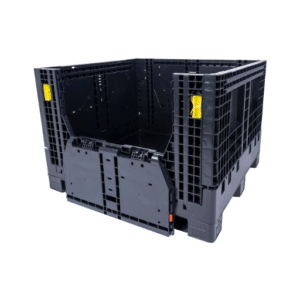
The automobile industry, a domain that is characterized by accuracy, effectiveness, and creativity, heavily depends on logistics and material handling methods that are very strong to facilitate smooth production. One of these methods is the use of automotive pallets, which are the most important and necessary devices that are very well made to carry, hold, and manage auto parts with the highest level of trust. The content will focus on how automotive pallets are able to make the supply chain run faster, keep the parts that are hard to replace safe, and make the whole operation cheaper to do. If you are a manufacturer, supplier, or professional in this field, the knowledge of these pallets’ crucial function will help you reach new heights in performance and sustainability. Be patient as you find out why automotive pallets are a basic necessity in the present-day automotive logistical system.
Understanding Automotive Pallets
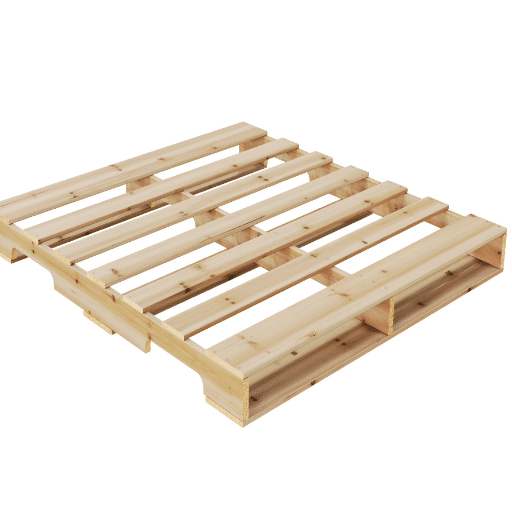
Automotive pallets are custom-made platforms meant for the safe and secure handling, storage, and movement of auto parts in the supply chain. They are built to fit different part sizes, weights, and shapes, thus guaranteeing conformity with the standard equipment of the industry. Their fundamental function is to provide indirect damage protection for parts during the transportation process and, at the same time, to allow the logistics to be more efficient through better stacking and using space effectively. Generally, they are made of plastic or metal, which are strong and can be reused several times, thus contributing to an eco-friendly environment by cutting down on packaging waste. Their application not only results in an efficient supply chain but also in lesser maintenance, which makes them a must-have for modern automotive logistics.
What is an Automotive Pallet?
Pallets for the automotive industry are just the right engineering solutions that are made to fit the exact needs of the automotive sector. These pallets are made to manage a huge variety of components, from tiny parts such as screws and bolts to big, heavy ones like engines and complete transmission systems. Pallets for the automotive industry are very likely equipped with the slots, dividers, or fixtures that are specifically built to hold the parts quickly and immovably, thus preventing movement and at the same time reducing the risk of damage caused by transport.
Automotive pallets have a very high load-bearing capacity among their features, and these are the main ones. Depending on the material, such as high-density polyethylene (HDPE) or steel, these pallets can carry weights ranging from 1,500 to 5,000 pounds max. This capability makes it possible for them to take care of light or heavy components at no extra cost or difficulty. Their dimensions are such that they fit the industry standards, making it possible for the automated material handling equipment, like forklifts and robotic systems, to load and unload them easily, hence logistics get even more simplified.
The sustainability benefits of reusable automotive pallets come out clearly in the data from recent reports. It was found in the studies that adopting durable, multi-use pallets could reduce packaging waste by as much as 70%, signifying timber or cardboard packaging’s eco-friendliness and hence their being referred to as an alternative. Besides, as strong as they are built, they can still carry out over 250 trips before retiring, thus yielding huge savings and cutting down on the inefficiencies of the operating process.
The continuous research of material technology and design is aimed at improving automotive pallet performance. An example of this is Radio-frequency identification (RFID) tagged pallets, which are getting more and more acceptance, resulting in companies being able to keep track of their inventory in real-time, with more accuracy in inventory and supply chain visibility being increased. Undoubtedly, these innovations are reshaping the future of automotive pallet applications, not only in the distribution of parts but also in terms of reliability, durability, and eco-friendliness.
Types of Automotive Pallets
The categorization of the automotive pallets is a wide-ranging process that takes into account different aspects like design, material composition, and the application of the industry.
Standard Pallets
These are flexible pallets that can be used for different kinds of automotive parts, in sizes from small parts to mid-sized assemblies. They are usually made from reliable materials such as plastic, wood, or metal, and to offer general use in the automotive supply chain, standard pallets present reliability and cost-effectiveness.
Custom Pallets
Custom pallets are made according to the particular needs of uncommon automotive parts, for example, odd-shaped pieces or fragile goods. The pallets usually have special inserts, cavities, or dividers that are made to avoid transit damage, thus giving the maximum protection and efficiency.
Collapsible or Stackable Pallets
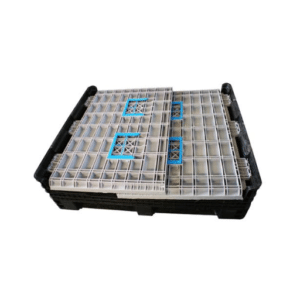
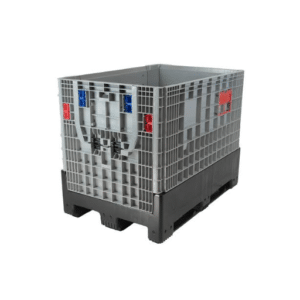
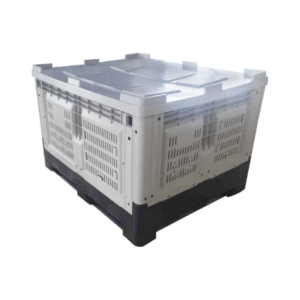
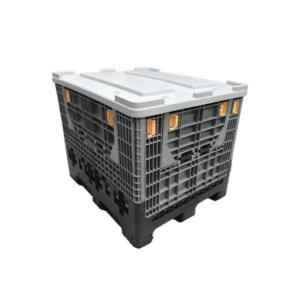
Such pallets are made with a view to full-space use during transportation and storage. Collapsible pallets get folded when empty, and stackable designs give room for vertical loading to be done efficiently. Both types are usually found in high-volume operations where logistics are optimized.
Plastic or Injection-Molded Pallets
The pallets made of high-density polyethylene (HDPE) or polypropylene (PP) are lightweight, impervious to chemicals or moisture, and very durable at the same time. Their durability and recyclability make them a perfect choice to be a sustainable one for the current automotive industry in manufacturing and distribution.
Benefits of Using Automotive Plastic Pallets
Enhanced Durability and Longevity
Plastic pallets for automotive use are exceptionally durable and can handle heavy weight and continued use without going through any changes, such as splintering, cracking, or warping. According to studies, high-density polyethylene (HDPE) pallets can last for about 10 years, where conditions are ideal, which is a significant number compared to the lifespan of traditional wooden pallets that are usually disposed of after 5 years.
Superior Hygiene and Cleanliness
Plastic pallets, unlike wood, basically do not absorb water, thus being less likely to suffer from mold and bacterial contamination. These properties are essential in ensuring the automotive supply chains retain their cleanliness, especially when transporting items that are sensitive, like electronic parts.
Standardized and Precise Design
Plastic pallets can be produced with exact dimensions and load capacities, thus making them suitable for automated handling systems such as conveyors and robotic arms in the automotive warehouses. This form of manufacturing not only improves but also lowers the wear on equipment, thereby increasing overall operational efficiency.
Lightweight and Safe Handling
Weighing on average 30-35% less, plastic pallets are lighter than their wooden counterparts of the same capacity, which in turn reduces shipping costs and allows easier manual handling. Moreover, the installation of such pallets comes with the benefit of smooth edges and no nails or splinters, and thus, the workplace is safe.
Cost-Effective in the Long Term
Although the initial cost of plastic pallets is more than that of wood-based pallets, their longer lifetime and low-cost maintenance result in a good deal of savings in the long run. Some companies have even reported decreases in yearly pallet replacement costs by as much as 40% after shifting to plastic counterparts.
Recyclability and Sustainability
Sustainable supply chains are a priority in the modern automotive industry, and plastic pallets are a big part of this. New products can be made from the recycling of these pallets at the end of their life cycle, and thus, a closed-loop system is created. In addition, using recycled plastics in the first manufacturing process cuts down the need for virgin materials.
Resistance to Chemicals and Harsh Environments
The resistance of automotive plastic pallets to oils, solvents, acids, and other chemicals is their main advantage over other types of pallets. This helps to ascertain their reliability in handling, for instance, lubricants and cleaning agents, which is a reason for their prevalence in automotive manufacturing plants.
Summary: These characteristics, together with the other ones, offer a solution in the form of plastic pallets that is highly efficient, sustainable, and safe, and customized to the particular demands of the automotive industry. Their construction and functionality are in line with the industry’s increasing concern for technological advancement and environmental accountability.
Importance of Pallets in the Automotive Supply Chain

Pallets are considered very important in the automobile supply chain as they make it easy to transport, handle, and store parts and raw materials in an efficient manner. Being designed uniformly, they can be used with automated systems and warehouse equipment, thereby reducing the time and handling costs. Furthermore, pallets act as a safe platform that reduces the risk of damage to the parts during transportation, thus the quality of the product is maintained. As a result, pallets are seen as a means of cutting down costs in logistics, protecting materials at the same time, and allowing goods to pass easily throughout the supply chain.
Role of Pallets in Automotive Logistics
The role of pallets in optimizing automotive logistics is nothing less than pivotal, as they are the primary medium through which the whole automobile components handling, storage, and transportation process is made efficient. The very fact that they are made of uniform dimensions is what makes it possible for them to be easily integrated into automated systems, forklifts, and conveyor systems, thereby speeding up the processes of loading and unloading. Moreover, pallets contribute to the positioning of parts being safe during the journey, thus eliminating, or at least reducing, the likelihood of damage or misplacement. In the automotive industry, however, the importance of precision and quality control is so high that the above-mentioned aspect of pallets cannot even be ignored.
Additionally, the handling of pallets not only allows for a just-in-time (JIT) supply chain to be adopted but also supports the very same concept by ensuring that the required parts and materials are delivered at the right moment, thus cutting down on storage costs and minimizing the wastage of inventory at the same time. The use of specially designed pallets that are custom-made for particular automotive components, such as engines, transmissions, and delicate assemblies, adds even more to the logistical efficiency skills. Thereby, not only do the pallets help in the reduction of cost and the realization of environmental sustainability through better space utilization in warehouses and transport vehicles, but they also do the same for the whole automotive supply chain.
Impact on Supply Chain Efficiency
The automotive industry’s use of pallets leads to direct supply chain efficiency gains due to better handling, storage, and transportation processes. By using pallets, the material flow is standardized, the risk of damage to components during transit is reduced, and the loading and unloading operations are faster. Moreover, the use of returnable or reusable pallets is already a stronghold of a closed-loop supply chain, which cuts down on single-use packaging costs and, at the same time, reduces the environmental impact. All these factors working together, lead times and operational bottlenecks are vastly reduced, thus allowing the manufacturers to be in sync with the production schedules as well as being able to quickly respond to the changing demand. In addition, when companies use smart pallets with tracking technologies, they gain more visibility into the supply chain, which is real-time, thus making it easier to manage the precise inventory and minimize the disruptions caused by unexpected delays. This methodical approach eventually results in overall efficiency and cost-effectiveness optimization in the automotive supply chain.
High-Quality Pallet Solutions for Automotive Parts

The auto industry relies on high-quality pallet solutions to guarantee the safe and efficient transport of parts. These pallets are made with the automotive industry’s distinctive needs in mind, so they can, for example, deal with the exact measurements and weight tolerances of parts like engines, transmissions, and body panels. Reusable plastic or metal pallets are usually the choice due to their long life, less tendency to break, and better for the environment. Besides these, advanced customization options such as dividers, cushioning, and anti-slip surfaces provide additional protection for delicate or irregularly shaped parts.
Modern pallet systems are sophisticated enough that they have smart features like RFID tags and GPS tracking, which offer real-time visibility and traceability throughout the supply chain. This technological integration not only increases inventory control but also reduces risks by quickly spotting and resolving any potential bottlenecks or damages during transit. To add more, these solutions meet the requirements set by the industry and assist manufacturers in cutting costs, thus being an integral part of lean and eco-friendly production strategies.
Materials Used in Automotive Pallet Production
Auto pallets are made of strong and durable materials, which are carefully chosen according to strength, life span, and heavy load resilient characteristics. The most common materials are as follows:
- Wood: The most economical and available material, wood is still largely utilized and offers high load-bearing capacity as well as easy access for repair.
- Plastic: While being light, this material is also very moisture-resistant, chemical-resistant, and corrosion-resistant, which means that it can be used repeatedly in different places.
- Metal (like steel or aluminum): It has the highest strength and life span, hence being the most economical choice in heavy-duty applications, while also providing deformation resistance during catastrophic load situations.
- Composite Materials: Customized solutions that mix characteristics like strength, moisture resistance, and low weight to fit particular supply chain requirements.
The material selection is based on the particular needs of the automotive supply chain, which comprises load capacity, conditions of the environment, and cost, among others.
Plastic vs. Wooden Pallets
| Feature | Plastic Pallets | Wooden Pallets |
|---|---|---|
| Durability | Super durable and very resistant to moisture, chemicals, and pests; can be used without interruption for a long time | More susceptible to damage from moisture, pests, and heavy wear over time, although can be repaired relatively easily |
| Weight | Usually lighter, leading to decreased shipping expenses and increased handling efficiency | Heavier, more suitable for static applications that demand high load-bearing capacity |
| Cost | Higher initial cost, but brings savings in the long run due to longevity and low maintenance needs | Generally less expensive in the beginning, common in one-time shipping or industries with high pallet turnover |
| Environmental Impact | Made from non-renewable resources (petroleum), but can be recycled; poses threat to environmental sustainability | Can be recycled and are biodegradable; however, production requires a lot of timber resources |
Advantages of HDPE in Automotive Pallets
High-Density Polyethylene (HDPE) is a material that comes with various benefits when utilized in the production of pallets for the automotive industry. HDPE has the strength to hold up against heavy and constant use without losing shape or being destroyed. Besides, their natural immunity to such extreme conditions as moisture, chemical exposure, and temperature changes makes them perfect for automotive industry-made and moved products that are usually very tough to handle.
Moreover, using HDPE pallets, which are lighter than wood or plastic pallets, not only saves the shipping freight but also makes handling more effective. In most cases, the design is standardized, allowing for the incorporation of features like anti-slip surfaces and the ability to work with automated processes; thus, it won’t be a problem to cope with the operations in highly mechanized areas. Furthermore, from the viewpoint of the environment, recycling is the final destination for HDPE pallets, with the result being the reduction of the new materials used and waste generated through the landfill and incineration methods. The aforementioned characteristics turn HDPE into an irreplaceable automotive pallet material that not only satisfies the requirement of operational efficiency but also supports the sustainability objective of the company in the long run.
Thermoformed Pallet Options
The production of thermoformed pallets occurs through the use of vacuum forming, which results in the production of light, strong, and economically shipping pallets. The source of the materials for the manufacturing of these pallets is usually HDPE or polypropylene, thus giving the pallets the characteristics of high resistance to moisture, chemicals, and temperature changes. Thermoformed pallets come in one-piece or two-piece designs and serve a variety of industrial requirements that include export, storage, or automated handling applications.
The main benefits of thermoformed pallets are their uniformity, which makes them compatible with standardized machinery, for instance, conveyor belts or robotic systems, and their stackable design, which results in more efficient storage. Moreover, they can be used for one-way shipment as their weight is light, thus making the transport cost cheaper without the performance being affected. One of the amazing things about the whole process is that it produces very little material waste, thus it is in line with sustainability goals and also encourages recycling in different industries.
Thermoformed pallets for critical applications can come with features such as reinforced corners, anti-slip surfaces, or nestable configurations, thus enabling them to be customized based on the specific handling and transportation requirements. This adaptability has led to their being favored by the automotive, pharmaceutical, and fast-moving consumer goods (FMCG) sectors.
Custom Solutions for the Automotive Industry
The automotive industry benefits a lot from thermoformed pallets in tackling various logistical and operational needs. The pallets can be designed according to the requirements to properly secure the different components, which can be big parts like bumpers or small and sensitive items to be as sensors or electronic modules. The lightweight design of the pallets makes shipping cheaper without compromising the strength required to carry heavy loads. Moreover, stackability and precise fitment are some of the features that help in optimizing storage, protecting parts throughout the transportation process, and meeting the industry’s standards for quality and efficiency.
Custom Automotive Pallets: Design and Functionality

Custom automotive pallets have changed a lot since the use of new materials and processes; now, they are considered essential for supply chain management in the auto industry. New designs for pallets are more and more made of high-density polyethylene (HDPE) and recycled plastics, both of which give better durability and, consequently, lower environmental impact. The durability of the materials comes from their traits, i.e., they withstand the attack of chemical substances, moisture, and temperature change, making them reliable for a long time under very difficult conditions of operation.
There has been a shift towards modular designs for custom automotive pallets, as depicted in the latest data reports, which have been the trend of accommodating different component shapes and sizes. For example, the use of stackable and collapsible pallets allows for a significant improvement in warehouse space, and they can also provide up to a 50% cut in storage space when empty. Furthermore, customized dividers and inserts provide safe compartmentalization, thus reducing the risk of parts getting damaged during transportation.
Moreover, further innovations have seen the inclusion of tracking technologies like RFID (Radio Frequency Identification) and IoT-enabled sensors into pallets. The use of these technologies guarantees operating visibility for logistics in real-time, allowing manufacturers and suppliers to know where the pallets are and how the inventory is managed. Reports from the industry state that RFID pallet systems can elevate operational efficiency by as high as 30%, hence, the cutting down of delays and loss of critical automotive components.
Custom automotive pallets, by virtue of their cutting-edge design combined with sustainable materials and smart technologies, are an absolute necessity for the tough demands of modern automotive supply chains. Their technical sophistication guarantees logistics that are smooth, cost-efficient, and extremely protective of high-value parts.
Selection of High-Quality Suppliers
The selection of top-notch suppliers for the customized automotive pallets is a complex process, which, besides being an essential part, also affects the efficiency and the reliability of the supply chain directly. Firstly, technical capabilities of the supplier should be taken into account, for instance, their know-how with advanced materials, precision manufacturing, and smart technologies integration, such as RFID tracking smart toys. Measure their performance by looking at certifications, for example, ISO 9001, which is a mirror of their dedication to quality management systems. Supplier’s operational capacity and scalability must be analyzed to make it sure that the supplier can not only meet the present production volumes but also the demands of future growth.
Moreover, considerations of the environment and sustainability are becoming more and more important, and thus, they are being included among the selection criteria. Suppliers who use eco-friendly materials and put in place sustainable production methods should be chosen, as these practices are in line with the industry’s demand for reducing its carbon footprint. Lastly, it is advised to select suppliers who provide the most supportive services, such as design customization, rapid prototyping, and strong after-sales support, to extract the maximum value and also to guarantee the success of the long-term collaboration.
Sustainable Solutions in Automotive Pallet Manufacturing
Environmental Responsibility
The transition to sustainable production of automotive pallets includes the use of eco-friendly methods even when the company has to meet the highest standards of efficiency and durability. The use of recycled or biodegradable materials in palletting almost completely reduces the environmental impact by saving materials and cutting down the waste. The application of modern design methods, like modular or lightweight buildings, not only improves the reusability of the pallets but also increases their transport fuel efficiency, which reduces both the cost and carbon emissions.
Moreover, today’s manufacturers are more and more committed to energy-efficient production processes and practices, such as using renewable energy sources and less water, to be on par with the global sustainability goals. Pallet lifecycle management through closed-loop systems comprising take-back and refurbishing programs leads to constant reuse and hence reduces reliance on raw materials. Certification through ISO 14001 and similar programs not only confirms a supplier’s adherence to environmental standards but also opens up strategic automotive partnerships, thus becoming a key criterion in the industry.
The automotive industry, by adopting all these environmentally friendly practices, not only fulfills the changing regulatory needs but also takes the much-needed step forward of showing the planet, by being part of a circular economy, its green effort within the automotive supply chain.
Cost-Effective Pallet Solutions

Cost-effective pallet solutions are very important in the process of supply chain operations, as they also help to reduce the overall cost. Among the different types of pallets, the lightweight and reusable ones take the lead in reducing the material costs and increasing the efficiency of transport due to their lower weight. Besides, taking advantage of modular designs can even further prolong the life of the pallets since it will allow individual replacement of the damaged parts instead of throwing away the whole unit. Moreover, the pallet pooling programs with third-party providers that share and manage the pallets can cut down the need for initial investment and provide quality assurance. These methods not only make logistics management easier but also bring about cost savings in the long run.
Evaluating the Cost of Automotive Pallets
The price of automotive pallets is determined mainly by key factors like the type of material used, the sturdiness, and the possibility of customizing the product, as well as the whole life cycle value. Pallets made of wood are offered at a lower price at the very beginning, but they might lose their quality and thus incur higher maintenance or replacement costs during the life cycle. On the other hand, plastic pallets usually require a higher initial investment, but they offer durability, resistance to the elements, and a longer life cycle, thus being a good value for the money if used for the long haul. Steel or metal pallets, though very costly, are the strongest and have no competition when it comes to heavy loads and certain applications.
The customization of the product, like the size, weight limit, and special features to be incorporated, can be the main reason for the increase in costs. Such a degree of tailoring is often needed for automotive parts. Another factor contributing to the logistics being expensive is the lack of effective transport. In this regard, stacking or nesting pallet designs can help. Implementing pooling programs or opting for leasing can also lessen the initial financial burden since these methods provide an efficient solution compared to outright purchase, while at the same time guaranteeing quality and availability.
In order for a company to get the right cost for the automotive pallets, it is not only the initial price that has to be looked at, rather the long-term savings, operational efficiency, and environmental sustainability have to be taken into account. Weighing the pros and cons of the different materials and including the costs of handling, maintaining, and replacing them in the calculations will enable companies to make informed decisions that suit their logistics needs and their financial limits.
Long-Term Benefits of Investing in Quality Pallets
The practice of investing in quality pallets is an assurance of substantial long-term benefits that include, among others, improved durability, lowered maintenance costs, and increased operational efficiency. The use of high-quality pallets greatly reduces the possibility of the product being damaged during transportation and handling, which in turn results in smoother logistics and fewer interruptions. Moreover, they usually last longer, which means that the company will not have to replace them as often, thus the overall cost will be lower. Moreover, the use of sustainable pallet solutions is a way of aligning my operations with environmental objectives; thus, the company will be able to increase its reputation as a responsible corporate citizen and its compliance with industry standards.
Case Studies of Successful Pallet Implementations
1Enhanced Supply Chain Efficiency with Recycled Plastic Pallets
An international retailer made a significant change by moving their operations from traditional wooden pallets to full plastic pallets made from recycled materials 100%. This change contributed to load-carrying efficiency increasing by 30% caused by the consistency and light structure of the plastic pallets. Moreover, the loss caused by the breakage of pallets due to wear once occupied by plastics was reduced by 50%, which meant that the retailer incurred less cost in replacements and repairs. Furthermore, the retailer’s carbon footprint was lowered more than 20% which was in line with their sustainability targets and positively influenced their market reputation.
2Improved Warehouse Operations in the Automotive Sector
An automotive parts manufacturer has implemented a reusable pallet pooling system to make warehouse operations more efficient. The integrated use of RFID-equipped pallets enabled real-time inventory tracking, which led to a drop of 60% in manual errors. The time spent in warehouse handling has been made more efficient due to this innovation, and it has also contributed to the practice of lean management. Furthermore, the pooling system resulted in no need for new pallet purchases being made, hence resulting in a 15% cut in logistics costs every year and at the same time facilitating the use of sustainably sourced resources.
3Food Industry Compliance Through Hygienic Pallets
A global food processor changed from untreated wooden pallets to plastic ones that are high-quality, HACCP-certified. These pallets exhibited the highest level of hygiene, thus no contamination risk from the porous wooden materials. The food company was able to comply with stringent safety regulations while incurring reduced cleaning and maintenance costs. Moreover, the longer lifespan of the plastic pallets translated into a 25% annual reduction in pallet expenditure, thus showing both operational and financial improvements.
Reference Sources
Development of Logistics Management and Relationship with Industry
Frequently Asked Questions (FAQs)
What are automotive pallets?
Automotive pallets are the whizzy pallets that are built catering to the specific wants and needs of the auto industry. These pallets will hold up against the international shipping and storing of auto parts, and all that tougher treatment, without losing their integrity.
Why are plastic automotive pallets preferred in the automotive industry?
Plastic automotive pallets have a very long life, and they are extremely strong, thus very good for transporting heavy car parts. Being light helps to lower the cost of transportation, while the resistance to moisture and chemicals provides longer life.
What types of plastic containers are suitable for automotive applications?
In the auto industry, plastic containers that are for automotive logistics are very popular. These boxes are made to meet the needs of the industry and are thus very good at handling the transportation and storage of electronic parts and car parts.
How do pallet collars enhance the functionality of automotive pallets?
Pallet collars are multipurpose hardware that can be fastened to the automotive pallets to make a secure and tidy system for the movement of auto parts. They will not only create efficient space utilization but also act as a barrier to the products during shipping across the country.
What are the benefits of using custom pallets for the automotive supply chain?
Custom pallets for the automotive supply chain are designed to meet your precise requirements. This precision in design guarantees that the pallets are tailored to the specific needs, thereby achieving maximum use of the area and cutting down on waste in transporting and storing.
How do heat-treated pallets comply with packaging regulations?
Heat-treated pallets are in conformity with the packaging regulations laid down by IPPC ISPM 15, which concerns international shipping. This measure taken prevents infestation by pests and at the same time guarantees the safety of pallets in the transportation of automotive products across borders.
What makes plastic automotive pallets a sustainable solution?
Plastic automotive pallets are usually made from recycled materials; additionally, they can be recycled again, so they are an environmentally friendly option. Their durable characteristics mean that they will not be replaced frequently, thus contributing to the sustainability of nature.
How do automotive pallets contribute to cost-effective logistics?
Automotive pallets are a cost-effective logistics solution because they are lightweight and durable, which together allow for very low transportation costs. Besides, their stacking capability leads to smaller space requirements and better logistics processing in the already crowded automotive industry.
What are the advantages of using a selection of high-quality automotive pallets?
The existence of high-quality automotive pallets guarantees the reliability and performance of parts transportation in the automotive sector. For hardships like heavy loads and rough conditions, these pallets become long-lived solutions for both manufacturers and suppliers in the automobile market.