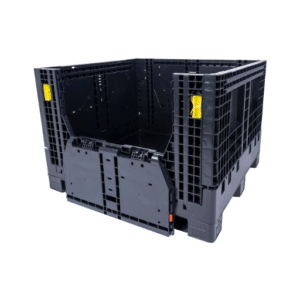
Pallets are at the center of efficient black hole operations. An increase in storage demands and increased complexity of the supply chain demand that every warehouse tries to maximize space utilization, minimize inventory control, and optimize workflow. This article speaks about the proven pallet organizing methods and best practices that save time and resources while increasing operational accuracy. From a small warehouse to a large distribution center, these strategies could do miracles for performance. So, gear up to absorb some invaluable insights and implementations that will take your warehousing systems to a whole new level.
Understanding Pallet Organization

Pallet organization entails the strategic placement of goods on pallets to allow for maximum space utilization, stability, and ease of handling. Ideally, items should be placed uniformly, and the weight criteria should be met so as to arrest tipping. Additionally, the pallets should be visibly labeled for easy identification when retrieving them. Utilization of standard sizes of pallets and items of the same nature would increase efficiency and lower errors during retrieval. Further enhancement of organization and operational flow can be undertaken through the integration of tools such as pallet racks and automation to reduce manual labor.
What is Pallet Organization?
Pallet organization refers to an established manner of arranging and storing goods onto pallets to maximize space utilization, promote efficiency, and providing safe handling in warehousing and transportation. This includes grouping products according to size, weight, and type; maintaining even weight distribution to avoid damage or other incidents during handling; and using standard pallet dimensions for easier interchangeability during logistics. Appropriately labeled products with similar contents are grouped for faster retrieval and proper inventory checks. Further techniques include applying pallet racks and automated systems to maximize storage, minimize manual handling, and further improve operational workflows.
Importance of Proper Pallet Storage
Enhanced Safety and Damage Prevention
Proper pallet storage is important to maintain safety inside the workplace while ensuring minimum product damage. Efficient storage methods allow businesses to control hazards such as pallet collapse or uneven stress load on product materials, leading to accidents and/or financial losses. A good pallet-storage mechanism will be OSHA-compliant and maintain safety standards to ensure organizers are held accountable.
Efficient Space Utilization
Using a good storage system helps compress warehouse space to minimize clutter and makes everything more accessible. For instance, one can use the vertical stacking technique, standards on pallet sizes, and an adjustable racking system for scalable solutions depending on inventory requirements. Apart from being an efficient utilization of storage density, there is no extra wasted space, so it helps cut down on cost.
Streamlined Operations and Cost Savings
Proper pallet structure is the key factor in efficient supply chain functioning: it enables faster picking, packing, and shipping. Using automated systems, barcodes, and clear labeling for inventory tracking will reduce the time taken for goods to be retrieved and minimize human errors. All these things translate into a reduction in labor costs and faster order fulfillment, which goes a long way in operational excellence and customer satisfaction.
Common Challenges in Organizing Pallets
Lack of Standardization
One of the main problems is the diversity in sizes and designs of pallets, which brings inefficiencies in stacking or storing them. It is troublesome to ponder over the calculations of warehouse space, and handling time increases as workers have to keep adapting to changing pallet specifications.
Mismanagement of Inventory
Incorrect inventory management leads to delays in stock being placed for orders poor inventory labeling system or inaccurate records about pallet contents lead to misplaced stock and delays in orders. It becomes cumbersome to track down and retrieve the right pallets if there are no proper inventory management systems.
Overloading & Weight Disbalance
When a pallet is overloaded or the weight is unevenly distributed, its structure weakens, thereby causing damage to goods and safety hazards to workers. The faster-and-the-less-well-protected-from-loading processes are the worst culprits in this matter.
Inefficient Use of Space
Pallet stacking or storage strategies, when inefficient, leave warehouse space underutilized. Pallets may be stored badly, not allowing for the maximization of vertical and horizontal space, directly impacting overall efficiency.
Limited Training and Awareness
A few hours of training for warehouse staff can be organized; however, it is seldom about the proper handling of pallets, and therefore, errors and inefficiencies that are avoidable occur. Lack of standard operating procedures, followed to an extent, further exacerbates the problem, leaving workers unprepared to meet challenges efficiently.
Solution: On the other hand, a streamlined approach to the above problems, including automation, a real-time tracking system, and an empowered workforce, mitigates these risks and improves overall pallet organization.
Strategies to Organize Your Pallets

Implement Clear Labeling Systems
Use clear and consistent pallet labels for the content, destination, or priority levels. This reduces confusion and allows for faster identification and retrieval.
Apply FIFO and LIFO Principles
Apply either the first-in, first-out or last-in, first-out methods for your inventory, depending on its nature, price, and perishability, to maintain stock rotation and prevent the spoilage or obsolescence of stocks.
Use Appropriate Storage Zones
Use zones designated for their product type, frequency of use, or priority for shipping. This would make it easy to access and optimize aisle space.
Carry Out Regular Inspections
Periodic audits and inspections are to be held in order to facilitate the early identification of misplaced pallets, damaged materials, or inefficiencies in the system.
Invest in Racking Systems
A good racking system maximizes the use of vertical storage space and sustains a safe and orderly environment for the placement of pallets.
When implementing these strategies, warehouses gain efficiency, reduce handling errors, and achieve better inventory control.
Warehouse Layout Optimization
The layout for the warehouse setup should be optimized for operational efficiency and cost control. The focus here is to ensure good workflow, reduced travel distances, and efficient space use. Some guiding principles that should be considered in layout design are:
Zoning and Flow Design
Divide your warehouse into clearly marked zones for receiving, storage, picking, packing, and shipping. The layout should ensure a smooth flow of materials between these zones with minimum backtracking or cross-traffic.
ABC Analysis for Inventory Placement
Use the ABC classification system and place in the most accessible areas those items that are most frequently demanded (A). Items with medium demand (B) and low demand (C) can be stored farther away, thus lessening retrieval time for highly demanded items.
Maximize the Vertical Space
Install vertical racking systems to take advantage of overhead space. Safety should be ensured; for example, adherence to load limits is necessary, said limits being reinforced to prevent accidents.
Implement Efficient Material Handling Equipment
Equip the warehouse with forklifts, conveyors, and automated picking systems optimized for the layout. These tools ensure efficient movement and reduce manual activities.
Utilize Data-Driven Layout Adjustments
Make use of warehouse management software (WMS) to understand traffic patterns, storage space usage, and order picking times. Regularly review these metrics to adjust the design if changes in order flow require it.
Key Insight: Essentially, a combination of zoning efficiencies, strategic product placement, vertical storage, and sophisticated material handling technologies will ensure the warehouse has optimal layouts that eliminate waste while boosting productivity.
Utilizing Racks and Stacks Effectively
To maximize the utility of racks and stacks, it is essential to implement orderly storage procedures specific to the needs of the warehouse. Start by cataloging inventory according to dimensions, weight, or demand frequency; high-turnover goods would require placement in areas of easy access to expedite retrieval processes. Use adjustable racking systems such as selective pallet racks or cantilever racks to provide space variability to products and allow for vertical space optimization. Package structures shall also be stacked safely by the lowest allowable limit as per the load capacity, standardized pallet sizes, and set a uniform stack height to prevent any form of collapse or structural damage.
A storage system must be regularly maintained to make sure that it is sturdy and can last for years. An automated storage and retrieval system, or AS/RS, can increase efficiency by reducing manual handling and speeding up order fulfillment workflows. These strategies allow warehouses to maximize utilization, eliminate production delays, and maintain clean spaces to perform safe and organized work.
Category-Based Organization
Category-based organization is one method of inventory organization that sorts product or item types into categories to enable swift picking and enhance operational efficiency. It is indeed the best option for warehouses having diversified inventories since goods can be logically placed and retrieved. Grouping items according to shared attributes such as size, function, or demand frequency allows warehouses to minimize search times and develop picking routes.
Behind feasibility, establishing category hierarchy via data analysis concentrates on recognizing patterns of storage and retrieval. Depending on the WMS used, one can, from there, monitor the warehouse in real time and more accurately forecast inventory. Essentially, this implies that items of demand would be able to go into easy-access zones, while those rarely called upon will be assigned to lower-priority zones. Category-based organization reduces many inefficiencies, clears workflows, and so lowers overhead costs.
Pallet Management Techniques

When implemented efficiently, pallet management processes become a prime candidate to rapidly optimize warehouse operations and minimize wastage. Among the areas to concentrate on: proper pallet stacking to maintain stability and safety; periodic inspection and repair to lengthen pallet life; and using standard pallet sizes to facilitate storage and transport. If facilities have a means of tracking these pallets, via barcode labels or RFID tags, inventory control shall be nearly flawless, as this would reduce incidences of loss or misplacement. Also, the reuse or recycling of pallets helps save costs and further sustainability.
Implementing Warehouse Management Software
Warehouse Management Software (WMS) encompasses computerized solutions that help streamline warehouse operations, improving efficiency and accuracy at every stage of inventory manipulation. There are certain critical steps involved in implementing a WMS. Firstly, it is crucial to do a thorough evaluation of the current workflow within the warehouses and see where automation, data tracking, or other such technologies can add improvements. Afterward, it is a matter of choosing a system that fits the scale, complexity, and operational goals of the organization, where important features should be inventory tracking, order management, and existing system integration.
The deployment phase goes through hardware installation and software installation with configuration of each component to suit operational requirements; training of staff is also carried out to ensure that workers can utilize the new tools. Some of the benefits of a WMS include real-time inventory visibility, picking and shipping accuracy, and the generation of detailed reports for data-driven decision-making. It also facilitates the integration with other enterprise systems, such as ERP and TMS, to further streamline supply chain processes.
Lastly, since a WMS needs to be continuously evaluated and altered with respect to changing business needs, it will ensure better scalability in the long run, compliance, and operational excellence. Performing regular audits of the system’s performance combined with user feedback will result in continuous improvements and cost savings.
Monitoring Pallet Efficiency
Then we have the efficiency in the pallet, which is paramount with respect to warehousing, as it affects how well the available warehouse space is utilized, inventory accuracy, marketing, and delivery performance. Some measures of pallet efficiency include the utilization rate of pallets, which shows whether the pallet space has been used effectively, and the turnover rate of pallets, which measures that the pallet has been used several times within a given time period. Pallets may be better tracked with technologies like RFID tags and IoT-based sensors that help gather real-time data about the movement of pallets.
Furthermore, WMSs enable automated analysis of trends in pallet usage, thus minimizing the risk of human error and optimizing storage configurations. Regularized pallet performance auditing is necessary for establishing inefficiencies like underutilization, damage, or unsuitable stacking patterns; correction is then taken into action. Lastly, standardizing pallet types and sizes throughout the supply chain helps to improve loading, transportation, and unloading processes while further streamlining operations. All in all, these processes make an upfront investment in realizing pallet efficiency and operational cost minimization.
Best Practices for Pallet Storage
Pallet storage facilities greatly contribute to maintaining efficient and safe supply chain systems and practices. For optimal pallet storage, warehouses must focus on organization and standardization. Best-practice suggestions require an amalgamation of information from all authoritative references:
Using Vertical Space to the Millimeter
To improve warehouse capacity, install a racking system that uses the whole vertical space available. Selective racking, drive-in racking, or push-back racking should be chosen according to storage requirements for enhanced stock accessibility and reduction in brick-and-mortar floor space.
Load Weight Considerations should be Observed
Keep an even weight distribution over the pallets or racks of supplies to prevent accidental tipping. Follow the load capacity limits of the racks and the pallet, and inspect for damage or faults of either that would render them unstable.
Embody FIFO or LIFO Methods
Inventory Rotation: Utilize either FIFO or LIFO type storage systems, depending on the operational needs, for inventory rotation. These methods assist in keeping the items fresh and thus prevent spoilage, especially if they are perishable.
Maintain Aisle Clearances
Make sure that the aisle width is sufficient for the smooth movement of forklifts and pallet jacks. This improves operational efficiency and reduces possible collisions or unintended delays in product handling.
Regular Inspection of Racks and Pallets
Inspect storage racks and pallets regularly for areas of wear, damage, or misalignment. Immediate corrective action can prevent accidents and costly interruptions.
Employing these techniques enables warehouses to enhance storage efficiency, workplace safety, and overall operation.
Advanced Pallet Organization Techniques

Implement Systematic Labeling
Labels must be clear and consistent with necessary information included therein, such as product types, sizes, and expiration dates, to name just a few. Doing so would ease inventory control and diminish picking errors.
Group According to Product Similarity
Pallets are arranged by grouping similar products. It reduces value time to locate items for picking.
Take Advantage of Vertical Space
Place bulkier items that are seldom accessed at higher pallet levels, while more in-demand ones should be kept at an accessible height so that it can build efficiency.
Mark Zones for Storage
Properly marked zones should be made for typical categorizations so that they can include anything from cold storage, items-to-hazard, or bulk items, etc., keeping it orderly and safe.
Practice the First-In, First-Out (FIFO) System
With pallets arranged in such a way that makes inventory go under dispatch first, it will avoid obsolescence while also managing inventory turnover effectively.
Organizing Pallets by Category
Organizing pallets by categories is key to gaining maximum efficiency in warehouse activities and smoothing operations. Start by sorting the inventory by all traits that it might share, such as product type, size, storage requirements, and the like. Thereafter, clearly mark the pallets to prevent any mishaps and easy identification while retrieving. Barcode or RFID-based identification can be used to track and categorize items while making sure such classification is precise. Next, place the categorized pallets into zones designated to specific warehousing concerns, such as units for perishables, units for dangerous materials, and so forth. Accessibility-wise, place high-frequency categories closer to the docks or central nearby aisle so as to minimize their travel distance. The insertion of an inventory management system would help streamline the process all the more, giving real-time data on stock levels and locations. This systematization will ensure safety, smooth flow, and mitigate the chances of misplaced goods or time lapses.
Developing a Long-term Pallet Management Strategy
An effective long-term pallet strategy considers factors of lifecycle efficiency, sustainability, and adaptability to changing operational demands. First, consider the quality and longevity of a pallet, selecting materials according to operational requirements and environmental considerations-whether wood, plastic, or metal, depending on the application. Implementing routine maintenance and repair of pallets to maximize their lifespan would reduce the overhead costs and become less of a threat to the environment.
Employ technologies such as RFID or barcode tracking to keep an eye on the usage of the pallets so that they can maintain accurate inventory management and prevent losses. Another important element would be to promote recycling or buy-back programs for damaged pallets so that they do it in an environmentally responsible manner.
When one has partnered with an efficient pallet pooling agency, the burden of ownership is reduced; it allows flexibility in scaling their operations while guaranteeing the pallet supply. Periodically check into the efficiency of pallet management so as to make adjustments in logistics requirements for cheap and sustainable outcomes.
Evaluating Your Current Pallet Organization System
Begin by analyzing how you manage your inventories and storage systems so you can determine how to evaluate or appraise your pallet organization system. Are they utilizing the warehouse space cleverly? Are the pallets in their positions or easily accessible to the division for further smooth operation? Check whether your method of stacking is as per the industry norms regarding safety from injuries and accidents, or damage.
Consider the durability and also the condition of the pallets in circulation. In general, very good quality pallets offer greater assurance against damage to the product and are cost-effective, other than secondary replacement in the distant future. Then, calculate your cycle times in order to detect any existing inefficiency in the handling or processing of pallets. And any automated system used for tracking–whether RFID or barcode scanning–will give you real-time information about pallet movement, which can then be used to identify bottlenecks.
Consider the pricing for repairing, replacing, storing, and transporting pallets. Determine whether these costs outweigh the benefits of alternative systems such as pallet pooling or material upgrades. The practice of benchmarking against prevailing industry standards and competitor practices acts as a guarantee of cost efficiency and sustainability.
Case Studies in Effective Pallet Organization

Case Study 1: Retail Distribution Center Optimization
A pallet pooling system was implemented by a big retail company to streamline its logistics operations. By employing a managed pooling service, as opposed to the traditional use of one-way pallets, the company saved 30% of its costs for repairs and replacements. The system, however, remained beneficial with regard to the availability of pallets and the reduction of operational downtime, hence aiding the efficiency of operations. This system was tracked regularly through RFID technology, which facilitated real-time inventory control and assisted in minimizing errors during transit.
Case Study 2: Manufacturing Facility Space Utilization
Facing storage constraints, one manufacturing unit redesigned pallet organization by going vertical with their stack systems and made all pallets uniform in size. This change added up to 20% more space and less time for workers to locate and retrieve pallets. Coded labels brought in another layer of ease, allowing workers to identify pallets swiftly way to enhance productivity.
Case Study 3: Sustainability Through Material Innovation
The logistics company needed to go a step further with sustainability measures to help their program by replacing wooden pallets with light, recyclable plastic pallets. The material change reduced transportation costs owing to lighter pallets, with extended life cycles for the pallets, hence reducing waste by 40%. The company realized lower damage frequency during shipping with these sturdy pallets, keeping repair costs down in total.
Key Takeaway: One can distinguish action items from these examples for pallet handling optimization that will result in an enhanced performance level as per operational needs.
Successful Warehouse Transformations
Achieving a successful warehouse transformation is about streamlining processes, introducing new technologies, and using data-driven strategies to enhance efficiencies. Industry-leading studies highlight several critical components:
Automation & Robotics
Implementation of automated systems improves manual reduction and order fulfillment accuracy, providing optimal workflows with different types of systems, such as AMRs and conveyor systems. Automation minimizes errors during processing and picking or packing speed-again, crucial for these high-demand cycles.
Warehouse Management Systems
A strong warehouse management system allows real-time inventory tracking, higher space utilization, and better decision-making from advanced analytics. Integrated WMS solutions further enhance communication between different functional areas of warehouses, thus removing bottlenecks and inefficiencies.
Inventory Optimization
Data analytics and forecasting tools guarantee inventory levels in tune with the demand pattern, reducing overstocking or understocking. Using mechanisms like the ABC analysis-a system of grouping inventory items based on their value or turnover rates-can enhance control on inventory distribution and replenishment cycles.
These methods bring to the fore the necessity of linking the warehouse with technology and strategic planning. This linkage will bring about tangible improvements in productivity, lower costs, and customer satisfaction.
Lessons Learned from Pallet Organization Failures
From tracking the downfall of various pallet organizations, I realized several ways to avoid an undesirable situation: The labeling must be visibly clear, and the inventory must be tracked with absolute consistency. When items are not well identified, the processes for finding said articles usually become time-consuming and error-prone. Inefficiently allocated spaces between pallets usually impede workflow and foster a risky environment for goods to be damaged. This powerlessness to enlist a laid-out plan of action almost always creates confusion and mismanagement, reinforcing the need for a laid-out but flexible plan for pallet storage.
Innovative Solutions in Pallet Management
To improve pallet management and to address common problems, several innovative solutions have been developed with advanced technologies and principles of strategic planning:
Utilizing RFID and Barcode Systems
RFID, an acronym for Radio Frequency Identification, and barcode technology allow real-time tracking and inventory management. Pallets tagged with codes that can be scanned ensure faster identification by warehouse operators, minimizing human errors and reducing the time involved in retrievals.
Adopting Automated Storage and Retrieval Systems (AS/RS)
AS/RS is highly efficient for optimizing space and accessibility. Automated machinery, shuttles, and robotic cranes control pallet placement and retrieval with great precision, limiting manual handling and fostering the use of vertical storage space.
Using Warehouse Management Software (WMS)
Advanced WMS platforms have strong tools to design systematic layout plans, monitor stock levels, and organize pallets perfectly according to operational requirements. These systems allow for strategic spacing, minimize picking times, and retain a good flow of work.
Optimizing Storage Configuration
Dynamic racking solutions, such as adjustable pallet racks or high-density drive-in systems, offer flexibility in catering to changes in product dimensions and weights. These arrangements optimize available space and ease the access of goods, thus reducing damage and inefficiency.
Integrating IoT and Predictive Analytics
IoT devices combined with predictive analytics improve data-driven decisions with respect to pallet management. Sensors monitor environmental conditions such as temperature or humidity to ensure goods are stored in correct conditions, while analytics predicts demand trends to optimize stock levels.
Through the exploitation of these newest techniques, warehouses might realize significant efficiency improvements in operations, forming, accuracy, and the safety side for pallet management processes.
Comparative Analysis: Traditional vs. Modern Pallet Management
| Aspect | Traditional Pallet Management | Modern Pallet Management | Key Benefits |
|---|---|---|---|
| Tracking Method | Manual logs and paper records | RFID tags, barcode scanning, IoT sensors | Real-time visibility, reduced errors |
| Storage Organization | Fixed shelving, horizontal storage | Adjustable racking, vertical optimization | 20-40% increased storage capacity |
| Inventory Control | Periodic physical counts | Automated WMS with real-time updates | 99%+ inventory accuracy |
| Material Handling | Manual forklifts and workers | AS/RS, AMRs, automated systems | Faster retrieval, reduced labor costs |
| Space Utilization | 50-60% efficiency | 80-90% efficiency | Maximized warehouse capacity |
| Cost Structure | High labor, low technology investment | Lower labor, higher technology ROI | Long-term cost savings |
| Safety Standards | Basic OSHA compliance | Advanced monitoring and alerts | Reduced workplace accidents |
| Sustainability | Limited recycling programs | Pallet pooling, material innovation | 40% waste reduction |
Implementation Roadmap for Pallet Organization
| Phase | Timeline | Key Activities | Expected Outcomes |
|---|---|---|---|
| Assessment | Week 1-2 | Evaluate current system, identify pain points, measure baseline metrics | Comprehensive audit report |
| Planning | Week 3-4 | Design new layout, select technologies, develop budget | Detailed implementation plan |
| Technology Selection | Week 5-6 | Choose WMS, RFID systems, racking solutions | Vendor contracts finalized |
| Installation | Week 7-10 | Install racking, implement software, set up tracking | Infrastructure ready |
| Training | Week 11-12 | Staff education, process documentation, safety protocols | Team fully trained |
| Testing | Week 13-14 | Pilot program, identify issues, adjust procedures | System validated |
| Full Deployment | Week 15-16 | Roll out across warehouse, monitor performance | New system operational |
| Optimization | Ongoing | Continuous improvement, regular audits, adjustments | Sustained efficiency gains |
Key Performance Indicators for Pallet Management
| KPI | Description | Target Benchmark | Measurement Method |
|---|---|---|---|
| Pallet Utilization Rate | Percentage of pallet space effectively used | 85-95% | WMS analytics |
| Pallet Turnover Rate | Number of times pallets are cycled per period | 10-15 times/month | RFID tracking data |
| Storage Density | Cubic feet of storage per square foot | 3:1 ratio or higher | Layout analysis |
| Picking Accuracy | Percentage of correct picks | 99.5%+ | Order verification system |
| Retrieval Time | Average time to locate and retrieve pallet | Under 5 minutes | Time-motion studies |
| Damage Rate | Percentage of damaged pallets/products | Less than 2% | Inspection reports |
| Safety Incidents | Number of pallet-related accidents | Zero incidents | Safety logs |
| Cost Per Pallet | Total management cost per pallet | Industry-specific | Financial analysis |
Key Takeaways and Summary
Essential Points for Successful Pallet Organization
- Strategic Planning is Fundamental: Effective pallet organization requires comprehensive planning that considers space utilization, workflow optimization, and safety standards.
- Technology Integration is Critical: Modern solutions like WMS, RFID tracking, and AS/RS systems dramatically improve efficiency and accuracy in pallet management.
- Standardization Drives Efficiency: Using uniform pallet sizes and consistent labeling systems reduces handling time and minimizes errors throughout operations.
- Vertical Space is Underutilized: Implementing proper racking systems can increase storage capacity by 20-40% without expanding floor space.
- Category-Based Organization Enhances Productivity: Grouping similar products and organizing by demand frequency significantly reduces retrieval times.
- Regular Maintenance Prevents Costly Issues: Periodic inspections of pallets and racking systems prevent accidents and extend equipment lifespan.
- FIFO/LIFO Systems Reduce Waste: Proper inventory rotation prevents spoilage and obsolescence, particularly critical for perishable goods.
- Training Empowers Workforce: Well-trained staff who understand proper handling procedures minimize errors and improve overall efficiency.
- Data-Driven Decisions Optimize Performance: Using KPIs and analytics to monitor pallet efficiency enables continuous improvement and cost reduction.
- Sustainability Creates Value: Pallet pooling, recycling programs, and material innovation reduce environmental impact while lowering costs.
Conclusion
Effective pallet organization is not merely a warehousing task—it is a strategic imperative that directly impacts operational efficiency, cost management, and customer satisfaction. As supply chains grow increasingly complex and consumer demands continue to evolve, warehouses must adopt sophisticated pallet management strategies that leverage both proven best practices and cutting-edge technologies.
The journey toward optimal pallet organization begins with understanding your current system’s strengths and weaknesses through comprehensive evaluation. From there, implementing a combination of strategic layout design, category-based organization, advanced tracking systems, and automation can transform warehouse operations. The case studies presented demonstrate that organizations achieving success share common traits: they invest in appropriate technologies, standardize processes, prioritize safety, and maintain a commitment to continuous improvement.
Whether you manage a small warehouse or oversee a large distribution network, the principles outlined in this guide provide a roadmap for enhancing pallet organization. Start with the basics—clear labeling, proper stacking, and regular inspections—then gradually incorporate more advanced solutions such as WMS implementation, RFID tracking, and automated storage systems as your operations scale.
Remember that successful pallet management is an ongoing process, not a one-time project. Regular monitoring of key performance indicators, periodic system audits, and responsiveness to changing operational needs will ensure sustained improvements. By viewing pallet organization as a dynamic, evolving system rather than a static arrangement, warehouses can maintain competitive advantages in an increasingly demanding marketplace.
The investment in proper pallet organization pays dividends through reduced operational costs, improved safety records, enhanced productivity, and better customer service. As you implement these strategies, maintain flexibility to adapt to new technologies and methodologies while staying grounded in the fundamental principles of efficient space utilization, systematic organization, and worker safety.
Take action today to evaluate your current pallet management system and begin the transformation toward a more efficient, cost-effective, and sustainable warehousing operation. The insights and strategies shared in this comprehensive guide provide the foundation for achieving warehousing excellence through superior pallet organization.
Final Recommendations
Immediate Action Steps
- Conduct a Comprehensive Audit: Assess your current pallet organization system to identify inefficiencies and opportunities for improvement.
- Prioritize Quick Wins: Implement simple improvements like better labeling and FIFO/LIFO systems that deliver immediate results.
- Develop a Technology Roadmap: Plan your technology investments strategically, starting with the most impactful solutions for your operation.
- Invest in Training: Ensure all warehouse staff understand proper pallet handling procedures and safety protocols.
- Establish KPI Tracking: Implement measurement systems to monitor pallet efficiency and guide continuous improvement efforts.
- Partner with Experts: Consider consulting with warehouse optimization specialists or pallet pooling services to accelerate improvements.
- Embrace Continuous Improvement: Create a culture where optimization is ongoing and feedback from frontline workers is valued.
By following the comprehensive strategies outlined in this guide and maintaining a commitment to excellence, your warehouse can achieve remarkable improvements in efficiency, safety, and profitability through superior pallet organization. The path to warehouse optimization begins with a single step—make that step today.
Reference Sources
“Design and Development of an Industrial Solver for Integrated Planning of Production and Logistics”
Frequently Asked Questions (FAQs)
What is pallet organization in a warehouse?
Pallet organization generally refers to how pallets are systematically arranged, manipulated, and handled in a warehouse to promote maximum operating efficiency and safety. The classification of pallets based on products uses shelving and racks wide enough for walkways to be safely navigable by workers.
How do you cultivate efficiency around pallet organization?
Increase efficiency through pallet organization strategies to stack pallets for easy access, use bins and crates for small pieces, and keep the floor plan with the fewest pockets of disarray. Management software is helpful to streamline the organizational process.
What are pallet handling basics?
When it comes to pallet management, the importance lies in stacking pallets safely, classifying pallets by type or size, and maintaining a clean working environment. Distributing proper training on safe pallet-handling techniques will also contribute to improvised safety and efficiency.
How to efficiently stack pallets?
Stacking your pallets must be done uniformly and with security in mind, where the heavier pallets are at the bottom. You can lessen damage by using strong pallet wood. Also, do not put too many on top of each other to keep warehouse safety intact.
Why is pallet organization essential for a warehouse?
Pallet organization is essential in warehouse management because it makes operations more efficient, reduces the chance of accidents, and improves control of inventories. A well-organized pallet system allows for easy retrieval of goods, which may ultimately translate into greater satisfaction of customers.
What are some of the best materials for making shelving and racks for pallets?
Although heavy-duty metals and reinforced woods are choices, their use depends on structural design and installation. Such heavy loading can put strains on materials used to hold systems; the materials must be selected accordingly for durability to withstand the warehouse atmosphere.
How can DIY solutions improve the system of organizing pallets?
DIY solutions can improve pallet organization by making racks and shelving based on your own exact needs. This means that you can design a floor plan incorporating DIY shelving units in such a way as to maximize space and fulfill the layout requirements peculiar to your warehouse.
How are crates and bins useful in organizing pallets?
Crates and bins are the main tools for organizing pallets as they provide for the storage of smaller items. By placing crates for certain goods and bins for loose items on a pallet, one maintains and organizes the pallet, preventing it from becoming disorganized. This ensures upkeep of a clean warehouse and workflows well.
How can I maintain the safe and efficient stacking of pallets?
Safe and efficient stacking of pallets is ensured by always placing the pallet on level ground and making sure it is not overloaded. Left space will be for walkways, and the employees should be trained on stacking safely. An appropriate pallet organization strategy also helps secure the working environment.