Understanding Post-Consumer Plastic
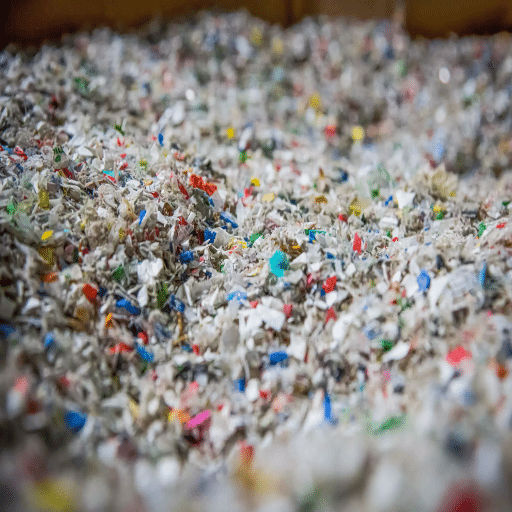
Anything that is called post-consumer plastic refers to those plastic materials that were once used by a consumer and were eventually discarded as waste. These are collected, sorted, and cleaned to be processed into raw materials for the production of new goods. Recycling of post-consumer plastic helps save valuable materials, reduces landfill space, and reduces the environmental impact associated with producing new plastics. Hence, it is an important and effective method of sustainable waste management and ensuring a smooth transition towards a circular economy.
Definition and Importance of Post-Consumer Plastic
Philanthropic and post-consumer plastic recycling encompasses a series of technical challenges and opportunities that emphasize the need for more innovative solutions. A good challenge camera varies in type and levels of contamination in plastic waste. Plastics, thus, need to be identified and sorted with regard to their polymer types, such as polyethylene terephthalate (PET), high-density polyethylene (HDPE), or polypropylene (PP). Contaminants such as food residues, adhesives, or non-recyclable materials, hinder the treatment process and can even lower the quality of the end product made from recycled plastic.
Though difficult, these give recycling scientists opportunities to develop new technologies for greater efficiencies. Chemical recycling technologies, in other words, decompose plastics into their monomers, which may then be re-polymerized and offer an option besides mechanical recycling.
Market reports reveal that the recycled plastics worldwide market was valued at $27.9 billion in 2022 and is poised to grow at a CAGR of 6.8% until 2030. The growth comes with an ever-growing demand for sustainable materials in various sectors, including packaging, automotive, and construction.
To further bolster utility theory, legislative and consumer interest initiatives strive towards higher recycling rates. For example, the EU has set targets, trying to ensure that when it comes to plastic packaging, all of it shall be either recyclable or reusable by the year 2030. Meanwhile, there are also multinationals that see the need for citizenship choice and provide accordingly with recycled content in their products to a greater extent, thus encouraging the very frameworks for industrial recycling.
By means of scaling and overcoming existing limitations in technological innovations, recycling post-consumer plastics is indispensable for lowering environmental degradation and conserving non-renewable resources, helping in achieving the greater goal of sustainability over time.
Types of Post-Consumer Plastic Waste
The plastic wastes after consumption can be broadly divided into several types for plastic wastes, depending on their origin, chemical constitution, and recyclability.
Polyethylene Terephthalate (PET)
PET is generally used in single-use beverage bottles and food containers. It is highly recyclable, and its recovery is essential for the creation of various new products, such as polyester fiber and fresh plastic bottles.
High-Density Polyethylene (HDPE)
Used in milk jugs, detergent containers, and some retail bags, HDPE is sturdy and versatile. Recycling of HDPE items reduces demand for virgin plastic and helps in the manufacture of items such as piping, outdoor furniture, and new containers.
Polyvinyl Chloride (PVC)
It is used in pipes, flooring, and medical devices. Though it is recyclable, it is not widely recycled because its chlorine content, as well as the additives used in its manufacture, complicate the recycling process.
Low-Density Polyethylene (LDPE)
LDPE encompasses plastic films, grocery bags, and various squeezable bottles. One of the recycling challenges faced is the difficulty in collecting and reducing contamination, with advances now edging it toward reuse in products such as flooring and shipping envelopes.
Polypropylene (PP)
Used for yogurt containers, straws, and bottle caps, PP has new avenues for recycling that allow the materials’ conversion into automotive parts, packaging, and durable goods.
Polystyrene (PS)
Foam packaging and disposable cutlery being commonly used are very few examples of PS, and Polystyrene can be recycled or, more limitedly, recycled to new foam products or rigid plastic ones, such as insulation.
Mixed Plastics and Others
These plastics contain polycarbonates and bioplastics, which are difficult to recycle. They are often incinerated or landfilled because of the complexity of separating and processing these materials.
The recycling of differentiated post-consumer plastics basically depends on infrastructure, the degree of contamination, and economic viability, demanding thus education, technology, and policy improvements to reduce waste and enhance resource recovery.
Impact on the Environment
Forty-one percent of plastic accounted for land disposal was incinerated, although this is an unacceptable disposal, especially uncontrolled incineration (UNEP, 2009). The illegal disposal of plastic waste leads to land pollution. Being land and marine garbage can pollute species that may ingest the plastics or become entangled in the debris. Meanwhile, incineration, landfill, and degradation of plastics release greenhouse gases, thereby accelerating atmospheric warming (Parashar and Hait, 2021). Besides, microplastics permeate ecosystems and may tempt the microplastics enter the food chain, which represents a risk for both human and animal health. If we want to stop such consequences, we must change the whole waste management system and recycling technology and, on top of that, work worldwide to stop the production of plastic and reliance on single-use plastics.
Recycling Processes for Post-Consumer Plastic

The present-day post-consumer plastic recycling processes largely consist of collecting, sorting, cleaning, shredding, and reprocessing. Upon collection, they are sorted according to type and polymer. This step is essential to ensure compatibility during reprocessing. After sorting, materials go through cleaning for impurities such as food residues or adhesives. Clean plastic, after that, is shredded into smaller pieces that are easier to handle and melt. The pieces are then melted and reformed either as pellets or into new products. Besides these, other advanced technologies are being developed in the case of chemical recycling-where the materials are broken down to their original chemical components so that higher-quality recycling and more extensive recovery of materials can be realized. Efficient recycling reduces the loads on the environment and on the production of virgin plastics.
Mechanical Recycling Explained
Mechanical recycling is a physical method that serves to recycle and reuse plastic waste without modifying the chemical nature of the polymers. The process starts with the collection and sorting of plastic waste, based on type and polymer composition, so that the materials can be compatible during recycling. The cleaning procedure typically removes contaminants, e.g., labels, adhesives, and residues, that could affect the quality of the recycled material.
After cleaning, the plastic is mechanically shredded into smaller pieces, termed “flakes.” These flakes can then be optionally washed again before being melted under controlled temperature conditions. The molten plastic is either extruded, cut into pellets, or directly molded into new products. The regranulate pellets are raw material for the production of packaging, textiles, automotive parts, and so on.
The mechanical recycling remains a highly cost-efficient operation on a global scale; however, impeded by some constraints. Recycled plastics degrade after each recycling cycle as a result of polymer breakdown, thereby limiting their commercial uses as compared to virgin materials. Additionally, mechanical recycling cannot efficiently handle mixtures of plastics or severely contaminated plastics, thereby placing importance on improved sorting technologies and complementary recycling methods such as chemical recycling. Together, they strive toward the ambition of maximizing recovery and reuse of plastic materials towards sustainability.
Challenges in Recycling Post-Consumer Plastic
While recycling plastic post-consumption faces several significant challenges, mostly due to a great diversity in types of plastics, mixed plastics, which often contain multiple kinds of polymers, present problems during sorting and processing, mainly due to their variations in melting points and chemical compatibility. Another such factor for contamination, including food waste, oils, and non-recyclables, lowers the quality of the recycled product and raises the processing cost.
Another major barrier is the economic viability of recycling processes. Virgin plastics, sourced directly from fossil fuels, are often cheaper to produce than high-quality recycled plastics; this, in turn, is the market force that makes it difficult for recycled materials to compete. More limited infrastructure for collection and processing, especially in regions with underdeveloped recycling systems, exacerbates the problem further. Lastly, a downcycling threat-the phenomenon of plastics getting worse in quality at each recycling step-poses a hurdle for their reuse in high-end applications, again emphasizing the need for innovation in material sciences and recycling technologies. Tackling these issues requires a multifaceted approach that includes developments in chemical recycling, better sorting systems, global standardization efforts, and policies that promote the use of recycled plastics.
Innovative Recycling Technologies
New-age recycling technologies are aimed at upgrading the old mechanical processes, which suffer from limitations. Chemical recycling, including pyrolysis and depolymerization processes, breaks down plastics into their monomer basis, thus producing almost virgin-grade materials with a higher quality. It is mostly suitable for those waste streams that are either complex or contaminated, just to be treated mechanically. Enzyme-based recycling, however, is seeing rising advances, with engineered enzymes capable of breaking plastics such as PET into their respective building blocks under mild conditions as a green alternative.
Yet another cutting-edge development is the employment of artificial intelligence in sorting systems. Through the combination of smart AI sensors and robotics, material identification and separation become far more precise, thereby reducing rates of contamination while increasing processing efficiency at recycling facilities. Also being experimented with are solvent-based procedures by which a given solvent dissolves and recovers a polymer from multi-layered or mixed-material plastics in a selectively non-compromising way.
These technologies stress the growing potential to create closed-loop systems for plastics. Yet, for such to be implemented on an industrial scale, infrastructural investments, regulatory backing, and collaboration across sectors should take place, which will ultimately keep these implementations from remaining commercially viable and accessible on a widespread level.
Post-Consumer Recycled Plastic and Its Applications
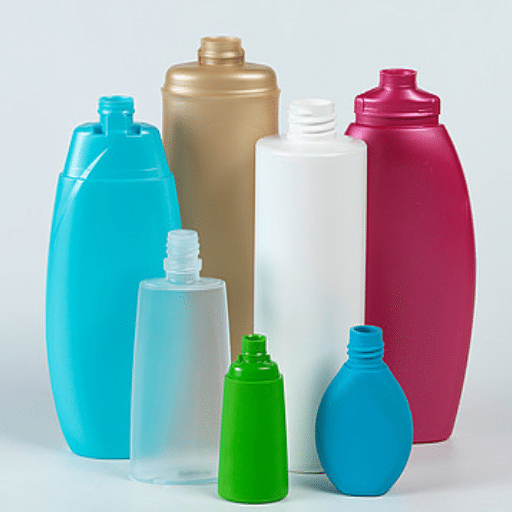
Post-consumer recycled (PCR) plastic basically means plastics recovered and reprocessed after consumer use, for instance, packaging, bottles, or containers. It finds its application in the manufacturing of many new items for various industries, such as packaging, textiles, automotive, and building construction. In other words, PCR plastics are used in producing several items, such as recyclable PET bottles, synthetic fibers for clothes, and sturdy parts for vehicles. On the other hand, in using these PCR materials, industries greatly cut down their consumption of virgin plastic, the energy consumed in manufacturing processes, and the dumping of these wastes into landfills, and thus additionally support environmental sustainability.
Types of Post-Consumer Recycled Plastic
PCR (post-consumer recycled) plastic is available in a few different forms, all of which are distinguished by their different uses and advantages. Among the most common are the following:
Recycled PET (Polyethylene Terephthalate)
Recycled PET is generally obtained from used beverage bottles and is mainly used for the manufacturing of new bottles, synthetic fibers for textiles, and food-grade containers. Its huge range of applications and recyclability make it a very important factor in the reduction of virgin plastic dependency.
Recycled HDPE (High-Density Polyethylene)
HDPE is often made from milk jugs, detergent bottles, and other household containers. Recycled HDPE is a common material in the manufacture of durable goods such as pipes, plastic lumber, and outdoor furniture due to its excellent strength and resilience.
Recycled PP (Polypropylene)
Special focus is given to polypropylene recycling, where items such as yogurt cups, bottle caps, and automotive parts are processed. The output of available PP is a very strong material that can be further used in the production of industrial products, reusable containers, and packaging.
Recycled LDPE (Low-Density Polyethylene)
LDPE is produced from plastic bags, thermal wraps, and soft drink bottles. Among its consumer waste uses are the making of plastic sheeting, liners for bins, and shipping materials.
Recycled PVC (Polyvinyl Chloride)
PVC is difficult to recycle; thus, it is not often recycled. However, it is reused from pipes and vinyl products into flooring and other industrial applications.
All PCR plastic types are important for the environment as they use resources in a circular way, and sectors that are already sustainable continue to grow.
Usage in Packaging Solutions
One of the main factors that lead to the development of modern packaging solutions that are sustainable and less dependent on virgin materials is the use of post-consumer recycled (PCR) plastics. The processing technology of the materials has evolved so that now we can use the PCR plastics such as PET, HDPE, and LDPE to create packaging that is strong and versatile. The industries are using recycled PET for the manufacture of new bottles, food containers, and clamshell packaging, which preserves durability and transparency. HDPE is used for the production of detergent bottles, heavy-duty containers, and shipping drums because of its high strength-to-density ratio, which makes it more than strong enough for such applications. On the other hand, LDPE is used for making packaging films, plastic bags, and shrink wraps due to its excellent flexibility and moisture resistance. The use of PCR plastics in packaging not only serves as a means to waste reduction by keeping them out of landfills but also contributes to lowering the company’s carbon footprint. In this way, companies that adopt PCR plastics align themselves with strict environmental regulations while fulfilling consumer demand for eco-friendly products.
Market Trends for Recycled Plastic
The global recycled plastic market has been growing remarkably in the past few years, mainly due to the increase in environmental consciousness and sorting governments’ regulations. As per the studies done, the elevation of the circular economy, together with the use of sustainable materials, has led to the use of recycled plastics in industries like packaging, automotive, and construction. The North American and European regions are at the forefront with their strict policies, such as the EU’s Plastic Strategy and the US’s progressive approach towards sustainability goals. Moreover, the fast-growing Asia-Pacific region is enhancing its recycling infrastructure quickly due to urbanization and the large population living in its cities.
There is a huge demand for post-consumer recycled (PCR) plastics in the packaging of consumer goods, even more so as businesses are working hard to meet the ambitious recycled content targets. The major players in the market are also resorting to modern recycling technologies, including chemical recycling, which will allow mixed and contaminated plastics to be processed. Nevertheless, the challenges posed by inconsistent raw material supply, the problem of contamination, and the high production costs, still, these are the most critical barriers to market growth. On the other hand, despite the hurdles, the forecasts are still pointing towards an unending expansion, innovations, and collaboration in recycling facilities being the main factor that will keep the industry on the sustainability path.
Waste Management Strategies for Plastic Waste
Source Reduction
This is the most important strategy, which consists of minimizing plastic production waste via innovations in product design and material use. This also includes imitating the use of disposable products and improving production to reduce the generation of extra plastic.
Improved Recycling Systems
Further and more modern recycling infrastructures to accept all kinds of plastics as well. This means the collection rates are being raised, sorting technologies are being improved, and the progress of chemical recycling is being supported among all others.
Extended Producer Responsibility (EPR)
Policies that make the manufacturers responsible for the complete use and disposal of their plastic products would push them to invent more eco-friendly and recyclable materials.
Public Awareness Campaigns
Teaching people about the environmental impacts of plastics and correct disposal methods to help them segregate waste properly at the source.
Legislation and Bans
Regulations are to be set in place that would cut down on single-use plastics, push the plastic industry towards biodegradable alternatives, and also impose heavier penalties for those who do not comply.
These strategies are complementary, and together they form a very holistic way of treating plastic waste and reducing its hazardous effects on the environment.
Effective Collection of Plastic Waste
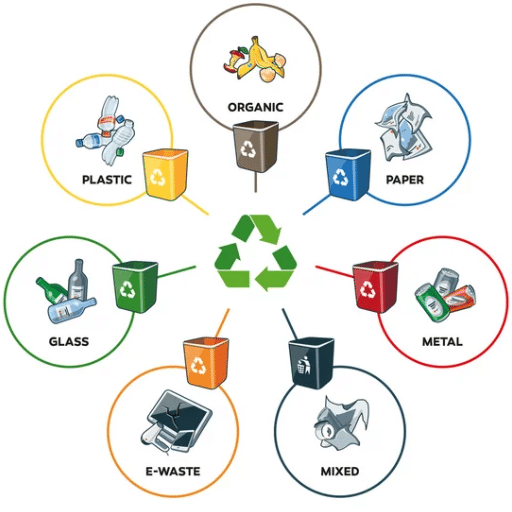
The proper and thorough collection of plastic waste is a vital initial step towards directing plastics away from landfills and the environment. The ideal collection system is based on the right way of doing waste segregation at the source. Waste plastics should be separated from other waste streams, like organic and non-recyclable materials, in order to make the downstream processes, like recycling and proper disposal, less complicated. The extensive adoption of curbside collection programs will be another crucial factor that will allow both households and businesses to take part in the waste recovery that is done in a systematic manner.
In addition to that, the placement of public collection bins in strategic locations, along with the use of color-coded containers, will not only improve accessibility but also reduce the contamination of recyclable plastics. The use of smart waste bins equipped with sensors is one of the new technologies that can help to streamline the collection logistics by offering real-time information about bin capacities and thus cutting down the inefficiencies in waste management systems.
The cooperation between the government, the private sector, and the local communities is another important aspect of this situation. Public-private partnerships (PPPs) can make it easier to invest in infrastructure, while government programs can raise people’s awareness about the right ways to dispose of their waste. Through these collection strategies that are combined together, a process that is imprinted with high recovery rates is created, and thus, sustainability goals are supported.
Integrating PCR into Waste Management Systems
The integration of post-consumer resin (PCR) into waste management systems calls for a comprehensive approach that combines technological, regulatory, and market-based strategies. PCR stands for recycled plastics that have been derived from end-user products, which have then been collected, processed, and repurposed into new materials. The following key factors are essential for successful PCR integration:
Efficient Collection and Sorting Mechanisms
The use of advanced waste segregation technologies, such as AI-powered sorting systems and optical scanners, is important for the separation of high-quality materials for PCR from mixed waste streams. The implementation of curbside recycling programs and deposit-return systems can still further improve the percentage of materials that are recovered.
Enhanced Processing Technologies
The establishment of effective recycling infrastructure is necessary for the cleaning, shredding, and processing of plastic waste into usable PCR materials. The advent of chemical recycling in conjunction with traditional mechanical methods has made it possible to turn lower-quality plastics into feedstock for high-performance applications.
Clear Regulatory Guidelines
It is the responsibility of the legislators to come up with unambiguous directives and rewards that will encourage the use of PCR, for instance, by establishing a minimum recycled content requirement for products, giving tax exemptions to companies using PCR, and imposing fines on those who rely too heavily on landfilling.
Market Development and Demand Stimulation
It is crucial to persuade manufacturers to use PCR in their product design, as it is the only way the recycling loop can be closed. Besides, sustainability commitments from brands, along with consumer awareness initiatives, can pave the way for increased demand for products made from PCR. There is also the option of offering certification for recycled content, which not only strengthens consumer trust but also provides clarity in the supply network.
Public-Private Collaboration
Collaboration between governments, the private sector, and non-profit organizations is crucial in the areas of financing recycling infrastructure, expanding educational initiatives, and sharing technical know-how. Such partnerships will help bring stakeholders together in the quest for higher circular economy targets.
These strategies, when prioritized, could pave the way for the integration of PCR in waste management systems, which would result in a remarkable decrease in plastic pollution, a corresponding saving in terms of natural resources, and the establishment of a more sustainable materials economy!
Consumer Responsibility and Waste Reduction
The role of consumers is crucial in waste reduction and sustainability promotion. With the help of their consumption habits, people can bring about overall waste reduction. The main methods are the purchase of long-lasting, reusable, and repairable items, the reduction of single-use plastic, and the selection of products with minimal or recyclable packaging. Proper waste disposal practices are also very important since they make it possible for the waste materials to be directed into the recycling systems or composted when possible, thereby reducing the amount of garbage that goes to the landfills.
The education of consumers is additionally very important. Keeping up-to-date with the local recycling rules, being able to tell what can and can’t be recycled, and taking part in waste reduction projects backed by the government or community groups all help amplify the impact. Together, these activities lead to a noticeable reduction in waste generation, which in turn lessens the damage done to the environment and supports the circular economy model.
The Future of Post-Consumer Plastic

The future of post-consumer plastic is tied to the progressive recycling technologies and total change towards environmentally friendly materials, besides the reduction of virgin plastic reliance. The cutting-edge technology of chemical recycling, which divides plastics into their corresponding monomers, is a great chance for the recycling of materials that cannot be processed through conventional methods. The invention of bio-plastics and other biodegradable alternatives, such as plant-based polymers, on the other hand, is not only exterminating pollution but also providing nature-friendly options. Under the cooperation of governments, industries, and consumers, the new methods will be accepted more easily, and a switch to a circular economy with materials being reused and waste reduced can start.
Innovations in PCR Materials
The post-consumer recycled (PCR) materials quality and usability are greatly improved by the ongoing advancements. The innovations that are the foremost in this regard are: better sorting technologies like AI-driven optical systems, which can now segregate plastics of different types and colors with a very high accuracy. The mix-up of materials that are different in quality is reduced by these systems, and the recycling process becomes more efficient as well. On top of that, different plastic recycling methods are pulling in potential clients, and more familiar types of high-quality plastics like virgin are being produced out of waste. The transformation of polymers that is also being done through scientific innovations is helping the manufacture of goods with a larger share of PCR content, but at the same time, not giving up on performance or durability. The collaboration of the companies in this sector is the major driving force behind these developments, and thus, the PCR materials are still able to participate in the sustainability initiatives worldwide that rely on their availability.
Government Policies and Regulations
Governments around the globe are putting into practice measures and legislation that favor the use of post-consumer recycled (PCR) materials and the establishment of a circular economy. In my opinion, these regulations very often prioritize the establishment of minimum recycled content requirements for products, the provision of financial incentives, and the imposition of restrictions or bans on plastic items intended for single use. The adoption of these actions not only helps industry players to comply with environmental regulations but also encourages the development of new and better recycling technologies, which are in tune with the overall environmental objectives.
Role of Businesses in Promoting Recycled Content
The integration of recycled content in larger quantities into the practices of businesses is the main source of the recycled material industry’s progress. First of all, companies may spend money on product designs that consist of a higher ratio of post-consumer recycled materials, and hence, cut down the use of virgin resources. In addition, by bringing transparency into the process through the usage of labels that reveal the recycled content of the product, the company not only earns trust and awareness from the customers but also convinces them to make eco-friendly buying decisions. Furthermore, businesses can work with recycling organizations or allocate funds to new recycling technologies to efficiently close the material loop. Corporate buying policies that give priority to recycled materials create the demand, and at the same time, the market for recycled products becomes strong through a good supply of recycled goods. Upgrading the community’s standard rituals and policies in favor of Recycling Innovations is the only way out for the corporations besides their operational changes.
Reference Sources
1. A Comparative Bibliometric Analysis on Plastic Waste Recycling
3. Designing an Educational Website for Recycling Plastic Waste into Roads
Frequently Asked Questions (FAQs)
What constitutes post-consumer plastic, and why is it so important?
It consists of plastic materials that have been used and discarded by the consumer, basically after use. Therefore, the relevance of such plastic rests in sustainable plastic management, with which it can be collected, recycled, and formed into new products. Within the context of environmental implications and conservation, post-consumer plastic is important in that it can be used to meet the demand, albeit partially, that exists for virgin plastic production.
What is it that the post-consumer recycled content does for sustainable packaging?
Sustainable packaging solutions with post-consumer recycled content substantially bear upon thinning plastic waste generation. The incorporation of recycled materials diminishes the requirement for virgin plastic manufacturing, assists in waste management operations, and stimulates plastic recycling. These serve as grounds for the double-benefit argument made in favor of the environment and innovations in packaging design.
What is the role of recycling centers during post-consumer plastic collection?
Recycling centers have always played a vital role in sorting, processing, and recycling plastic waste by concentrating on post-consumer plastic. They foster waste collection systems that efficiently gather mixed plastic wastes that are then reprocessed into recycled plastic products. Without recycling centers, waste collection would be inefficient, and more plastic would end up in landfill sites.
What kinds of packaging materials can be made with post-consumer recycled plastic?
Some post-consumer recycled plastic materials can be used in the production of packaging solutions, including flexible packaging, bottles, containers, etc. These recycled plastic materials would lower the amount of plastic waste going into the environment, thus serving as a sustainable alternative to traditional packaging materials and favoring the circular economy.
How does the use of PCR material affect the environment?
Due to a decreased dependency on virgin plastic fabrication, the use of PCR (post-consumer recycled) materials positively affects the environment. These aid in bringing down greenhouse gas emissions, saving on raw materials, and encouraging proper solid waste management. By promoting the recycling of materials in the fabrication of various products, the environmental footprint resulting from the use of plastic can be lessened.
What is the percentage of recycled plastic in new plastic products?
Depending on the kind of product and the practices of manufacturers, the share of recycled plastic used in new plastic products ranges quite widely. Increasingly, companies are opting to go with higher percentages of recycled plastic in response to consumer demand for sustainable packaging. Hence, this shift benefits recycling efforts and serves to reduce overall plastic waste in the environment.
What are the challenges that exist for the recycling of plastic waste?
Among the challenges for recycling plastic waste are contamination of materials, the nonexistence of efficient systems of waste collection, and differences in the quality of the post-consumer plastic. Mixed plastic wastes may sometimes render the process of recycling more difficult and complicated to obtain good-quality recycled materials. These challenges can be dealt with in better ways by the management of waste and by educating the masses about how they can contribute to recycling properly.
How can consumers encourage the use of recycled plastic in packaging?
Consumers can positively contribute toward the utilization of recycled plastic in packaging by selecting products that use post-consumer recycled content and support those brands engaged in environmentally sound activities. Educating others on the importance of recycling and improving waste collection systems can further aid in creating demand for sustainable packaging alternatives using recycled materials.