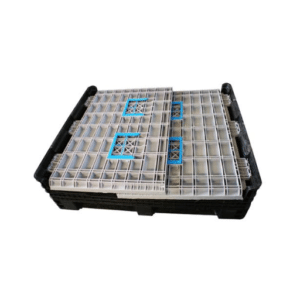
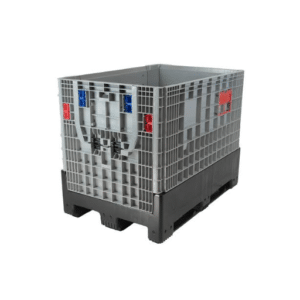
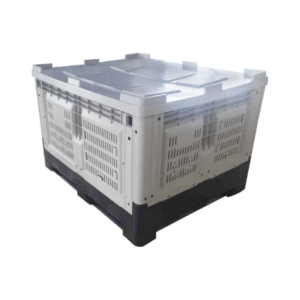
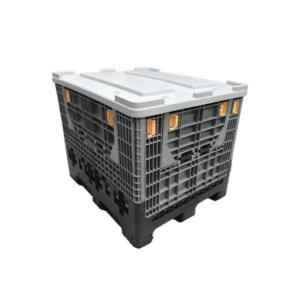
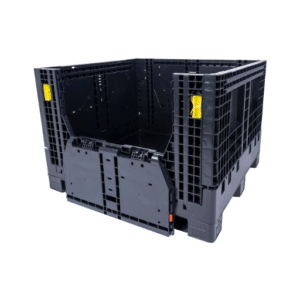
For moving, storing, and shipping goods, pallets are essential equipment in almost every industry. Pallets, however, differ, and choosing one particular type can variably affect the operational efficiency, precious time, and goals for sustainability of an operation. Plastic or steel pallets are two of the most common types, each presenting some respective pros and cons according to what is needed. The whole string of words describes the comparison in detail to allow one to understand the key differences and benefits, and some potential disadvantages and trade-offs of each. Should it be that durability is what one is looking for, or cost-effectiveness, and even the opposite of that-all that and more will be made clear in this article to help one make an informed decision to best streamline one’s supply chain processes.
Understanding Pallet Materials
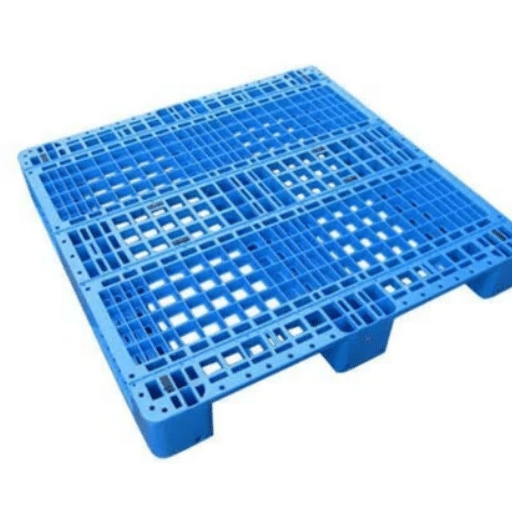
Plastic Pallets
Plastic pallets maintain their reputation for durability and lightweight design. When moisture is present or under wet surroundings, they are the best choice; hence, resistance to moisture, chemicals, and corrosion will ensure long life. They remain easy to clean, thereby eliminating contamination issues in industries like food and pharmaceuticals. Plastic pallets do require a higher initial capital investment, but they prove economical in the long run with the increased working life and recyclability they offer, and also help in environmental conservation.
Steel Pallets
Steel pallets are exceedingly sturdy and capable of heavy loads and are fit for industrial use-high weight goods. The wear and tear damage resistance of steel pallets is huge; hence, it is well worth the high initial cost due to the long-term applications. However, steel pallets may be too heavy for transportation, hence increasing the shipping cost over plastic pallets. The heavy-duty consideration weighs heavily in its favor for industries that demand it. And steel pallets are also good and sustainable in being able to be recycled at the end of their life cycle.
What are Plastic Pallets?
Plastic pallets are lightweight, versatile, and durable platforms used for shipping, storage, and material handling. Made from materials like polyethylene and polypropylene, the pallets resist moisture, chemicals, and insect attacks, making them very much desired in sectors such as food, pharmaceuticals, and logistics. Likewise, they are easy to clean, reusable, and often conform to a range of standard sizes. Though plastic pallets require higher capital investments than wooden ones initially, selling them later through the longer usage of the pallets and their reusability does bring down costs. Many plastic pallets are also recyclable, helping supply chains stay green and contribute to sustainability.
Overview of Steel Pallets
The more obvious the strength and durability of the steel pallet, the more it is suited for heavy-load purposes and industries that require the transportation of extremely heavy or hazardous materials. Unlike wooden and plastic pallets, steel pallets are pest-resistant, fungi-resistant, and moisture-resistant, which increases their reliability in tough working environments such as manufacturing, construction, and chemical handling. Steel pallets are strong in their ability to last. They can last several decades without any need for replacement if well-maintained. They increase their load capacity, while some steel pallets have the capability of carrying more than 6,000 lbs., depending on their design and construction.
Fire-resistant, the steel pallet runs smoothly at extremely high temperatures, thus giving them an excellent opportunity to be employed in a high-risk or controlled environment of warehouses dealing with flammable materials. At the same time, these pallets are mostly stackable in design and, hence, allow for space efficiency in limited storage areas.
As opposed to wooden and plastic pallets, steel pallets have a higher upfront cost. Yet, they are considered an investment for the long haul by many companies due to their sturdiness and low overall cost of ownership. At the end of their lifecycle, steel pallets are also 100% recyclable, further enhancing their sustainability credentials. The combination of these factors makes steel pallets an essential asset for industries that prize strength, safety, and environmental consciousness.
Durability Comparison: Steel vs Plastic Pallets
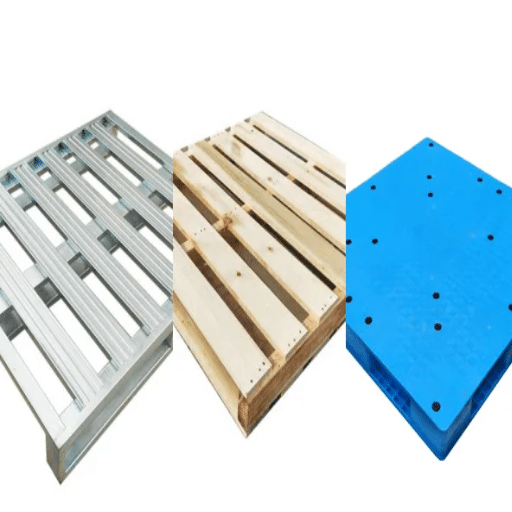
Durability of Different Pallet Types
Steel pallets are characterized by supreme durability since this pallet type can bear heavy loads yet be subjected to adverse conditions without warping or breaking. Wooden pallets, though common, are prone to damage by moisture, pests, and repeated use, which leads to shortening of their lifespan. Plastic pallets are more resistant to moisture and contaminants than in the case of wood pallets, but steel pallets are much tougher when under such states of extreme weight or sudden impact: for industries where long-term performance needs to be held as dependable, steel pallet is usually the most durable kind.
Heavy-Duty Plastic Pallets
Heavy-duty strength plastic pallets serve many uses in industries that require resistance, but there is a compromise among these selected properties. These pallets are usually manufactured from high-density polyethylene (HDPE) or polypropylene (PP), both known for their strength and environmental resistance. The heavy-duty plastic pallets never absorb water or become invaded by insects or fungi, thus they are most suitable for the pharmaceutical, food and beverage, and electronics industries.
One of the many benefits of heavy-duty plastic pallets is a high load capacity. Depending on its construction and the nature of the material used, in general, a model may support static loads up to 6,000 lbs and work with dynamic load ratings of approximately 2,500 lbs. They are also meant for extended use, lasting far longer than any wooden counterpart would. The more the pallet can resist wear and tear, replacement, which finally translates into low overall maintenance cost.
Their consistent dimensions and weight make them suitable for automated handling equipment, reducing jams and damage to conveyors and racking systems. Finally, many heavy-duty plastic pallets can be taken back to recycling facilities after their life cycle, thereby rendering them environmentally friendly.
For industries that require greater hygiene standards, some plastic pallet models are designed for easy cleaning, with smooth surfaces and no crevices where contaminants could build, which allows compliance with FDA and other regulatory agency strict cleanability standards.
Hence, all things considered, heavy-duty plastic pallets stand for efficient logistics, low maintenance, less deterioration, and high productivity to make them the other option to fall upon for operational needs.
Strength of Steel Pallets
Steel pallets are synonymous with durability and strength; hence, they are ideal for heavy loads and environments that are tough environments. The extra-strong construction allows them to handle much greater weight capacities than other types of pallets, thereby assuring heavy goods or oversized items are transported and stored safely. Furthermore, steel pallets end up being good candidates for automotive, construction, and manufacturing industries because they stand against impingement from extreme temperatures, corrosion (especially when galvanized or coated), and environmental stresses.
Steel pallets are known to outlast wood or plastic pallets on account of their super-tough design and higher resistance to wear and tear. And they can be recycled as well, increasing the sustainability drive by reducing waste from materials. With the prices for steel pallets being higher initially, durability and maintenance being very minimal, they weigh more in their favor over time for the industries that consider strength and reliability top priorities.
Wood vs Plastic vs Steel: A Durability Perspective
Depending on their durability, wood, plastic, and steel pallets all have pros and cons. Wooden pallets are cheap and abundantly available but are liable to damage from moisture, pests, and repeated use, and they need constant repair or replacement. Plastic pallets, therefore, resist water, chemicals, and environmental exposure further than wood and have longer life expectancy than wood. These can, however, grow more brittle during extreme temperatures and may not carry weight like steel. Steel pallets represent the utmost durability, resisting all sorts of weather, heavy loads, and wear and tear as the years go by. The greatest initial and capital cost, nevertheless, is that of steel, which is fixed in being an industrial heavy-duty device due to its longevity with minimal maintenance. The choice depends, therefore, upon the concern of the application- the value, the maximum capacity, and the environmental setting.
Hygiene Considerations in Pallet Selection

When it comes to pallet selection, especially in food, pharmaceutical, and healthcare industries, hygiene is of paramount importance. Plastic pallets often receive preference in such establishments because they are non-porous and are hence easy to clean and resistant to moisture, mold, and bacteria. They may be cleaned to perfection between two operations, thereby decreasing the possibility of cross-contamination. On the other hand, wooden pallets can absorb liquids and harbor bacteria and the splinters that may be hazardous, making them less fit for use in industries where hygiene plays an important role. Steel pallets may be somewhat tough but tend to give problems during cleaning; therefore, for balancing good sanitation and ease of maintenance, plastic pallets remain the best choice in scenarios where hygiene stands paramount.
Advantages of Plastic Pallets in Hygiene
With regard to recognizing the ideal pallet choice for companies with highly necessary hygienic standards, such as in food, beverages, and pharmaceuticals, plastic pallets are gradually being considered. There is no such thing as moisture absorption in a plastic pallet, unlike wood or metal pallets, so every risk of mold and bacterial growth is eradicated. Stains can be wiped off their non-porous surfaces, and they can also be sterilized. Tests have proved that plastic pallets can reduce contamination hazards to a maximum of 90% relative to wooden pallets, which makes them a better solution for the transport of sensitive materials.
Also, plastic pallets resist chemicals, so they may be cleaned with industrial disinfectants without sustaining any damage or degradation. This feature meets the demand for regular sanitation environments. Plastic pallets also stay in line with newer safety standards, with many complying with FDA and EU regulations for materials in the food supply chain. They are seen as highly durable, retaining their structural integrity even after numerous sanitation cycles, thus saving further on maintenance costs.
Again, plastic pallets are so lightweight and sturdy that this aids warehouse handling processes and mitigates risks of manual handling in the warehouse. These reusable plastic pallets also promote sustainability by reducing waste and extending product lifetimes. Approximately 68% of manufacturers today are shifting towards recyclable and sustainable pallet solutions for greener supply chains; hence, plastic pallets mark development in modern supply chains dominated by hygiene and environmental values.
Steel Pallets and Hygiene Standards
It has been found that steel pallets can meet highly stringent hygiene standards, and the demand is increasing in instances where cleanliness is prioritized, such as in the food and pharmaceutical industries. In stark contrast to wooden pallet systems, one fact about a steel pallet is that it gives a non-porous surface, thus resisting moisture, bacteria, and even pests. This aspect alone makes them best suited for maintaining the conditions stipulated under strict food safety standards such as HACCP (Hazard Analysis and Critical Control Points) and FDA requirements.
Industry statistics show that steel pallets are disinfected by steam, pressure washing, or chemicals without any destruction to their structural constitution. So, in an environment that requires constant cleaning and sterilization, the use of steel pallets would be most favorable. They last long, too-if one is to believe that the life of a steel pallet can range around 10 years and above, if used consistently worthy investment in the long run. Industries utilizing steel pallets call not just for their durability and ease of maintenance but also for their ability to carry heavy loads, thereby affirming their weight in sectors deserving of both hygiene and strength.
Comparing Hygiene: Plastic vs Steel
Hygiene-wise, plastic and steel pallets offered advantages depending on the industry’s demands. Plastic pallets do not absorb moisture and thus have a lower chance of sustaining bacteria, fungi, or other contaminants. Their smooth, non-porous surfaces are easy to clean and disinfect, making them ideal for areas like food production and pharmaceuticals. Steel pallets, in contrast, are non-porous and withstand extremes of temperature, chemicals, and repetitive cycles of sterilization, all of which are important in stringent sanitary settings like healthcare and advanced manufacturing. However, steel could easily face complaints from its customers, who regard it as heavy and difficult to maneuver compared to its plastic counterpart. The answer is strictly dependent on hygiene standards, the durability requirement, and operational parameters that pertain to a particular industry.
Comparison between Plastic Pallets and Steel Pallets
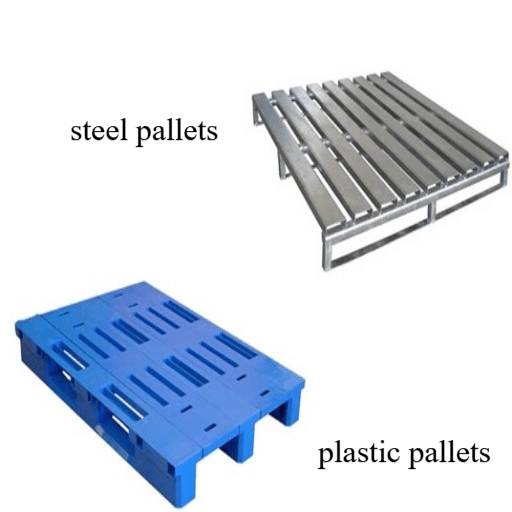
Key Takeaway: Plastic pallets are light and resistant to moisture, while usually being cheaper to procure. It suits industries where hygiene is a great concern and the ease of handling maximizes profit. On the contrary, steel-type pallets pack in durability, handling heavier loads and harsh working conditions. This makes them more suited for industry-level storage and transportation facilities. The choice depends on how much durability, load, or hygiene is needed for an application.
| Feature | Plastic Pallets | Steel Pallets |
|---|---|---|
| Weight | Lightweight and easy to handle | Heavy, may increase shipping costs |
| Load Capacity | Up to 6,000 lbs (static), 2,500 lbs (dynamic) | Over 6,000 lbs capacity available |
| Moisture Resistance | Excellent – non-absorbent | Good – resistant to moisture damage |
| Chemical Resistance | Excellent resistance to most chemicals | Good, especially when coated |
| Hygiene | Easy to clean, non-porous surface | Non-porous, withstands sterilization |
| Durability | Good, may become brittle in extreme cold | Superior – can last decades |
| Initial Cost | Moderate to high | High |
| Maintenance | Low maintenance requirements | Very low maintenance |
| Recyclability | Recyclable at end of life | 100% recyclable |
Cost-Effectiveness of Different Pallet Materials
Even considering the cost-effectiveness of different pallet materials, one must weigh their initial investment, lifespan, and maintenance requirements. Therefore, although initially more expensive than wood, plastic pallets offer lower long-term maintenance costs due to their reusability and resistance to damage like warping or splintering. Wood pallets are usually the cheapest to buy, but once in use, they wear away quickly and need frequent replacement, thus adding to the cost in the long term. Steel pallets are the most long-lasting and heavy-duty, but come with the highest initial cost. In an environment where strength and longevity are critical, however, steel pallets with their long lifespan and almost no need for repairs can see the heavy initial cost justified. In an ultimate sense, the most cost-effective decision lies in the direction of its ends, available capital, and future operational plans.
Environmental Impact of Pallet Materials
Depending on the kind of material employed and the lifecycle of that material, a pallet’s environmental impact varies considerably. Traditionally, wooden pallets have been considered most eco-friendly because of their renewability and the ability to be repaired and reused, and then eventually recycled into mulch or biofuel. Studies now indicate that some 95% of wood pallets are recycled, making them an environmentally sustainable choice. However, their life cycle comes with various environmental concerns, such as deforestation if trees are harvested from non-sustainably managed forests.
Plastic pallets are considered less environmentally sustainable as they are essentially manufactured with non-renewable petroleum-based materials and have a pretty low rate of recyclability. Though their lifespan is in general longer than that of wooden pallets, the in-the-making processes release more carbon emissions, and the disposal manner is inferior since most of them arrive in landfills, from where they cannot presently be recycled. Recycled plastic pallets, however, can provide some small benefits by giving a second life to materials that would otherwise go to waste.
Steel pallets, although durable and recyclable, have serious environmental concerns during manufacturing due to energy-intensive processes and carbon emissions arising from steel production. However, steel pallets can be recycled numerous times without compromising on material quality if one’s key considerations involve durability and end-of-life recyclability.
In general, the right selection of pallet materials, keeping renewable resources, recycling practices, and responsible sourcing front and center, can greatly reduce the environmental footprint. The decision-maker must also weigh trade-offs regarding durability, cost, and sustainability against the specific use case.
Choosing the Right Pallet for Specific Industry Needs

When picking the correct pallet for specialized industry needs, properties to consider will include weight limits, type of material, and compatibility with handling equipment. The food and pharmaceutical industries might prefer pallets that are hygienic and easy to clean, such as plastic or metal pallets, whereas the construction industry might require heavy-duty wooden pallets for carrying bulk materials. Consider the supply chain requirements in transportation and storage conditions in reducing materials to meet the durability and size requirements. Lastly, sustainability should be considered, and where always possible, pallets made from recycled or renewable materials should be considered.
Assessing the Right Pallet Material
Questions about the right material for pallets are pondered upon the areas of durability, weight, cost, and application injustices. Wooden pallets are cheap and suitable for being used in heavy loads, but are subject to splintering and moisture damage. Plastic pallets, on the other hand, are able to get costly, yet remain extremely lightweight, resist moisture, and resist chemicals, while they are preferred in industries where higher sanitation standards prevail, namely food and pharmaceuticals. Although metal is heftier and more costly, it compensates for its price through unparalleled strength and longevity and is thus appropriate for heavy-duty applications in construction and manufacturing industries. Environmental concerns should be taken into consideration while favouring the green ones, like recycled plastics or certified wood sources. In the end, the choice should harmonize between performance, cost, and sustainability in accordance with the operational demands.
Heavy-Duty Applications: Steel vs Plastic
In heavy-duty applications, I go for steel pallets because of their strength, durability, and the capability of withstanding very heavy loads. Since plastic pallets can reduce weight or resist moisture and chemicals, they are good alternatives. The decision comes down to application requirements; however, for industries indubitably demanding strength and longevity, my bias is for steel.
Different Types of Pallets for Various Industries
Pallets serve as very fundamental tools for storage and transportation in industries such as manufacturing, logistics, and retail. Among the most common types of pallets are wooden ones, plastic ones, and metal ones, each specially suited according to the needs of the particular sector in question:
- Wood Empty Pallets: They are widely used since they are cheap and strong. They are mainly used in the agricultural and retail sectors. Other benefits are that they can be repaired and customized. However, they tend to absorb moisture and might be prone to pest infestations.
- Plastic Pallets: They tend to be lightweight, hygienic, and resistant to chemical corrosion. Plastic pallets tend to be used in the pharmaceutical, food, and beverage industries. Though more costly than wooden pallets, their sustainability pertains to their longevity, and they are used again.
- Metal Pallets: Made of steel or aluminum, they are heavy-duty pallets intended for automotive, chemical, and military applications. They are the strongest and most durable, but at the same time, heavier and costlier than the others.
Depending on the type of work, the right pallet design will be considered in terms of requisites such as the environmental conditions, along with the cost implications of load carrying capacity.
Reference Sources
“Behavior of Steel Storage Pallet Racking Connection – A Review”
“Numerical Study on Seismic Response of Steel Storage Racks with Roller Type Isolator”
“Comparisons of Environmental Impacts Between Wood and Plastic Transport Pallets”
Frequently Asked Questions (FAQs)
What are the primary types of pallets used in shipping and storage?
Operating wooden pallets-the lower-priced kind-may have a lesser useful life compared to plastic and steel pallets. Plastic made from high-sludge polyethylene is highly durable and highly resistant to chemicals and moisture. Steel pallets are usually preferred in very heavy applications since the risk of heavy loads can be assumed by them.
Benefits and shortcomings of plastic versus steel pallets?
Plastic pallets are lighter and easier to handle, making them suited for shipping and storage in a great variety of industries. If the environment is a concern, then resistance to chemicals becomes an excellent advantage unusually asserted by plastic pallets. Steel pallets can be easily repaired and are used in heavy-duty applications, but they cannot justify their higher price when considering demotion from corrosion. Depending on your industry requirements, one fit will be best.
What are the features that distinguish plastic pallets from wood ones?
Unlike wood pallets, plastic pallets do not absorb moisture, thus avoiding the growth of mold and mildew. This distinct edge of plastic pallets helps to maintain hygiene standards, especially in industries where cleanliness is a requisite. Although wooden pallets can prove cheaper initially, higher repair costs and a shorter lifespan make them relatively costlier.
What kind of industries often use metal and plastic pallets?
The automotive industry, food-processing, and pharmaceuticals often use plastic and metal pallets. The choice between these types of pallets depends largely on the needs of a particular industry for durability, hygiene, and chemical resistance.
Are plastic pallets suitable for my business?
Pallets suitable for your business depend upon criteria such as the type of goods to be shipped, environmental factors, and budget constraints. Plastic pallets, therefore, might be a blessing to those businesses focusing on cleanliness and durability, whereas steel pallets are better applied in heavy-duty applications because of their strength.
What are the environmental advantages of recycled plastic pallets?
Recycled plastic pallets champion the cause of sustainability by minimizing most waste while using recycled materials. Known for their strength and durability, coated plastic pallets can be reused many times, far better than those cheap disposable wooden types.
How to decide for my shipping needs on the right pallet?
In choosing a pallet for their shipping needs, customers should consider the weight of the loads, the nature of the products, and the specific environmental factors mentioned. Comparing the pros and cons of plastic and steel pallets will assist in selecting a pallet that will maximize safety and efficiency in their operation.
What are some of the disadvantages of metal pallets over plastic pallets?
The cons of metal pallets are incredibly high cost and their wicked tendency to rust when faced with moisture. When weighing up repairability and load bearing against initial purchase value and possible rust repair evaluation, many find a plastic pallet a more attractive proposition.
Is it possible to use plastic pallets for heavy-duty applications?
Indeed, particularly plastic pallets crafted from high-density polyethylene can be used for heavy-duty applications. Such pallets offer their services to withstand heavy loads; hence, they also have benefits relating to resistance to chemicals and moisture, which makes them a versatile pallet option for a wide range of industries.