Retail has always been about efficiency, low cost, and smooth operations, and that is why the use of retail pallets in the supply chain is unavoidable. No matter if you are exporting goods, running a store, or looking for a chance to buy in bulk, being aware of the retail pallet’s characteristics can bring a lot of value to your business. The following guide is all about retail pallets and how they help to manage stocks, cut costs, and improve the distribution process. The right pallets are not only for your needs but also for selling success, and this blog is going to be your partner in achieving that and more. Get ready to reinvent your wholesale and store sale strategies with well-grounded insights and professional advice.
Understanding Retail Pallets
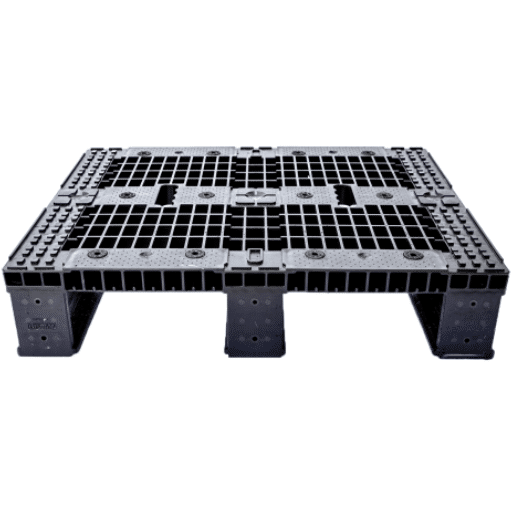
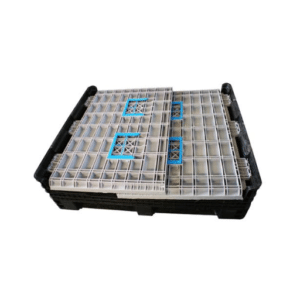
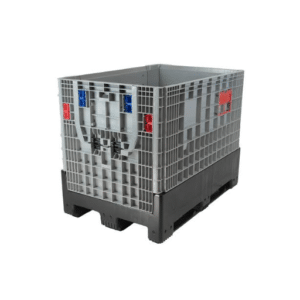
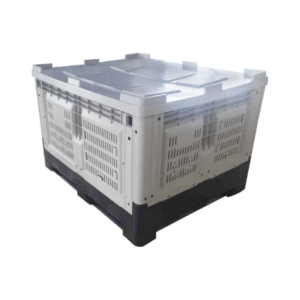
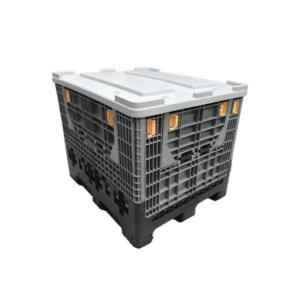
Retail pallets are structures that facilitate the stacking, storing, and transport of goods throughout supply chains efficiently. They are the foundation upon which products are placed, thus allowing for easier handling and, at the same time, reducing the possibility of damage while being shipped. These pallets, which are conventionally manufactured from wood, plastic, or metal, are usually built in standard sizes so that they can easily work together with forklifts and storage systems. Retail pallets act as a catalyst in making inventory management more effective, organized, and space-efficient in both warehouses and retail outlets. The decision regarding the type of pallet to be used is made based on criteria such as the product’s weight, the storage conditions, and the transportation method.
What are Retail Pallets?
Retail pallets are platforms specifically designed for the retail sector, which, to a large extent, help in the storing, handling, and moving of goods in these areas. The main function of retail pallets is to make logistical processes faster and more efficient, thus playing a very important role in the whole supply chain. There are different types of retail pallets in terms of the materials used, which include wood, plastic, and metal, with each having its particular advantages depending on the nature of the product and the conditions of storage.
As per the industry report, wood continues to be the most favored material among others for making pallets, with a contribution of more than 90% to the global market share of pallets, mainly because of its cost-effectiveness and strength. On the other hand, the plastic pallets have also entered the market and are being equipped with features like moisture resistance, ability to be kept clean, and long life, which has made them likable for industries such as food and pharma.
Industry Standard: In the United States, standard retail pallets are about 48 inches by 40 inches in size and are approximately recognized as the “GMA pallet” size that guarantees the compatibility of the pallet with forklifts, shelving, and transport vehicles. These pallets are quite strong and are therefore able to carry heavy loads; the wooden pallets can usually bear up to 4,600 pounds when steady and about 2,500 pounds when the weight is moving.
Moreover, the progress in technology has brought about the use of smart pallets that have tracking features through the incorporation of RFID tags or GPS systems. This is a remarkable development as companies can now keep track of their shipments in real-time, thus losing pallets and having inefficient inventory management becomes a thing of the past. Therefore, the work of retail pallets in facilitating modern supply chains is two-fold; these pallets are responsible for making the chains not only efficient but also sustainable.
Types of Retail Pallets
Retail pallets come in many different forms, catering to different operational needs. The most typical ones are:
Wooden Pallets
Among the most used pallets in retail, wooden pallets are robust, economical, and easily repairable. They can withstand heavy loads and can be rotated in the supply chain several times. On the downside, they might get damaged and might need to be treated to keep pests away.
Plastic Pallets
Due to their light weight and high moisture resistance, plastic pallets are highly suitable for the food and pharmaceuticals industries where hygiene is strictly maintained. Besides, they are not only durable but also safe as they do not splinter; however, they are more expensive than wooden pallets.
Metal Pallets
Manufactured using steel or aluminum-type materials, metal pallets are incredibly strong and will last long, so they are suitable for heavy-duty or high-heat applications. They are also quite expensive and heavy despite their strength.
Corrugated Cardboard Pallets
These eco-friendly pallets are designed for one-time use or lightweight applications; they are recyclable and lighter to transport, and thus, they cut down on shipping costs. However, they are not suitable for heavy loads and areas with a lot of moisture.
The decision on pallet type is based on several factors, which include load requirements, industry standards, and environmental conditions.
Benefits of Using Pallets in Retail
Pallets come with many advantages that can be directly seen in the retail industry; they make the logistics process less complicated and faster. They allow the movement of goods more efficiently, and forklifts and pallet jacks can move products quickly from one place to another in the warehouse or at the store. In addition to that, they have played a big role in the way goods are stored by the retailers because they have allowed the stacking of items in a more secure and thus effective manner, as well as the optimization of warehouse layouts. Since they have a universal size, pallets are compatible with the worldwide shipping systems, which in turn leads to a decrease in the time and costs involved in the transportation of goods. Moreover, pallets act as a barrier to damage during the handling of the products since they elevate them, thus minimizing the risk of contamination by moisture, dirt, or pests. The use of eco-friendly pallets, such as those made from recyclable materials, is also in support of sustainability efforts in retail operations. All in all, it can be concluded that pallets play an essential role in the areas of logistics, cost, and environmental impact.
The Wholesale Industry and Retail Pallets

Pallets are very important in the wholesale process since they manage the flow of goods more easily and quickly through storage, handling, and transportation. They allow the movement of large quantities of items in a warehouse very fast and also make the process of loading and unloading during shipping easier. In addition, pallets not only help in organizing the warehouse but also reduce the time spent in handling goods by standardizing the storage and transportation of products. Furthermore, the use of robust and eco-friendly pallet types can not only lower costs but also support the company’s green strategy, thus making pallets indispensable in both the efficiency and success aspects of wholesale supply chains.
Role of Pallets in Wholesale Business
Pallets are indispensable in the effective and scalable wholesale supply chains. Research says that more than 2 billion pallets are currently in use in the US, thus indicating their extensive acceptance as a means in the goods’ transporting and storing goods. The pallets’ specified and uniform size and shape ensure their easy compatibility with all material handling equipment, like forklifts, pallet jacks, and automated storage systems, which consequently cuts down the time and labor needed for inventory management to a great extent.
Today’s pallets, usually made of wood, plastic, or metal, meet different industry needs. For example, plastic pallets are becoming more and more accepted in the pharmaceutical and food sectors because they are both durable and hygienic. Industry forecasts predict that the global pallet market will experience considerable growth, reaching more than $110 billion by the year 2027 due to the logistics demand and e-commerce expansion.
Moreover, the switch to reusable and eco-friendly pallet systems is gaining momentum as companies attempt to reconcile their environmental and operational goals. These alternatives not only recycle but also lessen the ecological footprint while providing long-term savings on costs. Pallets, in this case, are no longer just commodities because they play a crucial role in ensuring the modern wholesale operations’ speed, accuracy, and sustainability.
Managing Inventory with Wholesale Pallets
Effective inventory control with wholesale pallets involves the implementation of strategic practices that make use of space, organization, and cost-effectiveness in the best possible way. The first thing that can be done in this direction is that the use of standardized pallet sizes can pave the way for the storage and movement of goods to be conducted more easily, making the compatibility with the different racking systems and the shipping vehicles a great advantage. Then, the use of technology such as barcoding and RFID tagging on pallets not only improves inventory tracking but also reduces mistakes and provides better real-time supply chain visibility. Also, the use of the first-in, first-out (FIFO) method helps to rotate the older inventory out so that waste goes down to a minimum and spoilage for perishable goods is prevented. Among other things, businesses can have a more spacious warehouse through the employment of advanced storage methods like pallet stacking or using vertical racking systems. All in all, pallets play a key role in increasing operational efficiency, cutting costs, and having good inventory management practices in wholesale industries.
Cost-Effectiveness of Pallet Purchases
Pallets are a great investment for wholesale and logistics companies looking to significantly cut costs. The low initial cost, easy accessibility, and multi-use durability make wood pallets one of the most economical choices throughout the life span of the product. Plastic pallets might have a higher initial investment, but they are also a good long-term investment considering the long life, insect and water resistance, and lesser maintenance costs in the long run. Recycled or refurbished pallets even further cut costs by making the project less expensive and also promoting the use of eco-friendly materials. Buying in bulk usually brings down the price for each unit, and leasing gives the power to the companies to choose the quantity they need, depending on their needs at that time. Moreover, proper pallet management not only decreases the damage of products during transferring but also eliminates the inefficiencies related to storage, and these advantages create a smoother supply chain of operations, which, in turn, translates to reduced overall logistics costs.
Streamlining Store Sales with Pallets

Streamlining store sales with pallets results in better organization, faster handling, and increased efficiency. The use of pallets facilitates the easy storage and movement of goods, which leads to quicker and more efficient restocking of shelves by the store staff. Therefore, less time is lost, and products are always ready for customers, which means lower labor costs. Moreover, the use of pallets aids in keeping the inventory accurate by making the tracking easier and lessening the chances of items being misplaced. Furthermore, the strength of pallets ensures that goods are not damaged during the process and that the customer experience in a store is smooth, and the satisfaction level is high.
How Pallets Enhance Product Display
Pallets are the unseen heroes of product display; they provide a clean, uniform, and elevated platform that showcases goods perfectly. They give an organized and professional look, which makes it easier for the customers to find the products. Using pallets, the products are not only visible but also easily accessible, thus attracting potential buyers. Besides that, their uniform size and shape allow for the creation of merchandising layouts that are both creative and space-efficient, which can eventually lead to the drawing of attention to the promotions or high-demand items. Many sellers also opt for the use of branded or custom-designed pallets as a way of reinforcing their brand identity while still being able to get the most out of their display. All in all, pallets make it easier to show the goods, thus increasing the aesthetic appeal as well as the functionality of the store layouts.
Sales Strategies Using Retail Pallets
Retail pallets are the major instruments for effective sales strategies. The following are the brief and practical ways to unleash their power:
Seasonal and Thematic Displays
Retail pallets can be utilized to set up seasonal or thematic displays that are very attractive to customers. Retailers can easily and quickly attract the interest of customers and prompt them to buy by piling the products of holidays or trends on the branded pallets.
Cross-Merchandising Opportunities
Pallets present a very good way for the merchandising of products that go well together. For instance, having snacks and drinks packed on one pallet display together can lead to a good sale for both if the easy way to enjoy them is promoted.
Strategic Placement
Pallets should be positioned tactically in places with high customer traffic, such as store entrances or near checkout lines, so that the products have good visibility. By using pallets for promotions or discounted items in these areas, customer interaction will be increased and sales made quickly.
Flexibility in Replenishment
Retail pallets make it so much simpler to restock; hence, less time is wasted, and the items that are popular all the time stay available. The shopping experience is made better by this increased efficiency.
Using retail pallets as both a functional and marketing tool is the key to driving sales, improving in-store efficiency, and providing a visually appealing shopping environment.
Maintaining Inventory Flow through Efficient Handling
The handling of inventory efficiently is one of the main factors that contribute to the smooth running of retail operations. It guarantees that the products are simply available, it minimizes stock-ups, and it enhances customer satisfaction altogether. Here are some of the main practices to keep the inventory flow working well:
Implement Real-Time Inventory Tracking
Using the most modern inventory management software allows tracking the stock levels in real-time. This technology helps retailers avoid the situation of having too much or too little stock by furnishing them with the exact data regarding the inventory condition.
Optimize Warehouse Layout
An intelligent arrangement of the warehouse will not only cut down the time spent searching for and getting the items but will also increase the output drastically. If the items are grouped according to demand or category, proper ways are made, and every space in the warehouse is used efficiently through the use of shelving, racks, and so on, the performance of the warehouse would be significantly improved.
Adopt Just-in-Time (JIT) Inventory Systems
The JIT inventory systems make the stock replenishments synchronized with the actual customer demand. This practice decreases the holding cost of inventory and subsequently boosts cash flow, thus the shelves will always have fresh and fast-selling products.
Streamline Order Receiving and Processing
The application of unified procedures for the delivery of goods and the updating of the inventory records will avert delays and mistakes. The use of barcode systems and automated scanning devices can help accelerate these activities.
Regularly Analyze Sales Data
The practice of watching sales trends will assist in the projection of demand changes and the timing of seasonality, thus allowing proactive changes to be made in inventory planning. This not only assures that the hot-selling products are not out of stock but also reduces the risk of having dead stock.
The retailers that adopt these tactics are guaranteed to have a continuous flow of goods, and at the same time, operational inefficiencies will be curbed. The proper handling of inventory is what eventually drives profitability and improves the overall shopping experience.
Shipping and Handling of Retail Pallets

The shipping and handling of retail pallets properly are crucial to the safe and efficient transport of goods. First, you need to pack the items on the pallet in a way that they won’t move, using either shrink wrap or straps to keep the load stable. Make sure to distribute the weight evenly to avoid the load tipping over during transit. Also, labeling the pallets clearly with the shipping information and handling instructions will help to minimize errors. For loading and unloading, use the right equipment, like forklifts or pallet jacks, to do it safely and avoid damage. Following these practices will not only prevent product loss but also maintain a smooth delivery process.
Best Practices for Shipping Pallets
Select the Right Pallets
Constructed with High-quality materials like wood or plastic, durable enough to hold the weight, and prevent breakage during shipping, the pallets should be of good quality.
Items Properly Stacked and Secured
The items on the pallet should be arranged in a way that the heaviest ones are at the bottom and the lightest ones at the top, which keeps the pile from tipping. The load must be stabilized and secured against shifting during transport with shrink wrap, straps, or bands.
Label Clearly and Correctly
With good and readable information, do not forget to attach all the necessary shipping labels. To reduce the risk of damage, specify handling instructions like “Fragile” or “This Side Up.”
Weight and Height Guidelines Should Be Followed
Do not ship over the allowed weight limit on the pallets, as this might cause the collapse, and the shipping rules will be followed consistently. Make sure the height is safe for the load to be stable and for the equipment used in transport to accept it.
Proper Handling Equipment Use
Use forklifts, pallet jacks, or other suitable machines that are designed to lift and move pallets safely to minimize the chances of damaging the load and the worker being injured.
Packaging Should Be Optimized
Strengthen the boxes and use padding or other protective materials to ensure that the items are not affected by the impacts, vibrations, or bad weather during their journey.
If these practices are followed, then the companies will surely not only make their pallet shipping procedures more efficient but also be able to lessen the possibility of such common problems like damage, delays, or increased shipping costs.
Managing Return and Exchange Processes
The processes for returns and exchanges that are efficient are the ones that mainly keep the customers satisfied, and therefore, they are the ones to remain loyal. The companies, in turn, should not make things complicated and still make the customers happy by focusing on the communication and procedures that are barely noticed. One of the ways they can make it happen is through a customer-friendly return and exchange policy that describes what situations allow the returning or exchanging, what the time limits are, and what the customers have to do. The policy should be made very visible on the website or in the emails confirming the orders.
Also, the use of technology such as return-management software can be beneficial as it could automate and keep track of returns, and at the same time, provide the customers with real-time updates regarding the status of their returns. The process could be made even easier if the companies that sell e-products packaged the items with extra care and included the return labels in the shipments. This would result in fewer delays, therefore making the experience smoother for the customers. Trust and loyalty are built with the customers through the company being proactive at dealing with issues, like giving them the choice between a refund and getting a replacement for a damaged or wrongly sent product.
Cost Considerations in Shipping and Handling
Efficiently handling the shipping and handling costs is very important for a business to stay profitable and at the same time keep the customers satisfied. Carrier charges, packaging expenses, and the possibility of extra charges, like fuel or delivery to far-flung locations, are the main aspects to consider. One method of reducing costs is through negotiating shipping fees with carriers based on bulk shipping or using online shipping platforms as a means of getting better rates. Moreover, in the case of dimensional pricing, the business can save money by sorting the packaging and not making it heavier or bigger than necessary. Customers can be offered different shipping methods that are available at the store, like flat-rate, free shipping for orders over a certain amount, or calculated shipping—this would be a way of sharing the company costs with the customers while still satisfying them. Regular tracking and analysis of shipping data is a good way for companies to be aware of where they are wasting money, to rethink their pricing strategies, and to discover areas where they can save.
Warehouse Management and Retail Pallets

The management of warehouses in an efficient manner and the application of retail pallets are very important to the operation’s smoothness and to cost reduction. The right placement of the goods on pallets makes them accessible, handling is quick, and there is less product damage. The use of uniform pallet dimensions for different goods can ease the distribution and storage logistics involved, thus facilitating the coordination with suppliers and retailers. By constantly checking the pallets for deterioration and damage, the safety and efficiency of the warehouse are assured. On top of that, implementing a system that monitors the movement and usage of pallets can result in better inventory precision and workflow management.
Optimizing Warehouse Space with Pallets
The process to optimize the storage space of the warehouse using pallets starts with the selection of the proper pallet size that will fit the storage racks and the products. This will facilitate the maximum use of the space that is available. The introduction of vertical storage systems enables the warehouses to pile up the pallets in a safe and, at the same time, efficient manner, taking the full height of the ceiling into account. Moreover, the orderly pallet racking systems like selective, double-deep, or drive-in racks give the right solutions for the changing requirements of the stock.
The layout of the aisles that is done efficiently plays a very important part in making the warehouse more accessible and easy to navigate. A narrow aisle, accompanied by the right handling equipment such as reach trucks, will help in making the most out of the available space. On the other hand, the application of proper pallet stacking methods, such as block stacking or stacking frames, will lead to stable and safe storage.
The use of technology such as warehouse management systems (WMS) can simplify the process of tracking the locations of pallets, the levels of inventory, and the utilization of space in general. Frequent maintenance and inspection of pallets and racks are also necessary for the efficient operation of the warehouse and for preventing damage or accidents. The adoption of these strategies will not only lead to major space optimization in warehouses but also to an improvement in workflow and safety.
Service Management for Pallet Inventory
Pallet inventory management is linked to the fulfillment of my strategies of organization and efficiency. A warehouse management system (WMS) is one of the tools I use to oversee inventory levels, pinpoint pallet locations, and allocate space effectively. Frequent inspections coupled with maintenance activities will keep the pallets and racks in good condition, hence fewer risks and better safety. All these measures make it possible for me to run operations smoothly along with a well-organized inventory system.
Tracking Pallet Items in Warehouse Systems
In the warehouse systems, tracking pallet items efficiently means using both advanced technologies and organized procedures. One of the main functions of a Warehouse Management System (WMS) is real-time tracking with the help of barcode scanning or RFID tags that allow for the identification and monitoring of individual pallets. These methods provide correct inventory data, human error reduction, and the best storage location optimization. The use of automation, like conveyor belt systems or autonomous guided vehicles (AGVs), not only increases but also makes the movement of pallets throughout the plant more accurate. Moreover, regular cycle counts and good record-keeping are practices that are very important for having the right inventory. Adopting these methods, companies can cut down on inefficiencies, make their workflows smoother, and have better control over the warehouse stock.
Reference Sources
2. Design of Intelligent Weighing and Picking System Based on Sensing Technology
3. Flow Shop Scheduling Algorithm to Optimize Warehouse Activities
Frequently Asked Questions (FAQs)
So, what are retail pallets exactly, and what is their importance in the industry?
Retail pallets are the industry-standard wooden or plastic platforms, which are employed in the retail sector for storing and moving goods. They are very much needed in the process of shipping and handling efficiently, which eventually helps the companies to simplify their operations and make the most of their warehouse space. Retail pallets provide retailers with the ability to control their inventory and, at the same time, cut costs that are related to the handling of their products.
How can I determine the most suitable pallet for my store?
Deciding on the pallet that best fits your store involves several considerations, such as the kind of products, their weight, shipping methods, etc. It is always advisable to buy pallets that are strong enough to withstand the rigors of transportation, and at the same time, they should be able to safeguard your products. Pallet selection is quite broad, as you can find those made from wood, plastic, or metal, and each one has its own pros and cons when it comes to price and lifespan.
Is there a relationship between the cost of retail pallets and the cost implications of using retail pallets?
The cost that one would incur in using retail pallets depends on the type and nature of the material. The price of wooden pallets is, on average, lower compared to plastic ones. However, the latter can be considered a better investment in the long run as its high initial cost is more than counterbalanced by the multiple reuses. Do not be so quick to write down the cost of retail pallets, as they will vary heavily depending on the type and quality of material used.
Can retail pallets be sold on eBay or similar platforms?
eBay or similar platforms allow you to sell retail pallets. A huge number of traders get their wholesale pallets to resell the single most expensive pieces and so on, therefore, making their profit. If you have a good understanding of the market and pick the right items to sell, then this is definitely the right business model for you!
How should I handle and take care of retail pallets?
To handle and take care of retail pallets properly, make sure they are kept in dry conditions to minimize moisture damage. Regular inspection of the pallets for wear and tear should be done to ensure that your products are safe. Using proper material handling practices, such as using forklifts and making sure that pallets are stacked properly, will help avoid accidents and save time in your warehouse.
What is the procedure to follow when exchanging damaged retail pallets?
The procedure for exchanging damaged retail pallets is usually that you get in touch with the manufacturer or supplier from whom you got the pallets. Most of the companies have a return policy, and therefore, you may be able to get a new pallet in exchange for the damaged one, thereby allowing your business to run continuously and without incurring extra costs for replacement.
What shipping process, and how big a role do retail pallets play in streamlining?
Retail pallets can make a huge difference in terms of shipping speed, mainly because they come with the advantage of being easily stacked and moved with ease. Quick loading and unloading are one of the benefits of using it, hence the decrease in costs and time associated with labor. Also, using pallets that are the same size as your shipping containers can increase your shipping options, thus making your logistics very efficient and cost-effective.
What factors should I check regarding a pallet management service?
When looking for a pallet management service, take into account their industry experience, the variety of services they provide, and their proficiency in pallet maintenance. A good pallet management program would consist of tracking, recycling, and exchanging pallets, which would guarantee that your retail business runs smoothly and economically.