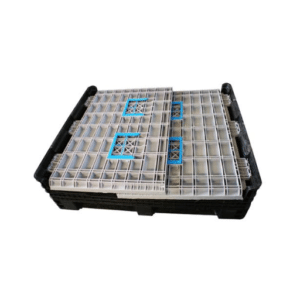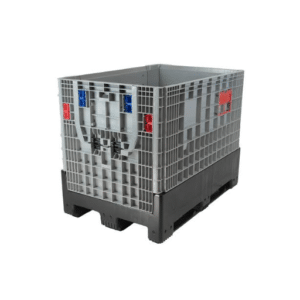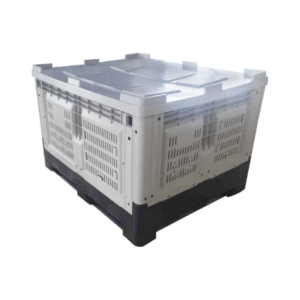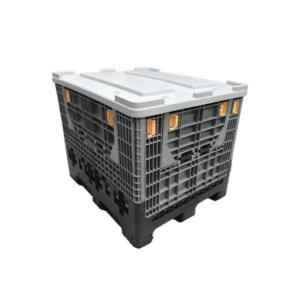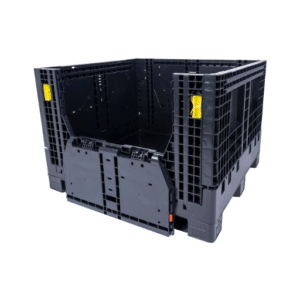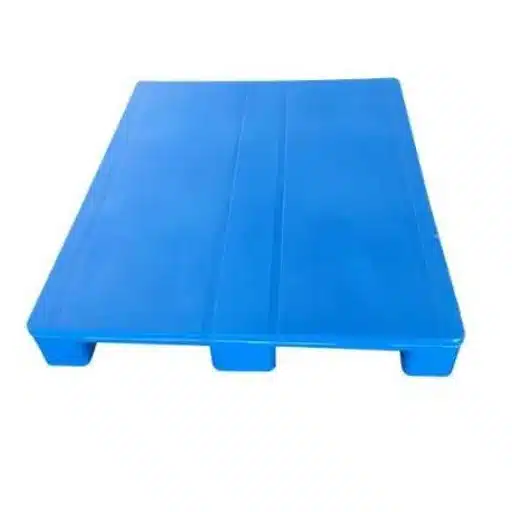

Custom plastic pallets for pharmaceuticals are engineered HDPE or polypropylene platforms designed to meet FDA, GMP, and cold-chain requirements while giving procurement teams the exact dimensions, load ratings, and traceability features their operations demand. Unlike standard pallets, these units are specified for cleanability, batch recall readiness, and compatibility with automated pharmaceutical warehouses.
In 2009, McNeil Consumer Healthcare recalled more than 60 million bottles of Tylenol, Motrin, and Benadryl. The culprit was not the medicine itself. It was 2,4,6-tribromoanisole (TBA), a chemical byproduct of wood-preservative fungicides that had migrated through packaging from contaminated wooden pallets. The incident cost Johnson & Johnson over $900 million and permanently changed how pharmaceutical companies view the humble pallet.
If you manage procurement, quality assurance, or logistics for a pharmaceutical operation, you already know the stakes. One contaminated load can trigger an audit, a recall, or a supply chain shutdown. This guide will show you exactly what to specify when sourcing custom plastic pallets for pharmaceuticals, how to validate a supplier, and where customization turns compliance from a cost center into a competitive advantage.
Key Takeaways
- Pharmaceutical plastic pallets must use virgin HDPE or PP, have smooth closed-deck surfaces, and carry documented FDA/GMP compliance statements.
- The 2009 Tylenol recall proved that wooden pallets can introduce chemical contaminants even through sealed packaging.
- Customization options that matter most for pharma include size, load rating, color-coding, steel reinforcement, RFID pockets, and anti-microbial additives.
- A qualified supplier should provide material COAs, ISO 8611 load test reports, FDA 21 CFR resin statements, and batch traceability records.
- Custom plastic pallets typically last up to 10 years and eliminate fumigation requirements under ISPM-15.
What Are Custom Plastic Pallets for Pharmaceuticals?
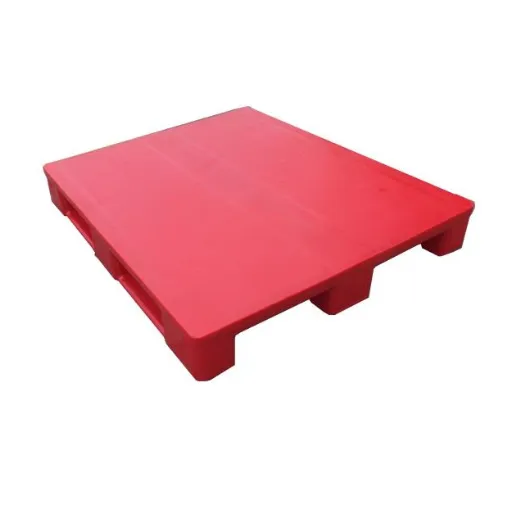
Custom plastic pallets for pharmaceuticals are not off-the-shelf logistics equipment. They are purpose-built material-handling platforms made from high-density polyethylene (HDPE) or polypropylene (PP) and configured to the specific workflows of drug manufacturing, warehousing, and distribution.
A standard pallet might carry cartons in a retail warehouse. A pharmaceutical pallet must do far more. It must resist moisture, chemicals, and microbial growth. It must survive repeated steam or chemical cleaning without warping. It must maintain dimensional stability in freezers and cleanrooms. And it must often integrate with automation: conveyors, pallet shuttles, robotic depalletizers, and automated storage and retrieval systems (AS/RS).
Customization bridges the gap between generic plastic pallets and the strict demands of pharmaceutical operations. Buyers can specify:
- Exact external dimensions to match existing racking, conveyors, or tote footprints
- Static, dynamic, and racking load ratings based on actual product weights
- Closed-deck, smooth surfaces with rounded corners to eliminate contamination traps
- Color matching to Pantone codes for zone segregation or corporate branding
- Steel reinforcement for heavy loads in high-bay racking
- RFID pockets, barcode labels, or embossed serial numbers for track-and-trace compliance
- Anti-microbial additives for high-risk zones
- Temperature grades for cold chain or sterilization applications
At Shandong Lile, we treat customization as the natural extension of compliance. Our plastic pallet solutions start with virgin HDPE and PP resins, ISO 9001 quality systems, and precision injection molding. From there, we tailor dimensions, colors, logos, and reinforcement to the exact needs of pharmaceutical clients.
Why Pharmaceutical Operations Choose Custom Plastic Over Wood
Wood has dominated logistics for more than a century, but it is a poor fit for pharmaceutical environments. The Tylenol recall was not an isolated event. In 2010, Pfizer recalled roughly 360,000 bottles of Lipitor, and Depomed recalled 52 lots of Glumetza. Both cases involved contamination linked to wooden pallets or shipping materials.
Wood is porous. It absorbs moisture, chemicals, bacteria, and odors. It splinters. It harbors mold and insects. And because wooden pallets crossing international borders must be heat-treated or fumigated under ISPM-15, they introduce yet another chemical exposure risk.
Plastic pallets eliminate these vulnerabilities. A smooth, non-porous HDPE surface does not absorb contaminants. A one-piece or welded construction has no nails, boards, or hollow spaces where moisture can accumulate. And plastic pallets are exempt from ISPM-15, simplifying global shipments.
Marcus, a quality assurance director at a generics manufacturer in New Jersey, learned this during a routine FDA inspection. His warehouse still used wooden pallets for incoming raw materials. The inspector flagged visible mold on a pallet corner and asked for the documented rationale for using wood in a GMP environment. Marcus had no good answer. The finding delayed a product release by three weeks and cost the company roughly $180,000 in rework and rescheduled production. Six months later, his facility had switched to custom white HDPE pallets with color-coded zones. The next audit found zero pallet-related observations.
Beyond contamination control, custom plastic pallets deliver operational advantages:
- Longer service life. Quality HDPE pallets can last up to 10 years, while wooden pallets in demanding pharma supply chains may survive only a handful of trips.
- Predictable dimensions. Automated systems require consistent size and weight. Wood warps, splits, and varies in weight. Plastic does not.
- Lower total cost of ownership. Higher upfront cost is offset by reduced replacement, cleaning, and recall risk.
- Sustainability. HDPE and PP are 100% recyclable, and many programs offer buyback or regrind options at end of life.
For a deeper look at the compliance side, see our complete guide to pharmaceutical plastic pallets.
Key Regulatory and Quality Standards
Compliance in pharmaceutical logistics is not optional. Every pallet that touches a drug product, raw material, or finished good must be defensible during an audit. Here are the standards buyers should reference when specifying custom plastic pallets for pharmaceuticals.
FDA 21 CFR and Food-Contact Resins
The U.S. Food and Drug Administration regulates materials that may contact drugs under 21 CFR. For plastic pallets, the relevant reference is typically 21 CFR 177.1520, which covers olefin polymers such as HDPE and PP for indirect food contact. Pharmaceutical buyers should request a written statement from the pallet manufacturer confirming that all resins, colorants, and additives comply with FDA requirements.
GMP and cGMP Expectations
Good Manufacturing Practice (GMP) and current Good Manufacturing Practice (cGMP) require that equipment and materials used in drug handling be cleanable, inspectable, and non-shedding. For pallets, this translates into:
- Smooth, non-porous surfaces
- No cavities or hollow spaces
- Rounded corners and edges
- Compatibility with approved cleaning and disinfection agents
- Documentation in the site’s quality system
ISO Standards
- ISO 8611 specifies performance testing for pallets, including static load, dynamic load, and racking load ratings. Any pharma pallet should come with test reports.
- ISO 6780 defines international pallet dimensions, ensuring compatibility with global logistics.
- ISO 9001 certifies that the manufacturer operates a quality management system. Lile maintains ISO 9001 certification across its production facilities.
ISPM-15 Exemption
Wooden pallets used in international trade must be heat-treated or fumigated under ISPM-15 to prevent pest spread. Plastic pallets are exempt. This removes cost, delay, and chemical exposure from cross-border pharmaceutical shipments.
EU GMP, GDP, and WHO Guidelines
For companies operating in Europe or exporting to EU markets, pallets must align with EU Good Manufacturing Practice and Good Distribution Practice (GDP). WHO guidelines for pharmaceutical logistics echo these expectations, emphasizing cleanable, traceable platforms.
Customization Options That Matter in Pharmaceutical Logistics
This is where a generic pharmaceutical pallet guide ends and a procurement conversation begins. The right customizations reduce risk, improve workflow efficiency, and make audits smoother.
Custom Sizes and Load Ratings
Pharmaceutical facilities often use non-standard tote sizes, cleanroom pass-throughs, or automated equipment. A pallet that is 5 mm too wide can jam a conveyor. One that is undersized can tip in a high-bay rack.
Buyers should specify:
- External length, width, and height
- Static load rating (pallet sitting on the floor, fully loaded)
- Dynamic load rating (pallet moving under forklift or conveyor)
- Racking load rating (pallet supported by racking beams)
Our plastic pallet load capacity guide explains the difference between these ratings in detail.
Material Choices: HDPE vs. PP
- HDPE is the workhorse material for pharmaceutical pallets. It offers excellent impact resistance, chemical resistance, and low moisture absorption.
- PP performs better at higher temperatures and is often chosen for applications involving repeated steam sterilization.
For most pharmaceutical warehousing and distribution, virgin HDPE is the right choice. Recycled content may be acceptable in secondary applications, but virgin resin is strongly preferred for direct or indirect pharmaceutical contact because batch composition and contaminant risk are easier to control.
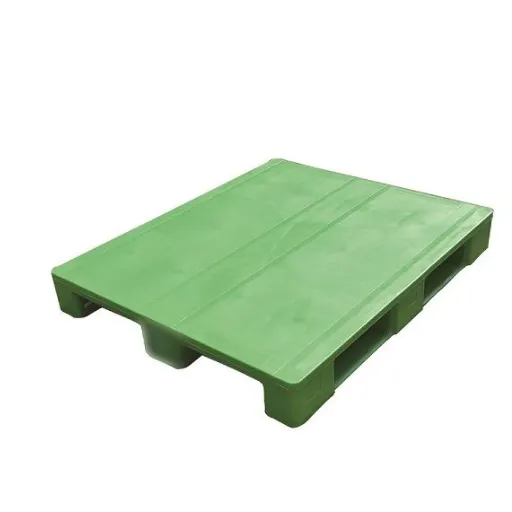
Color-Coding and Branding
Color-coding is a simple but powerful customization. A facility might use:
- White pallets for cleanroom and finished-goods areas
- Blue pallets for raw materials
- Red pallets for quarantine or reject zones
- Green pallets for released goods
Pantone color matching and embossed logos are also available for companies that want brand consistency across global operations.
Steel Reinforcement and Rackability
Heavy liquid shipments, bulk APIs, or high-bay storage may require steel-reinforced pallets. Steel bars embedded in the deck or runners increase racking load capacity without adding significant weight. For pharmaceutical environments, reinforcement should be fully encapsulated to prevent rust or exposed metal.
RFID, Barcodes, and Traceability Integration
Serialization and track-and-trace are central to pharmaceutical compliance. Custom pallets can include:
- Embedded RFID pockets
- Recessed barcode labels
- Laser-etched serial numbers
- QR codes linking to batch records
These features make it easier to trace a pallet’s history, identify which batch it carried, and narrow recall scope if needed.
Sarah, a supply chain manager at a biologics distributor, faced a recall scare last winter. A temperature excursion in a third-party warehouse put a vaccine shipment at risk. Because Sarah’s team had recently deployed custom blue HDPE pallets with embedded RFID tags, they could trace exactly which pallets had been in the affected zone. What could have been a facility-wide quarantine became a targeted 48-hour hold. The traceability feature alone paid for the pallet upgrade.
How to Choose a Pharmaceutical Plastic Pallet Supplier
Not every plastic pallet manufacturer understands pharmaceutical requirements. A low-cost supplier without proper documentation can create more risk than a wooden pallet. Use this checklist when qualifying a supplier for custom plastic pallets for pharmaceuticals.
- Request material certificates. The supplier should provide a Certificate of Analysis (COA) and a statement that resins comply with FDA 21 CFR 177.1520.
- Verify ISO 9001 certification. This confirms a documented quality management system.
- Ask for ISO 8611 test reports. Load ratings should be backed by independent or in-house testing.
- Confirm traceability systems. Can the supplier provide batch numbers, production dates, and raw-material lot tracking?
- Review customization capabilities. Do they offer custom molds, color matching, steel reinforcement, RFID pockets, and OEM/ODM services?
- Check lead times and logistics. Pharmaceutical launches rarely wait. A supplier with global shipping experience and reliable port access matters.
- Inspect sample pallets. Run a 50–200 unit pilot with defined KPIs: cleanliness, dimensional accuracy, load performance, and compatibility with your equipment.
- Evaluate quality agreements. Will the supplier sign a quality agreement that defines change control, complaint handling, and audit rights?
Red flags include reluctance to share documentation, claims that recycled content is suitable for all pharma applications, and load ratings stated without test data.
At Shandong Lile, we provide documented compliance packages, custom engineering support, and global logistics from our Qingdao Port operations. Our custom plastic pallets guide walks through the full design-to-delivery process.
Total Cost of Ownership: Custom Plastic vs. Wood vs. Pooling
Sticker price is the wrong way to compare pallets. The real metric is total cost of ownership over the pallet’s useful life.
| Cost Factor | Wood Pallets | Pallet Pooling | Custom Plastic Pallets |
|---|---|---|---|
| Initial unit cost | Low | Subscription model | Higher |
| Service life | 5–10 trips | Managed by provider | Up to 10 years |
| Cleaning/sanitization | Difficult and inconsistent | Usually handled by provider | Easy and repeatable |
| Contamination risk | High | Low to moderate | Low |
| ISPM-15 fumigation | Required for export | Usually included | Exempt |
| Traceability | Limited | Provider-dependent | Fully customizable |
| Automation compatibility | Poor | Varies | Excellent |
Pallet pooling can make sense for high-volume, standardized operations with limited customization needs. But for pharmaceutical facilities that require specific dimensions, colors, RFID integration, or audit-ready documentation, owning custom plastic pallets usually delivers better control and lower lifetime cost.
Li Wei, an operations lead at a cold-chain logistics provider in Shanghai, ran the numbers before switching from pooled pallets to custom units. His facility shipped temperature-sensitive APIs across Asia-Pacific. Pooled pallets worked for standard lanes, but they lacked the RFID traceability and freezer-grade racking ratings his pharmaceutical clients required. After switching to custom HDPE pallets with steel reinforcement and embedded tags, Li Wei cut pallet-related delays by 35% and reduced per-shipment handling damage by half. The payback period was 18 months.
Common Pharmaceutical Use Cases for Custom Plastic Pallets
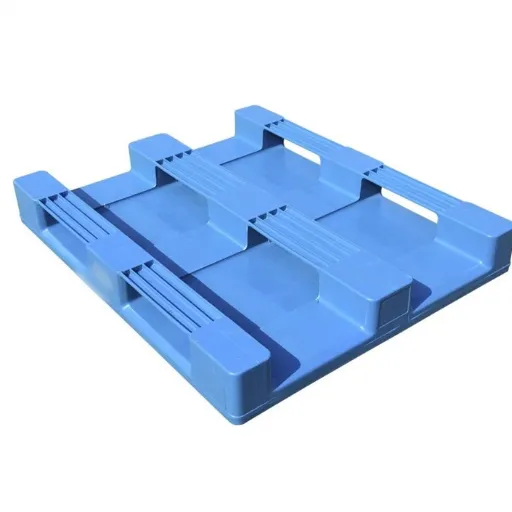
Custom plastic pallets for pharmaceuticals appear at nearly every stage of the supply chain:
- Raw material receiving — Color-coded pallets separate APIs, excipients, and packaging materials before they enter production.
- In-process storage — Smooth, cleanable pallets move work-in-process materials between suites without introducing contaminants.
- Finished goods warehousing — Rackable pallets with high load ratings store packaged drugs awaiting release or shipment.
- Cold chain distribution — Freezer-grade HDPE or PP pallets maintain performance from -40°C to +80°C.
- Automated warehouses — Dimensional consistency ensures reliable operation in AS/RS, conveyor loops, and robotic systems.
- Cleanroom and white-room operations — White or light-colored pallets with closed decks support visually controlled environments.
For facilities handling both food-grade excipients and drug products, hygienic design becomes even more critical. Our guide to hygienic plastic pallets meeting FDA standards covers the design details that keep dual-use operations compliant.
Conclusion
Custom plastic pallets for pharmaceuticals are no longer a niche upgrade. They are a standard requirement for any operation that takes FDA compliance, contamination control, and supply chain efficiency seriously.
The best procurement decisions combine three things: the right material, the right customization, and the right supplier. Virgin HDPE or PP, smooth closed-deck construction, documented compliance, and tailored features like RFID integration or steel reinforcement turn a simple platform into a quality asset.
At Shandong Lile, we engineer custom plastic pallets that meet pharmaceutical standards from day one. With ISO 9001-certified production, global logistics reach, and deep OEM/ODM experience, we help pharmaceutical companies move from compliance checklists to competitive advantage.
Ready to specify custom plastic pallets for your pharmaceutical operation? Contact our team today for a free quote, material samples, and a compliance documentation package tailored to your audit requirements.