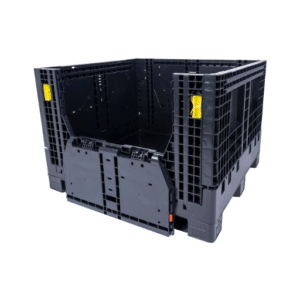
It is vitally important to adhere to the requirements of the FDA and other regulatory authorities, as the nature of the supply chain allows maintenance of hygiene, preservation of product integrity, and compliance with the regulations raised. The purpose of this article is to analyze the importance of hygienic pallets in such industries and include the rationale for their preference under such strict hygiene rules, how they outwit traditional materials, and how one avoids loss of customers by adhering to such extremely high standards. Knowing their advantages and applications allows people to utilize them to improve their business without compromising on safety and quality.
Introduction to Hygienic Plastic Pallets

Hygienic pallets are specifically manufactured to conform to the health and safety standards of food manufacturing, pharmaceuticals, and the health sector. Their surfaces, being non-absorptive unlike those made from wood, do not allow seepage of any pathogens, and this enhances protection against spiral bacteria growth. They are strong, wash-friendly, and often approved by international hygiene regulatory bodies, which makes them a good option for high-regulation requirements. Furthermore, these hygienic pallets also stand up well against any form of chemical attack and wetness, thereby ensuring long use and high productivity enhancement where there is a critical supply chain encounter.
Importance of Hygiene in the Food & Beverage Industry
The food and beverage industry fundamentally relies on retaining a high level of hygiene in order to ensure the safety of consumers, compliance with the set standards, and quality of the products. Contamination can occur at any point in the production, processing, or distribution chain. For this reason, it is necessary to establish and follow rigid hygiene measures – such as frequent and timely cleaning of the machinery and equipment, adequate storage facilities, and training of personnel in order to exclude any chance of cross-contamination and spread of infectious microorganisms.
Key Industry Frameworks
- HACCP (Hazard Analysis and Critical Control Points) — identifies and controls food safety hazards
- ISO 22000 — maintains food safety performance levels through audits and inspections
Applying effective hygiene processes helps to save a company’s brand image, and helps minimize the chances of expensive product withdrawal costs, besides maintaining market advantage amidst the current fire economy, as it becomes more regulated and quality-driven.
Significance of Hygienic Pallets in Pharmaceuticals
In the field of pharmaceuticals, the use of hygienic pallets is essential to uphold the required level of cleanliness and serve to minimize the risk of contamination and adhere to stringent industry guidelines such as the cGMP (Current Good Manufacturing Practices). This is in contrast to the conventional wooden pallets, as the hygienic ones that are manufactured from HDPE (High-Density Polyethylene), other non-porous materials do not allow the growth of organisms, are easy to wash, and do not pose risks like splintering wood, soaking in water, or leaching chemicals.
🧪
Non-Porous Surface
Does not allow growth of organisms; easy to wash
🏭
Cleanroom Compatible
Adheres to cleanroom and sterile area requirements
⚗️
Chemical Resistant
Robust construction increases longevity and reduces cost
📦
Product Integrity
Protects integrity and enables tracking and safe distribution
Such pallets can safely support raw materials and finished goods with damage to the least damage and even adhere to the cleanroom and sterile area requirements. In addition, the chemical resistance and robust construction of these pallets help increase their longevity, and consequently, the cost of ownership, including waste, comes down. Hygienic pallets protect the product integrity and make it easier for tracking and safe distribution, all of which are important for the protection of the patient’s health and pharmaceutical processes as a whole.
Overview of FDA and HACCP Regulations
The United States is well known for food safety and pharmaceutical standards thanks to the various regulations coming from the FDA (Food and Drug Administration) and HACCP (Hazard Analysis and Critical Control Points). The FDA lays down many regulations in the interests of consumers’ health and safety, emphasizing hygiene in the three Rs: respecting products of the company and the production system employed by that company. They are also concerned about the implementation of Good Manufacturing Practices by the enterprise to avoid contamination and ensure the wholesomeness of products.
HACCP, conversely, is an organized, preventative method for finding, assessing, and managing food safety threats that arise in the course of food processing. It requires the use of Critical Control Points (CCPs) to monitor the effectiveness of the specific process in place, with constant/regular monitoring and management put in place, with the references for compliance being maintained.
Along the same lines, FDA requirements as well as HACCP mechanisms complement each other in constructing a safety system governing the manufacturing, packaging, and transportation of edible and medicinal goods. There is a need for such laws in place not only for compliance purposes, but also to help increase consumer confidence and help to enable international trade.
Material Advantages of Hygienic Plastic Pallets

Hygienic pallets, which are made of plastic, are common in the food, pharmaceutical, and other industries. Such pallet surfaces are non-porous, possibiliting that water and surfaces from encouraging the formation of bacteria, mold, and other organisms from growing in such dirty places. Improvement in preventing contamination is certified by the absence of crevices, which ease cleaning the surfaces. Moreover, plastic pallets’ strength is better than that of wood pallets, implying several years of use without compromising their integrity, even with heavy use. They are also chemical-resistant, and thus can be used in areas where heavy cleaning chemicals are used or where there is a likelihood of chemical damage. Finally, plastic pallets are easy to lift and can be reclaimed for use, which will support the tactics on sustainability at the same time, facilitating transportation and storage.
Comparing HDPE and Wood Pallets
There are several critical aspects when assessing the difference between HDPE (High-Density Polyethylene) and contemporary wooden pallets. The primary ones are the aspects of durability, cleanability, price, and the effect on the environment due to the material. High-Density Polyethylene pallets are very strong and structurally sound and do not suffer from breakage or deformation over time, unlike wooden pallets, which would disintegrate faster, especially when subjected to harsh surroundings. Wood most generally the conventional choice of material for pallet construction and does the job perfectly. However, hygienic pallets are more preferred over wooden ones because they can be cleaned easily since plastic never gets soaked and the surface also gets covered with grime, hence it is more preferable in areas such as food, pharmaceutical, or chemical, whose primary concern is hygiene.
In the practical aspect, wood that is typically applied in a construction job is more beneficial because of where it stands price-wise. However, from a logistics perspective, wood pallets may seem to be cheaper, yet they degrade faster and will require more frequent maintenance and replacements. Whereas, even though HDPE pallets cost a lot initially, that mono efficiency is sustained over a longer period as they are more durable and do not require many repairs. With regards to sustainability, HDPE pallets can be used again as they are recyclable, wood pallets are not, and although they can decompose, that would mean a constant supply of timber, which equals the cutting down of forests.
In the end, the decision making as regards the usage of HDPE pallet this and wooden pallet that shall depend on a weave of conditions, among others, load bearing, environmental friendliness and among others, and industry commands such as in food industries, among others. Where the hygiene-friendly standards are kept, and only reusable equipment, which includes plastic pallets are used, HDPE pallets are more appropriate; whereas in less hygienic and sometimes hygienic environments, where shorter durations or less intense conditions are likely to be met, wooden pallets are a good option as they are the cheaper alternative.
Benefits of Easy-to-Clean & Long-Lasting Plastic Hygienic Pallets
Easy-to-Clean Design
Plastic hygienic pallets, especially ones that are manufactured using HDPE in particular, have several significant benefits in channels where extreme levels of hygiene are required. The pallets are nonporous in construction, thus they cannot absorb any moisture, bacteria, or stains inside and hence find use in food manufacturing, health care, and other similar environments. The cleaning process is activated by the smooth finish and the absence of nails or any sharp corners, which reduces labor consumption and ensures that regulatory agencies such as the FDA or HACCP are met. Additionally because of the plastic nature of the pallets, it is easy to sanitize the pallets more often without worry of any damage or distortion to the structure. This is because wood pallets splinter and harbor pests, which would not be the case with plastic pallets, hence the hygiene and durability in the harsh environment. They are therefore made of hygienic pallets easy to clean, which is very important in keeping clean and working supply chains within the time constraint.
Durability and Longevity of Plastic Pallets
The plastic pallets on the market are constructed in a way that makes them strong and allows longevity, giving an affordable and eco-friendly option. These quality sustained pallets, as opposed to the old school wood pallets, are made out of materials like high-density polyethylene (HDPE) or polypropylene (PP) and outperform the latter in terms of wear, physical forces, and weather envelop factors. Withstanding water, molds, and pests, they also perform well even in extreme heat, and also when it is damp or rainy, hygienic pallets will still work effectively.
One major benefit of using plastic pallets as opposed to wooden pallets is the latter’s disposition to decomposition over time as they splinter and warp, which can lead to loss of shape and strength of the ordinary ones after several such rounds of handling. The durable care and functional properties ensure that less replacement of pallets is needed, thus reducing operational costs and reducing the effect on the environment.
In addition, because they are recyclable, discarded pallets at the end of their useful life can be made into other products, and encourage green practice in supply chains. All these account for the increasing popularity of the use of hygienic pallets.
Regulatory Compliance for Hygienic Pallets

Several regulations are in place to guide the use of hygienic pallets in industries like food, pharmaceuticals, and even healthcare in order to minimize exposure to risks such as contamination. Food-grade pallets, for instance, should comply with food contact materials regulations such as the FDA CFR Title 21 in the US or Regulation (EC) No. 1935/2004 on materials and articles intended to come into contact with food. In the same vein, some pharmaceutical uses also entail housing products according to GMP standards to prevent loss in quality of the product.
Hygienic pallets are generally made using smooth-surfaced and non-porous materials like HDPE High-Density Polyethylene, a material known for its resistance to microbes and contamination. Such hygienic pallets are also accessible due to the requirement for ISO 22000 certification or HACCP compliance, which enhances their credibility, especially in the food industry. Therefore, businesses have to make it a priority to ensure that pallet systems used in a business are truly tested and certified to ensure that they fulfill the purpose they are intended for, as this will translate to regulatory compliance and ease of operations for the business.
Understanding FDA Requirements for Pallet Use
The Food and Drug Administration (FDA) has established stringent guidelines on the types of pallets employed in sectors like the food, drug, or drink industries. This is to safeguard the health and well-being of the general public. The materials used in the construction of the pallets must be non-poisonous, easy to clean, and sturdy enough to allow for numerous cleaning and disinfection cycles. Most pallets allowed by the FDA tend to be made out of hygienic pallets, such as high-density polyethylene or polypropylene plastic polymers, which do not promote microbial activity or contamination.
The major instructions are on—they call for hygienic pallets, i.e., pallets permitted for use within a food processing plant’s chain of sustenance, yet not for actual contact with food itself as required by 21 CFR 177. However, pallets also need to provide sanitary conditions, as they should not be made from absorbent materials such as bare wood, which may hold bugs and bacteria. Pallets should always be washed and checked for any damage, cracks, or dirtiness to avoid product contamination issues. This means that management must always be alert in obtaining the documents, such as the relevant FDA certifications or FSMA licenses, in order to ensure the smooth functioning of the operations and in compliance with the industrial norms.
HACCP Guidelines and Compliance for Hygienic Pallets
Under the Hazard Analysis and Critical Control Points (HACCP) system, hygienic pallets are crucial in maintaining food security in the entire food production and distribution ecosystem. For this purpose, pallets should be made of only those materials that reduce the contamination hazard, e.g., plastic or treated wood, as they are less inert, resistant to wear and tear, and easy to clean. The construction of the pallets must also be in such a way that they satisfy specified hygiene expectations, such that there is no crack, splinter, or any debris that would in any way affect the safety of food.
In this regard, the process also includes the development of critical control points, for example, inspection and maintenance of the pallets. Cleaning and the chemical treatment of the pallets used in food industries must conform to the standards and regulations prescribed by law, such as the FDA and FSMA. In addition, food pallets are supposed to be marked for easy identification and labeling so that they can be recalled in case of contamination.
It is essential to constantly observe and chronicle how well the particular approaches recommended under HACCP are applied. Additionally, employing sanitary design and comprehensive routine checks is crucial in improving HACCP implementations for the protection and sustenance of healthy consumption of food to the public in conformance with the guidelines of the industry.
Documentation and Certification for Plastic Pallets
Regulatory as well as industry standards demand that any plastic pallets should be accompanied by suitable and valid documentation confirming that they are safe, fit for purpose or use, and in line with any required standards. For example, there is the ISO 8611 standard, which assesses a pallet’s performance and quality criterion, and NSF certification, which is a confirmation with respect to the sanitary and hygienic pallet practices that are very important in the processing of foods. These documents should also show that the pallets are in line with the recommendations of the Food Safety Modernization Act (FSMA) as well as the Food and Drug Administration (FDA) regarding food contact, whether direct or indirect.
Traceability in that case is one of the most important aspects that call for the production of pallets to be documented, materials used, as well as quality tested. They are available for this purpose and enhance the facilitation of recall should contamination occur. Meeting GMA standards, for example, completes the chain of operations, making them more manageable.
This enables standardization and certification of the product, where all precautions and regulations are followed, therefore helping customers to confirm how hygienic pallets will be, whether there is a high or low chance of their utility in any other industry, and the efficiency of that industry as well.
Cost-Efficiency of Hygienic Plastic Pallets

The use of hygienic pallets is immensely appealing from an economic standpoint, since they last long, are light to carry, and can be put to use more than once. Plastic pallets can also be considered a better option as opposed to wooden ones since they are less vulnerable to damage that really occurs infrequently, and hence replacement costs are also incurred rarely. A single pallet can last a number of years, and hence there is no need to keep ordering new ones very frequently. Lack of substantial weight also contributes to decreased transport costs, particularly within businesses where such cost is a huge factor. Care expenses are minimized as well due to the fact that plastic pallets are easy to wash off, plus there is no need to deal with bleaching agents for insects and rotting problems. Such reasons, together with the fact that businesses cut down on costs, make the use of hygienic pallets more attractive.
Initial Investment vs. Long-Term Savings
Plastic and wooden pallets differ in cost, and plastic pallets can be more expensive initially. The benefits, however, outweigh the initial costs when the durability and lifespan of plastic pallets are put into perspective. Plastic pallets do not deteriorate or wear out due to weather and insects; unlike wood pallets, they are used for longer durations in similar conditions. As a result, it is some time before they are replaced, and as a consequence, they are less expensive in the long run.
Moreover, several beneficial properties of plastic pallets, such as a lower weight, guarantee a decrease in associated transport costs in the long run. They require little care, thus they do not have to be repaired, fumigated, or treated very often, either saving the company resources that can otherwise be channelled towards other activities within the company. For companies that value eco-friendly and cost-saving practices, the plastic hygienic pallets are also reusable which assures their cost-effectiveness in the long term. Thus, even if they are more expensive than other crates, when devices such as these are used for a long period of time, and there are no additional related expenses, plastic pallets have financial advantages.
Return on Investment from Improved Hygiene Practices
One of the greatest returns can be found when investing in and encouraging better hygiene practices. The reason is that improvement in sanitation leads to reduced chances of having a loss of a product or conducting an expensive recall because of contamination. For instance, businesses that produce food or drugs often use plastic hygienic pallets in order to meet set standards of hygiene and prevent infestation problems; thus, saving on the costs of pest control and cleaning. Such materials, aside from being strong, are also moisture-resistant, significantly reducing the costs of repair and replacement, hence increasing the operational windows of the equipment and structures.
The adoption of more infectious solutions increases consumer confidence in that, as businesses focus their attention on hygiene and safety as much as possible. As a result, the reputation of the brand is enhanced, and more importantly, there is an increase in revenue in the long run. It is also efficient in terms of working, as making the place conducive for healthy living does not require one to spend time cleaning the area. In essence, one can argue that the initial cost of hygienic pallets or even practices may be higher, but in most cases results in enhanced safety, waste elimination, waste disposal, and other financial benefits.
Common Pain Points Regarding Sanitary Trays

⚠️ Material Constituency
Hygienic pallets composed of quality elements are more sensitive to cracking, distortion, or deterioration and need to be changed every now and then, which results in costs beyond normal.
⚠️ Hassle-Free Cleanability
Trays that are designed in a convoluted way or have a less refined surface finish will tend to hold dirt and micro-organisms; thus, thorough wipes to clean off every dirt will be tiring and tedious.
⚠️ Structural Integrity
Low-cost trays may break when subjected to disinfectant or aggressive cleaning tools, and thus defeat the purpose of using them.
⚠️ Standardization of Applications
The use of trays of different sizes or shapes may restrict their use to a certain type of equipment, which will, in turn, cause inefficiencies within the operational processes and even necessitate modification of the existing machinery.
⚠️ Costs and Keeping Age in Mind
Economical trays might help in cutting the immediate buying cost, but they tend to lag over an extended duration of time, thereby increasing the long-term expenditure and affecting the business.
Addressing Concerns about Durability and Performance
I consider hygienic pallets durable and functional, so materials and construction sheathed in engineering functional standards are my first choice. To avoid damaged products on the front or efficiently maintain the systems already in place, I look at both exterior and interior build quality shielding. Also, to ensure the cheaper options I like do not turn out to be more expensive in the long run, I am conscious of long-term performance, in order to avoid any user frustrations in solutions that are efficient and enduring over time.
Myths vs. Facts About Plastic Hygienic Pallets
Reference Sources
The study examined the hygienic qualities of wood and plastic pallets, concluding that there is no significant difference in their hygienic performance when cleaned properly.
“The Role of Pallets in Microbial Food Safety”
This research highlighted the importance of pallets in food transportation and their impact on microbial food safety. It compared wood and plastic pallets, emphasizing the need for proper maintenance to ensure safety.
Frequently Asked Questions (FAQs)
What are hygiene pallets, and why are they considered important for food safety?
Hygiene pallets are a specific kind of pallet that is manufactured to fulfill tough hygiene and food safety norms pertaining to the storage and transportation of food items and also healthcare products. Such pallets are normally designed out of food-grade and non-porous plastics like HDPE or virgin plastic so that the surfaces stay smooth and easy to clean and disinfect. The risk of contamination is greatly reduced thanks to the use of such pallets, wherein the food packaging and, on certain occasions, food-grade containers may come in contact with food. Further, such pallets aid in the observance of the strict hygiene rules and help maintain hygienic conditions throughout the entire supply chain.
How are hygienic pallets made?
Hygienic pallets, while in use, are devoid of contamination sites such as dirt traps or any other pockets where microbes are likely to collect, as both the top deck and the materials used in making these kinds of pallets are entirely smooth and non-porous. It is common practice to manufacture such beams from food-grade plastic or new plastic free from any recycled fillers for suppression of cross-environmental contamination. Attributes incorporated in the design may include sealed, rounded ends and even an integration into a structure of such an extent that guarantees cleaning, disinfection, and even application in food and pharmaceutical industry clean room standards.
Which pallet features help in cleaning and sanitizing the pallets?
The main benefits of these pallets are a flat deck surface, the top deck can either be a solid or an open one, and they are made from non-porous and chemically resistant materials that can withstand cleansers in cases of intense washing. On the other hand, food-safe plastic such as high-density polyethylene is impervious to moisture or contaminants, hence useful for extreme cleaning mechanisms involving high pressure or thermal sanitization. In addition, most of the sterile plastic pallets are structured in such a way that they are very smooth and sealed where they have contact surfaces to meet the high standards of hygiene and regulations that exist.
Are hygienic pallets suitable for use in a cleanroom?
Yes, most hygienic pallets can be used for food applications, and environments where direct contact with such food is required, while such sterile environments exist. Such food-grade pallets are usually manufactured from specialized food-grade and virgin plastics and can be used in the food and pharmaceutical industries, where food is packaged, or in clean rooms. It is also important to check to see whether a pallet is certified as food grade and the state of hygiene of the pallet before it is used in such environments.
Are hygienic pallets safe for the environment, and are they recyclable and reusable?
Such hygienic pallets are recyclable and contribute to a sustainable economy and circular motion when they are made out of materials that are recyclable or are engineered to be recovered at the end of their life. Although there are some pallets that have been made using recycled plastic pallet components, in food-grade uses, virgin plastic is preferred because of hygiene concerns. In this sense, manufacturers also have recycling to manufacture programs or take back schemes where a pallet is converted into another articulated form – by recycling that is remelted and cast into new products; thereby, employing food safety and sustainable goals.
What are the advantages of using recyclable hygienic plastic pallets as compared to wooden euro pallets?
In contrast to wooden euro pallet designs, plastic pallets, known for their hygienic properties, have smooth, non-porous surfaces. This implies that they do not splinter, rot, or facilitate microbial propagation in any way. The level of plastic grade used, especially food-safe and heavy-duty pallets, makes them very friendly while cleaning, disinfecting, adhering to food processing and storage requirements, and minimizing any chances of infection. Wooden pallets may tend to absorb some moisture; thus, sanitization of the pallets is a more uphill task due to the level of cleanliness required.
What are some examples of sectors or stages of the supply chain where hygiene pallets are used?
Hygienic pallets find their biggest application in the food and pharmaceutical industry, food processing, cold storage, clean room manufacturing, and any other supply chain where there are hygiene and safety precautions. They are used to store or transport packaged foods, ingredients, pharmaceutical products, and materials with high levels of hygiene. The more robust designs also perform the function of industrial handling while ensuring food safety.