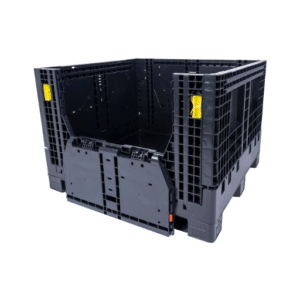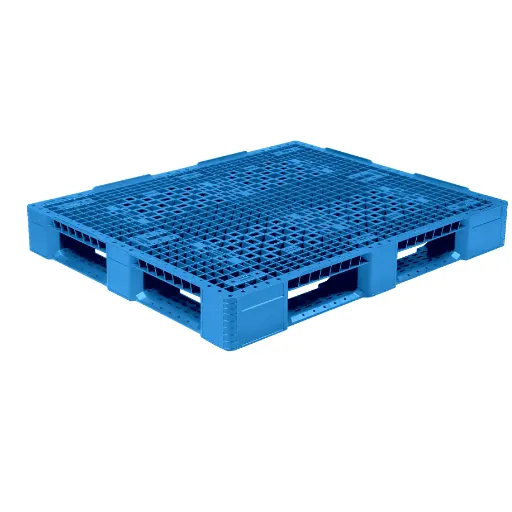

Procurement and operations teams face a persistent dilemma: choose low-cost wooden pallets that wear out quickly, or invest in reusable plastic pallets that promise lower total cost of ownership over time. The global plastic pallet market is projected to reach USD 9.4 billion by 2026, driven by demand for automation-ready, hygienic, and durable logistics platforms. Yet many buyers still struggle to justify the higher upfront price of plastic.
This guide provides a clear, evidence-based breakdown of reusable plastic pallet lifespan, return on investment (ROI), sustainability trade-offs, and selection criteria. Whether you manage a closed-loop distribution network or ship goods internationally, we will help you make an informed decision that aligns with your operational and financial goals.
What Are Reusable Plastic Pallets?
Reusable plastic pallets are durable logistics platforms manufactured from high-density polyethylene (HDPE) or polypropylene (PP). Unlike single-use wooden pallets, they are engineered for repeated use across hundreds of transport and storage cycles.
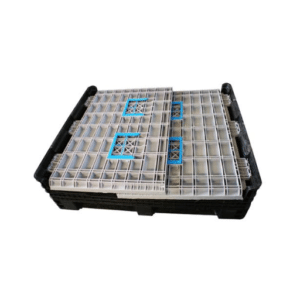
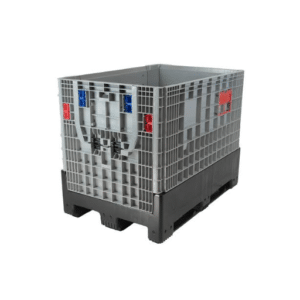
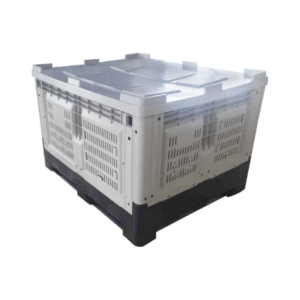
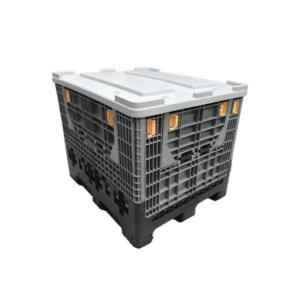
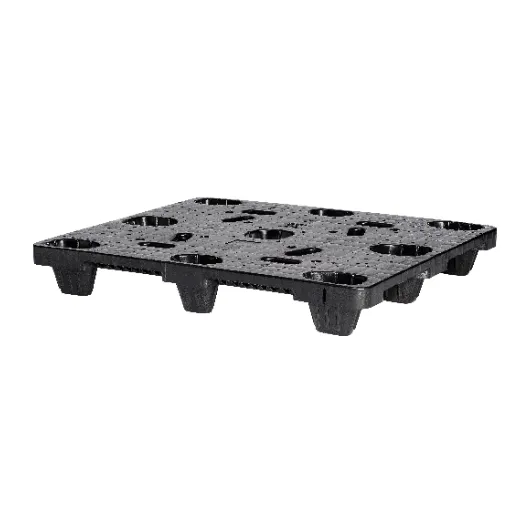
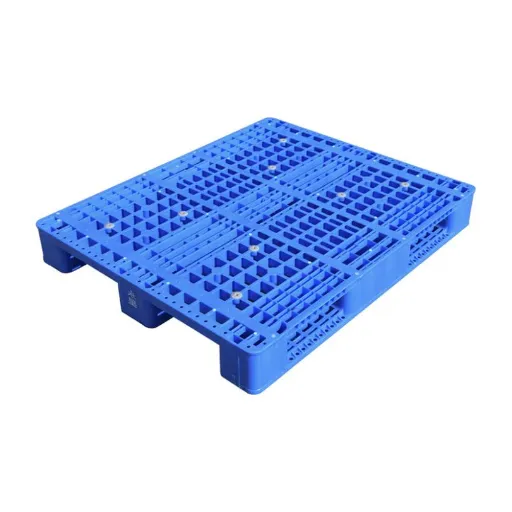
These pallets are produced through injection molding or structural foam processes, resulting in consistent dimensions, uniform weight, and high load-bearing capacity. Common designs include nestable models that stack efficiently when empty, rackable versions for warehouse shelving systems, and stackable pallets for stable bulk storage.
Because they are non-porous and moisture-resistant, reusable plastic pallets do not absorb odors, bacteria, or contaminants. This makes them especially valuable in industries with strict hygiene standards, such as food processing and pharmaceuticals. They are also exempt from ISPM-15 heat-treatment requirements, simplifying international shipping.
Key Benefits of Reusable Plastic Pallets
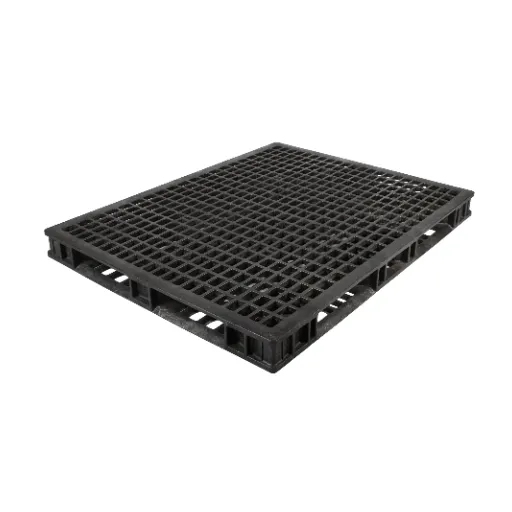
Durability and Longevity
A well-engineered reusable plastic pallet typically lasts 100 to 500 trips, depending on load weight and handling conditions. In contrast, standard wooden pallets average 10 to 80 trips before requiring repair or replacement.
Breakage rates tell a similar story. Research shows plastic pallets experience roughly 1% breakage in typical logistics environments, while wooden pallets fail at rates closer to 25%. For high-volume operations, this difference translates directly into fewer production stoppages, reduced product damage, and lower emergency procurement costs.
Operational Efficiency
Uniform dimensions and consistent weight make reusable plastic pallets ideal for automated storage and retrieval systems (AS/RS), conveyor lines, and robotic palletizers. Variations in wood pallet size or splinter protrusions can jam machinery and disrupt fulfillment schedules.
Space efficiency is another major advantage. Nestable plastic pallets often achieve a 3:1 return ratio, meaning three empty pallets occupy the space of one fully assembled unit. Some designs stack 40 high when empty, compared with roughly 15 high for wooden alternatives. This frees warehouse square footage and reduces reverse-logistics transport costs.
Hygiene and Compliance
Wooden pallets can harbor mold, insects, and bacteria in their porous grain. Reusable plastic pallets, by contrast, are easy to wash, sanitize, and steam-clean. They meet FDA and EU hygiene requirements for food-contact applications and are widely used in pharmaceutical clean rooms.
If your operation requires moisture-resistant pallets for humid environments, plastic construction provides a reliable barrier against water absorption and microbial growth.
Cost Savings Over Time
While the initial purchase price of a reusable plastic pallet is higher than wood, the break-even point often arrives within 3 to 5 uses in closed-loop systems. Over a full lifecycle, reusable packaging solutions can cut overall supply chain costs by up to 27% for producers, retailers, and distribution centers.
Savings come from multiple sources: reduced replacement purchases, lower product damage rates, elimination of ISPM-15 treatment fees, and decreased downtime from pallet-related equipment jams.
Reusable Plastic Pallets vs. Wooden Pallets: An Honest Comparison
Choosing between plastic and wood requires more than a simple price check. Lifecycle assessments (LCAs) from Penn State and Iowa State reveal important environmental and economic trade-offs.
| Factor | Reusable Plastic Pallets | Wooden Pallets |
|---|---|---|
| Upfront cost | Higher | Lower |
| Typical lifespan | 100–500 trips | 10–80 trips |
| Breakage rate | ~1% | ~25% |
| Cradle-to-gate CO₂ | Higher per unit (~30–40 kg CO₂-eq) | Lower per unit (~4–5 kg CO₂-eq) |
| Per-trip carbon (high-turnover loop) | Can offset through durability | Requires frequent replacement |
| End-of-life recovery | ~10–25% recycled | ~95% recovered/repaired/recycled |
| Hygiene | Excellent; easy to sanitize | Porous; can harbor contaminants |
| Automation fit | Excellent; uniform dimensions | Variable; risk of splinters/nails |
| ISPM-15 compliance | Exempt | Requires heat treatment/fumigation |
When Plastic Makes Sense
Reusable plastic pallets deliver the strongest ROI in closed-loop supply chains where pallets return to the origin point, in automated warehouses that demand dimensional precision, and in hygiene-critical industries such as fresh food, dairy, and pharmaceuticals.
When Wood Remains Competitive
For one-way export shipments where pallets are not returned, wooden pallets often win on upfront cost. Wood is also the lower-carbon choice at the production stage and benefits from an exceptionally high recovery rate of approximately 95% through repair, mulch, and biomass recovery.
The best choice depends on your trip volume, return logistics, and regulatory environment—not on blanket claims about one material being universally superior.
Industries That Rely on Reusable Plastic Pallets
Food and Beverage
Food producers and processors use reusable plastic pallets to prevent cross-contamination, comply with HACCP protocols, and withstand repeated wash-down cycles. Nestable designs also reduce storage space in facilities with limited warehouse capacity.
Pharmaceuticals and Healthcare
Drug manufacturers and medical distributors require pallet platforms that maintain cleanliness through temperature-controlled supply chains. Reusable plastic pallets for pharmaceutical use support GMP compliance and reduce particulate contamination risks.
Automotive Manufacturing
Just-in-time automotive supply chains depend on pallets that protect high-value components and fit precisely into automated production lines. Custom plastic pallets can be engineered with specific dimensions and load ratings to match parts containers.
Retail and E-Commerce Fulfillment
Retailers managing high-turnover distribution centers benefit from the stackability and consistent sizing of plastic pallets. If you operate in this sector, explore our insights on retail pallet solutions and inventory purchasing options to optimize your logistics setup.
How to Select the Right Reusable Plastic Pallet
Assess Load Requirements
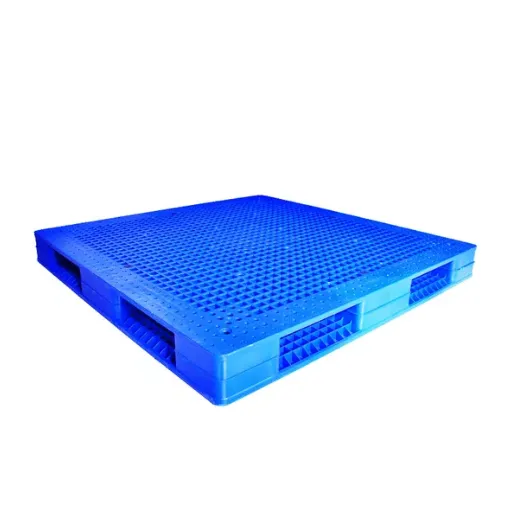
Start by defining your static load, dynamic load, and racking load requirements. A pallet rated for 2,000 kg in static storage may only support 1,000 kg in dynamic transport or 500 kg on warehouse racks. For a deeper understanding of these specifications, review our guide to pallet capacity testing standards.
Consider Automation Compatibility
If your facility uses AS/RS, conveyors, or robotic arms, specify pallets with tight dimensional tolerances and anti-slip surfaces. Inconsistent pallet heights or protruding edges can trigger expensive downtime.
Evaluate Return Logistics
Closed-loop systems maximize plastic pallet ROI. If return logistics are unreliable or distances are too great, the payback period lengthens. Map your average trip cycles and reverse-logistics costs before committing to a full fleet conversion.
Factor in Customization Needs
Off-the-shelf pallets do not always match specialized operations. At Shandong Lile Holding Group, we provide custom molding and OEM solutions that tailor pallet dimensions, colors, and branding to your exact requirements. Our ISO 9001-certified production ensures consistent quality, whether you need a standard rackable design or a custom-engineered platform for sensitive goods.
Sustainability and the Circular Economy
Sustainability in pallet selection is not a simple choice between “green” and “not green.” It requires measuring durability, recovery rates, and the specific conditions of your supply chain.
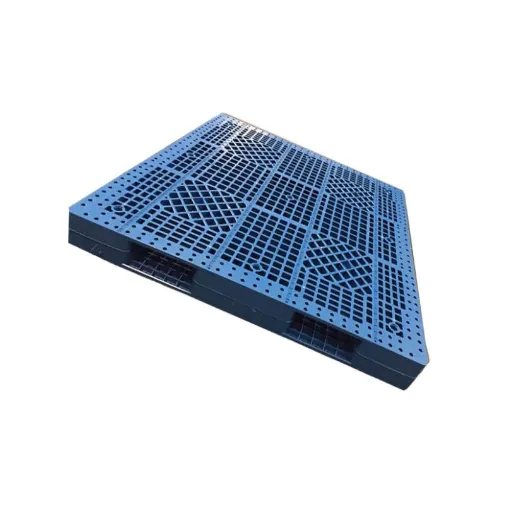
Reusable plastic pallets made from 100% recyclable HDPE and PP can be ground down and remanufactured at end of life. Many suppliers now offer take-back programs that reintroduce recovered material into new production cycles. However, plastic pallet recycling infrastructure is still limited compared with wood recovery networks, and manufacturing virgin plastic consumes significantly more energy than producing a wooden pallet.
That said, in high-turnover closed-loop systems, the extended lifespan of a single plastic pallet can offset its higher embodied carbon through reduced replacement cycles and lighter transport weight. The key is to match the material to the use case and to partner with a manufacturer committed to environmental stewardship.
At Lile, we engineer our reusable plastic pallets for long service life and use recyclable materials to minimize waste. We believe the most sustainable pallet is the one that stays in service the longest and is recovered responsibly when it finally reaches end of life.
Conclusion
Reusable plastic pallets offer measurable advantages in durability, operational efficiency, and hygiene—particularly for closed-loop supply chains and automation-heavy warehouses. While the upfront investment is higher than wood, the total cost of ownership often drops significantly over 100 to 500 trips. Break-even typically occurs within 3 to 5 uses, and supply chain cost reductions can reach 27% or more.
Sustainability requires a nuanced view. Wood holds a lower production carbon footprint and a higher end-of-life recovery rate, but plastic can offset its embodied energy through extreme longevity in the right operational environment. The best decision depends on your trip volume, automation needs, and return logistics.
If you are evaluating reusable plastic pallets for your operation, request a custom quote from Shandong Lile Holding Group. With over 10 years of industry experience, ISO 9001-certified production, and tailored OEM capabilities, we partner with you to design pallet solutions that balance performance, cost, and environmental responsibility.