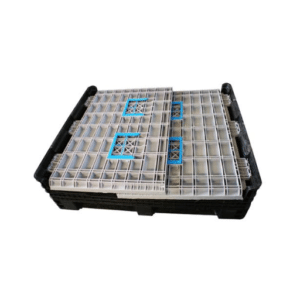
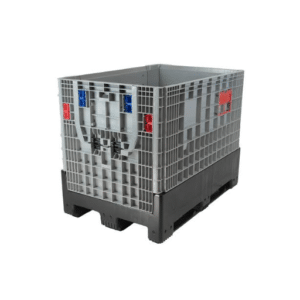
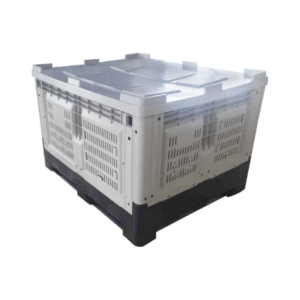
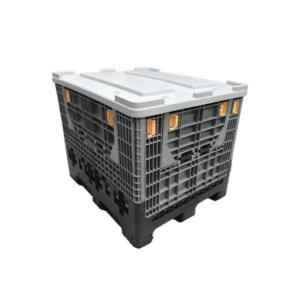
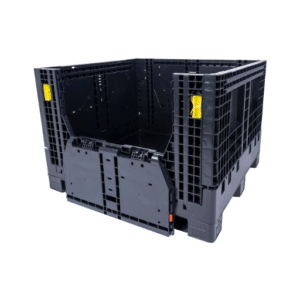
Plastic pallets are irreplaceable components that control and facilitate the supply chain owing to their design’s lightweight, durable, and reusable features. But just like any other asset in operations, their capacity and useful life are as good as the inspection and maintenance practices that are in place. Even the strongest of the plastic pallets can wear out and cause loss of efficiency, accidents, loss of profits, and the productivity of an organization if they are not regularly cleaned and inspected. In this document, we examined the modalities of assimilating and comprehending how to take care of and maintain the effects of the plastic pallets. This covers all aspects related to the use of plastic pallets, from the problems associated with them to useful maintenance methods, which you are sure to learn to make your pallets remain useful for a long period.
Understanding the Importance of Plastic Pallet Maintenance

Plastic pallets are structures that need maintenance in order to retain their stability, healthy handling, and longevity. Proper overhaul also reduces chances of cracks, bending of pallets, and contamination, which could in turn cause safety and damage of product during transit or storage. Carrying out consistent inspection and cleaning further enhances conformance to industry practices, which is mostly requisite in industries like food processing and pharmaceutical where it is attached to hygiene. Companies that embark on maintenance reduction strategies can reduce future expenditures, eliminate inefficiencies, and sustain the effectiveness of their supply chains.
Overview of Plastic Pallets in Logistics and Supply Chains
The impact of plastic pallets in the current and future logistics and supply chain is unrivaled for reasons beyond strength, cleanliness, and budget. Making a comparison with the case of wood, these pallets are free from any damage that can be caused by moisture, pests, or chemical spills, and thus, perfect safety and cleanliness can be guaranteed within the numerous semi-sterile industries, such as the pharmaceutical and food industries. Moreover, they weigh significantly less, hence eliminating the cost of shipping and making it easier to handle. One other reason is that plastic pallets can be hygienic and environmentally friendly, as most can be reused and have a long maintenance span to reduce pollution.
In addition to these advantages, logistical benefits come with their supply, as plastic pallets more thoughts in mind allow for easier provision of plastic ones to standards due to regulation on standardized sizes and designs, thus making automation easier and compliant with conveyors and forklifts, among others, integrating solutions. With their surface being impermeable, it is for this reason that clean and hygiene maintenance of plastic pallets does not pose any serious difficulties, having in mind that there are international trade policies and hygiene rules to abide by. Although the acquisition cost may seem higher than when one uses wood pallets in the beginning, the efficiency, costs discouraged by the operations, and protection available are encouraging the majority of users towards applying a plastic pallet supply chain strategy.
Key Benefits of Maintaining Plastic Pallets
Durability and Lifespan
The design of plastic-made pallets makes it possible to use them many times without much damage. Unlike pallets made of wood, these remain safe from any cracks, splinters, and deterioration, which makes them good for high-intensity transport and storage services.
Economic Advantage in The Long Run
This turns generic plastic pallets’ high initial purchasing cost into an advantage to the business, caused by their longevity and minimal maintenance, reducing operational costs in the process. Therefore, making them an investment worth returns over time is a cost-effective strategy in supply chain management.
Health and Cleanliness Friendly
Plastic pallets have a smooth surface and nonporous material that is resistant to water, chemicals, and other pollutants. This helps make sanitization work simple, yet necessary for employees, particularly in the food, pharmaceuticals, and export business, where restrictions concerning hygiene are heavy.
Environmentally Friendly
A significant proportion of plastic pallets can be recycled, and this means that at the end of their life cycle, they can be remanufactured back into pallets or other plastic products. This minimizes the amount of waste and enhances sustainable supply chain mechanisms.
Consistency and Performance
Plastic pallets, designed with unperturbed geometry and mass, can easily integrate into mechanized systems, including robots, conveyors, or cradles. All of these features enable more effective and productive use of time spent on transportation.
Nonhandedness and Uniformity
Plastic pallets are generally molded to have a certain structure and weight and allow for automation systems, including robots, conveyors, and stacks of pallets, among others. They perform well in terms of logistics and storage, ensuring effectiveness and efficiency.
💡 Long-Term Cost Savings Through Good Maintenance
The proper usage of plastic pallets can be achieved through maintenance methods aimed at enhancing the durability and cost-effectiveness of the logistic operations. Adhering to hygienic standards by removing all traces of dust and impurities regularly prevents unmonitored wear and tear of the plastic. Cracks and other faults on any structural components are likely to be detected sooner because of preventive inspections, which assist in saving on replacement or repair costs as well as operational time. They include avoiding certain types of handling, like excess loads that would result in increased damage to the pallet, and this extends the life of the pallet even more. This paper will discuss how maintenance of equipment helps in reducing repair or replacement costs and also how it respects the environment by waste avoidance. Encouraging maintenance of this nature lowers operating costs in the long term and enhances supply chain efficiency.
Routine Inspection Checklist for Plastic Pallets
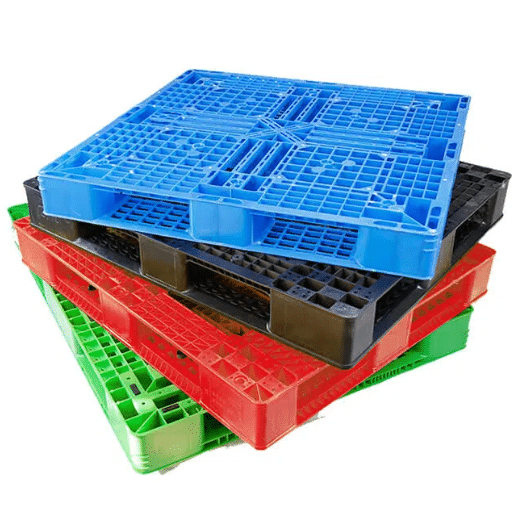
Keeping this checklist as a regular exercise assists in prolonged maintenance of plastic pallets and the improvement of operational safety and adherence to the specifications.
| Inspection Area | What to Check |
|---|---|
| VISUAL
Checking for Any Damages by Observation
|
|
| LOAD
Loading Capability Check
|
|
| HYGIENE
Cleanliness
|
|
| JOINTS
Strength and Firmness of Welded or Molded Joints
|
|
| EQUIPMENT
Linkage with Equipment
|
|
| ENVIRONMENT
Environmental Resistance
|
|
| TRACKING
Labeling and Identification
|
|
Identifying Wear and Tear Factors
Many factors contribute to plastic pallet deterioration. Take, for instance, heavy usage more often than not with mechanical handling, which in this case largely involves the use of forklifts, which often leads to breaking at the edges or even reshaping or damaging the surface after a while. Supplementary to this, severe weather conditions such as sustained direct sun exposure, very hot or very cold temperatures, and contact with chemicals speed up the wear and tear of the material and render it hard and color to fade. When weights are shifted onto and off them several times daily, especially with excessive weights or poor stacking of the loads, they develop cracks or deform easily. Additionally, wrong storage methods such as stacking or bending burning to prevent water from hitting it cause the pallet to deface or its lowidity loss. All of these factors should be controlled and addressed according to appropriate maintenance measures to exploit the life span of the pallet drums efficiently.
Signs of Structural Damage
Structural defects of wooden pallets can be manifested by both visual and operational problems. Cracks are usually one of the widespread symptoms, and they appear along the load-bearing structures or at corners; this compromises the design and cuts down the weight that it bears. Another is a warped surface, which naturally occurs due to exposure to moisture or due to the location of the load being inadequate; such pallets are not easy to stack. They may also be splinted or with fwt or peeled edges, thus showing signs of wear and tear or bad handling, among other dangers to the load or personnel. It is essential to regularly check for such indicators and ensure that pallets are used strictly within the limits outlined to avoid unnecessary maintenance.
Common Issues with Reusable Pallets After Extended Use
⚠️ Structure Wear and Tear
Pallets are created to be used over a prolonged period, but routine use, weather, and transportation potentially cause structural degradation. Such damage can lead to a reduction in the pallet’s structural strength because less of its original purpose is left; this, in turn, raises the possibility of operational collapse.
🦠 Dirt and Contamination
The longer pallets are kept in use, the more dirt, germs, or molds, and even chemical residues build upon their surfaces. Therefore, sanitary pallets and even those not used in sanitary conditions face a lot of contaminating factors from prolonged exposure.
🔧 Fork Entry Wear and Tear
Common forklift usage attracts scratches and marks, especially when being loaded and unloaded onto pallets. It could also be the case that the edges break or get burrs in these regions, which may affect the safe usage of the pallets.
🌡️ Plastic Pallet Fatigue
Plastic pallets, when used for prolonged periods under heavy loads or extreme temperatures, may suffer from warping, brittleness, and compromised structural stability due to material fatigue, which affects usability.
Note on Wood Pallet Fastener Loosening: Due to continuous repeated impacts and vibrations, nails, screws, or other fasteners in wooden pallets tend to loosen. This results in an unstable state and may require repair or replacement before further use. In order to solve this problem and prolong the life of reusable pallets, these measures included carrying out routine checks, performing servicing, and following the permissible load limits and handling proper guidelines.
Cleaning and Sanitization Best Practices

For most industries, like the food and pharmaceutical industries, efficient maintenance of the hygiene aspects of reusable pallets, which involves cleaning and sanitizing them accordingly, is key.
Create a Cleaning Checklist
Must have a schedule that’s subject to availability and about how many pallets are used. If it is a large occupation, cleaning daily or on a weekly basis can also be factored.
Use Only Registered Cleaning Chemicals
Ensure the agents are applied in such a way that they do not violate the pallet material or contain harmful agents outside the constraints of the available standards, for instance, FDA or food material sanitizers, because of these chemicals’ erosion, and so as not to fall onto the user.
Wash or Water Pressure Cleaning
Use of water pressure systems and steam machines to clean the area where there would be debris, dust, and surface contaminations, especially in the case of the presence of plastic and metallic pallets, as they have better resistance to humidity.
After Cleaning, Ensure Humidity Is at Zero
To avoid mold on wood and rust on metal, it is necessary to dry pallets after washing. Cleaned pallets should be stored in a clean and dry atmosphere in order to ensure their hygiene.
Frequent Controls After Cleaning
Examine the cleaned plates to determine the presence of breakage or fatigue that affects their performance or functional operation.
Recommended Cleaning Techniques for Plastic Pallets
| Technique | Description & Application |
|---|---|
| High-Pressure Washing | This is a high-pressure cleaner for cleaning and removing all dirt, grease, and any other form of pollutants on the surface of the plastic pallets. It is preferable to use warm water to avoid damaging the material and to facilitate the cleaning process. |
| Detergents and Sanitizers | These encompass food-grade chemicals and industrial cleaners as well, depending on the nature of the plastic surface. Use light detergents, designed to digest organic matters while sanitizers will deal with bacteria and so forth. |
| Steam Cleaning | When sanitization is an important consideration, steam cleaning is a good option. The heat disinfects the surface and helps in dissolving any difficult grease and/or dirt; therefore, it is preferred in industries where keeping the cleanliness of the highest order is of utmost importance, for example, the food industry and pharmaceuticals. |
| Automatic Wash Systems | In places where dramatic numbers of pallets must be cleaned in short time frames or regularly, container maintenance is used. One of the purposes of using such equipment is to wash out and dry a number of containers in no time, and most equipment is equipped with its own drying processes, making these containers ready for use. |
| Air Dry / Forced Air Dryer Systems | Pallets must be dried after washing, by standing them in clean dried conditions or by using accelerating systems such as forced air drying. Wet pallets should not be stacked, as that promotes the growth of mold and bacteria. |
It is therefore noted that the described methods of cleaning allow the businesses to follow the hygiene provisions required by the industries while extending the plastic pallets’ functionality throughout the kinetic process.
Preventative Maintenance Strategies

The importance of timely and routine maintenance cannot be overemphasized in any critical sector to minimize downtimes and enhance efficiency. For example, these policies call for regular inspection and possible refrigeration checks, thus facilitating simple procedures to curb the effects of wear and tear and its effects. With a scheduled occasion for servicing and calibrating this machinery, there shall be continued regulation and restriction of the abandoned ways of performance. And even more so, it is beneficial to make use of predictive maintenance styles, for instance implementation of IoT devices, as well as analytics, to real-time monitor and prevent potential breakdowns. Furthermore, well-versed staff training users in applying consistent, precise, and articulate practices, maintaining control and efficiency of all that has to be done so as to reduce mistakes by below each piece of equipment works optimally with each use, enabling effective practice and preventing all mistakes. All these initiatives are necessary for the reduction of dangers, elongation of the life of Financing Fixed Assets, as well as improvement of productivity in total.
Stacking and Storage Tips to Avoid Physical Damage
Stacks of guidance exist that are aimed at reducing in order the chances of damaging the items in the process of stacking as well as in the storage process, and consider factors such as dimensions, weight, and the type of objects to be stored.
- ▸
Begin by complying with the stipulated weight limits of the shelves and pallets, for they provide stability — and avoid their collapse. - ▸
As far as stacking is concerned, heavier objects are piled first, while the lighter and more delicate ones come at the top. - ▸
To protect delicate items through shock-absorbing or abrasion-resistant materials, employ the use packaging appropriate to the function, such as bubble wrap and foam pads. - ▸
Ensure the storage area is maintained in a clean, dry, and temperature-controlled state to prevent any harm from the environment, such as corrosion, fungal growth, or buckling. - ▸
Use proper labeling to ensure ease in retrieval and minimize errors in handling. - ▸
Shrink wrap or strap goods or products palletized to also ensure they do not move during transit or lengthy storage periods. - ▸
Leave enough room between each item to avoid crushing, and use effective storage systems such as block stacking or selective racking to maximize utilization of space without jeopardizing safety. - ▸
Adding more assembly maintenance tips is that such inspections or audits, when caring for stored goods or systems storage components, ensure no damage is incurred when left unchecked.
Safe Handling Procedures to Minimize Impact-Related Wear
In order to decrease the level of impact-related wear, one may carry out material handling activities in a meticulous manner and provide adequate training to workers to effectively handle apparatus and products. Use dampers such as foams, padding, and inserts for packing sensitive goods. Vehicles such as forklifts and pallet trucks should be run at lower speeds to avoid any jerks in the process of carrying loads, and this is further achieved by limiting the stability of the load. Wear and tear resulting from operational inefficiencies should be eliminated by regularly maintaining machines, such as checking tires, brakes, lifts, and all other handling equipment. As the case may be, additional resources such as hard or soft borders may be used during storage or shipment to prevent the destruction of items. Applying these practices, the impact-requiring wear process is greatly minimized, thus enhancing not only the service life, but also the package contents return relevant quality levels.
Seasonal Care Practices to Maintain Structural Integrity
| Season | Recommended Maintenance Practices |
|---|---|
| ❄️ Winter | It is essential to check any roofs or gutters in the place during the cold months to make sure there is no accumulation of snow or ice and no blocked waterways present. Also, facilitate the application of anti-ice chemicals and snow-melting equipment when applicable. |
| 🌸 Spring | Perform a comprehensive check for water leaks, mold growth, or cracking that might have occurred due to the freeze-thaw cycle; quickly apply sealants and waterproof the susceptible regions to arrest further damage. |
| ☀️ Summer | The maintenance strategy for summer should include effective control of joint movement through expansion of materials, where the seals and protective coatings on their external surfaces may fail due to excessive exposure to solar radiation. Features like regular painting, in addition to ensuring adequate air circulation, can help reduce thermal wear and tear. |
| 🍂 Autumn | Brush the debris, leaves, and twigs in the gutter to reduce the chances of water accumulation and herniation of the structure during heavy rainfall. Carrying out this plan in all the seasons helps to maintain structural integrity and avoid unnecessary endeavors, hence operational and safety requirements are adhered to throughout the year. |
Repair vs. Replacement: Making an Informed Decision

It is important to consider various essential aspects when making a decision about whether to repair or replace to achieve the best value for money and functionality. First off, consider how much damage there is and how sound the affected object or building is in terms of its material. If it is just a minor defect or just a region that is worn, it is most likely reasonable to consider a repair. However, if there is a lot of wear or the structure itself is weakened, a replacement may be in order. Subsequently, think over future use expectations. Repair remains short-lived, but in the event of constant maintenance requirements, replacement will turn out to be economic in the long run. Also, think of the costs that will be incurred, such as labor, materials, and downtime, and how they measure up against repairing a portion of the object versus replacing it entirely. Finally, the question of compliance with current safety and health practices is necessary, as sometimes old features are incompatible with new ones. All of these factors can be examined in an orderly manner and decisions made based on these, as well as the obtained solutions for the organization and the budget.
| Factor | ✅ Choose Repair When… | 🔄 Choose Replacement When… |
|---|---|---|
| Extent of Damage | Minor defect or localized wear in a small area | Extensive wear or weakened core structure |
| Cost Comparison | The repair cost is significantly lower than the replacement cost | Cumulative repair costs exceed replacement value |
| Safety | Item still meets regulatory and safety standards after the fix | Item is unsafe to operate, fails regulatory tests |
| Technology | Equipment is current and performs as expected | Newer, more efficient models are available |
| Frequency of Issues | First or second incident of failure | Recurring breakdowns causing persistent downtime |
Assessing the Extent of Damage for Repair Feasibility
To determine if a piece of equipment can be repaired, one should do a simple survey of the most obvious wear and/or tear, breaking and/or corrosion, and then use it as a reference to carry out a more comprehensive enumeration of repairable parts. After this, I will apply some equipment, such as ultrasonic sound or x-ray to trace such structural damages that are beyond the naked eye. After that, I determine the degree of damage found in a way that repairs are made in accordance with the manufacturer’s design parameters while remaining safe during operation. This aims to assess maintenance viability, if any, from a technical and economic perspective.
When and Why to Opt for Replacement Over Continuous Repairs
Choosing whether the better solution is repair or replacement is quite a dilemma, which usually needs consideration of a couple of items, including expense and safety, with other critical aspects, such as credibility of the repairs, measuring reasonably well on scales of performance over time. Replacements will be utilized in situations where all of the repairs made, their values have exceeded that of the particular component or even its replacement, and in that particular case, their frequency has increased so much that it is becoming uneconomical to make further repairs. Furthermore, an aspect that cannot be overlooked is safety — in cases where a certain piece of equipment is used, but it is already unsafe due to reasons such as fatigue, or wear, or even if it is working its purpose, it will not pass any regulatory tests. They have to be replaced instantly.
In addition, it can also be argued that older equipment may be replaced simply because newer advanced technology is available, since modern designs are likely to be more efficient, durable, and meet more stringent industry regulations. It is worth repeating that the availability of predictive maintenance data and the results from the lifecycle analysis are issues worthy of examination for this purpose. In conclusion, it is important to consider replacement where it is the most rational, efficient, and consistent with the reliable operation of the systems, minimal or zero downtime operation, and the long-term perspective on the priorities of the operation.
Cost-Benefit Analysis of Repairs vs. Replacements
Analyzing to determine whether repairing equipment is better or replacing it with a new one entails looking at main considerations such as cost, functionality, and economic life within different scenarios. Leasing can be cheaper and more convenient than buying furniture; however, the cost of renting can be higher than the transport costs. This is because in most cases, customers incur over-priced transportation costs. It makes sense in terms of economics if the equipment has depleted its capabilities/machine operation falls within a new technology range. Nevertheless, as time goes by, wear and tear increase, causing repair costs to rise, making downtime costly as the quantity of maintenance also increases, since this would impair the orderly conduct of operations and incur measurable expenditures. Maintenance generally costs less, though total costs can exceed the replacement costs; however, a new system restoration provides functionalities and/or improvements that cannot be built into an existing system. Also, replacement may be justified in cases where an overhaul of the equipment poses economic challenges due to the lack of availability of power and refrigerant tanks. Before the problems start arising, companies need to develop a comprehensive plan maximizing cost benefits and addresses the rehabilitation repair costs in their feasibility studies.
Summary
Key Takeaways for Plastic Pallet Maintenance
- ✔
Regular inspection using a structured checklist prevents costly breakdowns and extends pallet service life. - ✔
Consistent cleaning with approved agents is critical, especially in food and pharmaceutical supply chains. - ✔
Proper stacking, handling, and seasonal care directly reduce physical damage and material fatigue. - ✔
A data-driven repair vs. replacement analysis ensures companies maximize ROI while maintaining operational safety and compliance.
Reference Sources
Comparison of Damage to Wood Pallets in Use
Another resource from BioResources, this study compares damage to wood pallets during use and repair needs.
Life Cycle Assessment of the Wood Pallet Repair and Reuse Process
Published by the U.S. Department of Energy’s OSTI, this paper evaluates the life cycle of pallet repair and reuse.
Published by the U.S. Forest Service, this resource provides insights into efficient pallet repair programs.
Frequently Asked Questions (FAQs)
What is meant by the term ‘type of maintenance’ and how is it related to maintenance costs?
Types of maintenance include preventive, predictive, corrective, and condition-based varieties. Determining the applicable type can affect expenses, time lost due to idle machinery and how long equipment can stay in operation: in the case of preventive and planned maintenance, it usually decreases the frequency of breakdowns and expenses that happen in the long run; when corrective maintenance is done, it usually adds spare parts costs and emergency costs. The best methods for facility managers and maintenance managers are to fight a straight way through routine and scheduled maintenance, or a maintenance schedule to operate equipment flawlessly without a hitch.
What is the distinct difference between predicted maintenance and condition-based maintenance?
Predictive maintenance employs statistical methods and live data feeds to predict when maintenance will be needed, whereas condition-based maintenance kicks in whenever sensors sense a deviation of an asset’s condition from the normal levels. The objectives of either mode of action are to reduce superfluous maintenance activity and incidences of failure. Predictive maintenance, on the other hand, as the name suggests, heavily uses trend analysis and prediction, while the other type of maintenance deals with the prevailing condition for which to carry out maintenance practices for maximum efficiency.
– Exactly when corrective maintenance is required? How does the carrying out of corrective maintenance work impact processes?
After a malfunction or breakdown occurs, corrective maintenance is needed so that the system is able to return to its full operational capacity. Such actions are usually reactive, may interfere with normal operation processes, lead to higher spare parts consumption, and impact the duration of the breakdown period. Good maintenance management and strong maintenance program options will minimize the chances of corrective actions because they will work out all the actions in advance and maintain the equipment before it gets damaged.
What role does maintenance fall in within the facility management scope?
Management of facilities involves effective scheduling of maintenance, management of people, all processes, and other resources involved in maintenance, so that they are in line with the operations of the organization. Management of facilities entails, among many other factors; scope the activities for maintenance, organizing the required parts that need to be changed or altered, appropriately scheduling the maintenance for the comfort of the occupants, and carrying out appropriate maintenance strategies for various facilities, including vehicular maintenance. Such supervision ensures the machinery does not deteriorate easily, does not require excessive repair when it is under operation, and ensures the businesses are not disrupted.
What kinds of maintenance are available, and when are they applicable?
There are preventative maintenance, predictive maintenance, conditional maintenance, corrective maintenance, and planned maintenance categories. Bloody wear will do a lot better with preventive measures, but when you have infrastructure, assets with margins of wearing out can always be closed by predictive interventions, and the threat of under-monitored equipment can always be reduced by condition-based interventions. Corrective is applied in case sudden breakdowns occur. It is taxing, however, dividend tensile maintenance has become innovative since maintenance in terms of the static is limited only to a number of events, some along the way, such as launching events, may form blends of two dividends into one, causing breakable structures.
What is the role of maintenance processes or a maintenance program in managing maintenance effectively?
A maintenance program is a set of processes in a routine kind of way on how to undertake maintenance actions, manage work orders and maintenance requests, allocate maintenance staff, and document these actions. Some of the processes for managing maintenance better and preventing downtime, beyond planned, scheduled, or even predictive maintenance, include planned maintenance, scheduled checks, and analytics for predictive maintenance.
What operations and maintenance should be done to prevent the influence of wear on the vehicle or equipment performance?
Normal routine maintenance activities may involve carrying out inspections, changing oil, applying lubrication, replacing worn-out parts, condition-based maintenance using sensors built into systems, or following maintenance that the manufacturer has prescribed. Maintenance of this nature reduces adverse incidents such as equipment failure and enhances production because the interventions strive to keep the equipment at its optimal function. Effective maintenance controls the maintenance of vehicles or other equipment such that the operational reliability and cost-effectiveness will be sustained.