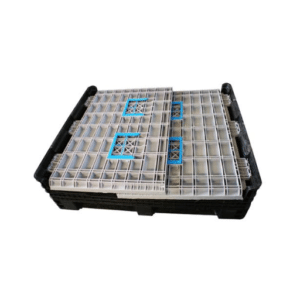
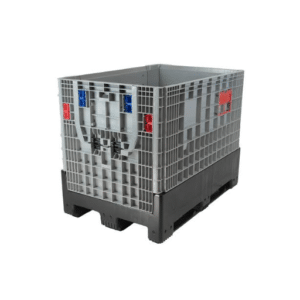
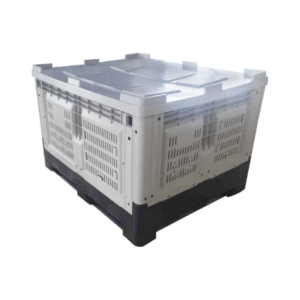
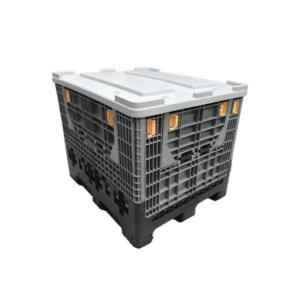
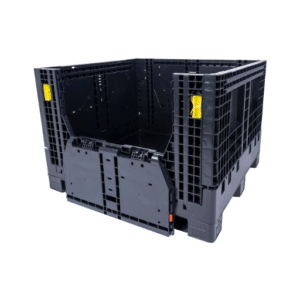
Therefore, the choice of pallet type and size greatly affects the products manufactured, their storage capacity, as well as the supply chain at large, and the efficiency or lack thereof. In this article, the main points of difference between ventilated pallets and solid pallets will be discussed, including airflow, the cooling of temperatures of some goods, and the incidence of their use in most sectors. Perishable foods or heavy-duty industrial loads, regardless of the case, any well-informed person has the benefit of knowing which pallet to use for purposes necessary for their industrial operations.
Introduction to Pallets and Their Role in Supply Chains

It is essential to first understand the characteristics of the different types of pallets available in the present day. Second, one should note that the pallet facilitates the horizontal stacking of goods. The standard load board integrates the use of materials handling equipment, such as forklifts, pallet jacks, and other accessories, to reduce manpower deployment. Ventilated pallets provide products with spill-safe and tender-tight confines, thus in instances of transportation, goods are very likely not to be at risk, as most inventory operations are simplified. Due to their flexible extension, they are usable across many different areas of commercial use, including manufacturing, retail, and food and beverage.
Definition and Purpose of Pallets in Logistics
Pallets come in many forms, with each tailored to meet specific logistical and operational requirements. The most common types are wooden, plastic, and metal pallets:
🪵 Wooden Pallets
Wooden pallets are very popular because, even though they are cheap, they can still be used for most transportation and storage needs.
🧴 Plastic Pallets
Plastic pallets have been known to withstand any amount of dirt or moisture, which makes them highly recommended for the pharmaceutical and food industries, where hygiene is a key concern.
⚙️ Metal Pallets
Metal pallets, mainly comprising steel or light sheet aluminum, exert great energy and may be designated for handling heavy items and places where extreme conditions of durability and fire resistance are necessitated.
That said, different barriers to entry are required when it comes to careful handling in protecting the material and ensuring satisfaction of the standard procedures for each type, therefore making them highly efficient in the entire supply chain system.
Overview of Ventilated and Solid Pallets
Ventilated and solid pallets serve specific uses in different industries, depending on the operational needs of such industries.
Both types of pallets are used to fulfil different purposes, which satisfy the need for ventilated pallets and ‘contained’ pallets for appropriate storage and transportation.
Importance of Choosing the Right Pallet Type for Product Compatibility
It is very important to select the right kind of pallet for a particular product, the storage conditions, and the modes of transport.
- Wooden Pallets are best used for heavy packing or storing, as these pallets are very stable and can support heavy loads, and yet may be treated to comply with ISPM 15 Standards.
- Plastic Pallets are suitable in industries such as food and pharmaceuticals processing, where hygiene is key, as they do not easily absorb impurities and can also be easily cleaned.
- Metal Pallets are often used in extremely hot or fragile environments where higher-strength metals are needed, and the ability to meet SIC standards is enhanced.
Weight limitations, hygiene, water absorption, and limitations of the legislation are factors of determinant importance in ensuring the best possible price, even for logistical purposes. Apart from the measures that facilitate the protection of the goods, the selection of the inappropriate/appropriate type of storage may result in easier transport of the handled goods and a decrease in the likelihood of breakage.
Understanding Ventilated Pallets

Ventilated pallets have a lot of holes or slots, which makes them good for applications where the product needs to be kept dry, cool, or ventilated during storage and transportation. They are, for instance, common in agriculture, the food industry, and the pharmaceutical industry as they limit condensation, spoiling and provide product support. Considering the materials employed, it is even easier to meet hygienic requirements without compromising ease of washing them. This is further bolstered by the fact that ventilated pallets have been known to withstand temperature extremes, which makes them good for cold storage or any other controlled atmosphere.
What Are Ventilated Pallets?
While conventional pallets may be sweet and simple, ventilated pallets are usually fitted with some openings or vents in the structure. These cater to temperature and humidity control, especially in situations where the goods are being stored and dispatched. Ventilated pallets are usually fabricated from high-density plastics, making them tough yet light, damp-proof, and washable. Food and beverage industries, as well as pharmaceutical manufacturers, which involve hygiene concerns and temperature control, are some of the major beneficiaries of such technologies. Their structure allows little formation of condensate, which reduces the chances of goods spoiling and maintains the quality of products that require specific temperature levels, hence being suitable for cold chain supply management and other enclosed systems.
Applications and Industries Where They Are Commonly Used
Different industries find these specific materials to be necessary because of their unique features:
- The food and beverage industry utilizes them primarily for packaging goods with limited shelf life or products that need to remain fresh while in transit.
- The pharmaceutical industry employs them for the storage and transportation of vaccine formulations in addition to medicines and other perishable commodities, to comply with the regulations and maintain the product quality.
- A rare category of chemical products and the chemicals themselves that need handling with care are also packaged and transported using such materials.
- They work well for providing an insulated and clean environment, which makes them practically invaluable in cold chain logistics, laboratories, and clinical research institutes.
Key Benefits of Ventilated Pallets for Maintaining Product Quality
Enhanced Airflow and Temperature Regulation
Most ventilated pallets are being constructed with voids that enable free passage of air into the pallet. This is because it prevents fluctuation of temperature during storage or transportation. It is an added advantage, especially in ensuring that temperature-sensitive products such as fresh produce, pharmaceuticals, and chemicals do not spoil.
Enhanced Longevity of the Product
These pallets have improved air circulation such that moisture does not collect easily, and therefore, there is no danger of molds and other damages that may spoil the wares. Perishable food items especially fall under this category, and so it helps to prolong their shelf life.
Meeting Certain Requirements
These ventilated pallets help in complying with the heat and hygiene control standards used mostly in food, medical, and chemical industries. Besides, their design eliminates condensation, which guarantees compliance while maintaining product quality.
Hygienic and Long-lasting Material Usage
These types of pallets are constructed mainly with high-standard, non-absorbent plastic materials, which are very clean and, even after a number of uses, can be said to remain hygienic as well as healthy.
Reduction of Costs Associated with the Movement of Goods
The ventilated pallets are quite light and at the same time strong enough not to break easily, thereby reducing the total weight of the load to be transported. At the same time, the use of these pallets is well thought out.
Characteristics and Applications of Solid Pallets

Solid pallets are credited with their solid construction and close deck making, which offers great support and balance for bearing the weight. Such pallets also have smooth, continuous surfaces that do not have any gaps and are therefore perfect for carrying packaging that is small or has unusual shapes that need more holding support. Besides, the least being pervious for ventilation also reduces contamination threat, hence, solid pallets are useful in more hygienic sectors, like medicine and food processing, which necessitate utmost cleanliness.
Most often, such pallets are used in cases when it is necessary to store or transport things with high protective characteristics. Moisture resistance and reasonable cleanability of those pallets are also additional advantages to support sanitary conditions in closed environments. Lastly, solid pallets are usable in automated systems, making them advantageous in regard to high technology warehouse or manufacturing processes.
Definition and Construction of Solid Pallets
Strong, structured pallets are 2D monolithic platforms, often consisting of materials like plastic, metals, or pressed woods. As opposed to conventional ventilated pallets, the tops of these structures are built without any slats at all, which makes them far more efficient in terms of load carrying and safety. Such pallets are usually made out of:
- High-Density Polyethylene (HDPE) or Polypropylene (PP) plastics — offering more durability and resistance to chemicals, moisture, and large temperature changes.
- Aluminum and steel — categorized under heavy-duty uses, usually entailing extreme durability and structural integrity.
- Molded wood — wood shavings bonded with resin and compressed to form a pellet, coming at a more affordable price as well as being environmentally friendly.
The manner of manufacture changes with respect to the material used in the process. For the most part, plastic pallets are manufactured through injection molding or thermoforming processes, which assure shape and quality. Metal pallets are either welded or extruded, all these methods aiding the structural integrity of the pallets under considerable load. Molded wood pallets, however, are formed through the process of compression or molding involving wood materials. The use of such a wide variety of materials and methods of construction of solid pallets makes it possible to provide pallets for very specific needs, from sterile analytical institutions to heavy industry.
Typical Use Cases and Industries
Due to their various characteristics, such as stability, strength, and versatility, solid pallets are useful in several sectors:
- In the logistics and warehouse industry, they are used to ensure that the transportation and storage of goods is safe and items remain intact even while in motion.
- Heavy manufacturing industries such as automotive and machinery require strong and heavy-duty pallets for transporting raw material and finished products.
- In the pharmaceutical and food industries, specific hygiene non-porous surface solid pallets are used, which are easy to clean and also prevent contamination.
Benefits of Solid Pallets: Enhanced Durability and Protection
Heavy-duty solid pallets help in providing better durability to the pallets, which enables them to handle high loads, deformation, or high temperatures without any loss in structural integrity. They are also broken easily because of their weaker design, lowering the downtime for industrial facilities as well as slashing repair costs. Moreover, such pallets offer better support for goods being conveyed since they create a firm platform that protects the goods from getting bruised during transportation and handling. They are ideal for use in such industries as food and pharmaceuticals, where contamination is not acceptable because they have solid surfaces that are not perforated.
Product Compatibility: Ventilated vs. Solid Pallets

Within the agricultural and food storage sectors, ventilated pallets are mostly used to ensure that the air is circulated properly around the goods. They are crucial due to their ability to prevent dampness and enhance cooling during the transportation of vegetables, bakeries, and any other perishables. However, solid pallets are more preferred in areas where contamination prevention is a priority, especially in the pharmaceutical, chemical, and food processing industries. The design of such pallets is devoid of any pores and allows no permeation of materials in or out, thereby protecting the contents from contamination. Both kinds of pallets, however, are crafted specifically for automation purposes, though choosing one of them is possible predominantly on the basis of the nature of the packing and the working environment.
Comparing Suitability for Food and Beverage Logistics
| Criteria | Plastic Pallets | Wooden Pallets |
|---|---|---|
| Hygiene | No pores; water, micro-organisms, and pests penetrate far less easily | Prone to splintering and contamination; complete cleaning is near impossible |
| Maintenance | Easier to maintain; approved for very high standards of cleanliness | Wide common usage; requires treatment to avoid moisture issues |
| Food Safety Standards | Passed strict FDA and HACCP food safety standards | Suitable for dry goods or non-perishable packaging where contamination is less critical |
| Temperature Resistance | Withstands degradation in freezers, coolers, and controlled atmosphere areas | Less reliable in extreme temperature-controlled environments |
| Long-term Cost | Higher initial cost but more durable and less expensive long-term | Lower upfront cost; higher long-term maintenance and replacement needs |
Solid Pallets for Industrial, Hazardous, or Heavy-Duty Applications
Heavy-duty applications and industrial processes require special types of heavy-duty industrial or hazardous solid pallets. These solid versions include open decks, but the deck is covered in a continuous surface that improves load restraint and containment by ensuring that goods do not spill or get contaminated during transport. Most of these pallets are made of strong materials like high-density polyethylene (HDPE), composite materials, or metals, so that they can withstand hostile environments or heavy weights and loads, like chemicals, heat, or even more.
In cases where hazardous materials need to be handled, solid pallets as per guidelines issued by OSHA, EPA, or the United Nations on packaging, among other standards, are appreciated in reducing risks of exposure to toxic chemicals. They have a seamless structure, a factor considered to enhance hygiene primarily because spillages and any residual contents cannot get trapped at the joints. Naturally, their use is enhanced in industries such as chemical manufacture, pharmaceuticals, and heavy engineering.
Further, the solid pallets do not break down often in circulation, enabling logistics that are subjected to intense mechanical forces without high costs for replacement, enhancing the effectiveness of carrying such products.
Product-Specific Scenarios and Best Practices
Scenario 1
Chemical Manufacturing
Chemical manufacturing is well-suited for solid pallets since they do not corrode or absorb the building chemicals. The pallets also ensure a tough impermeable surface for transportation of hazardous goods, which aids in the control of leaks and any spillage, just in case they occur. Practices recommend gas-compliant pallets, and this means evaluating which pallets to use with the chemicals to avoid any non-compliance issues.
Scenario 2
Pharmaceuticals
In the pharmaceutical sector, solid pallets are also extremely useful for meeting hygiene as well as other regulatory requirements. The smooth finishing of the ventilated pallets allows them to be used in sterile sections without jeopardy. In addition, it is advisable to select pallets from components approved by the FDA and design an effective cleaning and sterilization strategy to enhance chemical sanitation after frequent use.
Scenario 3
Heavy Production and Logistics
As for the industries operating in the spheres of heavy machinery and goods, the solid pallets meet the performance criteria since they operate in quite stressful conditions. They bear heavy weight, yet they do not bend or split, thus reducing the damage caused in the logistic systems and their consequent stopping. It is highly advisable to conduct stress tests regularly and ensure that the pallets that are used in the warehouse are fit for the weight, and the warehouse allows for proper stacking.
By using these particular practices, firms can maximize their processes as well as adhere to the necessary standards, availing the strong ventilated pallets available.
Material Considerations for Ventilated and Solid Pallets

The characteristics of different pallets in terms of the materials used for construction are mainly influenced by a consideration of the application, vis-à-vis its surrounding environment and load requirements. The ventilated ones, which are often made of high-density polyethylene (HDPE) or polypropylene, have enhanced air circulation properties and are most commonly used in industries that require temperature control, such as the food industry and the pharmaceutical industry.
In addition, solid pallets made of these very plastics, or in some instances made of wood, can also serve such a purpose, as each cargo is covered, supported, and protected. They are especially useful when working with small or irregularly shaped cargo that might be loose, as they will eliminate the chances of leakage or infiltration. To achieve high performance, the selected material must match the weight limits, exposure to the environment, and washing practices to ensure durability and avoid any legal issues.
Common Materials Used in Both Pallet Types
| Material | Key Properties | Best For | Considerations |
|---|---|---|---|
| Plastic | High durability, moisture resistance, easily washed; lightweight yet capable of swimming high densities | Pharmaceuticals, food and beverages | Recyclable; furthers environmental responsibility |
| Wood | Cheap and easy to get; can be altered in various ways; capable of performing structural roles | General purpose; dry goods | Must be treated to comply with ISPM-15 standards for international trade |
| Metal | Superior weight-bearing capacity; fireproofing; excellent strengths and longevity | Heavy items, chemicals, extreme conditions requiring durability and fire resistance | Expensive; durability is exorbitant and serves well in specialized cases where structural accuracy is imperative |
How Material Impacts Durability, Hygiene, and Airflow Properties
When considering materials and the extent to which they affect certain factors such as durability, hygiene, or even airflow, it is clear that the answer is unique for each of the materials. For example, metal pallets, which are most durable due to their ability to withstand heavy impact and environmental elements, can be used in very harsh conditions. Plastic pallets, unlike metallic pallets, are very clean since they have no pores and can be easily wiped, which is a very important aspect in the food and chemical industries. While the ventilated pallets made out of wood do have sufficient airflow due to the natural gaps and the design, they are less durable and can be easily contaminated. Hence, mixing these features by choosing the appropriate material is essential in order to achieve the desired operational goal.
Sustainability Implications and Recycling Considerations
♻ Sustainability Spotlight
When considering the sustainability of pallet materials, one must understand their environmental effects regarding production and disposal at the end of their lifecycle.
- Plastic pallets can endure for a long time, but require power and petroleum to produce. On the other hand, they are recyclable and reusable, which helps in reducing landfill waste. They can be heated to the melting point and remanufactured more than once, thus lessening the environmental effects during use.
- Wood pallets are eco-friendly since they usually come from naturally occurring sources, which are renewable and can also degrade. Moreover, even damaged wood pallets can be fixed or have secondary purposes, hence, enhancing longevity. The option available for recycling timber pallets involves converting destroyed segments into mulch, biofuel, or other composite materials.
- Decision guidance: In the end, a thorough analysis of production and consumption, as well as recuperation, should take place in order for a sustainable decision to be made in accordance with the strategy.
Reference Sources
Description: This research focuses on optimizing air-distribution systems in refrigerated vehicles, specifically addressing vented pallets.
Frequently Asked Questions (FAQs)
In what ways are ventilated pallets appropriate for storing sensitive perishable goods?
These days, ventilated pallets are fitted with a grated deck and openings on the sides specifically to enable airflow around products, thus making them perfect for storing fresh perishable produce in order to prevent moisture retention and hence spoilage. The staunch structures commonly result from the usage of HDPE material or even recycled HDPE, offering a firm-light design that is capable of bearing heavy weights, without increasing costs, and can be used for longer in cold chains.
Why is it better for vented pallets to be equipped with open slat structures instead of solid ones?
When the ventilation is appropriately done, the temperature will balance faster, and the coming condensation will subside due to the transportation, hence it will present ease in the operation and reduce the cold zones. Vented pallets provide for faster loading and unloading of forklifts and pallet boxes since the design incorporates the flow of air and secure stacking within the reasonable constraints of available space and wear surfaces.
Are ventilated pallets made of plastic strong and suitable for extended use in a warehouse?
Yes indeed, the high-density polyethylene or the HDPE that is recycled, which is used to produce some of the pallets that have vertical slots, is high-quality shark-proof and withstands agents of destruction such as moisture, chemical spillage, impacts, and sometimes lasts longer than the wood that is commonly preferred. This makes them easy to maintain from cross-contaminations that would affect multi-users, thus prolonging their useful life compared to some wooden pallets, while making grooved floor and racking system operations safe and effective.
Can Anti-microbial Pallets with Holes be used in the Prevention of Food Contamination?
Anti-contamination pallets followed by enhanced cleanliness ensure the safety of food transport or storage through effective cleaning and sanitizing solutions anywhere there is airflow, avoiding bacteria build-up. In conjunction with hygienic practices, loss of fresh produce handling or any other food handling contamination can be diminished, very cost-effectively, with these options.
What will be the weight capacity and structural strength for a plastic ventilated pallet?
Plastic pallets with perpendicular grooves are designed for heavy-duty storage and transport while still being lightweight for better manipulation. They are made from various HDPE grades and configurations, which can provide strong resistance to both static and dynamic loads needed for warehouse storage, pallet box piling, transport, and more, where cheap alternatives will either perform poorly or break after a short period of use.
Will ventilated deck designs for cold storage and transportation systems have adverse effects?
In temperature-controlled storage facilities and cold chain transport, vented decks help air to circulate within and along the stored commodities, ensuring even cooling and thus avoiding high temperature CRT and CRT1 in some products and melting in others. Because of this improved airflow, growing use of ventilated pallets in cold logistics makes perfect sense in terms of product quality, savings in energy during the process, and cost optimization.
Do recycled HDPE ventilated pallets turn out to be the most convenient in terms of reclamation and cost?
HDPE pallets made from recycled products, with ventilation, are another variant of low-cost, economical bases, considering the environmental safety of recycled material together with the durability and strength of pure HDPE. As a rule, manufacturers are also more interested in using these since their usable life is cheaper considering the cost and periodic maintenance of reusable and durable pallets to disposable or rather weak pallets.
In what way are ventilated pallets superior or inferior to conventional plastic pallets regarding lateral load?
As a consequence of the lack of customer concern, ventilated pallets are lighter than solid-desk plastic pallets, and therefore create less labor or transporting costs. It is such lightweight plastic pallets with open decks that reduce labor, aid the rational use of cleaning, and are quite strong and volumetric for use in several warehouse and transportation activities.
And what edible criteria do I have to view before purchasing vented pallets for my premises to avoid wasting time and materials?
Take the intended load capacity into account, consider whether HDPE or recycled HDPE is more appropriate to use, choose a vented deck pattern design, take into account how the pallet will fit in a box, follow warehouse racking guidelines, take into account if there will be cold storage needs, and assess the risk of contamination. Consider cost relative to expected service life and operational requirements to determine the most suitable ventilated pallets that will deliver the greatest long-term benefit to your operation.