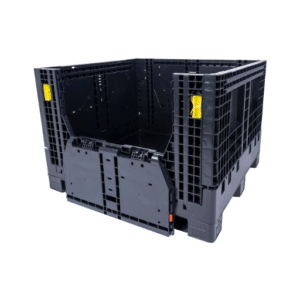
The realm of retail pallets is a captivating chance for clever resellers and small business owners to acquire stocks at very low prices. If you intend to fill up your shop with products or if you want to take your online store to a larger audience, then buying pallets from retail heaps can give you access to goods of high value that are priced only a small fraction of the retail cost. However, it is very important to know the whole process of buying because there are plenty of options available, like customer returns, excess stock, and the like. This guide will shed light on the whole thing about retail pallets, the different types of pallets one can have, the places to buy them, and so forth, plus ways to increase your profit margins. Keep on reading to find out the ways retail pallets can change your inventory plan for good.
Understanding Retail Pallets
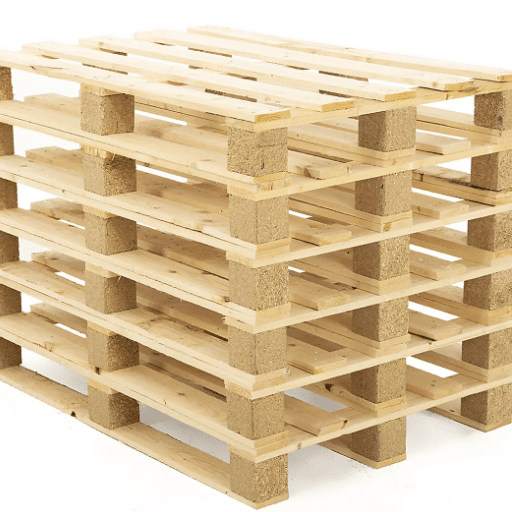
Retail pallets are basically nothing but bundles of merchandise and are frequently sold off in bulk by retailers or liquidation firms. These pools of merchandise usually comprise overstock, customer returns, or discontinued items. They are a good option for the resellers as they buy the whole stock at a very low price, and the reselling of such products can bring huge profits, as their individual sales price is high. Retail pallets are to be treated differently from one seller to another in terms of content, quality, and condition, so it is always better to be thorough about the seller’s conditions and inspect the pallet, if possible, before making the payment. In order to secure a good return in your investment, it is advisable to work with trustworthy suppliers and be aware of the market needs for the kinds of products that the pallet is made up of.
What is a Retail Pallet?
A retail pallet is a large and heavy mixture of merchandise that is sold together, mostly by retailers or liquidation companies. These pallets usually contain returned, overstocked, discontinued, or seasonal items that are put together on a wooden or plastic pallet. Retail pallets attract resellers because they sell products at very low prices, which means there is a chance to make a profit when sold separately. The specific contents of a pallet can differ widely, covering electronics and home goods and extending to clothing and toys. Buyers ought to meticulously investigate the suppliers, check the pallet manifest (if there is one), and be aware of any risks involved, as the condition of the items can vary from brand new and unopened to used or damaged.
Types of Retail Pallets
Electronics Pallets
These pallets typically consist of consumer electronics like smartphones, tablets, headphones, and various gadgets for the home. They are very popular because of their relatively high resale value. Nevertheless, the buyers should weigh the condition of the items, as it can be a mixture of refurbished, returned, and slightly damaged goods.
Apparel and Fashion Pallets
The pallets, which contain apparel, shoes, and accessories, are the best option for resellers who rely on seasonal or trend changes. These can contain, among other things, overstock or returned goods from famous brands, thus providing a wide range and a huge potential for the target audience.
Home Goods and Furniture Pallets
The items represented in these pallets are made of kitchenware, small furniture, decorative pieces, and general home improvement products. The demand for these products is constant, thus making them a staple for resellers who are considering both niche and mass markets.
Toys and Baby Products Pallets
Usually, these pallets consist of toys and baby and nursery items such as strollers and crib sheets; they continue to be very attractive because of the steady demand in the market, especially during holidays. However, sellers have to inspect them closely so that they can be sure that the items conform to safety regulations.
Mixed/General Merchandise Pallets
These pallets, containing every possible category, are quite the opposite. They offer a lot of variety but also have a lot of unpredictability. They might be the right choice for resellers dealing with broader markets and looking for mixed stock.
Key Insight: Knowing the various types of retail pallets and their respective advantages and disadvantages allows buyers to make wise choices and reap large profits in the end. The right research and the proper supplier assessment remain the keys to achieving success in this business model.
Benefits of Purchasing Retail Pallets
Buying retail pallets brings a lot of benefits, thus it’s no wonder that this option is very tempting for both resellers and small business operators. The foremost advantage is that retail pallets yield access to goods at really low prices; hence, sellers can increase their profits. The pallets are mostly made up of returns, overstock, and clearance items; thus, the price per item is much lower than the retail price.
Another thing is that the retail pallets are made up of products of diverse categories: the bigger the mixed lot, the larger the assortment of products through fewer or exact categories. Such variety gives the reseller a chance to meet different consumers’ needs and thus bring in a larger customer base. For the more specialized businesses, it is easy to build specialized inventory with the help of such a pallet as electronics or apparel.
The retail pallets’ purchasing also results in flexibility regarding business scaling. One can always start with a single pallet as a test of the market liquidity and then be in a position to invest more if the results come out positive. Sourcing inventory through pallets also helps in streamlining the procurement process, thus saving time and effort compared to purchasing through traditional retail methods.
Wholesale Options for Retailers

There are several options to consider for retailers looking for wholesale:
Direct from Manufacturers
Buying directly from the producers usually guarantees the lowest prices and high-quality products. This method is especially suitable for very large orders.
Wholesale Distributors
The collaboration with wholesalers releases the possibility of getting a wide selection of goods without the necessity of placing large minimum orders, thus meeting the needs of both small and large retailers.
Online Wholesale Marketplaces
Websites like Alibaba or Faire offer the connection between retailers and suppliers all over the world, along with competitive prices and diverse stock.
Local Wholesalers
The collaboration with local wholesale suppliers may be a good alternative to shipping delays and costs, thus making it a good choice for time-sensitive restocking.
Liquidation Sales
Retailers or specialized companies sell liquidation lots that offer a chance to buy in bulk at a lower price; however, there is a chance the quality of the products might be inconsistent.
Important Note: Every single alternative has diverse advantages, thereby allowing retailers to make a choice and pick the one that is perfectly compatible with their business model and their inventory needs.
How to Find Retail Pallets Online
If you know the right places, finding retail pallets on the internet can be an easy task. The first step is to take a look at the most reliable B2B marketplaces like Liquidation.com and Direct Liquidation that deal with linking clients to unwanted stock and returns from top retailers. Detailed product descriptions and photos are often provided by these platforms, which makes it easier for you to decide on the purchase. Moreover, websites like BULQ sell pallets that are handpicked with clear prices and shipping providing, so it is friendly for new buyers. Finally, e-commerce sites like eBay also have retail pallets listings; however, it is very important to scrutinize the buyer reviews and seller ratings so as to ascertain authenticity. By using these resources together, you will be able to get quality stock that is suitable for your business.
Key Factors to Consider When Wholesale Sourcing
When it comes to wholesale sourcing, there are numerous factors to take into account that can help in the decision-making process:
Product Quality and Consistency
Always give priority to suppliers that keep up with high and uniform quality of products. Try to acquire samples of the products whenever possible to evaluate them personally before making a substantial order. Suppliers that are reliable and have good quality control systems in place are indispensable to gaining client trust and goodwill for the brand.
Pricing and Profit Margins
Study the prices of wholesale and compare them with those of various suppliers. It is very important to make sure that there is enough space for making a profit after including costs like shipping, handling, and maybe fees for storing or processing the goods. Always engage in price negotiations to get the best value possible while maintaining the same quality.
Reliability and Communication
Look for suppliers who have a history of being reliable, making timely deliveries, and having good communication. Suppliers’ performance and trustworthiness can be assessed by checking their reviews and ratings on platforms such as Alibaba, SaleHoo, and Global Sources.
Shipping Costs and Timelines
Consider logistics in your wholesale orders. Know about shipping costs, delivery timeline, and customs requirements if you are sourcing from overseas. Being able to deliver promptly means your business will be able to meet satisfy demands.
Scalability and Stock Availability
Team up with suppliers who are strong enough to keep up with your company’s expansion. They must stock enough to match the demand swings and also let you increase stock as the sales go up.
Supplier Credentials and Reviews
Make sure your supplier is legitimate by looking into their certifications, business licenses, and customer feedback. This is the case in most established marketplaces where the seller has ratings and feedback that can help the buyer assess supplier reliability.
Conclusion: By taking these important factors into account and using reliable platforms for comprehensive research, it will be possible for you to set up a chain of supply that is sustainable and trustworthy for your business.
Reputable Brands Offering Wholesale and Retail Services
Alibaba
Alibaba is the world’s leading wholesale platform that connects buyers and suppliers from all over the world. The company is well-known for its enormous selection of products and its offerings that range from electronics to garments. With the tools provided by the platform for verifying the credentials of suppliers, secure payment options, and the flexibility of bulk ordering, it has become an ideal place for businesses of all scales.
Amazon Business
Amazon Business meets the wholesale and retail demands of customers with its assortment of products and services that cover many different categories. Among the benefits of using this platform are business pricing, quantity discounts, and analytics tools that help to simplify the purchasing process. The fast delivery times and a large network of verified sellers make the purchase process reliable and efficient.
Wholesale Central
Wholesale Central connects buyers to verified wholesalers in different trades and is thus a partner to both buyers and sellers. The platform is characterized by its no-fee policy for buyers and its users’ access only to a curated list of suppliers who have established their trustworthiness. The marketplace guarantees that the products sourced are of high quality and that the sourcing is done in a hassle-free manner.
The trusted online platforms stated above have one thing in common: they provide a steady supply of products from various sources, along with supplier verification and easy-to-use tools, thus facilitating a seamless experience for all who buy wholesale or retail.
Buying Strategies for Resellers

- Research Reliable Suppliers: Select certified and well-known suppliers to guarantee high-quality and uniform products. Make use of secure platforms that have a supplier verification process.
- Analyze Market Trends: Investigate the up-to-date demand in the market and the tastes of the customers so as to fill your stock with the products that are both quick and profitable to sell.
- Buy in Bulk: Buying large quantities of goods usually leads to lower prices per unit, so the company can have larger profit margins at the same time, with the price being competitive.
- Negotiate Prices: Develop close cooperation with the suppliers to get better prices, discounts, or more favorable terms through negotiations.
- Start Small: Initially, purchase small amounts of products to check their quality and demand before placing large orders.
- Monitor Costs: Assess all costs involved, such as shipping and storage, in order to determine the right pricing and to keep the business profitable.
Key Takeaway: Resellers who adhere to these tactics can not only make wise purchases but also streamline their operations significantly.
How to Purchase Whole Vehicle Retail Pallets
Buying complete vehicle retail pallets might top the list of amazing things for resellers to do. One way they can access inexpensive, high-demand products is through this method. To get started, here is a guide:
- Research Reliable Suppliers: It is necessary to look for reputable companies or liquidation platforms that sell whole vehicle retail pallets. Among them, B-Stock, Direct Liquidation, and Liquidation.com are the most popular. Verify the company’s trustworthiness by checking reviews, certifications, and guarantees.
- Understand the Types of Pallets: Retail pallets that are related to vehicles may consist of different kinds of products like auto parts, tools, or accessories. The supplier will provide you with the details of the lot that will help you to know whether the inventory is suitable for the market you are targeting.
- Inspect Product Conditions: There are pallets that are marked as new, refurbished, or customer returns. It is very important to know the condition of the goods in advance to correctly estimate profitability and reduce possible risks.
- Set a Budget: The expense for pallets, the cost of shipping, and other overheads should all be considered when you are deciding on a budget. The prices for whole vehicle retail pallets can vary a lot, so make sure the pallet you have chosen is worth it.
- Participate in Auctions or Place Orders: You can place a bid on the pallets in the online auctions that many platforms provide. Such a purchase should only be finalized after thoroughly reviewing terms, product manifests, and shipping conditions.
- Develop a Reselling Strategy: Developing an effective reselling strategy should be the very next step after acquiring the pallet. The reselling platforms you can consider are eBay, Amazon, or your e-commerce website, and you have to set the prices according to the condition of the items and their demand.
Success Tip: These short and simple steps enable you to buy whole vehicle retail pallets with confidence and thus maximize your efforts to increase your reselling business.
Understanding Auction vs. Direct Buy
While deciding on either the auction or direct buy method for sourcing inventory, it is very important to evaluate the good and bad sides of each method and then decide which one fits better with your business goals.
Auctions
Auctions are very active and competitive, and in most cases, they give the buyers a chance to obtain the inventory even at much lower prices. The auction system allows the buyers to set their budget limits, but still, the prices can rise very fast, and one can never be sure that he/she will get the item. Moreover, in some cases, it may be hard to properly assess the state of the items before committing.
Direct Buy
Conversely, buying direct comes from the purchase of the inventory at an established price, consequently, giving the company a prediction and the transparency of cost. This method usually allows for better quality since sellers tend to furnish these sorts of descriptions and even pictures. Even though prices might be higher than those in auctions, the method is really easy, and there is no competitive stress.
Final Verdict: In the end, auctions are the perfect scenario for those who are looking for cheaper alternatives and are at the same time willing to take chances, whereas direct buying suits best those who put a premium on regularity and ease of doing business. Always do a platform check, validate the seller’s character, and vary your method according to your stock requirements and financial limits.
Building a Successful Reselling Business with Overstock
When performing a reselling business with overstock items, it can be very profitable if the method is right. Here are the most important answers to the very common questions and tips based on a top strategy:
| Key Question | Strategic Answer |
|---|---|
| Where to Source Overstock Items? | The liquidation marketplaces, retail overstock suppliers, and even manufacturers with surplus products are among the places you can get overstock items from. DirectLiquidation, B-Stock, and Liquidation.com are all dependable websites where you can start. |
| How to Choose the Right Products? | Zero in on low-competition yet high-demand product categories and make sure that the items are interesting for your potential customers. Use Google Trends for trend analysis and check the price of the competitors on the e-commerce marketplaces. |
| Where to Sell Overstock Items? | You can take advantage of eBay, Amazon, and Shopify, which are the most popular and powerful platforms to sell your overstock products. Also, don’t forget to find niche sites and local selling channels such as Facebook Marketplace or flea markets to increase your reach. |
| How to Maximize Profits? | Buying in bulk helps you to have better price negotiations and, at the same time, keep operational costs low. Be very precise when pricing items and include acquisition costs, shipping fees, and marketplace charges, plus be competitive, of course. Customer service wrapped in care may also help in making regular customers. |
| How to Avoid Common Pitfalls? | Overpaying for inventories is one of the traps to avoid; hence, you have to conduct thorough research on product values before buying. Always take the seller’s word on the condition of the merchandise, but also check the seller’s reviews and understand the platform’s return policies to minimize risks. |
Bottom Line: You can utilize the strategies of sourcing, being in tune with the market, and maintaining good financial planning to grow your reselling business and increase your profits very quickly.
Inventory Management for Retailers

It is highly recommended to track the inventory levels regularly. One of the best ways to do this is to use the inventory tracking tools or software, which will help you to constantly check and monitor stock levels, thus making it impossible for you to either overstock or run out of products.
At the same time, if you are running out of stock for specific products, you should definitely implement a reordering system. This will allow you to set clear reorder points based on sales trends, thus ensuring that products are restocked before they sell out.
Another thing that you can do is to organize stock more systematically. By doing this, your inventory will be arranged in a structured and accessible manner, which will enhance order fulfillment and, at the same time, reduce errors.
One more thing that will help you a lot is to regularly analyze sales data. By doing this, you will be able to identify top-performing and slow-moving items and hence, make wise purchasing decisions.
Another way is to eliminate dead stock. One of the ways of avoiding this is not to hold onto products that do not sell at all, but instead, apply discounts or bundle deals to clear inventory efficiently.
Key Principle: By applying these strategies, retailers can improve efficiency, minimize waste, and better meet customer demand.
How to Manage Retail Inventory
Handling retail inventory smartly is a must-have for businesses to maximize profit, and along with it the customer satisfaction, which is smooth and uninterrupted. Here are several approaches to be of assistance:
Classify Your Stock
Group the products into classes according to peak times, sales figures, and how much demand there is. This not only helps to follow the stock closely but also to give it the right importance.
Go Digital
The use of stock management software can facilitate the whole process of tracking inventory by automating it, making real-time data available, and reducing human errors. Moreover, the sophisticated systems can also predict demand on the basis of data from past sales.
Count the Important Numbers
Keep an eye on the main metrics of the inventory like turnover, shrinkage, and sell-through rates, as these will tell you the condition of the stock management, and at the same time, you will also be able to see any problems coming.
Do Stocktaking Frequently
Carry out the regular checks of physical inventory to make sure that the recorded stock and actual inventory do not differ too much. This also helps to keep shrinkage and stockouts at bay.
Make Use of a Reordering System
Keep practicing the Just-in-Time (JIT) inventory, among other things, to keep your stock in the desired state. Fix points for reordering and make sure to have enough safety stock to steer clear of the situations of both overstocking and running out of the essentials.
Take Care of Dead Stock without Delay
Locate the items that are not moving and roll out a plan that involves attracting customers with discounts, promotions, or bundling. Doing this will not only help you in getting rid of the slower-moving items but also in freeing up the space that is otherwise occupied and in losing less money.
Summary: Technology, as well as active management measures, can be combined by retailers to liven up the inventory processes and thus get the benefit of efficiency and the overall improvement in business performance.
Creating a Manifest for Your Purchase
Preparing a manifest for your purchase means making a detailed listing of the items that are shipped or received, thus making it easier to track and manage the whole shipment. Here are the main points to follow to generate an efficient purchase manifest:
- List All Products: The first thing is to mention all the items that are part of the transaction, providing descriptions, quantities, SKU numbers, and other necessary product details. This will make things more understandable and less prone to confusion while the items are being shipped or received.
- Write Down the Details of the Sender and Receiver: Make it unambiguous the names, addresses, and contact numbers of both the sender and the receiver. This information is indispensable for the logistical components to know where they are and who to talk to.
- Give Unique Identifiers: Make use of a distinct tracking or reference number for the manifest to facilitate its monitoring. If necessary, associate each item in the manifest with the corresponding shipping or invoice number for smooth linking.
- Indicate Shipping Information: Include very important shipping information like the name of the carrier, the mode of transport chosen, and the predicted date of delivery. This action not only clarifies the situation but also aids in the management of the delivery timeline’s expectations.
- Draw Attention to Special Instructions: Whenever any item necessitates special handling, for instance, fragile or non-durable goods, provide precise instructions so that the goods will not get damaged, nor will there be a delay in the receipt of the goods owing to a misunderstanding.
- Check and Keep a Copy of the Details: Recheck all the details for correctness and keep a copy of the manifest as a record for yourself. Give duplicates to the parties involved as required to keep them up to date.
Pro Tip: The above steps, when followed, plus the utilization of online tools or templates, will allow businesses to simplify their purchase processes, minimize mistakes, and improve their operational efficiency. Always updating and communicating clearly will make the tracking and management of purchases a reliable system.
Delivery Options for Purchased Pallets
For delivering purchased pallets, businesses usually have a range of options based on their individual requirements:
Standard Freight Shipping
This one is suitable for bulk orders, as it implies the movement of goods by freight carriers. Besides, delivery times are not the same for all places, though they are usually economical for larger shipments.
Expedited Shipping
If a business needs to have things done quickly, then this shipping option will take care of that. It usually gets products delivered within one to two business days, but all this comes at an increased expense.
Local Pickup or Delivery Services
Some suppliers allow businesses the option of picking up their goods locally or using their delivery services, which is a cheaper option and encourages fewer delays for businesses situated near the supplier.
Third-Party Logistics Providers (3PLs)
Another alternative for companies is to outsource to third-party logistics (3PLs) that would handle the entire supply chain—transportation, storage, and delivery. Such a move would create a more individualized logistics solution.
Decision Factors: In making the right decision, businesses should take into consideration such factors as budget, delivery schedule, and number of pallets, at the same time keeping the lines of communication open with the supplier or carrier so that no delays occur.
Shop Smart: Finding the Best Deals

For the purpose of finding the best deals, first of all, compare prices from different suppliers or retailers. Make use of price comparison websites and tools to achieve both time efficiency and accurate results. Additionally, search for promotions, bulk discounts, or seasonal sales that can lower your expenses even more. Buying from the manufacturer can sometimes be more cost-effective, particularly if you purchase in large quantities. Check reviews and ratings every time to be sure of dependability and quality before you make a purchase. If you are open to switching brands and considering other options, then you might discover cheaper choices as well.
Where to Buy Retail Pallets
When one is looking for retail pallets, three good places to buy retail pallets usually appear:
Direct Liquidation
With a wide selection of retail pallets, Direct Liquidation is a source of products from the main market players like Walmart, Target, and Lowe’s. Along with new, they also provide surplus goods, which is why it has become a favorite among retailers who seek low-cost and varied stock. There are auctions and buy-it-now options as well, which cater to different buying needs.
B-Stock
B-Stock is the number one supplier for returns and overstock pallets coming directly from famous retailers like Amazon and Home Depot. Their auction system is not only a way of selling but also a way of providing the customers with good prices and the availability of transparent listings in many product categories. The customers are free to filter the selection by condition, category, and seller to get the best match for their business at the end of the day.
Liquidation.com
This website is all about giving its customers wholesale surplus and returned goods. You can find thousands of retail pallets on Liquidation.com coming from the best retailers and having products of various categories, such as electronics and home goods. The combination of their thorough listings and shipping arrangements allows buyers to not only make wise choices but also receive their goods promptly.
Important Reminder: Though the three online platforms share some commonalities, each has its unique qualities and ways of purchase, thus providing different options for companies ranging from the smallest to the largest ones. Always check return policies, shipping information, and seller ratings prior to your purchase.
Online Platforms for Buying Pallets
I usually opt for online shops that provide crystal-clear policies and different products when purchasing pallets online. Sites as Liquidation.com are absolutely perfect for me since they show complete listings and offer different shipping methods, so I can quickly find and buy the pallets that I need. Moreover, I always make sure to verify the return policy, shipping aspects, and seller reputation before completing the transaction to make certain that the deal is safe and problem-free.
Evaluating Lot Sizes and Composition
When it comes to assessing lot sizes and their composition, the listings and the details attached to them from the trustworthy sites should be examined very closely. On Liquidation.com, for instance, the lot descriptions are complete with item counts, condition (indicating, for instance, whether the items are new, refurbished, or customer returns), and categories, all of which help to evaluate whether the pallet fits your resale aspirations. B-Stock Supply goes further by calling the supply chain “a glasshouse” and giving offers of product manifests listing in detail the brands and types of items in each lot, thus enabling buyers to make rough estimates of the profits they could yield. DirectLiquidation.com also distinguishes itself by providing not only clear descriptions and manifests but also filtering options of category, condition, and even location. Depending on these resources from trustworthy platforms, you can be sure that the decisions you make about the sizes of lots and the composition of the pallets you are interested in buying are well-informed.
Key Takeaways: Mastering the Retail Pallet Business
- Understanding is Essential: Retail pallets offer access to merchandise at a fraction of retail cost, including overstock, returns, and discontinued items perfect for resellers.
- Diverse Product Types: From electronics and apparel to home goods and toys, different pallet types cater to various market segments and reselling strategies.
- Cost Advantages: Purchasing pallets provides significant cost savings per item, allowing resellers to maximize profit margins while offering competitive prices.
- Multiple Sourcing Options: Wholesale can be sourced directly from manufacturers, distributors, online marketplaces, local wholesalers, or liquidation sales.
- Quality Assessment Matters: Always prioritize product quality, supplier reliability, and thoroughly inspect manifests before committing to purchases.
- Strategic Buying: Start small to test markets, negotiate prices, buy in bulk for better rates, and continuously analyze market trends for profitable products.
- Platform Selection: Reputable platforms like Liquidation.com, B-Stock, and Direct Liquidation offer transparency, verified suppliers, and diverse inventory options.
- Auction vs. Direct Buy: Auctions offer potential savings but require risk tolerance, while direct buying provides predictability and consistency at potentially higher prices.
- Inventory Management: Implement digital tracking systems, classify stock, monitor key metrics, and eliminate dead stock to maintain operational efficiency.
- Logistics Planning: Consider shipping costs, delivery timelines, and various delivery options from standard freight to expedited shipping based on business needs.
- Documentation is Critical: Creating detailed manifests with product lists, shipping information, and special instructions ensures smooth transaction management.
- Continuous Research: Stay informed about supplier credentials, platform reviews, market demand, and pricing trends to make educated purchasing decisions.
Final Recommendations
The retail pallet business presents tremendous opportunities for savvy resellers and entrepreneurs willing to invest time in research and strategic planning. Success in this field requires a balanced approach: thorough supplier vetting, careful product selection, efficient inventory management, and smart pricing strategies. By leveraging reputable platforms, understanding market demands, and maintaining disciplined financial practices, resellers can build profitable businesses with sustainable growth.
Remember that the key to long-term success lies not just in finding the lowest prices, but in consistently delivering value to your customers through quality products, reliable service, and competitive pricing. Whether you’re just starting out with your first pallet or scaling an established reselling operation, the strategies outlined in this guide provide a solid foundation for navigating the dynamic world of retail pallets. Stay adaptable, keep learning, and continuously refine your approach based on market feedback and performance data to maximize your success in this exciting and profitable industry.
Reference Sources
Frequently Asked Questions (FAQs)
What types of online retail pallets are there for sale?
Online retail pallets come in a variety of forms, like liquidation ones, wholesale liquidation ones, and overstock ones. Each kind has different goods that vary from luxurious to simply surplus. Buyers can select what suits them the best, be it for themselves or for resale purposes.
How do I buy liquidation inventory online?
Liquidation inventory can be purchased online by going to the websites of auction houses that sell pallets and truckloads of merchandise. Several platforms offer manifests where you can see the items that are in each pallet, so you can decide wisely before making a purchase. Trustworthy sellers are the best place to go for ensuring the items are of good quality.
What is the usual delivery choice for pallets purchased?
Palets’ delivery choices mostly depend on the vendor and the receiver’s location. Shipping straight away to your warehouse or business location is the most common delivery method offered by online retailers. A few of them might provide buyers with a range of delivery options, such as local pickup or scheduled delivery, which would make it more convenient for the buyers to get their pallets.
Are there any high-value items in wholesale liquidation pallets?
Certainly, wholesale liquidation pallets can have high-value items such as electronics, famous-brand products, and other attractive ones. The buyers are always on the lookout for these pallets because of the possibility of selling them at a better price. It would be wise to look at the manifest to get a rough idea of the value of the items included before you buy.
What does the term manifest mean in relation to online retail pallets?
Manifest is a term meaning the list of items that are part of a pallet or truckload. It gives detailed information on each product, including quantities and sometimes the retail price. The buyers must review the manifest as it is a very important step in deciding the profitability of the liquidation inventory they are considering buying.
What should I take into account while buying pallets for resale?
When buying pallets for resale, it is recommended that you consider such things as what kind of inventory, the state of the goods, possible resale price, and the vendor’s credibility. It is always good to be aware of the market trends and demand for particular products to make the most of your investments.
Where can I locate online auctions for liquidation pallets?
Liquidation pallets online auctioning can be found on different sites that cater to wholesale and liquidation sales. Websites like Liquidation.com, B-Stock, and other auction sites frequently have pallets that are accompanied by a lot of information, thus making it possible for buyers to place bids on those lots that meet their business needs.
What are the advantages of purchasing excess inventory pallets?
The main advantages of buying excess inventory pallets are, first, that you would be able to get hold of a new range of products at fairly lower prices; second, that when reselling, you will make such a huge profit margin that it would feel like you were selling without any cost; and the third, simply the ability to add more variety to your product lines. For the resellers, this can be a really good opportunity since they will be able to get a wider range of products without incurring a lot of money.