Knowing the strength and durability of pallets is necessary for the aim of streamlining the supply chain and protecting products from damage. Given the multitude of different types of pallets- by material, design, and load ranges- businesses should consider which options will best serve their operational needs. This article delves into the intricacies of pallet capacity testing, throwing light on methods to test weight limits, structural integrity, and long-term wear resistance. We shall cover industry-standard testing methods and key specifications to ensure you have the right information to make decisions that keep efficiency up and risk levels down. This guide shall provide actionable insights to help build a strong pallet strategy, whether you are managing warehouse logistics or following greener procedures.
Pallet Capacity Overview

The structural integrity of the pallet is predisposed by a confluence of factors, with the major ones being composition and design, together with load type and distribution. Wooden pallets usually sustain up to 2,800 lbs of static load, whereas plastic ones vary widely in capacity due largely to their particular construction. Load types can greatly affect a title’s structural integrity, whether it is uniformly distributed or point-loaded. As environmental conditions such as humidity or temperature affect a pallet’s resistance and weight capacity, testing under such changed conditions should be performed. Always go by the manufacturer’s specifications and standards, e.g., ISO 8611, for load testing.
What is Pallet Capacity?
Here, the weight capacity for a pallet refers to the heaviest weight a pallet can safely bear under certain conditions. Such a load capacity depends on several factors, for example, the material of the pallet (wood, plastic, or metal), the type of load (static, dynamic, or racking), and the environmental conditions. Static load capacity is the weight a pallet can hold when at rest, while dynamic load capacity refers to the weights applied when the pallet is in motion; racking capacity is the weight applied in cases where the pallet is supported by a racking system. Safe utilization then depends on following the industrial standards, such as ISO 8611, because overloading causes the loss of design, and operational hazards may arise. Always refer to the manufacturer’s specifications for the exact load ratings.
Importance of Accurate Pallet Specifications
The supply chain capabilities are best provided by accurate pallet specifications. Choosing the right pallet in terms of load capacities, dimensions, and materials generally affects the logistics performance of a business. However, theories say each warehouse or transport scenario is dependent upon the manner in which a pallet is being utilized, so let us look at this perspective with market data. The global pallet market size has thus been calculated to grow at a CAGR of nearly 5.6% over 2023-2030, highlighting the growing reliance on pallets for warehousing and transportation. Other considerations when determining if a pallet is appropriate are how weight is distributed for the goods it is storing, or environmental factors like humidity or temperature. The data also suggests that the use of pallets made from reinforced materials, such as composite wood or high-density polyethylene, by as much as 30% from the point of view of durability can be considered better than the traditional wood pallets, whereas it also improves load-bearing reliability and longevity, which would in turn minimize costs over a period of time. When specifications are taken into consideration during purchase and planning, productivity levels tend to increase, whereas the risks linked with overloading or misuse of pallets tend to reduce.
Factors Affecting Pallet Capacity
Several critical factors influence the determining capacity of pallets, directly dictating their performance for specific applications and appropriateness. These factors include the material composition, the design structure, load distribution, and the conditions of the environment.
Material Composition
A material of manufacture poses the greatest influence on a pallet’s load-bearing capacity. For example, it has been proven that HDPE pallets, depending on whether all conditions are ideal, are equipped to withstand a static pressure of 30,000 pounds, while wood pallets vary widely from 2,800 to 5,000 pounds, depending on wood type and construction quality. Use of advanced composites further increases service life and wear resistance, making these suitable for tough applications.
Design and Structural Integrity
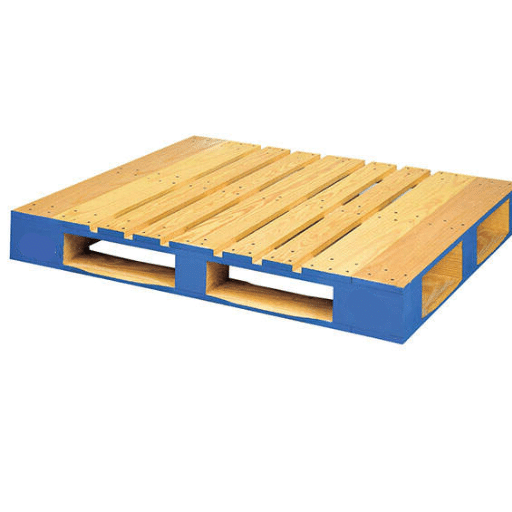
The structural design of a pallet, such as the number of stringers, the placement of block supports, and the deck, all of which could be configured as single face or double face, interests us in its resistance to bending or deformation. For example, block-style pallets are supposed to carry a heavy load better than stringer-style pallets due to their multi-directional points of forklift entry that allow for reduced stress concentration.
Load Distribution
Loads that are unequally distributed on the pallet greatly diminish capacity and increase the chances of damage. Tests show that if the load is balanced well on the whole surface area, the stability will be increased, and also the permissible weight can be increased by up to 25%. This, therefore, stresses the need to evenly position the goods while avoiding any overhangs that can weaken structural integrity.
Environmental Factors
Certain materials, mostly of natural origin, such as untreated wood, are subject to degradation upon exposure to high humidity or other extremes of temperature or chemical agents. Stitching together the knowledge given by various research, one would say an environment with high humidity could diminish the tensile strength of wooden pallets by about 20%. Temperature abnormalities contribute further to the distortion of wood and plastic types of pallets, which, in turn, reduces the capacity and life of pallets.
Key Takeaway: Keeping this in mind, a company should be able to select a pallet that meets its operational demands in terms of safety and compliance, where it will also offer the best performance under diverse supply chain conditions.
Pallet Design and Materials

Material selection and specific designs of pallets are essential to their operation and durability in supply chain distribution. Typical materials with respective advantages include wood, plastic, and metal. Wooden pallets are cheaper and less expensive to construct, in comparison with plastic ones, which might degrade in the presence of moisture or when subjected to high-humidity atmospheres or fluctuating temperatures. Plastic pallets resist moisture and chemicals; they have a longer lifespan, even if they are more costly most of the time. Metal pallets are strongly durable and are rendered suitable for very heavy loads, but are much heavier and costlier. The design varies from stringer to block and customized types according to load and handling equipment. Therefore, the choice of material and design must yield safe, efficient, and cost-effective operations.
Types of Pallets: Wood vs. Plastic
When comparing wood and plastic pallets, durability, price, weight, upkeep, and environmental factors must at least be considered. Wood pallets, which for all practical reasons have traditionally been the majority in usage, are often preferred for their cheap entry prices and easy repairs. Heavy loads are generally considered to be borne by wood pallets; hence, these are generally used in the construction and transportation industries. On the other hand, they splinter, infest, and absorb moisture, so that hygiene and longevity may be impaired. Depending on size and design, a wood pallet weighs somewhere from 30 to 70 pounds.
On the premise of the reverse, plastic pallets are earning increased acceptance due to their strength against moisture, chemicals, and pests. Typically weighing less than wood pallet counterparts, the weight of plastic pallets ranges from 15 pounds to even 50 pounds. Many times more expensive compared to wooden pallets, plastic pallets also yield cost savings in the long run because of their durability, which is often ten times more than wood pallets. Cleaning of plastic pallets is easier, which is why they are preferred in the pharmaceutical and food industries, where a high level of cleanliness is required.
Wood pallets, from the standpoint of the environment, are biodegradable and often made from renewable resources. However, when we go into deforestation and waste resulting from damaged pallets, it is another story. Plastic pallets, therefore, from a production view, remain ever disadvantageous to the environment, although many are made from recycled plastics and are 100% recyclable after their useful life.
Research indicates that the global pallet market is undergoing a shift, with increasing demand for plastic pallets in those industries where hygiene and sustainability are top requisites. Therefore, the decision for wood or plastic pallet must be dependent on some specific operational considerations like load capacity, method of handling, and indeed environmental considerations.
| Feature | Wood Pallets | Plastic Pallets |
|---|---|---|
| Weight Range | 30-70 pounds | 15-50 pounds |
| Initial Cost | Lower | Higher |
| Durability | Standard | 10x longer lifespan |
| Moisture Resistance | Poor | Excellent |
| Hygiene | Difficult to clean | Easy to clean |
| Environmental Impact | Biodegradable, renewable | Recyclable, but production intensive |
Design Considerations for Load Bearing
One critical factor in pallet design is its ability to bear a load, comprising the choice of materials, structural arrangement, and usage orientation. The load-bearing requirement must account for static load, dynamic load, and racking load. Static load is essentially the weight a pallet supports when it is at rest and stacked. Dynamic load describes the weight it can carry while being handled or during transportation. Racking load, on the other hand, relates to the kind of weight it can sustain while being placed on beams in a warehouse.
For the highly important factor of load performance, wooden pallets varying according to their wood species and grade can take different loads and may, in fact, break down under conditions of high humidity. On the other hand, plastic pallets made out of HDPE or PP would perform consistently, especially under controlled environments, but there remains a drawback of limited flexibility when subjected to heavy stresses from racking. Additional design considerations like reinforced stringers, extra runners, and molded cavities contribute to optimal load weight distribution and deformation prevention, thus greatly enhancing the life of a pallet. In relation to usage conditions and safety factors, pallets are expected to conform to the operational requirements placed on them, and yet retain a degree of structural health.
Durability of Pallet Materials
The durability of the pallet materials is dependent on several critical factors, which include material composition, load capacity, and environmental conditions. To be more specific, wooden pallets with hardwood or softwood construction are well capable of bearing heavy loads but will start to damage once exposed to moisture and pest attacks or if there is an occurrence of splintering. Plastic pallets produced out of HDPE or PP rank next as moisture, chemical, and impact-resistant materials, but over time, prolonged UV exposure can severely affect their structural integrity. Metal pallets, mostly steel or aluminum, stand best for durability and load performance and are heavier but prone to corrosion if not properly coated or put into corrosive conditions.
Moreover, the method of handling, being exposed to extreme temperatures, or table usage frequency, generally sets the life of a pallet. Material endurance is further enhanced by reinforcements such as corner protections, anti-slip coatings, or designs that absorb shocks. Choosing pallet material according to the purpose it will serve and ensuring proper maintenance, considering the working environment, could greatly contribute toward increased service life and reduced long-term expenses.
Pallet Testing Methods

Testing methods of pallets assess durability, load capacity, and performance under certain existing conditions. The following are common testing techniques:
- Static Load Testing: Static load testing implies testing the ability of a pallet to resist the imposition of a fixed weight without any deformation or failure.
- Dynamic Load Testing: During dynamic load tests, the performance of the pallet during the moving loading is tested, which could be when forklifts or conveyors transport such a load from one place to another.
- Impact Resistance Testing: Tells just how tough a pallet is if it is subjected to dropping or collision, which simulates the demands it goes through in usual handling.
- Environmental Testing: This tests the durability of the pallet when exposed to moisture, temperature extremes above and below zero, or UV radiation for a long time.
These methods are designed to check whether pallets meet certain industrial standards and perform well in the particular application expected of them.
Different Tests for Assessing Pallet Capacity
To ensure safety, efficiency, and compliance in the logistics and material handling environment, the accurate assessment of pallet capacities is very critical. Modern test methods use precision techniques to ascertain static load capacities, dynamic load capacities, and resistance to long-term stress. Some of these tests are:
- Static Load Testing: This test determines the maximum weight a pallet can support under a stationary load. For instance, wooden pallets normally have a static load capacity somewhere between 2,500-5,000 pounds, depending upon material and design specifications. The testing procedure may involve gradually applying pressure on the pallet until the pallet deforms structurally or collapses.
- Dynamic Load Testing: These tests determine the ability of a pallet to bear load when subjected to motions, such as forklift operations or conveyor transport. Different industries demand different types of pallets, with the normal dynamic load capacity being around 2,200 pounds, depending much on the type of construction (wood, plastic, metal, or composite).
- Rack Load Testing: This test checks the pallet’s strength when banks to loads placed upon edges, essentially a racking load. Rackable pallets generally support loads anywhere within 1,000-3,000 pounds, depending upon the material properties and integrity of the pallet. Testing here tries to replicate real-world situations so as to find potential weak points- for example, let’s say it bows under pressure or the pallet collapses.
- Creep Deflection Testing: For long-term durability, creep testing observes the behaviour of a pallet under a sustained load. For example, plastic pallets are particularly tested for creep resistance, since creep causes them to deform under sustained loads over a period of time, thereby affecting their usability for warehouse storage.
- Compression Load Testing: These are conducted to determine the maximum vertical pressure a pallet can withstand without permanent damage. The test tries to simulate the conditions that a pallet goes under during stacking or compact storage. Most of the compression test machines indicate at which point of the load the material starts deforming.
These tests stand on the shoulders of advanced material sciences and engineering principles, with ISO and ASTM standards interspersed along their course. Knowing the details of these tests, companies can pick pallets most suited for their needs; thereby improving safety and cutting down expenses incurred due to material failure.
Strength and Durability Testing Procedures
Strength-and-durability tests help measure the mechanical performance of materials or products when they are under simulated conditions or when they actually work in real life. In the case of pallets, the tests are designed to check their load-bearing ability while subjected to repeated stress, resistance to various conditions, including humidity and temperature variations. The most crucial aspects involve static load tests, where the weight is put on gradually to the point that the maximum load threshold can be determined, followed by dynamic load tests that assess the behavior and reaction of the pallet when subjected to impact or vibrations. Moreover, cyclic fatigue testing is conducted to determine how repeated loading over time will influence a structure’s integrity.
Adhering to internationally accepted standards such as ISO 8611 and ASTM D1185, these tests guarantee authenticity and consistency in results. The outcomes aid manufacturers in establishing design faults, optimizing material contents, and allocating certain recipient uses in cases of fragile materials or stress-bearing industrial pallets. The testing data provides the basis for decisions wherein different pallets against wood, corporations, or metal are weighed and measured to see which solution fits best with particular operational needs.
Computer Modeling in Pallet Capacity Testing
Computer modeling has become an important tool in improving pallet capacity testing by accurately simulating real-world conditions. The models use advanced software that can analyze load distribution, interface behavior, and structure under varying levels of stress. FEA, in particular, allows engineers to guess the behavior of pallets under static and dynamic loads without having to conduct exhaustive physical tests. Through the generation of intricate virtual prototypes, computer modeling reduces the costs involved in development, speeds up the design cycles, and gives one the chance to locate failure points even before manufacturing. In addition, it can evaluate the suitability of different materials and designs for the considered operations. The input of real-world data into the simulation keeps the model valid, thus making this an essential tool in modern pallet design and optimization.
Optimizing Pallet Capacity Testing
Optimization of pallet capacity testing is achieved mostly by identifying and analyzing critical load factors such as weight distribution, maximum load capacity, and the stress resilience of materials. Utilizing standardized testing methods established by ASTM D1185 or ISO 8611 instills confidence in the results, for instance. Advanced modeling software will simulate points of stress and loading scenarios, cutting down on the traditionally long trial-and-error method of testing. Moreover, testing equipment needs to be recalibrated at regular intervals for precision, and the environmental conditions, i.e., humidity and temperature, must be controlled so that they do not skew the data during testing. Through these practices, pallet design and usage are maintained at optimum safety and operational efficiency.
Strategies to Maximize Pallet Capacity
A pallet’s maximum capacity is obtained by a combination of good design, proper loading techniques, and efficient inventory management. First-palletized loads need to be optimized with the selection of pallets that have dimensions appropriate for warehouse layout and product specifications. Standard-size pallets ensure everything fits perfectly with racking systems and vehicles that otherwise would be wasting space. Second, enforcing a single stacking method, such as column stacking or interlocking, would increase stability and give better access to vertical space. Proper weighting and void elimination in between products will also increase capacity. Third, selecting high-strength lightweight pallets made from plastics or composites can allow for higher loads and easier handling operations. Application of these principles will produce a highly efficient operation, thus bringing down logistics costs in general.
Impact of Packaging on Pallet Capacity
Packaging design is one of the pivots upon which pallet utilization efficiency will turn. Packaging that has been designed for optimal purposes will, in addition to protecting products, also aid directly with maximizing pallet capacity. To cite one example, uniform packaging with modular dimensions will allow all the units to fit perfectly onto pallets with little or no space being wasted. Research suggests that prioritizing the decision to change packaging into standardized formats may improve space utilization by up to 20%.
Then comes packaging materials. Using lighter yet sturdy materials-a good example being reinforced corrugated cardboard or maybe an environmentally friendly bio plastic-wills reduce the weight of the palletized loads without affecting their structural integrity. This, in turn, may also reduce shipping costs since many transporters charge freight on a weight basis.
Further developments in packaging resistant to compression enable the stacking of goods on pallets to a greater height without damage to the product inside. For example, packaging solved by design shall be capable of withstanding the weighing pressure of stackings over a load with reinforced edges, thereby realizing an increase in height in the order of roughly 15% in certain cases. Therefore, such design improvements mean more units per pallet and efficient utilization or application of vertical warehouse storage.
Another factor that can increase pallet capacity: a reduction in the use of excessive void-fill material. Void-filling substances often exaggerate the dimensions when foam, airbags, and others are considered, thus negating the loading of the number of units onto a pallet. Therefore, the use of custom-fit inserts or molded packaging avoids such waste, allowing a full effective capacity for every inch of pallet space. These measures together enhance pallet capacity and provide savings across the supply chain.
Logistics Considerations for Pallet Usage
Choosing the right pallet material is the key to logistics efficiency. Usually, pallets are manufactured from mediums such as wood, plastic, metal, or composite materials, each with its own pros. Wooden pallets remain the most widely used because of their low cost and ease of repair. Plastic pallets, on the other hand, were developed recently to take advantage of durability, reusability, and hygienic features, which are particularly beneficial in pharmaceutical and food logistics. Research also notes that plastic pallets can have a longevity 10 times longer than wooden pallets, bringing down long-term costs of operation.
Weight definitely comes into consideration in logistics when considering pallet composition. Almost all lightweight plastic pallets can drastically limit the shipping load, particularly in air freight operations, where weight tethering and costs are usually too stringent. Scientific studies have shown that a 20% decrease in pallet weight will have a considerable effect in reducing fuel consumption, thus minimizing carbon emissions.
Advances in newly developed composite materials or alternate materials, such as recycled materials or sustainable bioplastics, fit nicely into the eco-conscious supply chain paradigm. According to new findings, almost 40% of companies are bringing in sustainable pallet solutions to reduce their environmental footprint, all without compromising operational performance.
Choosing an optimum pallet material combining durability with weight and sustainability will bring business cost reductions with enhanced logistical performance.
Future Trends in Pallet Testing

Pallet testing innovations are headed towards automation, sustainability, and advanced materials. As a means of ensuring greater accuracy and eliminating human errors from the equation, more and more automated testing systems are being installed. Sustainability has fast become a key driver in developing testing methods for recycled and green pallet materials in order to meet regulatory standards and environmental targets. IoT-enabled pallets are another emerging trend that demands durability testing for embedded sensors and tracking devices. Since the new methods increase operational efficiency and channel the need for environmentally sound resource utilization, they address the changing demand of the industry.
Innovations in Pallet Design
The design of innovative pallets is being transformed by advanced materials and sustainability goals coupled with technological integration. One central feature of this has been the development of composite materials and engineered materials like recycled plastics and bio-based polymers meant to increase durability while decreasing environmental impact along the way. These materials are lighter than traditional wooden materials and resist rotting and corrosion damage from pests, hence rendering them cost-efficient over a more extended period.
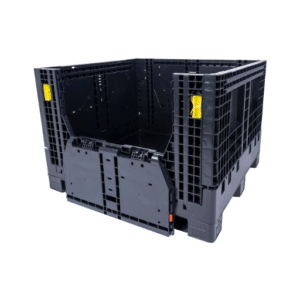
Also gaining recognition are modular and collapsible pallet designs that optimize storage capacity during transportation, cutting operational costs down the supply chain, thereby increasing overall efficiency. These designs focus on making the system adaptable to various industrial requirements to minimize logistical bottlenecks.
The tracking and monitoring aspects are being revolutionized through IoT technology fused with pallets. Such IoT-enabled pallets contain sensors that gather real-time data about the location, temperature, or load conditions for finer inventory management and lower operational risks. Certainly, these are the challenges that modern pallet designs have solved in terms of efficiency, sustainability, and technological challenges in a competitive global arena.
Sustainability and Durable Pallet Solutions
Materials and design need to be considered for pallet sustainability and durability while minimizing environmental impacts and maximizing longevity. Eco-friendly options could involve the use of recycled or renewable materials, such as wood from sustainably managed forests or recyclable plastics. There is also a concept for a pallet lifecycle to determine the durability and reusability of a pallet; the more durable and reusable a pallet is, the less it needs replacing. By bringing all of this into operational efficiency, I try to bring environmental stewardship to the table.
The Role of Technology in Pallet Testing
Modern technology adds value to the realm of pallet testing technologies by fostering accuracy, efficiency, and reliability. Drawing on automated systems and simulation software, these testing processes can be executed with precision on pallets subjected to different conditions of compression, impact, or vibration stresses. Technologies such as finite element analysis (FEA) allow fairly thorough modeling of a pallet design to detect its flaws before physical development. On the other hand, sensors and IoT can be installed onto pallets to record real-time data during their test or operation, thereby offering insight into structural performance and usage trends. With all these technological possibilities, companies are now able to enhance pallet designs for durability and sustainability while ensuring that these meet strict industry standards.
Reference Sources
Behavior of Steel Storage Pallet Racking Connection – A Review
Journal of Industrial Engineering Management
Pick-Up Plan in the Case of a Shuttle Rack Warehouse – An Optimization Approach
Frequently Asked Questions (FAQs)
How do they decide what a pallet capacity is?
Capacity tests are conducted to determine a pallet’s strength, durability, and load stability. The type of materials used, design specifications, and thickness of those materials, in particular pallet parts, are tested and verified in order to give the utmost satisfactory performance.
What are the test methods for pallet load testing?
Standard tests involved in pallet strength testing include static load testing, dynamic load testing, and impact testing. They tell the final or ultimate load a pallet can carry so that the manufacturers can specify the safe load and do quality control in pallet manufacturing.
What is the role of Virginia Tech in testing pallet capacity?
Virginia Tech has done much research into the strength and durability of pallets and testing procedures that enhance the understanding of pallet behavior under different loading and support conditions. Their findings allow manufacturers to optimize pallet design and ensure their products meet safety standards.
Load stability of wood pallets depends on what factors?
These factors affect the load stability of wood pallets: the design of the pallet, friction between the pallet and the load, and any kind of unevenness in the surface upon which the pallet rests. Proper containment of the load and its distribution across the pallet are both factors in ensuring stability during transport.
What is a working load as opposed to an ultimate load?
In contrast to the ultimate load, which is the weight leading to pallet failure, the working load describes the type of weight a pallet will carry during normal usage. Both parameters need to be taken into account for the whole life and safe use of pallets.
What impact does pallet quality have on its load capacity?
Load capacity is a factor greatly influenced by pallet quality. High-quality materials and construction impart strength and stiffness to the pallet, and hence, it can load more weight without the risk of pallet failure. Regular quality control checks are essential in maintaining such standards.
What can computer modeling do for testing pallets?
By simulating different load scenarios and predicting how well different designs perform, computer modeling helps in pallet testing. It enables the manufacturers to further optimize their products so that these can carry the specified load without compromising on strength and durability.