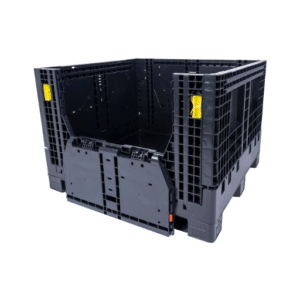
Pallet Market Overview

The pallet market forms an essential part of the global supply chain, assisting in the movement, handling, and storage of goods across industries. Rise in e-commerce, increased world trade, and demands for sustainable logistics have been causing pallets to be sought after for being durable yet cheap. Wood, being cheap and readily available, remains the most common pallet-making material, while plastic pallets are becoming more popular due to their durability and reusability. Other key trends in the market include the advancements in pallet recycling, greater installation of automated material handling systems, and greener methods of production.
Definition and Importance of Pallets
It is basically a flat structure upon which materials are stored or handled for transport. They are intended for easy movement using forklifts, pallet jacks, or conveyors, and thus help streamline material handling. Pallets serve as the backbone of supply chains, keeping goods secure during storage as well as while in transit, and minimizing handling time while improving overall efficiency. The pallet, by virtue of its standardized sizes and designs, can be stacked with ease and can interface with a wide spectrum of design systems for logistics purposes. Pallets help in optimizing space utilization and ensuring the safe delivery of products in varied industries, and thus, are an integral part of global trade.
Global Pallet Market Size and Trends
There has been notable growth in the global pallet market, resulting from increased logistical demands and the expansion of e-commerce. According to some of the newest reports, the market size was valued at approximately $77 billion in 2022, with a CAGR projection of around 5%–6% from 2023 to 2030. This surge started because of the growing demand for standard pallet designs to streamline supply chain processes and ease the handling of products at production and, finally, at consumer levels.
$77 BillionGlobal Pallet Market Size in 2022
Wooden pallets, an inexpensive and easily available packing material, dominate the market by having the highest volume share. However, there has been a steady increase in the adoption of plastic pallets due to their strength, ability to be reused, resistance to moisture, and protection from contamination. Industry trends are getting altered with technological development, employing RFID and IoT technology in pallets. Such developments enhance the trackability and effectiveness.
The paramount trends comprise increasing preference for sustainable and recyclable solutions, regional expansion of manufacturing, and government regulation towards the promotion of environmentally benign ways of shipment. Asia Pacific stands as first among market choices in production and consumption, empowered by rapid industrialization and a sound manufacturing base.
Types of Pallets in the Market
The types of pallets vary in accordance with the prescribed use of the logistics and transportation industries. The most common types include:
| Pallet Type | Key Characteristics | Primary Applications |
|---|---|---|
| Wooden Pallets | Inexpensive, carry heavy loads, require treatment for international shipping regulations | Agriculture, manufacturing, various industries |
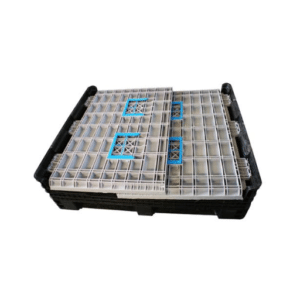
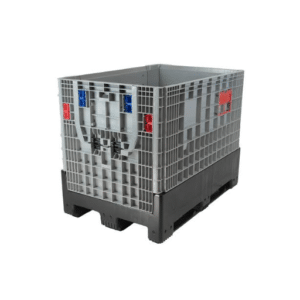
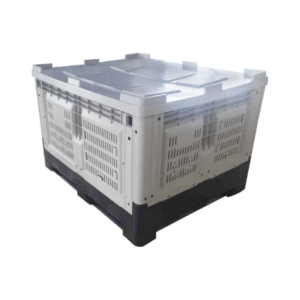
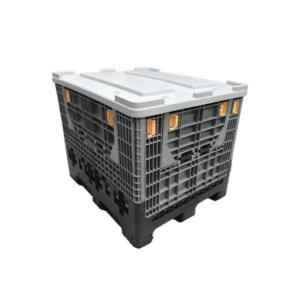
| Plastic Pallets | Durable, moisture-resistant, chemical-resistant, pest-resistant, lightweight, easy to wash | Medicines, food production, high-hygiene industries |
| Metal Pallets | Made of steel or aluminum, fireproof, weather-resistant, most costly but highly durable | Automotive, military, heavy machinery industries |
| Cardboard Pallets | Very light, eco-friendly, limited durability | Single shipping, disposable shipping, lightweight goods |
| Composite Pallets | Made from pressed wood or resin, balance of sturdiness and environmental friendliness | Industries focused on reducing environmental impact |
Manufacturers usually choose one type of pallet over others based on load capacity, cost, environmental considerations, and industry needs.
Regional Analysis of the Pallet Market

The pallet market faces high regional variations caused by industrial growth, the extent of trade activity, and prevailing customs of manufacturing in a locale.
| Region | Market Characteristics | Dominant Pallet Type |
|---|---|---|
| North America | Largest pallet market with large-scale import/export activities, strong logistics and supply chain network | Wooden pallets |
| Europe | Strong orientation towards sustainability | Recycled and composite pallets |
| Asia-Pacific | High industrialization and booming e-commerce in China and India | Wooden and plastic pallets |
| Latin America | Growth in agriculture and exports | Traditional and alternative materials |
| Middle East & Africa | Evolving infrastructures and trade initiatives | Logistics and construction pallets |
Every region has distinct trade patterns, regulatory stipulations, and sustainability blockers or enablers that set the stage for preferences and trends.
North America Pallet Market Insights
The pallet industry in North America is on a slow yet steady rise, fueled by the growth of logistics, retail, and e-commerce. Wooden pallets share the majority of the market time, mainly because they are cheap, sturdy, and readily available. However, there has been a growing trend to focus on sustainability, and hence there has been interest in the plastic, metal, and composite varieties, which can be recycled or reused. Forming the largest market of the region, the U. S. supports those that have an immense supply-chain network and require material handling solutions with high efficiency for movement.
The trend is inclined toward the adoption of pallet pooling systems to lessen the environmental impact and operational costs, with technology advancement increasingly becoming a driving force in the market: here, pallets embedded with IoT enable real-time tracking and monitoring of goods. Furthermore, the manufacturers tend to emphasize conformity to regulations, including ISPM-15 standards for export pallets, while not compromising on quality or efficiency. Innovation and the focus on environmentally friendly solutions are projected to shape the future of the North American pallet market.
Europe Pallet Market Dynamics
European pallets market is basically driven by the growing requirements of industries such as food and beverage, pharmaceutical, etc., that demand efficient logistics and transport solutions. Big sustainability-related concerns have resulted in an ever-increasing use of environmentally friendly pallets, such as those made from recycled materials or sustainable wood. Besides, with logistics shifting to automation at warehouses and supply chains, this has also raised the demand for standardized pallets understandable to automated systems.
The lightweight and strong types of pallets that reduce the overall cost of transportation and environmental drawbacks are being preferred in the market. Regulations, including those of the European Union on stringent recycling and waste management, promote environmentally friendly practices in the pallet industries. The use of tracking technologies such as RFID and IoT-enabled pallets is gaining momentum, thus allowing businesses to further streamline their own operations and improve supply chain traceability. In other words, innovation on a sustainable platform is very much shaping the future of the European pallet market.
Asia-Pacific Pallet Market Trends
The pallet market up in this Asia-Pacific domain is growing at a fast pace, owing to the growth of the manufacturing sector and the growing need for an efficient supply chain system. China, India, and Japan are at the forefront of this market owing to their massive industrial activities and booming exports. E-Commerce in Asia-Pacific acts as a catalyst for a stronger pallet system on the basis of faster movement of goods.
The wood is used as the principal material for pallets in this market. However, plastic pallets are getting popular because of their durability, reusability, and compliance with international hygiene standards. Increasingly, companies throughout the Asia-Pacific purview are turning to newer means such as pallet pooling systems and RFID tracking to ramp up efficiency and cut down operational costs. Government initiatives promoting green ideas are driving the demand for greener pallets, hence underpinning eco-conscious manufacturing and recycling processes across the market.
Market Segmentation by Pallet Type

Pallets are broadly segmented into four primary ones based on the materials: wooden pallets, plastic pallets, metal pallets, and corrugated paper pallets.
- Wooden Pallets: Considered the heaviest usage, these pallets are preferred for their durability, low cost, and ease of repair. Common industries where these pallets are used are food, beverage, and pharmaceutical.
- Plastic Pallets: These pallets are lightweight and resistant to moisture and chemicals. Because of this and their plastic nature, these pallets are becoming popular in industry sectors that require hygienic solutions, such as healthcare and retail.
- Metal Pallets: Would be the most durable pallets for heavy-duty applications or where pallets need to carry extreme weight or harsh conditions.
- Corrugated Paper Pallets: Lightweight and recyclable, these have found acceptance for a one-time use, especially for export-related applications.
This division highlights the versatility of pallet types that could be created to suit various industrial needs and sustainability requirements.
Wood Pallets: Market Share and Dynamics
Wood pallets dominate the international pallet market, comprising a major chunk of the market share because they are cheap, readily available, and sturdy. Heavily used in manufacturing, warehousing, and logistics, these industries require resistance and standardization in their activities. The growth of e-commerce only escalates the demand for wood pallets, as these are required for quick handling and storage of finished goods.
This gradual shift toward sustainability is due to varying lumber prices and the threat of deforestation. Many companies now resort to recycled or refurbished wooden pallets that extend their life cycle and reduce the generation of hazardous waste; while government regulations are becoming stringent, and consumer preference for sustainable solutions encourages innovations such as the use of certified wood sources or hybrid pallet designs. Despite this, wood pallets are still leading the market, assisted by a robust supply chain system and greater reusability.
Plastic Pallets: Trends and Forecast
Trends Overview in Plastic Pallets
Plastic pallets have seen a fast growth in adoption over increased durability, reusability, and meeting global hygiene standards. One of the trending areas is increased demand for recyclable and reusable plastic pallets, as industries become more conscious of the environment, from an economic perspective. The market is expected to be dominated by the use of materials with high-density polyethylene (HDPE) and polypropylene (PP), known for their strong performance and long lifecycle.
Forecast for the Plastic Pallets Market
The global plastic pallets market is set to grow steadily during the next decade with changes in compound annual growth rates (CAGR). The rise in demand from various industries, such as food and beverage, pharmaceuticals, and retail, stands as the major driving force. More and more international trade has increased the demand for resistant and lightweight pallet solutions of automated material handling systems. Across regions, trends favor awareness in the Asia-Pacific region due to manufacturing industries and export activities. Innovations in injection-molded pallets are targeted to improve load application while reducing production the second push of the market.
Metal and Corrugated Pallets: Market Insights
Generally made of steel or aluminum, metal palettes are considered to be highly durable, fire-resistant, and heavily load-bearing. Some of the uses of these pallets include any industry that handles hazardous materials, pharmaceuticals, or bulk goods, especially when these industries require hygienic storage or, in the case of heavy goods, offset the higher initial costs by long-term reuse. Recent trends indicate how manufacturing and logistics are witnessing wider acceptance due to their longevity and recyclability, created for sustainability-oriented companies.
Corrugated pallets, on the other hand, are mainly made using reinforced cardboard materials. These pallets are lightweight, cheap, and recyclable alternatives in air freight and one-way shipment, where weight matters all the way to the last tax. Due to their limited life and being susceptible to moisture, protective coatings and structural designs have been innovated to make these pallets more durable and applicable in niche applications. Along those lines comes the trend towards a greener packaging and logistics solution and several echelons of demand for corrugated pallets, especially in the fast-moving consumer goods and e-commerce fields.
It is anticipated that the regional demand and material technology developments would see different growths for both types of pallets, wherein sustainability industries would lead the charge.
Market Dynamics Influencing Regional Pallet Markets

Key regional pallet market dynamics are influenced by some major factors: Economic development and industrial growth, and shifts in buyer behavior. Developed regions like North America and Europe sustain pallet demand because of their developed logistics infrastructure and environmental regulations demanding sustainable wood pallet products. However, emerging Asian-Pacific and Latin American countries are growing at faster rates due to increasing manufacturing, e-commerce, and urbanization.
The material innovation, therefore, is pivotal as plastic and corrugated pallets grow in importance in areas with a demand for sustainability or lightweight logistics. Regulatory policy requirements and international trade agreements also have a bearing on the market trend, as discussions revolve around the acceptance of standardized pallet designs and materials across international boundaries. These regional forces will govern the competitive structure of and growth opportunities for the global pallet market.
Key Market Drivers for Pallet Demand
E-commerce and retail sectors fast-tracked demand for pallets, supplying the need for fast and scalable supply chains on EGD. The further globalization of trade has indeed elevated the need for standardized designs in pallets that ensure compatibility across varied logistics systems. Another driver is mounting concern around sustainability, with several businesses opting for an environmentally friendly form of pallet that is recyclable. With automation and warehouse tech getting advanced, there’s got to be the highest resistance pallet design to partner with these robotic systems and high-speed conveyor operations, respectively. Also, amongst the trends that all aim to be mindful of cost, weight plays an important role in providing industries with a more lightweight pallet solution, yet capable of bearing heavy loads. All these have bestowed ever-increasing impetus on the demand in the global pallet market.
Challenges Faced by Pallet Manufacturers
The changes constitute an interesting set of challenges for pallet manufacturers in the evolving market environment. The chief problem concerns fluctuating prices and availability of inputs, especially wood, being the most common material for pallets-so to speak. Increases or decreases in production costs will adversely affect profitability under supply chain disturbances, trade policies, or environmental regulations.
Another big challenge is the rise in demand for sustainability. The manufacturers are under pressure to carve out environmentally-friendly pallets using recycled or renewable resources whilst, at the same time, minimizing carbon footprint. Another intertwining operational issue lies in conforming to constantly changing standards and certifications for the sustainability of their pallet production.
Another factor is the set of requirements that these advanced industrial automations impose on their users, especially for pallets that must be produced with precision for compatibility with robots and automated warehouses. Ensuring these technical requirements while remaining low-cost and scalable has been a big hurdle for the pallet industry. On another note, production is yet further hindered by global supply chain disruptions and shortages of labor, all of which prevent manufacturers from quickly fulfilling orders when they get high order volumes.
Impact of the Food and Beverage Industry on Pallet Markets
With stringent regulatory requirements, high turnover rates, and demands for specialized materials, the food and beverage sector holds paramount importance in the pallet industry. This industry requires strong, hygienic pallets nowadays; these pallets are mostly made with plastic and composite materials. They have to adhere to the food safety standards that ensure the prevention of any sort of contamination. It is further dependent on frequent shipments and rapid inventory turnover, which call for lightweight pallets that are reusable and cost-efficient to enhance the supply chain efficiency.
Growth In the shadow of rising e-commerce activities and cold chain logistics, there comes an increased demand for pallets, especially those required to handle cool or frozen goods, needing designs and materials that ensure the safe integrity of their property. Firms today find increasing pressure to adhere to pallets that comply with sustainability initiatives, thereby having greater curiosity about recyclable or biodegradable ones. Somehow, it is the food and beverage sector that actually incites the sector to work and develop materials, in design, and in the manufacturing process for pallets, all while challenging costs, scalability, and the worldwide standards.
Market Trends and Forecast

Much like any other product in the logistics and supply chain arena, the pallet market follows demand trends for such solutions. Some of the key trends include increased acceptance of high-strength plastic pallets, increased focus on reusable and sustainable materials, and advanced tracking technologies, including RFID. Globally, due to the high proliferation of e-commerce and demands for facilitating global trade operations, the pallet market is expected to register a CAGR in the range of 5.0-6.0%. Changes at the regional level toward standardization and pallet pooling systems further fuel market dynamics, ensuring adoption across several industries.
Future Projections for the Global Pallet Market Size
The global pallet market is anticipated to grow to a valuation of about $110 billion by 2032, owing to increasing demand in the logistics and warehousing sectors. Such expansion is mainly attributed to the rapid growth of the e-commerce industry located in emerging markets, demanding efficient material handling and storage solutions. Being cheaper and popularly used, wooden pallets will continue to hold a significant share in the market; however, with increasing durability and reusable life that meets the changing hygiene standards in the food and pharmaceutical sectors, plastic pallets are expected to grow at a notable pace. Once environmental concerns become paramount, demand for pallets made from recyclable or biodegradable materials will gain momentum. Thus, the introduction of technology among smart pallets using IoT devices for inventory management and tracking is expected to redefine a new meaning for operational efficiency, providing a complementary effect on market growth during the next decade.
$110 BillionProjected Global Pallet Market Size by 2032
Emerging Technologies: The Rise of Smart Pallets
Smart pallets are a technological breakthrough in logistics, and I see them as perhaps one of the mainstays for modernizing supply chain operations. Equipped with IoT gadgets, they enable smart pallets to follow items in real time, manage inventory, and instill visibility in the supply chain. The ability to collect and transmit data on location, temperature, and load conditions makes such pallets extremely valuable in compliance with stringent standards within an industry. In my opinion, this technology has the potential not only to improve operational efficiency but also to uphold the emerging thrust toward sustainability by optimizing logistics processes.
Forecasting Market Share by Region and Pallet Type
The region will see a substantial expansion of the market for smart pallets, driven by technological improvements in the supply chain function and the increased adoption of smart pallets by verticals like retail, healthcare, and manufacturing. North America will continue to hold a dominant position with regard to widespread technology adoption and a strong logistics network. Europe, in contrast, is expected to grow steadily, backed by regulatory initiatives to encourage sustainable practices. Asia-Pacific, where China and India lead in growth, is emerging as the fastest-growing regional market due to rapid expansions in e-commerce and infrastructure.
Furthermore, considering pallet types, the most commonly utilized ones are wooden, due to their cheap nature and multifunctionality. In contrast, plastic ones are becoming increasingly popular due to their durability, hygienic factors, and environmental considerations. These are considered to be the preferred choice for industries with stringent regulatory imperatives, such as the pharmaceutical and food industries. Metal pallets hardly enter inquiry, but have lately become preferred for very heavy-duty and high-value warehousing. Smart technology integration with RFID and IoT-enabled sensors across all pallet types will be a key element in dictating market trends and efficiencies in the future.
| Market Aspect | Current Status | Future Projection |
|---|---|---|
| Overall Market Growth | $77 billion in 2022 | $110 billion by 2032 (5-6% CAGR) |
| Dominant Material | Wooden pallets | Wooden pallets to maintain lead; plastic pallets gaining significant share |
| Fastest Growing Region | Asia-Pacific | Asia-Pacific (driven by China and India) |
| Technology Integration | RFID and IoT adoption beginning | Smart pallets with IoT sensors becoming standard |
| Sustainability Focus | Increasing demand for recycled materials | Recyclable and biodegradable pallets expected to gain momentum |
| Key Industry Drivers | E-commerce, globalization, automation | Continued e-commerce growth, sustainability mandates, smart logistics |
Key Takeaways and Conclusion
Summary of Regional Market Dynamics
The global pallet market demonstrates significant regional variations that reflect diverse economic conditions, industrial priorities, and sustainability commitments. North America maintains its position as the largest market, driven by robust logistics infrastructure and high trade volumes. Europe leads in sustainability initiatives, with strong regulatory frameworks promoting recycled and eco-friendly pallet solutions. The Asia-Pacific region emerges as the fastest-growing market, fueled by rapid industrialization, expanding e-commerce, and increasing manufacturing capabilities in countries like China and India.
Material Innovation and Market Evolution
While wooden pallets continue to dominate the market due to their affordability and widespread availability, plastic pallets are gaining substantial ground. Their durability, hygiene compliance, and reusability make them increasingly attractive to industries with stringent regulatory requirements. Metal and corrugated pallets serve specialized niches, with metal pallets excelling in heavy-duty applications and corrugated options providing lightweight, recyclable solutions for one-time shipments.
Technology as a Game Changer
The integration of smart technologies—including RFID tags, GPS tracking, and IoT sensors—is revolutionizing pallet management. These innovations enable real-time tracking, condition monitoring, and data-driven decision-making, significantly enhancing supply chain efficiency. Smart pallets represent not just a technological advancement but a strategic tool for companies seeking to optimize logistics operations while meeting sustainability goals.
Sustainability: A Core Market Driver
Environmental concerns are reshaping the pallet industry across all regions. Manufacturers face increasing pressure to develop eco-friendly solutions using recycled or renewable materials while minimizing carbon footprints. Pallet pooling systems, recycling programs, and the adoption of circular economy principles are becoming standard practices. This sustainability focus aligns with broader global initiatives addressing resource scarcity, pollution, and climate change.
Industry-Specific Demands
Different industries impose unique requirements on pallet design and materials. The food and beverage sector demands hygienic, contamination-resistant pallets, often favoring plastic and composite materials. Pharmaceutical industries require compliance with strict regulatory standards. E-commerce drives demand for lightweight yet durable options that facilitate rapid handling and storage. These sector-specific needs continue to shape product development and market segmentation.
Challenges and Opportunities
Pallet manufacturers navigate multiple challenges, including fluctuating raw material costs, supply chain disruptions, labor shortages, and the need to balance sustainability with cost-effectiveness. However, these challenges present opportunities for innovation. Companies investing in automation, advanced materials, and smart technologies position themselves for competitive advantage in an evolving market landscape.
Looking Ahead
The pallet market’s trajectory toward $110 billion by 2032 reflects the critical role pallets play in global trade and supply chain management. Success in this market will increasingly depend on the ability to integrate sustainability, technology, and operational efficiency. Regional markets will continue to evolve based on local economic conditions, regulatory environments, and industrial priorities.
For executives, supply chain professionals, and investors, understanding these regional dynamics and emerging trends is essential for strategic planning. The companies that successfully balance traditional strengths with innovative solutions—whether through smart technology integration, sustainable materials, or optimized logistics systems—will lead the market’s next phase of growth.
As global trade expands and sustainability becomes non-negotiable, the humble pallet transforms from a simple logistics tool into a sophisticated component of modern supply chain strategy. The future belongs to those who recognize and capitalize on this transformation, making strategic investments in materials, technology, and operational excellence that align with both business objectives and environmental responsibility.
Reference Sources
Adoption of value-adding processes in Swedish sawmills
When is short sea shipping environmentally competitive?
The 4th industrial revolution–A smart factory implementation guide
Frequently Asked Questions (FAQs)
What are the growth factors of regional pallet markets?
The regional pallet markets grow with the increase in demand for greener and efficient logistics solutions. E-commerce and the food and beverage industry significantly contribute to market dynamics. On the shifts in palettes: when demand grew for recyclable and reusable pallets, producers innovated and tried to keep up with growing consumer preferences, which have made the market more competitive.
How would one further bifurcate the pallet market in regional terms?
The pallet market can be regionalized on the basis of type of pallets (wooden, plastic, corrugated, etc.), type of material, and end-user industries. Regional segmentation is quite integral as different regions may sometimes exhibit variegated levels of demand towards particular types of pallets. This regional analysis then goes a long way in comprehending the market trends and in manufacturing suitable product forms tailored to suit regional needs.
What is the future forecast for the global pallet market over the next few years?
The market estimates revealed that the global pallet industry will grow at about 6% CAGR in the coming five years. An increased international trade and expansion of the e-commerce sector have been considered so far in projecting demand for efficient packaging and transportation.
What types of pallets are available in the market?
The market supplies various pallets, including block pallets, stringer pallets, and smart pallet systems. Each type is geared toward specific features and advantages tailored to particular applications. On the other hand, block pallets provide greater stability and load-carrying capacity; stringer pallets are found to be somewhat lighter and easier to handle, so they tend to be utilized in several industries.
How much of a monopoly do the pallet manufacturers exert in the regional outskirts?
Within the regional pallet markets, the makers serve as main players, manufacturing a considerable variety of pallets to suit different consumer needs. These manufacturers innovate to provide green choices, such as recyclable pallets, while maintaining a focus on improving durability and efficiency. The competition among manufacturers incites the expansion of the market and the enhancement of the offerings.
How does demand for plastic pallets influence the market size of pallets?
The demand for plastic pallets has consistently been on the rise because of their durability, being recyclable, moisture resistance, and resistance to pest attacks. This factor positively influences a slight overall pallet market size, given that the plastic option is being favored more than wooden ones, especially in the food and beverage industry, where sanitation is of utmost importance.
What are some market trends influencing the regional pallet markets?
Current market trends include sustainability on the rise, with increasing production of eco-friendly and reusable pallets. Meanwhile, technology has made developments in the smart pallet systems that allow real-time tracking and inventory management, changing traditional pallet usage into a more efficient logistical process.
What is the share of various types of pallets in various regional pallet markets?
The market share analysis reveals that wooden pallets have the biggest chunk in the pallet market, with plastic pallets close on their heels. The rising popularity of corrugated and smart pallet systems is revealing changing dynamics of customer preferences, with more businesses looking into versatile and green choices for their supply chain needs.
What are the challenges faced by the pallet industry in regional markets?
The pallet industry faces certain challenges, including fluctuating prices of raw materials, regulatory compliance concerning sustainability, and adaptation to fast-changing consumer whims. The industry being a cut-throat competitive one, manufacturers must innovate and improve their products just to keep some share in the market.