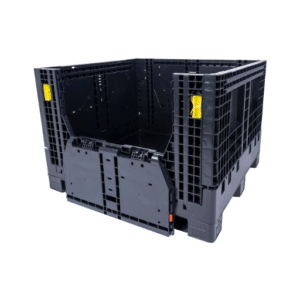
The food industry has to ensure that safety and sanitation are maintained as a matter of course. The whole supply chain has to operate under strict hygiene standards from the point of production to the final consumer to avoid the risk of diseases and to keep the business’s reputation positive. One of the most important of these but often unnoticed factors is the kind of pallets that are used for the movement of food products. The use of plastic pallets instead of traditional wooden pallets has proved to be a revolutionary change in getting the food industry to comply with the strict safety and sanitation requirements. Still, what are the reasons for the plastics to be the less expensive choice? This piece digs into their particular plus points, clarifying how plastic pallets can contribute to higher standards of safety, better compliance and smoother operations in the field of food handling and logistics. Don’t miss out on the important reasons behind their increasing popularity as we go through one by one the factors that are influencing their growing adoption!
Understanding Plastic Pallets in the Food Industry

What Are Plastic Pallets?
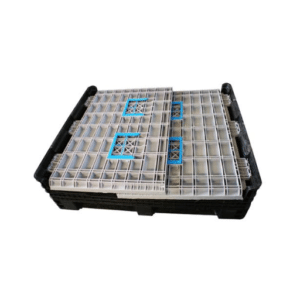
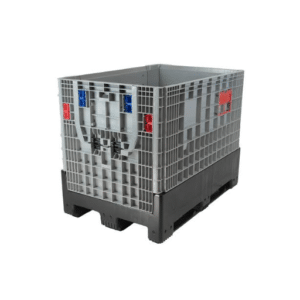
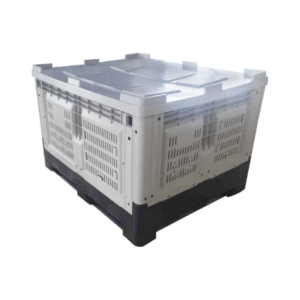
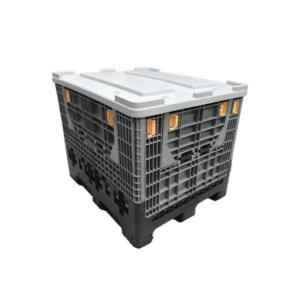
Plastic pallets are sturdy platforms that are made from different kinds of polymers such as high-density polyethylene (HDPE) and polypropylene (PP) that have been designed to carry, store, and transport goods efficiently. Unlike wood pallets, plastic pallets are non-porous, moisture-resistant, and tough enough to withstand the toughest handling, hence the reason they are the most common choice for industries with stringent hygiene standards like the food industry. They are also light yet solid, reusable, and recyclable, thus boosting both the operation and the environment. It is reported recently that, manufacturers across the globe are turning to plastic pallets more and more due to their minimizing contamination risk, ease of use with automation systems, and adherence to world food safety standards like the FDA and EU regulations. Hygiene, durability, and adaptability are the three things that together highlight their importance in the modern logistics and supply chain operations.
Benefits of Using Plastic Pallets in Food Logistics
Plastic pallets are a hundred percent winner in the food logistics sector with their multiple advantages going long way to making them indispensable. Their hygienic nature with non-porous and moisture-resistant attributes lowers contamination risks to great extents—this is a critical factor in food safety. Plus, plastic pallets are very strong and lightweight which lead to low transportation costs and prolonged lives when compared to the wooden pallets of the old. The latest reports state that one of the main reasons for the global demand for plastic pallets is their easy compatibility with automated systems leading to efficient handling and storage processes.
What is more, plastic pallets are seen as allies in the quest for sustainability. Quite a number of them are produced using recyclable materials and are made to be reused many times over, thus reducing the environmental waste. Expert opinion from the industry reveals their growing popularity, with a market growth rate of more than 5% each year till 2030. This is indicative of the fact that there is a gradual but sure move towards the adoption of more eco-friendly and operationally efficient logistics solutions which in turn makes plastic pallets smart choices for meeting the high standards of the food supply chain.
FDA Regulations for Food Grade Pallets
In order to guarantee their safety for food storage and transportation, food grade pallets must adhere to FDA regulations. Under these regulations, the pallets are required to be constructed from non-toxic and durable materials that will not only avoid contamination but also make cleaning and sanitizing easy. Besides, they should be able to withstand the effects of moisture, bacteria, and chemical absorption while still being up to hygiene standards. Among other things, manufacturers are required to comply with Good Manufacturing Practices (GMPs) in order to provide the pallets that live up to the quality and safety requirements for food handling. Meeting these criteria is critical for safeguarding public health and securing the food supply chain.
Hygienic Properties of Plastic Pallets

Why Hygiene Is Critical in the Food Industry
Hygiene is of the utmost importance in the food industry as it has a direct bearing on food safety, the health of the consumers, and adherence to regulations. Contamination by dangerous microorganisms, for example, Salmonella, E. coli, or Listeria, can occur with poor hygiene, and these are the most common causes of foodborne illnesses, which affect millions of people annually around the world. The World Health Organization (WHO) estimates that about 600 million people fall ill each year from consuming unsafe food, and some of the cases are so severe that the patients need to be hospitalized or die. Production, packaging, and transport of food at the highest hygiene levels are the main ways to reduce the bacteria and viruses present, hence, giving the consumers a safe product and the food a longer shelf life. Besides, in a sector where consumer trust is the key factor, an outbreak of poor hygiene can greatly hurt the company’s image, cost them a lot of money, and even lead to lawsuits. The hygienic practices adopted by the food industry will not only protect public health but also secure the trust of consumers.
How Plastic Pallets Maintain Hygiene Standards
Plastic pallets are the materials of choice in the cleanliness-sensitive area of the industry because their non-porous surface does not allow moisture, odors, or bacteria to soak in. Compared to wooden pallets, plastic pallets do not break easily or become a home for mold, thus they can be used in places like the food and medical industries where cleanliness is very important and the standards are high, interest in “hygienic plastic pallets” has increased drastically, which is an indicator of the very high demand for these durable and sanitary solutions in logistics. Plastic pallets are also very easy to clean, and most of them can be washed or sterilized without loss of their original strength. This practice takes care of hygiene compliance especially in cold chains and during transportation which are generally the areas where the risks of contamination are the highest. Moreover, the advancements in production now enable the creation of plastic pallets that are suitable for food use and compliant with global hygiene regulations thus guaranteeing the safety and quality of the goods transported.
Comparing Hygienic Pallets to Wooden Alternatives
The hygienic pallets, if we look at them closely ,are on top of the list compared to the traditional wooden alternatives with the main differences being cleanliness, durability, and operational efficiency. Generally, the wood pallet will get more rapidly damage, moisture absorbency, and contamination with bacteria or fungi which might be quite a risk to health source since it is an industry dealing with food production or pharmaceuticals where hygiene is paramount. Moreover, the research has been showing that wooden pallets are not so easy to clean as well as that they need to be replaced more often than not because they become splintered or warped over time.
Plastic pallets, on the other hand, are of the non-porous and moisture-resistant type, thus they are much easier to sanitize and less likely to harbor pathogens. Affirming that, recent investigations of search trends and industry data reveal that businesses increasingly choose plastic pallets for compliance with the stricter hygiene requirements in the global supply chains. The initial investment for plastic pallets might be more than for wooden pallets, but the longer life span and lower maintenance costs make them a more eco-friendly investment in the future.
Switching to Plastic Pallets: Considerations

Factors to Consider When Switching
Transitioning to plastic pallets involves various considerations for businesses to make such a shift both cost-effective and efficient from an operational point of view. The primary one is to assess the supply chain’s specific weight and load capacity needs, as plastic pallets are available in a wide range of designs and strengths that can cater to different requirements. Focusing on the need for compliance with hygiene and safety regulations is another aspect, particularly in the food and pharmaceuticals industry where sanitation is of utmost importance. There is also the need to weigh investment costs against savings over time, considering the strength and reusability of plastic pallets besides their durability. Inevitably, it is also necessary to check the compatibility of the existing equipment like forklifts and storage systems to evade infrastructural upheavals bringing about additional costs.
Costs and Savings of Plastic vs. Wooden Pallets
Plastic pallets are usually more expensive at the outset, providing they are more costly than wooden pallets, their average price varying from $20 to $100 per unit, depending on their type and design. The average price of wooden pallets is about $10 to $25 per unit. However, the high cost of plastic pallets is balanced by the low cost of their long-term savings, thus the savings of the long run are mostly with the plastic side. The durability of plastic pallets results in fewer replacements needed and hence lower recurring expenses. They are also lighter than wooden pallets and that may lead to the reduction of transportation costs in the case of industries where shipping costs are weight-influenced. As a result of the lower initial cost of wooden pallets, their maintenance expenses may turn out to be high due to repairs or replacements caused by moisture, pests, etc.
Moreover, businesses that are using plastic pallets do not need to pay fees for waste disposal because most of the pallets are recyclable and therefore do not end up in landfills as some wooden ones that cannot be disposed of sustainably. Besides that, it can be pointed out that plastic pallets are mostly compliant with international shipping regulations, thus reducing fumigation and treatment costs that are necessary for wooden pallets to meet standards such as ISPM-15. Therefore, companies should take into account their specific operational needs and budget limitations to decide whether the upfront cost for plastic pallets is in line with their long-term cost-saving ambitions.
Environmental Impact of Using Plastic Pallets
The environmental impacts of plastic pallets are both negative and positive. They are durable, reusable, and less likely to be broken, thus they can produce less waste over time compared to wooden pallets. Furthermore, the recyclability of most plastic pallets leads to their lesser contribution toward landfill waste. However, the plastics production also leaves a huge footprint on the environment as it makes use of non-renewable resources and emits carbon dioxide among others. Recycling and reuse of plastic pallets play a key role in minimizing their environmental footprint. It is up to each business to look at the pros and cons to decide if plastic pallets are in line with their sustainability goals.
Choosing the Right Size and Design for Plastic Pallets

Common Sizes of Plastic Pallets for Food Storage
Plastic pallets for food storage are often created in standard sizes that suit diverse logistics and storage requirements, which is a common feature of plastic pallets intended for food storage. The most commonly used size is 48×40 inches, which is adaptable to many different transportation systems and therefore very popular. In addition to food storage, this size is often the size that fits specific industries or storage configurations. 42×42 inches and 48×48 inches are others that are often selected for specific industries or storage configurations. The dimensions that are used for these pallets are such that they can easily be stacked, kept, and moved around without violating the industry’s hygiene and safety considerations. Each company should choose the pallet sizes that fit together with their operational needs and existing storage space for the best functionality.
Design Features of FDA-Approved Plastic Pallets
FDA-approved plastic pallets are made to be the very best in hygiene and safety and thus are meant for industries like food, pharmaceuticals, and healthcare. These pallets are manufactured from non-porous, durable materials that are further resistant to moisture, contamination, and pests. This means that the pallets are always in compliance with the FDA regulations. One of the main reasons for these materials being chosen for the pallets is their property of being smooth and easy to clean. This characteristic helps in storing and handling of the goods without losing the very conditions that the pallet should provide during the sanitary conditions. In addition, these pallets are easy to carry because of their lightweight feature and at the same time can take up a heavy load. The reason is their design which helps in less energy being used during the movement of the pallets. Besides, many of the FDA-approved plastic pallets are also made from recyclable materials thus being a very environmentally friendly option for the companies that are very conscious about their carbon footprint.
Customization Options for Specialized Food Transport
In the case of specialized food transport, customization is a vital factor in delivering the distinct requirements of the businesses that are over the entire food supply chain. FDA-approved plastic pallets can be personalized by configuring the dimensions, weight capacity, and even the sanitation standards for example. Case in point, a custom mold design provides the manufacturers with the ability to make pallets with exact dimensions that would fit the storage or transport container. Other modifications may include textured surfaces for grip, vented decks for airflow, or solid decks for cleanliness.
Another widely used customization option is color coding which improves inventory control and lessens the chances of cross-contamination by marking off the pallets that belong to different food categories. Furthermore, numerous companies have started to integrate RFID tags or tracking chips into their pallets. This allows the real-time tracking of shipments which ensures on-time delivery and an increase in the transparency of the whole supply chain.
Pallets that are customized and made from recycled or reusable materials are becoming more and more popular among companies that are focusing on sustainability issues. This choice not only complies with industry regulations but also is in line with the companies’ environmental responsibility commitments; hence, it is a strong and flexible solution for the modern challenges of food transportation.
References
-
An Investigation of the Plastic Pallet Industry in the United States in 2018
View Source
This study discusses the use of plastic pallets in the food industry and their compliance with safety standards. -
A Market-Driven Investigation of Pallet Trends in Grocery Chains
View Source
This research highlights the growing adoption of plastic pallets in grocery chains and their advantages over wooden pallets. -
Comparison of the Different Hazards Experienced by Pallets During Material Handling
View Source
Frequently Asked Questions (FAQ)
Is it safe to use a plastic container for food if compared to a wood pallet in food handling?
Apart from the fact that both the plastic containers and plastic pallets are generally non-porous, they are also very easy to clean and less likely to harbor bacterial growth than wood pallets. Wood pallets on the other hand, can splinter and absorb moisture. Plastic pallets which are made from HDPE and virgin polyethylene, can meet, and even exceed food safety requirements and be designated as food grade and rackable for distribution centers. Switching to plastic pallets can facilitate improvement in hygiene and reduction of contamination risks in direct contact situations, thus, compliance with the Food Safety Modernization Act and the FDA guidance is supported. A number of companies provide plastic pallets that can be stacked, are easy to clean, and are compatible with current material handling equipment thus, maintaining the consistency of the retailers and the beverage industry. Depending on the required durability and sustainability goals, retailers might consider choosing plastic pallets made from either recycled plastic or virgin resin.
Will the use of plastic pallets do away with splinter hazards and what would be the impact on recalls?
Plastic pallets take away the splinter hazards that are common with wood pallets; consequently, this leads to a decrease in the physical contamination that can cause, among other things, product packaging damage, consumer complaints, and even recall events. The non-porous surface of plastic limits bacterial growth as well as moisture retention which consequently leads to better food safety programs and prevention of contamination-driven recalls in dairy, beverage industry, and retail supply chains. FDA-approved plastic pallets and those designed to meet the FDA’s expectations of sanitation and handling help processors and distributors prove their diligence. Sticking to the standard sizes and making them rackable and stackable enhance compatibility with racking systems and material handling equipment which in turn promotes operational efficiency and less handling damage. In many cases, the introduction of new pallets or the opting for custom pallet options improves uniformity across distribution centers and reduces the carbon footprint due to reuse and reduced waste.
Are plastic crate-style pallets and skids suitable for the beverage industry distribution centers?
Crate-style plastic pallets and skids are widely accepted in the beverage industry because they are equipped with a durable, rackable, and stackable solution that not only protects the product but also the product packaging during transportation and storage. Moreover, plastic pallets are specifically designed for heavy loads and frequent handling while allowing easy cleaning helping the beverage manufacturer to comply with all food safety and hygiene requirements, including FDA and Food Safety Modernization Act. While many beverage distributors still opt for pallets made from virgin materials for critical applications, they also consider recycled materials option for lower-risk areas to minimize carbon footprints and landfill waste. Compatibility with existing racks and forklifts is a major factor in selection, and either custom pallet designs or runners can enhance pallet performance for particular operations. Overall, crate-style plastic pallets lessen the risk of contamination and are reusable while at the same time, they contribute to sustainability targets in logistics and supply chains.
How eco-friendly are plastic pallets in comparison to wood pallets and what about the recycled materials?
Pallets made of plastic can be eco-friendly if to consider their life cycle from the environmental perspective: they are recyclable, sturdy, and can be reused after their first cycle which often results in less long-term waste than using or disposing of wood pallets that are single-use or damaged. Plastic pallets made from waste plastics constitute a decrease in demand for new feedstock as well as an improvement in the carbon footprint of the company’s packaging and material handling operations, while heavyweight virgin HDEP or polyethylene pallets may be longer-lasting and offer better hygiene. The gradual replacement of wooden pallets may also be associated with the elimination of problems caused by pest control, splinter, etc., which have both environment and regulation implications. Recycling and use of multipurpose pallets that are stackable and rackable can help maximize the green benefits for the retail and distribution sectors. The decision to go for plastic will be based on the margins of reuse, durability, and the recycling streams accessible.
What do food processors need to take into account when they switch to using plastic pallets or skids that meet FDA and FSMA requirements?
A switch to plastic skids or pallets entails that food processors do the checks to ensure that the pallets are food grade, easy to clean, non-porous, and compatible with sanitation protocols that control the growth of bacteria as well as moisture. Take an extra step in monitoring FDA-approved plastic palettes or obtaining documentation verifying compliance with the Food and Drug Administration’s standards and the Food Safety Modernization Act to guarantee that the handling and contact with the product meet the required standards. Evaluate the pallets not only in terms of space saving, but also in the sense of how they fit into the current material handling systems, runners, and packaging processes to ensure operational continuity. Determine if the pallets are being manufactured from virgin materials for critical lines like dairy or beverage applications, or from recycled materials for secondary functions to strike a balance between hygiene