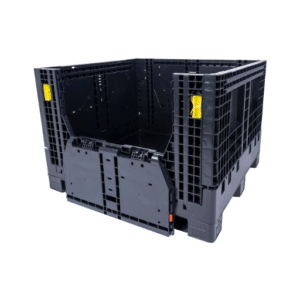
Understanding Chemical-Resistant Pallets
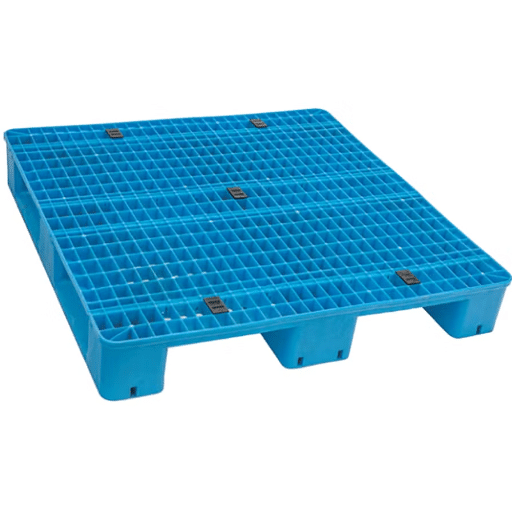
Pallets are chemical-resistant when they are intended to resist corrosive substances without deterioration. Usually, they are made of tough materials such as high-density polyethylene (HDPE) or polypropylene (PP) that are resistant to acids, alkalis, and solvents. Since these pallets are non-porous and easy to clean, they are considered prime choices in the pharmaceutical industry, the chemical industry, and manufacturing industries, where relationships are cast depending on circumstances. The lightweight yet tough construction of these pallets promotes safe handling and long-term reuse, thus minimizing operational costs and enhancing safety compliance.
Definition and Importance
Considered in a way so that all applications can be made of polypropylene (PP) and high-density polyethylene (HDPE) due to the composite properties and versatility of these materials. High-density polyethylene is a thermoplastic polymer that possesses greater tensile strength and is resistant to impact and adverse chemical effects. Similarly, PP is highly durable, stands fatigue, and has thermal stability so that it can resist low temperatures and high temperatures reliably.
Hence, these materials can be considered extremely important because they are adaptable to very stringent industrial applications that promote sustainability. Plastic pallets made of HDPE or PP, for example, greatly reduce waste because they are recyclable and have a longer lifespan as compared to wooden ones. According to industrial statistics, a plastic pallet lasts almost 10 times more than a wooden pallet, reducing its demand for replacements and thus costs. On the other hand, these materials maintain hygiene among industries while working in sensitive environments, such as pharmaceutical and food production industries, where health and safety measures must be observed.
Furthermore, it has been highlighted in research that the large-scale lightweight construction of HDPE and PP pallets reduces transportation weight by up to 30% and therefore minimizes fuel consumption and resultant carbon emissions. This brings us into line with the worldwide initiative for more sustainable supply chains. They are also considered very good at resisting moisture, pests, and contaminants, hence contributing to safeguarding products with respect to their safety and quality while handling and transit.
Materials Used in Chemical-Resistant Pallets
Chemical-resistant pallets are manufactured mainly from high-performance materials to survive contact with nasty chemicals, industrial fluids, and extreme environments. Some popular materials include:
High-Density Polyethylene (HDPE): Commonly used for its excellent chemical resistance, durability, and lightweight qualities. Being non-porous, it hardly absorbs liquid; hence, chemicals do not fade away with time. HDPE, moreover, can resist acids, alkalis, and organic solvents.
Polypropylene (PP): PP is more heat-resistant than HDPE and protects a wider range of chemicals, including strong acids and bases. PP is also a rigid and strong material suited for heavy-duty applications in industrial setups.
Fiber-Reinforced Polymers (FRP): Where strength and resistance to an aggressive environment are needed, fiber-reinforced polymers would be more suitable with their enhanced durability. They are chemically inert, highly corrosion-resistant, and can endure crushing extreme conditions without losing structural integrity.
They are meant to perform to very high standards in the interest of safety, reliability, and long-term usability in the pharmaceutical, chemical, and food-processing industries.
Applications in Various Sectors
Atmospheric processes are applied in the refining of unique materials to use FRP materials in many different industries.
Construction and Civil Engineering
FRPs are used for bridge reinforcement, column wrapping, and retrofitting infrastructure to improve load-bearing capacity and resistance to environmental degradation. With the aid of installations, they help ease the weight and decrease the overall structural load.
Aerospace and Automotive
In the production of lightweight and strong components such as aircraft fuselages, automotive body panels, and wind turbine blades, these materials serve a major role. Their lower weight contributes to the fuel efficiency of dynamic systems.
Marine and Offshore
FRPs provide a perfect solution for ship hull construction, pipeline laying, and offshore platforms. The corrosion resistance and strength of these composites ensure the viability and longevity of the structure in aggressive and saline seawater environments.
These applications highlight an all-time capability of versatility to perform high-strength-to-weight ratio development, corrosion resistance, and conformity to various operational needs offered.
Benefits of Using Plastic Pallets in Chemical Industries

- Corrosion Resistance:
Like any other wooden or metal shelving, a plastic rack is highly resistant to chemicals, which makes it safe and durable for handling corrosive substances. - Hygiene and Easy Maintenance:
Plastic pallets are purely non-absorbent, thus very easy to clean, which makes them suitable for industries with a high standard of sanitation. - Weight Structure:
These racks, being lightweight, lessen the effort exerted during manual handling and reduce shipment costs while still retaining their load capacity. - Design Consistency:
Unlike wooden pallets that may vary in size and quality, plastic pallets lend themselves toward uniformity in design and, hence, better compatibility with their handling or processing through automation. - Longevity:
These plastic pallets stand the test of time due to their inherent resistance to abrasion and natural disintegration by environmental elements, thus saving one from spending more on operational costs.
All these considerations further qualify plastic pallets as one of the most efficient and reliable options for use in the chemical industry.
Durability and Longevity
Plastic pallets have been engineered with utmost durability and for a lifetime in heavy-industrial settings. They resist moisture, chemicals, and insects, withstanding the common degrading factors of wood pallets. Making them highly resistant to impacts and other hazards, including high and low temperature extremes, they ensure the consistency of their performance standards in diverse operational environments. They must undergo little maintenance compared to their traditional counterparts; hence, they cause less downtime and more profits over time. Secondly, having a long working life counteracts the tendency for constant replacement, which also agrees with green concepts and reduces waste generation. These features make plastic pallets the next-to-last choice for industries that value dependability and efficiency.
Safe Handling of Hazardous Materials
The safe handling of hazardous materials has to be perfected by strict protocols and best practices aimed at reducing risks concerning exposure, contamination, or accidents. Danger classification or showing hazard symbols is foremost among these. Safety data sheets (SDS) should be present and accessible at all times. Anyone handling these materials must have passed through special training to understand hazards, use personal protective equipment (PPE) properly, and grasp emergency response procedures. When storing hazardous substances, regulatory instructions must be followed while considering segregation of incompatible substances, provision of ventilation, and enabling secondary containment systems to stop any leaks or spills.
During transportation, materials need to be kept in officially accepted containers, with accompanying documentation, and handled by certified personnel. Should a workplace conduct regular audits or risk assessment activities, it must ensure compliance with OSHA and EPA, among other standards. Implementing such measures repays the good of workers and guards the environment, while maintaining operational integrity.
Cost-Effectiveness in Logistics
Optimization of cost-effectiveness in logistics requires the adoption of numerous strategies plus advanced technology. The primary initiatives involve increasing supply chain visibility with real-time tracking systems to eliminate inefficiencies and avoid unnecessary delays. Companies can also optimize inventory through data analytics to create accurate demand forecasts, thus greatly reducing costs associated with overstocking or shortages. Intermodal transportation combines various modes of transport, such as trucks, rail, and ships, in order to save fuel and reduce emissions. Collaborations with third-party logistics companies allow economies of scale to be gained while working efficiently. With all of that said, to maximize cost-effectiveness in a logistics project, renovating old infrastructures with robust digital tools and continuous assessment of supply chain processes is mandatory.
Types of Chemical-Resistant Pallets

Chemical-resistant pallets are designed to withstand exposure to harsh chemicals and corrosive substances and to increase their durability for industries like pharmaceuticals, manufacturing, and chemicals. The major types of chemical-resistant pallets are:
| Pallet Type | Material | Key Features | Ideal Use Cases |
|---|---|---|---|
| Plastic Pallets | HDPE or PP | Lightweight, non-porous, easy to clean | Sterile environments, repeated use |
| Metal Pallets | Stainless steel or aluminum | Best strength, corrosion-resistant | Heavy-duty applications, high hygiene |
| Composite Pallets | Fiber reinforcement or resin composites | Balance of resistance, lightweight, load capacity | Durability with cost-effectiveness |
Each kind of chemical-resistant pallet is selected according to the operational requirements, including, but not limited to, the kind of chemicals being used, load capacity, and regulations.
Standard Plastic Pallets
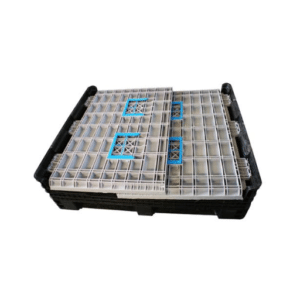
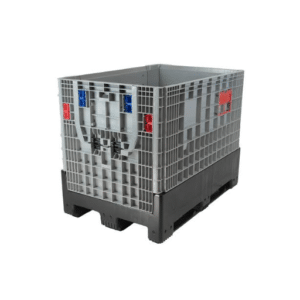
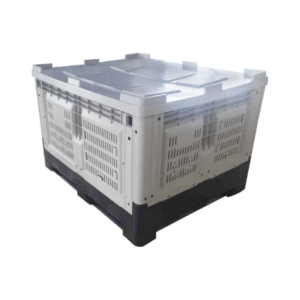
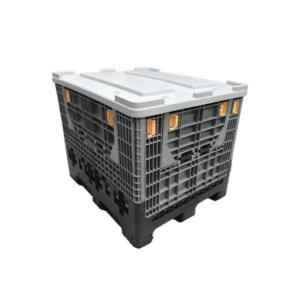
The standard plastic pallets are considered versatile, durable, and inexpensive, resulting in wide industrial usage. Made from HDPE or PP, these pallets yield perfect resistance to corrosion, moisture, and many chemicals, hence their appropriateness in the storage and transport of goods in a harsh environment. From design perspectives, they come in rackable, stackable, and nestable versions, thus allowing for adjustments according to a basic operational requirement.
Customary fiber pallets tend to be lighter than the wooden or metallic counterparts while having the same load capacity; they, hence, reduce transportation charges. On the other hand, plastic pallets are hygienic and require little sanitation, which is particularly vital for the food processing and pharmaceutical industries. The majority of plastic pallets are 100% recyclable; hence, they promote sustainability and reduce waste from disposal sites. Selection factors for standard plastic pallets include load limits, temperature resistance, compatibility with manual or automated handling equipment, and adherence to industry standards such as FDA or ISO.
Custom Chemical Containers
Custom chemical containers are highly specialized types of storage and transportation equipment intended to handle substances properly and efficiently. The selection for a container highly depends on severe chemical compatibility considerations, durability under extreme conditions, and whether or not it conforms with regulations issued by OSHA, the EPA, or UN standards. Common materials include HDPE, stainless steel, and polypropylene, among others, with the choice based on the chemical nature of the substance it has to safeguard.
Custom-sized chemical containers are not limited to size but also include shapes and fittings, including valves, caps, or gaskets, to meet specific operational requirements. The design must guarantee leak resistance and corrosion resistance, and also consider UV stability for the safe containment of volatile or hazardous materials. Custom containers may also provide for secondary containment, be color-coded for identification, and/or be certified for use in special environments such as cleanrooms or hazardous material areas. Custom chemical containers ultimately work towards reducing risks and maintaining safety throughout the entire handling process of chemicals by aligning design and material choices with industry standards and the unique application involved.
Stackable and Nestable Options
Stackable and nestable chemical containers try to make the optimal use of storage space and also reduce handling costs. A stackable container comes with interlocking features designed to be stable when stacked vertically so that it can increase storage density, yet adequately so that it is deemed safe. Nestable containers are those that can be nested, so when empty, storage and transportation require much less space. These containers are prepared from various materials such as high-density polyethylene (HDPE) or stainless steel, giving chemical resistance and structural strength to the container. Some modern designs incorporate features such as ergonomic grips for easier handling, integrated label holders for identification, and leak-proof seals to contain any spills. The use of stackable and nestable systems enables companies to improve logistics, cut down on labor, save on storage costs, and comply with industry standards.
Safe Handling and Storage Practices
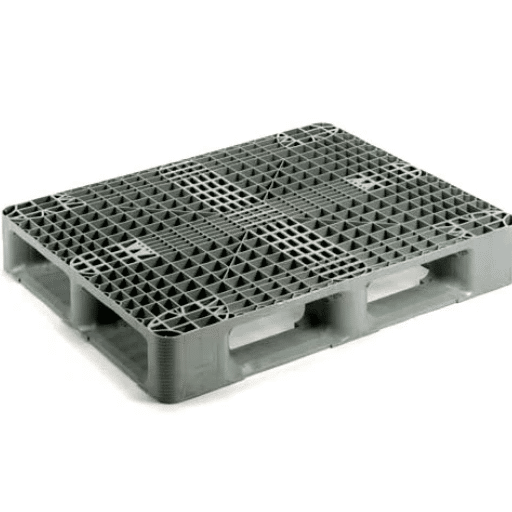
Container checks are a must for safety reasons; thus, the identification of damages such as cracks or weakened seals that pose leaking risks must be looked into. Containers are to be stored in designated areas that are clean, dry, and well-ventilated to avoid contamination and ensure safety. Overloading of storage areas should never be done. Never disregard weight limits, as breaches could lead to accidents. Heavy containers must be carried using proper lifting techniques or mechanical means to avoid injuries. Containers must be well labeled, providing clear and legible information about contents as well as indications regarding safety.
Guidelines for Safe Handling
Personal Protective Equipment (PPE)
Depending on the material, one must always wear PPE comprising gloves, safety goggles, or respiratory protection. Being sure that all equipment is in good condition and well-fitted is essential.
Material Inspection
Check containers for their integrity, that is, any damage, leaks, or corrosion, before handling them. Do not handle any container under any condition if it is compromised or without following the proper safety procedures.
Proper Ventilation
Always work under good ventilation conditions so as to prevent the build-up of hazardous vapors. Employ a fume hood or exhaust wherever necessary to ensure that air quality remains safe.
Safe Transportation
Use a trolley, a cart, or equipment designated for the transport of heavy or hazardous materials. Avoid carrying containers from one point to another for long distances to minimize the chances of spilling or causing injuries.
Spill Management
Learn all about spill response procedures for the materials in use. Provide spill kits in each active handling area so that every member of the staff knows how to use them.
Chemical Segregation
Keep substances that are incompatible separate in storage and handling to avoid a chemical concern. Specifications of storage and handling can be checked on the appropriate Material Safety Data Sheets (MSDSs).
Training and Awareness
Train people regularly, including training on how to safely handle materials and use equipment, and on the emergency response procedures. Emphasize the need to follow the standard safety procedures.
By strictly adhering to these practices, it is possible to greatly minimize safety risks and hence secure a safe and compliant working environment for all.
Storage Solutions for Chemical Pallets
Depending on the type of project, consideration is given to storing hazardous chemicals for safety or contamination purposes. This consideration may include storage conditions such as temperature, ventilation, packaging, and spill containment design.
Temperature-Controlled Storage
Different chemicals react to temperature changes variably. As a safety measure, flammable chemicals are usually recommended to be stored where the temperature does not exceed 77°F (25°C), lest the temperature trigger combustion. Chemicals degraded by heat, on the other hand, must be stored in refrigeration units specially designed for handling hazardous materials.
Ventilation Requirements
Any kind of ventilation prevents containment of harmful fumes or vapors in chemical storage areas, especially for acute VOCs. An exhauster, preferably equipped with either HEPA or activated carbon-based remediation filters, must be used to filter chemical airborne concentrations.
Chemical Segregation and Organization
To avoid unintended reactions, chemicals must be segregated according to compatibility groups. For instance, in general, oxidizers and flammable materials should not be stored together. Color code identification or labeling may be used for the storage system, according to the best practices. This eases identification and hinders possible cross-contamination.
Spill Control Systems
Secondary spill controls, such as bunded or spill pallets, may be used for leak capture and to contain the spill from spreading. Regulations require such containment systems to have sufficient capacity, generally 110% of the largest container stored (EPA guidelines).
Fire Protection and Safety Enclosures
If the cabinets and enclosures are fire-resistant, the NFPA 30 Standard (Flammable and Combustible Liquids Code) is to be considered for its classification. In larger storage premises, guarantee the provision of automatic fire suppression systems consisting of foam or suppression agents that can act quickly in the event of an emergency.
Periodic Inspection and Maintenance
Periodic inspection of the pallets, containers, and storage facilities is required for their integrity. Maintenance inspections are to be semi-annual so as to detect corrosion signs, leaks, or weaknesses in structures in support of racks or equipment in storage.
By employing these modern storage schemes, the risks concerning chemical handling and storage can be greatly diminished to remain in conformity with OSHA, EPA, and other regulatory agencies. These options assure safer chemical-managing plants for industries handling hazardous materials.
Compliance with Industry Standards
Compliance with industry standards requires following set guidelines such as OSHA, EPA, and NFPA. They are essentially standards for proper labeling, secure containment, and regular checks to eliminate the risks posed by hazardous materials. At the organizational level, a chemical storage system has to be compliant with OSHA’s Hazard Communication Standard (HCS) and EPA’s Resource Conservation and Recovery Act (RCRA) guidelines, emphasizing proper hazard classification and waste management. Both NFPA codes, such as NFPA 30 for flammable liquids, along with storage and fire prevention requirements, will provide further detail on protecting the facility. Apart from protecting personnel and the environment, minimizing operational disruptions, and reducing legal liabilities, adherence to these practices is crucial to ensuring safe and efficient operations.
Future Trends in Chemical-Resistant Pallets

Innovative materials, sustainability, and improved health and safety compliance are the cells of chemical-resistant pallets that are witnessing emerging trends. New modifications to HDPE and composite materials are offering pallets of lighter weight and more resistance against corrosive chemicals. From a sustainability viewpoint, more on the green aspect is playing its role, including recycled or recyclable freight solutions, with a lesser concern for compromising performance. Manufacturers have also given a higher priority to design aspects that make initiation of cleaning processes easier and reduce contamination risks to comply further with health and safety standards. The very need has created new possible avenues for chemical-resistant pallets adapted to advancing industries.
Innovations in Material Handling
Advances in Automation
Use of technology to automate material handling has contributed to increased operational efficiency worldwide. This highly capital-intensive realm has seen widespread use of automated guided vehicles (AGVs), autonomous mobile robots (AMRs), and conveyor-based technologies to carry out warehouse operations more smoothly, with better precision and less manual work. They ensure optimized workflows by reducing human errors and giving an enhanced degree of throughput in highly demanding sectors such as e-commerce and manufacturing.
Smart Tracking and Data Solutions
Inventory management in modern warehousing hinges on state-of-the-art data management tools via IoT sensors and RFID technology. These innovations allow for real-time inventory perspectives, thus ensuring optimal stock evaluation and preventing issues of overstocking or stockouts. Moreover, supply chain trend forecasting is undergoing data analysis with Big Data and AI, allowing companies to become proactive instead of reactive to supply chain bottlenecks.
Sustainability-Oriented Equipment
Energy efficiency, on the other hand, is yet another trend in the machinery sector and in industries with sustainable materials. For example, machinery powered by renewable energy and containers that may be reused for an extended duration are undergoing implementation to satisfy said environmental laws and corporate sustainability goals. This way, it minimizes its carbon footprint and consequently saves a great deal in cost implications in the long run.
This further stresses ongoing change within the material handling industry, wherein today’s systems are kinder, smarter, and more adaptable to industrial complexities.
Environmental Considerations and Sustainability
For me, environmental conservation and sustainability represent the foundation of the future for any industrial sector. Let me steal some Spanish here: by the use of renewable materials, by optimizing energy efficiency, and by managing all kinds of waste, not only are you conforming to all the regulations, but you also contribute to the sustainability of the ecosystem. To me, such a model would represent long-term environmental responsibility, and at the same time, economic efficiency in terms of costs and resource use.
Emerging Technologies in the Sector
New technological innovations are upsetting the age-old conversion process with concomitant improvement in productivity, reduction in polluting factors, and enhancement of operational accuracy. Some of the most transformative aspects of these technologies are the integration of Artificial Intelligence and Machine Learning for predictive maintenance, process optimization, and decision-making on real-time data analysis bases. Yet other IoT advancements have opened new horizons for connected devices, allowing industrial systems for smooth communicate and monitor smoothly, reducing downtime, and enhancing performance.
The other critical development is that of additive manufacturing, or 3D production. This technology allows fast prototyping, manufacturing on demand, and manufacturing with those materials that are more environmentally friendly-with the result that less waste occurs. Aside from that, renewable energy technologies like solar PV and wind energy are increasingly being used for sustainable powering of industrial processes, cutting down dependence on nonrenewable energy sources. Together, these technological advances magnify the crucial role technology plays in instituting sustainability and efficiency within this sector.
Reference Sources
- Key Findings: The study delved into the usage of powdered glass waste in producing paver blocks having chemical-resistant properties. It also reveals the prospects offered by plastic wastes-as in the case of polypropylene the realm of construction materials toward greater durability.
- Key Findings: This work concerns hybrid polymer composites whose chemistry gives resistance. It says these materials are used for pallets and many other things. In this context, it looks at the chemical degradation of these materials using various agents.
- Key Findings: The study explores the utilization of polypropylene, chemical chemical-resistant, extracted from cigarette butts, for plastic pallets. It emphasizes the environmental advantages of recycling waste into durable products.
Frequently Asked Questions (FAQs)
The primary use of chemical-resistant pallets and their advantages.
The chemical-resistant pallets are specially designed pallets that can withstand exposure to many chemical products. These are sturdy plastic materials that do not absorb moisture and are therefore fitting for chemical manufacturing operations where the risk of chemical spills is a possibility. These pallets enhance durability and safety as they ensure that hazardous materials are secured during storage and transportation.
How would plastic pallets used for the handling of chemicals be different from a typical straight-line pallet?
In plastic pallets for chemical handling, the differences from conventional pallets are mainly due to their material composition and resistance features. Converters may treat wooden pallets as non-resistant to all types of chemicals; conversely, chemically resistant plastic pallets are engineered to withstand a range of chemicals without degrading. This feature makes them an inexpensive solution in industries where hazardous materials need to be handled safely.
Can chemical-resistant pallets enhance efficiency in logistics and storage?
Yes, a chemical-resistant pallet can provide huge improvements in logistics and storage efficiency. Easy loading and unloading are ensured by their strong composition, while resistance to chemical exposure allows for keeping the products safe in storage. Being able to handle different chemical containers like drums and crates increases overall usefulness.
What kind of chemical can be kept in chemical-resistant pallets?
Chemical-resistant pallets are used for carrying all sorts of chemical reagents: acids, bases, or solvents. By construction, they are supposed to meet safely the specific requirements of chemical manufacturing and minimize any chance of leaks or spills during transport.
How do I select the right pallets for chemical handling?
Choosing the right pallets for your chemical handling would depend on what your specific requirements are, including the types of chemicals being handled and the environmental conditions. Look well into pallets with chemical exposure resistance and that can endure this kind of operation.
Are chemical-resistant pallets more cost-efficient than other options?
From a white pallet scenario, we do have chemical-resistant pallets that tend to be more economically viable when we think of longevity and the expectation of damage from chemical spills. Investing in top-quality plastic pallets suitable for chemical handling will save on replacement costs and possibly even losses due to spills or contamination.
How do chemical-resistant pallets lend their support to the safe handling of hazardous materials?
Chemical-resistant pallets offer safe handling of hazardous materials by helping to store and transport the material on a secure and stable platform. Their robust construction tends to minimize leakage and spills, which could be a key cause of workplace accidents or breaches of safety regulations in the chemical industry.
What do the suppliers have to do with the supply of chemical-resistant pallets?
A supplier is expected to offer chemical-resistant pallets conforming to the standards. Depending on what is to be handled, many options may be available, and the supplier will help with the selection of pallets for the operation. By working with a reputable supplier, it can be ensured that you receive durable pallets that contribute to safety and ease of logistics.