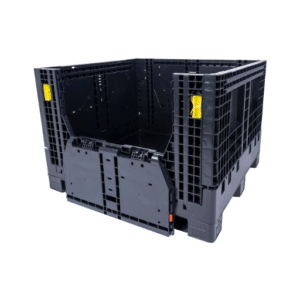
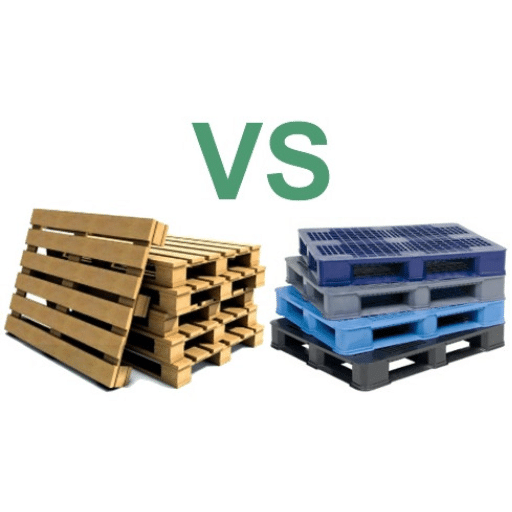
The decision of whether to take plastic pallets or wood pallets is one that most companies would not mind having to make, since it might directly affect their costs, efficiency of operations, and carbon footprint. Pallets made of wood and plastic both have their separate pros and cons but the decision on which one to use still needs to be made after a thorough evaluation of the situation. This guide presents such a comparison between the two types of pallets on the basis of their costs, durability, performance, and sustainability. If you are trying to either optimize the supply chain or make a greener choice, then this article will surely provide you with the necessary knowledge to take a correct decision. Follow us as we uncover the winner between these two options for your business requirements!
Pallet Types Overview
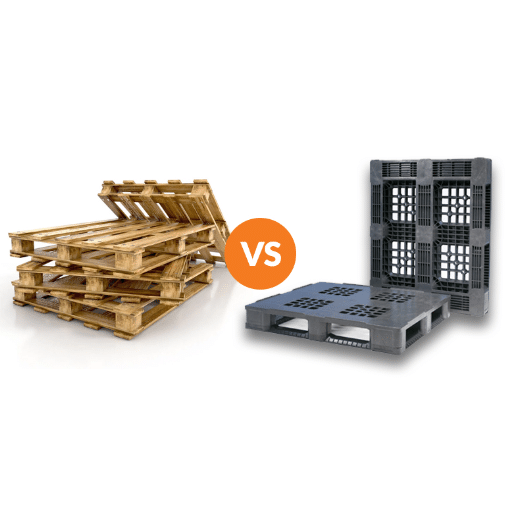
Introduction to Plastic Pallets
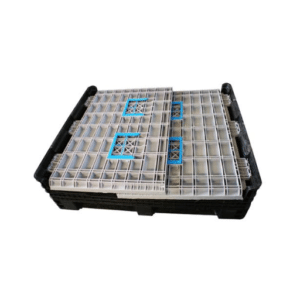
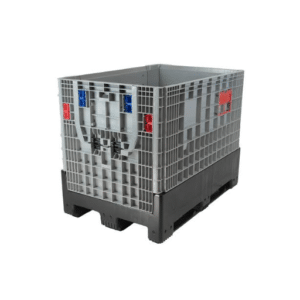
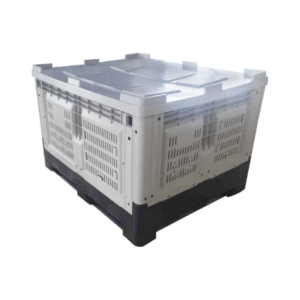
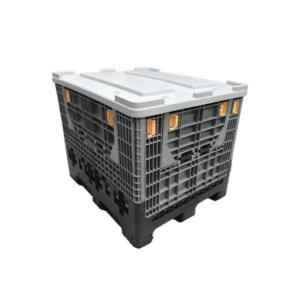
Plastic pallets have been introduced as a contemporary answer with the ability to satisfy the requirements of various sectors owing to their strength, easy handling, and clean properties. Plastic pallets, as opposed to wood pallets, have a great resistance against water, insects, and dirt, making them perfect for food and drug industries. Remember that the initial costs are higher than with wood pallets, but the increasing popularity of plastic pallets in business circles is driven by their benefits in terms of reusability and sustainability, as many of them are made from recyclable materials, which ultimately lead to minimized efficiency and environmental footprint.
Introduction to Wood Pallets
Wood pallets have been in the market for material handling and transportation as a traditional and extensively used solution. Wood, which is either hardwood or softwood, is mainly used for making these pallets and they are strong, durable, and cost-effective. They are not only cheaper to produce than plastic pallets but also the best choice for a variety of industries especially small and medium-sized companies where production of wood pallets is common. Besides, wood pallets are usually very easy to fix, as the broken boards can be replaced instead of having the whole pallet replaced.
One of the frequently asked questions by businesses is “Are wood pallets eco-friendly?”. The answer to that is not black and white. Wood pallets are mainly seen as unsustainable because of the natural, renewable source of their material. Timber waste which is a by-product of the lumber industry is one of the main sources of wood pallets. At the same time, one can say that wood pallets are very eco-friendly because they can be used for producing mulch, biofuel, or new pallets. However, wood must come from responsibly managed forests where the carbon footprint is minimized, so the environmental impact will be also minimal. On the one hand, modern technology has made it easier to control their ecological footprint and thus wood pallets remain a choice for material handling with a low ecological impact.
Key Differences Between Pallet Types
If we take wooden pallets, plastic pallets, and metal pallets, each has its own advantages and disadvantages that are mainly determined by the application. Wooden pallets are the least expensive option and on top of it very easy to repair and recyclable. However, they have the disadvantage of being prone to damage and if not properly treated may house moisture and pests. On the other hand, plastic pallets are more expensive initially but they are strong, lightweight, do not absorb moisture, and are perfect for industries like food and pharmaceuticals with strict sanitation requirements. Metal pallets, in turn, are the toughest and most durable solution, and are often associated with heavy-duty applications, however, their high price and weight can be limiting factors. It is very important to identify the exact needs of the application to be able to pick the right type of pallet.
Cost Comparison
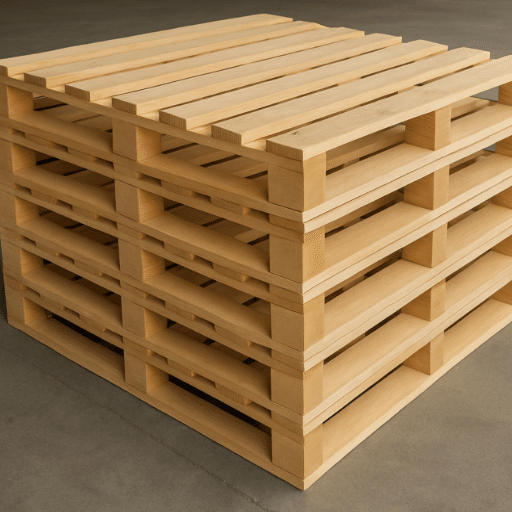
Initial Costs of Plastic vs Wood Pallets
Plastic pallets in most cases are the ones with the higher initial cost, when compared to wood pallets, due to factors such as material and manufacturing process. Most of the time, however, these costs are offset by the cohort of benefits they provide, such as high durability and resistance to damage, which can, in turn, lead to lower long-term costs especially in cases of areas that frequently require reuse of pallets. Wood pallets, on the contrary, are much cheaper to buy at first and therefore can draw attention from the businesses that have limited budgets or are looking for one-time only pallets. In the final analysis, the choice between plastic and wood pallets has to take into account both the financial limitations and the operational requirements of the application.
Long-Term Cost Considerations
When making long-term cost considerations, it is always a good idea to balance the initial investment with the possible savings realized over time. Plastic pallets, although they are more costly at the start, are, in many cases, the better investment because of their strength, concurrency of use, and ecological resistance (i.e., moisture and insects). Such characteristics can lead to a very noticeable decline in the costs of replacement and upkeep. On the contrary, wood pallets are a cheaper buy for a short-term or single-use requirement, but their tendency to be damaged and their limited life span could very well result in a higher expense for continual replacement. Hence, businesses must thoroughly evaluate their usage, budget, and operational priorities in order to select the least expensive option on a cost that is based on quality.
Cost of Maintenance and Repair
When looking at the cost of maintenance and repair regarding the use of wood and plastic pallets, various factors need to be considered. Plastic pallets certainly stand the test of time and are quite a strong material to use for pallets, which prevents the need for frequent repairs, and this is why businesses usually have to deal with repair for pallets very rarely. However, wooden pallets although initially cheaper to buy, require regular maintenance at the very least, and they also suffer from issues like splitting, cracking, and warping if exposed to the high humidity of some environments or heavy loads. As per reports, in situations where the products are kept in high moisture areas or over the long run, the companies may save more in the long run with plastic pallets despite their high initial cost since the latter would only incur minimal replacement and repair expenses. The main point is that the decision must match the needs of the business, the anticipated lifecycle costs, and the particular conditions of the supply chain.
Performance Factors

Durability of Plastic Pallets
Plastics pallets are extremely resistant and thus are suitable for the harshest of environments. They do not get broken or damaged so easily, even in heavy load handling or repeated use, which means that there will be no need for frequent repairs or replacements. The durability that plastic pallets come with thus turns to be a cost-effective solution in the long run especially when they are used in supply chains that require their reliable and consistent performance in areas with harsh or high-moisture conditions.
Durability of Wooden Pallets
Wooden pallets, though economical and easily accessible, are still less durable than plastic ones. They are prone to getting splintered, warped, and soaked with moisture especially in a high-humidity surroundings. Those flaws may bring about a disadvantage in the structure of the pallet thus, making it brittle due to the heavy or repeated loads. Further, wooden pallets frequently need repairing or replacing caused by the wear and tear which can raise the long-term costs and reduce the quality in the supply chain that feeds on the proper functioning of the operation.
Weight Capacity and Load Distribution
While wooden pallets are not the lightest option out there they have a high weight capacity so can be used for heavy goods. But the even distribution of their load mainly relies on wood quality, construction type, and pallet design. Poor load distribution may create stress points which could result in either the pallet or its goods being damaged. Although wooden pallets are flexible in application, stacking and management of weight are the major factors to be observed in order to keep the transport and storage of the pallets safe and sound.
Environmental Impact
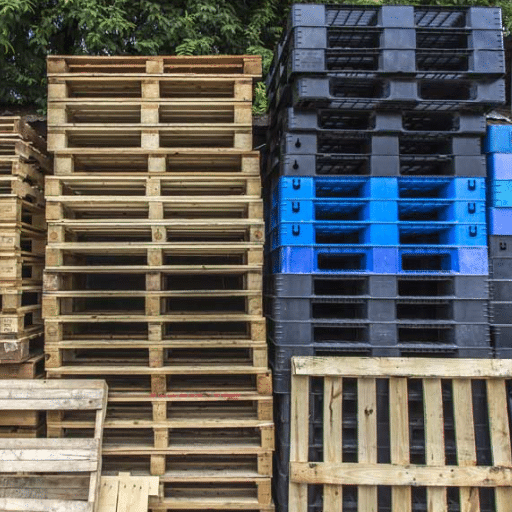
Recyclability of Plastic Pallets
Plastic pallets are unquestionably the most eco-friendly option in the pallet industry today, given that they can be completely recycled and made from 100% recyclables. With the continuous improvement and the growing global focus on sustainability, the recycling rates for plastic materials are gradually approaching their peak. It is the very opposite of that which is borne by the case of pallets made of virgin material. Pallets made of HDPE or polypropylene can not only be turned back into new pallets or other plastic products, thus saving natural resources, but also the life cycle of plastic pallets is usually longer than that of wooden ones. A longer life cycle means further reuse before final disposal, thus cutting down on the negative environmental impacts. Globally, these proper recycling infrastructure and programs will be the ones that determine the extent to which the world is able to dispose of and repurpose plastic pallets.
Environmental Benefits of Wood Pallets
The environmental benefits of wood pallets are several, and the main reasons for those are their sustainability and biodegradability. Often, wood pallets are made from renewable resources such as sustainably harvested timber and can be repaired or repurposed several times, thus their lifespan can be extended. Wood at the end of its useful life is turned into mulch, wood chips, or biofuel, which not only prevents the generation of waste but also enables the use of circular economic practices. In addition, wood through natural processes can eventually fully decompose, thus leaving a much smaller environmental footprint when compared to plastics or other non-biodegradable materials. Besides, if wood is sourced responsibly, so the wood pallets are helping in carbon sequestration, which is an additional benefit to their environment.
Comparing Sustainability of Pallet Types
Plastic pallets offer durability and resistance to moisture, but at the same time, their reliance on non-renewable resources and the difficulty of recycling make them less sustainable. Metal pallets are long-lasting and recyclable, but their production needs a lot of energy which adds to their carbon footprint. On the contrary, wood pallets are biodegradable, renewable, and can be reused or recycled into other products hence they are the most sustainable option if taken care of responsibly. All the options have a unique set of pros, but wood remains the most eco-friendly option through all stages of the lifecycle.
Usage and Applications
When to Use Plastic Pallets
Plastic pallets are among the best options for those industries where durability, hygiene, and strict regulations are primary concerns. They are mainly used in the pharmaceutical, food, and beverage industries. Plastic pallets are very resistant to moisture, bacteria, and chemical contamination thus guaranteeing that goods of high sensitivity can be transported and stored safely. They are also favored for international shipping as they comply with ISPM-15 regulations without any need for fumigation. The demand for plastic pallets is increasing in the e-commerce and retail sectors due to their easy handling and reusability, which in turn improves logistics. Despite their higher upfront cost compared to wood pallets, their longevity and capability to withstand wear and tear make them a still economical option in places where frequent use and cleanliness are of paramount importance.
When to Use Wood Pallets
If you are looking for an industry where wood pallets could be your best choice, that would be one where price and availability outweigh other considerations. Wood pallets are still a strong contender in terms of volumes sold, particularly in areas of the world where shipping is done on a short-term or one-way basis, as the search engine data shows. They find applications in agriculture, manufacturing, and retail industries that are highly price-sensitive. Besides, wooden pallets are easy to fix and can be stored for future use or recycled thus solving the disposal issue from an environmental perspective. They are trusted by companies that deal with heavy products since they are strong with good load-bearing ability. Even with interest in alternatives like plastic pallets growing, wood continues to be the most used material in the supply chain because it effectively balances functionality, sustainability, and cost in different areas.
Industry-Specific Preferences
Pallet selection is influenced, and sometimes even dictated, by the specific needs of the industry. Hygiene and safety are some of the main concerns that the food and beverage industry has, so heat-treated or kiln-dried wood pallets are commonly used to avoid any contamination. On the other hand, the pharmaceutical industry may want pallets that are very uniform and compliant with strict regulatory standards and sometimes even go for specially treated wood pallets. The construction and manufacturing industries, on the other hand, typically look for durability and load-bearing capacity; thus heavy-duty wood pallets are sorted out as the best choice. Such preferences reveal that different sectors have their specific needs for pallet solutions that must be aligned with the requirements of the market in terms of cost and eco-friendliness at the same time.
Reference Sources
-
Freightera Blog: Plastic vs. Wood Pallets: Differences, Pros and Cons – This source discusses the cost, weight, and stability differences between plastic and wood pallets.
-
Inbound Logistics: Plastic vs. Wood Pallets: Key Differences and Comparisons – It highlights the cost-effectiveness and durability of plastic pallets compared to wood pallets.
-
Packaging Dive: Wood vs. plastic: Which pallets are more sustainable? – This article focuses on the sustainability aspects, including carbon footprint comparisons between wood and plastic pallets.
Frequently Asked Questions (FAQs)
In what ways do recycling methods differ for plastic and wood pallets?
The prevalent practice in recycling plastic pallets is to reshape and remould them after shredding at consultancy or manufacturing companies duly accredited for that purpose, while the wood pallets are mainly repaired, repurposed, or simply shredded for mulch. When the cost of the whole pallet life cycle is calculated, the plastic comes to the forefront with its longer use period than wood, plus the consideration of pallet recycling programs that are available in some locations, but it is still an issue of plastic or wood depending on the recycling infrastructure of the area. Being immune to decay and insect attack, plastic pallets become an easy choice for the hygiene-related pallets or food-grade plastic pallets utilized in the food-grade supply chain. The majority of companies go for wood pallets as the price of initial pallets is lower, but the costs of continuous pallet management and pallet wrapping can turn the balance towards plastic. However, regardless of whether they are made from plastic or wood, pallets still have to be up to mark in terms of the standard requirements for storing and transporting and their separate end-of-life value and recyclability routes.
Which one is the best option for my business in terms of pallets: plastic and wood or plastic pallets?
The proper choice of pallets begins with the appraisement of load requirements, the applicable industry standards, and whether the food-grade pallets have to follow sanitation rules; plastic pallets can be the very best choice for hygienic applications, while the wooden ones can be used for heavy-duty industrial pallets. Think about the weight of wood and plastic pallets: the wood ones are generally heavier, while the plastic ones can support less weight than some of the wood ones, however, many plastic ones are designed and engineered to bear the weight of high loads and can also be either stackable or nestable, which will save storage space. The decision of purchasing pallets should be based on the whole pallet cost, planned longevity, and pallet management practices like wrapping or repair. Plastic pallets sold by manufacturers consist of one solid molded piece, which is easy to clean; whereas, wood or plastic pallets allow field repairs which are easy to carry out. Ultimately, the right pallet brings together the cost of the pallet, usage frequency, and the question of whether plastic pallets last longer in your environment.
Is it justified to buy new plastic pallets instead of hardwood ones?
Usually, new plastic pallets would cost more upfront than hardwood pallets but their life span is longer so, with the halving of the replacement costs, they are already in a position to lower the total cost of the pallets over time. In addition to that, plastic pallets are mostly molded in one piece or pitched in modular designs that facilitate easy wrapping and reduce the necessity of constant repair, thus enhancing the management of the pallets. In fact, for businesses whose operations require cleanliness, plastic food-grade pallets, or hygienic pallets are always easier to clean than wood food-grade pallets. When figuring out the pros and cons of going with plastic, one should consider the weight differences, durability, and the potential of plastic pallets surviving through the tougher cycles of industrial use. The manifold reasons for which plastic pallets are preferred are dimension stability for automation and the absence of splinters or nails that can ruin the goods.
What makes it easier to sanitize and clean plastic pallets compared to wood ones?
Plastic pallets sweeping the floor in this aspect because their non-porous surfaces prevent them from absorbing any liquids or contaminants, hence making them very suitable for food-grade and hygienic pallets where safe sanitation practices are a must. Moreover, plastic pallets are purposely made to bear moisture and chemical exposures, thus cleaning cycles with extreme measures become the order of the day, unlike acceptable practices for dealing with hardwood pallets harboring bacteria in cracks. This cleaning convenience ultimately translates into lesser costs for the pallet management, and secondarily eliminates the need for pallet wrapping in sterile environments. However, through the nesting or stacking process, the number of pallets that need to be washed and dried after cleaning can be reduced with the help of the plastic ones, which makes the process easy in terms of storage as well. And, for businesses that have high sensitivity to their products, the ability to make plastic pallets food-grade and to recycle plastic pallets through pallet recycling programs is an added operational benefit.
In what respects does the process of pallet wrapping for plastic pallets differ from that for wood ones?
The techniques for pallet wrapping are very similar for both materials, but on the other hand, plastic pallets frequently yield better results in respect of slip resistance and uniform deck boards which in turn positively influence the stretch wrap adhesion and stability. On the contrary, wood pallets can be the source of problems due to their unpleasant and non-uniform surface or boards that stick out, making them complicated to wrap and thus probably requiring extra cushioning or corner protection. Because plastic pallets are often lighter, and nestable pallets do exist, pallet-wrapping strategies can be developed to not only reduce but also optimize the material consumption and shipping costs