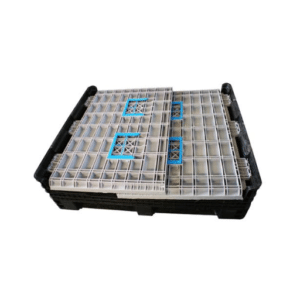
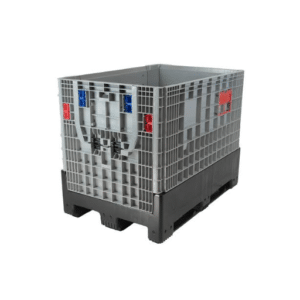
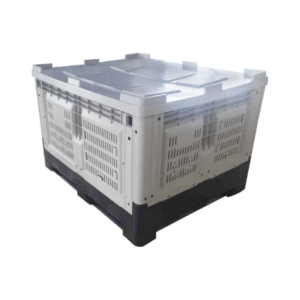
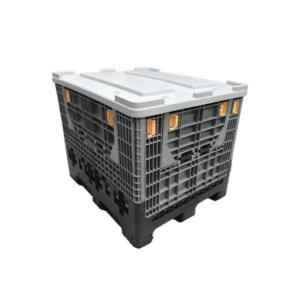
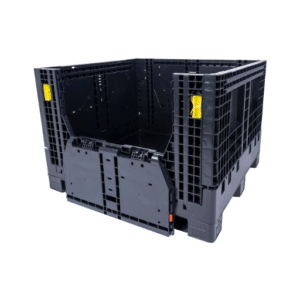
Maintaining the highest standards of temperature-controlled logistics is an important factor for keeping the products that require cooling, for example, medicines, foods, and vaccines. Pallet selection is very important in the success of any cold chain logistics because it ensures the safety and cleanliness of the system and meets the required standards in the market. The article discusses the benefits of plastic cold storage pallets, which include their efficiency, convenience, and ease of use in a refrigerated environment. Businesses, through the above content, will be able to better manage their cold chain practices and their associated risks, and develop these practices without impacting the savings.
Introduction to Cold Storage Pallets
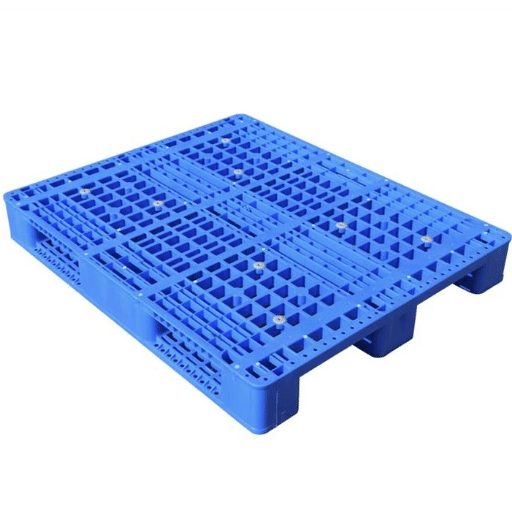
The use of plastic pallets has become essential in cold storage pallets due to the need for a safe, non-contaminated, and effective method of moving and keeping goods that can easily go bad. Traditional wooden pallets, on the other hand, tend to soak up a lot of water, which gives rise to microbes and contamination. These pallets can be used in very cool environments without any loss in shape. Besides, handling these pallets is very simple, and the cost of shipment is considerably lowered because of their lightweight nature, hence preferred by professionals in cold chain logistics.
Importance of Cold Storage in the Supply Chain
The process of cold storage is crucial to the supply chain as it guarantees the safety and quality of products that require a certain temperature range throughout the process. Through the established controlled conditions, cold storage is able to preserve the quality, effectiveness, and even extend the shelf life of temperature-sensitive products such as foods, drugs, and biologics. This is quite essential when it comes to products that are consumed fresh, such as fruits, fish, or injected, such as vaccines; they do not last long when kept in non-refrigerated conditions.
The use of cold storage within the supply chain helps in checking the wastage and limits financial losses by preventing product deterioration while in transit and storage. With present-day methods such as IoT sensors and autonomous cooling systems, it is now possible to control the temperature to the strict standards required by various regulatory bodies such as the FDA and WHO. Moreover, due to the increase in the demand for frozen and chilled groceries worldwide, reliable and efficient cold supply chain logistics are realised, thus ensuring that the goods reach the end users and industries that are producing them.
Challenges Faced in Temperature-Controlled Environments
Many problems are associated with temperature-sensitive facilities, which reduce their viability. The constant temperature range within the required limits at every stage of the storage or transportation is one of the concerns. Defects in the equipment, wrongful conduct, or even transport delays may cause an increase or decrease in temperature, which jeopardizes the quality and safety of perishables and medical products.
Temperature Consistency
Equipment defects or transport delays may cause dangerous temperature fluctuations.
Energy Consumption
Cold storage facilities consume large amounts of power, making cost vs. environmental impact a challenge.
Regulatory Complexity
Different regulatory statutes across countries require additional controls and documentation.
High Implementation Costs
Real-time systems require hefty undertaking costs and expertise, discouraging small and medium enterprises.
All of these issues underline the necessity of employing ingenuity and technology as the best way forward to enhancing the sustainability of such temperature-controlled spaces.
Overview of Plastic Pallet Benefits
Plastic pallets offer a flexible, long-lasting, and economically sound option for various business sectors. Unlike wooden pallets, which often buckle under heavy load, plastic ones have increased durability and consistency in dimensions, thus minimizing the chances of failure. These pallets are also impermeable to water and resistant to flooding, insects, and most chemicals. They are perfect for storage applications where hygiene is a must, like cold storage pallets in the food and drug industry.
- Longer Service Life: Its cost is definitely higher at the beginning, but the owner will use it effectively, reducing the frequency of replacement and expense before long.
- Lightweight Design: They are also of less weight, which makes them very easy to pack and move around, thus saving on the transport cost.
- Fully Recyclable: Most of the plastic pallets available in the market today can be recycled in their entirety to achieve a reusable and sustainable material as per the regulatory requirements.
- Warehouse Optimization: They result in improved performance of the warehouse mainly due to their capacity to support advanced, automated vertical storage structures.
- Integration-Ready: The engineering enhances the design, taking away the possibility of jamming, thereby integrating nicely with contemporary logistics applications.
To this end, plastic pallets prove very useful in the field of supply chain management as they combine the benefits of strength, green, and, of course, cheaper options.
Types of Cold Storage Pallets
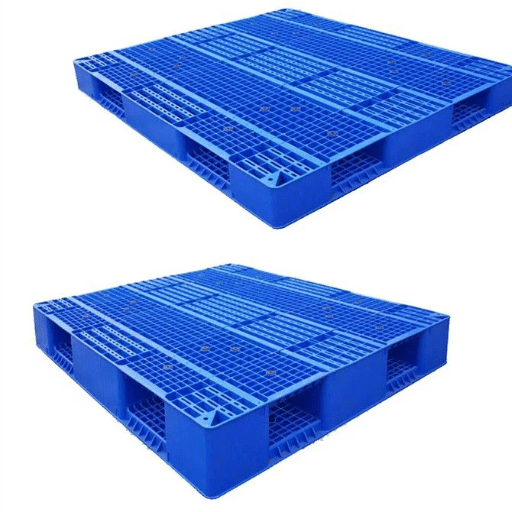
Cold storage pallets are designed to eliminate any risks associated with cold temperature regimes, preserving the functionality and physical properties of pallets for a long time. The primary categories of cold storage pallets are:
Plastic Pallets
Plastic pallets are designed for low-temperature use, and they do not absorb moisture; they do not crack or warp in cold temperatures. They are very light, clean, and easy to clean, which makes them very good for food or drugs.
Metal Pallets
Among the various types of pallets, metal pallets, typically made of aluminum or stainless steel, offer very high strength and resistance to heat. Although such pallets find application in heavy-duty cases and high hygiene conditions, they are usually expensive and heavy relative to other pallets.
Wooden Pallets
Although wooden pallets are highly prone to absorbing water and sweating at low temperatures, their use in cold stores is less effective than alternatives available; coatings, moisture barriers, and coatings are cost-effective solutions, where cheap solutions should be considered over long-lasting, be well preserved conditions or fitting the health standards.
Every variety of pallet and its respective productivity in the cold space has its perks and some inconveniences: cold storage pallets and the combination of dynamics such as tolerable temperatures, capacity, or legal considerations.
Material Specifications: HDPE vs. Metal
| Parameter | HDPE | Metal |
|---|---|---|
| Weight | Lightweight | Heavy |
| Durability | Moderate | High |
| Moisture Resistance | High | High |
| Temp Range | -40°F to 140°F | -40°F to 250°F |
| Cost | Low–Medium | High |
| Hygiene | Easy to clean | Excellent |
| Load Capacity | Moderate | High |
| Lifespan | Moderate | Long |
| Recyclable | Yes | Partial |
Advantages of Plastic Pallets in Freezer Warehouses
There are many advantages of the cold storage pallets. To start with, they do not absorb water, which leaves no room for bacterial, mold, and mildew growth, which is very important for those seeking to keep proper hygiene levels while storing foodstuffs.
- A temperature range where the plastic pallet will not be brittle but will be able to retain its rigidity for a long period of time, especially in extremely low temperatures.
- Unlike other pallets that are porous, plastic ones can be used, cleaned, and disinfected in a very simple manner.
- Plastic pallets are lighter than their counterparts, making the work easier when handling manually or even when automated systems use such pallets.
Although these are not as long-lasting as the metal pallets where a lot of weight is involved, they have to be the preferred option due to their low cost and ease with which they can be cleaned, apart from their benefits as a health-conscious working environment.
Durability and Longevity of Cold Storage Pallets
Since the spikes in or drops in temperature within impressive limits do not have detrimental effects on their function, those cold storage pallets are designed to work in freezing coolers and steamy rooms as well. They are made of high-performing materials like HDPE or high-density polyethylene, which do not degrade by cracking or warping due to thermal contraction and expansion. Moreover, exposure to water and many knocks and bumps that are characteristic of cold storage facilities do not compromise the hardiness of the pallets.
In general, cold storage pallets are expected to be replaced every 7 to 10 years or so, but of course, this will depend on factors such as how they are used and if they are properly maintained. They are mostly used in the food, beverage, and pharmaceutical sectors due to the great difficulty of contamination, such as bacteria, in comparison to wooden pallets. They reduce the cost of replacing equipment on the go and allow for efficient operations in the supply chain. Proper care and maintenance will increase the useful life of the device, and therefore, the ability to perform its function, and the cost of the device in the future will be improved.
Temperature Requirements for Cold Storage
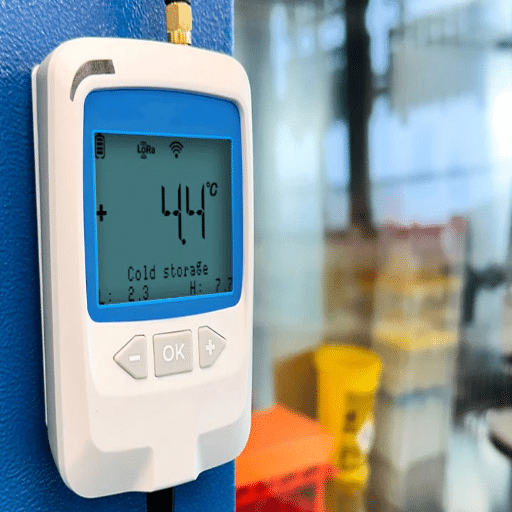
The purpose of such cold storage facilities is to primarily preserve a specific temperature, i.e., the most appropriate one for the product. If storing perishable items, for instance, vegetables, milk, or certain drugs, one would need this unit to be refrigerated between 32°F and 41°F (0°C and 5°C) for perishable goods in order to preserve them. Storage of frozen goods, for instance, meat and seafood, which are stored at a much lower temperature, usually not higher than 0°F (-18°C). Again, depending on the chemical formula of the respective vaccine or biologic, storage temperatures of up to -94°F (-70°C) may be required. It is very important to maintain the given cold conditions to avoid changing the state of the goods kept within, as well as for industry standardization. This is where the importance of continuous monitoring and energy backup systems comes in to combat changes in temperature and save the operations from risk.
Understanding Temperature Zones for Freezer and Cold Storage
There are three ranges of temperature commonly applied in freezer and cold storage environments for sensitive items for their storage. Products are often stored in different temperature zones depending on their nature and requirements.
Ultralow Temperature
-94°F to -40°F (-70°C to -40°C)
The purpose of this category is more to help the storage of certain pharmaceutical products, vaccines, or even some samples, like cell cultures or genome samples. This is for those substances for which preservation with changes in temperature fluctuation is more desired for a longer duration.
Freezer
-40°F to -4°F
Industrial products and frozen food do not need adverse conditions to cause quick damage to the product. Fluids in process industries, chemicals, hormones, and toxins tend to be stored and preserved, or these products remain effective within such a temperature range without getting into harm or trouble over the long cold storage period.
Chilled / Refrigeration
+35°F to +46°F (+2°C to +8°C)
This is the controlled temperature for carriages with consumable commodities such as vegetables, milk, medicines such as insulin, and others. It inhibits microorganisms but keeps the products usable within the boundaries established earlier.
These limits are particularly strict for a number of reasons. One of them being enforcement of laws and regulations in force, or the effective use of the products and waste reduction. Scaled technology to measure and control, and reinforced throwback are the two components that make sure any surge will not be sufficient to raise any alarms.
Impact of Temperature on Pallet Performance
The changes in the temperatures have a significant impact on pallets, in particular, those made using materials such as wood or plastic. Very high temperatures can affect plastic pallets by virtue of thermal expansion, resulting in warping of the pallet and therefore decreasing load capacity. In turn, very low temperatures may render the plastic brittle, so the pallet might crack or break under the load. Changes affect wooden versions too; for example, high heat and humidity can result in warping and mold, although in cold conditions, the wood contracts and becomes weak.
Apart from that, when pallets experience temperature changes, this can also make their surfaces less or more slippery during transit or storage, respectively. Alternatively, if this is nonetheless done, the materials of pallets employed are of temperature-resistant, say, composite and engineered plastics, and additionally, a thermostatically controlled safe room is utilized. Moreover, it is of utmost importance to control and adequately maintain the cold storage pallets so that they efficiently perform their work and improve the supply chain.
Compliance with FDA and USDA Standards
Meeting expectations of regulatory agencies such as the FDA and USDA is critical for safeguarding products stored at specific temperatures. The Food Safety Modernization Act (FSMA) is an important law followed in the US that enhances the FDA’s power in the management of the ‘cold chain’ – a system designed to control temperatures of food, its hazards, and finally its safety through preventive measures. Activities within these include record keeping on such conditions as temperature during storage and ensuring that establishments are of adequate hygiene and temperature during operation. On the same tone, perishables are controlled by the USDA through, for example, the Perishable Agricultural Commodities Act (PACA), where temperature management of these commodities during transportation and storage is emphasized as spoilage and contamination are factors in these products.
FDA / FSMA
Real-time temperature measurement, process validation, record keeping, and certified calibrated equipment for continuous compliance.
USDA / PACA
Temperature management during transportation and storage; control over perishable agricultural commodities to prevent spoilage and contamination.
The two organizations underline a need for real-time measurement of temperature, process validation, and traceability. The entities must employ only certified equipment comprising calibrated systems to prove continuous compliance. If such a regulation is flouted, punitive measures, consequences such as shipment rejection, and/or recall can be administered. Similarly, there are prudent reasons for the deployment and implementation of electronic management systems, starting from cold storage pallets till shipping out the products to customers, as it caters to both the muscle of regulation and protection of consumers and the business products.
Hygiene Standards and Compliance

In sectors like food, pharmaceuticals, and healthcare, hygiene standards play a very essential role as contamination probability has to be avoided. Pallets used within the mentioned industries are highly regulated in that they have to comply with standards such as Good Manufacturing Practices (GMP), and, for instance, those of the FDA and ISO. For these purposes, pallets are oftentimes manufactured from high-density polyethylene (HDPE) or stainless steel, since those materials are cleanable, do not allow bacterial growth, and are corrosion-resistant. Nevertheless, such inspections exist, and even cleaning procedures are done, not to mention that the use of porous materials is avoided for hygiene reasons. For example, the provision of tracking measures for marketing systems can assist in mitigating the risk of using cold storage pallets along the supply chain.
Materials and Their Hygiene Standards
In hygienic applications, one of the main factors to consider when choosing materials is their capability to adhere to thorough cleaning and stringent safety protocols.
- High-Density Polyethylene (HDPE): One of the most common choices in such instances since it has a non-porous surface that does not absorb moisture, is wear-resistant, and resistant to various chemicals, hence can be sanitized very easily.
- Stainless Steel (304 & 316 grades): Finds tremendous application in such scenarios as it does not corrode, can be adequately cleaned, and is very strong.
- Polypropylene: Another commonly used material in hygienic applications because it resists absorbing water and does not support the growth of microorganisms.
Organizations like the FDA and ISO have standards for materials that are employed in sensitive sectors, which include food and pharmaceuticals, with the aim of eliminating contamination, maintaining surface hygiene, and providing protection against abrasions. Such materials should not undergo degradation even after several usages of cleaning systems or processes such as sterilization. Compliance with such standards takes care of sanitation and bacterial contamination in addition to the appropriate functional durability of materials employed within such environments.
Cleaning and Maintenance of Plastic Pallets
Cleaning cold storage pallets effectively is essential not only for the appreciation of a hygienic environment but also to prolong their use and reduce the risks of contamination in the environment. When cleaning such pallets, it is crucial to do so in the right way. This can be done by considering the following steps in the cleaning process:
- 1
Dry Cleaning FirstAfter getting rid of loose dirt and debris by dry brushing or using compressed air, you can go ahead in sanitizing plastic pallets.
- 2
Pressure Wash / Hot Water SanitizationIn cases where more intense cleaning is required, use available means of hot water or pressure wash facilities together with detergents and sanitizers conforming to industry such as the FDA or NSF. At all times, it is important to ensure the detergents used do not react with the material of the pallet, as the surface can get damaged in the long run.
- 3
Heat / Steam / Chemical DisinfectionFor equipment such as that in the food or pharmaceutical industries, it is often important to adopt a cleaning procedure, and this is based on heat disinfection, steam, or chemical therapy of pathogenic organisms. Most of the time, pallets made of plastic do not have such order or structure and do not decay upon digestion, followed by heat, as is the case when metal pallets are constantly sanitized.
- 4
Inspect and Replace if NecessaryThe inspection of the above pallets comprises cleaning their stepper surfaces in case there are any scratches that might lead to contamination-promoting surfaces and fixing them or replacing them if found inappropriate. These strategies optimize businesses by enhancing the sanitization of the work environment while ensuring that all transported products comply with law and safety standards.
Importance of Hygiene in Cold Storage Warehouses
You must keep sanitary rules within cold storage and other cold spaces to preserve all the products of particular delicacy, like foodstuffs and pharmaceuticals. Condensation, frost, and lack of sufficient airflow are common phenomena in such environments, which makes them particularly hospitable to various bacteria and fungi. Hence, the sanitation and hygiene activities, such as wiping off contaminated surfaces, melting the ice, and ventilating the cargo space, among other things, to avert risks, are regularly carried out. Also, food-grade packaging materials, along with appropriate product handling and storage, help to even more reduce microbial contamination. Moreover, it guarantees or helps to avoid penalties associated with failing the stringent store and hygiene standards and other legislative requirements, ISO, HACCP, FDA, and others, by retaining the product’s safety and the brand’s image.
Pallet Racking and Storage Solutions

The invention of the pallet racking systems has facilitated efficient use of the available space by stacking goods vertically rather than the conventional horizontal storage. As a result, less floor space is required, and efficiency in the warehouse is achieved. These racking systems allow better arrangement of goods since their designs normally allow quick access to the items kept therein, and at the same time reduce the fetching hours. Such an approach is aided by the modular structures, which, to a certain extent, help one to maximize storage without needing to stop the system every time storage requirement increases. However, it should be emphasized that pallet racking systems also promote safer constructs as they adhere to capacity standard specifications with load, and promote proper storage to avoid damaging products. Instead, investing in these approaches helps to boost operational performance, which in the long term helps in cost management.
Options for Pallet Racking in Cold Storage Warehouses
Refrigerated warehouses need efficient, durable, and low-temperature-resistant pallet racking systems.
🏎️ Drive-In Racking (High-Density)
Takes less space and provides natural access to the products by driving the forklifts inside the racking.
📂 Selective Racking
Less dense yet more accessible; more suitable for operations having a few quantities of various SKUs.
↩️ Push-Back Racking
Offers higher density with an inclined shelf or rail that makes the pallets roll back; solid construction to withstand very low temperatures.
These come with a solid construction to withstand very low temperatures and sometimes are finished with protective anti-corrosion coatings for more effective use in cold storage environments. Defying the restrictions of the cold chain by using the appropriate racking solution will ensure increased storage space and good conditions for you, ensuring the outgoing products leaving the facility.
Optimizing Space in Storage Rooms
In regards to storing rooms and rooms for storage purposes, I take into consideration coming up with efficient layouts and storage systems on purpose. This implies the use of systems with vertical shelves, modular shelves, and others formed to spare the minimum of space necessary, including compact aisles or movable shelves. Taking into account all nuances of the space that necessitates storage, I apply every inch of the freed space up to its capacity, provided that proper and easy access and organization are maintained.
Stacking Techniques for Efficiency
Operating costs in stacking are minimized by incorporating approaches that augment height and width space without compromising the access and safety of goods.
- Use boxes or shipping pallets that are the same size in order to control the load weight easily, and they are also easy to operate with the help of machines such as forklifts.
- By properly implementing the first-in, first-out (FIFO) strategy as an inventory rotational method, some measures are put towards avoiding situations where there are expired or obsolete goods.
- Pyramid stacking, in which the uppermost layers of the stack become gradually fewer, provides stability for tall stacks.
- Arranging and piling items as per weight and strength, with the heavier and more sturdy items being laid flat at the base to bear the load.
- For items that are breakable or expensive, use cushioning and proper labeling to facilitate the safe passage of such goods in and out.
Applying these methods maximizes the space inside the pallet cold storage and facilitates the operational procedure, thus averting accidents or losses.
Frequently Asked Questions (FAQs)
What are the most effective ways of using cold storage pallets in food processing and pharmaceutical industries?
There are various options for refrigeration depending on the amount of time to be spent in storage, for a food product or for a pharmaceutical product, and with or without any airflow. Some of these methods or equipment are blast freezing, planing, spiral freezing, cold storages and evaporators at some level in the rack flow systems. Analyze temperature deviations; the variation should not exceed so as to maintain the quality in a wet refrigerator. Further, one has to determine the type of racking system that would be used, whether it is a selective drive-in pallet rack or any other type, which would, as much as possible, reduce the zone of refrigeration and ensure hygiene.
What is the impact of refrigeration processes on wood and plastic (molded) pallets?
In most cases, these environments would include refrigeration temperatures, deep freezing being inclusive, and they cause wooden pallets to become brittle and prone to mold growth or structural degradation due to moisture. Plastic and mold type pallets are moisture-resistant, can withstand cold temperatures, are waterproof, therefore easy to clean; in short, those pallets suit frozen food and pharmaceutical cold storage operations. Select a pallet material whose durability considers impact, antimicrobial additives, and frequencies of use over time, among others.
How to choose the best pallet suitable for use with frozen or chilled operators?
The factors to consider when choosing a pallet include the pallet load rating, four-way where forklifts can enter the pallet, whether the rack system and the transporting system have enough room to accommodate the pallet size, and lastly, the material of the pallet that does not become fragile at very low temperatures. When dealing with cold or frozen food, it is always best to use cold lockers that are made of hard, cold-resistant pallets so that ice cube is going in and out easily and be washed too.
What would one expect from cold storage pallet operation after the download of forklifts, along with manpower?
For the purpose of operating a forklift in a cold storage, there is a need to account for reduced efficiency of the battery in low temperatures, the width of the aisle to facilitate a safe turn, and also the stability of the pallets – pallets should be heavy-duty rated, and the surface of the pallets should be even and consistent. In cases of severe cold, it is advisable to limit the manual weather conditions; this can be achieved by putting in place systems to decrease failures, increase movement, and safeguard the employees as well as the product.
How should manufacturers ensure that the packaging of cold storage pallets destined for exporters follows both manufacturing and regulatory guidelines?
Packaging design is to be given due consideration by the suppliers as well as the manufacturers to ensure packaging that does not allow moisture content and also freezer burns, it is stable within the pallet, and this applies to both the pallets that are suitable for pallet flow systems and pallets that are used for where pharmaceutical and food material storage is required. The transport segment is supposed to ensure maintenance of cold chain temperatures, use strong and appropriate density of pallets ensuring stacking capability with clear labeling and amount proof to facilitate quick stock taking and first-in, first-out for easy management and other operational considerations.
What are some strategies for cleaning and minimizing moisture in operations that use cold storage facilities?
Clean thoroughly and do so with cold-resistant detergents, and further select cold storage pallets that are easy to wash, suitable for the storage of cold goods, and resistant to additive erosion. Regulate humidity levels through refrigeration controls, use vapor barriers, and watch out for moisture that could make wooden pallets moldy, and cover racks and all surfaces of pallets, especially in food and drug storage, to minimize contamination.
How can automated pallet management be included in cold storage at reasonable costs?
Semi-automated pallet conveyors, more cost-effective options available for automation include pallet flow lanes designed for gravity rotation and the use of selective automated guided vehicles (AGVs) of four-way pallets. Calculating the full cost, think of lower labor costs, pallet flow as a tool to optimize inventory management according to the FIFO principle, and less damage to goods due to more effective and efficient handling of them over time, often pre-existing structural racking and cold storage pallet systems.
Reference Sources
Influence of pallet height on energy consumption and cooling effectiveness in an apple cold storage
This study examines how pallet height affects crate temperature and energy consumption in apple cold storage. It identifies optimal pallet configurations for effective cooling and energy efficiency.
The research highlights variations in cooling and quality evolution within pallets of packed fresh fruit across different cold chain scenarios, emphasizing the importance of uniform cooling.