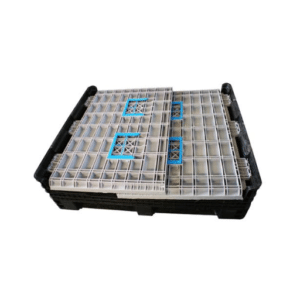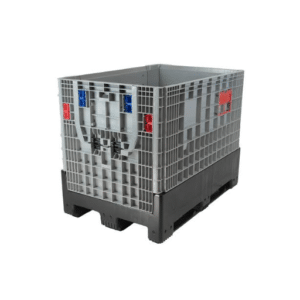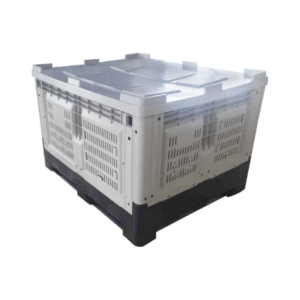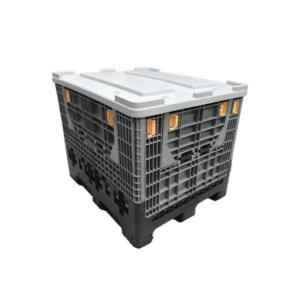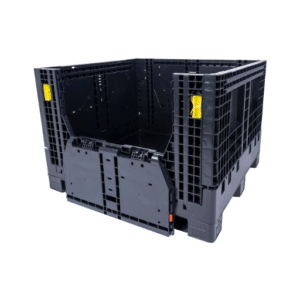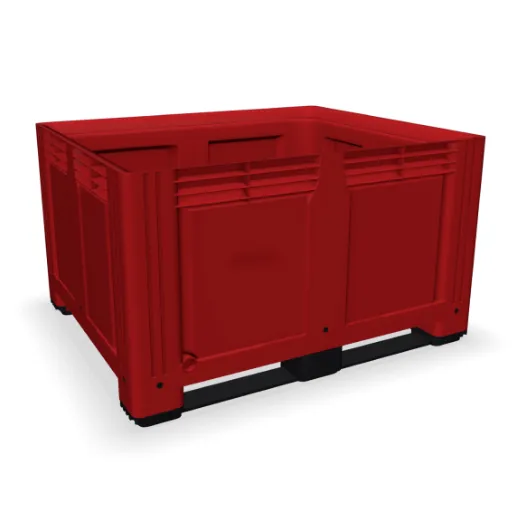

Performing visual examinations of plastic pallets, pressure washing, and other similar methods of proper cleaning of plastic boxes, keeping them in an ultraviolet protective environment, and observing certain issues regarding the repair of pallet boxes is the most appropriate methodology of plastic pallet box maintenance. Adherence of these four components by logistical entities is sufficient to produce 7-10 years out of basic construction plastic pallet boxes, and over 15 years and 500 plus cycles from heavy-duty and injection molded ones.
Most businesses, however, think that plastic is indestructible. The plastic boxes are sometimes paid quite a sum for, to increase the efficiency of the supply chains, and yet, as soon as they are due for replacement, these boxes are severely damaged as well as deformed due to a lack of basic plastic pallet box maintenance. And while the global pallet box industry expanded to $13.5 billion in 2025, the replacement cost, aside from usage cost, that is, premature use of the boxes, remains one of the biggest warehouse expenses that is the easiest to control.
This chapter proposes concrete steps that you may take this week. How to examine collapsible and non-collapsible plastic palletized boxes, how to clean them without deformation caused especially by HDPE and PP surfaces, how to shield them from direct sunlight, and when a deformed package is too deformed to be repaired. More than that, each chapter offers what the minimum requirements would be, advisable, optimal, and several personal examples related to topics in the 108 countries where we have been active.
Key Takeaways
- A structured plastic pallet box maintenance program can extend service life from 5 years to 10-15 years, cutting replacement costs by 30-40%.
- Collapsible plastic pallet boxes require more frequent hinge and latch inspection than rigid units, because mechanical wear points create failure risks flat pallets do not face.
- Pressure washing at 20-50 bar with neutral detergent removes 95% of industrial soils, but food and pharma operations need additional sanitization with ATP verification.
- Replace any container when repair costs exceed 30-40% of replacement cost, or when load-bearing structural elements show cracks deeper than 2 mm.
- UV exposure is the single most overlooked killer of plastic pallet boxes stored outdoors without protective covers.
Why Plastic Pallet Box Maintenance Directly Impacts Your Bottom Line
It is true to say that plastic pallet boxes are considered a significant investment. Each collapsing structure for medium weight may be worth $80 to $150, and those containers, if in the hundreds, cost more. However, one must remember that such investment is considered a waste if it is not being serviced.
Despite reasoning with numbers, what is interesting to note is that standard pallet boxes can last for at least seven years and up to ten years when used within the average amount of usage expected. On the other hand, those which are “forgotten” – thus meaning that containers buried in storage or even allowed to pile up in the warehouse, break down faster, typically in as little time as four years. If we look at the period of the past ten years, the distinction between having maintained the fleet and having abandoned it is more than the mere lifespan with a ship. It is the total cost of ownership, the liability on account of compliance and ensured smooth operations in all respects.
In an industry report, it is stated that a plastic pallet box maintenance usually has an advantage of 30-40% over wooden containment in terms of total cost of ownership over one- decade periods. That however stops seeming advantageous when the utility cycle is reduced by such rate that the containers are replaced frequently, though. A food logistics facility located in South-East Asia introduced a well-organized inspection/cleaning regime with connected activities, which then resulted in a reduced replacement rate by 35 percent until the 18th month glass barrier. This program costs much less than what was saved from replacements prevented within the first year itself.
Maria Chen, a logistics manager who worked with us in Guangdong, did not immediately understand this motive. Converters leaner than this one probably did not last as long because they were piled and washed in this miner without a countdown. Instead of using preventative maintenance management her members would only wash the containers when they were visibly dirty. The team operation statistics stood as follows: hinge failures had risen to 12%, 8% of the fleet presented warehouse fork pocket casing cracks and in two instances containers broke down damaging $4,000 worth of components that had been properly fastened. All that would have been necessary was a simple daily or at least weekly inspection and deep cleaning to prevent these failures, or at least a long time after that.
The fiscal representation of routine plastic pallet box maintenance is not merely conceptual. There is mathematical support for that. It enhances the container spent in the system to the extent that there will be fewer new containers that need to be bought.
Want to see how the right container choice affects your maintenance burden from day one? Explore our complete range of plastic pallet boxes engineered for industrial durability.
Understanding Your Container Type: Rigid vs. Collapsible
Not all plastic pallet boxes demand the same care. The plastic pallet box maintenance priorities for a solid-wall rigid container differ sharply from those of a foldable collapsible unit. Understanding these differences is the foundation of any effective maintenance plan.
Rigid Plastic Pallet Boxes
Rigid containers feature solid-wall construction, typically in one-piece or welded designs. They offer maximum volume protection and stack stability, making them ideal for liquids, powders, and heavy dense loads. Plastic pallet box maintenance for rigid units centers on sidewall integrity, corner post degradation, base runner wear, and surface contamination.
Because rigid boxes have no moving parts, mechanical failure points are fewer. However, when damage occurs, it often affects load-bearing structure directly. A cracked sidewall on a rigid box compromises the entire container.
Collapsible Plastic Pallet Boxes
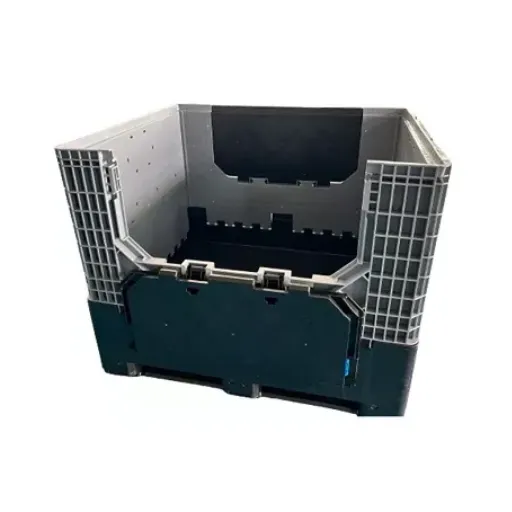
Collapsible plastic pallet boxes include folding sidewalls, hinges, latches, and sometimes drop doors or attached lids. These features deliver enormous space savings, up to 80% volume reduction when collapsed, but they introduce mechanical wear points that rigid containers do not have.
For collapsible units, plastic pallet box maintenance must prioritize hinge attachment integrity, latch engagement, alignment of folding panels, and smooth operation of drop-door mechanisms. Industry repair data shows that hinge fatigue and latch failure account for the majority of collapsible container retirements, not base or sidewall damage.
How Construction Affects Your Cleaning Approach
Rigid boxes can withstand higher-pressure washing and more aggressive scrubbing because there are no seams or joints where water can become trapped. Collapsible boxes need careful attention to drying, especially in hinge cavities, where trapped moisture accelerates corrosion on metal pins and promotes microbial growth.
If your operation uses both types, build separate plastic pallet box maintenance checklists. The time invested in tailoring your plastic pallet box maintenance program to each format pays back in fewer surprises and longer service life.
Discover the specific advantages of foldable pallet boxes and rigid industrial boxes for your application.
Plastic Pallet Box Inspection: Daily and Weekly Checklists
Consistent plastic pallet box inspection is the backbone of any maintenance program. Small problems caught early become cheap repairs. Small problems ignored become container failures, product damage, and safety incidents.
The 30-Second Visual Check (Daily)
Train floor operators to perform a rapid visual scan before each use. A simple Green-Yellow-Red tagging system creates accountability without slowing operations.
- Green tag: Container appears sound. No visible cracks, warping, or contamination. Safe for immediate use.
- Yellow tag: Minor issues detected. Surface scuffs, slight discoloration, loose non-structural fasteners, or light soil. Use with caution; schedule cleaning or monitoring.
- Red tag: Remove from service immediately. Structural cracks, broken hinges, missing latches, severe warping, or contamination that cannot be cleaned.
Daily checks should focus on the areas that see the most stress: fork entry points, bottom corners, and, for collapsible units, hinge-to-base attachment points.
Weekly Structural Inspection
A more comprehensive inspection is advisable by one of the appointed personnel and must be performed once a week. The analysis in this case entails an additional three stages more than the one performed daily.
Initially, record the essential measurements. Check for any deflection of the container by placing it on a level surface and considering remaining any value more than 1 cm for every 1 meter of the dolly. Such a degree of deformation hinders the safe stacking of boxes and paralyzes the functionality of the automated storages.
Secondly, ensure that the supports are checked for the appropriate pressure. For non-collapsible boxes, these are mainly the corner posts and the base skids. In collapsible boxes each panel should be opened and closed to ensure proper movement of the hinges and full engagement of the latches on both sides of the panel. For example, if a latch engages on only one side, then load is unevenly lifted and such a construction is bound to fail quite quickly in the course of its operation.
Thirdly, confirm tilfredsstill traceability. Check if the attached barcodes, QR codes, or the tags with RFID can still be scanned. In the case of fleets having their own internal computerized systems, no labels that look bad in them should be included because luckily with this system’s information about repairs will not be recorded.
David Okonkwo manages the storage section for a drug distributor based out of Lagos. His team handles 200 pallet boxes on the floor every week. When stacked boxes started to break with the cooler vaccines inside, they deployed the Green-Yellow-Red system and performed weekly dimensional inspections. After six months, the percentage of defects detected before use improved to 14% from 3% and the in-transit defects came down to zero.
Plastic Pallet Box Cleaning and Sanitization Protocols
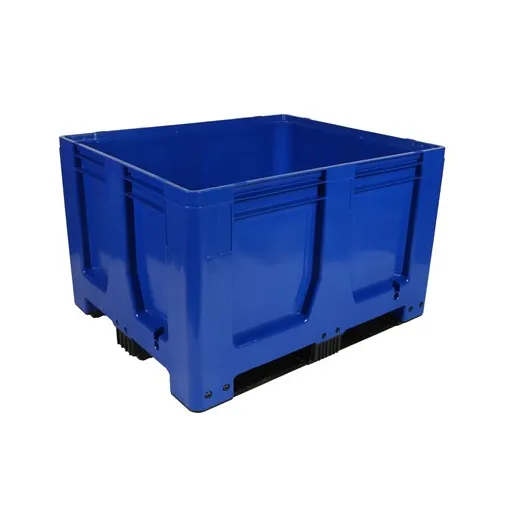
Clean containers last longer. Dirt and chemical residue trap moisture, harbor bacteria, and hide cracks during inspections. A thorough plastic pallet box maintenance program includes plastic pallet box cleaning protocols matched to soil level and industry requirements.
Manual Cleaning (Low Volume)
For operations processing fewer than 20 containers per day, manual plastic pallet box cleaning is practical and effective.
- Remove loose debris with a soft broom or industrial vacuum.
- Pre-rinse with water to loosen stubborn grime.
- Apply a mild, neutral detergent diluted in warm water. Avoid abrasive powders, strong oxidizers, and solvents like benzene or toluene, which degrade HDPE and PP surfaces over time.
- Scrub with a soft-bristled nylon brush. Pay special attention to corners, textured surfaces, and, for collapsible boxes, hinge cavities.
- Rinse thoroughly with clean water. Detergent residue left behind attracts new dirt and can interfere with food-contact compliance.
- Dry completely before storage or reuse. Air-dry in a ventilated, shaded area with panels open.
For collapsible plastic pallet boxes, ensure all folding joints are fully dry before collapsing. Trapped moisture causes mold, corrodes metal hinge pins, and creates slip hazards during handling.
Pressure Washing (Medium to Heavy Soil)
Spraying technology is used extensively in forestry, agriculture and allied construction projects due to its speed, thorough, power and efficiency.
Use water pressure around 20-30 bar for the majority of outside surfaces. Raise the water pressure level from 30 to 50 bar in corners, grooves, and areas around the hinges, where the dirt tends to accumulate. To spread out the pressure in an even manner, hoses with spray or fan shaped nozzles are recommended. Do not use the pencil jet for long period onto one area as such force if directed on a plastic can over a time result in its damage.
A pressure washer is also commonly used in the preparation of containers for sanitization, taking the place of physical removal of the soiling layer that would otherwise remain protecting bacteria from disinfectant.
Automated Wash Systems (High Volume)
Deploy conveyor systems and pallet washes for ease and fast cleaning of over 50 different containers daily. These washers are generally required to run a pre-wash and a main wash at a pressure of 0.3 Mpa, a rinse and a hot air dry at a temperature of 70°C. Depending on the length of the machine as well as the size of the containers, it is possible to process 100-1,500 containers per hour.
Consistency, which plastic pallet box maintenance done manually doesn’t provide, is achieved when automated processes are in place. This consistency is often necessary in food and pharma industries as it is a requirement stipulated by regulations.
Food-Grade and Pharmaceutical Sanitization
The basic cleaning of containers which are made of rectangular plastic is done to get rid of any dirt. But doing thorough cleaning removes the pathogens. It is a requirement on all containers that are likely to be used to serve food or drugs or equipment in clean-rooms to have the plastic pallet box maintenance strategy that involves sanitization.
As soon as the surfaces are cleaned, make sure to apply a disinfectant, one that is EPA-approved and/or FDA-registered. Such compounds are often quaternary ammonium based, solutions of hydrogen peroxide, or diluted solutions of chlorine compounds. Please observe the recommended contact time, most likely about 5 minutes; but not longer than 10 minutes. If the label of the disinfectant requires it, then rinse.
Enhance the verification processes. Employ ATP bioluminescence testing to ensure that surfaces are below the acceptable RLU level of the institution. Less than 50 RLUs is the amount of RLUs stipulated as being the limit of RLUs with which food direct-contact surfaces in most plants should be in contact. Retain evidence which can be presented during audits.
For industry-specific guidance, see our detailed protocols for plastic pallet boxes in food industry and cold storage pharmaceutical applications.
Cleaning Frequency by Environment
| Environment | Cleaning Frequency | Notes |
|---|---|---|
| Food/Pharma/Clean rooms | After every use or daily | Sanitize between loads; ATP verify weekly |
| General warehousing | Weekly to monthly | Pressure wash monthly; spot-clean as needed |
| Agriculture/Outdoor | At least monthly | Remove soil promptly; UV exposure accelerates degradation |
| Post-spill or contamination | Immediately | Quarantine affected containers; deep-clean before return |
Storage and Handling Best Practices for Plastic Pallet Box Maintenance
How you store and move containers is just as important as how you clean them. Poor storage undoes good plastic pallet box maintenance, and rough handling creates damage that no inspection schedule can prevent.
UV Protection
The most detrimental element to the wear and tear of plastic pallets is UV radiation. The damage of the sun affects the chemical structure of HDPE and PP hence the physico-mechanical properties are changed such as discoloration, embrittlement and loss of impact strength. The containers placed outside uncovered for over a range of 12 to 18 months may acquire significant ultraviolet degradation of the materials.
Caring for a plastic pallet serving pet is storing it indoors. If this is not possible due to any reason then coverage from protective tarpaulins is advised or placing them below will help. When in run against the system harming plastic during more than a year having summer increased without prohibiting enhance profits, start by purchasing special resins with the addition of UV-absorbers. The extra cost incurred in such an upgrade is easily recovered through the savings over time.
Temperature Management
Plastics are sensitive to temperatures below -10 degrees Celsius as they lose their flexibility and become brittle. This means that any container in such a freezer or cold storage environment should be left in the respective temperature for a while before attempting to move it to a warmer or colder place to handle it because such movement can initiate cracks in the containers. This kind of stress is called thermal stress and it comes about when, for example, frozen containers are immediately exposed to the sunlight.
Warping is considered beyond 60 degrees hence containers should not be kept next to hot surfaces of the warehouse nor near any heat emitting vent.
Stacking and Nesting
Do not stack containers or bins in flat positions on any other surface except level ground. The uneven ground will cause one corner post to carry more weight than the other and will result in stress deformation of the post. Adhere to the manufacturers’ recommendations for the height of the stacks which is usually 4-6 tiers for collapsed portions and 2-3 in rigid boxes.
Do not attempt to stack containers that are wet. Water will increase the load, rot the wall, and smoothly bring disasters when removing containers.
Forklift Handling
Proper forklift technique prevents more container damage than any plastic pallet box maintenance protocol.
Align fork tines with the container base channels before lifting. Tilt tines down approximately 2 inches off the floor, slide fully into the entry points, then tilt up so the container rests against the mast. Never push the container exterior with the edge of fork tines, especially when loaded. That single bad habit causes a disproportionate share of sidewall punctures and corner cracks. Distribute loads evenly across the deck surface to avoid point-loading stress.
Repair vs. Replace: Making the Right Call
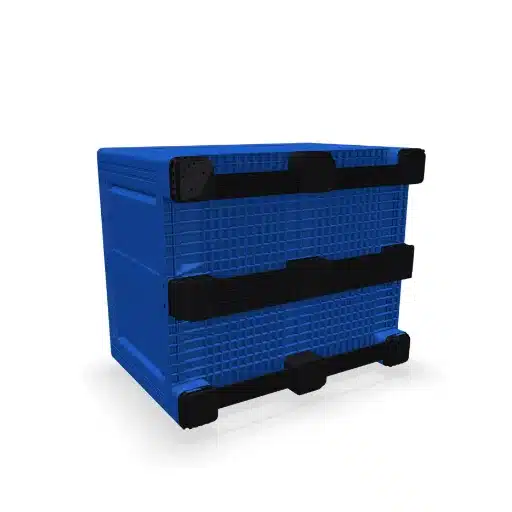
Every plastic pallet box maintenance program eventually faces the same question: fix it or retire it? A clear plastic pallet box maintenance decision matrix removes guesswork and keeps unsafe containers out of circulation.
When to Repair
Minor damage in non-load-bearing areas is usually repairable.
- Small surface cracks or chips less than 50 mm long and 2 mm deep
- Loose or missing non-structural fasteners on modular designs
- Worn skid pads or runner overlays that can be bolted or welded in place
- Hinge lubrication issues or latch misalignment
For HDPE containers, plastic welding with compatible HDPE rods restores structural continuity. The repaired area will not match the original cosmetic finish, but it will hold load if the weld is done properly. Two-part structural adhesives designed for polyolefins offer an alternative for field repairs where welding equipment is unavailable.
When to Replace
Some damage cannot be safely repaired.
- Cracks penetrating load-bearing walls, runners, or corner posts
- Warping or flatness deviation exceeding 10 mm per meter
- Repair cost exceeding 30-40% of replacement cost
- Contamination that has penetrated the polymer matrix or created uncleanable crevices
- Hinge attachment points torn away from the base on collapsible units
In food and pharmaceutical operations, the threshold for replacement is lower. Any damage that creates a crevice or porous surface where bacteria can hide is an automatic retirement, regardless of repair feasibility.
The Cost Threshold Rule
The 30-40% repair-cost rule is an industry-standard benchmark. If repairing a container will cost more than one-third of a new unit, replacement is the economically sound choice. This threshold accounts for the fact that repaired containers often have shorter remaining life than new ones, and the labor cost of repair is frequently underestimated.
Track repair costs per container ID as part of your plastic pallet box maintenance records. Containers that require repeated repairs are either mismatched to the application or approaching end of life.
Need containers engineered for easier maintenance and longer service life? See our guide to custom plastic pallet boxes tailored to your operational demands.
Seasonal Plastic Pallet Box Maintenance and Fleet Management
Plastic pallet box maintenance is not a one-time event. It is a continuous program that adapts to seasons, workload cycles, and fleet age.
Seasonal Considerations
Summer: Heat gauges to maximum. Instead of checking outdoor plastic storage containers once a month, do so every week. Find surface crazing which is an interconnected network of cracks— a sign of UV where downplastic degradation. If containers are more brittle than ever without exposure to sunlight, transfer the containers or employ shading.
Winter: It causes embrittlement increasing the chance of damage when impacted. Instruct users to reduce the SpeEd of the forklift, as well as to NoT let the containers fall from certain heights. In extreme frosts, check for water in hinge joints, which upon turning solid, enlarges and breaks the plastic housing surface. Adjust your plastic pallet box maintenance schedule information appropriately.
Spring: Moisture increases. This is where drainage and ventilation assessment in storage facilities is done. Mold quickly proliferates in warm, moist areas with little to no ventilation. Owing to this, dry folded walls in Urbit entirely before nesting them for the purpose.
Autumn: The logistical burden on fleets increases due to harvest and pre-holiday inventory accumulations. Plastic pallet box maintenance should include the inspection of structures prior to the season’s activities. Ensure that all dilapidated units have been observed to be in decline and changed way before the weight of various demand surges becomes intense.
Fleet Documentation
Professional plastic pallet box maintenance requires records. At minimum, track the following for each container:
- Purchase date and original specifications
- Cleaning dates and methods
- Inspection findings and tag history
- Repair events, costs, and technician
- Contamination incidents and corrective actions
- Estimated remaining service life
Digital tracking via QR codes or RFID tags transforms this from paperwork into actionable intelligence. A well-documented fleet lets you predict replacement needs, budget accurately, and identify whether specific handling routes or product types are causing disproportionate wear.
James Peterson, a fleet manager at a UK-based 3PL, implemented QR-based tracking across 1,200 collapsible pallet boxes. Within a year, his data revealed that containers on the automotive parts route failed 40% faster than identical units on the retail route. The cause was a single warehouse where forklift operators consistently misaligned tines. One training session corrected the behavior and extended fleet-average life by 18 months. That is the power of systematic plastic pallet box maintenance.
Conclusion
It is easy to maintain, for example, plastic pallet box maintenance over time but it is an activity requiring regularity. Operations that manage to extend the life of their vessels to 10-15 years do not work with enchanted vessels. They do nothing but follow a particular pattern whereby they inspect the equipment before use, clean it at particular intervals, put it away from sunlight, and reject or dispose of those products that are faulty before use under the load.
The four corners of sound plastic pallet box maintenance are even further reduced. Issue identification and tagging for daily inspections. Cleaning with the right power and the right chemical agents. Assembling in a lean fashion. Fixing minor defects and changing the more significant ones. Keep to these four rules, and the fleet will meet all your expectations and provide the benefits of use of plastic that you sought in the first place.
Plastic pallet box Maintenance is a key aspect of marketing plastic products and providing such solutions in 108 countries over the period of 14 years in Shandong Lile Company. ‘Where there is a container, there is a risk that the container might break, only as soon as the container maintenance programme is correct period. If you are assessing where you stand within your fleet of vehicles, designing a new one, or require containers where electronic radio frequency and vibrations are lessened and unfixing the adhesives on the first day becomes more convenient, let our Team assist you.
Contact us today for a free consultation on plastic pallet box maintenance programs, fleet optimization, or custom container solutions engineered for your specific operational environment.