Modern companies cannot succeed without effective warehouse management and supply chain practices. Unfortunately, manual counting of stocks and assets is usually lame, I could say slow. This is where RFID technology comes in— a game-changing tool, which is used to improve the storage and movements of inventory. Chiefly, RFID-enabled platforms rank the highest in terms of the benefits they offer due to their unprecedented support in visibility of the practices, in time, and on motion activities, and simplification. The article studies the benefits of the RFID pallets in general, discusses the contributions these pallets make to the spiraling up of the customer care chain, and explains reasons why such development is inevitable for those industries that wish to survive in the cutthroat competition of the digitalization era.
Introduction to RFID Pallet Tracking
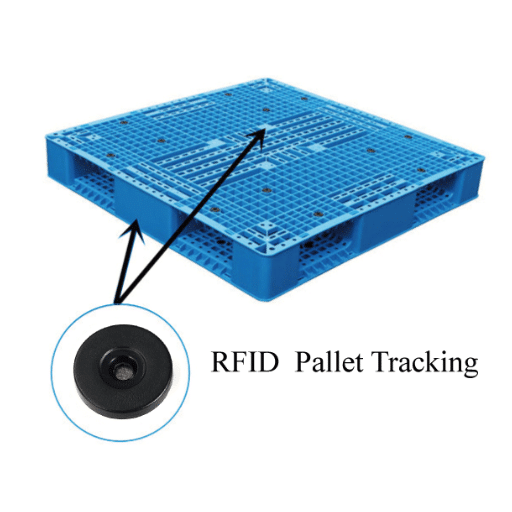
Radio Frequency Identification pallet tracking is mainly applicable in the logistical framework of any supply chain in place. The tags are fitted within the pallets, and so it is easier for organizations to quantify the movement of goods from one place to another accurately in real time. The inventory control is improved, and the human errors are minimized, and the tracking procedures are completely employed. Studies demonstrate that RFID systems have been deemed applicable in addressing logistical purposes, whereby the movement and assets are managed exactly. This feature, in particular, is essential for companies that want to promote the transparency of the supply chains and lay out operational procedures.
The Shift Towards Digital Supply Chains
There is a change in the world about modern-day operations of supply chains due to the advent of technology. Traditional supply chains have turned into digital, and these digital supply chains make use of advanced capabilities, such as cloud computing, artificial intelligence (AI), blockchain, in addition to the internet of things (IoT) for better resource utilization, better visual management, and others. The technologies reduce a lot of time that can be wasted in communication. Predictive analysis that can be applied in forecasting demand, controlling, and managing stock levels of inventory is another innovation. Another advantage is the fact that blockchain excludes fraudulent transactions in the system by making the records of transactions safe and clean. This is beneficial when the supply chain goes digital because the digital supply chain is more responsive, easier, and quicker, which is highly suitable due to the dynamic nature of the market environment, as well as unexpected changes that might come.
Understanding RFID Technology
Advanced modeling of Radio Frequency Identification (RFID) brings a number of substantial gains to inventory control and traceable assets, by employing electromagnetic fields to tag articles without any physical intervention. The system consists of three main elements, namely tags, which are also referred to as transponders, readers, also known as interrogators, and a remote database. The tags may either have an internal source of energy, therefore active, or utilize the signals from readers in order to function, hence are passive, and they contain some form of data that allows them to be uniquely identified. The readers tend to move data from the tags into their own circuitry through the use of radio waves, therefore able to access such information from the memory of the chips.
Unlike traditional barcodes, RFID doesn’t need line-of-sight checking, making the acquisition of data faster and more efficient. The technology has found unlimited applications in the fields of retail, logistics, manufacturing, and healthcare due to the need to improve supply chain efficiency, lower operational costs, and enhance precision. Also, RFIDs make it possible to access information instantly, thus making it possible to make predictive decisions and increasing efficiency within the organization. RFID advancements are making it possible to simplify its incorporation and function in IoT systems, as we look forward to a more data and smart-enhanced society.
Importance of Accurate Tracking in Logistics
The need for precise logistical tracking becomes very pronounced in any sector that relies on the supply chain so much. Such is the case of accurate tracking features, which allow immediate monitoring of the movement of goods, thereby eliminating the chances of unfortunate events such as delays, losses, and waste. Improvements in just-in-time inventory management. This is achieved with the help of two proven technologies: RFID, GPS & installation of upgraded tracking systems. Because of these technologies, the customers can receive the most accurate information about the transport of their cargo, which in turn assists in the improvement of the delivery itineraries and the decrease of the cost of transportation, as well as the users’ satisfaction. Nonetheless, accurate tracking is crucial for predicting consumer trends as it enables the right use of resources depending on facts and figures. These systems are incorporated and synchronized with digital operations, enhancing efficiency and accountability, enhancing governance, and encouraging activity within the staff involved in logistic operations.
What are RFID Pallets?
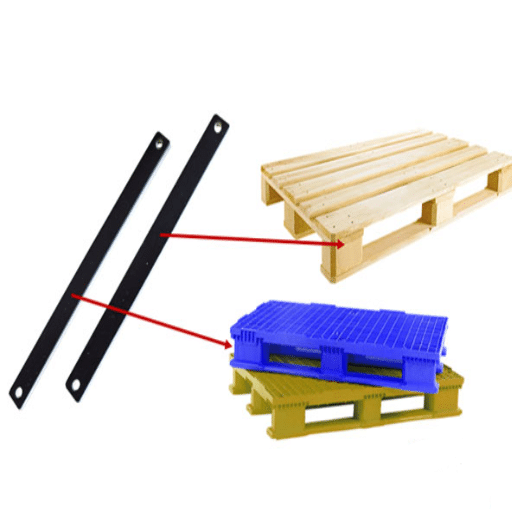
Carriers use RFID tags to pipe data about the shipment and the cargo. RFID antennas are present in the surrounding racks and railings to wirelessly monitor each and every asset that is moving within the building. RFID pallets use multiple technologies and allow high accuracy, fast inventory counts, reduced bottles or cans, and fewer errors, among other advantages. Such industries that have visible goods, including retail, manufacturing, and healthcare, have found them quite effective among other such instances.
Definition and Technical Overview of RFID Technology
Radio-Frequency Identification or RFID is a technology that uses radio waves to automatically detect and track available objects within its range. It helps in the capture of information with the use of electromagnetic fields. On a basic level, the system of RFID is composed mainly of three components: the tags, also called transponders, which have information stored; the readers, who are also called interrogators, whose work is to read the data; and the other apparatus referred to as the computer system for analyzing the available data. RFID tags are mainly categorized as either passive, active, or semi-passive, also called battery–assisted. This means passive RFID pallets exhaust the reader’s energy while active ones employ battery-supplied energy within the range.
Radio Frequency Identification (RFID) employs several different communication frequencies, encompassing low frequencies (LF), higher frequencies (HF), and ultra-high frequencies (UHF), with the most favorable frequency in supply chain applications being UHF, due to its increased reading distance and ability to read several tags at the same time. The feature that distinguishes RFID from other encoding technologies, such as the barcode, is the aspect of line of sight – items ranging from the various individual products or items packed together can be distinguished and counted without having the items in one’s possession. alongside the efficiency of operations. Moreover, modern RFID systems use cryptography standards to protect personal data, thus placing them in categories of logistics, medical care, transport, inventory, and so on.
How RFID Works with Pallets
The concept of RFID pallets relies on the use of RFID tags and readers in order to track and manage the pallets. Every pallet is embedded with an RFID tag which encodes or stores specific information, including but not limited to details about the shipment, products in shipment, or the location. RFID readers, which are often installed near sensitive locations such as load ports or warehouses’ entrances, contain radios that communicate with these tags, and any other reader within a line of sight is also required for the use of this technology.
The movement of pallets is then accurately and instantly tracked and recorded, thus enhancing the logistics operations of the supply chains. With the implementation of RFID with pallet tracking, not only does it eliminate human mistakes, but it also ensures that all proper accounting of the items is done, and supply lines have visibility. What is more, the feature of designing an RFID system to read many tags at the same time significantly reduces working time, granting better performance in warehouse and distribution center loading and unloading procedures.
Specifications of RFID-Enabled Pallets
Authors manage to develop very complex and advanced RFID pallets based on passive, active, or semi-passive RFID, which is dependent on their operating frequencies, including LF, HF, or UHF. The design of such pallets ensures the tags remain in operation, making the pallet usable for a long period of time even in extreme operational conditions such as high or low temperatures, moisture, or mechanical damage.
Furthermore, the RFID tags within tags sometimes carry an ISO or EPCglobal-approved unique identification upper structure, which allows them to work with RFID systems that are current in terms of hardware and software. Depending on the form of the tag, the amount of information retained in the tag also varies, from the minimum 96 bits in the case of standard EPC to several kilobytes in the case of sophisticated data that is stored. The design of RFID-enabled pallets may have all the elements seen in polyethylene or wood and embedded tags, which are designed to withstand the tough conditions in the supply chain.
Moreover, with the application of a reader system accompanied by UHF technology, these pallets have a read range of reaching even 30 feet (9 meters), depending on reader configuration, assisting in the proper identification of a variety of items in crowded and fast-moving environments. Also, the RFID-enabled pallets are designed to address issues post-retail, which include meeting various international shipping and regulatory requirements, thereby extending their applicability. The aspect of robustness, efficient data control, and system compatibility provided by such RFID pallets makes them a must-have for today’s logistics.
Comparing Traditional and RFID-Enabled Pallets

Traditional pallets are most often used for the purposes of cargo transportation and its storage, without the possibilities of data acquisition. Such pallets utilize a manual tracking system that is prone to inaccuracies and is less effective. On the contrary, radio frequency identifications or RFID pallets are introduced that enhance inventory management and operations as it incorporates tracking, making the pallets smart. Even though traditional pallets are cheaper to buy initially, in the long run, RFID allows for fewer offenders, fewer instances of correcting problems, and better operations of a supply chain. All these features make it the best alternative for all operations that require more precision and flexibility than conventional ones.
Wood Pallets vs. RFID-Enabled Plastic/Composite Pallets
|
Parameter |
Wood Pallets |
Plastic/Composite Pallets |
|---|---|---|
|
Material |
Natural wood |
Synthetic plastic/composite |
|
RFID-Friendly |
Limited |
High |
|
Durability |
Moderate |
High |
|
Cost |
Low |
Moderate to High |
|
Weight |
Heavy |
Lightweight |
|
Reusability |
Limited |
High |
|
Moisture Tolerance |
Low |
High |
|
Maintenance |
Moderate |
Low |
|
Sustainability |
High (renewable) |
Moderate (recyclable) |
|
Lifespan |
Short |
Long |
Advantages of RFID Technology in Pallets
Radio Frequency Identification has brought with it enormous improvements in how pallets and logistics are monitored. For starters, it allows for the tracking of inventory in real time and without the use of manual scanning, which is costly and error-prone. In simple words, RFID pallets make it easy to locate or identify items in the supply chain much faster. Second, data accuracy is enhanced in the sense that the RFID system detects parameters like temperature or humidity and avoids the exposure of goods to extreme conditions whenever sensitive goods are being transported. This is because massive amounts of data are collected through the RFID, and most of these collections enable enhanced security, as there is very little likelihood of anything going missing or being stolen during transportation. Lastly, the pallets themselves contain RFID, which is geared toward rehabilitation and thus long-term cost saving. These, in conclusion, enhance the operational tasks and promote logistics on an enlarged scope.
Cost Considerations and Longevity
In estimating costs relevant to RFID deployment, the foundation cost mostly consists of the procurement of RFID tags, readers, software, and integration. This cost is high, particularly for large-scale logistics operations. Even so, lower labor costs, fewer errors, and better asset tracking are some of the paybacks that justify the heavy initial outlays. Reuse of RFID pallets is another cost-cushioning element in the long run, since these pallets are used many times without losing their function. Another crucial aspect is longevity; industrially manufactured active RFID tags will resist working in a harsh environment for many years. Such toughness reduces maintenance and replacement of the parts, consequently amplifying the total return on investments (ROI) on those enterprises that have embraced RFID usage.
Key Benefits of RFID Pallet Tracking

Improvement in Inventory Control: With the help of RFID, companies have the advantage of knowing where the pallets are at any one time, thereby enhancing the accuracy of inventory and removing the problem of manual counting.
Efficiency in Operations: Systems of automation in tracking and scanning processes tend to speed up the handling of logistics-related processes, which lowers the cost of labor and helps in managing the workflow promptly.
Increasing Transparency: The use of RFID helps the supply chain reach a state where everything can be tracked and traced with precision. This helps in meeting regulatory compliance requirements and makes it easier to identify any problems very fast.
Benefit from Reduced Cost: There is a reduction in these costs as well, thanks to the tracking system in RFID, which limits cases of human mistakes, theft, and losses, thus improving the supply chain levels of profitability.
Consistency and Robustness: The RFID tags, when installed, are designed to be reliable and effective in harsh environments so as to allow the tracking to function normally in diverse operational conditions.
Improving Inventory Accuracy
Incorporating RFID technologies in inventory management processes can significantly improve the accuracy of inventory control by allowing access to stock visibility at any moment and anywhere. This eliminates the need for physical counting, thus reducing human error caused by wrong counting or incorrectly recorded entries. Via RFID, all of the physical efforts of machine monitoring inventories are taken away as the updating of stocks, their flows, and their locations do not require scanning manually. Research shows that barcoding facilities with RFID can reduce inventory inaccuracy to as low as 5% or less and increase inventory accuracy by reducing both overstocks and out-of-stocks in the supply chain. Moreover, RFID enables complex cycle counts and easy counting of all missing items, which prevents the inventory from becoming inaccurate. Such accuracy helps with predicting needs, enhances customer service, and allows rationalization of resources within the chain.
Enhancing Asset Tracking
To install a resilient asset management system, one must incorporate high-tech solutions such as RFID pallets, GPS, and the Internet of Things. Such activity will be enabled without any interference since, with the use of RFID tags, the presence of the assets is known instantaneously, and their status or location can be determined. In addition, GPS helps in tracing outdoor items and route planning, making sure they get to their respective points with guaranteed accuracy. Furthermore, with the help of sensors embedded within the equipment, data such as temperature, humidity, and movement can be expanded, which will help in better operations and recommending control overheads.
When such systems are in place, organizations are able to control the wastage of resources, cut down the downtime, and satisfy the rules in place. Systems that incorporate automated tracking are aimed at minimizing manual work, doing away with the mistakes that are associated with humans, and providing enhanced data-driven insights. These changes improve operations significantly by providing more information to managers and result in significant reductions in costs over the long term.
Loss Prevention Strategies
Business development requires the proper handling of deaths. This means necessitating whistleblowing by women, exploiting them for profit in the market, demanding favors from others, and shootings. This is an intervention targeting these factors. AI-powered surveillance cameras are used in every function executed within advanced organizational structures. Critical resources needed for transportation are encoded into miniature RFID devices to track their location and even obtain GPS coordinates.
Additionally, it is of great importance to perform these loss prevention protocols as people have more inclination to follow proper procedures when they are well aware of facts. The need to continually carry out audits, as well as risk management, is invaluable because it enables firms to uncover any apparent risks and take appropriate actions to avert them. Moreover, with well-framed processes of responsibility and a tight supervision of internal affairs, frivolities such as shoplifting or any other malpractices during business operations can be avoided, and thus resources within organizations and even profits of development are spared.
Some questions about RFID trays
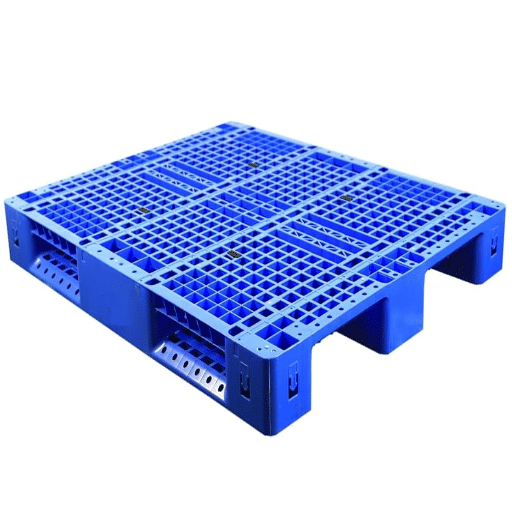
Each RFID tray is a unique tray that employs radio frequency technology (RFID), which enhances the tracking and identification of objects through the use of these systems. They are usually applied in areas such as healthcare, manufacturing, and logistics to improve inventory control and efficiency. Such kind of trays usually have RFID tags or readers, which, without direct observation, enable the relay of information to a central system about the contents of the tray. This technology decreases the level of human involvement, increases the performance rate, and restructures processes, hence, suitable for any environment where precision on materials or assets is crucial.
What is RFID technology in pallets?
The RFID (Radio Frequency Identification) technology in relation to RFID pallets makes use of nanoparticles and/or RFID tags, which are installed on or within the pallet, and help in the wireless communication of this information to an RFID system. This is generally deployed for real-time tracking and alerting to the movement of pallets within a supply chain. The data contains a unique code for each tag, which holds important information such as fired orders, threat assessment, portfolios, etc., which are uploaded to a central repository for analysis. In comparison to the conventional work performed using bar codes, this technology facilitates the capture of many items at once without the need for the item’s alignment, providing faster processing with less fatigue to the employees. This technology achieves better accuracy when managing the stock, improves visibility throughout the supply chain, and facilitates a higher level of automation–imperative factors in today’s logistics and warehousing.
How do RFID pallets improve supply chain efficiency?
Inventory tracking becomes much faster and easier with RFID pallets, hence improving the efficiency in the management of supplies. I personally experienced them, as they provide quick access to the status of goods without any delay, reduce the mistakes in the shipment processes, and enable the usage of modern inventory control systems. These progressions result in a reduction of time, an enhancement in reliability, and an overall decrease in costs relating to logistics.
What are the common challenges in using RFID pallets?
The benefits of RFID pallets are numerous; they come with implementation as well as operational challenges. Firstly, the cost of RFID technology is high due to the cost of tags, readers, and installing the relevant infrastructure. Secondly, metal or liquids in a surrounding area can cause interference with the reader and hence reduce the effectiveness of the tags and the system as a whole. Thirdly, there may be a compatibility problem in that some RFID systems may not be able to incorporate the existing supply chain management systems. Lastly, there is still a fear for the confidentiality of the data and its privacy since there is a possibility of unauthorized access or worse, data corruption of RFID systems, and it is not secured properly.
Reference Sources
RFID Unpacked: A Case Study in Employing RFID Tags from Item to Pallet Level
Investigates RFID readability at different levels, including pallets bound in stretch wrap.
Research and design on pallet-throughout system based on RFID
Development of a pallet-throughout system using RFID for product information collection.
Warehouse management with lean and RFID application: A case study
Case study on using RFID-embedded pallets as “digital pallets” in warehouse management.
Frequently Asked Questions (FAQs)
In which aspects does the use of RFID pallets increase visibility of the supply chain?
Supervision of pallets, containers, and packages from production, delivery, until reception is achievable with the RFID pallet application since it applies passive UHF RFID tags and stationary readers. The technology sets information about each pallet in certain databases, so a company is able to monitor the position and temperature, and other environmental parameters in wireless mode. It assists in the stocking, reduces the need for barcode scanning, and facilitates the operations through the doors, belt, and storage.
Would it be possible to use the RFID pallets instead of handling bar-coding to figure out shipments?
Indeed, RFID pallets offer a more efficient and sometimes a replacement for bar codes as far as automatic identification is concerned. This is so because the reader and the antenna are able to read the passive UHF RFID tags without the traditional line of sight. This not only facilitates identification when goods are being loaded or unloaded, but also boosts the speeds at which the goods can be scanned, other than the traditional manual barcode scanning, and lessens the cost in respect to human resources and scanning errors. Information contained within tags in the form of EPC numbers is entered in the program, providing instant inventory management and better control of shipments.
What hardware does an RFID pallet complete application need to make loading easier?
An RFID pallet system comprises RFID gates designed to handle passive UHF RFID tags with pallets, mounted fixed readers near the dock doors, as well as these mounted on conveyor belts, mobile check RFID readers, antennas mounted to ensure coverage, and a back-office or host computer to handle the tag data. Use of such systems makes the loading work easier, removes the need for data entry, and incorporates WMS in order to offer the functionality of such locations and shipment confirmation.
In what ways can RFID pallets reduce the identification inaccuracy found when compared with barcodes?
RFID pallets utilise bespoke identifiers that are encoded on a passive tag and can be read without direct accessibility, even if a tag is concealed or stacked. In contrast to the bar codes, which need to be photographed on each area using hands, RFID reads different tags at once hands-free, which minimises the inaccuracies caused by humans. Another advantage of this method of radio frequency identification is high performance while tracking the pallets and containers that can be used repeatedly in different ends.
Would it be possible to trace the RFID pallets in tough factory conditions and in frozen areas?
Indeed, selective passive UHF tags and highly robust readers fit well under harsh conditions with maximum temperatures and humidity levels. This framework may capture integration of the environment or even inventory control in the production chain or coolers. Antenna placement and choosing frequency are optimal in terms of achieving successful readings under different physical conditions.
What are the cost-cutting advantages of employing RFID pallets in warehouses?
Employing RFID pallets in warehouses is cost-effective because workers do not have to dedicate too much time to manual scanning, labor hours are reduced, shipping inaccuracies are lessened, and spoilage is reduced. Loading and unloading processes at dock doors are also streamlined by RFID tracking technology; inventory reconciliation is computerized, and conveyors have higher throughput. As a consequence of this improvement in operations, dwell time is slashed, while facilities themselves also benefit from better utilization.
What software and database capacity are essential to support the deployment of RFID pallets?
Being able to track pallets and loads using RFID tags requires the presence of such tags on the RFID pallets and the availability of technology that is able to recognize, read, process, and transmit specific information to tags. Data recording and erasure go in cycles: from the workpiece identification process and the evacuation process to the example communication and verification process.