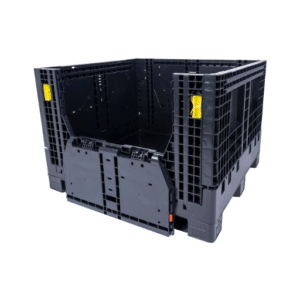
Overview of the Pallet Industry

Chain supply operations cannot do without the pallet industry. The pallet industry forms the foundation of cargo transport and storage. The pallets are primarily constructed with wood, plastic, or metal and are made to support goods while being handled by means of forklifts, pallet jacks, or conveyors. Wooden pallets claim a majority share because they are cheaper to make, whereas plastics and metals are considered for their durability and reusability. Sustainability continues to govern the industry while recycled materials and practices about the circular economy are increasingly promoted to lessen their burden on nature. Innovative designs and materials now ensure that a pallet is strong, light, and complements the ever-changing requisites of contemporary logistics.
Current State of the Pallet Market
The pallet market is being challenged hard with the establishment of global supply chain parameters, sustainability promotion, and materials technology. Prominent trends these days include increasing demand for reusable and recyclable pallets in line with environment-based restrictions, and thus, plastic pallets are gaining acceptance for their strength and resistance to moisture and chemicals. However, wood pallets are still on top, with more than 90% of the total market, mainly because of their cheapness, repairability, and availability.
Another change is smart technology integration, such as RFID tracking and IoT sensors, to allow supply chain visibility and efficient inventory management. More than ever, lightweight pallets that maximize load capacity and reduce shipping costs have taken top priority among manufacturers wishing to optimize their logistics operations. These new technologies are augmented with increased investments in automation and robotics for pallet handling, further streamlining workflows and removing labor dependency.
Market Insight: Despite these advances, the pallet industry faces problems with fluctuating raw material prices, global lumber shortages, and logistical disruptions. Companies are responding by diversifying their supply of materials, looking at alternatives, and more keenly focusing on designing supply-chain resilience. Overall, the pallet market shows good signs of adaptability due to continuing innovation and an ever-growing commitment to sustainability.
Key Players in the Industry
The pallet industry consists of several major players well-recognized for their innovations, market control, and sustainability initiatives. Brambles Limited is considered the global leader, with its CHEP service designed for pallet pooling practices that maximize efficiency and environmentally friendly practices. PalletOne, a large American manufacturer and recycler, is known for its extensive network and commitment to sustainability in all of its operations. Another player worth mentioning is Greystone Logistics, with its specialization in recycled plastic pallets and high-tech manufacturing to serve market demands. Such companies embody the push for operational excellence, sustainable solutions in the industry, and the willingness to adapt in an aging global marketplace.
Importance of Pallets in Supply Chain Management
Since the pallet is used to move the merchandise through the supply chain, the material handling, storage, and transportation of goods are critically important on the site. Their standardized design facilitates smooth operations on the site and ensures that their compatibility with forklifts and pallet jacks reduces the need for labor and transit time. Also, pallets form a protective barrier between products and the surface, thus reducing the possibility of damage to the product during shipping and storage. Materials such as wood, plastic, and metal are commonly used: each has its particular advantages with respect to durability, weight, and environmental impact. Further developments, such as recycling and reusable pallets, also provide options for sustainability and waste reduction in the supply chain. Pallets are, therefore, important to any logistics operation because they maximize the safety of the product and assist in global trade.
Trends Shaping the Future of Pallets

Sustainability Initiatives
There has been an effort to move toward greener materials, whether it is with the biodegradable pallets or recycled content ones, from an environmental standpoint, and to uphold sustainability claims.
Automation Compatibility
Pallets are increasingly being designed such that they may be readily integrated with automated systems, robotics, and conveyor systems to improve efficiencies in warehouse operations.
Smart Technologies
In comparison, placing RFID tags and IoT-enabled sensors on all types of pallets furthers tracking, inventory management, and supply chain transparency.
Lightweight and Durable Designs
Developments in material sciences have paved the way for lighter pallets that maintain their durability, allowing for a reduction in transportation costs while still upholding their structural integrity.
Global Standardization Efforts
These standardization efforts for pallet sizes and specifications help in facilitating cross-border UL and in eliminating the inefficiencies in international trade.
Automation in Pallet Production
Automation has been introduced in pallet manufacturing processes with the aim of creating efficiency, accuracy, and cost-effectiveness. Automated machines, including robotic assembly systems and CNC (Computer Numerical Control) machines, aid in production at high speed with the maintenance of consistent quality. These systems help in eliminating dull work processes of cutting, nailing, and assembling components of a pallet that require manual intervention and are prone to human errors equally. Automation allows accurate customization of pallets, which would then fit a particular set of industry needs, a feature that has proved paramount in global supply chains.
Advanced Integration: Advanced technologies encompassing AI and IoT are being integrated into the production line to ensure visibility in operations and predictive maintenance. Artificial intelligence-based inspection systems can monitor production in real-time for defects in materials or assembly, thus ensuring higher product standards. Equipment connected over an IoT interface is able to monitor production metrics in real-time via a remote interface, optimize efficiency, reduce downtime, and enhance production over time. Combined, these advances reduce the cost of production along with somewhat fostering sustainable manufacturing with respect to material waste and energy consumption.
Sustainable Practices in the Pallet Industry
The pallet industry has been embracing sustainability in an attempt to reduce its impact on the environment with material reuse, recycling, and responsible sourcing processes. Wooden pallets do dominate the markets and are mostly made from timber from sustainable sources. Pallets that are damaged often get repaired, repurposed, or recycled into products like mulch or biofuel. In addition, the extended life of pallets through repair programs drastically reduces resource consumption. Plastic pallets, in reverse, are made less frequently but are made to be recyclable and durable so that they can enter multiple cycles of reuse before returning to recycling as new pallets. Improvement in pallet pooling systems also allows companies to share and reuse pallets from different supply chains, thereby limiting waste, emissions from transportation, and demand for newly manufactured pallets. All of these signify the industry’s commitment to a circular economy and carbon footprint reduction.
Growth of Plastic Pallets
Plastic pallets sustain growth owing to their durability, hygienic properties, and efficiency in many supply chain operations. Contrarily, wooden pallets typically do some damage during their very few shipping cycles; plastic pallets provide an enhanced number of uses by way of not splintering, cracking, or degrading. Their non-porous surface prevents any melting of water or any entrapment of bacteria or even some hazardous chemicals that are present on the wooden pallets, thus best suited to industries that ask for very stringent sanitations, such as pharmaceutical, food, and beverage industries. This global urge for sustainability has encouraged plastic pallets as an option because of their recyclability and time for manufacture using recycled materials, thus fitting into the eco-friendly concept.
Market Growth: Growing awareness of cost reduction in freight and storage in warehouses presses the power of light design, making plastic pallets in demand. These days, RFID tracking features, together with IoT-enabled ones, add visibility to the supply chain and enhance logistical performance; this, in turn, makes the adoption rate increase. With the increasing demand for smooth and green supply chains across the globe, the plastic pallet market shall continue to experience sustained growth across the main industries.
Innovations in Pallet Management
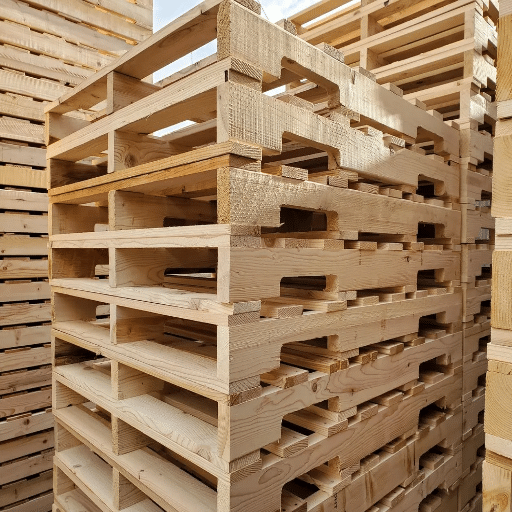
The recent developments in pallets focus on the enhancement of efficiency, sustainability, and traceability. Smart pallets with RFID tags and IoT offer real-time tracking for better inventory management, avoiding theft or loss. New work to incorporate durable yet lightweight materials ensures a longer service life of pallets at a reduced cost. Enhancements to the automated sorter and stacker system now support smooth warehouse operations, reducing human labor and giving enhanced productivity. Together, these address the present-day supply chain needs, which make the pallet management more efficient and trustworthy.
Technological Advancements
Recent developments in pallet management technologies have further refined supply chain workflows. RFID and IoT devices allow for real-time tracking and monitoring of pallets, giving precise location data and condition information. In some cases, these smart pallets can be further equipped with sensors to track changes in temperature, humidity, and so forth, thereby protecting sensitive goods. Automated systems, including robotic forklifts and palletizers, have enabled improvement in efficiency by decreasing manual labor, diminutions of human error, and increasing sorting and stacking speed. From a sustainability perspective, pallets are being produced from recyclable plastic and light composite materials in increasing amounts, since these sources offer a cheap and durable option. These advances lend themselves to attractive eco-friendly activities and represent market forces clamoring for efficiency, sustainability, and accuracy in supply chain management.
Recycling and Reusing Wood Pallets
Recycling and reuse of wood pallets greatly reduce the waste generated by a supply chain, extending the lifespan of such critical assets. Wood pallets may be repaired, reused, and supplies harvested for secondary uses, such as mulch, animal bedding, or biofuel conversion. In recent times, certain pallet recycling plants have focused on the inspection and repair of damaged pallets so that they might be reintroduced into active supply chains or resold to other enterprises at relatively lower prices. It certainly lessens the appetite for virgin timber while also providing a smaller carbon footprint for the operations. And creative reuse of wooden pallets for furniture, building materials, and artworks is also gaining fast, feeding the philosophy of the circular economy while lessening landfill contributions. It is therefore extremely important for companies to implement an efficient recycling and reuse system that can help to fulfill their sustainability targets, along with regulating environmentally responsible practices.
Alternative Materials for Pallet Production
Production of pallet alternatives is typically provided by the risk factors such as sustainability, cost, and durability. Plastic remains one of the best options, as it is an extremely durable material that resists moisture and bacteria and is recyclable; however, it can have a greater environmental impact than wood. Another option is metal pallets, generally made from steel or aluminum, which bring more strength and durability to service-heavy industries, but with a higher initial cost and heavier weight than wooden ones. Composite materials, including pressed wood fiber, plywood, or engineered woods, can serve as a compromise for cheaper, structurally sound, and environmentally friendly goods, often employing recycled products in their composition. These alternatives are selected depending on load capacity, environmental conditions, and life cycle considerations, allowing a business to maximize performance and stay true to sustainability commitments.
Challenges Facing the Pallet Industry by 2025

Rising Raw Material Costs
The rising prices for raw materials like lumber and steel are the most significant financial pressures on pallet producers. The situation is compounded by a global supply chain disruption and the imbalance of demand.
Labor Shortages
Palleting continues to have a severe labor shortage, with no skilled workforce to meet production demand. Automation could help, but uptake is patchy at best.
Sustainability Requirements
The increased global emphasis on sustainability means pallet manufacturers must use environmentally friendly materials and processes. The other big challenge is to maintain an environmentally friendly stance that is still cost-efficient.
Disruptions in the Supply Chain
Global events, including geopolitical situations and pandemics, disrupt supply chains, creating situations where timely shipments and availability of materials are issues.
Technological Integration
Advanced technologies like IoT tracking for pallets or RFID systems bring with them their own operations and financial challenges, which smaller companies would find much harder to cope with.
Environmental Impact and Landfill Issues
Pallets’ environmental footprint, especially of a non-renewable nature, remains significantly high. For instance, wooden pallets, being the dominant type in the market, contribute to deforestation and require substantial resources for production and transportation. Disposal of damaged or old pallets is yet another problematic issue, for millions of wooden and plastic pallets get dumped into landfill sites each year, massively contributing to waste accumulation and gross emissions.
Durable and reusable, plastic pallets are made from petroleum-based substances. Improper disposal further aggravates the long-term pollution issues, as these pallets are non-biodegradable. Both wood and plastic pallet recycling schemes exist, but they require strong infrastructure and adoption to be truly effective. With pallet pooling, pallet repair programs, or using from a sustainability perspective, recyclable materials are perhaps the best ways to minimize the impacts to the environment by hardly requiring any other natural resources or landfill placement.
Supply Chain Disruptions
Supply chain disruptions happen in cases of natural disasters, geopolitical tensions, labor shortages, or sudden demand shocks. Such disturbances bring along delays, inventory shortages, and an increase in operational costs. To soften the blow of such disturbances, strategies are implemented that may include five to six suppliers, real-time tracking and mapping technologies, and buffer stock policies. Newer tools built upon digital platforms are also being embraced to further the cause of resilience-including AI-based demand forecasting and blockchain for higher transparency. Collaboration with supply chain partners and regular risk assessments addresses vulnerabilities in supply operations, thereby ensuring supply operations continuity when situations become uncertain.
Market Competition and Pricing Strategies
Market competition and price-setting strategies are fundamental for building a competitive position and making profits in fluid markets. Businesses often develop strategies of competitive pricing, value pricing, or penetration pricing depending upon market circumstances and consumers’ demand. Competitive pricing establishes prices by comparing products and services of rivals to make them more attractive in earning market share, whereas value pricing approaches price from the standpoint of perceived benefits and justifies a higher level of price. Penetration pricing, on the contrary, involves setting low prices initially-one fast track into a mature market.
Things like market analysis software and historical sales data analysis enable the firm to keep track of competitors and adapt to sudden price changes. Price optimization software, which typically employs machine learning techniques, provides customer behavior pattern analysis to refine and fine-tune pricing adjustments accordingly. A coordinated effort across departments-such as sales, marketing, and finance-is required to ensure pricing strategies are developed in alignment with broader business objectives. Execution also requires an understanding of trade-offs between price sensitivity, profit margin, and longer-term market positioning.
The Future of Pallet Production

Pallet manufacturing is finding its future in the aspects of sustainability, automation, and materials innovation. The growing trends toward more eco-friendly solutions are driving manufacturers in pallet production to use materials that are recyclable or biodegradable. Automation and advanced robotics are further boosting production efficiency while bringing down costs and waste. Also, the new smart pallets equipped with tracking and sensing technologies provide better visibility and management over the supply chain. All of this puts the pallet industry in line with changing environmental priorities and logistical demands.
Predictions for the Pallet Market
The pallet scene will see much transformation induced by technology, by sustainability concerns, and ever-changing supply chain requirements. Smart pallets containing IoT technology are required to create a paradigm shift in tracking inventories whilst managing fleets of trucks, demanding better transparency and increased operational efficiency. Sustainability-based concerns will support the demand for more eco-friendly pallets made from recyclable materials such as wood composites and biodegradable plastics to comply with global regulations and corporate environmental agendas. Likewise, pallet production and handling automation, and the growth of e-commerce will call for lighter, tougher pallet solutions for optimum efficiency in shipping and reduction in cost. The global demand for pallets shall thus steadily grow, with the operators seeking more customized pallet forms and local manufacturing to conform with diversification efforts in supply chains. The union of these trends definitely speaks of the dynamically adaptive path taken by the pallet industry as it faces newer logistics and environmental pressures.
Role of Lumber in Sustainable Pallet Solutions
Lumber is essential in the pursuit of sustainability in pallets, being considered a renewable and biodegradable material against environmental standards. When managed in forests, lumber offers carbon sequestration and thus aids in sustainability by lessening the use of non-renewable materials such as plastics. Wood pallets can be repaired, recycled, and repurposed for additional client use, hence extending their life, greatly reducing the amount thrown away into landfill, and playing a part in the circular economy. The way I look at it, the use of lumber is a green and worthwhile option to satisfy the growing demand for sustainable logistics options.
Future Innovations to Watch
Emerging Technologies: Just like any other industry, logistics and supply chains are also embracing some disruptive innovations. An emerging trend involves AI and machine learning applications with predictive analytics and real-time decision-making capabilities, perhaps for inventory optimization or reducing lead time. Blockchain is another major innovation employed for ensuring transparency and security in supply chains through carbon-locked, verifiable records of transactions. On the other hand, the development in sustainable environment-friendly materials like bioengineered composites and enhanced automation of pallet recycling systems are jointly transforming a greener, cost-efficient logistics process. Thus, in a nutshell, one big shift in the industry’s evolution is underway, addressing both operational concerns and green goals.
Reference Sources
1. Development of Logistics Management and Relationship with Industry
2. Adoption of Value-Adding Processes in Swedish Sawmills
3. Analytical Hierarchy Process to Evaluate Supplier Performance in the Timber Industry
Frequently Asked Questions (FAQs)
What are the key trends shaping the future of the pallet industry?
Some of the trends are shaping the pallet industry’s future; focusing on sustainability, more automation, and the usage of alternative materials. Manufacturers are increasingly opting for high-quality converted wood and plastic pallets to minimize their carbon emissions and create value for a circular economy. And edge IoT into the pallet production cycle to create more efficiencies and data-driven decision-making.
How automation transforms the pallet supply chain?
With increased automation, the pallet supply chain now receives an improvement in operations and labor costs. Through automatic pallet production whereas in pallet handling materials, a manufacturer can produce high-quality pallets faster to meet the increasing demand in global logistics. The same with automatic pallet production as well as pallet handling materials will also be of great help in managing inventory and warehouse space.
What role will plastic pallets play in the future of the pallet market?
Plastic pallets are more and more in demand due to their enhanced durability and less weight. They provide a good substitute for the traditional wooden pallet as they have longer lifecycles and less environmental impact. With the present focus on sustainability, plastic pallets may well see a boom in demand-as one of the crucial players in the pallet industry in the future.
What innovations can be expected in the pallet production before 2025?
Before 2025, it is expected that innovations in pallet production would include advances in the use of alternative materials, such as engineered wood and recycled plastics, plus greater developments in automation and data-driven technologies. Manufacturers will concentrate on providing agile, high-quality pallets that can help in moving work more efficiently with a much smaller carbon footprint and minimal waste.
How will the circular economy change the pallet industry?
The circular economy will have a great effect on the pallet industry to recycle and reclaim pallet materials. Recycling results in a reduction of waste, while the concept promotes manufacturers in developing sustainable products. By supporting the closed-loop system, the pallet industry can reduce environmental footprints, which is an essential factor concerning environmentally conscious consumers and businesses.
How are pallet manufacturers adapting?
Pallet manufacturers are adapting to changes in market demands by altering their product ranges and sustainable practices. Now they are including the production of high-quality pallets made from recycled materials and using innovative technologies to improve efficiency and cut production costs. Increasingly, though, manufacturers continue the development of pallets based on strict weight capacity and performance criteria for each target industry.
What does the growing pallet industry mean for global logistics?
The growing pallet industry has serious implications for global logistics, along with supply chain efficiency and cost-effectiveness. Good-quality pallets are needed for the safe movement of goods, and as demand grows, producers need to ensure all their products meet the changing requirements of logistics contract providers. New ways of design and manufacture of pallets will have to be innovated to meet the growing complexity of global supply chains.