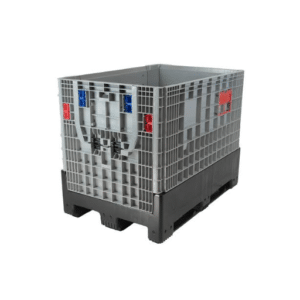
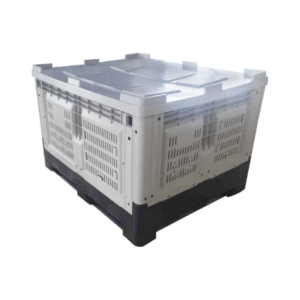
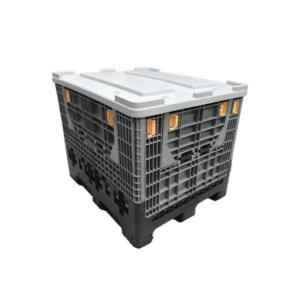
Proper handling and warehouse operations depend on how rack systems are installed and maintained. But rack safety doesn’t only call for efficiency; it is, in fact, a compliance issue as governed by OSHA. This article discusses OSHA standards for warehouse racking that protect employees while providing storage solutions that maximize profits for the businesses. It is vital for the warehouse manager, safety officer, or business owner to get handy with these regulations to avert accidents and liabilities and keep the workplace OSHA compliant. Let’s review the primary safety guidelines, best practices, and techniques that keep one away from OSHA violations without sacrificing efficiency.
Understanding OSHA and Its Importance in Warehouse Safety

OSHA is a government office that takes on the responsibility of assuring safe working conditions and enhancing health standards for employees throughout the United States. It accomplishes this by promulgating safety standards and enforcing them, offering education, and engaging in outreach programs to increase awareness about occupational hazards. OSHA regulations are targeted at hazard prevention in warehouses, the most common hazards being falling, accidents caused by equipment, and incorrect handling of materials. Compliance with the regulations does lessen injuries in the workplace and improves the environment with post and efficient safety. Following OSHA standards is crucial to protect workers from penalties and for the operational integrity of fines.
What is OSHA?
OSHA, or the Occupational Safety and Health Administration, is a regulatory agency under the U. S. Department of Labor. Formed in 1970 under the Occupational Safety and Health Act, OSHA aims to ensure personnel nationwide have safe and healthful working conditions by setting standards and enforcing them. The agency also provides training, education, and assistance to employers and workers. OSHA regulations apply to most private sector employers and their employees, along with public sector employers and employees in some states. The industries covered range from construction, manufacturing, and healthcare to warehousing. OSHA aims to prevent injuries, illnesses, and deaths at work through inspections, enforcement, and outreach programs, thereby creating a safer working environment for all.
Key OSHA Standards for Warehouse Operations
OSHA standards have to be complied with by a warehouse for potential hazards to be addressed and worker safety ensured. Some of the principal areas of focus are:
Materials Handling and Storage
Employers must ensure materials are stored safely so that there is no risk of collapse or falling, according to OSHA standards specified under 29 CFR 1910 Subpart N. The shelving must be good, the stacking techniques must be good, and loads must be properly secured to minimize the risks.
Powered Industrial Trucks
Forklifts and similar powered industrial trucks are subject to 29 CFR 1910.178 set by OSHA standards. Any worker using these trucks shall be trained and certified. Employers have to maintain trucks regularly and conduct inspections so that mechanical failure and accidents may be avoided.
Hazard Communication
OSHA’s Hazard Communication Standard (29 CFR 1910.1200) requires that employers inform workers about hazardous chemicals in the workplace. This entails having a written hazard communication plan, labeling chemical containers properly, and training employees on the use of Safety Data Sheets (SDS).
Walking-Working Surfaces
According to 29 CFR 1910 Subpart D, workplace floors and aisles, as well as working surfaces, must be clean, dry, and free from obstructions that would create slipping, tripping, or falling hazards. Also, ladders used in warehouses must conform to OSHA safety specifications.
Ergonomics and Injury Prevention
While OSHA has no specific regulations on ergonomics, however, it encourages employers to prevent musculoskeletal injuries by teaching proper lifting methods and ensuring ergonomic workstations. Safeguarding workers will be covered under the General Duty Clause of Section 5(a)(1).
Important Note: Since these codes are actively addressing common hazards, their proper adherence promotes a safe and compliant warehouse environment. Employers are advised to periodically carry out safety inspections and training to maintain OSHA compliance.
Importance of Compliance with OSHA Requirements
Ensuring a safer and productive working environment through the reduction of risks and incidence of injuries or illnesses is dependent upon OSHA standards and compliance with OSHA requirements. Compliance with OSHA standards ensures workers’ welfare while preventing the company from suffering from heavy fines, possible litigation, or other interruptions to operations. Compliance activities may consist of hazard communication programs, training, and periodic inspections of the workplace. Compliance can therefore help organizations foster a culture of prevention, thereby boosting drift processes and uplifting employee morale and satisfaction. Giving precedence to OSHA standards displays that an employer is committed to meeting regulatory standards and practicing risk management proactively, favoring both the workers and the company at large.
Warehouse Racking Systems: Types and Considerations
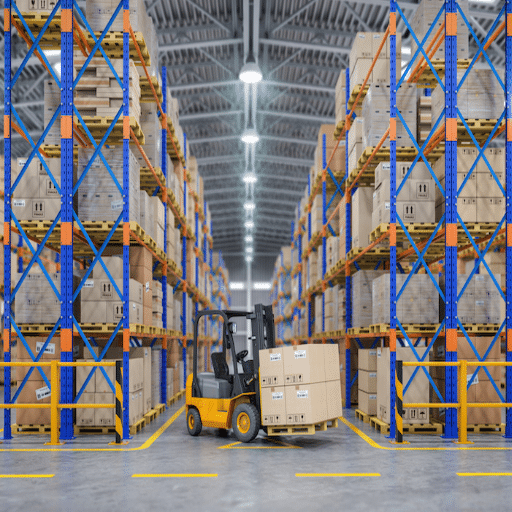
Warehouse racking systems are instrumental in industrial and commercial jurisdictions for the storage, organization, and ease of access of goods. Racking systems may be of the following:
- Selective Racking – It is one of the common systems whereby each pallet is accessible directly. Ideal for warehouses with a large inventory and varying stock turnover.
- Drive-In/Drive-Through Racking – Maximizes storage density by allowing for forklifts to drive inside the system. Best for handling large quantities of uniform products.
- Pallet Flow Racking – Gravitational rollers are installed to hold stock movement with FIFO orientation. Seen mostly in operations with timely, high-volume inventory.
- Cantilever Racking – Designed for long or bulky items, such as lumber, piping, or furniture. Open-front design permits flexible storage of materials that are not standard size.
- Push-Back Racking – Offers very high-density storage, with pallets placed on inclined rails for easy front-end retrieval. Implementable in a LIFO environment.
Storage media fulfillment is a function of storage capacity, inventory turnover, available space, and product type. Proper design and compliance with load capacity must be observed and maintained to optimize safety and operational efficiency.
Overview of Different Rack Systems
It is vital to align the abilities of a given rack system with one’s operations when selecting an appropriate rack system for their facility. Here’s a brief conceptual view of different types of rack systems and their basic uses:
| Rack System Type | Description | Best Use Case |
|---|---|---|
| Selective Pallet Racks | These are the most popular kinds of racks. Each pallet is accessed directly. They are useful where SKU diversity is high or storage density is low by comparison. | Best in FIFO systems and cost-effective when more weight is placed on accessibility rather than space optimization. |
| Drive-In/Drive-Through Racks | These systems maximize capacity by minimizing aisle space, allowing the forklift to enter directly into the system. Drive-In Racks are LIFO, whereas Drive-Thru accommodates FIFO. | Ideal for LIFO applications of large volumes of identical items, but are less adaptable for mixed inventories. |
| Push-Back Racks | Designed for high-density storage, push-back systems use inclined rails to hold multiple pallets per lane. New pallets push the older pallets farther to the back of the lane, hence a LIFO operation. | These systems tend to balance utilization of space versus time taken to retrieve pallets, working best for facilities that are dealing with fewer types of SKUs. |
| Cantilever Racks | Designed for long, bulky items such as lumber, pipes, or steel. Since the access is open-front, it gives much flexibility and is meant to support odd, oversized loads securely. | Perfect for storing non-standard sized materials that require flexible access. |
| Pallet-Flow Racks | Gravity-flow rails set up a dynamic system providing FIFO storage. Thus, for inventory that moves fast, they guarantee time-efficient rotation for perishable or time-sensitive products. | Ideal for high-volume operations with time-sensitive or perishable inventory. |
Each system has a distinct advantage depending on some factors like warehouse layout, inventory access requirements, and turnover rate. Choosing the right racking solution should be done after some thorough analysis of capacity calculation, design meeting industry standards, and long-term maintenance in mind, so that operations can be safe and productivity maximized.
Pallet Rack Safety and Load Capacities
Pallet racking safety is a matter of paramount importance for proper warehouse management and must comply with regulations and guidelines of OSHA, ANSI/RMI standards, etc. Safety starts with knowing what the racking system can actually hold, depending on equipment configuration, such as the length of the beams, height of the uprights, and so forth. If one overloads a rack, it may even cause an accident-worse, it may cause a rack collapse.
Usually, the manufacturers shall have their items rated for loading. The calculations would therefore consider the weight of pallets being static; however, dynamic forces may be faced during the operations of loading or unloading. Facilities also should be inspected to find places needing repair, inspection for physical damages that may translate to the performance impacts of a rack, such as bent beams, loose connections, or corrosion.
Safety Alert: Of special concern are other safety measures; these must be firmly anchored to the floor, wire decking must be used to distribute loads evenly, and forklifts should not be allowed to carry loads in excess of their rated capacity. Training employees in safe stacking practices, proper load placement, and reporting any structural irregularities is essential for compliance and accident prevention. Adoption of all these safety measures enhances operational efficiency while safeguarding life and inventory.
Factors Influencing Warehouse Racking Decisions
Warehouse racking choices are generally dictated by some main operational, spatial, and logistical considerations. Secondly, the kind of inventory dictates the racking decisions, as weight, size, and rate of product turnover dictate the capacity and accessibility needed for the system. High-density storage systems, such as drive-in racks, for example, can be used for high-volume, low-turnover goods, whereas selective racking systems are suitable for operations requiring frequent access to many SKUs.
Second, available warehouse space and ceiling height determine the configuration and scalability of racking systems. The facility has to mount vertical and horizontal space for storage maximization, while the width of the aisles must be in accordance with safety regulations and equipment maneuverability requirements.
The last few factors that matter are workflow considerations and material handling equipment. The type of forklift, aisle type (narrow, standard, or very narrow), and picking method (manual or automated) should all be compatible with the racking system to ensure their smooth integration into everyday operations. In other words, when considering these aspects, one wants the racking system to help increase overall productivity while adhering to all safety regulations and having the potential to change with the evolution of operations into the future.
OSHA Requirements for Warehouse Racking
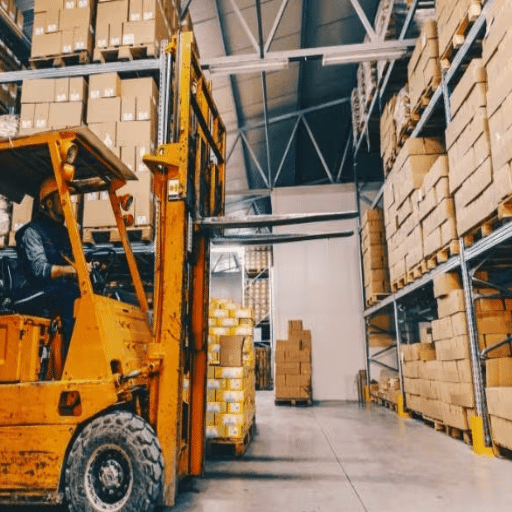
OSHA recognizes various standards for ensuring the safety of warehouse racking systems. Consider the following:
- Structural Integrity: Racking systems must be kept in safe working order, with no damage visible, bending, or corrosion to ensure the stability of the load.
- Load Capacity: Each rack must exhibit marked load limits to avoid overloading and potential structural failure.
- Anchoring and Stability: The racks must be anchored securely to the floor against any horizontal forces that may cause tipping or lateral shifting when subjected to heavy loads. Proper bracing must be provided to ensure lateral stability.
- Training and Inspections: Warehouse personnel should be trained in safely loading and unloading racks within their weight limits. Inspections should be carried out regularly to determine damage or wear, which would require repairs or adjustments.
- Aisle Clearance: In issuing widths, proper OSHA standards must be maintained to make space for handling equipment and ensure emergency access.
With OSHA standards followed, the warehouse will have racking systems that promote safety and operational efficiency, i.e., to reduce risks of accidents, and minimize the risk of regulatory non-compliance.
Key OSHA Requirements for Racking Systems
In the case of racking systems, safety of human life and compliance with local codes must be balustraded; OSHA, therefore, mandates, among others, these critical requirements:
Critical Safety Requirements
- Load Capacity and Labeling: Racking must be clearly marked for maximum load capacity. Overload of racks is not permitted as the very structure becomes compromised, and the racks can fail catastrophically.
- Installation and Anchoring: On installation, racks should follow the manufacturer’s instructions and be firmly anchored to the floor to prevent tipping or accidental movement. OSHA also stresses that any anchoring hardware must meet industry strength standards.
- Inspections and Maintenance: Regular inspections must be carried out to check for any damage, misalignments, or wear. Where found, damages must be repaired or replaced immediately to ensure the system remains stable and safe from warehousing accident incidents due to collapse.
- Aisle Dimensions: The Aisle Widths Must Conform With OSHA Standards, Such That There Is Enough Room for Motorized Trucks, Material Handling Equipment, or Emergency Evacuation. To Minimize Clashes and provide for Better Operational Flow.
- Employee Training: Workers must be adequately trained on safe loading and unloading procedures, stacking techniques, and hazard identification. This leads to a safety culture with a minimum level of human error.
- Material Storage Practices: Items in racks must be stacked with care to avoid shifting, falls, or exceeding the load limits of the shelves. Certain regulations govern the storage of different types of materials take the example of hazardous materials, there are even more regulations that must be complied with.
- Seismic and Environmental Considerations: In seismic zones or areas exposed to severe environmental conditions, the racking systems must have to comply with additional safety measures for the purposes of resisting such conditions.
Employers who obey OSHA regulations safeguard their workers, keep themselves out of legal trouble, and make the racking systems serve them.
Clearance Requirements and Safety Guidelines
The clearances required for racking systems prove to be important from the considerations of safety, regulations, and operational efficiency. The following are some of the more non-negotiable clearance standards as laid down by OSHA and other regulatory guidelines:
| Clearance Type | Requirement | Purpose |
|---|---|---|
| Overhead Clearances | Minimum of 18 inches from sprinkler heads | To ensure water streams will not be blocked in case of fire |
| Aisle Widths | At least 3 feet (36 inches) minimum | Allow for proper navigation by forklifts and other equipment |
| Wall and Structure Clearance | Approximately 3 inches from walls | Allows airflow, avoids moisture build-up, and minimizes structural interference risks |
| Separation of Hazardous Materials | Extra clearance per NFPA guidelines | Placement away from ignition sources, MAQs, and segregation from other materials |
| Height-to-Depth Ratio | 6 to 1 ratio should be maintained | Ensure stability of racking systems; systems beyond these limits need anchoring or stabilizing devices |
Keeping to these clearance and safety rules minimizes accident risks, facilitates OSHA and NFPA compliance, and enhances efficient warehouse operations.
Meeting OSHA Standards for Pallet Racks
The OSHA standards concerning pallet racks are of paramount importance in matters of occupational safety and regulatory compliance. Below are concise, authoritative insights based on an amalgamation of leading resources:
- Capacity Load and Labeling: OSHA insists that all racks for pallets have labels clearly indicating the loading capacity. Such labels must specify, for each beam and rack level, in gross weight, the maximum weight for which it can be safely considered. Thus, one must regularly enforce inspection and see that loads in question are not really in excess of those signed for.
- Installation and Structural Integrity: The rack systems must be laid according to the manufacturer’s instructions and engineered designs. The system must stand level and plumb, fully bolted and anchored so as not to move. The structural members must be free of dents, bends, or corrosion affecting their load-carrying capacity.
- The Worker’s Protection and Accessibility: The training must be completed for every worker with the pallet racking or in another way with it. The standards specify the need for guardrails or protective barriers to be installed in areas of high forklift traffic to protect workers and the racking structure from being hit.
- Clearance and Aisle Space: OSHA has specified adequate clearance between racks and walls or racks and machinery. Aisle widths must be adequate to allow space for the safe navigation of forklifts, fire requirements, and emergency vehicles.
- Routine Inspections and Maintenance: OSHA describes the importance of regularly inspecting the facility for damaged components or abuse. Each facility must create a maintenance plan to remedy hazards immediately and maintain the system’s safety and functionality.
Following these guidelines will ensure that the operation complies with OSHA’s laws and regulations and will also provide an additional point for the overall safety and efficiency of pallet racking operations.
Inspection and Maintenance of Warehouse Racking

Proper inspection and maintenance of warehouse racking are necessary for operational safety and the prevention of structural failures. These inspections ought to be routine in order to spot damage, such as bent beams, loose bolts, or rust. Damaged elements must be repaired or replaced at once in order to maintain the integrity of the system.
Maintenance procedures should include tightening of bolts, cleaning to prevent accumulation of debris, and verification that weight limits are not being exceeded. Ensure that logs are kept of inspections, including any action taken on recurring problems. Following these procedures will reduce risks and increase the lifespan of the racking system while ensuring that working conditions are safer.
Importance of Regular Inspections
In order to maintain safety, efficiency, and longevity, industrial racking systems require inspection. Inappropriately loaded industrial racking becomes a site for structural damage and loose components. Through inspections, minor instances are thus nipped in the bud. Best practice dictates that these inspections be conducted at least once a year, with subsequent inspections being staged after any major operational event such as heavy loading or impact.
These evaluations inspect the alignment, the weight distribution, and the structural integrity of the system. They ensure compliance with safety standards like OSHA or any local safety standards. It is very important to record every inspection because such records provide organizations with a compilation with which they can rectify the repeated deficiencies; a checklist to improve safety protocols; and guidelines to fulfill compliance requirements. Regular inspections ultimately ensure the safety of employees, safeguarding assets and operational efficiency.
Maintenance Strategies for Safety Compliance
With safety compliance to the utmost, an organization should have, beforehand, a multi-method maintenance activity integrating inspections, continuous record-keeping, and the interfacing of the standards. A preventive maintenance schedule is the key to spotting hazards before they have eventual failure or accident. This comprises conditions of lubrication for machinery, replacement of the parts, or calibration of the safety systems, so that good working conditions can be ensured for all equipment.
Besides, organizations need to stay abreast of the regulations imposed by various governing bodies, such as OSHA, ISO, or industry quality standards, because the compliance requirements may change. This can be facilitated with the use of computerized maintenance management systems (CMMS) through automated schedules, real-time tracking, and efficient report generation. The other area of paramount importance is employee training, in that adequately trained workers will recognize risks and implement proper safety measures in their activities.
Periodic audits will be performed to confirm the consistent implementation of the safety procedures and development in workplace conditions. By aligning these risk mitigation measures with company targets, productivity gets promoted alongside a safety culture. Successful companies, through a blend of technology, regulation, and their stance on safety at work, achieve sustainable compliance and operational excellence.
Documenting Inspections and Compliance
Inspection and compliance would be effectively documented with accurate, detailed, and easy-to-access records. As a first step, organizations will need to run inspections that form the standardized procedures for documentation and utilize technology-digital tools such as templates, mobile apps, and databases to simplify data input and decrease human error. An inspection record will have to contain some essential information, such as dates, locations, inspection criteria, findings, corrective actions, and timelines for follow-up.
Additionally, compliance documentation shall comply with relevant local, federal, or industry-specific regulations, ensuring that such records are audit-ready and meet requirements under the law. It is also imperative to introduce automated compliance tools for tracking deadlines, generating reports, and staying abreast of recent updates in regulations and laws so that such documentation efforts are highly reliable. Direct communication between departments and assigning responsibilities for record-keeping are essential in order to maintain consistency and transparency across the organization.
Documentation processes should be reviewed periodically to pinpoint inefficiencies, incorporate technical developments, and ensure the concurrent compliance requirements are still being addressed. With the best documentation in place, a company will explicate its stand toward safety, fulfilling regulatory requirements, and continuous evolution for the long-term sustenance of operations.
Compliance and Best Practices

Compliance rests upon the factors of laws, regulations, standards, or guidelines, environmental, and working environment that the organization must follow in a given industry domain. This brings about the necessity of fleshing out clear policies, conducting audit checks on a scheduled basis, and making sure that there is training for all concerned employees so that they stay informed about changes in regulations. Besides, compliance management software could be employed to facilitate workflow, avoid risk, and increase accountability. Prioritizing these can help companies to meet their legal responsibilities and build trust with stakeholders, and aim for sustainable growth.
Meeting OSHA Requirements for Warehouse Racking
OSHA points out that a business operation involving warehouse racking has to consider such aspects as structural soundness, proper utilization, and inspections on a scheduled basis. All of the OSHA codes and standards list installation and use of such racking as a requirement, as deemed by the manufacturer’s specifications, or if not so specified, conforming to load capacities. It is recommended that racks be labeled with their maximum load to prevent overloading and thus compromise safety.
Maintenance and inspections must be done regularly. OSHA suggests checking the racking systems to ascertain whether any type of damage (such as bent beams or loose connections) has occurred that can affect the integrity of the system. It is required that any damaged parts shall be fixed or replaced without delay. Also, the racks shall be securely anchored to the floor to prevent them from tipping or becoming unstable, which is another aspect often cited in OSHA guidance.
In ensuring safety, facilities ought to adequately maintain a clear aisle and good stacking. Staff members should be made aware of how to load and unload safely to prevent hazards. Following the above will ensure that safety laws are complied with and that occurrences and hefty penalties are minimized.
Training Employees on Safety Requirements
My safety training would intend to hold regular training courses for the OSHA standards, equipment handling, and emergencies. The training would include theory and practical demonstrations according to the hazards of our workplace. The refresher courses and reference resources, like manuals and checklists, would be provided as well to keep on top of compliance and understanding.
Implementing a Safety Management System
A safety management system (SMS), in simple terms, means a planned and proactive approach to designing and managing a work environment safe for all Varley 2005). This encompasses hazard identification, risk assessment, and controls to mitigate potential hazards. The major components of an SMS are policy development, planning, risk management, safety assurance, compensation, incentives, and employee engagement.
The Safety Policies and Objectives
Create safety policies in accordance with the regulations, such as OSHA; the objectives are then set to be measurable. These should be supported by leadership, whose commitment should instill safety as a shared core value.
Risk Identification and Assessment
Conduct regular hazard assessments using Job Hazard Analysis (JHA) or Failure Mode and Effects Analysis (FMEA); prioritize hazards according to severity and probability, and mitigate the hazards through engineering or administrative controls.
Safety Training and Communication
Provide workers with the knowledge and skills they require to safely execute their job assignments through a well-rounded training program. This program is established in line with regulatory standards and associated risks for particular job descriptions. Workers must feel free to report hazards and near-misses.
Continuous Improvement and Monitoring
Deploy a system to facilitate incident reporting, auditing, and performance tracking. Use the data collected, such as incident rate or near misses that are reported, to track emerging trends or highlight states that require immediate intervention. The safety programs are then reviewed on a timely basis, and adjustments are made in response to emerging risks and changes in the workplace.
Integration and Stakeholder Engagement
An effective Safety Management System (SMS) embeds its safety practices into the operational processes, and a cross-functional collaboration is undertaken in which employees of various departments engage in the execution of safety activities.
By putting these components into service, organizations can create a framework that is both solid enough to bring about compliance and that enhances their operational effects, along with worker well-being.
Conclusion: Building a Culture of Safety and Compliance
OSHA standards for warehouse racking are not merely regulatory checkboxes—they represent a fundamental commitment to worker safety, operational excellence, and business sustainability. By understanding and implementing the comprehensive guidelines outlined in this article, warehouse managers, safety officers, and business owners can create environments where employees work confidently, inventory is protected, and operations run smoothly without the looming threat of accidents or penalties.
From selecting the appropriate racking systems to conducting regular inspections, maintaining proper clearances, and training employees thoroughly, each element contributes to a holistic safety management approach. The investment in OSHA compliance pays dividends not only in reduced accident rates and avoided fines but also in improved employee morale, enhanced productivity, and stronger stakeholder trust.
Remember that warehouse safety is an ongoing journey, not a destination. Regulations evolve, equipment ages, and operations change. Staying proactive with regular training, inspections, documentation, and system updates ensures that your warehouse remains a model of safety and efficiency. By prioritizing OSHA compliance and fostering a culture where safety is everyone’s responsibility, you create a workplace where both people and profits thrive.
Key Takeaways
- OSHA compliance is essential for protecting workers and avoiding costly penalties
- Proper racking system selection depends on inventory type, turnover rate, and warehouse layout
- Load capacity labeling and adherence are critical to preventing catastrophic failures
- Regular inspections and maintenance are non-negotiable requirements for safe operations
- Employee training creates a culture of safety and reduces human error
- Documentation of inspections and compliance activities provides essential legal protection
- A comprehensive Safety Management System integrates all safety practices into daily operations
Reference Sources
1. EJM Chain Fall Tooling Optimization (2018)
2. Why Warehouse Rack Safety is Important (InCord)
3. A Case Study Analysis of Hazard Identification, Risk Assessment, and Risk Control (HIRARC)
Frequently Asked Questions (FAQs)
What are the OSHA requirements for warehouse racking?
The major OSHA regulations for warehouse racking include proper installation, load capacities, and maintenance considerations for racking systems. In essence, these regulations ensure that a racking system is safe to be used and prevent any accidents from happening within the workplace. Compliance with OSHA standards should always exist in order to ensure a safe warehouse environment.
How do I ensure my warehouse racking systems meet OSHA standards?
To ensure that your warehouse racking systems comply with OSHA standards, you should inspect your racks for damage periodically and ensure that the load capacities specified by the manufacturer are followed. Ensure installation is done correctly, and maintenance is conducted regularly. Training of warehouse employees on racking safety again secures compliance with OSHA requirements.
What are the safety guidelines for pallet racking systems?
Some technical safety considerations for pallet-racking systems include guaranteeing that all racks are properly anchored to the floor, checking for any signs of rack damage, and ensuring clear access to emergency exits. Likewise, it is important to load the racks in a manner that will not exceed the given load capacities; employees should therefore be trained in such proper loading techniques to ensure that racking systems are not rendered unsafe.
I have to do what when I discover damaged racks in my warehouse?
Damaged racks found in a warehouse are immediately put out of service while their degree of damage is analyzed. Repair or replacement of damaged racks is necessary to meet OSHA requirements and to ensure safety standardization among warehouses. Regular inspections are a cause to bring attention to minor issues before they grow into major ones.
What are the clearances required for warehouse racking?
The requirements for the clearance in warehouse racking differ depending on the type of racking system used and what is being stored. OSHA usually advises that, while maintaining adequate clearance between racks and overhead structures, such clearance should be sufficient to permit safe and convenient material handling and, at the same time, preclude hazards. Always check OSHA standards and manufacturers’ specifications for specific clearance requirements.
How is it possible to maintain compliance with OSHA standards for racking systems?
Ensuring compliance with OSHA standards for racking systems involves regular inspections, keeping racking in good condition, and training employees. Additionally, keeping records of inspection and maintenance activities is advisable as it will show compliance with OSHA requirements while maintaining a safe working environment.
What are the legal requirements for warehouse racking?
Typical legal requirements for warehouse racking include the need to comply with OSHA regulations, which require that storage must be safe, racking systems be properly installed, and that should be maintained in a workmanlike condition. Racking shall also be used within load capacities specified by the manufacturer, or else OSHA citations may be issued, and workplace safety may be jeopardized in the process.
How does OSHA establish compliance with racking standards?
OSHA establishes whether a racking system complies with its standards by inspecting occupational settings. Inspectors verify the safety and structural soundness of racking systems, look for damage, and assess the adherence to proper safety practices. Failure to meet the standards can have the consequences of penalties and citations, thereby stressing the need to comply with OSHA standards.