Safety and compliance are the foremost concerns when dealing with hazardous materials. The companies that utilize chemical manufacturing or industrial warehouse services, among others, have to make sure that their storage practices are in line with the regulations, and at the same time, they provide safety for workers and the environment. Hazmat pallets are the solution in such a case. These pallets, which are specifically created for safe storage and effective spill containment, help to reduce the risk of leaks, spills, and contamination. The main focus of this article is on these crucial tools that ensure the workplace is safe, the environment is protected, and all regulations are complied with. If you are a novice at handling hazmat or you simply want to improve your current storage, you will certainly find this guide to be full of useful insights that will help you make the right choices.
Understanding Hazmat Pallets
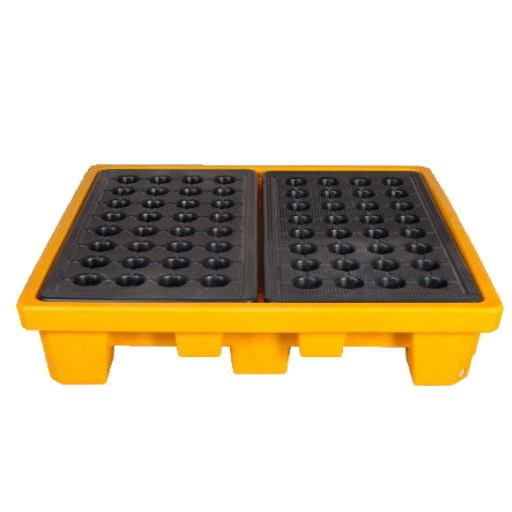
Hazmat pallets are the kinds of platforms that are specifically designed for the safe storage and handling of hazardous materials. They are constructed in such a way that spills and leaks are contained, which minimizes the chances of environmental pollution and workplace accidents. Usually, these pallets are made of strong and chemical-resistant materials and have features such as edges that are higher than the main surface or built-in sump systems for collecting any spilled liquids. By using hazmat pallets, companies can meet the safety regulations, safeguard their workers, and contribute to the protection of the environment.
Definition and Purpose of Hazmat Pallets
Hazmat pallets, or spill containment pallets, are very important devices that are meant to store and handle hazardous materials like chemicals, oils, and other substances that are potentially dangerous, safely. Their main function is to reduce the risks that could be caused by accidental spills and leaks, thus supporting businesses in adhering to environmental regulations like the Resource Conservation and Recovery Act (RCRA) and the Occupational Safety and Health Administration (OSHA) standards.
These pallets are usually made of high-density polyethylene (HDPE) that is chemical-resistant or steel, which is both very durable and resistant to corrosive materials. There are some models that come with sump capacities having a range from 20 gallons to over 100 gallons, which means they can contain a huge spill. Furthermore, hazmat pallets are usually made with grating systems for easy cleanup, and the surfaces are made non-slip to enhance safety during the loading and unloading of the materials.
According to the latest statistics, the industries that deal with bulk liquids or hazardous substances have become more dependent on hazmat pallets to avoid being charged with fines or penalties resulting from non-compliance with safety regulations. A research project has shown that companies that take proper spill containment measures, including the use of hazmat pallets, experience a reduction in environmental risk of up to 70%. This highlights the role of these tools in ensuring workplace safety and environmental protection. Therefore, hazmat pallets turn out to be a cost-effective and reliable option for businesses that take safety and sustainability in their operations as their top priority.
Types of Hazardous Substances Suitable for Hazmat Pallets
Hazmat pallets are specifically crafted to handle a variety of hazardous materials with the utmost care and concern for safe storage and spill containment. Hazmat pallets’ range of hazardous materials is quite large, and some of them are listed below:
- Flammable Liquids and Chemicals – Fire hazards such as gasoline, diesel, alcohol, and cleaning solvents are depicted to be almost completely managed when the products are stored on hazmat pallets because of the absence of leaks and minimized risk.
- Corrosive Chemicals – Acid, bases, and other corrosives are very destructive to surfaces, containers, and skin, but their negative effects can be neutralized by using the durable and resistant hazmat pallets.
- Toxic Substances – Pesticides, industrial-grade cleaners, and chemicals that can endanger human health are some of the toxic substances which will not be able to get into contact with humans when hazmat pallets are used for storage, since they will be exposed to non-lethal doses or contamination.
Regulatory compliance requirements are met by the design of hazmat pallets while simultaneously providing a strong solution for the eco-friendly and efficient handling of different types of hazardous materials. All commerce sectors can make use of these pallets to keep workers, buildings, and the environment safe.
Importance of Spill Containment in Hazardous Material Storage
The storage of hazardous materials requires spill containment to be implemented as a primary measure in order to eliminate the possibilities of leaks and spills that would lead to environmental degradation, health hazards, or regulatory non-compliance. Accidental release of hazardous substances, which include but are not limited to chemical spills, is minimized through the use of proper containment systems like spill pallets and secondary containment units. Moreover, these systems reduce clean-up time and costs associated with liability because they comply with environmental laws and workplace safety standards, including EPA and OSHA regulations. Industrialists, by implementing spill containment measures, are not only ensuring the safety of their operations but also that of the communities and ecosystems surrounding them.
Features of Steel Spill Pallets

| Feature | Description |
|---|---|
| Durability | Steel spill pallets are made to endure even the toughest conditions and to last with minimum maintenance. |
| High Weight Capacity | They hold very large weights easily; hence, they are perfect for keeping large barrels and containers. |
| Corrosion Resistance | Several steel spill pallets are fashioned with such a property that their coming into contact with moisture and air does not spoil them; thus, their longevity is assured in all sorts of places. |
| Leak Containment | They are made to catch and hold spills, thus ensuring the non-release of hazardous materials. |
| Compliance | These pallets are within the law as far as controlling spills and storing hazardous materials is concerned. |
| Ease of Maintenance | Maintaining cleanliness and keeping up the general standard of the pallet is very easy, thus cutting down on the time and cost of labor substantially. |
Benefits of Using Steel for Spill Containment
Steel spill containment solutions are exceptionally durable and reliable, which undoubtedly makes them the best option for those industries that deal with hazardous materials. One main reason why steel is so good is its high-strength-to-weight ratio, which provides a guarantee of good performance even in extremely heavy loads. Research shows that steel can bear environmental conditions, including very high and very low temperatures and physical impacts, to a far greater extent than plastic, so that the latter eventually leads to the former’s longer life span of spill containment systems.
Chemical degradation is also a factor to which steel is particularly resistant. Several steel spill pallets come with coatings that specialize in the area, like epoxy or galvanized finishes, and thus, their capacity to overpower corrosive substances is enhanced. This very factor makes it sure that the containment system is still working after a long time, which in turn leads to less frequent replacement costs and fewer leak-related risks.
Another thing that steel has going for it is that it is highly sustainable, since it is 100% recyclable material. It is reported that, after recycling, the steel continues to have the same quality as the newly produced one, hence, encouraging eco-friendly practices in handling industrial waste through responsible management. Moreover, even more, the steel spill pallets are made in such a way that they meet or beat the very strict EPA and OSHA regulatory requirements. Thus, the businesses are in a position of being certain about not only maintaining their compliance with the governing bodies but also about the safety of their workers in the process.
Finally, what can you say about steel spill containment solutions? They are easy to maintain and clean due to the fact that their surface is non-porous, so that it will not absorb hazardous liquids so easily. This situation not only cuts down on labor costs but also provides the opportunity to have quick response times in dealing with the spills. Organizations that switch to steel-based systems can expect increased operational efficiency and safety for the environment.
Design and Construction of Steel Spill Pallets
Steel spill pallets are designed to last a long time, work very well, and at the same time, be in compliance with environmental laws. A strong design usually incorporates a heavy-duty welded steel building, which not only guarantees great strength but also protects against chemical attacks. Moreover, the pallets have a protective coat, such as powder coating, that adds to their durability and prevents rust, thus making them suitable for use in very rough industrial areas for a long time.
The construction of every steel spill pallet has the feature of containment sumps, which hold the leaks, drips, or spills safely. The sumps are built to surpass the regulatory requirements, like those of EPA and OSHA, by having a volume big enough to take care of the leakage. The pallets usually have grated surfaces or removable decks as their features, which allow for easy placement of containers and access for cleaning.
Often, there are customization options available that take into account the specific operational needs, like multi-container capacity, forklift pockets for portability, and load-bearing reinforcements. This flexibility in design makes steel spill pallets a necessary device in the industries that deal with hazardous materials, as they offer a dependable solution for improving the safety of workers and protecting the environment.
Comparison of Steel and Stainless Steel Spill Pallets
Steel and stainless steel spill pallets have their specific benefits, which are matched to different industrial needs. The standard steel spill pallets are appreciated for their strength, low costs, and wide applicability. They are highly used in places where the risk of using extremely corrosive chemicals is very low. But, in places that are very humid or that expose steel to chemicals, they might need extra coatings or maintenance.
Conversely, stainless steel spill pallets operate effortlessly in corrosion-prone and difficult sectors. Their non-corrosive qualities make them very suitable for the pharmaceutical, food processing, and chemical manufacturing industries, where hygiene and strength matter the most. Usually, the stainless steel pallets have a higher upfront expenditure; however, the long life and low upkeep requirements may present one with savings over time.
The ultimate decision that needs to be made concerning the steel spill pallets and the stainless steel ones is based on the type of application, levels of chemical exposure, and budget constraints. By considering these aspects, companies will be able to make a suitable choice that will fulfill their needs both in terms of operations and safety.
Effective Use of Spill Pallets

For the proper use of spill pallets, they should be installed only on level and firm ground to prevent tipping or spillage from happening. Examine the pallets routinely for any damage or wear in order to maintain the packages’ effectiveness and usability. Moreover, incompatible containers shall not be stored on the pallets, and their weight should be within the pallet’s limit. Any spills that have been collected in the sump must be cleaned immediately to prevent overflowing and, hence, to remain within the boundary of environmental regulations. Training the employees properly in the handling and storage methods will make the usage of spill pallets safer and more efficient as well.
Guidelines for Storing Hazardous Materials on Pallets
In order to securely store hazardous materials on pallets, it is always important to use pallets that are specially made for the containment of such materials. For example, chemical-resistant spill pallets. Then, safe and compliant storage will be followed by the guidelines listed below:
- Identify and Segregate Materials: Hazardous materials should be classified and kept apart based on their chemical compatibility. For instance, do not store acids and bases together, or flammable materials with oxidizers, as they might ignite or explode through unintended chemical reaction.
- Weight Distribution: Do not load the pallet with a weight that is more than its maximum weight limit. Also, spread the load evenly on the pallet so that the chances of tipping or the failure of the structure will be eliminated.
- Contain Spills: It is good to use pallets with a containment feature or a sump to capture any leakage or spills. The sump for liquid should be regularly checked and, if necessary, the accumulated liquid should be removed to prevent overflow and contamination of the environment.
- Labeling and Accessibility: The contents and hazards associated with all containers must be clearly indicated. Make sure they are in a position where they can be easily accessible and that they are stored in a manner that promotes safe handling and inspection.
- Ventilation and Temperature Control: The storage area of hazardous materials should have good ventilation to avoid the accumulation of harmful fumes, thereby preventing their inhalation. The temperature levels should be set according to the requirements of the different materials.
- Regular Inspections: Storage areas, pallets, and containers should be checked regularly for any indications of damage, wear, or leaks. To mitigate risks, any problems should be regarded as urgent and resolved without delay.
- Compliance and Training: Make it a point to always comply with OSHA, EPA, and other relevant regulations. Provide workers with thorough training on safe handling and emergency response procedures.
The above practices can help to a greater extent in the minimization of risks that are related to the storage of hazardous materials and, thus, contribute to the safety and regulatory compliance.
Maintenance and Inspection of Spill Pallets
The proper maintenance and regular inspection of spill pallets are vital to guarantee their maximum efficiency and compliance with the regulations. Start off with a visual inspection of the pallets, looking for cracks. You can check if any warping occurred or if there is any other structural damage that can affect the integrity of the pallets. Make sure that the sump area is cleared of any materials that can block the containment; during inspection, make sure that the sump area is cleared of any materials that can block the containment. Clean the pallets regularly with non-abrasive cleaning agents to keep their durability and effectiveness.
During the inspection, confirm that the pallets hold the proper rating to carry the weight and type of containers placed on them, as overloading is a primary reason for failure. All the drains or valves should be checked to be secure and functioning, with no leaks. Be sure to keep records of inspections and maintenance activities as proof of compliance with safety guidelines and the standards of the industry. By implementing these steps, spill pallets will continue to be a dependable solution for hazardous material control.
Best Practices for Spill Response and Cleanup
The spill response and clean-up processes being effective are really important for the safety measures to be in place and for the environmental impacts to be reduced. Below you will find some of the best practices that are followed:
Immediate Response
- The first step in case of a spill is to identify it and check the potential risks to the people, assets, and environment.
- After that, the second step is to contain the spill immediately with the help of the right tools, like absorbent pads, booms, and spill kits, etc., so that it does not spread.
Protective Measures
- All the spill responders must at all times be properly equipped with personal protective equipment (PPE) that will protect them from hazardous substances.
- The area should be isolated so that unauthorized people do not have access and thereby reduce the risk of exposure to harmful materials.
Containment and Cleanup
- Select the best method of containment regarding the type of material that is spilled, e.g., bunding, diking, or sealing drainage systems.
- Via the use of claims or vacuum equipment, the removal of spilled materials should be done carefully, and at the same time, the waste must be properly segregated and disposed of according to local regulations.
Documentation and Reporting
- Detail the spill in the record, containing its size, type of material, and response measures taken.
- Notify the relevant regulatory agencies if necessary, and conduct a review of the incident to detect opportunities for improvement.
Training and Preparedness
- Organize regular training and drills in spill response for all employees, so they can be sure of their familiarity with the procedures and the equipment.
- Keep an up-to-date and easily accessible spill response plan, as well as ensuring that all the necessary tools and kits are available on-site.
Facilitating these actions guarantees that the spill collection and cleaning are done properly while at the same time not violating rules regarding nature and safety. Additionally, the preparedness of the firm can be further improved through frequent reviews and updates of the response procedures for the incidents to come.
Applications of Hazmat Pallets

Hazardous materials pallets are necessary for the safe storage and transportation in the industry that handles hazardous materials. They are made to hold leaks, spills, or drips and thus reduce environmental risks and protect workers. Typical applications are chemical manufacturing, oil and gas operations, labs, and warehouses with corrosive or flammable materials. By giving containment and adherence to safety regulations, hazmat pallets are instrumental in the responsible management of hazardous waste.
Industries That Benefit from Spill Containment
Spill containment solutions are vital for a variety of sectors to stop pollution and to be in line with safety regulations. The main sectors include:
- Chemical Manufacturing – Plants that produce, store, or handle huge amounts of chemicals make substantial use of spill containment systems to avoid the accidental leaks that might hurt workers or the environment around them.
- Oil and Gas – The refineries and drilling locations apply the measures of containment to cope with the risks that come with oil spills, which could be very expensive and damaging to the environment if not contained quickly.
- Pharmaceuticals and Laboratories – The laboratories that deal with dangerous or reactive chemicals rely on the spill containment products to create safe areas for working and to prevent contamination.
- Food and Beverage – Containment measures are mainly used in this industry for cleaning agents, solvents, and other chemicals to ensure the safety of both employees and the product.
- Automotive and Manufacturing – Plants that have hydraulic fluids, lubricants, or industrial solvents take advantage of spill containment to reduce the impact on their operations and to fulfill the requirements of the authorities.
These industries count on spill containment solutions specially designed for their needs in order to reduce risks, secure safety, and improve compliance with environmental norms.
Case Studies of Effective Spill Management
1. Oil Spill Containment in the Energy Sector
An offshore energy company was during routine operations at a significant risk of an oil spill during routine operations. The company quickly and effortlessly contained the spill with the help of a pre-planned spill response system that included booms and skimmers within 24 hours, and as a result, averted a disaster of environmental impact. Contingency planning together with continuous staff training strictly followed, were the two major factors contributing to the quick response. This incident underlines the necessity of quick action and the right resource allocation for the effective control of hazardous spills.
2. Chemical Spill Response in Manufacturing
A manufacturing plant had a big problem when its hazardous solvent was accidentally discharged as a result of equipment failure. The company managed to trap and clean up the liquid very quickly as it immediately made use of the spill kits that are placed strategically around the facility, ensuring. The team also adhered to their emergency response list, thus limiting exposure risks and preventing fines from the regulators. Their successful response has highlighted the significance of spill response tools being easily accessible and employee preparedness.
3. Wastewater Management in Municipal Facilities
A municipal wastewater treatment facility encountered an overflow event due to heavy rains and system malfunctions. The facility put into practice the secondary containment systems and thus redirected the surplus discharge and kept the nearby water sources from becoming polluted. Besides, the facility has upgraded its infrastructure and modernized its monitoring systems to minimize environmental impacts and avoid significant penalties. The present situation in the case demonstrates the necessity of proactive infrastructure upgrades in preventing large-scale spill incidents.
The above-explained cases vividly show that a combination of preparation, effective tools, and prompt action is vital in mitigating the risks associated with spills across different sectors.
Innovations in Spill Pallet Design
The recent design developments of spill pallets are primarily focused on enhancing functionality, durability, and environmental friendliness. The remarkable innovation is to use high-density polyethylene (HDPE), which guarantees chemical and corrosion resistance, thus rendering the pallets applicable to a wide range of industrial uses. Modular designs have been in trend, as well, where the user can easily join several pallets together, thus increasing the flexibility for larger containment areas.
In addition to this, another major improvement is the utilization of low-profile designs that make accessibility easier and lessen the manual handling hazards. Most of the contemporary spill pallets are fitted with drainage systems that allow the liquid removal to be quick and safe, which in turn reduces the downtime during spill management. On top of that, some of the manufacturers have even started to make use of recycled materials in the manufacturing process to lessen the environmental impact, which is in line with sustainable practices.
The modern spill pallets that are not only able to meet the regulatory requirements but also solve the problems associated with the need for convenience, safety, and eco-friendliness in the spill containment solutions are the ones that the industry has committed to through these innovations.
Regulatory Compliance and Safety Standards
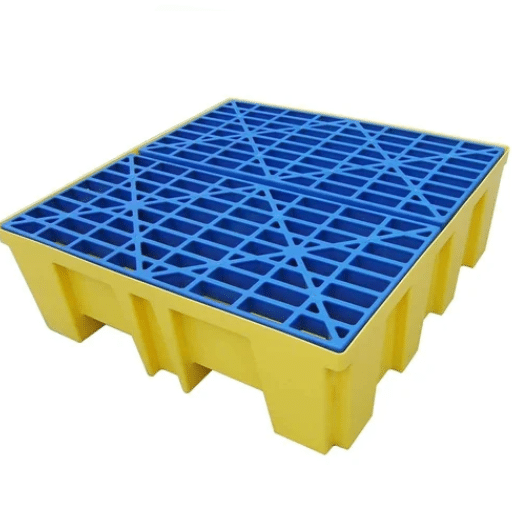
Spill pallets must follow the regulatory framework of the Environmental Protection Agency (EPA) and the Occupational Safety and Health Administration (OSHA), among others. The regulations state that these pallets must be able to hold spills completely, and thus, no environmental damage and no hazards in the workplace would occur. One of the main points is that they have to have enough capacity for the spill—usually this means 110% of the largest container that is kept in that area—and strong enough materials to resist chemical attack. Being compliant means not only the legal safety obligations, but also that environmental protection is taken care of properly.
Understanding Regulatory Requirements for Hazardous Material Storage
To be compliant with the hazardous material storage regulations, the facilities should meet certain important requirements:
- Containment and Spill Prevention: All storage systems, including those with spill containment pallets, should comply with the secondary containment rules. As stipulated by OSHA and EPA regulations, they should usually be able to retain 110% of the volume of the biggest stored container, so that leaks will not penetrate the environment.
- Proper Labelling and Segregation: It is imperative that all hazardous substances be prominently marked with the proper safety data and that they be kept in storage according to the most favorable conditions. The keeping apart of adverse substances, for instance, oxidizers and flammables, is of tremendous importance in order not to have unintentional reactions.
- Durable and Resistant Storage: Storage units have to be made of materials that are resistant to corrosion or degradation via hazardous chemicals, thus making them safe and functional for the long term.
- Fire and Safety Measures: Fire prevention methodologies, such as keeping flammable materials away from ignition sources, should be among the facility’s strategies. Besides this, full adherence to the NFPA codes concerning fire safety is to be observed at all times.
- Routine Inspections and Training: Regular inspections of storage areas, together with employee training on proper methods used for handling and responding to spills, will help to keep compliance and safety in the workplace.
The application of these regulations by businesses not only minimizes risks but also guarantees employee safety and environmental protection while at the same time being compliant with the law. Always refer to the most current OSHA, EPA, and NFPA guidelines for the specific regulations that apply to your industry.
Safety Standards for Spill Containment Solutions
My priority is to implement the right containment systems according to the specific materials we deal with, so I can guarantee that the spill containment solutions meet safety standards. I conduct regular inspections of these systems and conduct training for the staff on the right procedures for spill response and handling. It is crucial to remain informed about the OSHA, EPA, and NFPA regulations in order to not only comply but also to protect the safety of the workplace and the environment.
The Role of Spill Pallets in Compliance with Environmental Regulations
Spill pallets play a crucial role in meeting the requirements of environmental regulations, like those set forth by OSHA, EPA, and NFPA. These pallets, which are specifically made to prevent and control spills, act as a secondary containment by absorbing leaks and overflows from drums and containers, thus cutting down the chances of pollution. Depending on the type of hazardous materials, such as fuel, oils, and chemicals, different sizes and materials of pallets are offered.
For instance, spill containment pallets not only guarantee businesses the EPA’s Spill Prevention, Control, and Countermeasure (SPCC) regulations but also help avoid taking measures, which the regulations talk about, to prevent oil spills from contaminating waterways getting contaminated. Also, OSHA regulations stress very much the safety of workers while dealing with toxic substances, which spill pallets do by reducing the danger in the workplace. Similarly, NFPA recommendations point out the importance of good containment as it helps in lessening fire hazards linked with the storage of flammable liquids.
Thus, installing spill pallets and following up with good storage practices, companies can not only protect the environment and workers but also remain on the safe side of the law by not incurring any fines. Conducting regular inspections and providing training to the staff are ways to complement the use of spill pallets, which help in ensuring compliance and developing a culture of safety.
Reference Sources
1. Knowledge-Based Supply Chain Network: A Simulation Application Design Configured with RFID
2. Operational Concept of an Innovative Packaging Management System
3. Introducing an Intelligent Goods Service Framework
Frequently Asked Questions (FAQs)
What are spill pallets and how do they work?
Spill pallets are specially made devices that are meant to take care of the containers, for example, 55-gallon drums, and are not only intended to hold them but also to prevent, more specifically, to contain the whole process of hazardous liquids coming out of the containers through spills or leaks. They come equipped with a spill tray or a containment area, which mechanisms are designed to catch any drips and leaks that may occur, thus securing the fact that the whole stored matter will not pollute the environment around.
How do steel spill pallets compare to other materials?
Steel spill pallets, galvanized steel ones included, are the perfect solution for the plant’s harsher environments, and they can accommodate aggressive chemicals due to their strength and resistance to corrosion; thus, they are always good for the job. On the contrary, wooden pallets can fall apart, and the steel spill pallets are just the opposite—they can bear the worst and still be unbroken by lots of hazardous chemicals.
What is the purpose of a spill tray in spill pallets?
A spill tray indeed plays a very large part in the whole scenario; it is one of the main parts of spill pallets, providing a measure of protection by collecting spills coming out of the containers kept there. It is an advantage for the environment because, by this practice, a facility would be preventing ground-polluting substances from entering the ground.
Can spill pallets accommodate 2 drums or 55-gallon containers?
Spill pallets are designed in such a way that they can accommodate both 2-drum and 55-gallon types of containers without any problem. The drums can be kept there out of the way, and at the same time, the pallet’s capacity maximizes the area for possible spillage.
Are there lightweight options for spill pallets?
Lightweight spill pallets currently do exist and are usually made with synthetic materials such as poly. Outdoor applications where weightlessness and easy handling are critical are the prime scenarios where these types of spill pallets are used—they can be easily moved by forklifts.
How can I test and certify my spill pallet?
Testing and certifying your spill pallet can be done by performing leak tests to see if it is up to the required containment capacity of the area. Always check for the presence of wear or corrosion, especially in steel models, as they can sometimes go unnoticed but are very crucial in keeping the company compliant with safety regulations.
What are the best practices for using spill pallets outdoors?
If you want to place spill pallets outdoors, it is very important to make sure that they are located on stable ground and are not exposed to harsh weather. It is a good idea to do inspections often to see if there is still no damage and to have the pallets ready with spill trays for containing any leaks from the chemicals that are aggressive.
What should I do if my spill pallet has drips and leaks?
In the case of your spill pallet showing signs of drips and leaks, it is very important to tackle the problem right away. The first thing you need to do is take the stored items out, then the next step is to clean the pallet thoroughly. Last but not least, you will have to check if there is indeed no damage to the pallet. If it turns out that the pallet is rusted or weakened, it will be necessary to strike that one out of the system for the sake of safety and compliance.