Choosing the correct pallet size is an important factor in all aspects of supply chain management, guaranteeing safe transportation and compliance with regional regulations. Whether your shipments are within the US, across Europe, or anywhere in the world, it is a must to have a good knowledge of different pallet sizes for smoothly running and inexpensive operations. This manual provides a detailed explanation of the most commonly utilized global standard pallet dimensions, listing US, Euro, and international requirements. By the end of this post, you will have developed a good grasp of the factors to consider when selecting a pallet that perfectly suits your logistics requirements, which in turn will allow you to save time, cut costs, and minimize the risk of disruptions. Let’s take a closer look at the sizes and special uses of these pallets to enhance your global shipping strategies.
Pallet Specifications and Dimensions
Understanding Standard Pallet Size
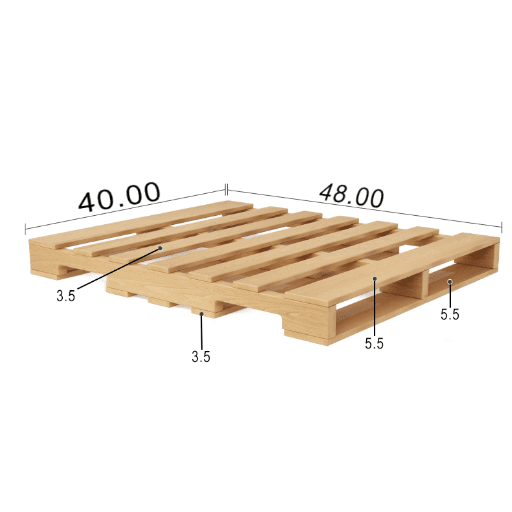
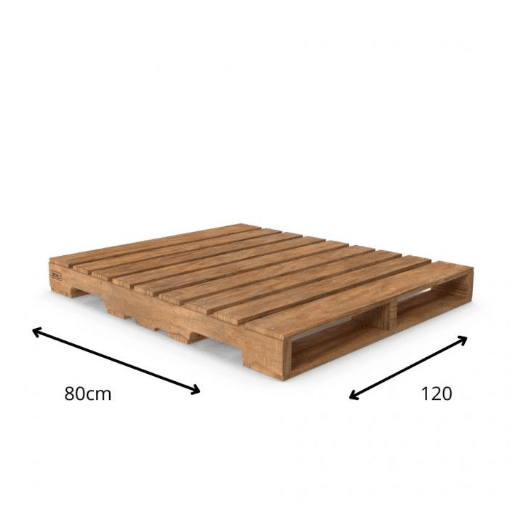
The standard sizes of pallets differ from one region to another as well as one industry to another. Largest pallet size in the United States, measuring 48×40 inches that is also called the GMA pallet, which is the main and common size in the grocery and retail industry. Meanwhile, the pallet in Europe which is called the Euro pallet, has the dimensions of 1200x800mm with the purpose of fitting in the standard European truck sizes. Other dimensions like 42×42 inches and 48×48 inches are also used in different parts of the world, mainly for shipping drums or the suitability for accommodating container dimensions. The knowledge of these differences is very important because it will help in making the right choice of vehicles for transporting, getting the right storage system, and meeting the cargo requirement, thus keeping your logistics activities efficient.
Pallet Size Overview
The world has a number of standard pallet sizes but still, every country has its own unique requirements in terms of transportation and storage. The Euro pallet with a size of 1200x800mm is a typical example as it is designed for the European truck sizes. The United States has several common pallet sizes with 48×40 inches occupying the majority, it is widely used in general industries, while 42×42 inches, 48×48 inches, and others are often applied to shipping drums and container optimization. Thus it is important to select the right pallet size that is compatible with transport, efficient storage usage, and intended cargo requirements, which in turn results in overall logistics efficiency.
Why Standardization of Pallets is Important
Pallet standardization is a key factor in making it easier to move goods around and making it possible for companies to supply their products worldwide without the problem of compatibility. It allows for the same size pallets, which in turn ease material handling, lower the probability of spoiling, and ensure that the systems and machines of transportation used readily connect with automation. Standardized pallets further up the cost-effectiveness by not having to create custom solutions and at the same time increasing the volume of storage and shipping that can be used. In addition, they make it easier for businesses to follow the regulations and rules of international trade, which practically means letting cross-border transactions and collaborations among businesses worldwide be smoother.
Types of Pallets
Wooden Pallets vs Plastic Pallets
When it comes to wooden and plastic pallets, they each have their own unique advantages, which depend on the particular application. For instance, wooden pallets are considered the best option because of their low cost, easy maintenance, and readily available supply, thus making them ideal for one-time or short-term uses. Additionally, these pallets have the property of being biodegradable and eco-friendly, therefore they can be recycled or reused which is an attraction for environmentally concerned businesses. On the other hand, plastic pallets are the most durable, non-perishable, and light materials that consequently make them the best option for the industry that needs sanitary and reusable conditions such pharmaceuticals or food. Although plastic pallets have a high initial cost, their longevity and low maintenance requirements make them more economical in the long run. The decision between wooden and plastic pallets is mainly a matter of the cost, the use, and the environmental policies of the company.
Common Pallet Types Used in Freight
Freight mainly uses three types of pallets which are stringer pallets, block pallets, and double-face pallets. Stringer pallets are made by using stringers or parallel pieces of wood to offer their support, thus they are very easy to handle with forklifts and are versatile. Block pallets, which are usually regarded as stronger than the former one, have both parallel and perpendicular stringers, which give the pallets strength as well as multi-directional forklift entry. Double-face pallets are ones that have the boards on the top as well as on the bottom, thus they are stronger and more stable than the others for the heavier loads. All of these types come with their specific applications, hence the decision must be made after taking into account the load weight, handling, and the future shipping or storing needs.
Euro Pallet Specifications
The euro pallet, also referred to as EUR-pallet or EPAL-pallet, is the same type of pallet that is used for standard handling and transportation purposes over the entire Europe continent. It has an approximate dimension of 1200 mm x 800 mm with a height of 144 mm, this means it can fit in a variety of storage characters and vehicles. It is made of wood and has a structure of both parallel and perpendicular stringers so it allows for four-way entry of a forklift and pallet jack. Euro pallets tend to be strong and very durable, they can typically take loads of around 1500 kg when evenly distributed. Their regulated design facilitates stacking and ensures adherence to international shipping and storage regulations thus being able to serve a variety of industries.
Standard Pallet Sizes Across Different Regions
US Standard Pallet Sizes
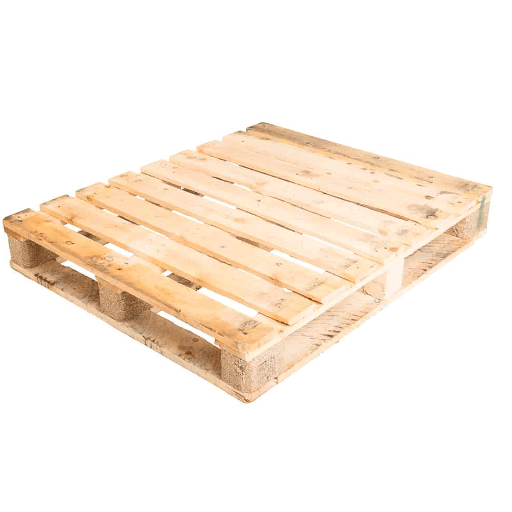
In the United States, the pallet size which has been set as a standard is 48 inches by 40 inches, mostly known as the GMA pallet because it has been set up by the Grocery Manufacturers Association. This size is often employed all over the place in different industries, especially in the case of food and drink, retail, and storage. The US standard pallet, which is also designed for efficiency, enables easy handling, stacking, and compatibility along with standard shipping containers and storage systems. Even though there are other sizes for specialized applications, the 48×40 pallet continues to be the most commonly used size due to its flexibility and convenience.
Euro Pallet Size Overview
The Euro pallet, which is also called the EUR-pallet or EPAL pallet, is a standardized pallet that has been widely accepted in Europe. Its measurements are 1200mm × 800mm, thereby making it smaller in comparison to the US standard pallet by a small margin only. It is designed in such a manner that it can be easily adopted by the European transport system and thus very suitable for saving space in trucks and warehouses. The Euro pallet’s manufacturing process is always regulated by rigorous standards which contribute to its toughness and uniformity that are able to support heavy loads and used repeatedly. Its high popularity in several industries is a testament to its critical role in the provision of efficient logistics and supply chain operations in Europe.
International Pallet Dimensions
Regional and standard differences are the main factors affecting the sizes of international pallets. For example, the Euro pallet, which is common in Europe, has a size of 1200mm x 800mm and is thus a bit smaller than the US standard which is mostly 48 inches x 40 inches (1219mm x 1016mm). The differences in size among these pallets of different regions show the specific needs and conditions of each region regarding logistics, for example, the need of the region to ensure the full use of space in the trailer and stacks. Pallet dimensions that are standardized, like those of the Euro pallet, guarantee compatibility and efficiency of the supply chains thus allowing the seamless movement of goods and storage worldwide.
Pallet Weight and Capacity Considerations

Weight Limits for Various Pallet Types
The maximum weights for different pallet varieties rely on their composition and design. Wood pallets, the most used in the world, usually bear up to 3,000 pounds (1,360 kg) in case of static storage and about 1,500 pounds (680 kg) when dynamic loads are moved through transportation. On the other hand, plastic pallets, though lower in weight, give out similar load capacities which fall within the range of 1,500 to 2,500 pounds (680 to 1,134 kg). The heavy-duty pallets made of metal, famous for their endurance and toughness, have a weight limit that is much higher—usually over 4,500 pounds (2,041 kg). It is quite important to take into consideration the application that the pallet will be used for and its loading requirements before the actual choice of the pallet type—this is to avoid a situation where the pallet breaks down, leading to supply chain inefficiency and safety issues.
Factors Affecting Pallet Load Capacity
Pallet load capacity is affected by a number of factors and these include the pallet material, the design of the pallet, and how the load has been distributed. For example, wooden pallets can go up to a certain limit when it comes to a heavy or moderate load but at the same time, limit of strength determines the quality of the wood and construction. Plastic pallets, although lighter, are less robust but the capacity of the loads that they can take is still wide open for many applications. Still, they cannot be compared with metal ones in terms of extremely high weights. The strength of the metal pallets, however, comes at a cost since they are very expensive and usually only found in heavy industrial usage. Besides, the way the load is distributed poses a major consideration—if the load is evenly distributed, the pallet is less likely to be strained than if the load is concentrated at one point. Knowing these factors helps one in getting the right pallet and thus ensuring safe and efficient operations.
How Products Fit on Different Pallet Sizes
How products are placed on different pallets is determined by the dimensions and the packaging of the items that are being shipped. Standard pallet sizes which are 48×40 inches in the USA, for example, are meant to handle several products in a very efficient way but compatibility in product shape and size is always a matter of concern. The product needs to be perfectly aligned and stacked to utilize the full extent of the area and at the same time keeping the goods stable through transport. Also, an overhang should not be allowed as it would not only affect product safety but it would also increase the risk of damage. When transporting irregularly shaped items, custom pallets or the use of extra securing methods such as stretch wraps or straps may be necessary to guarantee proper fit along with even weight distribution.
Implications for Shippers and Supply Chain Management

Choosing the Right Pallet Type for Your Needs
The choice of the right pallet type should be made with care, taking into account the full set of requirements of both your shipment and your supply chain operations. Among these are the goods’ characteristics such as their weight, size, and fragility, as well as the methods of transportation and the type of storage conditions. Pallets made of wood are durable and have a high load-capacity, hence they are one of the most common choices while plastic pallets, on the other hand, have the positive characteristics of being lighter, moisture-resistant, and easy to clean. In the case of international freight, one must adhere to ISPM-15 standard compliance – through which not only treated wooden pallets but also plastic or even metal ones may be the required options. In the end, right pallet selection guarantees that goods will be carried safely, that storage will be made optimum, and that the whole supply chain will be more efficient.
The Role of Pallet in Supply Chain Efficiency
Pallets are integral in developing chain efficiency as they provide smooth and orderly transfer of goods. They synchronize the process of handling, thus cutting down on time and manpower for loading and unloading items coming in and going out. Pallets occupy less storage space in warehouses and their compatibility with the equipment used for material handling manifests in better operational efficiency. Their part in the protecting process from damage during transportation is large, and the choice of pallet material also influences the durability and weight to meet international shipping regulations. Thus, it can be said that pallets help to achieve cost savings, better logistics and the supply chain’s seamless integration.
Future Trends in Pallet Standardization
The increased demand for both globalization and sustainability is the main driving force behind the changes taking place in the pallet standardization area. One of the major trends is the concept of universal pallet sizes that would simplify the integration of international shipping and logistics networks. The ultimate goal is to get rid of the wasteful practices brought about by the use of incompatible sizes and at the same time to cut down on the expensive yet necessary pallet swapping.
Moreover, there is a trend where the use of smart pallets that come fitted with RFID tags and IoT-enabled sensors is becoming more and more common. The use of these technologies will enable better stipulation of the supply chain since it will be possible to trace goods in real time, to check the environmental conditions, and to fine-tune the routes. The development of eco-friendly pallets, made from recycled or biodegradable materials, is another trend that is taking shape. This state of affairs corresponds with the stricter regulatory requirements and the consumer’s preference for sustainable packaging that is gradually being established.
Furthermore, the collaboration of the different parties in the industry such as the pallet maker, the logistics firm, and the standards organization, among others, is to be increased. Initiatives that have a focus on the unification of international standards are the ones that would ease the movement of goods across borders and, at the same time, lower the operational cost to a great extent. These changes highlight the changing nature of pallets when it comes to modern, efficient, and eco-friendly supply chains’ demands.
References
-
The Basics of Wooden Pallets
This white paper from Virginia Tech’s Unit Load Design Lab provides detailed insights into pallet design and dimensions.
Read more here. -
463L Pallet DA-111 1.pdf
A document detailing specific pallet dimensions and standards, hosted by the Defense Acquisition University.
Access the document here. -
DOT-SP 16171 (THIRD REVISION)
A document from the U.S. Department of Transportation discussing pallet height and width standards for safe transportation.
View the document here.
Frequently Asked Questions (FAQ)
What are the standard pallet dimensions and industry standard sizes?
The sizes of the standard pallets differ by location, nevertheless, the North American shipping pallet which is the most commonly used, measures 48″ x 40″ in length and width, whereas the EUR (European pallets are ruled by the standards set by the European Pallet Association (EPAL) and they are typically 1200 x 800 mm in size. The market would standardize over the maximum load and the load capacity of the pallet that would be determined by the construction, material, and whether the pallet is made up of solid wood or has wood bottom and top deck designs, and it is even wood with bottom deck boards. Pallets are made to accommodate warehouse racking, forklift and pallet jack specs, and the standard size often decides if a pallet is preferred or if it is cost-effective for a certain supply chain. Old pallets or new pallets might be different in their performance and the ones from the grocery store might put hygiene and evenness of the top surface as the main concerns. Ensure safe handling by assessing load ratings and doing an inspection for damage before using the pallet. Suggested unused terms: preferred pallet, skid.
How do wood pallets differ from standard wood or plastic alternatives?
Wooden pallets, mainly those classified as standard lumber or solid wood are the main reason for the economic, reparable, and pallet supplier reliability being the reason for their common application. The top and bottom board of the deck determine how weight is allocated and, in turn, affect the maximum load and the capacity of the pallet, with four sides access, or two-way vs. four-way skids influencing the handling methods. Most of the pallet suppliers give both new and used options; used pallets can be the right one for the low-budget operations but may not be able to pass the strict industry standard cleanliness or chemical pallets requirements. Commonly, pallets are treated or heat-treated to be at the phytosanitary standards for international shipping, and the top surface must be checked for splinter or loose boards to ensure safety during handling. Suggested unused terms: pallet supplier, top surface.
Why are pallet-based dimensions important for shipping and storage?
Pallet based dimensions of 48″ x 40″ or the EUR sizes would affect the efficiency of truck and container loading, warehouse slotting, and racking compatibility and thus become the main factor in the logistics planning that is cost-effective. The pallet based system aids in the standardization of packaging and thus the time of handling is also reduced as the forklifts and automated systems are accustomed to a certain pallet footprint and height, and the pallets are made for stacking and securing the loads safely. The load capacity of the pallet and the maximum load must be considered together with the type of goods — for instance, chemical pallets or hazardous materials require specialized palleting to ensure compliance. Pallets used in grocery operations may be more widely used in grocery supply chains because they fit retail floor displays and pallets used in the chemical industry may require spill containment or use of specific materials. Suggested unused terms: pallet based, maximum load.
Are there specific standards for chemical pallets and hazardous material handling?
Chemical pallets have to comply with stronger standards established by the regulators or industry groups which are the cause of design choice whether the pallet is made of wood, plastic, or metal. A chemical industry pallet might demand the use of a non-absorbent top surface, secondary containment, or meeting the requirements for the transportation of hazardous materials for the purpose of handling, and to prevent any chemical reactions from happening. Besides the guidelines set by the European Pallet Association and other standards regarding the construction and treatment of the pallets, chemical pallets are most often accredited by suppliers through additional certification or testing requirements. When picking chemical pallets, take into account the load capacity of the pallet and its suitability for drums, IBCs, or other containment systems you might be using in your operation. Suggested unused terms: chemical industry, hazardous materials.
How do I choose the perfect pallet: considerations for used pallets, half pallets, and specialty needs?
The perfect pallet depends on the use because the availability of used pallets will cut costs but the predictability of performance may be reduced as compared to new, standard pallets or specialty options such as half pallets for smaller loads. First, think about if the pallets will be accessible from all four sides, whether you need half pallets for retail displays, or if the standards established by the European Pallet Association and other industry groups apply to your supply chain. Then you can assess the load capacity of the pallet, its construction (top deck, bottom deck boards), and whether it is designed to work with chemical pallets or food-grade requirements frequently found in grocery distribution. Partner with a trustworthy pallet supplier to indicate the materials (solid wood vs. treated wood vs. plastic) and confirm that the pallet is compliant with the regional standards and shipping pallet dimensions such as 48″ x 40″ or EUR sizes.