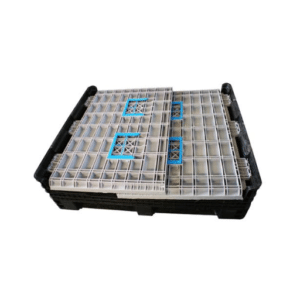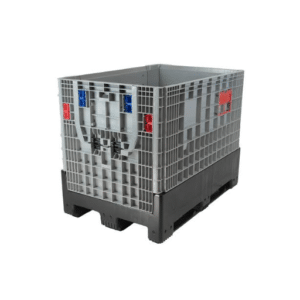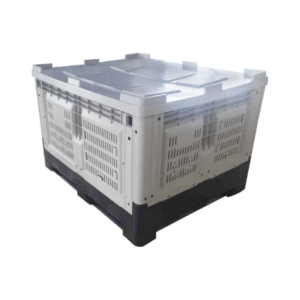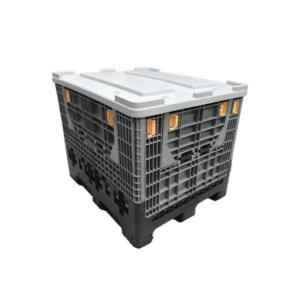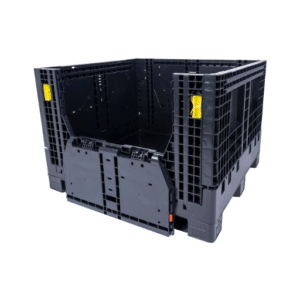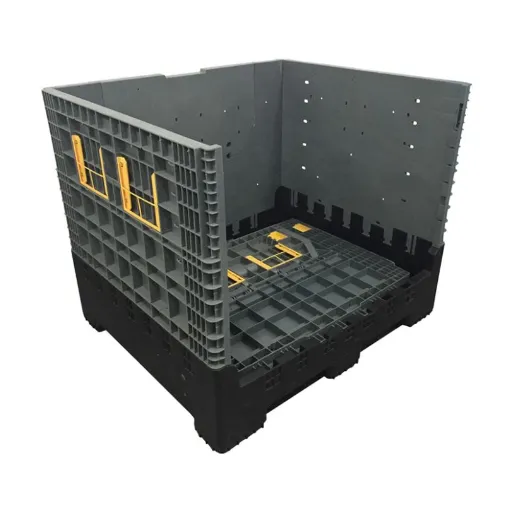

Pallet boxes made from plastic are the best packagings to be used by car assemblers because they help in storing and preserving parts, cutting down on transport expenses, and supporting last-minute and just-in-time inventories. Whether you run a Tier 1 supplier or an Original Equipment Manufacturer (OEM) assembly unit or plant, there is a particular container that greatly influences how fast you work, the quality of your output, and your resultant profitability.
As a case study, when the logistics department of a European corporation manufacturing drivetrains decided to use collapsible individual packs as opposed to wooden crates, the reverse logistics cost was reduced by 60% in the first three months. It used to be frustrating for the warehouse manager who fought for months with wooden crates that broke, dimensions that changed all the time and heat treated long before they were able to ship internationally. This replacement, it should be noted, solved all three problems.
That is the result of increasing efficiency in the way a company is organized or uses infrastructure. In this book, you will explore the use of plastic pallet boxes for automotive applications, when to use rigid or collapsible units and how to choose ochre durables supply to be assured of their value and adapting to your volume development.
Key Takeaways
- Collapsible plastic pallet boxes reduce return freight volume by up to 75%, making them ideal for closed-loop automotive logistics.
- Rigid plastic pallet boxes provide superior protection for heavy engine components and automated handling compatibility.
- Plastic pallet boxes are ISPM-15 exempt, eliminating heat-treatment delays in international automotive shipping.
- Custom dimensions, steel reinforcement, and lid options let you tailor containers to specific auto parts.
- Returnable plastic packaging systems typically cut packaging costs by 40-60% over a five-year lifecycle compared to single-use alternatives.
What Are Plastic Pallet Boxes and Why Do Automotive Manufacturers Use Them?
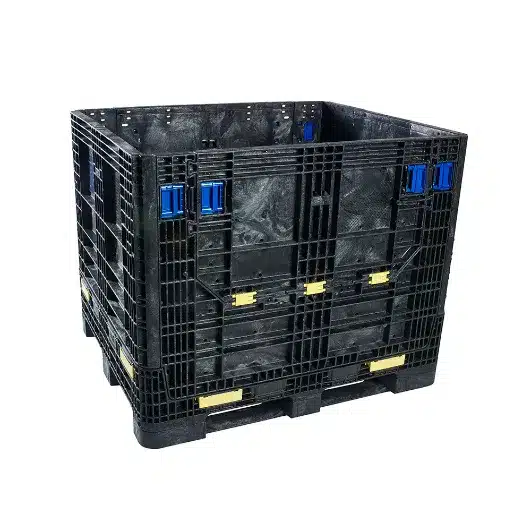
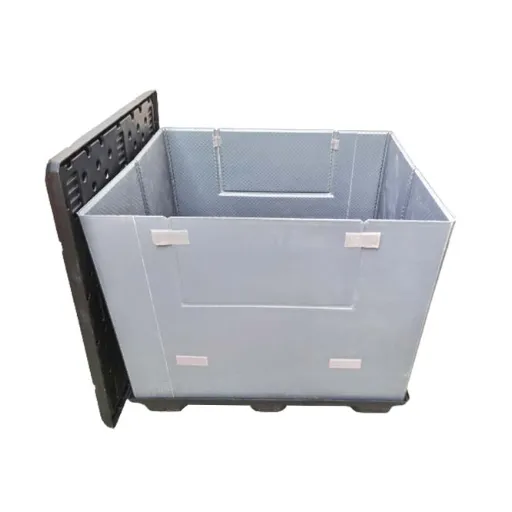
A plastic pallet box is a large-capacity container mounted on a pallet base. It combines the handling convenience of a standard pallet with the protection and volume of a bulk container. Automotive manufacturers use these containers to transport everything from engine blocks and transmission housings to interior trim and electronics modules.
The shift toward plastic in automotive logistics is not accidental. Wooden crates splinter, absorb moisture, and vary in weight. Cardboard folds fail under humidity and heavy loads. Steel containers add unnecessary weight and corrosion risk. Plastic pallet boxes eliminate these weaknesses while delivering consistent dimensions that automated warehouses demand.
At Shandong Lile, we engineer plastic pallet boxes with high-density polyethylene (HDPE) and polypropylene (PP). These materials resist impact, chemicals, and temperature swings. They also maintain their shape across thousands of handling cycles, which matters when your production line cannot afford a packaging failure.
Cleanliness is another factor. Automotive interior parts and electronics must arrive free of dust and contamination. Smooth plastic surfaces wipe clean in seconds. Wooden alternatives shed fibers and harbor debris. For suppliers shipping directly to clean-room assembly areas, that difference alone justifies the investment.
Want to see how our pallet boxes perform under real production conditions? Contact our team for a sample evaluation tailored to your parts.
Collapsible vs. Rigid Plastic Pallet Boxes: Which Works Best for Automotive?
Not every automotive application calls for the same container type. The choice between collapsible and rigid plastic pallet boxes depends on your logistics flow, part weight, and storage constraints.
Collapsible Plastic Pallet Boxes
When empty, designed collapsible structures can be flattened. This is particularly useful when it comes to packaging practices where the same packaging is used repeatedly. If the seats are distributed from a first-tier supplier to an OEM production facility, there is still the need for the return of those empty boxes to the supplier. The size of a collapsed container is approximately a quarter of the volume of a similar container whose walls do not fold. This then results in fewer truck trips, a subsequent reduction in costs associated with fuel, and less filled warehouse space.
Plastic containers that collapse to form a flat pallet may also be applied in just-in-time production. In Just-In-Time production systems, most plants of OEM’s accept goods quite more often but in small quantities. The drivers ride to drop the containers full of goods and on their way back pick up the empty boxes as folded. The savings in time and motion due to efficiency are enormous per month when one has several deliveries per day for several months.
Their dizzying aberration is the weight. The available folds he can fit have no problem taking care of the generic vehicle parts. It proves difficult when dealing with very heavy metal castings or battery packs and collapsible walls due to the high loads above them.
Rigid Plastic Pallet Boxes
Rigid containers offer maximum structural integrity. Their fixed walls distribute weight evenly and resist deformation under heavy loads. For engine blocks, transmission assemblies, and large body panels, rigid boxes provide the protection that prevents costly part damage.
Automation compatibility favors rigid designs as well. Fixed dimensions integrate reliably with conveyor systems, robotic pickers, and automated storage towers. A container that shifts shape even slightly can jam a production line.
| Feature | Collapsible Plastic Pallet Boxes | Rigid Plastic Pallet Boxes |
|---|---|---|
| Return freight volume | Reduced by up to 75% | Full volume required |
| Best for | JIT delivery, closed loops | Heavy parts, automation |
| Load capacity | Moderate to high | Very high |
| Storage efficiency | Excellent when empty | Requires dedicated space |
| Setup time | Quick assembly | Ready to use |
| Typical automotive use | Interior parts, electronics | Engines, transmissions, panels |
Your decision should start with one question: do the empty containers travel back to you? If yes, collapsible plastic pallet boxes probably win. If your parts are exceptionally heavy or handled by robots, rigid designs likely make more sense.
Top Applications for Plastic Pallet Boxes in the Automotive Industry
Automotive supply chains move thousands of distinct parts. Each category presents unique packaging demands. Here is how plastic pallet boxes serve the most common applications.
Engine and Transmission Components
These parts are heavy, valuable, and precision-machined. A single scratch on a machined surface can trigger a quality rejection. Rigid plastic pallet boxes with internal dunnage or foam inserts hold crankshafts, cylinder heads, and gearboxes securely. Steel-reinforced bases distribute weight across the pallet footprint, preventing floor-loading damage.
Body Panels and Exterior Parts
Doors, hoods, and fenders are large, lightweight, and prone to denting. Custom-sized plastic pallet boxes prevent parts from shifting in transit. Lids protect painted surfaces from dust and handling marks. Because plastic is non-abrasive, finish quality arrives intact.
Interior Assemblies and Electronics
Cockpit modules, instrument clusters, and wiring harnesses demand clean, static-safe environments. Plastic pallet boxes can be specified with conductive materials or clean-room-compatible finishes. Their smooth interiors do not snag delicate harnesses or scratch display surfaces.
EV Battery Modules and Electric Drivetrain Parts
Electric vehicle manufacturing introduces new packaging challenges. Battery modules are dense, temperature-sensitive, and high-value. Custom plastic pallet boxes designed to exact module dimensions prevent movement that could damage cells or connectors. The non-conductive nature of HDPE adds a safety layer during high-voltage component transport.
Tier 1 Supplier Operations vs. OEM Assembly Plants
Tier 1 suppliers typically operate returnable loops to OEM customers. Collapsible containers dominate here because the same boxes circulate repeatedly. OEM plants receiving parts from multiple suppliers often standardize on a single rigid container footprint to simplify internal handling.
Understanding where you sit in the supply chain helps you specify the right plastic pallet solution for your operation.
How Plastic Pallet Boxes Improve Automotive Supply Chain Efficiency
Efficiency in automotive logistics is measured in seconds per part, euros per kilometer, and defects per million. Plastic pallet boxes improve all three metrics.
Space Optimization in Warehouses and Transport
A collapsed plastic pallet box stack occupies minimal floor space. Warehouses can store empties in overhead racks or compact corners. In transport, a truck carrying folded containers back to a supplier moves four times as many units per load. That density directly reduces freight costs.
Weight Reduction vs. Steel Alternatives
Plastic pallet boxes typically weigh 30-50% less than comparable steel containers. Over a year of cross-border deliveries, that weight difference adds up to measurable fuel savings. Lighter containers also reduce manual handling strain and ergonomic risk in assembly areas.
ISPM-15 Exemption for International Automotive Logistics
Wooden pallets and crates crossing international borders must comply with ISPM-15 heat treatment standards. Delays at customs for non-compliant wood are expensive and unpredictable. Plastic pallet boxes are completely exempt from ISPM-15. They move through ports without treatment certificates, inspection holds, or fumigation costs. For automotive supply chains that span continents, that frictionless clearance is a competitive advantage.
Compatibility with Automated Handling Systems
Modern automotive plants rely on automated guided vehicles, conveyor networks, and robotic depalletizers. Plastic pallet boxes offer consistent external dimensions and uniform weight distribution. Sensors and grippers interact with them predictably. Wooden crates, by contrast, vary in dimension and splinter unpredictably under mechanical stress.
Long-Term Cost-per-Trip Analysis
Returnable packaging systems typically reduce packaging costs by 40-60% over a five-year lifecycle compared to single-use wooden or cardboard alternatives. A quality plastic pallet box lasts ten years or more under normal automotive use. Divide the purchase price across hundreds or thousands of trips, and the cost per trip drops to a fraction of disposable packaging.
Custom Plastic Pallet Boxes for Specialized Automotive Needs
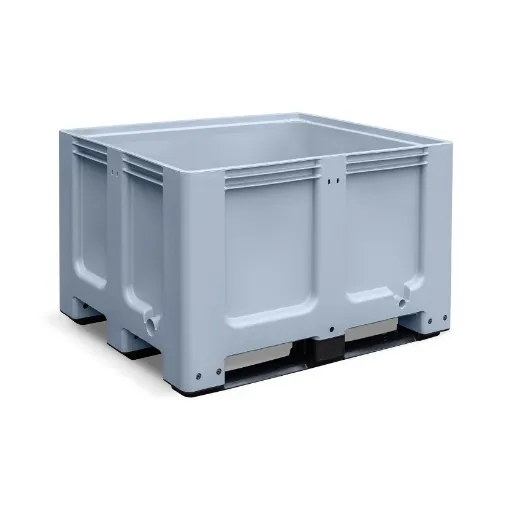
Standard containers work for many parts. Unique components demand custom engineering. Shandong Lile specializes in tailoring plastic pallet boxes to the exact requirements of automotive clients.
Custom Dimensions for Specific Components
An oversized battery pack or an awkwardly shaped exhaust assembly rarely fits a standard footprint. Custom molds create interior cavities, support ribs, and stacking features that match your part geometry. This precision eliminates void fill, reduces part movement, and maximizes transport density.
Steel-Reinforced Options for Extreme Loads
Some automotive castings exceed the safe working load of standard plastic bases. Steel reinforcement bars integrated into the pallet base multiply load capacity without adding significant weight. The container remains forklift-friendly and rackable while handling loads that would crack ordinary designs.
Lid and Closure Options for Contamination-Sensitive Parts
Hinged lids, snap-fit covers, and strap-down flaps protect contents from dust, moisture, and tampering. For parts that travel from supplier to assembly line without intermediate cleaning, a sealed lid is essential. Lids can also integrate document pouches for shipping labels and traceability paperwork.
Branding and Traceability Features
Molded-in logos, color coding, and barcode plates simplify inventory management. A Tier 1 supplier might use red boxes for Plant A and blue boxes for Plant B. Permanent mold markings survive pressure washing, UV exposure, and years of handling without fading.
Have a part that does not fit standard packaging? Request a custom quote and our engineering team will design a solution around your exact specifications.
Sustainability and Returnable Packaging in Automotive
Automotive manufacturers face increasing pressure to reduce environmental impact across the supply chain. Packaging is an area where meaningful progress happens quickly.
The Circular Economy Advantage
A plastic pallet box used in a returnable loop replaces hundreds or thousands of disposable wooden crates or cardboard boxes. The upfront energy investment in manufacturing is recovered many times over through repeated reuse. At end of life, HDPE and PP materials are fully recyclable into new products.
Reducing Single-Use Packaging Waste
Single-use packaging generates waste at every delivery. Cardboard must be compacted and recycled. Wooden crates are often landfilled. Plastic pallet boxes eliminate that waste stream entirely. For automotive brands publishing sustainability reports, the packaging waste reduction is a measurable metric.
Lifecycle of Plastic Pallet Boxes vs. Disposable Alternatives
A high-quality plastic pallet box completes 100 to 500 trips before retirement. A cardboard box completes one. A wooden crate might manage three to five trips if you are lucky. Over a decade of production, the total material consumption of a reusable plastic system is a fraction of disposable alternatives.
Meeting Automaker Sustainability Targets
Improving sustainability has become the order of the day in the procurement policies of many major OEMs today. They expect suppliers to offer returnable solutions as opposed to single use packaging and sometimes these come as clauses in contracts. This puts those suppliers who are already providing plastic pallet box supply loops at a competitive advantage. On the other hand, those who continue using non-reusable packaging waste will face exit pressure.
Shandong Lile has been in the industry long enough to make 100% recyclable HDPE and PP plastic pallet boxes for automotive manufacturers. We have long standing principles within our company in regards to sustainability and these coincide with what modern day car manufacturers want when it comes to their suppliers.
What to Look for in an Automotive Plastic Pallet Box Supplier
Choosing a supplier is as important as choosing a container. The wrong partner creates inconsistent quality, missed deadlines, and costly redesigns. Here is what automotive procurement teams should evaluate.
Production Capacity and Consistency
Automotive contracts involve high volumes and tight delivery windows. A supplier with 18 large-scale production machines and robust annual capacity can handle scale without sacrificing lead times. Ask for production data and capacity reserves before committing.
Custom Engineering Capabilities
Off-the-shelf containers rarely solve every problem. Your supplier should offer in-house design, mold-making, and prototyping. The ability to iterate quickly on custom dimensions, materials, and features separates true manufacturing partners from resellers.
Global Logistics and Delivery Reliability
Automotive supply chains are global. A supplier with efficient export operations and reliable shipping partnerships ensures your containers arrive where they are needed, when they are needed. Shandong Lile leverages Qingdao Port and strategic logistics partnerships to deliver to over 108 countries.
Quality Certifications Relevant to Automotive
ISO 9001 certification is a baseline requirement. It demonstrates that the supplier operates a documented quality management system with consistent processes. Additional automotive-specific certifications may apply depending on your OEM customer requirements.
Looking for a supplier that meets automotive standards at global scale? Get in touch with Shandong Lile to discuss your volume, timeline, and specifications.
Conclusion
Plastic pallet boxes have become essential infrastructure in modern automotive logistics. They protect parts, reduce costs, and support the sustainability targets that OEMs now require from their suppliers.
Here are the five points to remember as you evaluate packaging for your operation:
- Collapsible designs save up to 75% of return freight volume, making them ideal for closed-loop supplier networks.
- Rigid containers deliver maximum protection and automation compatibility for heavy or delicate components.
- ISPM-15 exemption eliminates customs delays and treatment costs for international shipments.
- Custom engineering lets you tailor dimensions, reinforcement, and lid options to your exact parts.
- Returnable systems cut packaging costs by 40-60% over five years while eliminating single-use waste.
The automotive industry moves fast. Your packaging should keep pace. At Shandong Lile, we do not just manufacture containers. We engineer solutions that optimize your supply chain from the first mile to the final assembly line. With over 14 years of experience and a presence in 108 countries, we deliver quality and innovation at every step.
Ready to upgrade your automotive packaging? Contact us today for a custom quote or sample evaluation.