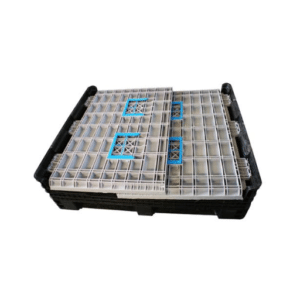
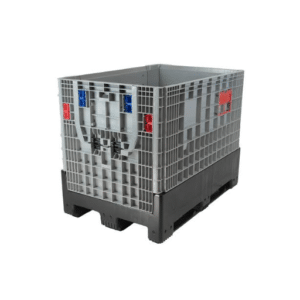
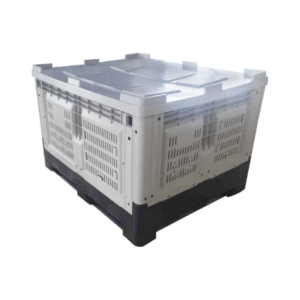
Knowing about plastic pallet prices is important, particularly for companies that intend to make favorable decisions regarding their logistics and distribution network operations. Several factors, such as the material used and the technique employed, affect the cost of the pallets. The cost of this knowledge is, however, very low compared to the reward of being able to purchase expensive goods intelligently. This article discusses what most affects the price of plastic pallets and how to request quotes that best fit what a customer requires. You might be just starting out in the use of plastic pallets or looking to rationalize how to make the purchase. If either is the case, then the information contained in this article will give you the relevant answer.
Introduction to Plastic Pallet Costs

There are some reasons why plastic pallet prices sometimes vary. One is material type in reference to high-density polyethene (HDPE), polypropylene (PP), or other material characteristics that relate to availability, cost, weight characteristics, and durability. The other is pallet design, such as the size, weight-bearing capacity, and presence of additional components, such as modifications and fire retardants – all of which will affect the cost. Injection molding, thermoforming, and rotational molding are important factors as per manufacturing efficiency and economy. Examining these elements will guide a potential buyer so as to match the cost expectations with the required level of performance.
Importance of Understanding Pricing
The concept of pricing is essential to the purchasing process as it helps in the understanding and evaluation of the cost versus the benefits of the product. The cost of the product can be largely attributed to the following three factors: materials, manufacturing, and design. The selection of the materials has a great effect on how durable, stylish, and safe the product will be, while the chosen methods of production, that is, injection moulding or CNC machining, determine the level of efficiency and also the ability to scale. Then, the design includes certain features such as the size, reinforcement, or a specific property that increases the cost of production or manufacture. Understanding all these aspects aids the buyers to appreciate the value of the service or products being offered, eliminate unnecessary expenses, and choose the appropriate available alternatives to be used for given purposes and within available financial resources. With this, either companies or individuals can make wise decisions. Investments in the purchase of services or goods in the long term can be well managed with appropriate choices based on comparing and contrasting.
Overview of Plastic Pallet Types
Plastic pallets come in different varieties depending on the application and industry. Most of them can be put in the stackable, nestable, or rackable category. Stackable pallets are basically pallets that can be stored by being stacked one on top of the other and that have a solid and flat base, which provides equal distribution of weight and makes them stable while being stacked. These types of pallets are most suitable in warehouses that have very narrow aisles. Nestable pallets are plastic pallets that can be stacked in a way that they fit within each other when not in use, thereby decreasing the plastic pallet prices or storage charges. Finally, rackable pallets are specifically designed for heavy loading, storage onto rack systems, and extensive use in warehouses that serve many industries.
The material composition and load capacity vary across the different types of plastic pallets. The two frequently utilized materials in plastic pallets also include high-density polyethylene (HDPE) and polypropylene (PP). However, the level of strength varies along with resistance to temperature changes and the degree of durability. Some plastic pallets also come with additional features such as surface treatment preventing slipping, resistance to burning, or cleaning compliance standards for areas where food and drugs are managed. In this way, a company can streamline its operations, reduce costs, and also apply the respective industry regulations on transportation by choosing the best pallet.
Market Trends in Pallet Sales
There have been notable changes in the pallet industry that can be attributed to e-commerce growth, sustainability commitments, and the developments in various materials. The industry experienced a mutative trend as there were more requests for plastic packaging solutions over time because they are long-lasting, can be easily washed, and have very low infection potential, which lends them to food and drug handling. On the other hand, the stake held by wood pallets is costly and superior in ease and frequency of recycling, but has decreased because of the growing levels of forest destruction control and supervision, or care of wastes, where more intelligent wooden pallet innovations have been undertaken, like certifiable and reusable pallets.
Additionally, the degree to which technology, such as items containing RFID as well as pallets connected to IoT, has been integrated to improve supply chain visibility and performance can be seen in modern supply chains themselves. This is because the adoption of these advances in technology increases the possibility of the business organization interacting with the shipment or goods at any point in time, thus decreasing the chance of errors in the organization, which is in line with the current trend of data-driven decision making, which is common in logistics. Moreover, the demand for lightweight pallets is increasing among most companies towards lowering freight costs and environmental impacts.
The rise in activity in industrial and e-commerce activities in the existing markets, especially in the North American and Asian continents, also has no signs of slowing. With existing expectations of the market’s sustainability in mind, manufacturers have started turning their attention towards recycling materials and increasing the lifespan of pallets in order to meet new political and social customer demands.
Key Factors Influencing Plastic Pallet Costs

🛢️ Raw Material Costs
The prices of plastic pallets are heavily affected by the changes in the cost of the raw material used for their production, mainly polypropylene (PP) or high-density polyethylene (HDPE). These variations are primarily due to changes in market conditions for petroleum.
⚙️ Operational Techniques
Precision and efficiency improvement procedures during manufacturing, such as injection molding or thermoforming, may increase the total costs of production because of the level of scaling envisaged.
🏗️ Lifespan and Structure
The costs of pallets designed for heavy-duty applications or industry-specific purposes will also be relatively higher because they have high endurance and are specially engineered.
📋 Conformance to Safety Standards
National/regional or sector-related guidelines for making products such as food or drugs safe, however, add a lot to the costs of production.
📈 Supply / Demand Dynamics
Industrial production, expansion of e-commerce, other factors on the supply side, or general market conditions, and events on the supply chain side can cause fluctuations in prices.
♻️ Recyclability and Sustainability
Raising the initial price is inevitable when using recycled materials or manufacturing pallets with a long service life. However, it may be less expensive in the long run.
Material Types and Their Impact on Pricing
The production costs of pallets are largely determined by the materials used, since they also affect the quality, usage, and service time of the product. The most common materials include wood, plastic, metals, and cardboard, with each material having its own peculiar pricing:
- Wooden Pallets: Hardwood pallets and softwood pallets are used, but hardwood is more preferred due to one being tougher than the other, though expensive. They are most preferred because they are cheaper and can be repaired; however, the cost of pallets can be quite vital due to the variance of lumber prices.
- Plastic Pallets: Polyethylene (PE) or polypropylene (PP) materials are used in plastic pallets, which are moisture, pest, and chemical resistant. But such factors as higher unit production costs and the use of petroleum-based feed stocks make the pallets more expensive. Any additional features, such as high-tech design or molded plastic for health safety purposes, further increase the plastic pallet prices.
- Metal Pallets: These are made by using steel or aluminium and are known for their high strength properties, extreme condition comparability and duration of use. Metal pallets tend to be costly as such products are made from steel or aluminium entirely, and thus, the price of metal pallets is higher than most other types; they are mainly employed in cases where the materials are heavy or are to be exported.
- Cardboard / Composite Pallets: If alternatives are required, these can be used owing to the low weight and the fact that they can be recycled. However, these have been constructed in such a way that efficiency is compromised for more than just economic reasons over a long period or with heavy weights.
In this connection, the choice of materials should be in accordance with the performance requirements. The performance requirements include load capacity, harsh conditions, and use. These are the factors that determine both the initial costs and the total cost of plastic pallet prices.
Weight Capacity and Its Role in Cost
The weight capacity of a pallet is among the most crucial criteria because it affects safety, productivity, and the cost of operations over time. Pods are usually divided into their static, dynamic, and racking capacity, which describes the overall weight load that a pod can stand without sagging. If a pallet has higher weight-bearing capacities, it can be more durable because it contains strong building materials or is produced using the mitigation process. Meanwhile, these improvements tend to cause high initial prices.
From the point of view of the spending involved in the same, understanding the weight capacity in relation to the process requirements is key. Specifying pallets in an overly cautious manner and buying extra-heavy ones will cost more money than necessary. If one goes to the other extreme and fails to specify pallets properly, structural collapse will occur, and safety will be compromised, resulting in additional costs of buying new ones. For heavy loads, more expensive alternatives such as reinforced plastic or metal pallets can still be advantageous, even though they come with a higher cost, because they are not susceptible to wearing out or being repeatedly used. Alternatively, cheap and functional wooden and sometimes cardboard pallets are frequently enough for lightweight materials.
Order Volume and Shipping Considerations
There are several factors that affect this choice, including the loading and transport requirements. If the operations involve high loads, then strength and multiple-use abilities are very important, and hence either plastic or aluminum pallets should be used, for these other materials, like wooden pallets, are not suitable, as either they can easily break or they cannot be found for long-distance transport. Otherwise, when a small shipment or non-returnable, to avoid monetary cost, keeping within limits, wooden or cardboard pallets that can be easily disposed of are chosen. In addition, as with any other goods, the weight of pallets has a certain bearing on freight costs because light plastic pallets cost less freight and heavy metal pallets are costlier, though they offer a better balance of the load. It also becomes necessary to adhere to route restrictions, including meeting ISPM 15 standards for international wooden pallets, to avoid additional expenses due to the interruption of shipment.
Comparison of Different Types of Plastic Pallets

Plastic pallets are largely classified into different types that are planned for particular functions:
📦 Stacking Pallets
Incorporating a firm or a collapsible model, these pallets allow for easy storage or transportation by enabling stress-free stacking. For these types of pallets, the structure is hard, meaning there will be almost no overturning, but even when not in use, they will take up a lot of storage space.
🔁 Nestable Pallets
With a foot design that is sharp, nestable plastic pallets are easier and less expensive to store as they take up less space when emptied. Their construction is simple, making these products good for organic delivery or disposable transportation of low-weight goods.
🏭 Rackable Pallets
Designed for neat arrangement upon racks without significant sagging, rackable pallets will avoid any down-bending of the material with its mass upon the member. They are extremely durable, and therefore they fit industries that envisage frequent and prolonged use.
🧼 Sanitary / Hygienic Pallets
Hygienic pallets are designed specifically for harsh conditions such as those found in the food or pharmaceutical industries. Such pallets are constructed with materials that are non-porous and simple to wash. Accordingly, they meet the hygiene requirements, reduce the contamination risk to a very minimum, and provide a high standard of safety.
💪 Durable / Heavy-Duty Pallets
These are pallets that are designed to accommodate heavy loads and are reinforced to provide structural support. They are therefore mainly used in those scenarios where industrial strength in terms of operation and load-bearing support is of utmost importance.
It is therefore essential when choosing plastic pallet prices to take into account loading demands, warehousing, usage rate, and even state standards for effective and efficient operation.
Nestable vs. Stackable Plastic Pallets
Nestable and stackable plastic pallets vary in design, functionality, and cost, with prices influenced by material, durability, and size.
The choice of a plastic pallet depends on several factors, including, but not limited to, the usage, storage space, and how much weight a unit is supposed to carry. Within these parameters, you can identify the most suitable and economic option for your purpose.
Rackable Plastic Pallets for Warehouse Utilization
Plastic pallets with inbuilt rackability are made to endure any racking that permits storage in warehouse-like environments. Heavy-duty ratings and load durability without distorting the form of the framework when there are sections with high stress areas. Rackable pallets are made from hard-wearing plastic such as high-density polyethylene (HDPE) or polypropylene (PP), which can also withstand impacts and risks of moisture and temperature variations.
One of the most significant advantages offered by rackable plastic pallets is their universal nature when it comes to using them with various types of warehouse racking systems (selective racks or drive-in racks, etc.). Some even come with reinforced runners or a picture-frame bottom that allows storing and transporting loads in a more balanced and safe manner. Almost all plastic pallet prices are compliant with the standards for cleanliness and hygiene in industry and can be used in the food, wine, medicine, and other regulated industries.
When choosing rackable plastic pallets, their static and dynamic load capacities must be considered along with their compatibility with your racking system and the specific industry requirements that must be met. Selecting the right pallet design for your warehouse operations can help increase efficiency, minimize the amount of damage caused to products, and cut down the overall cost of operations.
Heavy Duty Pallets for Industrial Applications
Plastic pallets, built especially robust to withstand heavy loads, are especially appropriate for use in manufacturing, storage, and transportation. Such pallets generally make use of polyethylene or polypropylene high-density plastic, which is far better in wear and tear resistance and longevity than conventional wooden pallets. Salient features of such pallets are: They have a capability to take very high static and dynamic loads. They can be used in machinery and most environments without any worry; they will not shrink in bad weather, such as rain, poisonous environments, or very cold or hot conditions.
The next consideration in the selection of heavy-duty pallets includes the weight they can support, whether, for example, the operational need is met by a rackable plastic pallet or stackable or nestable ones, which also meet other standards such as ISO, FDA, and USDA. Such pallets are often intended for use initially in the storage of large amounts of product, movement within assembly lines, and the many transporters that carry heavy articles. More importantly, they have helped reduce the use of raw materials in making the products since they can be reused and recycled, thus being environmentally friendly. Due to high levels of adaptability and durability in its function, the heavy-duty plastic pallet significantly improves the performance of industries by minimizing the material handling system problems.
Long-Term ROI: Plastic vs. Wood Pallets

There are several important considerations when different analyses are done of the ROI of plastic pallets versus wood pallets. The higher plastic pallet prices translate to a durable product that can be reused over a long period, which subsequently lowers the frequency of replacing them. This is thanks to their ability to resist moisture, chemicals, and even bacteria, hence efficiency is not compromised in extreme conditions while ensuring conformance.
Conversely, the cost of wooden pallets is relatively lower, but they present a challenge as they easily get damaged and require quick repair or replacement. They are known to break, get contaminated, or even get out of shape, and such considerations cause extra costs as well as issues of compliance, especially in the controlled sectors. Such costs have implications over a long time as they disallow the cheaper wood pallet solutions.
A common observation in the industrial divide is that while a plastic pallet price may be very high, a consumer still goes with the plastic because of its durability, compliance, and sanitary factors. On the other hand, a price-sensitive consumer who is there for a short-term service with light loads may opt for a wooden pallet.
Cost Analysis Over Time
When considering cost analysis over a period of time, it is important to look into aspects such as the initial cost of purchasing, longevity, running costs, and the lifespan of the pallets. As established by most authorities, wood pallets are generally more affordable than plastic pallets on purchase and are thus recommended where the application is short-term. However, wood pallets tend to break down much faster and require more maintenance with a shorter lifespan, and as a result, the costs borne due to replacements increase significantly over time.
Plastic pallets, though expensive, are worth it because of the initial cost; however, with regard to durability and any damage handle pressure for a much longer time. These do not require high maintenance practices as they are not subject to water effects, rotting, or any form of destructive insects. Therefore, such factors as having one replacement after some time due to wear and tear are eliminated, saving the user’s money in the long run. Furthermore, it allows industries that deal with pharmaceuticals and food production to use plastic pallets, hence avoiding unnecessary costs that might be brought about by lawsuits or any other laws.
To conclude, plastic pallets bring remarkable value in terms of cost and return on investment as their design is aimed at applications where the product is required to be robust, safe, and durable over long periods, besides those that utilize wood pallets, as they are heavy budget savers for short-term usage purposes.
Durability and Maintenance Costs
Plastic pallets are notably revered for their robust nature as well as easy and carefree usage, which makes them favorable in exhaustive industrial applications. A key feature of plastic pallets is that they can be used repeatedly or loaded with heavy products without cracking, chipping, or even splintering. This consistency in the construction results in the need to change the pallets less frequently, saving on service costs as well. Furthermore, plastic pallets cannot succumb to decay, fungal, and/or insect attack. This is cost-effective compared to using wood because there is no need for any treatment. Also, it is much easier to clean plastic pallets as the material is designed in such a way that it can be sterilized to the required levels without much difficulty, especially in systems that deal with food materials, pharmaceuticals, and hygienic practices. Their sturdiness and less demanding nature enhance their lifespan, which results in an optimal cost performance ratio where the plastic pallet prices may be higher, but the benefits are also proportionate.
Impact on Automation and Efficiency
Plastic pallets stimulate the growth of automated and resource-saving processes within the industries. Compatible with automated systems due to uniform dimensions and consistent weight, unlike wood pallets, categories such as conveyor apparatus, robotics palletizers, and AS/RS are easily integrated by plastic pallets. Moreover, downtime from any bottlenecks or equipment failure lessens this level of precision, creating an efficient working environment. Furthermore, most plastic pallets are incorporated with RFID tags, and records retrieval kits are available, allowing inventory control and monitoring of in-transit goods on a real-time basis in the event that such techniques are employed within the respective supply chain networks. Such functions not only promote efficiency but also reduce errors and cut labor expenses. In addition to the factors such as structural integrity of the plastic pallets that allow integration with fast-moving processes, these innovations have made them an inevitable element of any automated operation in the modern world and will continue to do so for years to come.
Interactive Elements for Pricing Insights

Business effectiveness can be improved when using interactive pricing tools since more transparency is provided and quicker decision-making is ensured. These tools allow users to input variable factors, such as, among other things, the volume, weight, and materials preferred, in order to offer precise pricing estimates in real-time. Since there is an introduction of elements such as cost calculators or dynamic charts, it becomes easy for any company to detail convoluted pricing models, which allows customers the opportunity to decisively make such purchases in no time. It should also be pointed out that those systems also mitigate the occurrences of incorrect pricing, improve the customers’ experiences, and encourage the building of relationships by making it easier to reach the final consumer with relevant information.
Pricing Tables for Quick Reference
Price tables assist in presenting complicated information in a simplified manner that can be understood. The perfect price tables come equipped with several features, such as plans in tiers, descriptive content, and creative designs made to compare the options. Their usefulness is based on a number of principles outlined by professional resources, such as putting emphasis on the most popular or recommended plan by colorizing or labeling it, a list of members or customers, or mobile versions of the site itself. Besides helping transparency about some costs, a trial period or the cost for additional functions that may apply increases the trust level and the likelihood that the user will take action. The issue here is beauty in simplicity because it is a very useful tool for businesses, but at the same time, it provides the functional aspects of pricing tables and plastic pallet prices.
Comparison Charts for Different Pallet Types
When designing a table to compare pallets, I would show a simple but accurate investigation. I would lay out the rows and columns inter-relating and specifying different parameters like the type of material used, load carrying capacity, durability, cost, and suitability for other sectors. This would involve including icons or visuals for easy and quick reference and aiming to have consistency in formatting so that the main differences can be expressed very clearly. I would also keep the data to a lean, correct, and get-attention form to make it useful for simplifying research and a pointer to prudent decisions.
Infographics on Cost Breakdown
To clearly explain the breakdowns of different costs in an infographic, we have to remember that accuracy, simplicity, and visual hierarchy greatly enhance its effectiveness. As a result of reviewing the best sources, including but not limited to financial planning articles and industrial standards, this breakdown view can consist of divisions into sections based on expected allocations. For example, a typical scheme of structuring costs may consider 40% allocation for operating costs, 30% for staff costs, 20% for advertising, and 10% for other expenses. For the purpose of understanding the information immediately, there are bar charts or pie charts that help present the data clearly. By using colors that are designed to define areas of interest, the utilization of text or pictograms in small amounts helps users to understand the sizes and importance of the various costs at a glance. Thanks to the use of adequate field statistics, it is apparent that this pattern provides both a convincing and useful way of displaying how costs are split into the main components.
📊 Typical Pallet Cost Breakdown
40%
Operating Costs
30%
Staff / Labour Costs
20%
Advertising / Marketing
10%
Other Expenses
Final Takeaway
Make Smarter Pallet Purchasing Decisions
By understanding the full picture — from material composition, pallet type, and weight capacity to long-term ROI and compliance requirements — you can confidently select the right plastic pallet solution for your operation. Higher upfront plastic pallet prices are often outweighed by years of reliable, maintenance-free performance, making them the smart investment for logistics-intensive industries.
Reference Sources
Wooden and Plastic Pallets: A Review of Life Cycle
Key Findings: This paper reviews three dominant pallet management strategies: single-use, buy/sell, and pooled. It highlights the cost implications and environmental impacts of each strategy.
Selection of Pallet Management Strategies from the Perspective of Depreciation
Key Findings: The study provides insights into the monthly depreciation values for wooden, plastic, and steel pallets in China, offering a comparative analysis of their cost-effectiveness.
Carbon Footprint of an EUR-Sized Wooden and a Plastic Pallet
Key Findings: This paper compares the carbon footprint of wooden and plastic pallets, providing insights into their environmental and cost trade-offs.
Frequently Asked Questions (FAQs)
Are wooden pallets a better option than plastic ones in terms of plastic pallet prices?
Overnumerated plastic pallet prices, in contrast to wooden ones, are advantageous for use in business operations because they are usually more cost-effective over the lifetime of the product. Pallets are manufactured as reusable, and this does not account for such things as wear and tear or exposure to impacts of such pallets, so there are fewer possibilities of product breakages or changing pallets very often. If you take into account all costs, including longer working time, lack of contamination, less weight, and hence cheaper transportation or use of transportable pallets, high costs of waste or utilization are incurred, then it is clear that plastic pallets reduce costs within a certified supply chain commercial warehouse having a high degree of automation. Sectors of the economy engaged in food production, as well as the pharmaceutical sectors, always resort to high-grade HPDE or polypropylene pallets because they keep the sacked product safe and secure, can be reused, and go as far as a closed loop or return transport system.
What good are bin-style plastic pallets and bin-compatible designs in distribution centers’ work processes?
Bin-compatible plastic pallets or plastic pallets with the bin feature help users minimize storage space by integrating with existing bins and racking, which in turn facilitates increased storage and retrieval. The risks of contamination and moisture associated with plastic pallets are minimal, making them an ideal choice, especially for health-conscious industries. It is worth mentioning that the appropriate choice of a plastic pallet enhances integration with the bin or racking system in use, thus reducing handling time, ensuring minimal damage to products, and assisting in designing an efficient warehouse transportation and order fulfillment system.
What is a runner pallet, and when should my operation choose one?
Forklifts, conveyors, and storage systems commonly use runner pallets as such containers have runners (also known as joists) underneath the deck, which offer load-bearing and racking capabilities. On the other hand, heavy-duty circumstances such as the automotive or beverage industry, where the ability to withstand weight and compatibility with storage structures are of importance, tend to use the runner plastic pallets. In cases where a pallet is required for use specifically on a racking solution or one that is capable of carrying heavy to very heavy loads, or where the pallet is to be used continuously within a cycle, a runner pallet, either made of HDPE or PP, is a very good option.
How does one choose the appropriate pallet type, whether it is a nestable or rackable one, for their supply chain or logistics?
For pallets to match the specific requirements of an entity, a delicate tradeoff must be observed among storage, transportation, and handling. Empty pallets nest inside one another to conserve space and bring down the cost of backhaul in case of one-way transport and mixed mode logistics due to the difference in weight. Rackable or rackable plastic pallets are more appropriate for warehouses with high levels of automation or with high stacking requirements, as this type of pallet takes the racking system load. Stacked pallets help in reducing the amount of vertical channeled racked structures in a warehouse. The load limit should be taken into consideration, be that what type of pallet is needed, whether these are exportable or stackable (in which case there will be no need for ISPM 15 certification in case of plastic) as well as the emphasis of the operation; the pallets meant for being reused and durable, or pulses which are meant only for single use.
Are beverage and other highly controlled industries appropriate for the plastic pallet prices?
Indeed, industries such as food and beverage and pharmaceutical favor plastic pallets because they are easy to clean, will not splinter as wood pallets do, and provide fewer risks of cross-contamination and pests. The High-density polyethylene (HDPE) and polypropylene (PP) materials resist damage from impacts and do not compromise the hygienic and meritorious safety of handled products. Many of the beverage industries prefer heavy-duty or custom-modified plastic pallets for liquid handling in order to ensure stability and compatibility within the automatic filling and racking systems.
Do plastic pallets of GMA design conform to the standards of the supply chain and racking?
The logistics of a supply chain are easier where GMA-style plastic pallets are concerned, as these pallets can be fit into lunchboxes generally accepted in North American supply chains since they come in similar sizes and entries. These kinds of pallets are standard size to the extent that they can be conveniently used in combination with forklifts, as well as conveyors and racking systems, in many cases, such as transport and other distribution centers. Making a switch from wooden pallets to plastic ones, be it GMA or even a custom-made one, ensures ease of handling and even compatibility, which in turn translates to lower transport costs and lower product foundational damage.
Are custom plastic pallets available for storage and transportation in conformity with specific demands and terms?
Indeed, it is possible to cater to the creation of custom plastic pallets with regards to specific and unique configurations or needs, for instance that refer to particular dimensions or the need for inserts engrossed in load-bearing members that are often referred to as runners and characterized by higher load ratings compatibility with racking systems and the storage which is automated. Industries, such as pharmaceuticals or beverages, often have exceptional pallet needs that cannot be addressed with standard pallets of the mass market. Meeting those needs often makes it possible to adopt a pallet whose design suits the logistics involved in the process, thereby lowering the cost of transport and avoiding any risk that may cause damage to products. It is not difficult to identify manufacturers who sell plastic pallets in HDPE and PP materials, who can also advise on plastic pallet prices in relation to the custom-made features.