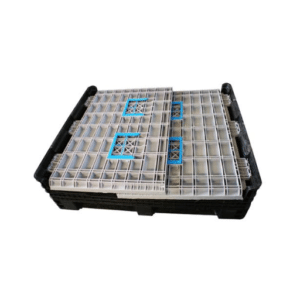
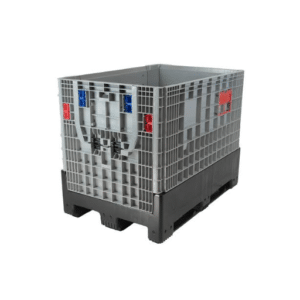
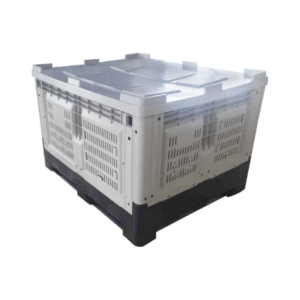
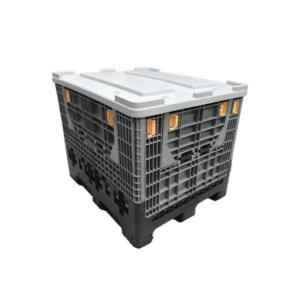
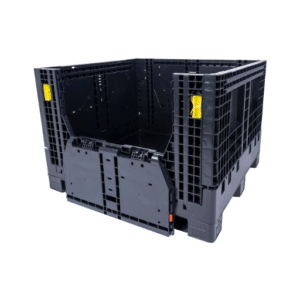
In managing logistical, warehousing and shipping operations, optimal storage conditions are essential. Nestable and stackable pallets are two key tools that come into consideration when coordinating transport logistics for your business. Both of these tool classes feature critical characteristics that can be used for either the production of loads or storage, but in the context of storage-density purpose, both have different uses. This article will examine the differences between these two load-carrier types by analyzing the advantages and disadvantages of both, providing information that can help you decide what would be the best choice for your company’s strategy—whether regarding increased storage efficiency, economics, or faster warehousing management.
Introduction to Pallets

What are Nestable Pallets?
Nestable pallets, typically made out of plastic or other lightweight materials, are designed to conserve space when not in use. The innovative design enables the pallets to fit or “nest” within each other, cutting significant space in storage. Nestable pallets are commonly used in industries concerned with effective warehouse management and supply chain operations. They are highly appreciated for their cost-effectiveness and space-saving qualities. Searches for nestable pallets reveal that people consider them for both shipping and storage, with strong preference expressed for space-saving applications. They are also preferred because of their sturdy plastic construction, which lowers their environmental footprint; nestable pallets are reusable and can be manufactured using recycled material.
What are Stackable Pallets?
Stackable pallets are essentially pallets designed such that they are rigid enough to carry the desired load upon one another. These are pallets meant to maximize space from the ground up in warehouses or for transport. The choice for stackable pallets is on the increase due to their vital role in assuring the steadiness and efficiency of the supply chain. Normally, high-load-bearing materials like plastic or wood are used in making them, and they need to remain balanced with such loads. The pallets save floor space by being stackable, therefore providing real benefit to any business that worries about utilizing space in their facility and storage.
Importance of Space Efficiency
Space efficiency is a basic requirement on which modern logistics and warehousing solutions largely depend while trying to optimize warehouse and storage operations. A trend search data clearly showcases a noticeable increase in questions related to how to utilize space for growing storage and how to do this at a lower cost. One benefit of space utilization is that overhead expenses can be minimized, while another positive comes from the streamlining of inventory control that enhances workflow within facilities. Integration of advanced storage systems for higher efficiency and low-cost production includes efficient modular shelving, compact pallet designs, and automated retrieval systems. In the grander scheme of things, adapting process-centric changes in compliance with advanced and sustainable practices will favor more scalable solutions for both ecological and market-driven considerations.
Characteristics of Nestable Pallets
Design and Structure
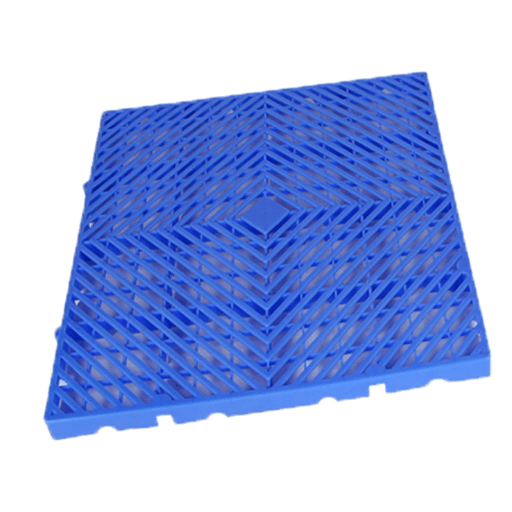
The unique structure of nestable pallets is designed in such a way that they can be fitted together and occupy minimal storage when not in use. Moreover, nestable pallets are most commonly created using strong materials such as plastic and usually come with hollow legs or a ribbed bottom, which make them perfect for stacking efficiently. In addition, owing to their low-density plastic construction, they are very easy to handle and transport while having good supporting properties whenever they are needed for different kinds of applications. They help you cut down on shipping costs and warehouse overhead while also providing a safe and easy-to-manage work environment.
Key Benefits of Nestable Plastic Pallets
- Space Efficiency: Save up to 66% storage space compared to traditional wooden pallets when nested together
- Durability: Resistant to moisture, chemicals, and pests, ensuring longer lifespan and consistent performance
- Lightweight Design: Reduces overall transportation costs without adding significant weight to shipments
- Safety Features: Smooth edges and non-porous surfaces minimize injury risks and contamination
- Environmental Impact: Many manufactured from recyclable materials, supporting eco-friendly operations
Load Capacity and Weight Specifications
Nestable plastic pallets are designed to be a strong and safe option while still being lightweight. Even though they weigh much less than usual wooden pallets, they can still carry remarkably heavy loads. The approximate regular loads they can perform are:
| Load Type | Capacity Range |
|---|---|
| Dynamic Load | 1,200 – 2,000 lbs |
| Static Load | Up to 3,500 lbs |
The weight of the pallets being significantly less compared to other materials while still being able to carry substantial weight makes them very efficient for transportation, storage, and handling processes across different industries. The convenience and cost-effectiveness of storage and logistics operations are also improved by their nestable design.
Characteristics of Stackable Pallets

Design and Structure
Heavy-duty stackable pallets have a very strong, solid structure so that they can be piled up very high and store a large number of goods. Usually, they are made of long-lasting and unbreakable materials like metal and plastic, and feature very solid corners that interlock with each other to avoid movement during the stacking process. The standardized sizing and durable material of production provide warehouses with a consistent way of handling and enable them to be used with different systems. High stacking strength results from the optimized construction design along with the added durability of the product, allowing them to handle heavy loads safely and efficiently.
Advantages of Heavy Duty Stackable Pallets
- Vertical Space Optimization: Stack empty pallets neatly to maximize storage area and reduce clutter
- Long-Term Durability: Heavy-duty design withstands intensive use, making them cost-effective for long-term applications
- Equipment Compatibility: Work seamlessly with forklifts, pallet jacks, and automation systems
- Enhanced Safety: Reinforced structure prevents improper load shifting during stacking or shipment
- Sustainability: Often manufactured from recyclable materials for environmentally responsible logistics
Load Capacity and Weight Specifications
Stackable heavy-duty pallets are the choice for users who need to handle large loads, making them suitable for a broad spectrum of industrial uses. These pallets have impressive load-bearing capabilities:
| Load Type | Capacity Range |
|---|---|
| Static Load | Up to 6,000 lbs |
| Dynamic Load | 1,500 – 3,000 lbs |
| Racking Load | 2,500+ lbs |
It’s worth considering the specific pallet design and material (plastic, wood, or metal) because these factors significantly affect the pallet’s load-bearing capacity and overall performance.
Comparative Analysis

Space Saving Features
Modern pallet designs incorporate innovative space-saving elements that aim to maximize storage efficiency. Nestable pallets have been specifically designed so that they can be stacked one into the other when not in use, cutting down the warehouse-stored pallet space by up to 75% compared to traditional pallets. Foldable pallets, usually made of tough plastics or metals, offer a collapsible form that minimizes their volume when empty, making them the perfect solution for return logistics.
Stackable pallets, on the other hand, refer to the practice of using pallets to keep material safe while stacking vertically in the warehouse. Now pallets are being manufactured with modular elements that can be modified to required dimensions to fit various storage needs. Recent industry statistics inform that these advanced pallets can provide businesses with an operational area saving of up to 30%, ultimately lowering storage costs and increasing logistics efficiency.
Key Statistics: Space Efficiency
| Pallet Type | Space Savings | Best Application |
|---|---|---|
| Nestable Pallets | Up to 75% | Return logistics, storage optimization |
| Stackable Pallets | Up to 30% | Vertical storage, heavy-duty operations |
Cost Considerations
When evaluating the expense factor, companies need to examine the initial pricing of sophisticated pallets versus the amounts they save for the long term. Although these new designs may at the beginning be more costly than old-style pallets, their sturdiness, recurring use, and space utilization advantages frequently culminate in the total reduction of expenses for both stock and freight. Fundamental modular designs or used pallets are available as pocket-friendly substitutes while still maintaining functionality. Furthermore, bulk shipment or collaboration with sellers who provide scalable solutions can also slash the expenses per unit, meaning that up-to-date pallet solutions will be within the reach of a larger spectrum of firms.
Impact on Supply Chain Efficiency
The efficiency of the supply chain can be improved drastically by combining modern pallet solutions with innovations like IoT-enabled tracking and RFID technology. Recent search insights data indicate that businesses using smart pallets together with advanced data analytics report increased visibility and real-time tracking of inventories across their supply chains. This high level of transparency enables manufacturers, distributors, and retailers to communicate easily, resulting in less time lost and fewer errors made. When these technologies are merged into supply chain processes, predictive maintenance becomes feasible and resources can be allocated more efficiently, ultimately reducing operational costs while increasing productivity.
Applications and Use Cases

Nestable Export Pallets
Nestable shipping pallets are one of the most advantageous tools for businesses wishing to save on their shipping solutions while maintaining an efficient shipping process. These pallets excel at saving space during storage and transportation because empty units can be nested inside each other, thus reducing the necessary storage area to a minimum. The material used for making nestable export pallets is often plastic, as it is lightweight and resistant to wear and tear. This makes the pallets easy to carry and very light to load, thus cutting the weight and ultimately the shipping costs. Meanwhile, their toughness eliminates risks such as splinters and breaking wood that are common with regular pallets, making their handling safer and extending their lifespan. Besides, the durability of pallets helps in global shipping; plastic pallets do not require customs processes like fumigation, which are mandatory for the wooden pallet variety. The most significant advantages of nestable pallets remain their cost-effectiveness and their value for modern supply chain operations.
Heavy Duty Nestable Pallets in Shipping
Heavy-duty nestable pallets are created to handle large weights while maintaining ease of shipping and other operations. The pallets are produced from high-quality and long-lasting materials, giving them good strength and ensuring the safe transit of heavy goods. Their design enables space saving to the maximum extent owing to their nestable nature, resulting in minimal storage during return trips or when they are not in use. In addition, they conform to global shipping standards, thereby removing the need for fumigation and assuring smooth and trouble-free trade around the world. Moreover, the ability to bear up under handling abuse and the consequent reduction in freight costs make them a highly efficient and cost-saving answer for businesses currently working to improve their logistics systems while trying to wisely manage their spent money and resources.
Industry-Specific Custom Solutions
Heavy-duty nestable pallets offer customizable solutions across various industries based on specific needs:
Food & Beverage
Pallets with easy-to-clean and hygienic surfaces meet high cleanliness requirements
Pharmaceutical
Lightweight and safe stacking pallets designed for secure handling of sensitive products
Manufacturing & Automotive
Heavy-load capacity pallets with high durability for components and equipment
The customized features of pallets facilitate the logistics operations of various companies across completely different industries, enabling them to comply with specific industry regulations and requirements.
Frequently Asked Questions
How exactly can nestable pallets save warehouse space?
Nestable pallets are constructed so that units can be fitted inside one another, hugely reducing the footprint for storage in containers or trucks. As they are nested, a 48-inch pallet and other sizes have the advantage of stacking up very tightly, unlike rackable pallets that require full separation. This makes them most acceptable in retail and wholesale distribution, where transport costs and packaging efficiency are important factors. They are usually made from polyethylene or lightweight plastic, which contributes to their low density when nested.
On what basis does the price of plastic nestable pallets vary?
When requesting a price estimate, suppliers consider materials—either heavy-duty plastic or regular polyethylene—along with size and whether pallets are for one-time use or structural applications. Custom molds or higher-density plastic usually increase cost, while lightweight plastic and common sizes generally lower it. In wholesale orders and for customers who buy pallets or skids in bulk, there are usually volume discounts. The quote is also affected by additional features like labeling, runners, or rackable capability.
Can nestable pallets be used in containers for export?
Yes, nestable containers are an excellent option as they allow pallets to be stacked inside each other during return or one-way shipments, thereby minimizing wasted space. The material used for their construction is plastic, which is very lightweight and reduces cargo weight, resulting in lower freight costs compared to wooden pallets. For international export, plastic nestable pallets are a very good choice as ISPM-15 wood treatment is not required, solving customs clearance problems and simplifying the process. Ensure you choose the right size and density for container pallets and plan loads to match secure stacking requirements.
Are nestable pallets a better choice for retail displays than wood pallets?
In commercial settings, nestable plastic pallets are frequently more successful than wooden pallets. They are cleaner, moisture and splintering resistant, and can be made to nest for return logistics efficiently. The retail industry appreciates lightweight plastic pallets that are easy to carry and can be utilized in automated material handling systems. Initially, wood pallets might be cheaper for one-way shipments, but many plastic advantages—durability, constant dimensions, and hygiene—are leading reasons for a shift toward plastic. The choice between rackable pallets and compact nestable designs should be based on your display and storage needs.
Are there nestable pallets made from heavy-duty plastic for industrial use?
Heavy-duty plastic nestable pallets are available and designed to have greater load capacity while still maintaining nesting capability. Usually they are made from high-density polyethylene or a combination of other high-performance materials. In basic designs, they are stackable, and with more sophisticated ones, they are easy to convey by forklift. Options like runners, pour spouts, and the choice of bright colors or company logos through plastic molding can be added for each application in production lines or finished-goods areas. These are suitable for manufacturing, distribution, and automated system applications across various industrial sectors.
Key Takeaways
Both nestable and stackable pallets offer distinct advantages for modern supply chain operations. Nestable pallets excel in space-saving efficiency when not in use, making them ideal for return logistics and storage optimization. Stackable pallets provide superior vertical storage capabilities and heavy-load handling, perfect for long-term warehousing needs. Your choice should align with your specific operational requirements, budget constraints, and logistics strategy.
References
-
Investigation into pallet durability throughout the hazards that pallets experience during regular use and handling
View Source
This study discusses the durability and features of pallets, including nestable types. -
Evaluation of Unit Load Stability Under Dynamic Forklift Handling Conditions
View Source
This research evaluates the performance of nestable plastic pallets under dynamic conditions. -
Environmental analysis of pallets using life cycle analysis and multi-objective dynamic programming
View Source