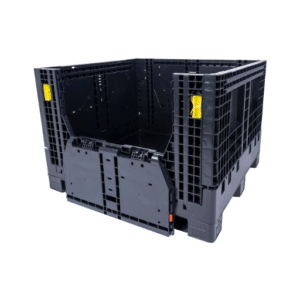
Introduction to Pallet Grades

It is generally accepted that pallets may be graded according to their general condition, quality, and ability to be used. These levels are divided into three main categories, i.e., premium, standard, and utility. Premium grade would mean that the pallets are in the best possible condition with almost no repairs, and are best-suited for applications where appearance and structural integrity are herculean aspects. Second-grade pallets may have had minor repairs done so long as they remain usable for normal applications. Utility-grade pallets have been heavily used, showing much wear and having many repairs, and are therefore most suitable for mopping-up applications where one-time use is involved. Awareness of these classifications would help the businessman choose pallets adequately suited for their operational profession, thereby ensuring cost-effectiveness and performance.
What are Pallet Grades?
Standardization of pallet types serves to describe and ascertain those pallet characteristics that meet commercial or industrial conditions. The standards have basically three classifications: premium-grade, standard-grade, and utility-grade.
Premium-grade pallets are good-quality pallets, maybe used very little or even new, with very minimal wear. Usually, these are very consistent in size, smooth on their surfaces, and the inner structural members are intact. Industries in which reliability and presentation matter would be the foodstuffs, pharmaceutical, or retail.
Standard-grade pallets are those of the middle type; although they may be repaired in minor ways, or with some moderate signs of use, they are mostly suitable for general warehousing and shipping applications.
Utility-grade pallets are those badly worn and repaired; they are normally considered suitable for low-priority or single-use operations where the cost of the pallet and its limited durability are acceptable.
With this grading system, a company can pick a pallet either for simple handling or for rigorous treatment, according to the cost or work parameter specification set for that company.
Importance of Understanding Pallet Grades
Pallet grading is important in industries for material handling operations in terms of maximizing operational efficiency and cost management. The grade of pallets chosen should be compatible with particular application requirements example, high frequency of use, heavy loads, or single-use shipping. High-end pallets, such as premium or A-grade, work better for heavy operations in which structural integrity and durability are critical, so that product damage is minimized, or in other cases, for safety. Utility-grade pallets can be purchased inexpensively for throwaway or low-priority shipping, so that cost is kept to a minimum while still satisfying the basic requirements. Knowing the difference between these allows companies to wisely divert resources and reduce waste while ensuring the best performance of the pallet vis-à-vis logistics needs. Such an approach leads to better reliability in the supply chain and cost control, making the knowledge of pallet grades a vital aspect of operational considerations.
Overview of GMA Pallet Grades
Some research states that GMA pallet grades are standardized classifications defining the condition and quality of pallets according to respective criteria. In this way, these grades determine reuse potential, structural reliability, and cost-effectiveness within a supply chain. Three main GMA pallet grades represent distinct characteristics.
The Premium Grade (A Grade) pallets are those that generally resemble new pallets with intact deck boards and very slight wear, maintaining consistent dimensions. Being from minimal-use inventories, these premium-grade GMA pallets are preferred for high-performance operations and industries requiring aesthetic uniformity and cleanliness, such as food and pharmaceutical logistics.
Standard Grade: Called “repair-and-return” pallets, standard-grade pallets reveal a lot of wear and often consist of the compromised method, maybe with one or two boards or stringers replaced. Though certainly not completely pristine, they satisfy the standard purposes of shipping and generally fit the industries that need cost and functionality.
Utility Grade: Said to be the bottom-of-the-barrel grade, these pallets give away evident structural defects, being cracked or warped, with missing boards. Such pallets are mostly used for low-priority or disposable shipments for which their durability and appearance are not important considerations.
The definition of these grades serves organizations in making a qualified decision about the basis of selecting a pallet for their operational as well as financial needs.
Types of Pallets

Wooden Pallets
They are the most common types, mainly for strength, cost-effectiveness, and ease of repair. They are useful in almost every industry and can be recycled or reused.
Plastic Pallets
Such pallets are very light, strong, and resistant to moisture, chemicals, and other substances. Catering to industries that need hygienic handling, these pallets are sales-worthy in the food and pharmaceutical domains.
Metal Pallets
These pallets are made from steel or aluminum and are highly durable to resist damage from heavy loads and in rough environments.
Corrugated Paper Pallets
Being lightweight and fully recyclable, these pallets cater to lighter loads or one-way shipments.
Composite Pallets
Crafted out of blended materials like wood and plastic, they seek to strike a balance between durability and cost-efficiency.
Wood Pallets vs Plastic Pallets
Considering wood versus plastic pallets, each with its own merits and demerits, the following comparison is based on durability, cost, environmental factors, and maintenance.
| Factor | Wood Pallets | Plastic Pallets |
|---|---|---|
| Durability | Strong for common load-bearing purposes, but suffer deterioration from moisture, pests, or heavy handling | More durable against environmental factors, less susceptible to breakage, ideal for sanitary solutions |
| Cost | Generally cheaper and easier to repair, cost-saving for operations | Higher upfront costs but save money long-term due to prolonged life and lower repair occurrences |
| Environmental Impact | Biodegradable, recyclable, mostly made from renewable resources | Recyclable but created from nonrenewable sources; reduce waste through reuse |
| Maintenance | Require more maintenance, prone to contamination in wet or humid conditions | Easier to clean and sanitize, ideal for food, pharmaceutical, and chemical industries |
| Best For | Short-term activities and cost-conscious operations | Long-term applications requiring hygiene and durability |
Summary:
The choice between wood and plastic ought to be contingent on the working environment. Wood works well for short-term activities and any cost-lover. Plastic, however, is better qualified for long-term applications, where there is a cry for hygiene and durability.
Standard Pallet Sizes and Specifications
According to regional norms and industry specifications, pallet dimensions can vary. Standardization occurs in the interest of easy transportation and warehousing. The most commonly used pallet throughout the world is 48″ x 40,” and it is standardized by the Grocery Manufacturers Association (GMA) in North America in order to ensure seamless shipping and warehousing operations. Generally, these pallets have a load capacity of 2,500 lbs., withstanding goods of various natures.
In European markets, the most common type is the EUR pallet, also called Euro-pallets, with 1200 x 800 mm dimensions under ISO standards. These types of pallets are adapted to European truck sizes and are extensively used in retail as well as pharmaceutical sectors.
Plastic pallets, in contrast to wooden pallets, often follow the same size regulations, but they do offer some advantages in precision manufacturing. Lighter in weight, dimensionally consistent, and resistant to moisture, they find favor in hygienic industries such as food and pharma. Other noteworthy sizes are 42″ x 42″, popular in the telecommunications industry, and 48″ x 48″, often observed in chemical industries.
Regional and industry-specific regulations could determine pallet material, dimensions, and load capacities; hence, organizations must ensure that their choices suit their logistical requirements and compliance standards.
Repair and Maintenance of Pallets
Proper repair and maintenance of the pallets will ensure their longevity, safety in use, and cost-effectiveness in the supply chain. Inspecting these pallets should be done to identify common problems such as broken boards, loose nails, splintering, mismatched sizes, or even structural weaknesses. Repairs for wooden pallets might include replacing damaged deck boards or stringers with nails or specialty fasteners to increase the life of the pallet. Plastic pallets are significantly more durable and might need professional repair techniques such as welding or replacement of components, depending on the type of material.
To be compliant with industry standards, an organization must use the standardized pallet repair guidelines as stipulated by ISO or EPAL for each type of pallet considered. Maintenance rightfully mitigates operational risks since such activities ensure that load-bearing capabilities are not compromised. Cleaning, for example, pressure washing or chemical treatment, is especially crucial for pallets destined for hygiene-sensitive industries, assuring that contamination risk is minimized without damaging the material. Hence, these best practices will work towards minimizing waste, controlling costs, and developing efficiency within the supply chain.
Grade A Pallets

High-quality and durable, Grade A pallets commonly show few signs of wear and tear. The repairing of these pallets is considered necessary to maintain structural integrity and functionality, without broken boards or protruding nails, as these pallets are commonly used in industries where appearance and performance are crucial, such as retail and food distribution. Grade A pallets are the most reliable and consistent, guaranteeing safe and efficient handling during transportation and storage.
Characteristics of Grade A Pallets
-
Durability and Repairs
Grade A pallets have maximum durability. They may have a minimum amount of visual defects. Repairs are made precisely, with no nails sticking out or boards that may be loose, thus forming a structure that could be unsafe should it be used. They are of very consistent good quality.
-
Material Composition
The material for these pallets commonly consists of high-grade hardwood or softwood, while selected boards are changed if need be to keep the pallet regarded as clean and intact. They have uniform dimensions and conform to accepted standards for repeated usage.
-
Appearance and Cleanliness
Grade A pallets are clean, uniform, and free from stains, dirt, or excessive markings. From their aesthetic point of view, they are very much sought after in industries such as retail and food distribution, where performance and presentation go hand-in-hand.
-
Load Capacity
Fitted with moderate to heavy loads, these pallets are inspected to ensure that they can continue to withstand the rigorous demands of transportation and/or storage.
-
Applications
Used widely in any industry that needs consistency and reliability (grocery, pharmaceutical, retail), Grade A pallets are guaranteed to seamlessly interface with any automated system and operational workflow.
Benefits of Using Grade A Pallets
Improved Durability and Reliability
Basically, Grade A pallets are examined and repaired, if need be, to maintain structural integrity and give consistent performance while being transported and stored, minimizing the chance of damage to the product. According to market research, using a better-quality pallet, such as Grade A, can reduce logistical trouble by about 30%, thereby guaranteeing a flawless supply chain operation.
Cost-Efficient Solutions
An initial investment in Grade A pallets is much more than that used for lower-grade pallets; however, their long use and durability mean that costs for replacement and repairs are lowered. Expenditure figures state that, by using better-quality pallets, companies are made to save about 20% each year in waste and repair.
Automation Compatibility
Grade A pallets are made with precision following specific standards. Hence, they really are for automated warehousing and conveyor systems. In automation-centric industries, these pallets decrease the wear and tear of the equipment in the entire system and provide some additional efficiencies that may cause an increase in throughput rates by greater than 25%.
Sustainability and Environmental Benefits
Grade A pallets, being made of high-quality reusable materials, fit well into the circular economy by merely extending their lifecycle and thereby reducing waste. Such refurbishing and reuse programs for these pallets can actually reduce the carbon footprint of a company by as much as 50%, thus supporting the newer sustainability initiatives.
Better Load Stability, Better Safety
The top-notch quality of Grade A pallets helps enhance the stability of loads while the goods are in transit, which further ensures the safety of the worker and the security of the products. Accidents and damages happening with Grade A pallets are reduced very much-it thus enables safer and sturdier logistics operations.
Grade A pallets go forth and provide a strategic advantage in terms of performance, maintenance costs during the long haul, and being congruent with operational and environmental goals, to name a few. Having stood the test of time, their proven efficacy continually makes them the top choice for industries requiring strict standards.
Cost Implications of Grade A Pallets
The price structure of Grade A-type pallets includes a factor for what they represent in terms of cost implications and long-term value. Accordingly, a Grade A pallet will cost more upfront in the purchase price than a low-grade pallet or a non-reconditioned one, in consideration of their superiority in quality and durability. Durability provides a longer life span for the pallet and equally cuts down on drop-in replacement, resulting in business-level savings over time.
Grade A Pallet Pricing
A normal Grade A pallet price would be between $12 – $25 per piece, dependent on the size, material (wood/plastic/composite), and the regional market.
Considering the data from the industry, a normal Grade A pallet price would be between $12 $25 per piece, dependent on the size, material (wood/plastic/composite), and the regional market. High efficiency gained from the supply chain operations sometimes results in further cost-saving benefits. For instance, when they can be used with automated systems, the use of equipment failures and downtime is greatly reduced, hence contributing to efficiency in all operations.
Another advantage of Grade A pallets is that they support sustainability efforts, which may translate into financial advantages through compliance with environmental regulations and tax credits. The use of Grade A pallets for refurbishment and reuse saves disposal costs and keeps new pallet production low. Even better, Grade A pallets provide trustworthy protection for goods during transport, thereby reducing product damage and representing security in the long run for systems across industries such as logistics, wholesale, and pharmacy.
By looking into the total cost of ownership, Grade A pallets offer a balanced choice by building a few upfront costs to be cast off with the amortization of savings realized from repeated usage. The managers should consider these factors together in order to make sure strategic choices are aligned with their operational and financial objectives.
Grade B Pallets
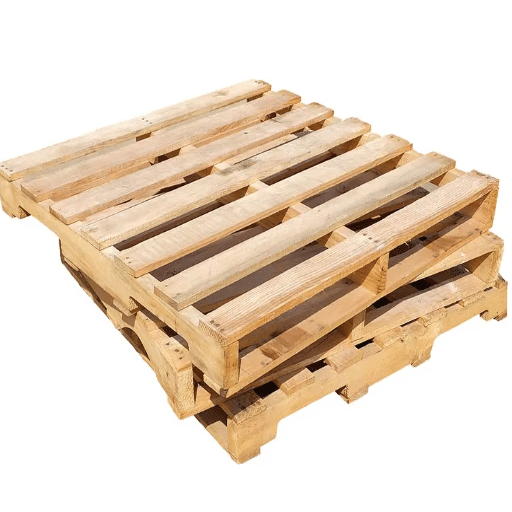
Refurbished or repaired pallets are considered Grade B, offering a less expensive alternative to Grade A pallets. In general, these pallets are manufactured from previously used materials, which may include signs of wear such as repaired stringers or deck boards. Grade B pallets, therefore, tend to be less uniform visually, though they do retain structural integrity sufficiently for a wide range of applications where a cosmetic appearance is less important. These are an ideal choice for industries focusing on buying things cheaper but still requiring the product to support a reliable load.
Understanding Grade B Pallets
They are a practical choice for a business needing functionality at a reduced price. These pallets, mostly refurbished from Grade A ones, are aptly considered Grade B, with minor repairs that could include replacing stringers with companion boards or patching deck boards. The reparations are purely functional, and these pallets lack the visual appeal of Grade A ones. For many operational situations, their structural strength and load capacity are adequate.
Industries using Grade B pallets include manufacturing, warehousing, and distribution, where looks are less important than ruggedness. They are excellent for one-way shipments, internal storage, or the movement of goods that are not fragile. Cheap, versatile Grade B pallets are usually a favorite in operations that balance dollar and performance.
When to Choose Grade B Pallets
Grade B pallets are, so to speak, a perfect mix of cost-effectiveness and functionality. Industries that require sturdy, yet affordable solutions for shipping or storing goods are good candidates. Common Grade-B-Pallet uses would be one-way shipments where the pallets are not going to be returned, or cases where the product is not subjected to rough handling, such as internal storage or warehouse applications. Slightly less attractive than a Grade A pallet, it makes the tradeoff of reliability and structural integrity of the pallet in heavy-duty business. Businesses that have placed a priority on saving operational costs without negating performance usually opt for Grade B pallets to meet their Logistics.
Comparative Cost of Grade B Pallets
Grade B pallets have been widely credited as being more cost-effective as compared with Grade A. On average, a Grade B pallet would run 20 to 30 percent cheaper in price as compared to its Grade A counterpart, thereby making it an affordable term for industries with stringent economic considerations. Prices fluctuate and depend on factors such as market demand, regional availability, and the type of repairs done on the pallets.
Grade B Pallet Pricing
Grade B pallets usually fall in the price range of $7-$12 per standard-size 48″ x 40″ pallet
Grade B pallets usually fall in the price range of $7-$12 per standard-size 48″ x 40″ pallet; however, this window may shift upwards or downwards in favor of bulk orders or custom specifications. The low price does little to hinder functionality, considering that they are strong and durable enough to meet the demand of heavy-duty use under most conditions. For businesses requiring a fairly inexpensive yet reliable solution, Grade B pallets provide the best compromise between performance and cost.
Grade C Pallets
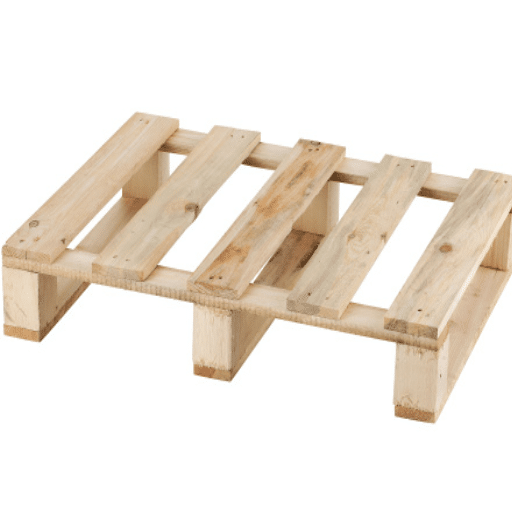
Grade C pallets are the lowest grade, usually used when price takes precedence over durability and appearance. These pallets are repaired or reconstructed with salvaged boards, and countless patches have been applied to them with little attention paid to consistency. Since these pallets lack strength and structural integrity, a light-duty service or single-use installation would be appropriate. While they are the cheapest, they stand little chance of lasting as long as and holding the load that Grade A and Grade B pallets can accommodate.
Features of Grade C Pallets
The cheapest pallets in the category of Grade C pallets are usually made of extensively repaired or recycled materials. They really look shabby with patches, mould irregularities, and heavy scuffing. They were not designed to carry heavy loads but lighter applications and single-use shipments. Implementing repairs on stringers with additional plugs or companion boards is usually done with C Grade pallets to extend usable life at the cost of strength and durability, which is not the case with Grade A or B pallets. They generally have a smaller service life and are, therefore, ideal for situations where a low price and disposal after use are given priority rather than performance and longevity.
Use Cases for Grade C Pallets
Grade C pallets, by nature, are largely used where price consideration and disposal are important, due to the lower strength of these pallets. Hence, these pallets find great use in single or limited-use circumstances, basically where goods are shipped and distributed to end-users who may never return the pallets, like the retail or consumer goods sectors. These pallets are also given preference for the export of goods under conditions that call for lesser initial investment, when the rigorous standards are not imposed on the pallets for international shipment. Warehouse owners may themselves use these pallets for lightweight materials that may require little strength for static storage.
Potential Risks of Using Grade C Pallets
As Grade C pallets provide a very cheap solution for various applications, their use is accompanied by certain risks. The main issue is their structural integrity, which is much lower than that of a higher-grade pallet. These pallets are often constructed out of repaired or recycled materials, and such an inconsistency in their strength and durability can lead them to easily break under heavy loads. They would typically also fail certain quality checks, including uniformity in size, weight-bearing capacity, or resistance to environmental factors, creating operational inefficiencies and safety hazards.
Another potential risk is that of contamination. Because these pallets may have been used in various forms by different industries, there is a higher chance that they may harbor contaminants such as chemicals, mold, or pests. This makes them unduly risky for applications calling for high levels of hygiene, such as food storage or pharmaceuticals.
The last point to note is the shorter lifespan of Grade C pallets, which makes them more often replaced, and could take away from their low upfront cost over time. Users must take these risks into consideration alongside their own needs before opting to use Grade C pallets.
Choosing the Right Pallet Grade for Your Business

If you want to select the pallet group that fits your business well, the concrete needs of your operations must be considered. Grade A pallets are for industries that need high-quality, durable, and clean pallets, such as food, medicine, or export logistics. Grade B pallets constitute an economical option for general warehousing and shipping where minor flaws may realistically be accepted. Grade C pallets represent suitability for one-time use or low-priority applications but come at the cost of higher contamination and lower durability.
Consider your intended use, hygiene requirements, and budget constraints in guiding your choice. Higher-grade pallets could very well perform better under demanding conditions while also costing less in the long run.
Factors to Consider in Pallet Selection
There are several factors while selecting pallets for the project that must be assessed in view of your unique requirements:
Material Type
Commonly, pallets are made from wood, plastic, and metal, and therefore each material offers its own advantages. Wooden pallets are inexpensive and most widely used, but could be contaminated and require treatment. Plastic pallets are more hygienic and generally more durable, having their application in the food processing and pharmaceutical industries. Metal pallets, on the other hand, are strong and are often cheaper to use in heavy-duty applications.
Load Capacity and Durability
It is of utmost importance that you know your load and durability requirements. Consider static load, that is, the weight to be supported while stationing; dynamic load, that is, when the weight is in movement; and racking load, which is the weight to be supported by racks. Excess weight could cause a pallet to fail, creating a hazardous situation and detriment to goods.
Hygiene and Compliance
In the food safety and pharmaceutical industries, treatment of pallets that meet hygiene regulations is an imperative, whether it is an ISPM 15-type heat-treated wood pallet or an FDA-type plastic pallet. It keeps parasites unfortunate for contamination and helps in adhering to the regulations.
Dimensions and Standardization
Dimensions are often specifications for the procurement set by industry and regional agencies. For instance, the 48×40″ size is a typical size in the United States, considering supply chain demands. On the contrary, international land-based companies might prefer to choose Euro pallets with dimensions of 1200×800 mm. Correct dimensioning will enable handling equipment, storage, and shipping container carriers.
Longevity and Environmental Aspect
With reuse potential in mind, consider the environmental angle. Plastic pallets are costly at first but are more durable, offering better recycling prospects and hence waste reduction. Wooden pallets, on the other hand, are biodegradable yet can become nuisances with frequent replacements depending upon abrasion.
Application-Specific Needs
Determine whether pallets will encounter specific stresses (e.g., high humidity, extreme temperatures) or require additional features like anti-slip surfaces or custom designs. Matching pallets to your operational environment enhances efficiency and safety.
If you carefully analyze these factors alongside your operational considerations, you will select pallets that will optimize performance, remain within your budget, and be sustainable for the environment.
Cost-Benefit Analysis of Pallet Grades
I always concentrate on striking a balance between quality, durability, and cost when performing a cost-benefit analysis of pallet grades to meet the company’s operational requirements. It may be worth purchasing higher-grade pallets since they will bear heavier loads for longer periods and not be replaced frequently, causing downtime less often. But of course, the upfront cost is more expensive than that of lower grades. Low-grade pallets are suitable for light loads or for one-time use anyway; however, the performance may suffer under more stringent conditions. Evaluating the supply chain’s specific needs, considering how the pallet will be handled, reused, or disposed of, will help me discern which pallet grade will give the best value for that application.
Guide to GMA Pallet Grades and Specifications
They can be classified as per quality, durability, and reusability, generally falling into categories such as Prime, #1, and #2. The Prime-grade or Premium-grade pallets are, however, of the very best quality, constructed with limited repairs, having solid deck boards and stringers for heavy-duty and long-term use. The pallets really are made according to the most stringent industry standards; thus, their performance can be counted on within high-volume supply chains.
Grade #1 pallets, by contrast, are sometimes called A-grade pallets. They have been used gently for a bit of time, but are still well-maintained. Minor repairs could have been applied with wood of a similar size. Typically, they do not include broken components. Because of their superior construction, these pallets yield good value for money, making them useful in operations where recurring use is encountered.
Grade #2 or B-Grade pallets are subjected to more maintenance or reconditioning with some apparent flaws, just like a plug repair or notch in the stringers. They are, however, less durable than their Prime or Grade #1 equivalents and hence are less costly; workable for less demanding activities such as single-use shipments or lighter cargos.
When considering GMA pallet grades, consider maximum load, handling conditions, and the expectation of reuse. High stress supply chains call for premium grade pallets, middle of the road goes Grade #1 for durability and price, and Grade #2 is for lighter loads in the value-conscious operation. Knowing these factors will make the selection of the most viable pallet grade the operational one, both efficiency and cost-wise.
| GMA Grade | Quality Level | Condition | Best Applications |
|---|---|---|---|
| Prime/Premium | Highest quality | Limited repairs, solid deck boards and stringers | Heavy-duty, long-term use, high-volume supply chains |
| Grade #1 (A-Grade) | High quality | Gently used, well-maintained, minor repairs with similar wood | Recurring use operations, balance of durability and price |
| Grade #2 (B-Grade) | Standard quality | More maintenance, apparent flaws, plug repairs, notched stringers | Single-use shipments, lighter cargos, value-conscious operations |
Understanding the distinctions between Grade A, Grade B, and Grade C pallets is essential for optimizing your supply chain operations, controlling costs, and ensuring the safety and integrity of your products. Each pallet grade serves a specific purpose and offers unique advantages based on your operational requirements, budget constraints, and industry standards.
Grade A pallets represent the premium choice for businesses that prioritize durability, appearance, and reliability. With pricing between $12-$25 per pallet, they offer superior structural integrity, automation compatibility, and sustainability benefits. Industries such as food, pharmaceutical, and retail that require strict hygiene standards and consistent performance will find Grade A pallets to be the most cost-effective long-term investment, despite higher upfront costs.
Grade B pallets strike an excellent balance between functionality and affordability, priced at $7-$12 per pallet. These refurbished pallets retain sufficient structural strength for general warehousing, manufacturing, and distribution applications where aesthetic appearance is less critical. They represent a practical solution for one-way shipments and internal storage needs, offering businesses the opportunity to reduce operational costs without significantly compromising performance.
Grade C pallets, while being the most economical option, are best suited for single-use applications, lightweight materials, and situations where disposal after use is anticipated. However, businesses must carefully weigh the risks associated with lower structural integrity, potential contamination issues, and shorter lifespans that may ultimately offset initial cost savings.
When selecting the appropriate pallet grade for your business, consider multiple factors including material type, load capacity requirements, hygiene and compliance standards, dimensions and standardization needs, environmental sustainability goals, and application-specific demands. The choice between wood and plastic pallets also plays a significant role, with wooden pallets offering cost-effectiveness and recyclability, while plastic pallets provide superior hygiene, durability, and long-term value.
Understanding GMA pallet specifications and industry standards ensures that your selection aligns with operational efficiency and regulatory compliance. Whether you’re managing a high-volume automated warehouse, conducting international exports, or operating a regional distribution center, the right pallet grade can significantly impact your bottom line, worker safety, and overall supply chain performance.
By carefully analyzing your specific needs and conducting a thorough cost-benefit analysis, you can make informed decisions that optimize performance, minimize waste, and support your organization’s operational and financial objectives. The knowledge gained from this comprehensive guide empowers you to select pallets that not only meet your immediate requirements but also contribute to long-term efficiency, sustainability, and success in your logistics operations.
Reference Sources
Managing Risks in Logistics Using the FMEA-DEA Approach
Crack Sealing and Filling Treatments for Asphalt Concrete Pavements
A Physics-based Virtual Reality System Design and Evaluation by Simulating Human-Robot Collaboration
Frequently Asked Questions (FAQs)
What are the differences between grade A, grade B, and grade C pallets?
Grade A pallets suit businesses that want high-quality wood pallets in excellent condition. Grade B pallets, while reliable, could very well need minor repairs and are generally a bit cheaper than grade A. Grade C pallets are usually not the ones to keep but rather meant for repair or recycling–usually outright damaged or at least in very poor condition.
How to choose the right pallet grade for your business?
The choice of pallet grade will largely depend on your needs. For shipping of fragile items, grade A pallets are highly recommended. For general usage, grade B could do. If being cheap is an option and they can be repaired or recycled, grade C could work.
What are GMA pallets and their specifications?
GMA pallets, or Grocery Manufacturers Association pallets, are standardized pallets that conform to specific manufacturer standards. Traditionally used in grocery applications, they are further graded by condition with respect to GMA standards.
Can I use refurbished pallets in operations?
Refurbished pallets can offer a cheaper alternative, with the catch to guarantee that they conform to your business standards and specifications. Grade A and B refurbished pallets are usually fine, while grade C refurbished pallets probably would require more repairs.
What are the advantages of recycled pallets?
Recycled pallets favor the environment; in fact, they can present the possibility of being cheaper than new pallets. When in good condition, recycled pallets can sometimes be at par with a new one, particularly grade A and grade B; thus, they are suitable for several purposes.
How to take care of pallets for maximum protection?
Proper upkeep means regular inspections and repairs. Keep your wood pallets dry and store them properly to avoid rotting. Plastic pallets need to be cleaned and checked for cracks or wear. This can prolong the life of grade A, grade B, and grade C pallets.
What does the pallet management process mean?
Pallet management tracks and maintains your pallets, ensuring they are kept in good condition and ready for display. This involves keeping tabs on the grades of your pallets, scheduling the repair of damaged ones, and recycling or discarding the grade C pallets that no longer serve any use.
Are plastic pallets better than wood pallets?
Plastic pallets are advantageous for being moisture and pest-resistant. Yet such wood pallet grades as grade A, grade B offer strength, and usually, they are more affordable. The choice of wood vs. plastic pallet depends upon your requirements and the nature of your business.