The process of managing warehouses successfully requires a delicate balance between three essential factors, which include operational efficiency and precise work execution, and orderly system arrangement. One highly effective method that people tend to ignore is for organizations implement a pallet color-coding system to enhance their operations. The assignment of particular colors to pallets according to product type and destination, and handling priority, enables businesses to achieve operational efficiency while minimizing human mistakes and enhancing their inventory management processes. The article demonstrates how pallet color coding functions as an essential resource for improving warehouse systems and their monitoring capabilities. The article demonstrates how this basic method can transform your warehouse operations through its ability to enhance both work processes and legal requirements.
Understanding Pallet Color Coding
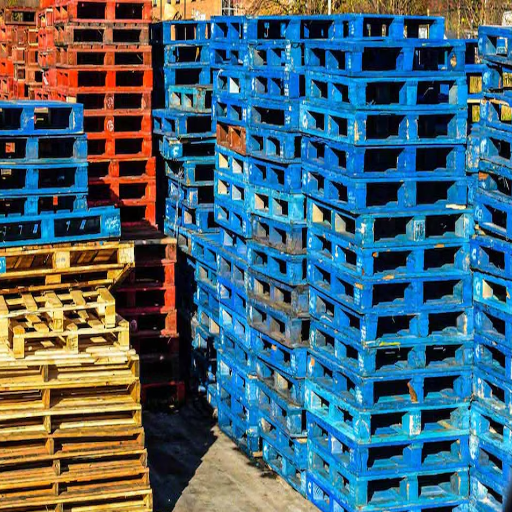
Pallet color coding has become a management aid that employs certain colors to include both the product, location, and handling of a pallet in a warehouse. With this, it is possible for the warehouse staff to manage a pallet in the warehousing process in the most efficient way. The system is convenient for warehousing staff as it makes people determine pallets with ease in any part of the warehouse, therefore increasing the effectiveness of all warehouse operations. Furthermore, deviating from conventional warehousing strategies not only improves performance but also maintains adherence to a safety and industry regulations observance framework. Implicit color arrangements have helped companies function more efficiently in terms of inventory management without altering their systems.
Definition and Purpose of Pallet Color Coding
The practice of pallet color coding is quite prevalent when materials are handled and processed. This is a case where the different colors have pallet attributes in that the size of the load, available stock, grading, and express requirements are indicated. In a warehouse, for example, this application could even be developed into a modification to a warehouse pick-by-light system, in that pallets are for different types of stocks and light-lines can be employed with different speeds. Such a colour pattern provides conspicuous visibility of pallets for distance viewing, thereby restraining the validity of the stored product towards that part of the rack for purposes of lifting the items to the top. The color system enhances productivity, accuracy in storage and retrieval operations, and overall level of satisfaction since the particular colors are also determined according to the level of priority. Consequently, businesses end up with an overall increased throughput since there is control over where things are put within the layout.
Importance of Pallet Markings and Colors
The combination of pallet markings and their color schemes establishes essential factors that enable warehouses to operate efficiently while maintaining safety standards and meeting industry requirements. The identifiers establish a visual system that enables warehouse personnel to identify products based on their different types and shipment origins and delivery destinations. The use of color-coded pallets enables the identification of three aspects, which include product categories, storage conditions, and handling requirements. The process decreases the chance of making mistakes, which include delivering the wrong products and violating temperature guidelines for perishable items. The markings contain essential details, which include barcodes and labels, and QR codes, which help automatic systems achieve precise inventory management and auditing operations. Pallet markings and colors serve as essential elements that help modern supply chain operations by creating operational transparency and decreasing the need for manual inspection time.
Overview of Different Colored Pallets
The logistics industry and supply chain management need various colored pallets to fulfill their specific requirements, which different industries establish through their operational practices. The Blue Pallets serve as standard shipping and handling equipment that the CHEP pallet pooling system uses for worldwide operations. The products have built-in durability because their tracking system utilizes special proprietary methods.
Red Pallets: The LPR (La Palette Rouge) network uses red pallets, which follow a similar pooling system that enables their reuse while decreasing environmental impact. The European market uses the products primarily for fast-moving consumer goods (FMCG) distribution.
Yellow Pallets: These are often associated with specific industries or private pooling entities. The yellow color aids in quick identification and is frequently employed to separate regional or functional uses, especially in mixed inventory situations.
The use of color-coded pallets enables staff to handle products with high efficiency while making fewer mistakes and using visual tools that show different ownership types and operational purposes, and specific compliance standards. The use of these products enables organizations to maintain their classification and hygiene standards, which apply to the food, pharmaceutical, and industrial manufacturing sectors.
Industry Standards for Pallet Markings

Every industry has adopted a set of pallet marking rules to boost efficiency while keeping companies in line with the rules found in marketing and other aspects of their logistics and manufacturing operations. Such regulations would commonly stipulate the need for a twenty-figure serial number type labeling system, comprising both alphanumeric characters and a barcode for tracking, and also a chip for environmental monitoring. These protocols would also introduce warning illustrations and colors in the labels, which are used to indicate how a product would be handled, or the customary weight a product can hold, beyond other laws such as ISPM-15 for containers with international shipments.
Pallets need visible markings that use sturdy materials that resist damage to meet their operational requirements. Organizations must perform regular audits of their supply chain networks while following ISO and GS1 standardization requirements to achieve accurate operational standards and successful system integration.
Common Color-Coding Systems in Logistics
Logistics operations use color-coding systems to improve operational efficiency and safety measures while maintaining better control of their inventory assets. The systems use color coding as a visual tool, which helps to arrange and prioritize data while sharing it with others. The following list shows the various color-coding systems that people commonly use.
Inventory Segmentation
Different stock categories, which include raw materials and work-in-progress inventory, and finished goods, receive distinct color assignments. The green tags show items that are prepared for shipment, while the red tags indicate stock that has been damaged or put into quarantine.
Pallet and Storage Designation
Operators use color codes to show which storage areas their pallets, bins, and shelving systems belong to. Yellow markings show high-priority areas while blue markings show areas designated for low-priority or reserve stock.
Safety and Handling
The organization uses specific colors to show which safety procedures and handling methods customers must follow. Operators need to be aware of dangerous materials that use orange or red labels for identification, while operators need to use blue labels to identify temperature-controlled zones that contain refrigerated goods.
Transport and Routing Tags
The system uses color-coded labels to package and container elements to control route operations because the system needs to verify that items are sent to their correct delivery points through proper vehicle loading.
The use of standardized color-coding systems creates uniformity between different facilities while decreasing the possibility of mistakes. The operation needs to establish its systems according to international standards like ISO standards, while providing ongoing training to its employees for operational success.
Pallet Stamps and Treatment Codes
The procedure that is called pallet treatment is implemented through the application of pallet stamps and treatment codes. They make it possible for the pallet to show its treatment history and, in a way, set the norms in shipping errors to the international requirements, which include ISPM-15. Usually, these markings would detail certain features such as the IPPC logo stating the fact that they abide by the phytosanitary measures of the country, together with a two-letter country code, national registration number of the producer, and treatment code. The treatment codes bear reference to the procedures employed for wood preservation, which include HT Heat Treatment and proper use of heat and MB Methyl Bromide, chemical fumigation to disinfect all pallets against pests and diseases in all forms. The existence of codes like DB Debarked shows that bark has been removed from the wood to prevent contamination. This is to prevent such markings from being used in permitting goods to move from one state to another in conformity with the rules of those states. The logistics team has to be rigorous with routine checks and learn the ins and outs of these codes, as failing to do so will result in inappropriate penalties and needless delays.
International Wood Pallets and Their Markings
International wood pallets are subject to compliance with strict protection and global trade requirements, ISPM-15 being the most significant, as it requires wood packaging materials to be specially treated to comply with pest and disease regulations when exporting. It is important to ensure that pallets are of a standard quality by having specific signs put on the pallets to indicate compliance with the required standards.
HT (Heat Treatment) – symbolizes that the wood has undergone core heat treatment at least 56°C for a total of 30 minutes in order to kill the bugs.
MB (Methyl Bromide) – The statement shows that fumigation used methyl bromide gas for treatment, although certain areas forbade its application because of environmental concerns.
DB (Debarked) – Confirms that the wood has been stripped of its bark to minimize pest infestation risks.
The stencils on the pallet show a logo of the IPPC or International Plant Protection Convention along with a unique code indicating the institution that certified the pallet and the country of its production. As a result, companies are at risk of cargo refusal with monetary punishment and delays in dispatching the cargo in case of non-compliance. In this regard, Companies enhance inspections of produced pallets that monitor the presence of the IPPC marking on the pallets as well as the ability of the pallets to meet global trade requirements. The efficient management of logistics is a process that enables organizations to integrate their strategic activities with adherence to relevant regulations.
Benefits of Implementing a Pallet with Color-Coded
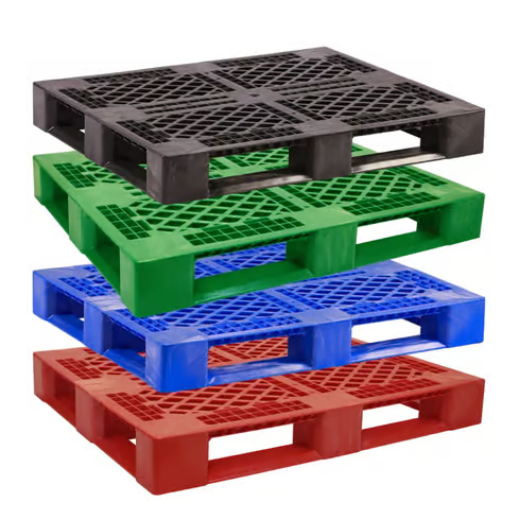
The use of a color-coded pallet system brings multiple operational benefits to the organization. The system boosts warehouse productivity because it enables staff members to visually identify different pallet categories and their contents and their assigned storage locations. The system enables better inventory control because it simplifies product distribution for different handling priorities that need to be delivered to various locations. The system establishes safety requirements through its identification of pallets that should be used for different purposes, including hazardous material storage, which helps decrease security threats. The systems improve communication between teams, which results in better productivity and operational efficiency. Color-coded pallet systems deliver businesses an organized method to manage their inventory and handle their logistical operations.
Operational Efficiency in Warehouse Management
The successful combination of technological systems with process improvements and effective resource management forms the foundation of warehouse operational efficiency. Modern warehouses increasingly rely on advanced tools such as warehouse management systems (WMS), automated guided vehicles (AGVs), and radio-frequency identification (RFID) systems to streamline operations. The system uses these technologies to enhance inventory tracking capabilities and achieve higher picking accuracy while decreasing operational expenses through automation. Data analytics enables managers to discover process inefficiencies and forecast customer demand, and they use data analysis results to make decisions.
Space utilization efficiency stands as a vital element in the process. Warehouses can achieve maximum storage capacity through vertical storage systems and dynamic slotting while minimizing the time needed to retrieve items. The implementation of LED lighting and energy monitoring systems as energy-efficient solutions leads to both cost reductions and environmental sustainability benefits. Organizations need to establish operational efficiency through their use of advanced technology, their development of strategic plans, and their ongoing operational assessments, which should match the changing needs of their supply chain networks.
Error Reduction and Safety Compliance
Warehouses need to implement multiple strategies that use technology, extensive training, and their complete commitment to regulatory requirements for achieving error reduction and safety compliance. Automated systems that use barcode scanning and RFID tracking systems help organizations decrease manual data entry mistakes while enhancing their inventory management systems. Regular safety audits combined with employee training programs which teach best practices about equipment handling and ergonomic technique,s function as a fundamental method for reducing workplace injuries. The organization achieves safety compliance through its implementation of OSHA standards, together with its adherence to specific industry regulations. When organizations combine predictive analytics with IoT devices, they gain the ability to improve their preventative capabilities through early detection of potential hazards, which could lead to accidents. The implementation of technological advancements, together with strong safety policies, creates a safe workplace environment that operates with enhanced productivity.
Enhancing Tracking Systems with Color Coding
Color coding systems in tracking systems help organizations to streamline their operations because they enable better identification of items while minimizing operational mistakes. The system uses colors as visual indicators to divide objects and operations, and status updates into designated groups through specific color assignments. The inventory management system uses distinct colors to show different product categories and stock levels, and shipping priorities, which helps users to assess inventory status through visual inspection.
According to leading sources, industries such as healthcare, manufacturing, and logistics benefit greatly from this strategy. Color-coded labels for patient files and medications in healthcare settings help to reduce miscommunication between staff members while making healthcare environments safer. Visual signaling systems in manufacturing operations use colored signals to show which materials are present and which machines are operational, which leads to better performance in the workplace. Logistics systems use colored tags to show shipment priority, which helps to prevent package loss and shipment delays.
All personnel who operate color-coded systems need to learn through training about the proper color scheme that should be used throughout their organization. The establishment of uniform guidelines helps teams to work together more effectively because it prevents misunderstanding of procedures. The implementation of digital tools such as barcode scanners that match the established color coding system will lead to better tracking results and data management. The combination of systematic methodology with advanced technology will enable organizations to achieve higher productivity levels while sustaining operational reliability standards.
Best Practices for Implementing a Pallet Color-Coding System
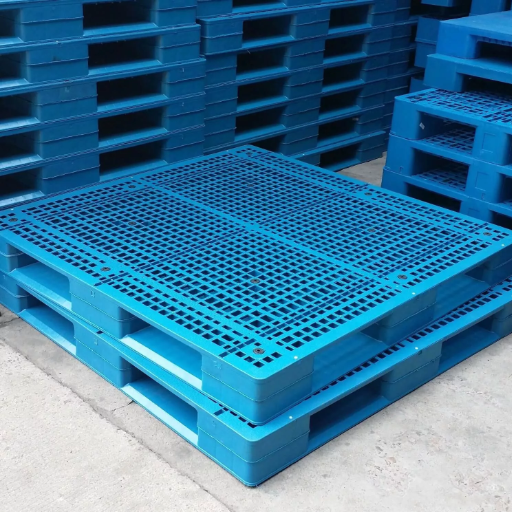
To implement a pallet color coding system successfully, three essential components need to be established. The first step requires selecting a standardized color scheme that meets operational needs before training employees to identify and use this system. The implementation of digital solutions through barcode scanning technology will improve tracking capabilities while increasing data accuracy. The system will achieve both reliability and objective consistency through the combination of these strategies with regular assessments and updates.
Steps to Create an Effective Color-Coding System
The first step of the project requires complete identification of its main objectives and the required elements for its execution. The organization needs to identify which processes, tasks, and operational areas will use color-coding as part of its compliance requirements and business needs.
The Standardized Color Scheme Development requires selecting colors that people can easily recognize and use for particular categories and purposes. The scheme needs to establish clear boundaries between its elements while providing access to people who experience color vision deficiencies.
The organization needs to create distinct regulations that include specific labels that match the selected color schemes. The system needs to use colors with symbols and patterns and text to establish a better understanding for people who work with complex systems.
The system needs to use digital tools with color-coding through QR codes and barcodes, and inventory management software to create better identification and tracking systems, which will lead to improved accuracy.
The organization needs to provide training programs that will teach employees and stakeholders about the color-coding system and how to implement it.
The organization will conduct pilot testing to evaluate the color-coding system through limited testing, which will enable them to receive feedback about system problems that need to be solved before proceeding with the entire deployment.
The system requires Periodic assessments of its performance, which will lead to necessary updates that match current business needs and new regulatory standards. User feedback will be incorporated into system reviews to achieve two goals, which are performance improvement and system maintenance.
The organization needs to follow these steps to create a color-coding system, which will improve their operations through better work process understanding, enhanced security measures, and higher productivity rates.
Considerations for Different Types of Pallets
The process of establishing a color-coding system for pallets needs to begin with the investigation of the different characteristics that each pallet type carries for its particular operational functions. The following points represent the main aspects that need examination.
Material Composition The composition of pallets needs to consider three common materials, which include wood, plastic, and metal, because these materials create different challenges and benefits for color identification. Wooden pallets need surface treatment for proper paint and label attachment, while plastic pallets need specialized coatings and strong adhesives to keep their system intact. The reusable nature of metal pallets requires temporary identification solutions, which include magnetic labels.
Usage Environment
The operating conditions in which pallets are used directly influence the selection of color-coding materials. Outdoor pallets need UV-resistant paints or labels that can endure both sunlight and weather conditions. Pallets in food-grade environments need to use non-toxic marking materials that can be easily cleaned and meet hygiene standards established by the FDA and HACCP regulations.
Functional Requirements
The specific coding methods used in the system are developed from three functional needs, which include load capacity and standardized operations. The automated systems in warehouses that use robotic sorting systems benefit from high-use pallets that feature bold color markers that reflect light and make detection easy for sensors. The transport of hazardous materials requires pallets to display color codes that match international safety regulations for continuous identification purposes.
Lifespan and Durability
The pallet lifespan establishes the necessary durability standards for its identification system markings. The identification of medium to long-term use pallets requires permanent markings that can withstand damage through heat stamping or engraving, while short-term use pallets need identification through stickers or spray paint. The process of implementing these elements through integration creates an operational system that uses color-coding methods that suit its particular needs.
Utilizing Reusable Wood Pallets with Color Codes
Using a color-coded system for reusable wood pallets allows organizations to achieve better operational results while maintaining environmentally friendly practices. The color-coded pallets enable better logistics operations because they show which functions, product categories, and destination areas need to be sorted. The system uses different color labels to show which pallets should go to inbound or outbound areas and which need to go to specific storage areas and production stages. The visual management tool enables inventory management staff to maintain inventory control through FIFO (First-In, First-Out) and LIFO (Last-In, First-Out) stock rotation practices.
Marking techniques need to be selected based on their durability and cost-effectiveness for optimizing product usage. The industry needs heat-stamped color codes and engraved markings for permanent use because they require high wear resistance, while painted surfaces and sticker systems work for short-term purposes. The pallets need constant inspection and maintenance to maintain their structural durability and visibility, which helps to extend the life of the color-coding system.
Reusable wood pallets help environmental sustainability because they eliminate single-use packaging waste while enabling circular logistics systems. The system creates measurable operational improvements through its efficient color coding system, which enhances operational performance and regulatory compliance and reduces environmental damage.
Common Challenges in Pallet Color Coding and How to Overcome Them

The process of paint and label deterioration starts when environmental conditions lead to color shade loss, which makes their appearance less accessible. The solution requires selecting premium UV-protective paint products together with high-quality weather-resistant labeling materials. The color system will remain intact through ongoing inspections that lead to necessary color element replacements.
People will sometimes misjudge a color because of inadequate lighting combined with limited ability to see different color shades. The solution requires using two colors that create a strong visual contrast, enabling people to see them through proper illumination at the workplace. The organization needs to provide color reference training materials, which will help reduce operational mistakes.
Pallets will pick up dirt and debris when they move through different locations, which makes it impossible to see their color identification system. The organization needs to establish periodic cleaning protocols while choosing product finishes that prevent dust accumulation to maintain operational identification systems.
The absence of uniform color coding standards between different facilities and supply chains creates operational confusion and leads to work process delays. The organization needs to establish a company-wide color coding system that meets existing industry standards to show operational uniformity across different functions.
The process of establishing an efficient color coding system requires organizations to pay initial expenses for paint materials, label products, and pallet inventory updates. The costs of the project become justified when organizations achieve operational efficiency and legal compliance through their implementation. Organizations can reduce their economic burden through cost-benefit analysis, together with incremental system deployment.
Organizations can achieve their goals for improved pallet color coding systems through active problem-solving combined with the development of strong organizational frameworks. The organization needs to establish service level agreements that will guarantee performance and total service availability.
Lack of standardization: Create consistent solutions.
Operations experience three different problems, which include inefficiencies, miscommunications, and errors, because pallet color coding systems lack standardized procedures. Organizations need to create standardized guidelines that will determine specific color assignments used to identify different product types, storage areas, and handling statuses. Organizations that implement industry standards will achieve better compliance with supply chain requirements, while their facilities and business partners will experience improved system interoperability. Staff training programs that provide comprehensive training enable all employees to understand and follow established procedures. The system will maintain its clarity through the use of templates and centralized documents, which organizations use to create color-coding policies, which will help reduce deviations.
Maintenance and updates: Keep the system relevant.
The system maintains its current relevance because I conduct periodic assessments, which help me find outdated practices and operational inefficiencies. I make team member feedback my top priority while I work to understand new industry trends and technological progress. I update procedures and documentation to maintain system compliance with present operational requirements and established standards.
Cost issues: Cost-effective solutions.
The solution for cost problems requires you to optimize resources while implementing specific operational methods that will decrease unnecessary financial expenditures. Open-source software, together with cloud-based solutions, provides organizations with a comprehensive solution that reduces both initial expenses and ongoing support requirements. The organization carries out regular audits to discover operational problems that lead to the reallocation of resources towards essential functions of the organization. The organization achieves cost savings through time efficiency gains and process duplication elimination, which results from its adoption of automation and workflow optimization. Stakeholder collaboration enables organizations to obtain improved contract conditions, which include bulk purchase discounts that help manage costs over the long term. System designs that support scalable growth through modular design enable organizations to expand their operations without needing to make major financial commitments. The system achieves cost-saving improvements through these strategies while its operational performance remains unchanged.
Reference Sources
UCD CSN Technical Information #302C
A technical document from the University of California, Davis, detailing the use of color coding for trays in sample analysis, including specific color assignments for different statuses.
Supermarket Foam Tray Colors – What Do They Mean?
Published by the University of Florida’s IFAS Extension, this blog discusses the meaning of different foam tray colors used in supermarkets.
Frequently Asked Questions (FAQs)
What is the purpose of pallet color coding in a warehouse environment?
Pallet color coding serves three functions, which include better organization, improved tracking methods, and increased operational productivity. The implementation of specific color codes for various pallet types, product categories, and storage zones allows warehouses to decrease mistakes while enabling fast product identification and improved inventory control.
How are pallet colors typically assigned in a tracking system?
Pallet colors are usually assigned based on predefined criteria such as product category, storage location, handling requirements, or shipping destination. The system uses red pallets to represent high-priority items, while blue pallets indicate frozen goods and green pallets display items that are ready for dispatch.
Can pallet color coding integrate with existing warehouse management systems (WMS)?
Pallet color coding enables warehouse management systems to track and monitor inventory items in real time. The system improves picking and packing processes and shipment operations through the connection of physical color codes with digital inventory records.
Are there any industry standards for pallet color coding?
Many industries create their own pallet color coding systems because no universal standards exist. Companies need to work with their supply chain partners to develop standardized codes that will help them minimize errors that occur during transfers or international shipments.