The right warehouse management will make certain that efficiency occurs and that the employees are safe. Of all the safety issues, compliant pallet racking systems surely sit at the foundation. OSHA lays down strict rules to reduce the risks that pallet racking might pose, any way from the failure of the structure to fall hazards. This article describes the essential OSHA requirements for pallet racking and is broken down into further detailed standards that one must comply with to maintain a safe working environment. If you plan to better existing safety standards or are actively designing a new warehouse setup, knowing the regulatory standards is the only means of safeguarding your employees as well as your business operations. So stay with us for some insightful ideas and practicable steps that you may use to get your pallet racking systems aligned with OSHA standards.
Introduction to OSHA and Pallet Racking
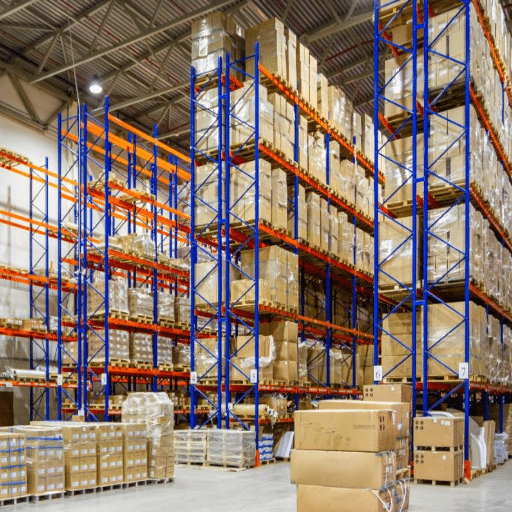
The Occupational Safety and Health Administration (OSHA) provides guidelines for organizations making ensure their work environment is safe for their workers, including the appropriate use of pallet racking systems. The installations must be balanced, structurally sound, and adequately capable of bearing the intended load to avert accidental injuries. OSHA requires adequate inspections to prevent accidents from occurring due to hazards, such as bent beams, loose bolts, or racks set any heavier than they should be. According to OSHA standards, the load capacity must be properly posted, and the racks must be appropriately spaced to allow for safe operation and employee training for safe handling. Compliance with such regulations surely saves safety from injury to costly fines, and interruptions in operations.
What is OSHA?
Founded in 1970 through the Occupational Safety and Health Act, it is a federal agency under the US Department of Labor. The purpose of OSHA is to ensure safe and healthy working conditions for working people by setting and enforcing standards and by providing training, proper education, and outreach. It also offers assistance. While in the eyes of OSHA, each industry is somewhat different regarding workplace safety regulations, OSHA performs workplace inspections to see if the standards and regulations are met by the concerned party. The OSHA policy of safety at work is collaborative toward creating a safe working environment that will reduce hazards, promote safety measures, and uphold workers’ compensation rights.
Importance of Pallet Racking in Warehouses
Constituting an essential part of the modern warehouse, the pallet racking system works toward the ultimate goal of space maximization, improved inventory, and a boost in operational efficiency. These systems store the goods systematically, ensuring vertical space is effectively utilized to provide maximum storage capacity without increasing the warehouse footprint. With the perfect installation of the pallet racking, products can be better organized, retrieval times can be faster, and workflow can be streamlined with fewer handling costs and minimized errors.
Pallet racking ensures that goods are stored securely and, therefore, enhances workplace safety with respect to falling risks. The different pallet racking systems in use, such as selective, drive-in, or push-back, provide storage solutions tailored to the specifications of warehouses in regard to product size, weight, and turnover rates. Prioritizing safety codes, maintenance, and training will help retain structural integrity so as not to affect production and safety in warehouse set-ups.
Overview of OSHA Pallet Racking Requirements
OSHA-related organizations do specifically govern pallet rack systems with safety regulations; rather, they enforce the safety requirements set down General Duty Clause (Section 5 (a) (1) of the Act) that every employer shall provide a working environment free of recognized hazards, which includes the safe use and maintenance of pallet racks.’ Therefore, some racking-related requirements may be considered under guidelines within the general section of safety practices involving structural abilities, installation practices, and periodic inspections.
LOAD CAPACITY AND LABELING
Following the limits to load capacity set by manufacturers of pallet racking systems is stressed by OSHA. Each rack should bear a conspicuous label indicating the weight limit, and racks should never be overloaded. All racking systems must be adequately designed to withstand the load they are to carry without compromising on safety.
Proper Installation and Anchoring
Installation and use of racks shall observe the specifications of the manufacturer, including anchoring of uprights securely to the floor so they do not tip over. Such a rack frame is supposed to be properly aligned and leveled to maintain its stability under load.
Damage and Maintenance Standards
Damages to rack components, bending of uprights or beams, must be identified in routine inspections and can threaten structural stability. Any damaged component must be repaired or replaced as soon as possible so that compliance will be maintained before collapse or loss of pressure.
Aisle and Access Clearances
Adequate aisle clearances should be kept at any time for safe forklift and employee access. OSHA emphasizes that pathways be kept clear without obstruction and the width be suited to the size and operation of equipment like powered industrial trucks.
Employee Training
Employees dealing with racking systems should be trained in safe practices. This includes load handling, safe operations of a forklift, or recognizing hazards such as overloaded racks or goods that are not safely positioned.
Important Note: Working in harmony with OSHA’s general safety requirements, one should also accept the manufacturer’s recommendations and ANSI/RMI MH16.1 standards in order to develop a safer and compliant warehousing environment. Frequent audits and proactive training programs are another method by which risks associated with pallet racking systems can be minimized.
OSHA Standards for Pallet Racking

OSHA has not issued specific standards for pallet racking systems; in very broad terms, Section 5(a)(1) of the OSH Act, called the General Duty Clause, requires that a storage system be kept in a safe condition. OSHA states that employers must ensure that racking systems are installed, inspected, and used in accordance with manufacturers’ instructions and standards, as set out, for example, by ANSI/RMI MH16.1. Labeling of load capacity, inspections for structural damage, and employee training on safe operations are at a minimum to be asked under compliance requirements. In addition, racking installation must not interfere with fire sprinkler systems or designated emergency exits as per OSHA’s general workplace environment safety standards.
Detailed OSHA Guidelines
When emphasizing aspects related to safe use and maintenance of industrial racking systems, OSHA highlights aspects for compliance and safety in the workplace. OSHA rules dictate that all racking must be designed according to criteria established by the Rack Manufacturers Institute (RMI) and ANSI/RMI MH16.1 standards. Racks must be properly installed and anchored to prevent them from tipping over or collapsing. Also, signage must be in place that indicates maximum load capacities- sign load capacities must never be exceeded to assure safe structural integrity.
Regular inspections must be conducted for the detection and possible remediation of problems, if any, e.g., upright bent or damaged, damaged beams, and joints. Should damaged structural components be observed, repairs shall immediately be carried out or replacements made, as any delay might result in system failure. Aisles and pathways must be kept free from obstruction by placing racking systems properly so as not to obstruct fire sprinkler systems, emergency exits, or routes of egress, according to OSHA. This provision falls under the wider OSHA requirements for the storage of materials and the prevention of hazards contained in 29 CFR 1910.176(b).
Training is another crucial subject. Workers who load or otherwise access stored materials must be trained to recognize hazards, follow load limits, and properly operate material-handling equipment, such as forklifts. Forklift safety is specifically provided for under OSHA 29 CFR 1910.178.
Should the employer opt for consulting third-party engineers in the initial installation of racking or for major repairs or modifications, they will validate conformity with structural safety standards. The combined effect of OSHA regulations, ANSI standards, and their own basic safety practices ensures a safe storage system free from hazards that could further threaten life and property.
Compliance with OSHA Standards
Compliance with OSHA regulations, notably 29 CFR 1910.178, in terms of powered industrial trucks such as forklifts, is a crucial consideration for safety and efficiency in the workplace. Employers are responsible for ensuring that all forklift operators are properly trained and certified in accordance with OSHA’s operator training requirements. These training requirements include both classroom and hands-on instruction and a formal evaluation. The forklift must also be inspected on a regular basis to ascertain if there are any mechanical issues that need to be addressed.
Storage or racking systems must meet the general safety requirements under walking-working surfaces as stated in 29 CFR 1910.22 by OSHA. The employer has to ensure the racks are stable, properly anchored, and will satisfactorily handle the maximum load as required. Regular inspections should also guarantee the structural integrity of racks, while any damaged components have to be replaced right away.
Compliance is further enhanced if organizations incorporate ANSI/RMI standards outlining racking design and installation. It is therefore strongly advisable to engage the services of qualified engineers for racking setup or modification to comply with OSHA and the safety standards of the industry. A well-trained workforce in the safe handling of materials and regular maintenance will nearly eliminate unsafe acts to maintain compliance.
Common OSHA Violations in Racking Systems
Load Securing and Truck Overloading
Violations of this kind say something major about OSHA: not adhering to manufacturers’ load ratings or practices results in overloading racks, which may cause structural failure and grievous injuries at the worksite. It is, therefore, important that workers ensure that loads are evenly distributed and weights are clearly marked on racking systems.
Poor Inspections and Maintenance of Racks
Poor maintenance and inspection have led to the deterioration of rack systems. OSHA states that damaged racks with bent beams and bent uprights are safety hazards and should therefore be immediately repaired or replaced. Regular inspections will help ensure early detection of structural problems.
Inadequate Training
Another frequent violation relates to the lack of proper training for employees in material handling and the use of racks. Operators of forklifts or any other equipment shall be certified, and their training shall include how to load correctly and the importance of not climbing on racks.
Racking Systems Failure to Be Anchored
An unanchored pallet rack is prone to toppling from vibrations or seismic activities and, as such, violates OSHA’s requirements with regard to stability. Such racks have to be anchored to the structure for its integrity and for the safety considerations of the workers.
Nonconformance to Clearance Requirements
With reference to fire safety and forklift operation, OSHA requires minimum clearance distances around racks. Failure in maintaining the proper aisle widths and overhead clearances would cause disruptions to emergency procedures and hinder equipment maneuverability.
Critical Reminder: Structuring a proactive approach toward rigorously enforcing OSHA standards should be complemented with regular training courses and the upkeep of the system. Not only do these measures assure a healthy working environment, but they also reduce operational downtime and the possibilities of regulatory penalties.
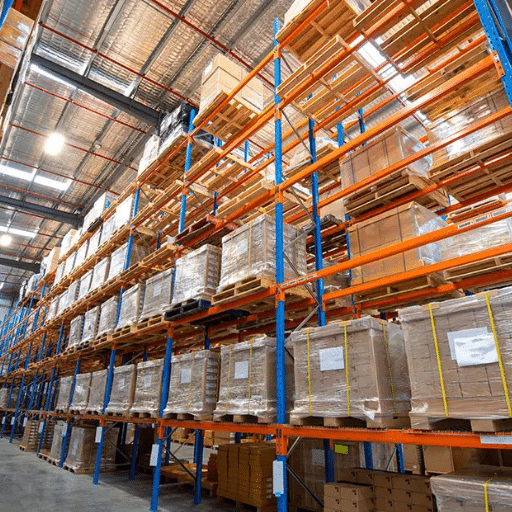
Key OSHA Requirements for Warehouse Racking
| Requirement | Description |
|---|---|
| Load Capacity Markings | All types of warehouse racking must have visible load capacity markings so as not to promote overloading and consequent structural failure. |
| Adequate Aisle Spacing | Ensure proper aisle widths and overhead clearance to enable safe operation of equipment and emergency access, as per OSHA standards on material handling. |
| Structural Integrity | Regular inspections should be made for the detection of any signs of damage or wear in the racking systems, thus keeping them structurally sound and avoiding collapse. |
| Anchor Securement | The racks should be securely anchored to the floor to prevent tipping or movement during use or under seismic activity. |
| Employee Training | Employees shall be trained on the correct usage of racks, including safe loading and unloading procedures in accordance with the General Duty Clause of OSHA. |
| Clear Hazard Marking | Hazard marking shall be provided around the racking system to allow safe pedestrian crossing and equipment maneuvering. |
These requirements are vital for reducing workplace accidents and keeping in line with OSHA regulations for warehousing safety.
Understanding OSHA Standards for Racking Systems
OSHA standards related to the racking systems come mainly under the General Duty Clause, which assures that an employer provides a hazard-free recognized workplace. There aren’t regulations specifically addressing racking systems; however, some provisions apply indirectly, usually relating to material handling, storage, and structural safety. Below are some key considerations:
Structural Integrity and Load Limits
Any racking system should be designed and maintained so that it safely supports the intended load. This includes adhering to any manufacturer’s guidelines concerning maximum load capacities while conducting inspections on a regular basis for any sign of wear, damage, or instability. Obviously, these load limits must remain clearly visible and never exceeded.
Installation and Anchoring
Correct installation of racking systems is crucial to reducing risks. The racks should be anchored to the floor by appropriate means so that they do not tip under stress. Compliance with building codes for shelved storage systems is also essential to ensure safety.
Material Handling and Ergonomics
Employees should follow safe procedures when stacking or retrieving items from racks. Forklifts and any other means of mechanical equipment used with racking systems should be OSHA-compliant. Operators MUST be trained properly.
Aisle Clearance
Racking systems must have sufficient clearance for loading equipment, and aisle widths must comply with OSHA guidelines to ensure safe movement and access.
Observing these will help companies maintain safer working conditions, lessen the hazards of accidents, and remain in compliance with OSHA guidelines in their facilities.
Load Capacities and Safety Measures
Therefore, proper comprehension and strict adherence to racking systems’ load capacities are necessary for operational safety and legal compliance. Each racking system is designed with stipulated weight limits, per shelf, and total capacities. Surpassing such limits spells structural failure and increased dangers of accidents like collapses. Load capacity weighs in the load of items stored and the dynamic forces imparted during loading or unloading.
To ensure safety, the racks should undergo constant inspection for any signs of wear, distortion, or damage that would affect the support they are required to bear as per design. The load limits must be clearly posted on racks. Operators must be aware of the load, and objects stored in racks must be evenly distributed with respect to weight to prevent one side or point from being excessively loaded.
Training employees to understand load capacity standards, stacking techniques, and equipment operation builds a culture of safety. Also, the company should carry out routine safety audits and maintenance checks to meet OSHA regulations and industry best practices, thereby reducing potential hazards that could arise from improper use or deterioration of the racking system.
Clearance Requirements for Pallet Racks
They are important for the clearance specifications of pallet racks to ensure safety, compliance, and operational efficiency under various circumstances. Standard guidelines are as follows:
Vertical Clearance
Keep at least 18 inches of vertical clearance from the top of materials stored to the sprinkler deflectors to be compliant with NFPA standards and effective for fire protection.
Aisle Clearance
The aisle must allow forklifts and other equipment with easy maneuverability. A least 3- to 4-foot clearance from both sides of the racking system is standard practice or higher, depending on the turning radius and operational considerations of the equipment.
Wall and Overhead Clearance
Provide at least 3 inches of clearance between the back of the pallet rack and any wall or structural element to avoid damage and allow air circulation. For overhead clearance, prevent pallets from protruding outside the boundary of the rack structure, impeding lighting, ductwork, or safety systems.
Key Takeaway: Following the clearance criteria can enhance safety as there will be less probability of occurrences in the warehouse. Also, the clearance criteria are set by regulatory bodies, so one has to abide by them. Also, periodic inspection should be undertaken to ensure that proper spacings and alignments are maintained.
Safety Measures and Compliance

For safety and compliance purposes in a warehouse operation, the organization should give top priority to properly training personnel in the handling of equipment and safety protocols. Maintenance of racks, forklifts, and other machinery on a regular basis prevents their malfunctioning and further prevents hazards in the workplace. Adhering to OSHA regulations, such as clear walkways and storage systems being within load capacity, is paramount. Safety audits should be conducted on a routine basis, along with immediate restoration of identified shortcomings, so that a safe working environment can be maintained. Clear marking of potentially hazardous zones and securing stored materials well are likewise considered key measures for minimizing risks.
Ensuring Safety with Proper Rack Installation
Proper rack installation is a critical component of maintaining safety in storage and industrial environments. Begin by abiding by the manufacturer’s installation instructions, ensuring that the racks rest on a level, stable surface. Seismic considerations should be analyzed based on local conditions; anchor bolts may have to be used to anchor the racks to the floor to avoid any chance of tipping or collapse.
Overweighting is a threat to structural fidelity. Markers should state weight limits in very clear terms, which should be strictly adhered to. Use guardrails, backstops, and wire mesh decking as added safety measures to keep items in storage from falling. There has to be regular checking to point out any damage, such as bent beams or loosened connections, and these structural faults must be rectified immediately to keep within safety and maintainability standards.
Lastly, think of training personnel on rack usage and load placement techniques to reduce the human error factor. These simple steps will help ensure a safer storage environment, complying with regulatory and operational requirements.
Regular Inspections and Maintenance
Carrying out these checks every time maintenance work is performed ensures that storage rack systems continue to be completely safe and stable. Inspections should be aimed at picking out visible damage: whether beams are distorted, components are missing, or if the material shows signs of corrosion. Any repairs, depending on the damage, should be affordably made to avoid further deterioration. Carry out checks regularly across a month or a quarter; this depends largely on rack usage activities and the amount of loading on the system.
During inspection, make sure that the weight of the load does not go above the allowed tolerance levels, and that other components like welds, braces, and fasteners are intact and not loose, and can fulfill their intended structural functions. Maintenance work should include tightening loose connections, fixing damaged parts, or clearing any obstructions that affect the rack’s use or safe operation. It is considered a good practice within the industry to keep a record of all inspections and repairs conducted as part of the broader safety procedure.
Finally, ensure that you have a racking inspection checklist and train certain employees to identify early warning signs of wear or structural compromise. This ensures the prevention of failure whenever possible, with due consideration for OSHA and manufacturer safety standards.
Common OSHA Violations in Pallet Racking
Failure to Anchor Racks to the Floor
It’s one of the most cited violations due to the improper anchoring of pallet racks to the floor. Anchors are required for ensuring stability of the racks and preventing them from tipping over due to seismic activity, intrusions, and impacts of forklifts, or uneven load distribution. OSHA requires that all such racking systems must be secured from becoming safety hazards.
Insufficient Load Capacity Labels
OSHA requires that all pallet racks display clear and accurate load capacity information. A common violation occurs when racks lack proper signage or when the displayed capacity does not accurately reflect actual load limits. This can lead to dangerous overloading, increasing the likelihood of structural failure.
Maintenance and Inspections
Malpractice in maintaining and inspecting these racks is a prominent cause of catastrophic failures of various storage rack incidents.
OSHA Requirement: OSHA specifies that all racks shall be used, maintained, and inspected as required by all applicable standards. Records of inspection must be maintained for at least 12 months, and said inspections must be accepted by an authorized person. All damaged racks must be immediately removed from service and cannot be repaired or modified without the written authorization of a registered professional engineer. OSHA has identified that many accidents are a result of this improper maintenance and inspection.
Another common concern is ignoring the day-to-day inspections and upkeep, allowing damages such as bent beams, rust, or missing components to go undetected. OSHA stresses that regular inspections must be conducted to ensure the system remains in working order and that employers act immediately to correct any unsafe conditions.
Poor Rack Installation Practices
Inappropriate rack installations may include failure to level the racks or use the proper fasteners. Under OSHA rules, racking systems shall be installed in accordance with the manufacturer’s specifications for the purposes of assuring structural integrity under loading conditions.
Aisle Obstructions
Obstruction of aisles or reducing aisles to less than the rated width in warehouses may create hazardous conditions and constitute frequent OSHA violations. Pallet racking systems must provide enough clearance so that forklifts and workers can move about safely without the risk of collision or injury.
Handling these violations mandates that compliance be ensured through training, frequent audits, and implementation of standards such as OSHA and manufacturers’ instructions.
Anchoring and Stability of Pallet Racks

The proper anchoring and stability of pallet racks are vital for ensuring safety in the work scene and operational functioning. These pallet racks must be secured to prevent any movement, tipping, or collapse-they should especially remain sturdy when loaded. Anchors should be of an industry-accepted standard, considering the choice of specifications of the rack manufacturer and the warehouse floor being laid down. Regular inspections should take place to guarantee that all racks are securely anchored. If any components become damaged, they shall be repaired or replaced so as to maintain all their structural integrity through compliance with OSHA regulations and rack manufacturers’ guidelines to reduce risks and maintain stability.
Importance of Anchor Pallet Racking
Pallet racking anchoring systems ensure storage systems’ stability and safety by anchoring racks firmly to the warehouse floor. Correct anchoring guarantees that the racks do not tip due to weight or any external force, such as an equipment impact. This safety measure is vital to protect employees, inventory, and infrastructure. Also, anchoring improves the load-bearing tendency of the racking system by distributing the weight evenly, thus reducing the risk of structural failure. Apart from this, the quality anchoring is an important factor that makes the system compliant with several industry codes, including OSHA regulations that require racks to be installed and maintained according to the manufacturer’s specifications. Failure to anchor racks properly could become a severe safety hazard that could disrupt operations and lead to huge liabilities, giving it prime importance in warehouse safety considerations.
Methods for Securing Racks to the Floor
In my opinion, anchoring bolts used in securing racks must be adequately rated for the load and the floor, amongst other factors. All anchor points are installed as per the manufacturer’s direction and torque specifications so as to maximize anchoring. Regular inspections are also an important factor to make sure all anchor points remain properly secured and free from damage or wear. Following these procedures helps in making sure that safety standards are met while also increasing the structural integrity of the rack.
Compliance with OSHA Guidelines for Anchoring
Several important factors, including the application and implementation of anchor methods, are crucial to achieving anchoring and OSHA-directed safety measures. Anchors shall be designed to resist the expected load forces, which may be static, dynamic, and impact loads as presented in OSHA 1910 and 1926. Placement and spacing must be such that they distribute the weight evenly and minimize the chances of failure. Installation shall be carried out as per instructions provided by the anchor manufacturer. These instructions typically refer to torque values, preparation of the substrate, and compatibility with the base material (e.g., concrete, metal, or wood) according to OSHA requirements.
Moreover, it is required that routine checks be conducted to ascertain that anchors are in good condition and free from corrosion, wear, or deformation that will affect their performance. Damaged anchors must be replaced immediately to maintain compliance. Records of inspections and maintenance must be maintained for verification during audits. Following these practices will reduce risks, help maintain OSHA standards, and provide a safer working environment.
Summary of Key OSHA Compliance Points
Essential Compliance Checklist
- Load Capacity Compliance: Ensure all pallet racks display clear, visible load capacity markings that comply with manufacturer specifications. Never exceed these limits to prevent structural failure and ensure worker safety.
- Proper Installation Standards: Follow manufacturer guidelines for installation, ensuring racks are level, properly aligned, and securely anchored to the floor to prevent tipping or collapse under load conditions.
- Regular Inspection Programs: Implement systematic inspection schedules (monthly or quarterly) to identify damage such as bent beams, damaged uprights, corrosion, or loose connections. Maintain inspection records for at least 12 months.
- Immediate Repairs: Address any structural damage immediately. Remove damaged racks from service and obtain authorization from a registered professional engineer before making repairs or modifications.
- Adequate Clearances: Maintain proper aisle widths (3-4 feet minimum), vertical clearance (18 inches from stored materials to sprinklers), and wall clearances (3 inches minimum) to ensure safe operations and fire safety compliance.
- Comprehensive Training: Provide thorough training to all employees who work with or around racking systems, including forklift operators, warehouse personnel, and material handlers. Training should cover load limits, hazard recognition, and safe handling procedures.
- Documentation and Records: Maintain detailed records of inspections, repairs, modifications, training sessions, and safety audits to demonstrate compliance during OSHA inspections or audits.
Best Practices for Maintaining OSHA Compliance
| Best Practice Area | Recommended Actions | Frequency |
|---|---|---|
| Visual Inspections | Check for bent beams, damaged uprights, loose bolts, rust, and structural irregularities | Daily by employees; Monthly by supervisors |
| Load Verification | Verify that stored materials do not exceed posted load capacity limits; ensure even weight distribution | During each loading operation |
| Anchor Inspection | Examine anchor points for looseness, corrosion, or damage; verify proper torque specifications | Quarterly or after seismic events |
| Clearance Verification | Measure and verify aisle widths, overhead clearances, and wall clearances meet OSHA standards | Monthly and after any layout changes |
| Employee Training | Conduct comprehensive safety training including load limits, equipment operation, and hazard recognition | Initially, annually, and after incidents |
| Professional Assessment | Engage qualified engineers for major installations, modifications, or structural concerns | As needed or annually for complex systems |
| Documentation Review | Review and update inspection records, training logs, and maintenance documentation | Monthly and before OSHA audits |
Consequences of Non-Compliance
Risks and Penalties
Failure to comply with OSHA standards for pallet racking can result in severe consequences for both employers and employees:
- Worker Injuries and Fatalities: The most critical consequence is the potential for serious injuries or deaths resulting from rack collapses, falling materials, or structural failures.
- OSHA Citations and Fines: Violations can result in substantial financial penalties, ranging from thousands to tens of thousands of dollars per violation, depending on severity and whether violations are willful or repeated.
- Operational Disruptions: Non-compliant racking systems may need to be immediately taken out of service, causing significant disruptions to warehouse operations and inventory management.
- Legal Liability: Employers may face lawsuits from injured workers or their families, resulting in additional legal costs and potential settlements or judgments.
- Increased Insurance Costs: Safety violations and incidents can lead to higher workers’ compensation insurance premiums and liability insurance costs.
- Reputation Damage: Public knowledge of safety violations can damage a company’s reputation with customers, partners, and potential employees.
- Increased Scrutiny: Once violations are identified, OSHA may conduct more frequent inspections and maintain closer oversight of the facility.
Integration with Industry Standards
ANSI/RMI MH16.1 Standards
While OSHA provides the regulatory framework for warehouse safety, the American National Standards Institute (ANSI) and the Rack Manufacturers Institute (RMI) have developed specific standards for the design, testing, and utilization of industrial steel storage racks. The ANSI/RMI MH16.1 standard is widely recognized as the authoritative guide for pallet rack systems and complements OSHA’s general requirements.
Key aspects of ANSI/RMI MH16.1 include detailed specifications for rack design, load calculations, structural testing requirements, installation guidelines, and inspection protocols. Employers who follow these standards demonstrate a commitment to safety that goes beyond minimum OSHA compliance and helps create a more robust safety culture.
Manufacturer Guidelines
Rack manufacturers provide specific installation and maintenance instructions for their products. These guidelines are tailored to the unique characteristics of each racking system and must be followed to ensure proper performance and safety. OSHA requires adherence to manufacturer specifications, making these guidelines a critical component of compliance efforts.
Developing a Comprehensive Safety Program
Essential Program Components
- Written Safety Policy: Develop a comprehensive written policy that outlines your organization’s commitment to pallet rack safety, defines responsibilities, and establishes procedures for installation, inspection, maintenance, and training.
- Training Program: Create a structured training program that covers all aspects of pallet rack safety, including initial training for new employees, refresher training for existing staff, and specialized training for supervisors and inspectors.
- Inspection Protocol: Establish a formal inspection protocol that defines inspection frequency, criteria, documentation requirements, and corrective action procedures. Assign specific individuals responsibility for conducting inspections.
- Maintenance Procedures: Develop clear procedures for routine maintenance, emergency repairs, and major modifications. Include guidelines for determining when professional engineering assistance is required.
- Incident Reporting: Implement a system for reporting and investigating rack-related incidents, near-misses, and identified hazards. Use this information to continuously improve safety practices.
- Documentation System: Create a centralized system for maintaining all safety-related documentation, including inspection records, training logs, maintenance reports, and engineering assessments.
- Continuous Improvement: Regularly review and update your safety program based on new regulations, industry best practices, lessons learned from incidents, and feedback from employees.
Conclusion
Compliance with OSHA requirements for pallet racking is not merely a regulatory obligation—it is a fundamental commitment to the safety and well-being of warehouse employees. By understanding and implementing the standards discussed in this article, employers can create safer working environments, reduce the risk of accidents and injuries, avoid costly penalties and operational disruptions, and demonstrate their dedication to worker protection.
The key to successful compliance lies in a proactive approach that combines proper installation, regular inspections, comprehensive training, immediate corrective action, and thorough documentation. While OSHA’s General Duty Clause provides the regulatory foundation, employers should also embrace industry standards such as ANSI/RMI MH16.1 and manufacturer guidelines to achieve the highest levels of safety.
Remember that pallet racking systems are dynamic environments where conditions can change rapidly. Loads are constantly being added and removed, equipment operates in close proximity to racks, and wear and tear accumulate over time. Only through vigilant monitoring, regular maintenance, and a strong safety culture can organizations ensure that their racking systems remain safe and compliant.
Investing in proper pallet racking safety is an investment in your most valuable asset—your employees. It also protects your inventory, facilities, and business operations from the devastating consequences of rack failures. By making safety a priority and staying current with OSHA requirements, you create a foundation for operational excellence that benefits everyone in your organization.
Whether you are designing a new warehouse, upgrading existing systems, or simply reviewing your current safety practices, use the information and guidelines provided in this article as a roadmap for achieving and maintaining OSHA compliance. Your commitment to safety today will pay dividends in the form of fewer accidents, lower costs, improved employee morale, and a more efficient and productive warehouse operation.
Additional Resources
Where to Find More Information
- OSHA Website: Visit www.osha.gov for the latest regulations, compliance assistance materials, and safety publications related to warehouse operations and material handling.
- Rack Manufacturers Institute (RMI): Access industry standards, best practices guides, and safety resources specifically focused on pallet racking systems at www.mhi.org/rmi.
- ANSI Standards: Obtain copies of the ANSI/RMI MH16.1 standard and related specifications through the American National Standards Institute.
- Professional Engineering Services: Consult with qualified structural engineers who specialize in material handling systems for installation reviews, safety assessments, and modification approvals.
- Training Providers: Engage certified safety training organizations to deliver comprehensive programs for forklift operation, material handling, and warehouse safety.
- OSHA Consultation Services: Take advantage of OSHA’s free consultation services available to small and medium-sized businesses seeking to improve workplace safety and compliance.
Final Reminder
Safety is not an accident—it is the result of careful planning, diligent execution, and continuous commitment. Make pallet rack safety a priority in your organization, and ensure that every employee returns home safely at the end of each workday.
Reference Sources
Machinery Risk Assessment During Warehouse Racking Installation
Effective Safety Programming in Warehouses and Distribution Centers
Frequently Asked Questions (FAQs)
One of the critical OSHA requirements for pallet racking systems.
Though OSHA itself does not have any specific regulations for pallet racking, it is able to enforce general safety requirements under the General Duty Clause, which requires employers to provide a safe working environment. Therefore, it includes checking if racks are correctly installed, anchored securely to the floor to prevent tipping, and routinely inspected for any damage or signs of wear. ANSI/RMI MH16.1 (industry standards for racking systems) is generally referred to because it has detailed considerations relating to rack design, maintenance, and safety. Employers should allow for protocols on safe loading and unloading of racking to ensure racks are not overloaded beyond their rated capacity. Another major factor in complying with OSHA standards is to offer a continuous training course for workers on the safe handling of materials in the warehouse.
How often should inspections be carried out on pallet racking?
Good pallet racking systems should be inspected regularly at intervals such that accidents are kept to a minimum by proactive maintenance, according to OSHA. Depending upon the warehouse environment and the workload, the moment or frequency of inspections may vary, but it is best to conduct monthly visual inspections and yearly comprehensive audits by a qualified professional. Frequent inspections should identify any faults such as damaged components or missing anchors, or racks being overloaded, so that corrective measures can be undertaken immediately. Consistent inspections lead to compliance with the OSHA General Duty Clause, along with another set of industry standards that recommend periodic checks. All inspection and maintenance activities need to be documented in order for such activities to be verified by an auditor or serve as proof of compliance in the past.
Are warehouse pallet racks required to be anchored to the floor?
The U. S. Occupational Safety and Health Administration (OSHA) requires pallet racks to be firmly set on floors against tipping or collapsing dangers that could jeopardize workers’ lives. Systems for anchoring must adhere to ANSI/RMI MH16.1 standards for installation and should encompass all high-strength bolts made especially for this purpose. Yet, non-anchored racks lead to accidents; either the inventory falls or the racks themselves collapse upon being interfered with by a forklift going close or interacting with them. These inspections must include a check on all anchors to make sure that they have not become loose, worn, or damaged. Any time anchors are found to be compromised, they must be replaced forthwith to restore the integrity and stability of the racking system.
Can pallet racks still be used if damaged?
No, damaged pallet racks shall at no time be used, for they pose serious risks to safety. OSHA gives top priority to employee safety, and the use of such compromised equipment is a direct infringement of the General Duty Clause. Therefore, the damaged rack components should be immediately removed, the damage would be assessed as to the extent of the harm, and the components either replaced or repaired in accordance with the prescriptions laid down by the manufacturer and by accepted industry standards. Periodic inspections keep a lookout for damage, such as bent beams, cracked welds, or rusted components, before the damage causes a problem for anyone. Employers should also emphasize that only qualified personnel undertake repairs or replacements so that the stresses acting upon the racking system do not cause failure. Training staff to recognize damage can also help prevent safety hazards.
What are the repercussions in case of non-compliance with OSHA pallet racking norms?
Deviations from OSHA standards for pallet racking systems may lead to a lot of problems, including fines, lawsuits, and elevated incidents of injuries at work. OSHA inspections may result in citations for hazards such as racks being overloaded, racks not being anchored, or a lack of maintenance records. Beyond regulatory consequences, non-compliance increases the possibility of accidents and the resulting lawsuits, massive medical bills, and erosion of employee morale. Observing ANSI/RMI MH16.1 industry standards coupled with an appropriately structured safety program will keep such issues at bay. In this way, it would be best if the employer also considers safety training, inspections, and maintenance to keep away from penalties and foster a secure environment for workers.