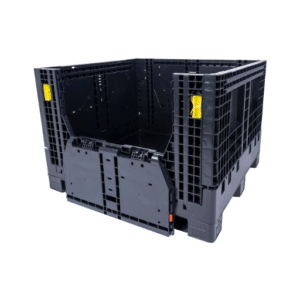
The best choice for food logistics is a food-grade plastic pallet. It should be made from FDA-compliant HDPE or polypropylene. It also needs a smooth, non-porous surface that can be washed, sanitized, and tracked across the supply chain.
These pallets reduce contamination risk, simplify FSMA and HACCP compliance, and often lower long-term costs compared to wood. If you are evaluating plastic pallets for food industry use, start by learning what makes a pallet truly food-grade. This knowledge is the first step to avoiding costly recalls and rejected shipments.
What if the pallet carrying your product is the weakest link in your food safety plan? Every year, food companies face recalls, rejected shipments, and sanitation failures traced back to equipment that was hard to clean or impossible to trace. The good news is that the right pallet choice can turn that risk into a competitive advantage.
In this guide, you will learn what makes a pallet truly food-grade. You will also learn which regulations apply in 2026. We will show you how to select the right design for dairy, meat, beverage, and produce operations.
You will also learn how to build a cost case for switching from wood to plastic. We will also show you where food grade plastic pallets fit into a modern food safety strategy.
At Shandong Lile, we engineer pallet solutions for global supply chains. With 14 years of experience, 18 large-scale production machines, and a presence in 108 countries, we understand what food logistics teams need at every step.
Key Takeaways
- Food-grade plastic pallets must use FDA-compliant HDPE or polypropylene with smooth, non-porous, cleanable surfaces.
- FSMA, HACCP, and ISO 22000 all influence pallet selection, with FSMA 204 traceability adding new recordkeeping requirements in 2026.
- Plastic pallets outperform wood in washability, lifespan (7-15 years vs. 3-5 years), and ISPM-15 export exemption.
- Dairy, meat, seafood, beverage, produce, and frozen food each have unique pallet requirements for hygiene and handling.
- Custom options like color coding, RFID tags, and wash-rack-compatible designs help food companies close compliance gaps.
What Makes a Pallet Food Grade?

A food-grade plastic pallet is more than a plastic pallet used near food. It’s engineered to meet strict standards for material safety, surface hygiene, and cleanability.
The U.S. Food and Drug Administration (FDA) regulates food-contact materials under Title 21 CFR Parts 170-199. For a pallet to be FDA compliant, the resin and any additives must be approved for food contact.
FDA compliant plastic pallets are most often molded from high-density polyethylene (HDPE) or polypropylene (PP). Both resist moisture, chemicals, and microbial growth. Both can be formed into smooth, non-porous surfaces.
Here is what food-grade pallets typically share:
- Virgin or FDA-approved resin in high-risk food zones
- Smooth, sealed surfaces without cracks or hollows where bacteria can hide
- Non-absorbent materials that do not soak up water, oils, or cleaning chemicals
- Chemical resistance to withstand regular sanitation cycles
- Consistent dimensions for automated handling and racking systems
Maria, a QA manager at a mid-sized dairy processor, learned this distinction the hard way. Her team had been using standard recycled plastic pallets to save money. After a third-party audit flagged porous surfaces and unknown resin content, she switched to virgin HDPE pallets with a closed-deck design.
Sanitation time dropped by 25%. The plant passed its next audit with no non-conformances. The lesson: food-grade specifications matter from day one.
For a deeper look at compliance, read our guide to FDA-compliant food grade pallets.
Why Food Companies Are Switching to Plastic Pallets for Food Industry Use
The food and beverage industry is the largest end-use segment for plastic pallets, accounting for roughly 28-30% of plastic pallet revenue, according to Mordor Intelligence. That share is growing because plastic solves problems that wood cannot.
Hygiene and Contamination Control
Wood is porous. It absorbs moisture, harbors mold, and can shed splinters or nails into products. Plastic pallets eliminate those risks. Their smooth surfaces resist bacteria, and they can be pressure-washed or chemically sanitized without degrading.
Washability and Chemical Resistance
Food facilities wash pallets regularly. Some operations clean pallets every 30 days; high-risk zones clean them after every shift. HDPE and PP withstand hot water, detergents, and sanitizers better than wood or lower-grade plastics.
Longer Service Life
A high-quality plastic pallet lasts 7-15 years. A typical wooden pallet lasts 3-5 years under normal use, and far less in wet or cold environments. Fewer replacements mean lower total cost of ownership.
ISPM-15 Exemption for Exports
Wooden pallets used in international shipping must meet ISPM-15 heat treatment or fumigation requirements. Plastic pallets are exempt, which simplifies customs clearance and reduces paperwork for food exporters.
Automation Compatibility
Modern food warehouses rely on conveyors, automated storage and retrieval systems (AS/RS), and AGVs. Plastic pallets offer consistent dimensions, lighter weight, and predictable performance that wood cannot match.
Ready to see how food-grade plastic pallets fit your operation? Explore our plastic pallet range and request a customized quote.
Food Industry Compliance Standards Explained

Compliance is not a single checkbox. Food logistics teams must navigate overlapping requirements from FDA, FSMA, HACCP, and global quality standards.
FDA Food-Contact Surface Requirements
The FDA requires that food-contact surfaces be safe, cleanable, and made from approved materials. Pallets don’t always touch food directly. However, they often touch outer packaging that contacts food. They may also operate in zones where open products are handled.
Using FDA-compliant materials reduces regulatory risk. It also supports audit readiness.
FSMA Sanitary Transportation Rule
The FDA Sanitary Transportation of Human and Animal Food Rule sets requirements for vehicles and transportation equipment, including pallets. This equipment must be designed and maintained to prevent food from becoming unsafe. It must also be adequately cleanable, stored to prevent pest harborage, and used in ways that prevent cross-contamination.
This rule is why many food shippers have moved away from wood. Wetting wood pallets can promote microbial growth, and washing wood creates a cross-contamination vector that plastic avoids.
FSMA 204 Traceability
The FDA Food Traceability Rule took effect in January 2026. It requires companies handling foods on the FDA Food Traceability List to maintain electronic, sortable records. They must provide these records to FDA within 24 hours. While the rule focuses on lot codes, pallet-level tracking with RFID or QR codes helps companies connect physical loads to digital records faster.
HACCP and ISO 22000
HACCP principles require identifying and controlling hazards at critical points. Pallets become a control point when they move between raw and finished product zones. Color-coded pallets, smooth surfaces, and documented cleaning procedures all support HACCP plans. Additionally, ISO 22000 extends these principles into a formal food safety management system.
For operations where hygiene is non-negotiable, our hygienic pallets for food industry use are designed to meet FDA and pharmaceutical-grade expectations.
Materials and Design Features to Look For
Choosing the right food-grade pallet means looking beyond the words “food safe” on a spec sheet.
Virgin HDPE vs. Polypropylene
- HDPE offers excellent impact resistance and performs well in cold storage and freezer environments.
- Polypropylene (PP) handles higher temperatures and is often preferred for hot-fill or wash-down applications.
In high-risk food zones, virgin resin is usually required. Recycled content may be acceptable in secondary packaging or non-contact applications. However, this is only true when the recycler can document the material stream and rule out contaminants.
Color Coding for Food Zones
Many facilities use color to separate zones and reduce cross-contamination:
- Blue for food-contact or finished goods areas
- Red for raw meat or high-risk zones
- White for clean rooms or bakery operations
- Yellow for quarantine or rework areas
Color coding is a simple, visual HACCP control for HACCP plastic pallets and other food-contact equipment. It helps staff follow zone rules without memorizing complex procedures.
Additives and Special Features
- Metal detectable additives help identify pallet fragments before they reach finished product.
- Anti-static additives reduce dust attraction in dry goods handling.
- UV stabilizers extend outdoor storage life.
- RFID or QR tags support traceability and asset tracking.
Deck and Runner Design
- Closed-deck pallets have fewer places for debris to collect, making them ideal for hygiene-sensitive operations.
- Open-deck pallets drain water and may suit outdoor or produce applications.
- Solid runners improve durability and racking performance.
- Six-runner hygienic designs are common in pharmaceutical and high-care food environments.
Key Food Industry Use Cases
Different food sectors place different demands on pallets. Here is how plastic pallets solve sector-specific challenges.
Dairy and Cheese Processing
Dairy operations need pallets that resist moisture, acids, and frequent washing. Closed-deck HDPE pallets with smooth surfaces work well as plastic pallets for food storage in cold rooms and blast freezers. They prevent whey and cleaning agents from pooling and hold up under repeated sanitation.
Meat, Poultry, and Seafood
These are among the highest-risk food environments. Pallets must withstand aggressive sanitation, blood and protein residues, and temperature swings. Red or blue color-coded hygienic pallets help separate raw and cooked product zones.
Beverage Bottling and Distribution
Beverage loads are heavy and repetitive. Rackable plastic pallets with high dynamic load capacity support stacked shipments of bottles, cans, and kegs. Consistent dimensions also improve performance on high-speed conveyor systems.
Fresh Produce and Agriculture
Produce pallets need ventilation for field heat removal and drainage for washing. Ventilated plastic pallets resist rot and mold better than wood, and they do not introduce foreign materials into packing sheds. For bulk handling, plastic pallet boxes offer a matching hygienic option for larger produce loads.
Bakery and Dry Goods
Dry environments generate dust, and wood pallets can shed debris. Smooth plastic pallets reduce particulate contamination and are easier to keep clean in white-room or low-risk finished-goods areas.
Cold Storage and Frozen Food
Low temperatures make wood brittle and prone to breakage. HDPE and PP retain strength in freezers. As a result, these plastics can withstand the thermal shock of moving between cold rooms and ambient loading docks.
Tom, a logistics director for a frozen seafood distributor, switched from wood to plastic after repeated failures in cold storage. Wooden pallets were splintering in the freezer and creating delays at loading. After deploying HDPE pallets rated for low temperatures, his team cut pallet-related downtime by 40% and reduced rejected loads at retail distribution centers. The switch paid for itself within 18 months.
Plastic vs. Wood Pallets in Food Operations
The wood-vs-plastic debate isn’t about which material is “better.” It’s about which material fits the risk profile, compliance requirements, and total cost model of a food operation.
| Factor | Wood Pallets | Food-Grade Plastic Pallets |
|---|---|---|
| Surface | Porous, can absorb moisture and bacteria | Non-porous, smooth, easy to sanitize |
| Lifespan | 3-5 years typical | 7-15 years typical |
| Washability | Difficult; washing can spread contamination | Designed for pressure washing and chemical sanitation |
| Export compliance | ISPM-15 treatment required | Exempt from ISPM-15 |
| Weight | Heavier and more variable | Lighter, consistent dimensions |
| Contamination risk | Splinters, nails, mold, pests | Minimal; metal-detectable options available |
| Total cost of ownership | Lower upfront, higher long-term | Higher upfront, lower long-term |
For food companies shipping internationally or operating under strict hygiene rules, plastic often wins on compliance and lifecycle cost. For short domestic loops with low-risk products, wood may still have a role, but that role is shrinking.
You can compare materials in more detail in our plastic pallets vs. wood pallets guide.
Cleaning, Maintenance, and Traceability Best Practices

A food-grade pallet is only as safe as the system around it. Cleaning, inspection, and traceability protocols close the loop.
Recommended Wash Cycles
Wash frequency depends on risk level:
- Low-risk dry goods: Monthly or between product changeovers
- High-risk wet environments: After every shift or every load
- Raw meat/seafood: After every use, with documented sanitation records
Use pressure washers, approved detergents, and sanitizers compatible with HDPE or PP. Avoid abrasive brushes that can scratch surfaces and create bacterial harborage.
Inspection and Damage Protocols
Inspect pallets weekly for cracks, embedded debris, or loose components. Remove damaged pallets from service immediately. Even small cracks can harbor bacteria and defeat the purpose of a smooth surface.
Color-Coded Zone Management
Assign specific pallet colors to raw, work-in-progress, and finished goods zones. Train staff to never move pallets across zones without cleaning. This simple discipline reduces cross-contamination risk significantly.
RFID and QR Traceability
Attach RFID tags or QR codes to pallets to link physical assets to batch records, wash logs, and location data. This supports FSMA 204 traceability and helps identify loss, damage, or sanitation gaps quickly.
How to Choose the Right Plastic Pallets for Food Industry Operations
Selecting a pallet starts with understanding your workflow, not your supplier’s catalog.
Step 1: Define the Application
Map where the pallet will be used: raw intake, processing, cold storage, shipping, or export. Each stage has different load, hygiene, and handling requirements.
Step 2: Choose the Material
Use virgin HDPE or PP for high-risk food-contact zones. Consider recycled-content pallets only for lower-risk, closed-loop applications with documented material traceability.
Step 3: Select the Design
- Rackable pallets for warehouse racking
- Nestable pallets to save space on empty return trips
- Stackable pallets for stable block stacking
- Closed-deck pallets for maximum hygiene
- Ventilated pallets for produce and agriculture
Step 4: Plan for Customization
Custom sizes, colors, logos, and tracking features help pallets fit into your existing systems. At Shandong Lile, we produce custom food-grade pallets with Pantone color matching, embossed logos, and RFID-ready designs. These options match your operation and your brand.
Need help choosing the right design? Contact our team for a free consultation and custom pallet recommendation.
Cost Justification: Are Plastic Pallets for Food Industry Use Worth It?
The upfront price of a food-grade plastic pallet is higher than wood. The business case depends on total cost of ownership.
Reduced Contamination Incidents
A single recall or rejected shipment can cost far more than a full pallet fleet. Some companies report up to a 30% reduction in contamination incidents after switching to plastic.
Lower Sanitation Labor
Smooth plastic surfaces clean faster and more reliably than wood. Over hundreds or thousands of pallets, that labor savings adds up.
Fewer Replacements
With a lifespan often double or triple that of wood, plastic pallets reduce procurement cycles and disposal costs.
Avoided ISPM-15 Costs
For exporters, avoiding heat treatment and fumigation saves time and money on every international shipment.
Sustainability Benefits
Plastic pallets are 100% recyclable at end of life. Many operations also find that longer lifespans reduce overall material waste compared to repeatedly replacing wood.
Conclusion
Plastic pallets for food industry use are no longer a niche choice. They are a practical tool for meeting FDA, FSMA, and HACCP requirements. They also improve hygiene, traceability, and total cost of ownership. From dairy processing to seafood cold storage, the right food-grade pallet design protects your product, your brand, and your bottom line.
If you are still relying on wood in high-risk food zones, 2026 is the year to reevaluate. FSMA 204 traceability, stricter hygiene audits, and global export rules are making cleanable, trackable pallets the new standard.
At Shandong Lile, we help food and beverage companies design pallet systems that match their compliance needs and operational workflows. We use ISO-certified production, custom molding capabilities, and global logistics through Qingdao Port. This is how we deliver food-grade plastic pallets that perform from the first load to the last.
Ready to upgrade your food logistics? Request a quote today and let our team recommend the right food-grade plastic pallet for your operation.
FAQ
What are plastic pallets used for in the food industry?
Plastic pallets in the food industry are used to transport, store, and stack raw ingredients, packaged goods, and finished products. Their smooth, washable surfaces help meet hygiene and compliance standards in dairy, meat, beverage, produce, and frozen food operations.
Are plastic pallets FDA approved for food contact?
Plastic pallets can be FDA compliant when made from approved food-contact resins such as HDPE or polypropylene. Look for documentation referencing Title 21 CFR Parts 170-199 and confirm whether virgin or approved recycled materials are used.
How often should food-grade plastic pallets be cleaned?
Cleaning frequency depends on the risk level of the operation. Low-risk dry goods may need cleaning monthly, while high-risk raw meat or seafood operations often clean pallets after every shift or every load.
Why are plastic pallets better than wood for food?
Plastic pallets are non-porous, washable, and resistant to moisture, chemicals, and pests. They last longer than wood, reduce contamination risk, and are exempt from ISPM-15 export treatment requirements.
Can plastic pallets be traced for FSMA 204 compliance?
Yes. Plastic pallets can be equipped with RFID tags, QR codes, or barcode labels to support lot-level traceability and digital recordkeeping required by FSMA 204.
What colors are used for food-grade plastic pallets?
Common color codes include blue for food-contact areas, red for raw meat, white for clean rooms or bakery, and yellow for quarantine or rework zones. Color coding supports HACCP zone separation.