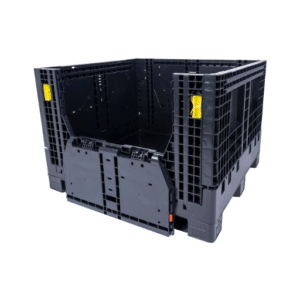
Plastic pallets have come to be a key choice for industries around the globe when it comes to effective, hardy, and sustainable material handling solutions. Whether engaged in logistics, manufacturing, or retail, choosing the best supplier of plastic pallets makes a significant difference in your operations, cost savings, and environmental targets. This guide will lend a hand as a comprehensive directory through the vast field of plastic pallet manufacturers. Furthermore, we will appreciate the important points of the plastic material pallet, identify the top companies, and explain what services are available. With this guide at hand, you can streamline the complex structure your company operates under in a way that benefits your supply chain and operational efficiencies.
Understanding Plastic Pallets

Plastic pallets are durable, reusable platforms used for storing and transporting goods in various industries. They are made from high-density polyethylene (HDPE) or polypropylene (PP) and are thus lighter and more hygienic, and more durable compared to wood. They are moisture-, mold-, and pest-resistant, hence great for cleanness-demanding environments like food and pharmaceutical industries. In addition, plastic pallets are recyclable, hence sustainability-oriented, cutting back on waste in the supply chain.
Benefits of Plastic Pallets
Plastic pallets, compared to wooden pallets, offer a superior quality. The pallets are more durable and able to withstand damage, weathering, and wear; consequently, they are long-life products to use. Their lightweight grade minimizes cargo and manual handling strain whilst carrying mean loads. They are porous and easy to clean, so they are excellent for certain environments where cleanliness is an issue, such as pharmaceuticals, food processing, and healthcare. They resist dampness, insects, and mold in almost any condition, which extends their applications.
Another significant advantage of plastic pallets is standardization and dimensional accuracy: these are crucial features that ensure perfect compatibility with conveyor belts and automated systems, which results in better efficiency. Several types of plastic pallets are not only recyclable but also are manufactured from recycled materials in support of a circular economy to improve sustainability in the sectors of logistics and supply chain. Indeed, whereas the initial cost may seem a bit high, the long-term cost effectiveness and opportunities to use more attractive benefits outweigh those of the other pallets.
Durability and Sustainability of Plastic Pallets
Known for the exceptional durability of their plastic pallets, they are resistant to environmental factors such as humidity, chemicals, and extreme temperatures. Plastic pallets do not easily splinter, and they are resistant to swaying and water within wooden pallets; naturally, the life of these is increased with the least necessity for maintenance and replacement. Consequently, the attributes make these pallets a highly cost-effective solution for those industries that demand reliable and consistent performance from pallets, which is only possible when the pallet system performance is upheld.
As far as the ecological argument is concerned, plastic pallets fulfill the sustainability project because they are reused and recycled. A large number of plastic pallets that define the end of the pallet life are designed for recycling; therefore, the overall benefit of reducing waste and fostering the circular economy works hand in hand. On the other hand, some manufacturers recycle material for production to minimize their utilization of virgin plastics and reduce environmental footprints. With their higher cost compared to their counterpart wooden pallets, the durability and eco-friendly consideration of plastic pallets do give a hint of an outlook as a solution for the future in the modern setup of the world of supply chain.
Plastic Pallet Manufacturers and Suppliers

Many distinguished manufacturers and suppliers are involved in crafting high-quality plastic pallets. Some of these notable companies include:
CHEP
CHEP is a recognized global leader in supply chain solutions with qualitative, durable plastic pallets for different sectors like retail, automotive, and logistics.
ORBIS Corporation
They are known for fully recyclable plastic pallets that may help promote sustainability and operational efficiency.
Schoeller Allibert
This company is into returnable transit packaging and offers a sizable array of plastic pallets to fit different applications.
Cabka Group
Specifically in recycled plastic products, Cabka makes pallets that are both environmentally and durability conscious, made.
Also, numerous local suppliers and distributors provide plastic pallet solutions customized according to specific operational needs. The criteria for evaluating suppliers may include quality parameters, industry approvals, and sustainability practices.
Top Plastic Pallet Manufacturers
When one evaluates top plastic pallet manufacturers, one should consider their product range, innovation, and commitment to quality. Based on a review of leading industry websites, the following manufacturers rank high:
| Manufacturer | Specialization | Key Industries Served |
|---|---|---|
| ORBIS Corporation | Innovation in reusable plastic pallets, supply chain efficiency, waste reduction | Food, beverage, pharmaceuticals |
| Greystone Logistics | 100% recycled plastic pallets, environmentally responsible manufacturing | Automotive, manufacturing |
| CHEP | Global provider with emphasis on hygiene features and cleanliness | Food production, retail sectors |
ORBIS Corporation: Known for its innovation in reusable plastic pallets, ORBIS offers solutions that enhance supply chain efficiency and reduce waste. ORBIS’s products cater to a variety of markets: food, beverage, and pharmaceuticals, with designs considering both durability and sustainability.
Greystone Logistics: Greystone Logistics is a close and dearest manufacturer to the environment as it specializes in 100% recycled plastic pallets; thus, producing in an environmentally responsible manner. Greystone Logistics offers heavy-duty pallets specifically designed for superior performance in extreme applications like automotive and manufacturing.
CHEP: is a global provider of production disposal services, and it also attends to plastic pallets. The latter should adhere to the utmost regard for hygiene features. A CHEP pallet is most proper in and around the industries needing a high sense of cleanliness and near sterilization, like the food production and retail sectors.
These companies represent the significant market shareholders worthy of mention in the unanimity of plastic pallet fabrications. The trifecta of performance shows classic value debilitation avoidance, sustainability in performance, and confirmation of needed issues that must set up the safeguard against the opposite slide. Besides these, the user of this product must consider any budding wholesaler also consider how well the product can match production operational demands and long-term cost-efficient profits.
Choosing a Reliable Plastic Pallet Supplier
When deciding on a plastic pallet producer, the first step one makes is to check its product range to ensure its compatibility with the particular operational requirements that pertain to one’s parameters, such as the weight-load capacity, the size of systems, and the construction methods, such as rackable and nestable configuration. Moreover, it is pertinent to check for the compliance of the facility with industry standards like the ISO or FDA; this is especially important if the business of the user falls under regulated markets like pharmaceuticals and food. All this will also help in deciding what material to focus on and which aspect of manufacturing these options to ignore. Durability, weather resistance, and sustainability through the use of recycled or recyclable plastics should be favored in the order of decreasing importance.
Check their capabilities for production and scaling up to meet high-volume requirements. Assess lead times, delivery choices, and capability to consider custom orders when unique specifications are needed. Customer reviews and case studies can help you gain knowledge about the ability of your supplier to ensure reliable and quality products. Compare overall costs of each system as an upfront investment, continuing through the lifecycle costs, and return on investment (as compatibility with overall budget and operational goals) to find the right equipment.
Questions to Ask Your Supplier
When reviewing a potential supplier, aim to get crystal-clear, straight answers to fulfill your working needs. Here are the major questions and some exemplary brief responses culled from trusty online resources:
What is your capacity? Rate your capacity and ability for scaling according to fluctuations in demand?Answer: Our manufacturing capacity is 50,000 per month, with the flexibility of up to 75,000 during peak demand, subject to advance notice of 4 to 6 weeks.
What are the standard lead times? Are any expedited options available?Answer: Enclosed lead times are about 15-20 working days. Expedite fee is available to expedite lead times as low as 7-10 working days.
How is the product subjected to quality and consistency in things?Answer: Stringent product quality checks and quality standards, batch testing, and ISO 9001 certification ensure consistency in product.
Can you handle potential custom orders/configurations?Response: Yes, we provide a specially tailored design team to fulfill custom orders. Such instances require enough time for consultation and its subsequent alteration.
How can the reliability of your company be verified by referring to your consumer reviews or case studies?Response: Yes; testimonials or case studies can be arranged to show the way. These will present a picture of several functionality success stories across multiple industries.
What kind of financial costs are associated with it, since it discusses lifecycle and bulk purchase discounts?Response: The cost structure involves variable discounts over bulk requests, as well as full estimation of the life cycle costs for transparency to align with budget provisions.
By linking these questions with clear answers, parties could be in a better position to check the alignment of a provider with the specific needs and operational priorities of their organizations.
Recycling and Sustainability in the Supply Chain
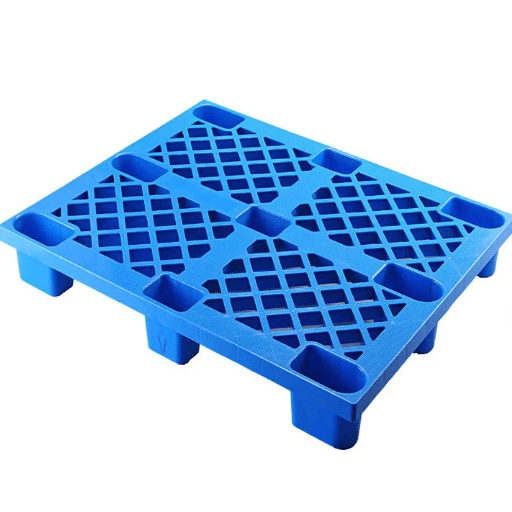
Recycling and sustainability in the supply chain are critically important for avoiding environmental harm and complying with regulations. Recycling operations divert waste from landfills and, where applicable, reuse material, while sustainability in the practice involves sourcing eco-friendly materials and optimizing procedures for reduced energy use. Sweetening the environmental feel in the setup can elevate your entire firm’s competitiveness and attract environmentally conscious consumers. An evaluation of the supply chain of each organization can help to identify areas needing re-engineering, such as investing in sustainable suppliers or reducing packaging waste.
The Role of Plastic Pallets in Sustainable Practices
Plastic pallets are indispensable for sustainable supply chain operations. Compared to their traditional counterparts, plastic pallets are highly durable and long-lasting, but also reduce waste. Plastic pallets are often made from recycled materials and can be entirely recycled at the end of their lifecycle, thus closing the loop. Additionally, plastic pallets are less heavy; this reduces the cost of transportation, along with the reduced carbon emissions. The use of uniform pallets promotes automation in the material handling system and is more environmentally friendly. Companies that choose to use plastic pallets are inadvertently promoting economic priorities without endangering environmental logic.
Recycling Options for Plastic Pallets
Plastic pallet recycling includes a few effective and sustainable options that are in agreement with corporate environmental initiatives. In general, a widespread procedure is the employment of specialized recycling facilities, which process damaged or unusable plastic pallets by grinding them into raw materials that are then used in the making of new pallets or other plastic products. Moreover, some manufacturers operate programs that function as channels for the buyback of pallets or collection services. Basically, this means the recycling of the old pallets into new ones-ensuring a circular economy. Sophistication in advancements in technology with regard to chemical recycling can go a long way in breaking down the plastic molecule, forcing it back into its basic components and thus making valuable reuse possible. It is through these recycling systems that an endeavour to divert waste from landfills, to minimize the negative environmental influences, and to further corporate sustainability objectives becomes a reality.
Impact on the Supply Chain
For the supply chain, sustainable pallet recycling can make a dramatic difference in operational resilience. Reduced material expenses come first: recycled pallets will usually be cheaper than new ones. This cost advantage allows businesses to reallocate it to other operating areas. In the second place, the recycling programs would improve the reverse logistics system, where used pallets are systematically collected and either fixed or repurposed. Consequently, these efforts would make supply chains more resilient to any disruptions by ensuring a constant supply of reusable raw material and thus greatly decreasing dependence on virgin raw materials. In addition, companies practising pallet recycling are more in line and compliant with corporate social responsibility (CSR) by reducing environmental compliance standards and enhancing reputation among eco-aware or environmentally conscious customers. In fact, these efforts would bring about tangible changes by way of decreasing their carbon footprints to promote a greener and sustainable logistics ecosystem.
Plastic Pallet Applications in Supply Chain

Plastic over wood pallets are very popular with the supply-chain domain due to their modernized and clean structure, as the polymers are impervious to moisture and thus cannot harbor bacteria. Goods that need to be monitored meticulously with medical aids and procedures, as well as food regulations, are compatible with the exclusive standards of hygiene. Plus, plastic is an inert and smooth type with very few pores and a tolerance for any kind of cleaning. Plastic pallets do not entice dampness; hence, both spiders and insects stay at bay. For domestic delivery alone or shipment abroad, the containers will hold through virtue of being moisture-, pest-, and dirt-resistant. Nonetheless, the one-time cost of acquiring the pallets is very agreeable as they will last a long time in service and can be further recycled to lessen the waste and be productive for maintaining the cycle of resources.
Plastic Pallets in Different Industries
In the chemical sector, pallets made of plastic are widely used creatively by manufacturers as they are very durable, versatile, and a dream come true when it comes to meeting safety guidelines in industries.
| Industry | Key Benefits | Compliance Standards |
|---|---|---|
| Food and Beverage | Easy to clean, bacteria-resistant, smooth non-porous surface | ISO 22000, FDA standards |
| Pharmaceutical | Chemical-resistant, clean-room environment compatibility, moisture-resistant | Strict sanitization protocols |
| Chemical Sector | Corrosion resistance, temperature extremes tolerance, leak/spill prevention | Hazardous material handling standards |
| Retail, Automotive, Electronics | Lightweight, recyclable, stackable capabilities | Industry-specific standards |
Food and Beverage Industry
In the food and beverage industry, plastic pallets are necessary to guarantee cleanliness and safety. Their smooth and non-porous surface makes them easy to clean and resistant to bacteria, meeting all relevant standards of food safety, such as ISO 22000 or FDA standards.
Pharmaceutical Industry
The operations of all pharmaceutical companies use plastic pallets due to the prevailing protocols for stricter sanitization. Being chemical-resistant, they ensure a clean-room environment, and not absorbing moisture, thereby restraining the growth of microbes and the contamination of drugs while in production, storage, and distribution.
Chemical Sector
Plastic pallets are popular in the chemical industry due to their resistance to corrosive substances. Also, plastics are environmentally friendly because of their resistance to extremes of temperature. This characteristic greatly aids in the safety of hazardous material transportation and storage and reduces the risks associated with leaks and spills.
Plastic pallets also play an increasingly useful role in other industries, including the retail, automotive, and electronics industries, chiefly because of their weight and recyclability, making logistics and warehousing activities smoother with stacking capabilities. Plastic pallets fulfill their role across dimensions, as they are standardized for reuse and recycling, highlighting themselves as one of the most cost-effective and environmentally friendly alternatives to an array of other applications.
Optimizing Your Supply Chain with Plastic Pallets
Ecologically beneficial plastic pallets are employed to optimize their effectiveness in the supply chain, making them very efficient, sustainable, and in compliance with all regulations. Plastic pallets are light and uniformly sized, reducing transport and handling costs at every level of the supply chain. Therefore, the plastic pallets are not only durable, but they are also waterproof, helping prevent rot and the creation of conditions conducive to breeding pests.
Meanwhile, it increases immediate relief for global supply chains as fumigation or heat treatment is typically needed as a part of the ISPM-15 standard for international export. Another positive outcome sustains their recyclability, which further supports the corporate agenda for green operations: To be reused rather than disposed so that it completes the cycle of plastic pallets.
Plastic pallets model the dimensions of automated systems and are also compatible with automation, with smooth surfaces being desirable for robotic handling. This helps to make the warehousing process more streamlined. Plastic pallets aid in overall optimization of logistical advancements by decreasing wastefulness and lowering general operational costs. Hence, there is an important role in today’s supply-chain strategies when plastic pallets are to be implemented.
Meeting Your Pallet Needs: Custom Solutions

Custom plastic pallet solutions are solutions specifically created based on the particular needs of different industries by altering dimensions in the configuration of the pallet, reinforcing these designs, and instituting additional features such as anti-slip surfaces or drainage. Going through this design approach, the best optimization can only be achieved with appropriate load weights or stackable configurations, and stringent hygienic regulations can also be met. The innovative techniques of manufacturing allow for customization down to the last inch, which ensures that these pallets endure without fail, work well with automated storage and retrieval systems(A/SS), and have long service life. By allying themselves with experienced providers of pallets, businesses can move across reduced handling costs and enhance their safety- and efficiency-building blocks everywhere in the supply chain.
Meeting Your Pallet Needs
The crux of addressing your pallet needs entails considering solutions that fit within your operational requirements and supply chain goals. Free variables to be considered would be load capacity, material type (wood, plastic, or metal), and suitability for either transport or storage environments. Associating with a recognized pallet provider guarantees reliable access to good-quality, heavy-duty products in complete conformance with industry norms and regulatory prescriptions. Besides, this not only optimizes operations, but it also levels up safety standards and minimizes costs generally.
Assessing Your Pallet Needs
When assessing pallet needs, it’s essential to consider the following:
- Load-Carrying Capabilities: Analyzing the weight of your goods and how they are used for transport or storage, determine the height of the pallet requirement and which pallet weight should fall between to maintain an equilibrium between durability and safety. Always avoid exceeding the load-carrying capacity on the pallet, as it will lead to structural failures and jeopardize safety requirements.
- Material Selection: Compare the three main materials used for pallets, depending on the catered operational surroundings: wood, plastic, and metal pallets. Typically, wooden pallets present a cheaper option, though their availability is notably high. However, their durability seems to be less in moisture-laden or sanitized environments. On the other hand, plastic pallets are practically long-lasting and hygienic; nonetheless, they come with an expensive price tag at the beginning. The suitability of metal pallets only comes in those industrial setups that could warrant the weight, as well as the specialty, and most importantly, fire resistance.
- Operational Environment: Make sure to take into account factors such as humidity, temperature, and exposure to chemicals. A representative example would be that plastic pallets would be considered suitable for the food and pharmaceutical industries only if they fulfill the health code, while wood might be enough for dry, nonaggressive use.
- Legal Compliance: Ensure that the pallets chosen comply with applicable best practice packaging and shipping guidance, such as ISPM-15 certification if planning to ship the pallets internationally. Non-adherence to these internationally recognized standards could result in rejections or delays.
- Relative Costs: With cost, one must always consider longevity. While wood pallets may be priced less, in cases where durability and reuse in rough environmental conditions en masse are required, plastic or metal pallets could be more cost-effective in due course. XCTestCases experimentally examining the knees of these components will assist you in making knowledge-full decisions benefiting the efficiency of the supply chain.
Customizing Plastic Pallets for Specific Applications
Tailored plastic pallets are looking for the specifications of the palette characteristics and the conditions for the particular need. I, for example, emphasize considering load rating, automation compatibility, temperature characteristics, and cleanliness. Through a rethink and incorporation of surface patterning for cleanliness and slip-up resistance, stiffeners for a better load capacity, or design for increased safety measures, the pallets are prepared to perform to the technical and safety requirements. This will allow the pallet to reach optimum levels within the special conditions of the application.
Future Trends in Plastic Pallet Manufacturing
Innovative developments have been the outcome of this recently emerging trend from the revalidation of the conventional plastic pallet industry segment. Builds to key industry trends are the following: the increasing adoption of viable materials, including recycled materials or biodegradable plastic, in line with worldwide efforts to cut down on carbon emissions. Furthermore, manufacturers have embraced advanced processing to enhance strength, lower the weight of the products, along with reducing the cost level. This advanced form of technology, formerly known as ‘hypermedia,’ has made its way into every facet of business operations currently existing in the industries.
Automation and intelligence are revolutionizing this sector as well. Smart pallets for automated storage and retrieval systems (AS/RS) are being designed that will use RFID tags or IoT sensors to help improve tracking and manage inventory. In addition to recent trends concerning further pallet usage, there is a need for customization since industries will require pallets specific to their individual needs, be it temperature-resistant, stackable, or nestable.
The addition of order and cross-order division, innovation is being further spurs innovation. The plastic pallets must simultaneously meet stricter hygienic standards, in particular for the food and pharmaceutical industries, and redesign their pallets to comply with export guidelines. These two design trends tend to reinforce the trend of integrating more efficiency, sustainability, and technology into the industry.
Key Future Trends Summary
- Increasing adoption of recycled materials and biodegradable plastics
- Advanced processing techniques to enhance strength and reduce weight
- Integration of RFID tags and IoT sensors for smart tracking
- Design of pallets for automated storage and retrieval systems (AS/RS)
- Customization for industry-specific needs (temperature-resistant, stackable, nestable)
- Stricter hygiene standards compliance for food and pharmaceutical industries
- Enhanced sustainability and technology integration throughout the industry
Conclusion
The plastic pallet industry represents a cornerstone of modern supply chain management, offering unparalleled benefits in durability, sustainability, and operational efficiency. From leading manufacturers like ORBIS Corporation, Greystone Logistics, and CHEP to innovative recycling programs and smart technology integration, the industry continues to evolve to meet the changing demands of global logistics. By carefully evaluating supplier credentials, understanding your specific operational needs, and prioritizing sustainability practices, businesses can optimize their supply chains while contributing to environmental conservation. Whether you’re in the food and beverage, pharmaceutical, chemical, or retail sector, plastic pallets provide a versatile, cost-effective solution that balances performance with ecological responsibility. As the industry moves toward greater customization, automation, and circular economy practices, plastic pallets will remain an essential component in building resilient, efficient, and sustainable supply chains for the future. Make informed decisions, partner with reliable suppliers, and embrace the transformative potential of plastic pallets to elevate your operations to new heights of excellence.
Reference Sources
Operational Concept of an Innovative Packaging Management System
Combination of Value Stream Mapping (VSM) Method and Kanban System
Enterprise Green Logistics Packaging Transformation
Frequently Asked Questions (FAQs)
Is a plastics manufacturer considered to be part of any material-handling category?
Yes, they do. This includes plastic pallet makers being referred to as relevant categories, such as packaging solutions, as well as industrial handling solutions and pallet materials. A compilation of plastic pallet manufacturers profiles various suppliers from functioning naturally within specific nurseries, such as export pallets or thermoplastic pallets, through to recycled materials such as CTC Plastics and custom pallet production that could potentially have the most value in fulfilling various industrial requirements or special requirements of plastic pallets.
Which one is preferred for longevity between plastic and wooden pallets?
Plastic pallets are designed to withstand heavy workloads and are famed for their exceptional strength and durability. Unlike wood pallets, plastic pallets do not absorb moisture and are resistant to possible contamination risks, displaying consistent performance in a variety of applications and having a longer service life. Their strength makes the plastics the best choice for punishing work environments, about material handling situations, in which one has to continue to use them for an extended period of service.
Can a pallet be produced from those renowned manufacturers of trusted plastic pallets in such categories?
Well, yes. Many of the most reliable plastic pallet manufacturers offer innumerable enablement regarding the customization of pallet design and production geared at myriad sweltering industries. This customization comes into play for particulars like form edition dimensions, loading capacities, reinforced decks for pallet jacks, international shipping patterns, branding, and color choices. You can ask for a quote form to discuss your plastic pallet needs and, on the other side, receive packaging solutions tailored just for you.
Do plastic pallets present advantages for export and international shipping pallets?
Plastic pallets do soundly provide benefits for international shipping: they’re impervious and easily washable, and many of them are free from ISPM 15 regulations, which eliminates fumigation requirements for wooden pallets. All these attributes make plastic pallets a great choice for export pallets and cross-border logistics as they greatly minimize the risk of contamination and enhance compliance in global supply chains.
How do plastic pallets affect workplace safety and pallet jack loading?
Plastic pallets offer regular sizes and a nonslippery surface that increases workplace safety and ergonomic convenience while handling. Many plastic pallets are compatible with pallet jacks and forklifts for lessening shifting during transportation. Given the fact that plastic pallets are lighter than conventional wooden pallets, fewer burdens on manual handling are imposed; otherwise even makes the material handling safer.
What about plastics that are resistant to moisture and contamination for food and pharmaceutical applications?
True. Plastic pallets are hygienic as they are resistant to water and cannot be contaminated, reducing the occasionally harmful impact on products. Cleaning and sterilizing plastic pallets is a breeze; thus, excellent for those who prefer the highest cleanliness in food & beverage and pharmaceutical fields. The combined advantages of frost contamination resistance and moisture resistance assure product safety during storage and for transport on the pallet.