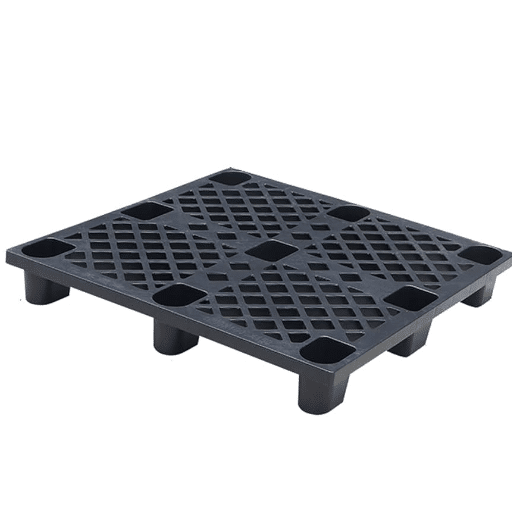
Swap of plastic and wood-based pallets is a pivotal detail in most supply chains today, helping with the transportation and […]
Navigating the complexities of international shipping requires adherence to stringent regulations. The ISPM 15 standard ensures that wood packaging material, like pallets and crates, is treated to prevent the spread of pests and diseases across borders. This guide provides a comprehensive overview of ISPM 15, focusing on heat-treated pallets and crates, and how to comply with ISPM 15 regulations for seamless export operations.
| Specification | Details |
|---|---|
| Material | Kiln-Dried Pine or Hardwood |
| Dimensions | Standard: 48 x 40 inches |
| Heat Treatment Process | 56°C for 30 minutes |
| Certification | ISPM 15 Compliant |
| Load Capacity | Up to 3,000 lbs dynamic load |
| Compliance | IPPC, ISPM 15, and global standards |
Selecting the right pallet for export involves several critical criteria. First and foremost, ensure the pallet meets ISPM 15 requirements. This means the wooden pallet has undergone proper heat treatment or fumigation. Look for the ISPM 15 stamp, also known as the ISPM 15 mark, which certifies that the wood packaging material is ISPM 15 compliant. The pallet must also be structurally sound to handle the weight and dimensions of your goods, preventing damage during international shipping. Always verify that the pallet manufacturer is certified and that the ISPM 15 guidelines have been followed.
Various types of wooden packaging materials fall under ISPM 15 regulations. This includes standard pallets, wooden crates, processed wood, and dunnage used to secure goods during shipping. Each type must meet ISPM 15 requirements to prevent the spread of pests. Heat-treated pallets are a popular choice due to their reliability and compliance. It’s important to inspect any wood packaging material for the ISPM 15 stamp to ensure it is safe for international transport. Adhere to ISPM 15 guidelines to avoid costly delays and ensure smooth export operations.
Heat-treated pallets and crates are widely used across numerous industries for export purposes. The advantages of heat-treated pallets, which meet ISPM 15, are evident in sectors such as agriculture, manufacturing, and pharmaceuticals, where maintaining sanitary conditions is crucial. These ISPM 15 compliant pallets are ideal for shipping goods internationally, ensuring that all wood packaging material adheres to the ISPM 15 regulations, thereby minimizing the risk of delays. Using heat-treated pallets helps ensure compliance with international standards for phytosanitary measures.
Swap of plastic and wood-based pallets is a pivotal detail in most supply chains today, helping with the transportation and […]
Functional receiving and the workplace in general are impossible without proper weight distribution and stacking in the operations. No doubt, […]
Knowing the strength and durability of pallets is necessary for the aim of streamlining the supply chain and protecting products […]
For any e-commerce venture to be successful, efficient fulfillment of orders is key, which is why the significance of pick […]
A: ISPM 15 is the International Standards for Phytosanitary Measures, which sets regulations for the treatment of wood packaging material used in international trade. It is important because it helps prevent the spread of pests and diseases that can harm plants and ecosystems in different countries. Compliant pallets and crates ensure that exports meet these international standards.
A: All solid wood packaging materials, such as wooden pallets and crates, must undergo heat treatment or fumigation to comply with ISPM 15 regulations. This treatment ensures that any pests or pathogens are eliminated, making the wood safe for international shipping.
A: Pallets that meet ISPM 15 requirements will have a proper ISPM 15 stamp or mark, which indicates that they have been heat-treated or fumigated. The stamp includes the country of origin, the treatment method, and the producer’s registration number, ensuring that the wood packaging material is compliant with international standards.
A: Certain types of wood packaging may be exempt from ISPM 15 regulations, including those made from processed wood products such as plywood or wood that has been treated to a certain standard. However, solid wood packaging, like pallets and shipping crates, typically must comply with ISPM 15 guidelines.
A: Using ISPM 15 compliant wooden pallets offers several advantages, including reduced risk of pest infestation, compliance with international shipping regulations, and improved market access for goods. Properly treated pallets also enhance the overall reputation of exporters by demonstrating adherence to global standards.
A: ISPM 15 certified wood packaging material, including pallets and crates, has been treated according to international standards and marked accordingly. This certification confirms that the wood has been heat-treated or fumigated to eliminate pests, making it safe for use in international trade.
A: ISPM 15 describes the requirements for solid wood packaging used in international trade, including the necessary treatment methods, marking requirements, and the profile of the wood. These guidelines aim to protect global agriculture from the introduction of harmful pests and diseases through wood packaging.
A: To ensure your shipping crates and pallets are ISPM 15 compliant, you should source them from suppliers who heat treat wooden pallets according to ISPM 15 standards and can provide the proper ISPM 15 stamp. Regular audits and checks can help maintain compliance and verify that your wood packaging material meets international requirements.
An expert manufacturer of industrial plastic pallets and custom solutions for businesses worldwide.