Plastic pallets are making a significant impact on various industries as they provide a strong, lightweight, and adaptable option to the conventional wooden pallets. Nevertheless, the business world has one main concern which is, “what is the maximum weight a plastic pallet can support?” Being aware of the load capacity of plastic pallets is very important for the operation of warehousing and shipping to be efficient, safe, and economical. We will discuss the factors that influence the strength of the pallet, the different types of loads it can support, and the influence of load testing in evaluating its weight-bearing properties. No matter if you are in charge of a distribution center or a logistics network, these insights can help you avoid loss of time, money, and risks. Continue reading to discover all that you need to know about plastic pallet load testing!
Understanding Pallet Weight Capacities

What is a Pallet Weight Limit?
A pallet weight limit is the utmost weight a pallet can bear without suffering any loss in strength. This maximum weight limit is established by a variety of factors like the pallet’s material (plastic, wood, or metal), design, and the type of load it is suitable to carry. The latest studies reveal that plastic pallets are becoming the most preferred ones because of their long life and steady performance under heavy loads. Generally, standard plastic pallets can bear static loads of a maximum of 5,000 pounds and dynamic loads of about 2,500 pounds, though there may be differences according to the manufacturer and the specific application. It is crucial to check that the pallet’s load does not exceed its weight limit for the sake of safety and to avoid any accidents during storage and transport.
Key Statistics: Plastic Pallet Weight Capacity
- Maximum Static Load: Up to 5,000 lbs
- Maximum Dynamic Load: Approximately 2,500 lbs
- Variation Factor: Depends on manufacturer and application
Factors Affecting Pallet Weight Capacity
Weight capacity of a pallet is influenced by many factors and their knowledge can help in getting the most out of its use while ensuring safety. Understanding these elements allows you to make informed decisions about pallet selection and usage.
Factors to Consider:
- Material Composition: Plastic pallets are generally more durable and less likely to be affected structurally by time than wood pallets.
- Construction Design: Single or double deck type configurations and reinforcement directly determine the pallet’s weight-bearing capacity.
- Load Distribution: Pallets are more affected by concentrated or uneven weights than by uniformly distributed loads.
- Environmental Conditions: Extreme temperatures or humidity can cause a pallet to weaken gradually, particularly wood or low-quality plastic.
- Usage Frequency: The lifespan of a pallet is affected by its use frequency and handling methods including the type of equipment used (forklifts or pallet jacks).
Taking these factors into account, pallets can be used safely and efficiently in various industrial applications.
Comparing Different Pallet Types
The selection of the appropriate pallet type is contingent upon specific needs not only in terms of cost but also for the area and use intended.
Standard Pallet Size and Dimensions
Common Pallet Dimensions
Pallet dimensions vary mostly according to the standards and requirements of the local industries. Understanding these standards is essential for efficient supply chain management.
Regional Pallet Standards:
- North America: 48 x 40 inches (Consumer Brand Association standard)
- Europe: 1200 x 800 mm EUR-pallet/Euro-pallet (European Pallet Association – EPAL)
- International: ISO-approved pallet dimensions for various container sizes
The decision of pallet dimensions is mostly based on the need for the supply chain, storage, and transport. The choosing of the pallets has many influencing factors, such as the configurations of the storage, efficiency of transportation, and the specific needs of the supply chain.
Dimensions of Plastic vs. Wooden Pallets
The dimensions of plastic pallets and wooden pallets differ depending upon the design, use, and regional norms. Wooden pallets are often manufactured in sizes like 48 x 40 inches in the US, which comply with the Grocery Manufacturers Association (GMA) standards, and the 1200 x 800 mm Euro pallet in Europe. The plastic pallet, conversely, is able to mold itself into any shape and therefore is not limited to certain dimensions; however, it is still often produced in standard sizes for the sake of the compatibility of the whole supply chain.
Important Note: According to research, wooden pallets of the same dimensions as plastic ones are usually lighter in overall pallet weight but may have different load capacities due to differences in the materials used. In comparison, plastic pallets can withstand lower static loads in some cases but are more resistant to moisture, more durable, and reusable. The regional preferences and different requirements from specific industries also are factors that decide which sizes are common for each type of pallet, making it very important to evaluate the supply chain applications when choosing which pallet type and size to use.
Load Testing for Maximum Weight Capacity
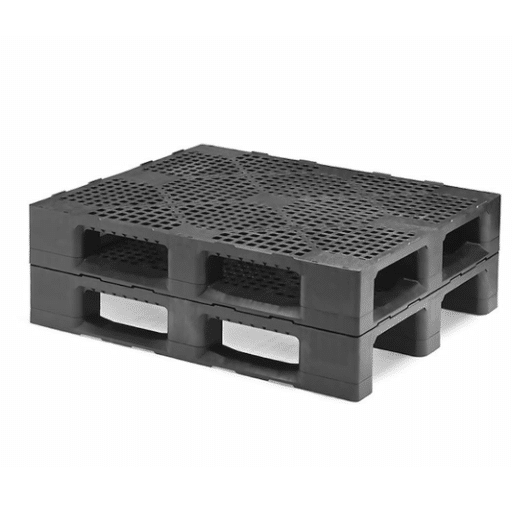
How Load Testing is Conducted
Load testing is performed by putting the utmost pressure a pallet can withstand and then checking if the pallet breaks or if there are any signs that it is about to fail structurally. Usually, the procedure incorporates the use of very sophisticated machines and sensors that help in documenting how the different types of loads like static, dynamic, and edge loads are interacting with the material, and they usually report on the stress distribution and the amount of deformation.
Load Testing Process:
- Apply maximum pressure using sophisticated machines and sensors
- Document interaction of different load types (static, dynamic, edge loads)
- Report on stress distribution and deformation amounts
- Simulate environmental conditions (temperature, humidity)
- Analyze results for safety compliance and design improvements
Furthermore, environmental conditions like temperature and humidity may also be utilized to mimic the usage conditions and simultaneously see how these factors affect the performance of the product. The outcomes of the test help the manufacturers to not only make sure that their products meet the safety regulations of the industry but also to enhance their products’ reliability and durability through designing improvement.
Understanding Different Weight Limits
Weight limits are among the most crucial factors of product design, logistics, and infrastructure that can never be ignored. They are the limits beyond which a material, structure, or system cannot be safely allowed to go without the risk of damage or failure. Understanding these limits involves examining material strength, load distribution, and environmental conditions.
For example, bridges are allowed to have a certain weight limit which is determined by the maximum expected traffic at a given time and consequently, they are built with that limit in mind so that they are safe during peak times. Similarly, the same goes for vehicles that are given a certain limit of weight to carry, which not only prevents wear but also maintains control. Assessing weight limits accurately is beneficial not only for regulatory compliance but also for improving the performance and lifespan in a variety of applications.
Interpreting Load Capacity Results
The integration of precise data analysis with practical use is a must in the interpretation of load capacity results to make sure that the result is reliable and safe. Recent developments in computer modeling and material science have contributed greatly to the accuracy of the predictions about load capacities.
Modern Analysis Capabilities: Today’s algorithms are able to deal with very complicated issues like dynamic stress factors, fluctuating temperatures, and material degradation over time to an extremely great extent. This all points out the necessity for getting through the employing of the most up-to-date methods and technologies to set the load limits efficiently, which in turn would be beneficial for refining the designs and for introducing the measures of safety that are more accurate.
Choosing the Right Pallet for Your Needs

Considerations for Selecting a Pallet
There are some very important things that you have to keep in mind while choosing a pallet so that you can be sure it will serve your specific purpose. It would be a good idea to thoroughly weigh these factors and then conclude which pallet would be the most practical and economical for your use.
Selection Checklist:
- ✓ Check required weight capacity against heaviest load
- ✓ Consider pallet material (wood, plastic, or metal) based on durability and price
- ✓ Evaluate dimension and shape for equipment compatibility
- ✓ Assess environmental factors and storage conditions
- ✓ Consider export regulations and recyclability requirements
Evaluating Pallet Materials
Evaluating the most suitable material for pallets is an essential requirement that means being open-minded about the different options that could effectively cater to your operational requirements. The most commonly used materials for pallets are wood, plastic, and metal. Each of these three has its unique set of pros and cons.
Current Trend: The preference for eco-friendly options is on the rise. Recycling plastic and refurbishing wood to create pallets is becoming common among businesses as it helps them achieve their sustainability targets while making savings as well. The need for materials that meet international shipping standards, such as ISPM-15 for wood pallets, should not be overlooked when shipping globally.
Common Uses for Different Pallet Types
Wooden Pallets
Construction, manufacturing, agriculture – for heavy and durable goods shipment
Plastic Pallets
Pharmaceutical, food processing – where hygiene and reusability are critical
Metal Pallets
Chemical, military usage – requiring strength and extreme temperature resistance
Composite/Paper Pallets
Single-use shipments, eco-friendly operations – lightweight and highly recyclable
Each pallet type meets particular needs depending on weight capacity, hygiene, and sustainability goals among other factors.
Ensuring Safe Load Practices

Best Practices for Pallet Use
Choosing the right pallet type according to the load’s needs such as weight, size, and environmental factors is a way to ensure proper safety loading practices are being followed. Following these good practices will enable companies to make safety their priority, streamline their operations, and prolong the life of their pallets.
Safety Best Practices:
- Inspect pallets for damage before each use
- Distribute weight properly over the pallet to avoid tipping or warping
- Never exceed the pallet’s rated weight limit
- Secure loads with strapping or stretch wrapping to reduce movement
- Provide periodic training on safe handling and stacking methods
Monitoring Weight Limit Compliance
One of the very important things to do for safe and efficient use of pallets in a working place is to monitor weight limit compliance. Different technologies and tools like digital scales and weight sensors can be incorporated into a warehouse to ensure real-time, accurate measuring of loads.
Modern Monitoring Solutions:
Companies are widely adopting smart pallet systems with IoT sensors. Besides the weight tracking of each load, these systems also perform real-time data analytics and notify the operators when limits are crossed.
Recommended Approach: Merge technology-based solutions with regular audits and employee training to strictly exercise weight-limit compliance, minimizing safety risks and improving supply chain efficiency.
Future Trends in Pallet Design
It is expected that the future trends in pallet design will focus on the use of eco-friendly materials, the integration of technologies, and multifunctional designs. The goal of all these innovations is to improve the efficiency of the supply chain, secure the process, and make environmentally friendly operations easier.
Emerging Innovations:
- Pallets with recyclable or biodegradable materials will gradually take over
- Advanced IoT technologies with sensors for real-time tracking, load monitoring, and temperature control
- Modular and lightweight designs increasing improvisation while maintaining strength
References
-
Comparison of the Different Hazards Experienced by Pallets During Material Handling
This study explores how factors like pallet jacks, forklifts, and unit load sizes influence pallet design and weight capacity.
Read more here -
The Pallet – An Important Piece of Industry’s Materials Handling Equipment
This paper highlights the advantages of pallet use and considerations for manufacturing pallets, including weight capacity.
Read more here -
Investigation into Pallet Durability Throughout the Hazards That Pallets Experience During Regular Use and Handling
This research examines the stresses and durability of pallets under various conditions, providing insights into their load-bearing capabilities.
Read more here
Frequently Asked Questions
How much weight can a plastic pallet hold compared to a wood pallet?
The weight capacity of plastic pallets differs significantly across styles: at one extreme, the very light nestable ones would barely hold a few hundred pounds and at the other, the heavy-duty block pallets when loaded uniformly, could take an astonishing 2,000–4,000+ lbs. On the contrary, wooden pallets fall into a similar category of stringer or traditional GMA pallets, handling similar ranges, with the standard wood pallet dynamic capacities usually being 1,500–3,000 lb. Static capacities could be even much higher when supported. The capacities of the loads depend on whether the weight is static (stored) or dynamic (moved by forklift or pallet jack), as well as on the pallet dimensions and design. Pallets that have solid decks or extra support beams may provide higher weight capacity and at the same time resist pallet failure. Hence, always check the manufacturer’s ratings on this matter and make sure to take the support of the rack or floor into account to avoid overloading the pallets. Suggested unused terms: block pallet, static load capacity, pallet racking systems.
What is the average pallet weight capacity for a standard pallet size?
A standard pallet weight capacity for a common pallet (48×40 GMA pallet) typically ranges from 1,500 to 3,000 lb in dynamic use, with static load capacity often significantly higher because the weight is distributed. The actual capacity depends on pallet materials (wood pallet vs plastic pallet), construction (block pallet vs stringer pallets), and whether the pallet is placed on a floor or racking system. Average pallet weight capacity figures are useful as rules of thumb, but you should confirm the load capacity of the pallet and the load-bearing surface. Overloading or uneven weight across the pallet can cause pallet breaks or pallet failure even when rated capacities appear sufficient. Suggested unused terms: pallet dimensions, weight a pallet can hold, four-way pallet.
Which type of pallet is better for higher weight capacities: wooden pallet or plastic pallet?
Wooden pallet designs, especially block pallets and those built from dense hardwoods, often offer excellent strength and can be repaired in the field, making them a common pallet choice for higher weight needs. Plastic pallets can be engineered for very high weight capacities and resist moisture, but designs and materials vary widely so a plastic pallet can hold anything from a few hundred to several thousand pounds depending on construction. Choosing the right pallet means matching the pallet’s rated load capacity, pallet size, and intended use (static vs dynamic) to your load weight and handling equipment. For pallet racking systems, confirm the rack’s load limits as the pallet’s maximum weight capacity may be reduced when placed on shelving. Suggested unused terms: type of pallet, pallet materials, pallet could support.
How does pallet size and standard pallet dimensions affect how much weight a pallet can hold?
Pallet size and standard pallet dimensions matter because larger or longer pallets distribute load differently; a proper sized pallet spreads the weight across more deck boards and supports, often increasing the load capacity for certain configurations. The size of the pallet and number of support points (stringer pallets vs block pallet) influence both static and dynamic load capacities and how weight is transferred to the forklift or pallet jack. Common pallet dimensions like the 48×40 standard size are widely tested and rated, so using a standard pallet size can simplify capacity planning. Nonstandard or uniquely sized pallets may require custom ratings and testing to determine the maximum weight a pallet can safely support. Suggested unused terms: common pallet dimensions, pallet lengths, weight is spread.
What are typical load capacities for pallets used in pallet racking systems?
Pallet racking reduces the pallet’s support points and can lower the applicable load capacity compared with floor-supported static loads, so the capacity of the pallet in racking is often governed by the rack and the way the pallet transfers load. Typical rated load capacities for a pallet in racking depend on pallet type (four-way vs two-way, block pallet vs stringer pallets), with manufacturers providing maximum weight a pallet can hold in racked conditions. To avoid pallet failure or pallet breaks, ensure the pallet’s rated racking capacity and the rack’s advertised limits are not exceeded; overloading and uneven weight across the pallet are common causes of problems. Use pallets designed to hold racked loads or choose specialized pallets designed for higher weight capacity if racking is required. Suggested unused terms: pallet racking systems, load capacity of the pallet, overloaded pallets.