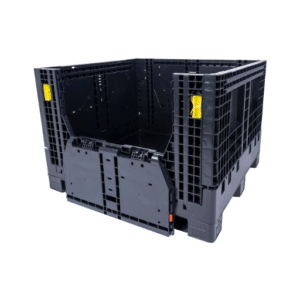
Custom plastic items are designed to fulfill specific purposes, and the injection molding process for manufacturing them is one of the most effective and flexible methods that exists, with a great amount of benefits. Ready-made plastic items are usually found in stores or suppliers, but the custom injection molding approach allows for the production of products that are tailored to the finest details of the functional, aesthetic, and performance needs. It enables the optimal selection of designs and materials with the curtailment of costs, yet with a higher quality. This article will focus on critical components of custom injection molding, such as the advantages, the design elements, and the critical applications of the process across different industries. This is an informative resource that will aim to help you understand how custom injection moulding fits into a manufacturing strategy, especially whether it is enhancing the design of the product or improving the process of making the product.
Introduction to Custom Injection Molding
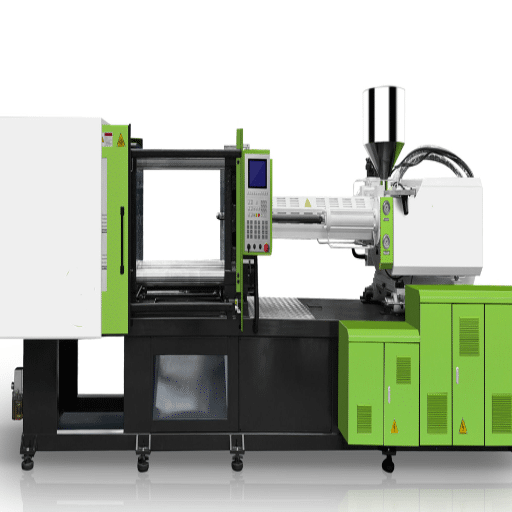
Custom casting methods are solutions for the manufacture of fine plastic elements that involve, in the first case, the introduction of hot plastic in an individually created form and, in the second case, the withdrawal of already cooled detail from the form. The technique helps when one needs precision processes and simple repetitive structures. This is a very commonly used method in different sectors such as automotives, medical services, or consumer goods. The reasons for its popularity are mainly the better capability to manufacture such walls that use minimal materials and high volumes of wall in a limited time. This ability of customization enhances its variability for use in different fields because the mold is made especially to fit certain design and performance parameters, which makes the solution not only flexible but also economical for some practical applications.
Definition and overview of the injection molding process.
Injection molding refers to the manufacturing process of making parts by introducing molten material into a mold at high pressure. This process generally utilises polymers that are heated slightly above their melting points, and coerced into a ‘mold’ cavity designed beforehand in order to produce the desired shape, usually through injection. After the material has cooled, it is removed from the mold as the finished part.
The effectiveness of this technique is its high accuracy and repeatability in creating even the most complicated shapes. Within the basic operations of the injection molding process, which constitute clamping, injecting, and cooling, as well as ejection after the completion of the process, it is necessary for the construction and quality of the end product. In addition, this process also has the advantages of high-volume production as well as reductions in material wastage, which extend its application to various industries, including automotive, pharmaceuticals, packaging, and consumer goods. More so, thanks to the continuous improvement of materials and molds, the application of injection molding in the manufacture of custom plastic items continues to grow.
Why is it essential to produce unique plastic items?
Due to an increase in demand, custom plastic Items manufacturing is carried out. Every company or firm must be in a position to make products that are specific to the company’s needs and those of the consumer in terms of dimensions, functionality, and design. For example, a medical device or instrument that requires high compatibility with the human body and great precision is very important. In the automotive, aerospace, and high-tech industries, high-performance, hard-wearing yet lightweight plastic materials are used. At the same time, other product innovations that add value, help to create service gaps, and, inevitably, improve technology through diminishing technical engineering problems exist.
The Benefits of Custom Plastic Products for Industry
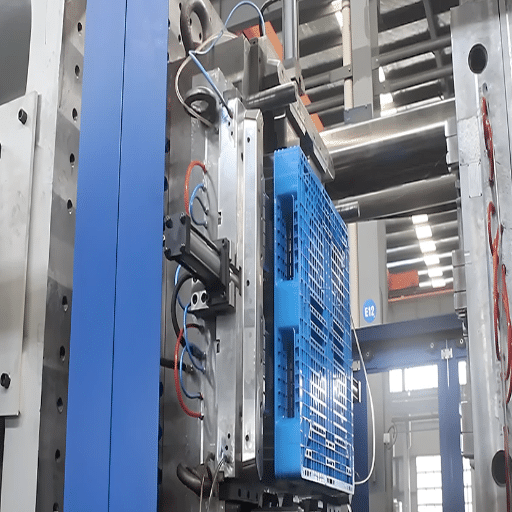
Custom plastic items have gained immense popularity in diversified markets by providing the much-needed approach to address customers’ needs. These goods facilitate a more accurate configuration, improving the efficacy, usability, and, as applicable, compatibility with use cases. Most of them are characterized with light weight and less expensive materials, good for use in industries like medical, aviation, and the manufacturing of automobiles. In addition to these advantages, the aspect of modification encourages producers to make models and develop complex problem-solving techniques, leading to the development of new technologies and the enhancement of performance. Custom plastic products level the playing field and improve the performance of an organization by addressing specific, unique needs of the entity.
Flexibility in design to meet specific applications.
One major advantage of the need for custom plastic items is that they are modifiable towards the precise organizational functions demanded by a particular sector. Basic processes such as injection molding or three-dimensional printing help create beautiful, lightweight, and complex constructions and shapes of any given size. For this reason, it is possible to splice these tasks in a functional and material resistance-related way, such that one teaches for better performance in instances where ruggedness is desired or incorporates different mechanical parts needed by specific equipment. Moreover, incorporating certain additives such as the UV stabilizer and the anti-static can also serve to supplement the performance of such products in certain circumstances. Such a tendency of unit construction encourages creativity among programmers and reduces the wastage of materials by making use of the production size appropriately to the installation, leading to an improvement in the functioning of particular systems, from medical to aviation systems.
Cost-efficiency in large-scale production.
It is quite evident that economies of scale come into play as far as large volume production is concerned, and the cost for each unit manufactured reduces significantly. It means that making more items will lower the unit cost as the fixed costs incurred in acquiring machinery, setting up premises, research, and development are spread out over a larger number of units. The procurement of large quantities of raw materials ensures savings on cost as well, and the efficiency of the production process cuts down on waste and labor. High-level production or output of goods also calls for high automation technology, which increases accuracy, reduces mistakes, and allows for high production volumes. These factors make it possible that operational units in industries, say, manufacturing, pharmaceuticals, or the like, save costs yet preserve the quality of their products, thus making large-scale production a primary aspect of competing in the market.
Durability and precision of custom-made plastic items.
The custom plastic items cost more because they are commonly made from, among other materials, injection and CNC, which provide quality and dimensional accuracy. These methods reduce the cost, ensure very tight tolerance levels, and improve mechanical properties. The resistance to harsh environments within such plastic products comes from the use of specific and high-quality materials, such as ABS, polycarbonate, or polyamide, which are resistant to impact, high temperature, and chemicals. In addition, the accuracy is achieved by a very careful optimization of the design in detail using CAD design and repeated improvement, such as prototyping, for meeting the particular requirements. With such material characteristics and advanced production in place, it is possible to design custom plastic items that meet the needs of sectors like automobile, aircraft, or medicine, where precision and reliability are extremely important.
Understanding the Design Process for Custom Plastic Items
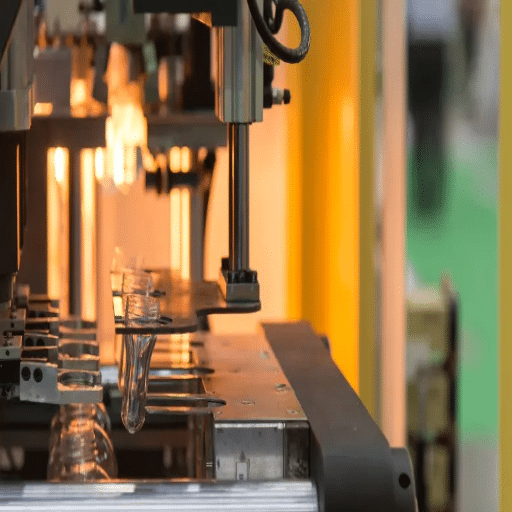
Making custom plastic items goes through a design process that entails several steps. The very first step includes specifying the need for the customized item, as well as the environment it works in and its mechanical characteristics. Then, the engineer turns to CAD software to come up with a complementary layout of the device. Later, such a layout becomes a prototype, which is used to verify and adapt the design so that all the performance and quality requirements are met. After this is done, the design is then refined and prepared for manufacture after considering the elements like materials to be used, how they will be done, and the quality assurance system to be used in place for the manufacturing. Finally, with this hierarchical design approach, it is unrealistic for the assembled design to fall short of its specification and the intended use.
Collaboration between engineers, designers, and clients.
Effective teamwork among disciplines like engineers, designers, and clients determines most of the time the success or failure of the projects. The reason is farewell to engineers, whereby they use their skills in the design process, but they place much emphasis on the so-called industrial design, which is safety and performance. On the contrary, designers deal with beauty, the comfort of the structure being designed, creativity, and innovation. The inward emphasis, however, is provided by the clients who have consumer facts, projects’ limitations are offered, the boundaries within which the project cannot be interrupted, and impossible ambitions. This form of productive engagement among the collaborators calls for appropriate exchange, setting of objectives, and constant sharing of ideas, so that the design intention and the desires of the clients meet the realizable capabilities of the engineers. Making use of platforms within project planning and control systems, as well as holding regular meetings with all concerned parties, helps in the prevention of hidden agendas and facilitates healthy competition of ideas until such a product as desired by the market is developed without losing any functional element.
Use of CAD software and prototyping in design validation.
CAD (Computer Aided Design) software is an integral part of the procedure carried out in validating design since it makes it easy to model, simulate, and test the designs virtually, accurately, and before manufacturing. Most advanced CAD tools can perform calculations of stress, temperature assessment, and compliance of materials used against the relevant technical requirements. CAD, therefore, helps in eliminating the early stages of development where changes are necessary; instead, it finds potential flaws within the design itself such that reworks are minimized.
Jigsaws and drawbacks of CAD can be covered by the practice known as prototyping, aimed at providing representations of designs in a tangible form. While digital models can promise many things, they do not always achieve them. Prototypes usually consist of making them out of 3D printing and CNC machining/fabrication or any other means of production, and are meant for testing usability tests and population usability/compliance. Evolving designs become a reality when CAD is incorporated with a repetitive process of a manufacturing process. Such a methodology helps save the team’s resources while at the same time promoting effective design and high-quality product delivery, which meet the requirements of the market.
Key considerations such as material selection and mold fabrication.
The choice of materials in the design and manufacturing of a product is a very critical factor that affects function, durability, and cost. The engineering team should always make sure that the material chosen complies with the requirements of the application of the product by evaluating and understanding the aforementioned critical features, such as tensile strength, temperature resistance, chemical resistance, and so on. Take, for instance, thermoplastics such as ABS and polycarbonate, which provide strength and are easily formed, packaged, and assembled. In contrast, there are environments of heavy loads and elevated temperature, where the use of metals or alloys is essential.
Molding pertains to ensuring that attention to detail and efficacy are maintained throughout the entire production. Factors such as mold design, cavity layout, and uniformity of the chilling system all affect efficacy and efficiency during production. Designers should make sure there is no shrinkage of the materials, the angles are not plastered in order to pull out the part smoothly, and the mold material is also hard enough, e.g., where possible, castle steel aluminum derivatives for more durable accessories. For this particular activity undertaken, however, the use of more advanced simulation aids, the next modification of the industry’s components, reduces the risk of defects such as warping or sink marks, which are already inherent in the manufacture of custom plastic items.
Material Selection for Injection Molding

Choosing the right material plays a vital role in the injection molding process since it affects the quality, longevity, and production cost of any goods made out of plastic. Various plastics, including polypropylene (PP), polystyrene (PS), polycarbonate (PC), and other thermoplastics, are often preferred as they mold well, are sturdy, and have more than a few applications. Every choice of material is informed by many factors, mainly the mechanical characteristics, the stability at a given temperature, and the interaction with the environment during its use. For instance, some components may be required to bear very high loads and excessive wear; in such cases only the use of specific materials in their construction is recommended, for example, nylon (PA) is used in their fabrication, while in cases where the need is for a strong as well as a having a pleasant surface finish, then one of the used plastic materials is acrylonitrile butadiene styrene (ABS). The selection of the construction matrix material also involves costs of production and actions consonant with conservationalism.
Overview of plastics commonly used (e.g., ABS, polycarbonate, nylon).
-Plastic materials are diverse in nature and possess different mechanical, thermal, and chemical properties, which are appropriate for particular uses. Outlined below are plastic materials that are common in different fields of application:
• acrylonitrile butadiene styrene
The plastic acronym ABS has well-noted features that are always highly prized. They include good impact strength, good toughness, and most significantly, easy molding. It is a material that comes in high demand for household wear, the automobile industry, and even 3D manufacturing. The ability to polish any surface also contributes to this material’s aesthetic use. Unfortunately, it does not perform well against chemicals or heat, even when compared to other advanced plastics.
• polycarbonate
Polycarbonate is a high-performance plastic very widely used because of its high strength, optical clarity, and impact resistance. It is most commonly found protecting items such as goggles, electronic enclosures, and car parts. Like most plastics, polycarbonate has good dimensional and thermal stability, but this also means that it has a tendency to stain from scratches and UV light, unless it is treated.
• Nylon (or Polyamide, PA)
Nylon happens to be very popular for the technology, where high tensile strength is required, wear resistance is needed, and friction needs to be kept low. You will find nylon in gears and mechanical parts like bearings and other components exposed to extreme weather conditions as well. Abrasion and chemistry are its enemies; it embarks and easily changes shape even if a little moisture is present.
They are one of the many unique polymers used in different sectors for the production of custom plastic items.
Factors influencing material choice, such as temperature resistance and tensile strength.
Factors That Influence the Choice of Materials in Engineering and Manufacturability of Products are:
Heat Endurance
It is the ability of a given substance to be distorted or shattered when subjected to either high or low temperatures; the property that is most required is the ability to resist such conditions. For example, metals such as stainless steel, which are primarily stable at high temperatures, exhibit such a property. Likewise, heat and chemical resistance are some of the properties that are cited in favor of polymerizations such as PTFE.
Stress Rupture Behavior
Every material has its tensile strength, which describes the greatest amount of force that can be used to pull or stretch the material out of shape without breaking it. If the structure is to experience strong forces, some types of materials like carbon steel and titanium are used; however, structuring materials and systems made of carbon fiber composites are more preferable where the concern is on making the system light.
Deposition of Chemicals
The specified material must be resistant to chemical wrinkling in numerous situations. For example, this is the reason that polypropylene is preferred where there are acids and bases, while stainless steel is employed, if possible, for corrosion-resistant applications.
Absorbing Rain
Hygroscopic materials like nylon can absorb water, causing dimensional and functional changes of the part; therefore, its hygroscopic level is very important in the choice of a polymer for high humidity or wet conditions.
Project Budget and Factorability
Cost considerations as well as the feasibility of production can be major obstacles. Metals such as aluminum are the preference in light of their symbiotic relations between cost, strength, and ease of machining, while special cases do justify using more performance-oriented materials such as advanced alloys and composites.
Considering all these aspects, the application will work as desired, will serve for a long period of time, and will cost in an economic perspective.
Sustainable options, including biodegradable and recycled plastics.
Eco-Friendly components like biodegradable as well as remade plastics help reduce the harm caused by traditional industrial production and product development, both in the consumption and waste phases. Biodegradable plastics, obtained mainly from bio-based sources, for instance, polylactic acid (PLA), which is made primarily of corn starch, can be naturalized under certain conditions into, for instance, carbon dioxide and water. This type of plastic is useful, especially for disposable plastics, as it does not accumulate waste in the form of plastics for a long time.
On the contrary, recycled plastics make use of post-consumer and industrial plastic waste to a greater extent than virgin materials, hence cutting down energy consumption and reducing costs of production. For instance, polyethylene terephthalate (rPET) and high-density polyethylene (rHDPE) are commonly used in most of the packaging, textiles, and manufacturing applications. Even with upwards of these advantages, both alternatives also have several limitations, including cost, scalability, and or lack of proper waste management systems, illustrating the need for further development and effective recycling systems that will allow more people to use recycled plastics for custom plastic items, among other items.
Prototyping and Testing for Custom Plastic Products

Creating custom plastic items through molding and other manufacturing processes is an efficient way to produce without further wasting time and materials for mass production. Within the scope of this study, these practices include 3D printing, overmolding, computer numerical control machining, or a combination of all these, depending on the demand.
Inspection or testing is required in order to prove that the product will perform in the intended manner and will satisfy the durability and/or fabrication standards as well as the regulations, if any. Mechanical stress, temperature changes, and the ability to withstand harsh environments are some of the factors examined to evaluate how fit the product is for such purposes. Development not only through prototyping but also through constructing and experimenting helps the manufacturers in many aspects, like reducing mistakes, saving money, and improving the quality of the product to be supplied.
Importance of creating prototypes to ensure conformity to specifications.
Due to the importance of ensuring compliance with the specifications, most people engage in the development of prototypes. Prototypes assist in testing the functionality of a design to determine if there are defects and whether or not the project will reach completion. It also helps with premature termination of any prodigal behavior. In other words, by comparing specifications and a corresponding physical or simulated implementation, I am able to determine whether or not the product conforms to the requirements and is usage safe for the several conditions specified. Such a strategy aids the reduction of risks of high-cost mistakes or non-conformance of services in the final product.
Testing procedures for quality assurance and performance validation.
When a product is developed, it is important to have a proper testing strategy to ensure that high-quality standards are sustained and that the product will work properly in the field. The life cycle of testing usually begins with analyzing the requirements, that is to say, reviewing the specifications in order to determine the scope and aim, and whether the testing is appropriate. After that, work on preparation of the test plan is carried out, where every possible test case and timeline are prepared to cater to the design as well as functional requirements of the product in question.
After such an operation shown above, the task to be performed is to ensure that all the separate parts of the product work as they are designed to in what is referred to as functional testing. It may also include integration testing, where the functionality of two or more components with respect to each other will be determined. Meanwhile, stress and load test techniques are used for the purpose of performance evaluation to test the speed of operation of a product and how it behaves in adverse temperature or any other conditions, whether now or in the future, also known as reliability and durability.
In the end, after all the changes to the product, regression testing is done so that one is sure of the functionality of the product. All results acquired from any kind of testing are well documented for any future filing of problems that need solving. Since they also provide processes that assist in early detection of faults, meeting prescribed standards of operation, and delivering as expected by consumers, those are the principles on which their procedures are based.
Reference Sources
Additive Manufacturing Technology of Polymeric Materials for Customized Products
This review discusses recent advancements in additive manufacturing (3D printing) of polymeric materials, emphasizing the shift towards biodegradable polymers over the last 4–5 years. It highlights applications in creating custom plastic films, bags, membranes, and containers.
This research explores the combination of injection molding and additive manufacturing to customize mass-produced plastic parts. It highlights the role of Industry 4.0 technologies in enhancing production efficiency and enabling value-added customization.
Frequently Asked Questions (FAQs)
What sort of services in these areas would your custom plastic items shop offer in respect of cut-to-size and fabrication services, if any?
Our shop has an extensive selection of cut-to-size sheet cutting in its service capabilities for the provision of reasonable fabrication, painting, woodworking, and CNC machining, mostly for plastics – acrylic, HDPE, polyethylene, and other specialty plastics. Most importantly, we work with the specific sizes and geometries of our clients’ projects and plastic fabricated parts and employ finishing techniques such as coating, lamination, and etching in order to produce the desired part or object.
Can I place an order for custom-printed plastic items and receive a sample prior to the commencement of an industrial production order?
If you wish to place an order, please specify the material (polymers like acrylic, HDPE, polyethylene, and so on), sheet size, rods or tubes, finish, color, as well as any printing or assembly specifications, and send an email to our customer support department. We also offer small cut pieces and 3D print samples for checking the colors/surface finishes and the fit for larger orders. With the samples, one can even plan well for the complex-shaped and industrial projects without stress.
What are the benefits of using HDPE materials for industrial custom plastic items?
HDPE is a robust plastic with chemical resistance, and hence it is good for fabrication and wear-resistant applications. Since it is resistant to DMA, a wide range of chemicals, as well as impact, it is perfect for industrial tooling, construction materials, and parts needing a long time. HDPE comes in a wide range of available densities and thicknesses, so one can select the appropriate material and thickness to facilitate the application subject to heavy load and repetitive wear.
Do you have any solutions in place to be able to create acrylic and plexiglass components, such as masks or projections, when any printing or finishing is required?
Yes, we carry out screwless assembly of these products, and we are able to cover surfaces with printing that is UV-proof, dip or etch ink, and that is smooth or rough. Because of its optical properties and the possibility of obtaining clear or bold colours, acrylic is suitable for crafting presentation objects, dispensers, and protection barriers. We propose specific methods of printing and post-processing where necessary, due to factors such as color stability and adhesion, which come into play when printing populations that are exposed to environmental elements or subjected to many uses.
Which of the following factors, if any, are important when evaluating the use of plastic materials such as acrylic, polyethylene, or the newer plastic blends?
Yes, environmental sensitivity and performance are considerations. Factors influencing the choices are UV stability, ability to withstand chemical exposure, susceptibility to water absorption, tribological performance, and ability to be recycled. While acrylic is best suited for clear applications, polyethylene and HDPE are most suitable for applications requiring abrasion and chemical resistance. In order to improve qualities such as UV resistance or load-bearing capacities, new plastic blends and additives are coming to the market. In addition to helping you select the appropriate type of plastic, we are also able to recommend the finishing properties that will best enhance its durability and the structure of your product.
Do you have an assortment of samples of different diameters and lengths of rods and tubes in stock to offer to the customers?
Our range of materials comprises rods and tubes that come in several diameters, defined wall thicknesses and varying material types. The range encompasses samples and cut-to-size portions to examine if the items will mold together and operate as desired. The shop is able to provide custom-made lengths, profiling details on the ends, and also needs processing after the cut samples are tested and finalized before launching a huge production of the custom plastic items.