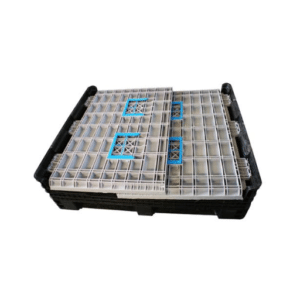
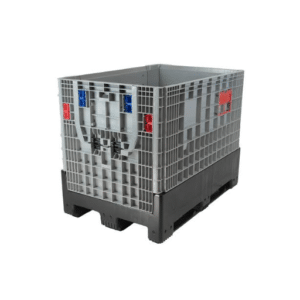
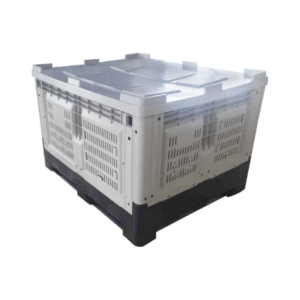
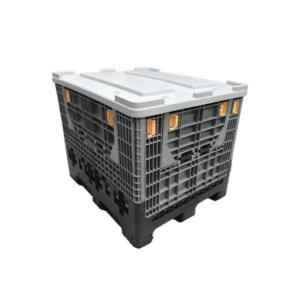
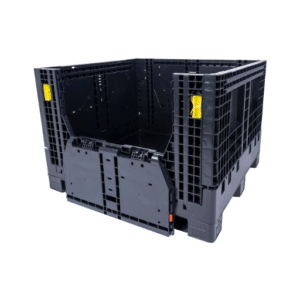
Cold storage plastic pallets are freezer-rated platforms made from impact-resistant polymers such as HDPE. They keep their strength, hygiene, and shape in sub-zero supply chains. Unlike wood or standard plastic pallets, they resist moisture, bacteria, and brittle cracking at temperatures below -40°C.
Last winter, a frozen seafood distributor in Qingdao lost a full container of cod. They had been soaked by moisture due to the wooden pallets below. They warped during transit and collapsed inside a -25°C hold. The pallets failed before the refrigeration did. That one incident cost more than the company’s yearly pallet budget. It is also more common than most logistics managers admit.
If you work in cold chain logistics, the pallet is not just a base. It is a control point for temperature, hygiene, and load safety. In this guide, you will learn which materials and designs work best for cold storage plastic pallets. You will see how they compare to wood and steel. You will also learn what compliance documents you need and how to calculate true return on investment.
Key Takeaways
- HDPE is the top choice for freezer grade plastic pallets. It stays flexible down to about -50°F (-45°C).
- Plastic pallets can last 200+ use cycles in cold chain service. Wood often fails after 5–11 cycles.
- Non-porous, hygienic plastic pallets support HACCP, GMP, FDA 21 CFR, and EU 1935/2004 compliance.
- Rackable, ventilated, anti-slip, and RFID-ready designs improve airflow, automation, and tracking.
- Cold storage plastic pallets usually cost less than wood over a 5-year lifecycle.
What Are Cold Storage Plastic Pallets?
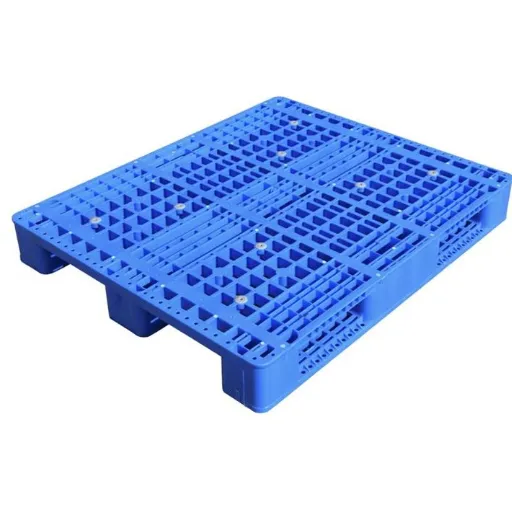
Cold storage plastic pallets are engineered load platforms built for refrigerated warehouses, blast freezers, and temperature-controlled transport. They are usually molded from high-density polyethylene (HDPE), polypropylene (PP), or impact-modified blends. These materials stay ductile at low temperatures.
Standard plastics can become brittle below freezing. They may crack under impact or racking loads. Cold-storage grades solve this problem through resin choice, reinforcing ribs, and controlled wall thickness.
These pallets move across frozen food, seafood, meat, dairy, pharmaceuticals, vaccines, and beverage supply chains. In many facilities, they face several environments in one day. A pallet may start in a -30°C freezer, pass through a +4°C chilled dock, and finish in an ambient loading bay. That thermal cycling is what separates a true cold-storage pallet from a general-purpose model.
At Shandong Lile, our industrial plastic pallets include rackable, nestable, hygienic, and heavy-duty options. We can specify them for low-temperature service and produce custom sizes and colors for branded or dimension-specific needs.
Plastic Pallets vs Wood Pallets in Cold Storage
Moisture Is the Enemy
Wood is porous. In humid cold rooms and repeated freeze-thaw cycles, wooden pallets absorb water. They become heavier, deformed, and cracked. That moisture also breeds mold, bacteria, and odors. In a freezer, a water-logged wood pallet can freeze to the floor or to the product above it. Both the pallet and the load can be damaged.
Plastic pallets are non-porous. HDPE and PP do not absorb moisture. Pallet weight stays consistent, dimensions remain stable, and the surface resists microbial growth. That matters when one contamination event can trigger a product recall.
Structural Integrity at Sub-Zero Temperatures
Freezing makes wood more brittle. Nails loosen. Boards crack. A pallet that looks fine at room temperature can fail at -25°C. According to Virginia Tech lifecycle testing cited by ORBIS, certain plastic pallets lasted about 200 trips before failure. The same type of wooden pallet has been known to break after 11 uses while the top-of-the-line plastic one can withstand up to 400 or more tests independently conducted.
Safety and Handling
Wood pallets cause nails, wood chips, and cracking. This is even more dangerous when working in a cold storage facility where people need to put on gloves and poor visibility becomes an issue because of frost or condensation. This reduces injury risk and product damage.
Want to compare materials for your operation? Explore Lile’s plastic pallet range and request a specification sheet for your temperature and load needs.
HDPE Cold Storage Pallets: Material Selection Guide
Choosing the right polymer is the most important technical decision for cold storage plastic pallets.
HDPE (High-Density Polyethylene)
HDPE is the most common material for freezer grade plastic pallets. It offers excellent low-temperature impact resistance, chemical resistance, and durability. According to Pearl River Plastics, HDPE keeps its structural integrity down to about -50°F (-45°C). That makes it the preferred choice for blast freezers and deep-cold warehouses.
HDPE is also lightweight, recyclable, and cost-effective for high-volume production. At Lile, we use virgin HDPE for food-grade and pharma-grade hygienic pallets. This ensures consistent performance and compliance.
Polypropylene (PP)
PP is stiffer than HDPE and tolerates higher heat. That makes it popular for ambient or warm-service pallets. However, standard PP becomes brittle below freezing. A standard PP pallet dropped at -20°C can crack. Cold-storage PP pallets need impact modifiers and copolymer formulations to stay flexible. If you see a pallet marketed for freezer use, ask for the specific temperature rating and impact-test data.
Reinforced and Specialty Grades
For high-rack loads or automated storage and retrieval systems (AS/RS), some cold-storage pallets include steel reinforcement, glass-fiber additives, or structural ribs. These upgrades increase stiffness and load capacity. They also add weight and cost. The right grade depends on your racking height, dynamic load, and handling equipment.
| Material | Typical Low-Temp Rating | Best For | Watch Out For |
|---|---|---|---|
| HDPE | -40°C to -50°C | Freezers, blast cells, deep cold | Verify load rating at low temp |
| Cold-grade PP | -20°C to -40°C | Chilled rooms, light freezer duty | Standard PP cracks below freezing |
| Reinforced HDPE/PP | -30°C to -50°C | High-rack AS/RS, heavy loads | Heavier; check forklift capacity |
Critical Design Features for Cold Chain Plastic Pallets
Rackable Construction
Cold storage space is expensive. Facilities maximize cubic volume by stacking high. Rackable pallets have bottom runners or picture-frame bases for safe storage in pallet racks. A rackable cold storage pallet must keep its rated load capacity at the lowest temperature in your warehouse, not just at room temperature.
Nestable Designs
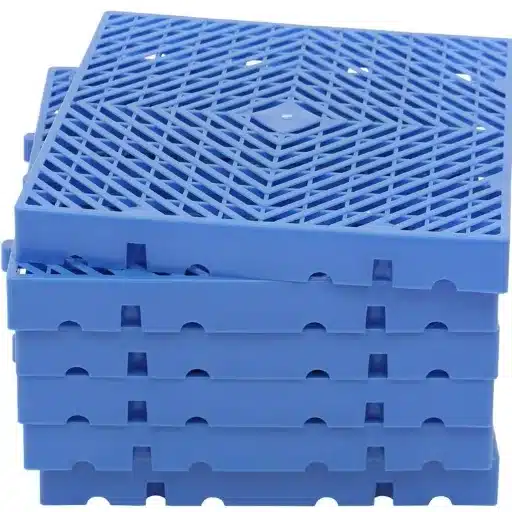
Empty pallet returns are a major cost in closed-loop supply chains. Nestable pallets slide inside one another. This reduces the space needed for return shipment. Some nestable designs fit up to 1,500 pallets per truckload versus roughly 450 wood pallets. That cuts reverse-logistics costs significantly.
Ventilated Decks
Perforated or ventilated decks let chilled air circulate around and beneath the load. Better airflow helps keep product temperature steady and can reduce freezer run-time. This is especially important for blast freezing and tempering operations.
Anti-Slip Surfaces
Frost, condensation, and plastic-to-plastic contact can create slip hazards. Anti-slip surfaces, rubber inserts, or textured decks reduce load movement during transport and stacking. In automated systems, anti-slip features also reduce product shifting that can trigger jam sensors.
4-Way Entry and Automation Compatibility
Four-way entry lets forklifts and pallet jacks handle pallets from any side. In automated cold stores, consistent dimensions, uniform weight, and absence of nails or splinters matter. Conveyor systems, palletizers, and robotic arms need all of these. Plastic pallets outperform wood here because every unit is dimensionally identical.
RFID and Traceability
Modern cold chains demand traceability. Embedded RFID tags or barcode labels on plastic pallets support GS1 standards and custody tracking. This is critical for pharmaceutical cold chains, where temperature excursions and chain-of-custody records must be auditable.
Hygienic Plastic Pallets for Cold Storage: Compliance Guide
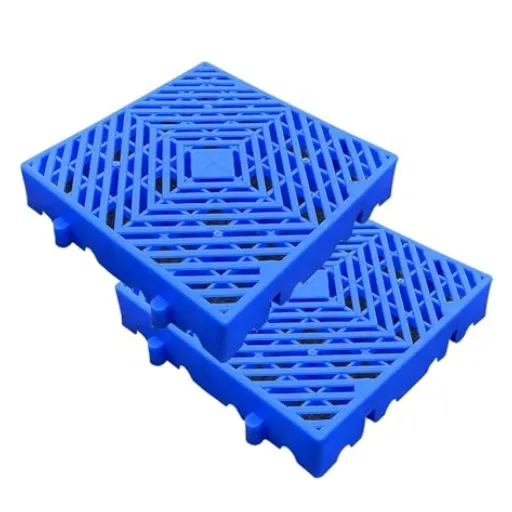
Cold storage pallets in food and pharmaceutical applications must meet strict hygiene and regulatory requirements.
HACCP and GMP Alignment
Plastic pallets support Hazard Analysis and Critical Control Points (HACCP) and Good Manufacturing Practice (GMP). Their smooth, non-porous surfaces are easy to clean and sanitize. This reduces contamination risk. They can also be color-coded by zone, such as raw versus finished goods, to prevent cross-contamination.
FDA and EU Food-Contact Rules
In the United States, plastic pallets used in food handling should be made from FDA-cleared substances. Common examples are listed under 21 CFR §177.1520 for olefin polymers. In the European Union, Regulation (EC) No 1935/2004 and Regulation (EU) No 10/2011 set rules for plastic materials in contact with food. Reputable manufacturers provide certificates of compliance and migration test data.
ISPM-15 Exemption
Wooden pallets used in international shipping often must be heat-treated or fumigated under ISPM-15 standards. This prevents pest transfer. Plastic pallets are exempt from ISPM-15. That eliminates treatment costs, delays, and documentation complexity for exporters. For Shandong Lile, which ships to over 108 countries, that exemption is a major logistics advantage.
Compliance Checklist
When sourcing cold storage plastic pallets, request these documents:
- Material data sheet with temperature ratings
- FDA or EU food-contact compliance statement
- Load-test certificates at low temperatures
- HACCP/GMP suitability statement
- ISPM-15 exemption confirmation for export
- Recycling or end-of-life policy
Cold Chain Plastic Pallets: Industry Applications
Frozen Food and Seafood
Frozen vegetables, ready meals, fish, and shellfish move through blast freezers, cold stores, and refrigerated containers. Plastic pallets resist the moisture and salt common in seafood operations. They also do not hold odors between loads.
Meat, Poultry, and Dairy
These products need strict hygiene controls. Smooth, washable plastic pallets reduce bacterial harborage points and support daily wash-down protocols. Color-coding helps separate raw, processed, and finished products.
Pharmaceuticals and Vaccines
Pharmaceutical cold chains often operate under GMP and Good Distribution Practice (GDP). Pharma-grade plastic pallets offer cleanroom suitability, consistent dimensions for automated stores, and RFID tracking compatibility. They are increasingly used for vaccine distribution and biologics storage.
Beverages and Cold Chain E-Commerce
Online grocery and meal-kit services have expanded refrigerated last-mile logistics. Plastic pallets help maintain palletized unit loads through fulfillment centers. For bulk beverage storage, plastic pallet boxes can also play a role in protecting large-volume shipments.
Total Cost of Ownership: The Real ROI
The upfront price of a freezer grade plastic pallet is usually two to four times that of a wooden pallet. That number alone stops some buyers. But purchase price is not the same as cost of ownership.
Think about the lifecycle. A wood pallet may last 5–10 trips in cold, wet conditions before repair or replacement. A cold-storage HDPE pallet can last 200+ cycles. Premium designs exceed 400. Over five years, the lower replacement rate, reduced maintenance, fewer product-damage incidents, and eliminated ISPM-15 treatment costs often produce a lower total cost of ownership. Industry analyses commonly cite plastic pallets as roughly 34% cheaper than wood over five years in high-use environments.
There are also operational savings. Nestable designs reduce return freight. Consistent dimensions cut automation jams and downtime. Lighter tare weight can improve transport efficiency. Because plastic pallets are recyclable, end-of-life disposal can generate material credit instead of landfill cost.
Ready to run the numbers for your fleet? Contact Lile for a TCO analysis based on your cycle volume, temperature range, and handling conditions.
How to Choose the Right Cold Storage Plastic Pallet
Use this framework to narrow your specification:
- Temperature range. What is the lowest temperature the pallet will see? Match the material rating to your worst-case scenario, not your average.
- Load type. Distinguish dynamic load (in motion), static load (stacked on floor), and racking load (supported by beams). Cold-temperature ratings apply to each.
- Handling equipment. Forklifts, pallet jacks, conveyors, and AS/RS systems have different dimensional and stiffness requirements.
- Hygiene level. Food, pharma, and chemical applications need smooth, washable, food-contact-compliant materials.
- Cycle volume. High-turn closed-loop operations benefit most from durable, trackable plastic pallets.
- Return logistics. If you ship pallets back empty, nestability can slash transport costs.
- Customization. Brand colors, custom dimensions, steel reinforcement, RFID pockets, and anti-slip inserts can be specified for volume orders.
At Shandong Lile, we manufacture cold storage plastic pallets in rackable, nestable, hygienic, heavy-duty, and anti-slip configurations. Our ISO 9001 quality system and custom molding capability let us tailor pallets to specific cold-chain requirements.
Video: Cold Chain Logistics in Action
The following video shows how temperature-controlled supply chains operate, from refrigerated warehousing to final delivery. We recommend replacing the embed below with your own Lile product or facility video once available.
Frequently Asked Questions
What is the best material for cold storage plastic pallets?
HDPE is the best material for most freezer applications. It retains flexibility and impact resistance down to about -50°F (-45°C). Cold-grade PP can work for lighter freezer duty, but standard PP becomes brittle below freezing.
Are plastic pallets FDA approved for food contact?
Plastic pallets are not individually FDA approved. Instead, manufacturers must ensure the resins and additives meet FDA food-contact regulations, such as 21 CFR §177.1520 for olefin polymers. Always request a compliance statement from your supplier.
How long do cold storage plastic pallets last?
In cold chain service, HDPE cold storage pallets can last 200+ cycles. Premium designs have reached 400+ cycles in testing. Wood pallets usually last for 5-11 cycles at most.
Do plastic pallets need ISPM-15 treatment for export?
No. Plastic pallets are exempt from ISPM-15 wood-treatment rules. That removes fumigation costs, delays, and documentation for international shipments.
Can plastic pallets handle automated cold storage systems?
Yes. Cold chain plastic pallets with consistent dimensions, uniform weight, and smooth surfaces work well in AS/RS, conveyors, and robotic handling systems. Ventilated decks and anti-slip surfaces can also improve performance.
Conclusion
Cold storage plastic pallets are not a simple commodity purchase. They are a strategic choice that affects product safety, warehouse efficiency, compliance, and total logistics cost. The right pallet combines the correct polymer, a design matched to your handling environment, and documentation that satisfies your quality and regulatory teams.
HDPE remains the material of choice for deep-freeze applications. Rackable, ventilated, and anti-slip designs improve storage density and safety. Hygienic, food-contact-compliant pallets protect brand reputation in food and pharma. Over a multi-year lifecycle, cold storage plastic pallets typically outperform wood on total cost of ownership.
If you are evaluating cold storage plastic pallets for a new facility, a fleet conversion, or an export program, start with a clear specification. Shandong Lile can help. With more than 14 years of manufacturing experience, ISO 9001 certification, and a global logistics network reaching 108 countries, we deliver pallet solutions that perform from the freezer to the final mile.
Request a cold storage pallet quote or specification review today →