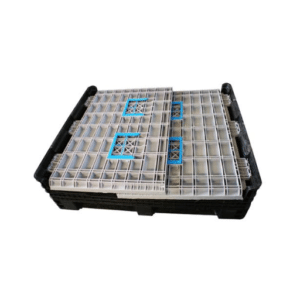
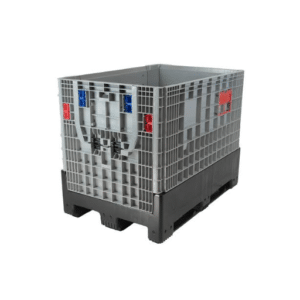
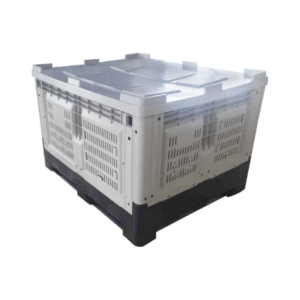
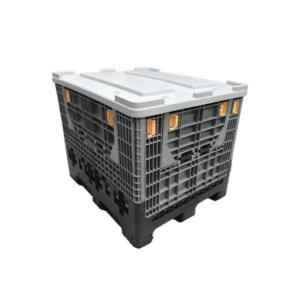
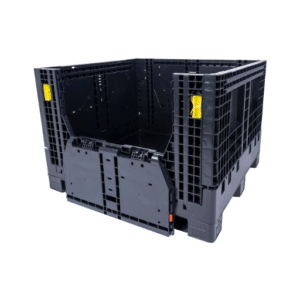
The trend of using reusable plastic pallets instead of single-use ones is spreading fast since most companies today are trying to go green. The problem with single-use pallets is that they are often made using inferior materials, which leads to an increase in the amount of waste and resources, such as trees. In contrast, reusable pallets revolutionise the system of logistics within the supply chain, which encompasses the aspects of reduced material wastage, enhanced efficiency in the long run, etc. The focus of this article will be on how such modification can lead to a dramatically more favourable ecological situation, including the avoidance of waste of materials and the emission of carbon. Hopefully, after reading this article, the readers will appreciate the very necessity of switching to reusable plastic pallets and, most arguably, the indisputable importance of promoting circular processes within society.
Introduction to Reusable Plastic Pallets
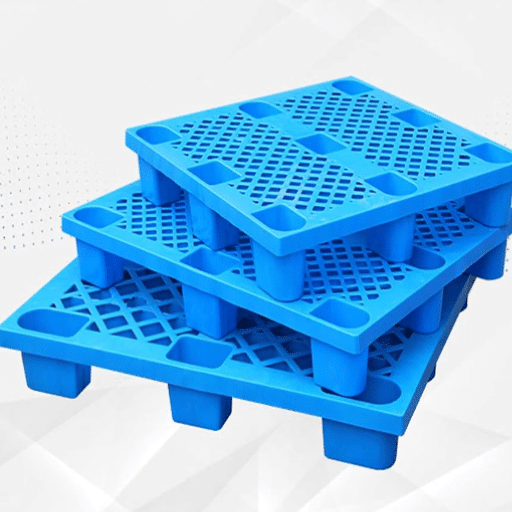
Substituting traditional wooden pallets with reusable plastic pallets contributes to environmental sustainability, as these are endlessly applied in supply chain activities. These pallets are fabricated out of materials with the purpose of being reusable and tend to cut down on wastage caused by single-use packages, which tend to reduce the efficiency of the supply chain. Moreover, they are light in weight, impervious to water, and they do not necessitate special upkeep, which suits them for industries where there is a high degree of hygiene and standardization that could include food, drugs, and even items that are manufactured. The use of reusable plastic pallets allows companies to cut costs for their operations while reducing the negative impact on the environment, meaning that businesses can enhance their logistics effectiveness while also achieving their sustainability objectives.
Defining Reusable Plastic Pallets
As their name suggests, reusable plastic pallets are hard-manufactured pallets that are meant to be used for the storage and transport of items along various supply chains. They are traditional wooden pallets, as poly-high-density polyethylene (HDPE) or polypropylene (PP) is used instead of wood, and these two canvases are more durable, along with being chemical and water-resistant. They are designed to withstand repeated handling, long-term use, and exposure to environmental conditions without undergoing any structural distortion. They are different, such as rackable variants, stackable variants, and nestable variants, depending on the use. Moreover, reusable plastic pallets often come with provisions to enable compliance with hygiene standards like the Food and Drug Administration and the European Union sanitary standards, making them very useful for industries dealing with food and drugs. They are lightweight, which reduces the cost of transportation, and at the same time, due to their recyclability, they help in promoting the concept of the circular economy.
Common Pain Points in Supply Chain Management
Management of the supply chain has, more often than not, critical barriers that affect how well the business operates. The first point that may come to mind is having no outlook of how the entire chain looks. For example, a significant number of organizational efforts can hardly track the movement of goods along the supply chain in real time, and this leads to inefficiencies, increased expenses, long lead times, etc. Poorly integrated systems or a low level of digitalization make the situation even worse.
Demand forecasting is an example of this. Overestimating or underestimating demand tends to lead to distortion in the inventory levels. While understanding is that, considering the extended lead times and inventories, based on expired data and weak analytics tools is difficult and unproductive due to market movements, seasons, or changes accordingly.
Higher operating costs are equally pressing. The cost of fuel, labor, and even the cost of industrial materials increases unpredictably, which narrows the profit gap considerably. As production processes and trade ensue on a global scale, formalities and environment in one area of the world are not the same as in another, and this also needs to be managed and accounted for sufficiently.
And as you can see, this might prove to be a bit costly in the long run, as owners have to replace broken trays every now and then. This is in contrast to when the reusable plastic pallets are used in business processes where the pallets have previously been used, and thus their costs are only a one-off.
Hook: The Shift Towards Sustainability
Sustainable development is no longer superficial in supply chain issues; instead, it’s a fundamental aspect of the contemporary strategies of supply chains. Constantly and under the prism of increasing expectations from customers towards environmental responsibility and government regulations aimed at fidelity of custody, companies need to incorporate these variables into their value chains, inevitably. Changing underscores the use of renewable forms adopted using energy and less waste, also aiming at order alignment, in other words, ethical sourcing of raw materials. By using innovative technologies such as blockchain for supply chain visibility purposes, as well as carbon analytics for emission monitoring purposes, the hope is that companies will reduce emissions over time. Despite the fact that such endeavors come at high costs in terms of process change and initial investment, they do result in favorable returns, such as withstanding catastrophic events, incorporating and avoiding legal actions, and enhancing the image of the brand in the public.
Sustainability and Environmental Impact

To minimize the adverse effects on the environment, efficient utilization of energy, renewal of the energy source, and reduction of resource consumption should be the primary goals of any organization. Use of wind and solar energy helps in achieving this through the reduction of harmful gases. Furthermore, some concrete measures, such as the institution of a recycling culture, as well as practicing other recycling economy principles, can greatly cut down on the amount of waste dumped in landfills. The company’s goal is to significantly make all activities more sustainable and at the same time meet the environmental policies as well as the international objectives.
Comparing Reusable Plastic Pallets to Traditional Wood Pallets
When looking at the pros and cons of opting for a reusable plastic pallet or wood, there are lots of things at play, such as durability, environmental friendliness, cost effectiveness, and practicality.
1. Durability: Albeit designed out of durable and hard-to-break plastics, these plastic trays are free of hazards such as moisture, solvents, and breakage, thus lasting for long and in diverse weather conditions. Wooden pallets, on the other hand, can be easily damaged by water, pests, and impact injuries, thus needing either fixing or replacing in a shorter period of time.
2. Sustainability: Although plastic pallets are not disposable, they are portable and can be recycled reuse system, which significantly reduces the production of waste. Though wood is a natural resource and the pallets are biodegradable, they wear out easily and cause a lot of wastage of resources in terms of replacement.
3. Cost Efficiency: Even though it is costly to buy plastic pallets at first, consistent usage of them due to their ability to last long would uphold the investments. Cheaper than wood pallets are, however, likely to result in expenses of repair, replacement, or disposal in the future.
4. Functionality and Customization: In most cases, reusable plastic pallets tend to be lighter and consistent in shape and even come in customized forms that the customer may wish to fit their supply chain. The major difference is that the up-to-date wooden pallets of this type are strong, but the dimensions, as well as weight and structure, are different for each pallet due to the inherent factors in their production.
5. Hygiene and Safety: The use of plastic pallets makes it easy to maintain hygiene standards, especially in food packaging and pharmaceutical industries. Wooden pallets are porous and can develop bacteria, molds, or even insects, which may pose health concerns along the chain of supply.
To sum up, the selection of the reusable plastic pallets or classic timber pallets is based on the abovementioned factors, namely performance, eco-friendliness, and expenses. On the other hand, enterprises concentrating on high performance and sustainability inclines are prone to prefer plastic pallets due to their better utility and ability to be recycled.
Recyclability and Its Importance in the Supply Chain
Recyclability has become an essential component of current supply chain functions, supporting both economic and green initiatives. Recyclable materials lessen the need for raw materials, enhance the reduction of waste production, and allow for a system of production where resources are continuously reused. For instance, reusable plastic pallets can be considered to be ideal elements of a green supply chain, because they are 100% r ecyclable at the end of their useful lives. This makes it possible to not only limit the waste disposed of in landfills but also enable the conversion of waste materials to useful substances by manufacturers, and serves to promote efficient resource exploitation.
Optimization of waste management and materials recovery enhances corporate image, reputation, and society’s compliance with environmental regulations. Other than that, only a few industries that depend heavily on logistics end up bearing the exorbitant costs of purchasing new resources. The reason being that initiatives on recycling are cost-cutting interventions for such sectors. In summary, supply chain management is more robust and efficient in the long run when the aspect of recycling is pursued from the outset.
Environmental Benefits of Using Recyclable Plastic
The use of plastic that can be recycled is quite beneficial for the environment because less of this material goes into the waste dumps and even incineration. Recycling of materials helps reduce the impact on the environment when virgin materials, especially plastics, are made to ensure that the carbon footprint of these processes is reduced. Recyclable plastics also encourage the practice of reducing the demand for extractive forces for making plastic raw materials, thereby favoring natural resources. In addition, the existing ecosystems are not damaged much by the recycling of plastic materials, considering that microplastic water pollution, soil erosion, and other implications are reduced. All these approaches not only increase resource use but also avoid climate change and environmental destruction at the international level.
Cost-Benefit Analysis of Reusable Plastic Pallets

Traditional wooden pallets are slowly being replaced by reusable plastic pallets, which promise additional savings and eco-friendliness. These plastic pallets have a higher initial cost, but they are cost-effective in the long term as this durable material ensures that replacement is infrequent. They also weigh less, reducing freight costs in terms of fuel and carrier charges.
From an environmental point of view, reusable plastic pallets are recyclable, so they do not end up as waste in landfills. These pallets will not couple to water, dirt, insects, or chemicals, so there is less chance of cross-contamination within supply chains. Though the acquisition cost for plastic pallets is considerably steeper, the long-term input of these pallets and the environmental contributions clearly justify the acquisition.
Cost Savings from Reduced Damaged Goods
Revising this text does not have to be a complicated activity. Use of materials such as plastic in the production of pallets ensures that very few, if any, losses occur as a result of product breakages in transit or in storage. Whereas wooden pallets tend to break and bend out of shape over the course of time, plastic does not, and this makes sure that the pallets remain in perfect condition even when subjected to excessive loads and abuse. In conclusion, even if there is a shrinkage in the portion of the goods that is damaged, the costs associated with the loss/ replacement/returns and claims decrease overall. Reusable plastic pallets are designed with no spaces or gaps between them; this allows for easy and secure placement of the load on top of the pallets; floor space is also maximized, and any unwanted occurrence, including accidents or wrong handling of goods in the warehousing system, is reduced. These considerations bring about notable cost reduction and procedural enhancement in the end.
Financial Benefits of Switching to Reusable Packaging
In view of efficiency, switching over to reusable packaging is also cost-effective and useful in the long run, as it helps in waste reduction. This is because it eliminates the use of single-use packaging, which cannot be reused, hence the need to recurrently purchase packaging, which is a major expense, as well as decreasing disposal costs accruing from conventional packaging waste. Referred to as reusable perishable goods’ containers, such deliveries are made to last long, thereby allowing for one unit to be used several times at different spans and, in turn, lowering the unit cost and increasing the Return on Investment (ROI). This can further be done in light of formulating lower transportation charges, as most reusables are light though durable, thereby saving fuel and shipping costs. Within the context of a supply chain, the use of reusable or returnable packaging also optimizes workflow, suppressing product losses and damages using console structures. In some instances, this shift might come with tax breaks and satisfaction of green legislation, which also provides economic incentives for undertaking environmental obligations cost-effectively. All these factors invest in reusable packaging as a source of competitive advantage for any business that wants to remain profitable and environmentally responsible.
Durability and Hygiene Standards

Standards for Reusable packaging are quite high, considering that such packaging will be used for products on a repeated basis. In other words, it must be durable enough to be used more than a few times without causing the quality or safety of the products that have been packaged to be compromised. In most cases, such packaging is made from durable materials such as metal or high-density plastics, which are less likely to wear, break, or even get contaminated. To this end, there is a strict regime for cleaning where appropriate sanitary measures are applied to minimize the possible collection of dust, microbes, or infectious germs. Also, there are industry standards and regulations to be adhered to for such packaging, such as the ISO standards, which ensure that these packaging designs are as safe and efficient as possible.
Heavy-Duty Nature of Reusable Plastic Pallets
Reusable plastic pallets are designed to endure heavy-duty activities both in industries and logistics. Such pallets are mostly made from hardened plastics like high-density polyethylene (HDPE) or polypropylene (PP) that have very high shock, water, and chemical resistance. Due to their strong build, they are also able to carry heavy loads reliably, with some possibly holding more than 2,000 pounds actively and 10,000 pounds statically.
Wooden pallets are susceptible to moisture and insects, whereas plastic pallets are not porous, hence cannot get moisture and pest contamination, which is good for sensitive industries like the food, medicine, and automobile industries, respectively. Also, to increase the strength of many reusable plastic pallets, strengthened edges and/or metal materials are introduced into the pallet, which is applicable in tough working conditions or systems with conveyor belts or any other kind of racking.
These pallets are financially smart and environment friendly as they serve for extensive periods before replacement. Due to the standard dimensioning of these pallets, they are exempt from any fumigation or heat treatment under ISPM-15 in most cases, and that makes them acceptable in many countries, unlike wooden pallets. Therefore, reusable plastic pallets find heavy usage in industries like telecommunications and other manufacturing processes.
Hygienic Standards in Food and Pharma Industries
Reusable plastic pallets are indispensable in the food and pharmaceutical sectors as it assists in controlling the level of contamination. They are made with the help of moisture-resistant materials that do not allow absorption of water and thus do not support the proliferation of bacteria and cross-contamination. And when it is warm out, it is also easy to clean and decontaminate for cold storage applications, which means complying with the regulations, FDA and EU directives, including the GMP guideline (Food Manufacturing practice) in such a way that the food will hygienically attain the set standards. A lot of plastic pallets are also made to be flat and even so that there are no corners/edges for dirt or even microorganisms to store in them, thus promoting hygiene. Therefore, they are perfectly suited for clean rooms or in cold chain transportation of temperature-sensitive products where there is a need to maintain sanitation for all the steps.
Lifecycle Management of Plastic Pallets
When considering the long-term effectiveness of reusable plastic pallets, factors such as how long they can last, how much effort it takes to maintain them, how they can be repaired, and how they are recycled at the end of their life cycle must be taken into consideration. These types of pallets have a longer service life as they are made to withstand a lot of weight for prolonged periods of time without showing signs of wear and tear. Depending on the industry, regular sanitization and inspection must be performed in order for the applications to remain effective. In terms of repairs, users can, where possible, exchange the broken parts, thereby collapsing the consumer durability horizon.
Once a long-lasting wooden, steel, or reusable plastic pallet has reached the end of its life, recycling becomes an alternative. Most of the plastic pallets are made out of durable materials such as HDPE or PP, which are recyclable, and offer a solution in terms of reusing worn-out pallets. Some companies also provide retrieval services or recycling initiatives to ensure that materials are administered in a responsible manner. This strategy encourages the philosophy of a circular economy, considering resources and waste from design to the pallet’s disposal.
Comparison of Reusable Plastic Pallets to Other Options

The distinct advantages of reusable plastic pallets can be seen when compared to, say, wood or metal pallets. For instance, plastic has many desirable qualities over wood, such as being strong, moisture-free, and contaminant-proof; hence, industries such as pharmaceutics and food logistics opt for plastic pallets. On the other hand, they are not as heavy as metal pallets, which helps in cost-cutting during transportation without compromising the firmness of support. There is also very little maintenance required for plastic pallets, in addition to lasting longer, which helps in cutting down the cost over the years. Such features make plastic pallets an affordable and eco-friendly alternative in many logistical companies.
Reusable Plastic Pallets vs. Single-Use Options
|
Key Point |
Reusable Pallets |
Single-Use Options |
|---|---|---|
|
Lifespan |
Long |
Short |
|
Material |
Durable Plastic |
Wood/Light Plastic |
|
Cost/Unit |
High Initial |
Low |
|
Reuse Rate |
High |
None |
|
Weight |
Light |
Varies |
|
Hygiene |
High |
Low |
|
Sustainability |
Excellent |
Poor |
Wooden Pallets vs. Reusable Plastic Pallets
|
Parameter |
Wooden Pallets |
Reusable Plastic Pallets |
|---|---|---|
|
Material |
Wood |
Plastic |
|
Types |
Stringer, Block |
Stackable, Rackable, Nestable, Export |
|
Durability |
Moderate |
High |
|
Weight |
Heavy |
Lightweight |
|
Sustainability |
Biodegradable |
High Reusability |
|
Hygiene |
Low |
High |
|
Cost |
Lower Upfront Cost |
Higher Initial Investment |
|
Lifespan |
Short |
Long |
|
Maintenance |
Moderate Care Required |
Easy to Clean |
Advantages of Nestable Plastic Pallets
In my observation, nestable plastic pallets provide several important benefits that have made them more widely used in several sectors. This is because they are light but strong, enabling easier management and minimizing the transportation expenses. These types of pallets are designed to be nested when not in use, therefore minimizing the amount of storage space used up, which is useful in case of limited warehouse capacity. In addition, they cannot be easily impaired by soaking, infections, or any other forms of imperceptible infestations that would minimize the hygienic conditions, especially in most of the supply chain activities. Their longevity and low maintenance also result in huge savings in the long run.
Reference Sources
Enterprise Green Logistics Packaging Transformation in the Context of Dual Carbon Goals
Green logistics packaging aligns with sustainability goals, reducing carbon emissions and improving operational efficiency.
Identifying Barriers and Proposing a Roadmap to Develop Industrial Symbiosis Projects
Reusable materials, including pallets, are underutilized due to regulatory and economic challenges.
A Review of the Impacts of Reverse Logistics on Retailers of Fast-Moving Consumer Goods
Retailers benefit from RL through cost savings, improved customer satisfaction, and compliance with environmental regulations.
Frequently Asked Questions (FAQs)
What do HDPE plastic pallets that are suitable for reuse look like?
Pallets made from high-density polyethylene, in short HDPE plastic pallets, are various types of transfer and storage palettes made for reuse, using compositions of plastic and HDPE. These durable, reusable plastic pallets would not absorb water in any manner, neither chemically nor otherwise, and are crafted to last longer than wood, hence reducing the cost of replacements throughout the distribution process.
Are HDPE pallets appropriate for use in the food and beverage industries and retail stores?
Yes, indeed – recycled HDPE plastic pallets and recycling plastics pallets products have a significant share in food and beverage and retail stores since such pallets do not absorb liquids, can be sanitized without difficulty, and are applicable to the automated systems of materials handling. The fact that they work so well and can be reused in packaging, even with the help of a pool, rigid or flexible, makes the handling of delicate objects or areas with high standards for hygiene very practical.
Do these plastic pallets have specific requirements or functional capabilities for automation and forklifts?
Plastic pallets can be built while adhering to such things as ISO and other common standards, for example, pallets for forklifts or those intended for automation or conveyors; injection molded metal pallets are even used in warehouses and automated packaging environments. These functions are enhanced by features such as fixed deck sizes and dunnage points that improve speed, lower transport costs, and offer solutions to contemporary transport and pallet systems.
To what extent can heavy-duty multi-use plastic pallets contain weight?
The weight that can be supported is dependent on the size and the type of plastic, but most plastic pallets these days provide enough load-bearing capacity for heavy-duty work and remain much lighter in comparison to wooden ones. The manufacturers will give static weights and dynamic weights, and you can choose the pallets as per your needs, be it dunnage, crates, or totes, which are reusable and built for systems meant to handle such interiors in the long run.
Can recycled plastic in making pallets be termed sustainable, and how does such material reach its useful life?
Recycled plastic pallets fit with the sustainable plastic efforts because they are made from recycled material, and this allows for closed-loop pools, which helps to increase reuse even further. In most cases, at the end of use, spent pallets can be transformed into other plastic goods, and ultimately new pallets, reducing wastage and promoting eco-friendly practices throughout the supply chain. In this perspective, retail outlets and distribution hubs can implement these changes with minimal carbon emissions and financial resources over a long period.