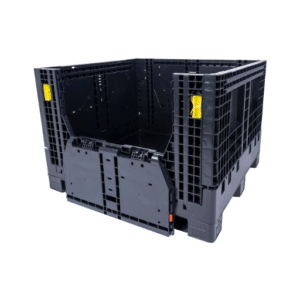
Businesses throughout all industrial sectors must prioritize effective handling of their goods to ensure their secure transportation and storage. The process needs to consider pallet surface design which includes anti-slip pallet surfaces as its most crucial yet frequently neglected element. The new surfaces protect loads from shifting during handling and transit which results in decreased risk for both equipment failure and workplace accidents and production slowdowns. The article defines anti-slip pallet surfaces through their main features and advantages which demonstrate their capacity to improve load security and maintain safe work environments. Understanding how anti-slip pallet technology functions is necessary for both supply chain optimization and safety standard compliance in contemporary logistics operations.
Understanding Anti-Slip Pallet Surfaces
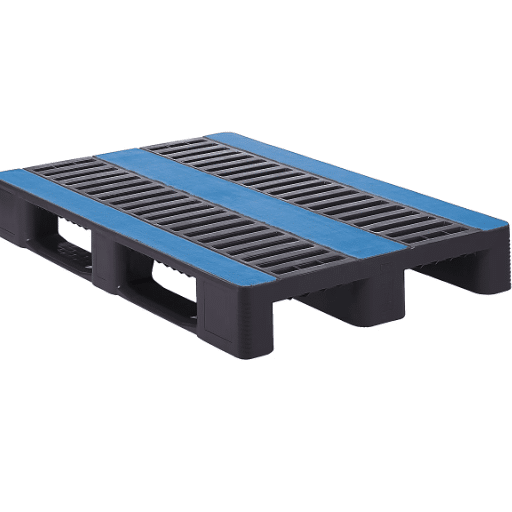
Definition of Anti-Slip Pallet Surfaces
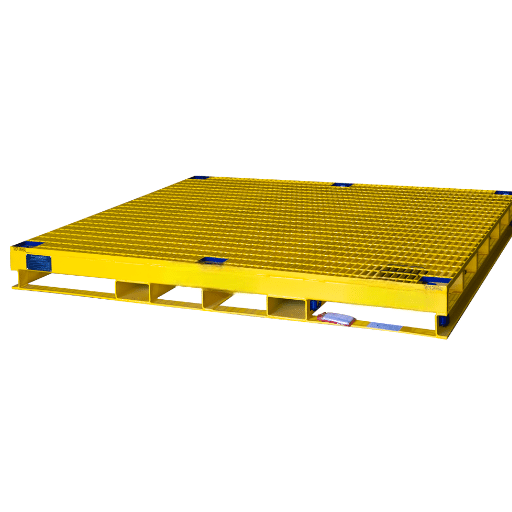
Anti-slip pallet surfaces refer to dedicated technical fixtures which create permanent attachments to pallets to stop products from moving during their transportation and storage periods. The surfaces use textured coatings and rubberized finishes and built-in grip designs to create higher friction contact between the pallet and the cargo. Anti-slip surfaces protect loads by preventing their movement which results in safer workplaces and decreased product damage.
Importance of Load Security
Load security functions as a fundamental requirement which safeguards the entire process of transporting and storing goods. Properly secured loads prevent items from shifting, reducing the risk of accidents, damage, and potential injuries. The system protects product integrity by keeping the items in pristine condition until they reach their destination. Companies need effective load security systems because they maintain compliance with industry standards while reducing their liability risk which prevents them from incurring fines and operational delays.
Safety Features of Anti-Slip Pallets
The main purpose of anti-slip pallets is to keep products stable while preventing them from moving during their transportation and storage. The system has three main elements which function as its primary components.
Key Safety Components:
- ▸
Textured Surfaces: The pallet surfaces are coated or molded with a texture that increases friction, reducing product slippage.
- ▸
Non-Slip Coatings: The application of specialized anti-slip coatings creates additional surface grip which maintains its effectiveness even when the surface becomes wet.
- ▸
High Load Capacity: These pallets are engineered to withstand significant weight without compromising stability which ensures safe transport of heavy goods.
The construction of anti-slip pallets uses materials which can resist both wear and deformation, which allows the products to maintain their safety functions throughout extended periods of usage. Anti-slip pallets need to meet safety standards and load stability guidelines which help decrease handling and transit risks during operations.
The combination of these elements results in enhanced operational safety and efficiency for the entire logistics process.
Benefits of Anti-Slip Pallet Technology
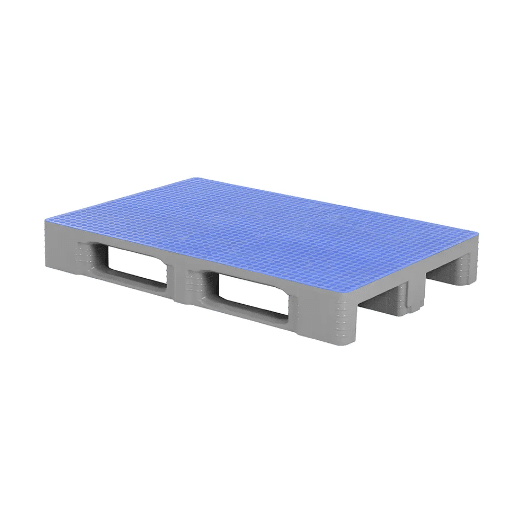
Enhanced Safety in Transportation
The use of anti-slip pallet technology establishes safe transportation methods because it prevents any load shifts that might happen during the delivery process. The anti-slip surface prevents goods from moving on the pallet which creates a safer environment because it reduces unstable conditions that lead to accidents. The system enables loads to stay securely fastened through all operations which include quick directional changes and abrupt halts and rough surface conditions. The anti-slip pallets improve load stability which results in safer handling operations that protect goods from damage while maintaining safety for workers who handle loading and unloading tasks.
Reduction of Load Movement
Anti-slip pallets use friction-enhancing materials on their surface to create an effective solution for controlling load movement. The design improvement enables goods to remain stationary during both handling and transit which reduces the risk of shifting. The increased stability not only protects the cargo from damage but also enhances safety for workers during operations. These pallets maintain load integrity throughout the supply chain because they restrict movement.
Improved Operational Efficiency
The optimization of pallet design through handling time reduction and load stability improvement results in enhanced operational efficiency. The system processes loading and transportation and unloading operations at a faster pace which decreases waiting times while increasing output. The organization benefits from cost savings because product damage and worker injuries have decreased which also streamlines its supply chain activities. The design focuses on stability and durability which results in logistics systems that operate with higher efficiency and reliability.
✓ Top Benefits Summary
- ✦ Enhanced safety during transportation and handling
- ✦ Significant reduction in load movement and shifting
- ✦ Improved operational efficiency and productivity
- ✦ Lower costs from reduced damage and injuries
- ✦ Better compliance with industry safety standards
Common Materials Used for Anti-Slip Pallet Surfaces
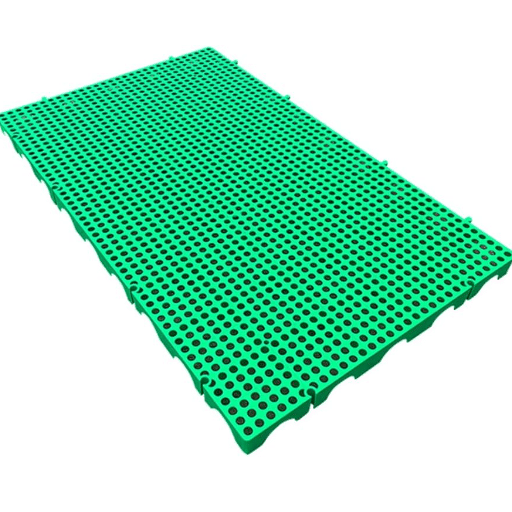
Types of Grip Surfaces
The materials are chosen because they provide better stability and lower costs and match the particular needs of the load.
Comparison of Material Durability
When comparing material durability in anti-slip solutions for pallets, abrasion-resistant paints and anti-slip rubber coatings demonstrate moderate longevity under standard loading conditions, though paints are more susceptible to wear over time. The replaceable design of anti-slip mats makes them more durable because they can withstand multiple instances of heavy load friction. The operational environment and pallet reuse frequency must be evaluated to achieve effective selection.
Environmental Considerations
The environmental impact of materials used for industrial surfaces must be carefully evaluated. Coatings use chemical compositions which produce volatile organic compounds (VOCs) that pollute the air during their application and curing processes. Anti-slip mats made from rubber or PVC synthetic materials become more environmentally friendly when they use recycled materials and recyclable components. To decrease environmental harm, it is better to choose low-VOC coatings and eco-friendly mats which use sustainable materials. The two options need to be tested for their ability to endure and their potential to be recycled in order to reduce waste production throughout their lifespan.
🌿 Eco-Friendly Tips:
- Opt for low-VOC coatings to minimize air pollution
- Select mats made from recycled or recyclable materials
- Evaluate durability to reduce waste over the product lifespan
- Consider sustainable material alternatives whenever possible
Implementing Anti-Slip Pallet Solutions
Assessing Your Load Security Needs
Your load security assessment process should start with testing your cargo products through weight assessment and movement risk evaluation. The transportation conditions which include distance and road quality and handling processes should be assessed because they affect load stability. The specific requirements which apply to your cargo must be determined through the examination of both industry regulations and safety standards. The review process needs to evaluate current stabilization methods which include stretch wrap and straps and anti-slip solutions to determine their effectiveness at achieving operational efficiency and safety goals. The solution selection process requires you to choose options which provide optimal performance at minimal operational costs while maintaining environmental sustainability.
📋 Assessment Checklist:
- Test cargo products for weight and movement risk
- Evaluate transportation conditions (distance, road quality, handling)
- Review industry regulations and safety standards
- Assess current stabilization methods for effectiveness
- Select solutions balancing performance, cost, and sustainability
Best Practices for Pallet Grip Surface Maintenance
The safety of operations depends on proper maintenance of pallet grip surfaces which requires regular upkeep. The maintenance staff needs to conduct grip surface inspections which should include checking for wear through detecting cracks and abrasions and texture loss because these factors reduce friction and load stability control. The cleaning process needs to happen frequently to eliminate dust and debris and spilled materials which create slipping hazards while using cleaning agents that preserve material integrity. The organization needs to initiate grip surface restoration work immediately after they discover any damage because this will help them maintain operational capabilities. The organization needs to adopt dual protection through the application of high-quality durable coatings and treatments which help to improve grip performance and extend surface life while satisfying industry safety requirements.
| Maintenance Activity | Frequency | Purpose |
|---|---|---|
| Grip Surface Inspection | Regular intervals | Detect cracks, abrasions, texture loss |
| Surface Cleaning | Frequent | Remove dust, debris, spilled materials |
| Restoration Work | As needed (immediate) | Maintain operational capabilities |
| Coating Application | Preventive schedule | Improve grip, extend surface life |
Training Staff on Load Safety
The workplace needs proper load safety training to prevent accidents and maintain efficient work operations. The organization needs to deliver complete training about load weight limits and proper lifting methods and necessary equipment which includes forklifts and straps for load safety. The organization needs to establish safety regulations through current OSHA guidelines which all workers must follow. The organization uses hands-on training and refresher courses to help employees build essential skills and knowledge base. The process of pre-lift inspections must be emphasized because it helps identify potential risks while confirming that all tools and equipment work correctly. The organization can achieve substantial reductions in accidents through development of safety systems which connect with educational programs for staff members.
⚠️ Critical Training Elements
- ▣ Load weight limits and capacity understanding
- ▣ Proper lifting techniques and body mechanics
- ▣ Equipment operation (forklifts, straps, tools)
- ▣ OSHA safety guideline compliance
- ▣ Hands-on practice and refresher courses
- ▣ Pre-lift inspection procedures
Future Trends in Load Security and Safety Features

Innovations in Anti-Slip Technologies
The recent development of anti-slip technologies has created better traction and safety for industrial applications through material engineering methods. The first innovation produces high-friction coatings through nanotechnology which creates micro-textured surfaces that enable better grip during wet or oily conditions. The construction of flooring and footwear products now uses rubberized materials and composite materials which have excellent adhesive properties. The development of intelligent anti-slip surfaces enables detection of environmental temperature and moisture changes, which creates effective solutions for slip prevention. These advancements are increasingly essential for companies to meet safety regulations while decreasing workplace accidents.
🔬 Nanotechnology
High-friction coatings with micro-textured surfaces for superior grip in wet/oily conditions
🧪 Advanced Materials
Rubberized and composite materials with excellent adhesive properties
💡 Smart Surfaces
Intelligent detection of temperature and moisture changes for adaptive slip prevention
Impact of Regulations on Pallet Safety
Pallet safety regulations play a crucial role in helping businesses meet industry standards while protecting their workers from dangerous situations during material handling operations. The International Standards for Phytosanitary Measures ISPM 15 requires shipping companies to heat treat or fumigate wooden pallets before using them to transport goods across international borders to prevent pest outbreaks. The Occupational Safety and Health Administration and the American National Standards Institute establish safety regulations for pallet design and load capacity and handling procedures. The regulations push companies to develop new pallet materials and manufacturing methods, which results in the adoption of more robust and sustainable materials like plastic pallets that maintain their quality during contamination and structural decline. The adherence to these regulations will decrease accidents and increase worldwide trading efficiency while promoting sustainable environmental practices.
📜 Key Regulatory Bodies:
- ISPM 15: International Standards for Phytosanitary Measures – requires heat treatment or fumigation of wooden pallets
- OSHA: Occupational Safety and Health Administration – establishes safety regulations for pallet operations
- ANSI: American National Standards Institute – sets design, load capacity, and handling standards
Predictions for Industry Standards
The development of new industry standards will conduct extensive evaluations of automation systems which utilize intelligent technologies for their pallet tracking and handling operations. The supply chain system will experience improved operational efficiency and visibility through the widespread adoption of RFID tagging and IoT-enabled pallets. The stricter environmental regulations require companies to use recyclable and biodegradable pallets, which help decrease the carbon emissions produced during logistics operations. The industry will continue to work together to develop policies that establish standard pallet sizes and interoperability requirements to support efficient international trade and smooth transportation operations.
References
-
The Effect of Pallet Top Deck Stiffness on the Compression
This academic paper discusses methods to increase friction, including the use of anti-slip sheets.
Read the paper here. -
Energy Consumption When Transporting Pallet Loads
This research paper explores load damage tests, anti-slip forklift attachments, and computational analysis.
Read the paper here. -
Slips, Trips & Falls
This document includes safety measures like anti-skid paint and slip-resistant coatings, which are relevant to pallet safety.
Read the document here.
Frequently Asked Questions (FAQ)
🎯 Final Thoughts
Anti-slip pallet surfaces represent a critical investment in workplace safety, load security, and operational efficiency. By understanding the materials, maintenance requirements, and future innovations in this technology, businesses can make informed decisions that protect both their products and their workforce while staying ahead of industry standards.