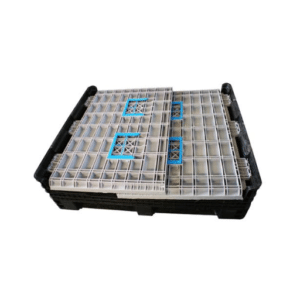
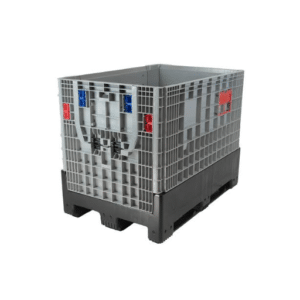
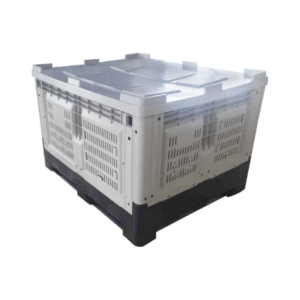
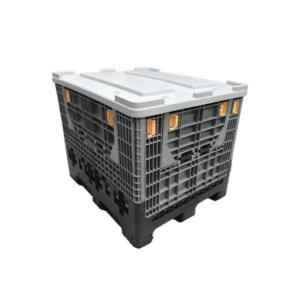
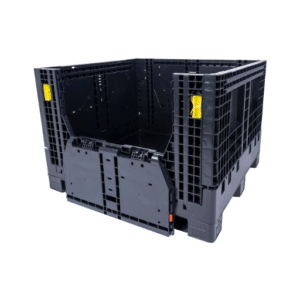
Demand for such traditional wooden pallets has grown over the last few years as a result of their enhanced structural stability and efficiency, as well as a drop in the price of wood and plastic pallets. Industries such as logistics, retail, pharmaceuticals, and food and beverages have particularly driven the growth of the plastic pallet market. This shift has also been caused by the heightened need to improve the efficiency, sustainability, and operational effectiveness of businesses. Many consumers are now looking for reusable, lightweight, and robust pallets, making plastic pallets an attractive option. This article will discuss the main trends of the plastic pallet market, what stimulates its growth, and what problems and opportunities are foreseen in the market. This post cuts across the present situation and projections in the market to present critical information to the readers on one of the most important changes that have come in supply chain management in recent times.
Introduction to the Plastic Pallet Market

One of the most robust and economically convenient methods that is utilized in the field of logistics and supply chain is a plastic pallet. It compares favorably to wooden pallets as it does not absorb moisture, is unaffected by chemicals or even termite threats, and does not weigh much. Moreover, the usage of plastic pallets is longer due to their higher strength and, therefore, is less prone to wear and tear. As the world shifts towards a greener mode, it is the norm nowadays to find most of the plastic pallets being made from recyclable materials, apart from mere compliance with regulations. Their popularity, ease of use all over the world, together with consistent quality, the plastic pallet market keeps evolving, improving the efficiency of a transport or storage system.
Current State of the Plastic Pallet Industry
Enhancement of the plastic pallet industry is primarily attributed to the constant growth in the need for more effective supply chain solutions, which are more durable and have little or no harm to the environment. As per the current trajectory, the plastic pallet market will grow by an exceptionally high CAGR due to the increased supply of plastics in the pharmaceutical, food and beverage, as well as e-commerce sectors, which require such solutions for safety reasons or due to strict governmental policies. Key industry players are progressively adopting lightweight designs along with high strength to ensure minimum costs incurred during transportation by users.
The breakthrough can be seen in the adoption of high-technology manufacturing processes like injection moulding and thermoforming in an attempt to maintain and improve the quality and consistency of the product. Use of that form of waste, specifically recycled plastics, is on the rise as materials for manufacturing purposes, which satisfies not only the environment but also the business costs. Another factor, which is the existence of standard sizes and the international adaptability to automatic warehouses, has also played a role in the expansion of plastic pallet usage in many countries. This sector has challenges to counter with those of high upfront investment, although these are resolved by the economic and environmental benefits.
Importance of Plastic Pallets in Supply Chains
The usage of plastic pallets in current supply systems has risen over the years because of their features, such as, but not limited to: robustness, plasticity, inter-alias automaticity, etc. Unlike the wooden pallet, they are packed with benefits as they do not absorb liquid, resist pests and bacteria, and this makes them very suitable for use in clean processes such as manufacturing drugs, food, and drinks divisions. Further thanks to their regular shapes, they are most suitable for use in automatic handling clarivate equipment, which in turn boosts the effectiveness. Also, plastic pallets have a long operational life and can be recycled, lowering the total cost over their life span as well as encouraging the protection of the environment. Although the plastic pallet market segments tend to be costlier than the other segments, their ease of use in terms of reuse strategies claims their position as factors that enhance the functional efficiency of the supply chain.
Overview of Market Size and Projections
In the year 2022, the worth of the plastic pallet market across the globe was close to $7.1 billion. The market is expected to expand at a compound annual growth rate of 5.6% over 2023-2030 and will be estimated to reach a figure of $11.2 billion by the end of this analysis. The heightening of the demand is brought about by the need for robust and environmentally sustainable logistics across many sectors, including pharmaceuticals, edibles, and online marketplaces. Most significantly, the current market is affected by the increasing adoption of automated warehouses, which require standardized pallets, as well as the desire to limit the use of waste by focusing on recyclable materials. Geographically, the Asia-Pacific region is at the forefront of the market because of industrialization and increased export activities, whereas in North America and Europe, the market is mature and grows moderately because such developments are already integrated into their supply systems.
Market Growth Drivers in the Plastic Pallet Sector
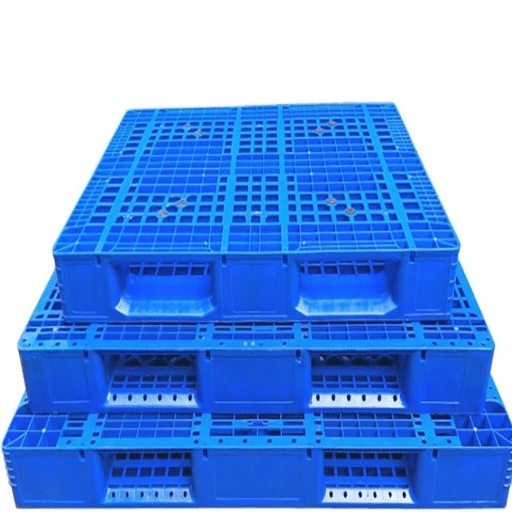
The major factors of the growth are represented by the rising need to replace the traditional wood-based pallets with more durable and lightweight materials, especially in the in conjunction with high hygiene-demanding industries such as pharmaceutical and food processing. Besides, because plastic pallets can be reused and recycled, which is in compliance with the world trend on sustainable development, the consumption of these pallets is increasing. Also, the increase in the number of automated warehouses leads to the deployment of more uniform and accurate pallet standards, which are enhanced by plastic. In addition, with the increasing globalization and engagement in export activities, the demand for more durable and efficient ways of shipping is increasing, which is stimulating this plastic pallet market segment.
Increasing Demand for Durable Packaging Solutions
The global landscape is reshaping with more and more emphasis on sustainable and efficient solutions in the field of packaging and logistics, with the constant pressure to keep costs down. Organizations focus more on the transportation safety of their products and the excessive use of resources; therefore, the company materials shift towards materials that allow for transport without any wastage. Increasingly, durable, rigid, and composite packaging, such as rigid plastics, metal, and composite materials are preferred because they enhanced strength against damage, moisture, and temperature fluctuations in the walls remarkably exceeds that of traditional packaging like corrugated boxes, as well as plastic pallet market or even wooden boxes.
The increase in the e-commerce industry has led to stronger and more durable packaging to lessen product returns due to destruction of commodities in transit, while beverage, pharmaceutical, and other electronics manufacturing companies are using more durable packaging due to safety and quality compliance, among others. Especially now, addressing environmental issues has enhanced efforts for the utility of waste or its recycling to ensure the safekeeping of the environment by decreasing the amount of waste and how it is disposed of. All these dynamics point out the increasing relevance of stronger packages in the world’s supply chain networks.
Regulatory Trends Favoring Sustainable Materials
Regulation around the globe is currently moving towards the reduction of environmental impacts through sustainability and, more importantly, materials. For instance, the EU Single-Use Plastics Directive seeks to limit plastic usage by eliminating certain single-use plastics and encouraging their use only when it is possible to replace them with biodegradable ones. Similarly, in the U. S., there has been the introduction of policies with the Break Free From Plastic Pollution Act, which aims to minimize the reliance on non-recyclable wrapping and the responsibility of the manufacturers is increased. On the other hand, nations like Canada and India have resorted to the prohibition of some plastic commodities, catalyzing the transition towards materials that are renewable, reusable, and recyclable. All these regulations aim to stimulate the development of sustainable packaging while meeting the environmental targets. The global perception seems to prove that there is an unmistakable shift towards concepts that remain friendly to the environment, satisfy the majority of the established policies, and meet the growing need for the adoption of sustainable lifestyles.
Technological Advancements in Pallet Manufacturing
There is a noticeable enhancement in efficiency with simultaneous reduction of energy consumption as well as greater durability in every new production process in the modern world, thanks to all the recent developments in technology, which have been applied to making pallets. An example of an innovation is the manufacturing systems that have been automated. Robots and other sophisticated automation systems speed up production within optimal limits, thereby decreasing the costs for labor as well as the errors that occur, and increasing accuracy. Further, as a way of meeting environmental targets, pallets are being manufactured from recycled and biodegradable materials, thus contributing to a circular economy.
Improved tracking capabilities have been integrated into smart pallets that make use of IoT technology. This technology allows for tracking of location, load weight, and other conditions in real-time, thus improving transparency and operating efficiency. In addition, the modularity of pallets and the strategic use of composite materials have improved their performance capabilities relative to their weight. All these developments are just a demonstration of how pallet innovations are traveling towards supporting the latest logistics systems as well as the current environmental green efforts.
Sustainability Trends in the Plastic Pallet Market

In recent times, the plastic pallet market has shown a significant inclination towards sustainability as seen in the use of recycled-oriented materials and closed-loop and light-weight pallet technology that helps in practical lowering of transport-related carbon footprint. The attention of manufacturers has turned towards pallet production using post-consumer and post-industrial plastic materials, avoiding virgin materials. Moreover, reusable plastic pallet production offers a prolonged service in comparison to conventional types, therefore reducing waste generation. These principal trends offer solid evidence that the industry is determined to engage in circular economy approaches.
Recycled Plastics in Pallet Production
Pallet manufacturing from recycled materials pertains to the logistics market in the context of both environmental protection aspirations and economic efficiency. First of all, the incorporation of post-consumer and post-industrial plastics helps producers to meet the market demand for virgin plastic, which conserves natural resources and decreases the emissions of gases that are associated with the reclamation of raw materials. The advantage of such pallets is that they are strong and can be used over and over. They have a long cycle of use. This is in contrast with wooden pallets, which can be easily broken into pieces when they are heavily loaded or used for a long time. In addition, these pallets are free from moisture, pests, and contamination. Therefore, they are very suitable in sectors with high hygiene standards, such as the food and pharmaceutical industries. Today, there are also new methods in which broken pallets can be recycled, too, hence allowing the manufacturers to use the already old materials to manufacture a new pallet, resulting in a closed loop. In the end, the use of recycled plastics in the manufacture of pallets not only illustrates the evolution of the plastic pallet market across more affordable and ecological ways but also rational ways of doing business.
Environmental Impact and Life Cycle Assessments
Evaluating the sustainability of plastic pallets can be achieved through the application of environmental impact assessments or life cycle assessments (LCA). The latter benefits from considering the full life cycle of a pallet, including its construction, transport, utilization, and disposal. Several studies show that plastic pallets have a smaller carbon footprint than wooden ones, most notably those produced from recycled materials. The reasons are some of the advantages of plastic pallets over wood in terms of lifetime and re-use, since the energy needed for the production in every part of the plastic pallet market is minor as opposed to that of their wooden counterparts.
There is no doubt that these factors: the nature of these components, how they are transported, and environmentally friendly disposal, will determine how bad or good the systems are. That is why it’s very importance knows its consumers and seek improvement in that area. Incineration will not solve the problem, except in this case. Manufacturers try to reduce the percentage volumes of waste generated and disposed of by encouraging the production of plastic pallets with recyclable plastics.
Comparative Sustainability of Plastic vs. Wood Pallets
|
Parameter |
Plastic Pallets |
Wood Pallets |
|---|---|---|
|
Material |
Plastic composites |
Natural wood |
|
Durability |
High |
Moderate |
|
Weight |
Lightweight |
Heavier |
|
Recyclability |
Fully recyclable |
Limited recycling |
|
Lifespan |
Long |
Shorter |
|
Cost |
Higher upfront |
Lower upfront |
|
Load Capacity |
Uniform load support |
Uneven load risk |
|
Resistance |
Chemical/moisture |
Moisture-prone |
|
Repairability |
Difficult |
Easy to repair |
|
Common Uses |
Hygienic industries |
General logistics |
Material Innovations and Their Impact on the Market

Developments in materials science offer new possibilities for many industries by developing materials that are lighter than metal and as strong as it or even plastic, but at the same time not harmful to the environment. For example, new composite and recycled plastic materials in logistic industry are being adopted in increased volumes because of the tremendous strength that they offer, as well as the problem of disposal of wood. This not only improves efficiency and service life of products but also reduces operational expenses, which is a global agenda of sustainability. These developments help in the growth of the market due to changes in the degree of attention given to the need for skills and environmentally friendly products. Thus, this leads to a change in competitive strategies in segments such as the plastic pallet market.
HDPE vs. Other Plastic Materials
One of the most notable characteristics of the high-density plastic known as polyethylene is its impressive strength compared to its own density, resistance to attack by chemicals, and multiple uses. In the case of comparison between low-density polyethylene (LDPE) and HDPE, where the latter is stiffer and more robust, so that no problems appear, for example, in the use of pipes, barrels, or other industrial components. In contrast with polypropylene (PP), HDPE is more resistant to UV rays and harsh effects of weather, which benefits its several applications in building and aviation. If you match it against polyvinyl chloride (PVC), you will find that the use of HDPE is more adaptable in terms of piping and less prone to environmental cracking. HDPE ranks first in materials used in applications where recycled products and long-lasting batteries are major priorities due to their recyclability and capacity to withstand high loads.
New Developments in Lightweight Pallet Designs
The latest in the practice of pallet construction highlight light weight, environmental sustainability, and cost optimization of the cost cutters in the entire end-to-end of every logistic process. Nowadays, most solid materials like plastics, such as advanced high-strength steel, and plastics like reinforced plastic and great evolution plastics, are used within manufacturing companies to construct the lightweight crates which have increased loading capabilities and reduce the cost of transport. It has also been significant in addressing the structural weakness of the conventional plastic pallet designs through improved elements and inclusion of smart concepts such as recycling and dematerialization, which have greatly improved the economics of the plastic pallet market.
In the context of this, developments in 3D printing are providing an opportunity to make pallets to order, which helps in reducing the cost of unnecessary materials and facilitates the manufacture of pallets with the appropriate design when particular types are required. Smart pallets consisting of IoT gadgets that allow tracking, detection of temperatures, and so on in a more effective way are another development in this field. Such developments go along with the dynamic tendency on demand for ecologically safe and smart logistics solutions and raise the bar of how pallets are manufactured and used in contemporary supply chain structures.
Customization and Versatility of Plastic Pallets
Plastic pallets have become a dominant component of the casino thick-head landscape as they are designed and constructed to satisfy almost every need of an organization engaged in non-logistic gear types of most industries. The dimension, mass, and strength of the pallets can be adjusted to allow for use in, for example, semi or fully automated warehouses, or stacking with a unique storage area. As one might expect, the presence of reusable exteriors made of single-piece reinforced plastics or easily adjustable sectional exteriors makes them well-suited to pharmaceutical clean room environments, food-grade, and chemical handling applications. Also, economies may be made by adding elements such as non-slip covers, borders that fight deformation, and recesses in the middle of the plastic pallet market.
Sophisticated design characteristics allow other marketing enhancements, such as tracking devices like RFID tags or QR codes that can improve an enterprise’s inventory and third-party logistics transparency. Besides, the plastic pallet market covers four core nestable and reusable models – all aimed at reducing the required storage space for all the logistics pallets and promoting reverse logistics. They are durable, moisture-proof, dust-free, pest- and dirt-resistant, made for any field of operation, and that is a significant logistics benefit since they are able to satisfy many applications’ requirements.
Selecting Plastic Pallets for Businesses

When purchasing a plastic pallet, it is crucial to consider the following:
Load Capacity: Be specific about the weight that will be placed on a pallet to avoid any mishap that may arise because of issues in the load capacity of selected pallets. Pallets should accordingly be selected in terms of load capacity; this means they can be light, medium add heavy-duty types.
Size and Compatibility: For example, check if the pallet’s specifications match the size of the shelving units or the forklifts that would be used during storage, transportation, and handling procedures.
Application and Environment: Identify the palette’s functional use. For example, the food industry and even pharmaceutical products regularly necessitate the use of clean pallets for compliance reasons.
Durability and Lifespan: Look into the qualities of the materials it is made from to ensure that they will continue to function even after many operations and elements such as intense heat or water, which may lead to its deterioration.
Cost-Effectiveness: Check both the cost of purchasing and its advantages over time, such as longevity, ability to be reused, and lower maintenance costs.
The first step in every plastic pallet market analysis is to distinguish the two different groups of interest and develop particular models for each of them separately.
Criteria for Choosing the Right Pallet Type
When choosing the most cost-effective pallet for your business, the following key factors must be considered to ensure the right pallet meets the expected operational standards.
Material: Consider where the use of plastic, wood, or metal pallets falls within your need for handling, the working environment, and any related regulations. Plastic pallets are strong and clean, wood pallets can be used over many applications, have relatively low costs of production, and possibly portable while metal ones can carry loads that are heavy and in certain circumstances.
Capacity: Determine the maximum weight carried by the static and dynamic loads of the pallets. This information is critical in ensuring that the pallets can withstand the particular weight of the goods to be transported or stored without compromising any safety component.
Design and Function: The pallet should be checked to make sure it is the acceptable size within each region (ISO, euro pulp, GMA, etc.), and it, in turn, integrates well with racks, browse lifts, and other infrastructure in the supply chain and also within facilities.
Recyclability and Perseverance: Opt for pallets engineered for longevity to decrease the need for replacements and wastage. Look into in relation to their capabilities of withstanding abrasion and deformation as well as other changes in an environment, e.g., wetness, insects, or temperature extremes.
Sanitation and Regulations: Especially in the food & drug industries, preference should be given to pallets that meet the hygiene specifications, such as the HACCP or FDA, and in addition, they are able to be cleaned and sterilized with ease.
Environmental Concern Aspects: Preference should be given to pallets that have been made using materials that can be recycled, or that assist in conserving the environment, for example, through re-use, or through lessening the environmental impact.
Costing Aspect: Evaluate short-term cash outflow against the long-term avails; elements such as lifespan, care, and disposal costs. An overall cost assessment is necessary in order to get an appropriate resolution in this matter.
By dealing with some of the above issues in a sequential manner, it is possible for organizations to select the best possible type of pallet that supports the business processes of the organization while also conforming to the requirements which are imposed in that particular industry.
Cost Considerations and ROI on Plastic Pallets
Weighing the cost against the ROI of a plastic pallet market, I look into not only how much it will cost to get the pallets but also how the pallets will help me financially in the long run. The cost of acquiring plastic pallets is undeniably higher than that of customary wooden pallets; however, the replacement and repair costs usually tend to be lower because the plastic ones are more resilient, need less care, and last longer. Additional aspects, such as contamination-free, lighter weight for ease of transportation, and even recyclability, increase their in-use advantages for their economic value. A detailed expenditures study allows me to know if the savings on operations provide sufficient justification for the purchase.
Case Studies of Successful Implementation
Case Study 1: Optimizing Supply Chain Logistics with Plastic Pallets
There was a change in materials used for pallets by a multinational retail company from wood to plastic with the aim of improving the supply chain operations. In an attempt to reduce the cost of shipping, they successfully reduced the shift by 15% by the use of light and robust plastic pellets, which reduced the weight of the pallets and also decreased the use of fuel. In addition to keeping the risk of contamination of perishable products and extending the use of the pallets 30%, the change also minimized the need to purchase new pallets very often. The return on this particular investment was found to be feasible as it was realized in less than two years.
Case Study 2: Enhanced Hygiene in Food Manufacturing
An influential food corporation grumbled about hygiene regulations within the manufacturing chain frequently because of the slant of wood pallet contamination. Polymer pallets are easier to maintain, and they do not retain moisture; this has facilitated the industry to switch to polymer pallets to adhere to the very strict safety legislations. As a result, there was a marked improvement in terms of reduction of product losses due to contamination, and due to adherence to norms, which in effect saved the company millions of dollars in sanctions and revenue losses.
Case Study 3: Sustainability Goals Achieved by Recycling Plastic Pallets
A supply chain management firm demonstrated its concern for the environment by banishing the traditional wooden pallets and instead using exclusively recyclable plastic pallets. It entered into cooperation with suppliers of these pallets in order to be sure that the discarded containers were recycled and not merely dumped in a landfill site, thereby positively contributing to the waste management problem. This initiative led to a dramatic change over 5 years, as waste management costs dipped by up to 40% and enabled the company to become a forefront force in such environmentally friendly business practices, as well as improved the company’s image, thus retaining upper-class clients among many others – the eco-conscious ones.
As evidenced by these examples, every industry has managed to strategically incorporate the use of plastic pallets to enhance operations, observe laws, guarantee sustainability, and most importantly, make the initial costs worthwhile.
Reference Sources
This meta-analysis reviewed 16 studies on the environmental impacts of wooden and plastic pallets. It found that plastic pallets generally have a higher carbon footprint than wooden ones but offer longer lifespans and better resistance to weathering.
Enterprise Green Logistics Packaging Transformation in the Context of Dual Carbon Goals
Focuses on Alibaba’s green logistics packaging strategies under China’s dual carbon goals.
Frequently Asked Questions (FAQs)
What is the status of plastic pallets in the world today?
The situation of the plastic pallet market content indicates a growing and increasing market for plastic pallets, mainly due to the use of stronger plastic pallets and sanitary plastic pallets in food and related industries. The analysis also indicates that pallets, which are reusable plastic pallets and recycled pallets, form an increasing share of the market in the coming years as the business sector tends towards expansion and improvement of supply chains. It also states that plastic pallets are far lighter than industrial wooden counterparts, have low operating costs and better efficiency recording than the wooden ones, and are being enforced in most regions.
What is the extent of the market for plastic pallets, and what weight was it assigned?
Reports of the plastic pallet market size differ from industry to industry, but many analysts predict that it will expand to reach a certain number of USD in the future. Some state that the market size was such in the past few years, while others in which it is stated that there will be growth, and more often than not, when forecasts are made, it is forecasted that the total market will reach several US dollars due to many generators of demand, including reusable and rigid plastic pallets. In addition, some of the studies have the circulation of pallets, which requires the replacement of conventional wood pallets, expressed in millions of pallets.
What are the major trends and forces in the plastic pallet market worldwide?
Some of the key market developments are the: invention-triggered demand for plastic pallets for food hygiene, use of HDPE and other grade plastics pallets for high sustainability, and the trend of recyclable pallets, which aims to achieve ESG compliance. More expounding, the dynamics of the plastic pallet market embrace the pallet technological advancements, the merger of plastic packaging, integration of plastic pallets for better performance, and strategic alliances among the plastic pallet market players. It is this environment that fosters the increasing expansion and domination of the plywood pallet market.
What are the reasons for the high usage of plastic pallets, and how effectively do they perform when compared to the conventional wooden pallets?
The plastic pallet market will experience growth on a macro level as the benefits of plastic pallets have been found and illustrated: the ability to restrain contamination, lighter structures, and easier costing through the elimination of some pallets at each stage of the supply chain. It helps to reduce pallet costs, especially since plastic pallets last longer, have uniform dimensions, and are more hygienic for some industries, such as food and drink. Moreover, the likelihood of using plastic pallets is enhanced by the use of reusable and also reformable recyclable plastic pallets that help in minimizing the consumption and produce less waste.
Who are the prominent plastic pallet manufacturers, and what various solutions do they offer?
The plastic pallet market analysis points out many manufacturers of plastic pallets from different regions and suppliers who provide everything from basic HMPE plastic pallets to specialized, clean, durable plastic pallets to clients who want personalized, durable plastic pallets. Perfect Pallets Inc and many other companies have products targeting specific markets, such as reusable pallet pooling, manufacturing, or organizing pooled pallet programs and lifecycle management services meant to enhance the effectiveness of pallets and reduce any costs incurred on pals.
How are market projections anticipating the need for these plastic pallets over the period of the next five years and beyond?
According to the industrial report, the need for plastic pallets tends to rise progressively, and the market will not reach the set figures of USD until the middle of the decade, as businesses aspire to use pallets due to the influence of regional pallets that are both hygienic and sustainable and operational at the time of production. This view has been especially noted in the case of e-commerce companies that have involved the use of the increasing popularity of the normal functions as well as the pallets of certain businesses, such as pharma, food, and beverages, where they carve out a niche market in addition to the ordinary market of wooden pallets.
What are the segments of the global plastic pallets market, and who are the users of plastic pallets?
In conducting plastic pallet market segmentation, material type (HDPE, PP, etc.), product type (stackable, nestable, rackable), application type (storage, transport), and end user type are considered. The major end-user sectors of plastic include food & beverage, pharmaceutical, electronics, and retail logistics due to hygienic plastic pallets, lightweight pallets, and better pallet improvement. Reusable plastic pallets and other plastic packaging formations are very much appreciated and used for closed-loop supply chains.
What challenges and potentials exist in the future of reusable plastic pallets?
Challenges arise with increased initial costs of pallets, unlike the wooden pallets, and a higher requirement for sound recycling facilities for plastic resins. Opportunities, on the other hand, lie in cost savings associated with innovative pallet designs, government incentives on recyclable pallets, and increased relevance of pooling and lifecycle services in the packaging industry over time. With plastic pallets rapidly being endorsed in the market, such reports indicate the promise of fast growth and increasing share of the market of such robust, healthy, and recyclable pallet designs.